

Introduction
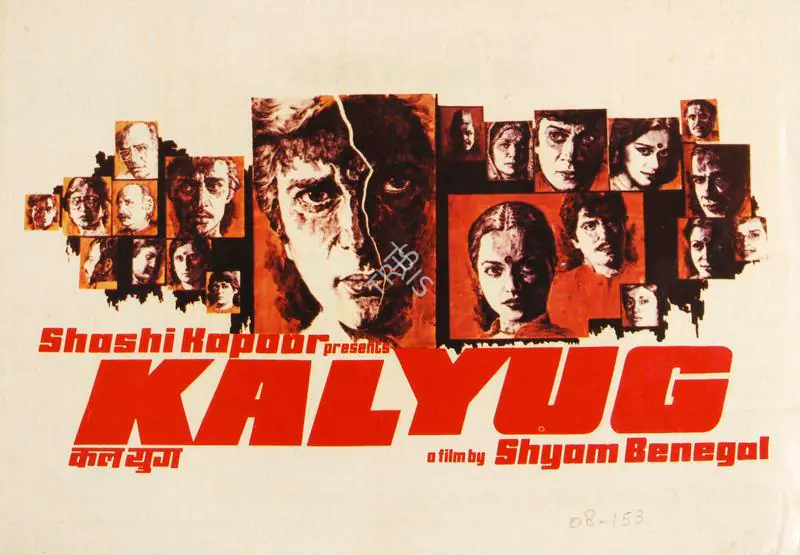
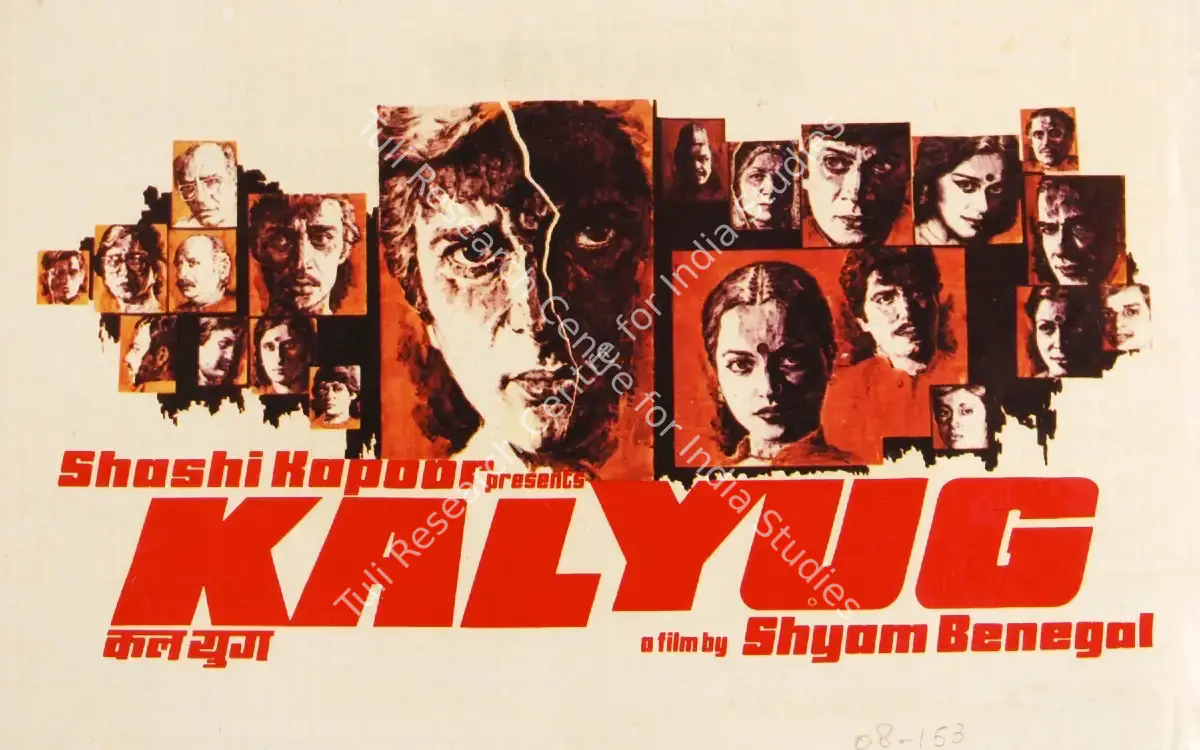
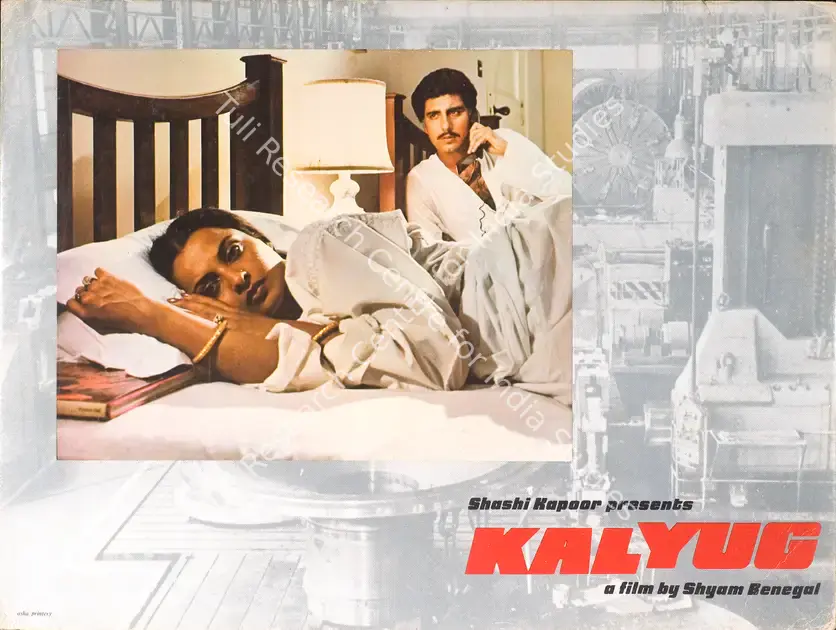
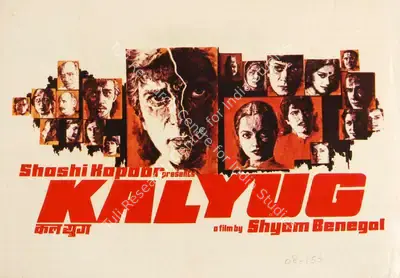
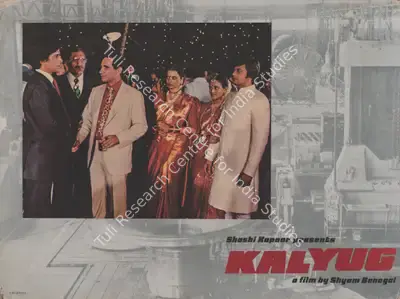
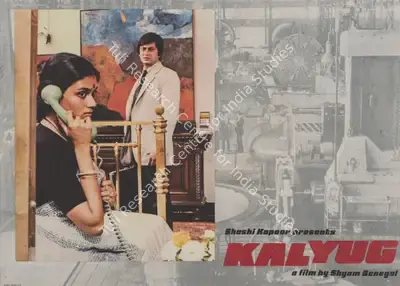
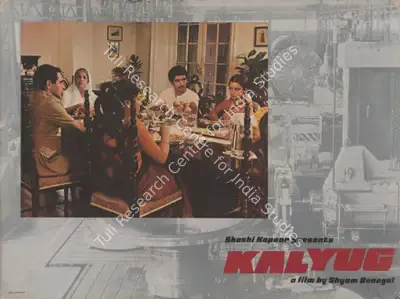
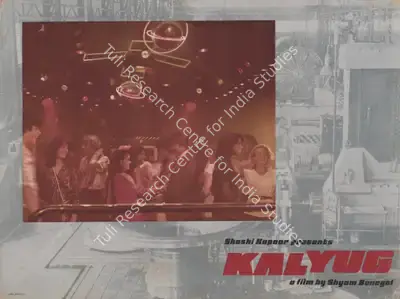
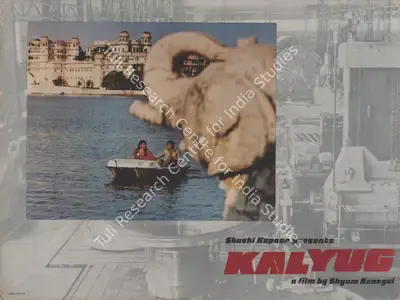
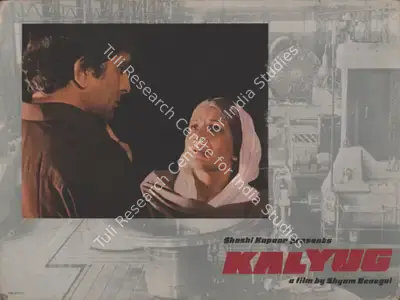
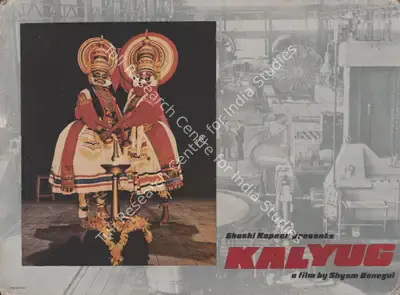
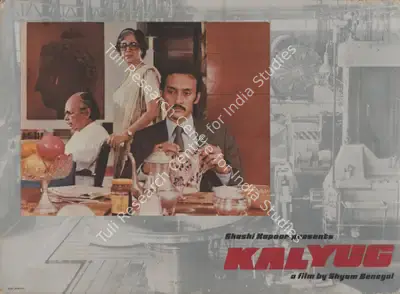
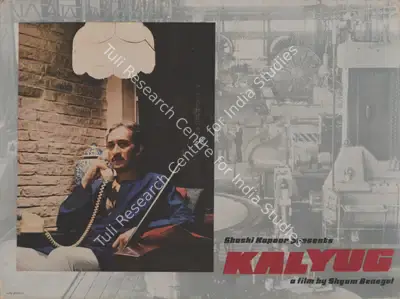
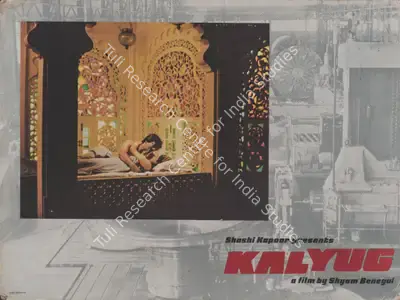
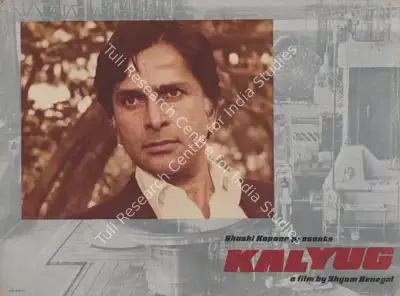
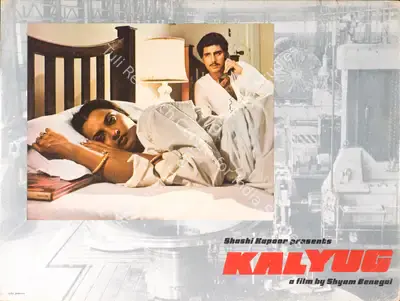
Kalyug, a crime-drama film directed by Shyam Benegal and co-written by renowned playwright Girish Karnad, is an austere and secularised reinterpretation of the Mahabharata, set in contemporary industrial India. The film follows two rival business families, each symbolising the warring factions of the epic, as they become embroiled in a destructive battle for power and control. Through corporate betrayals, family conflicts, and moral dilemmas, the film explores the devastating effects of unchecked ambition and greed on familial bonds and social structures. Its bleak, nihilistic tone underscores the disintegration of modern society, a reflection of the Kalyug age in Hindu mythology.
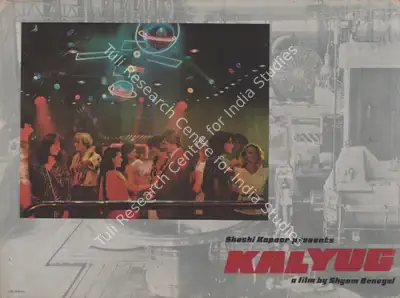
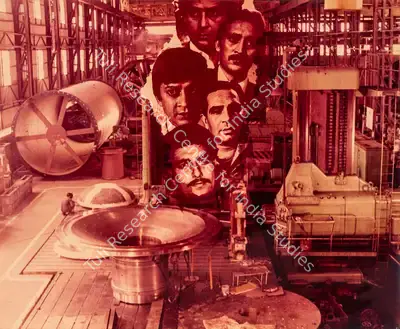
Kalyug resonates with the rising industrialisation of India in the 1980s and the accompanying moral decay and corruption within the upper echelons of society. It critiques the capitalist ethos that fuels urban reality, unveiling how the blind pursuit of power erodes traditional family structures and exposes deep-rooted hypocrisies. Through his characters, Benegal highlights the disillusionment with the promises of modernity, paralleling India's postcolonial condition with the ancient conflicts of the Mahabharata.
कलयुग में 1980 के दशक के भारत में तेज़ी से होते औद्योगीकरण और उसके साथ समाज के श्रेष्ठी वर्ग के भीतर पैर पसारते नैतिक पतन और भ्रष्टाचार की तस्वीर है। यह शहरी जीवन का आधार बने पूंजीवादी लोकाचार की आलोचना प्रस्तुत करती है और बताती है कि कैसे सत्ता पाने की यह अंधी दौड़ पारम्परिक पारिवारिक संरचनाओं को नष्ट कर देती है और समाज में गहरी जड़ें जमाए बैठे पाखंडों को सामने ले आती है। अपने किरदारों के माध्यम से बेनेगल यहाँ उन वायदों से मोहभंग को उजागर करते हैं जिन्हें आधुनिकता अपने साथ लेकर आई थी, और ऐसा करने के लिए यहाँ वे भारत के उत्तर-औपनिवेशिक यथार्थ को महाभारत की कथा के प्राचीन संघर्षों के समांतर रख देते हैं।
Body of Work
Research Centre

Calendar 1
- ArchivedExhibitionProject 15Exhibition | The Cinema of Shyam Benegal | T.R.I.S. in Collaboration with 17th Habitat Film Festival20th - 24th May 2025T.R.I.S. in Collaboration with 17th Habitat Film Festival will be commemorating the life and work of two pioneering individuals of the Indian film industry, who shaped Indian cinema in their unique ways. One exhibition celebrates the birth centenary of Raj Kapoor, while the other remembers Shyam Benegal. The Cinema of Raj Kapoor – 15 to 20 May 2025 The Cinema of Shyam Benegal - 21 to 25 May 2025 10:00 am to 8:00 pm daily at the Convention Centre Foyer GalleryRead More →