

Introduction
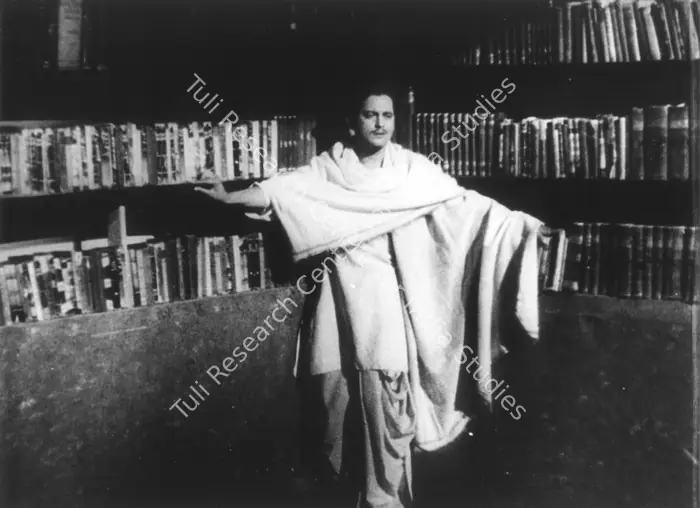
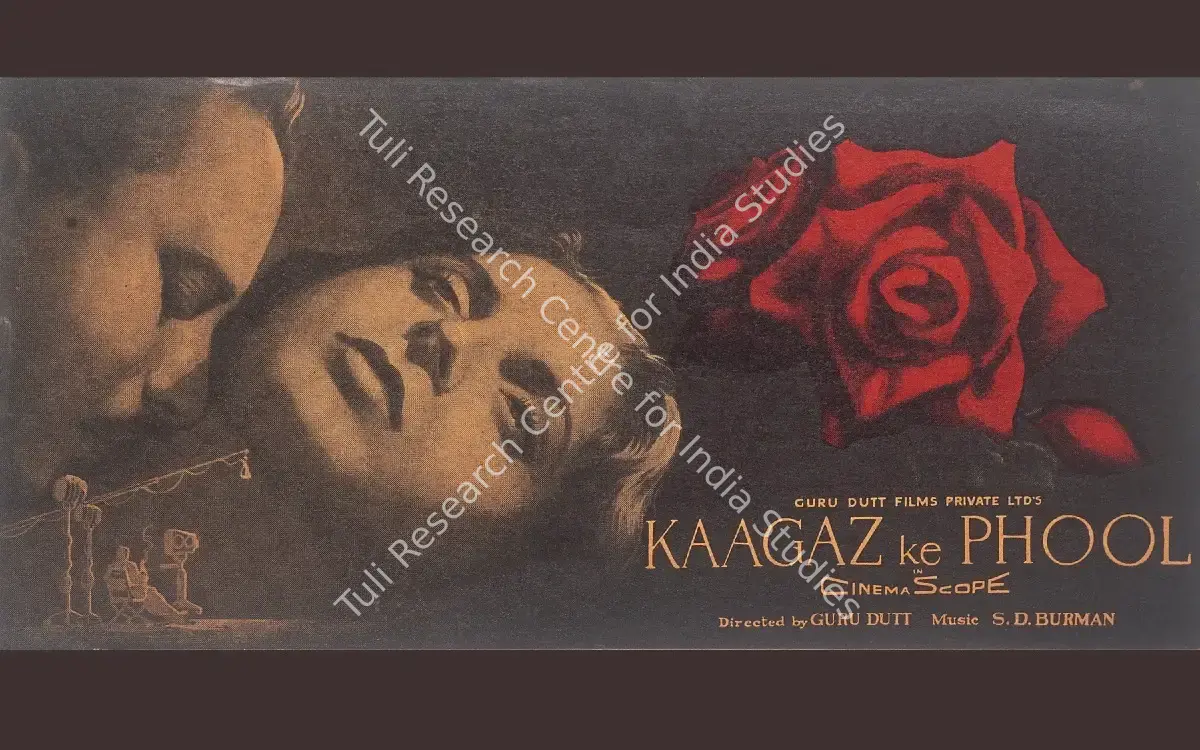
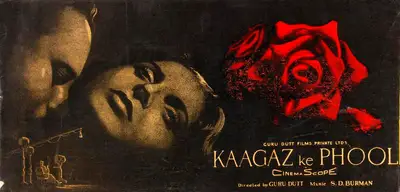
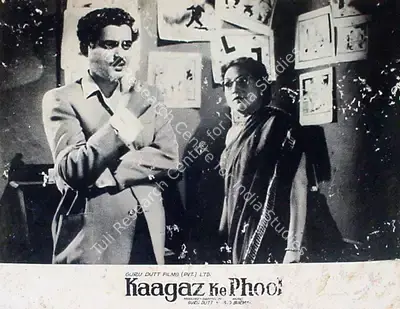
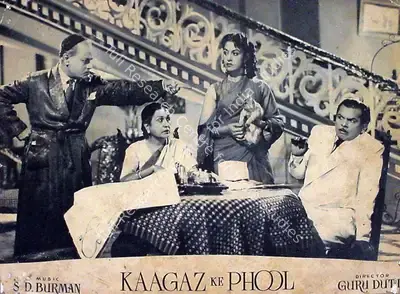
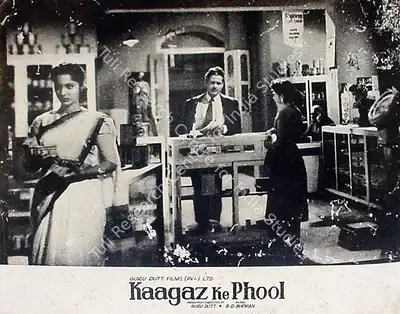
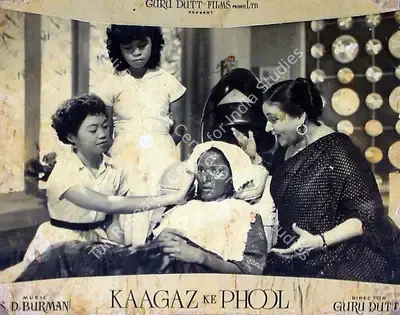
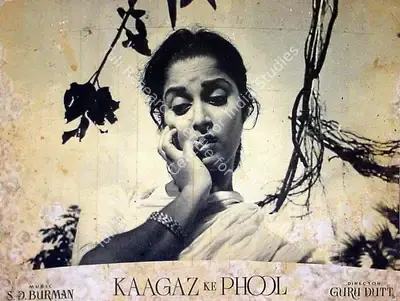
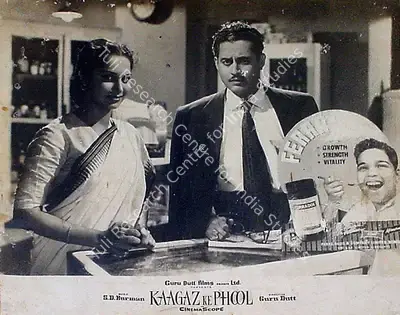
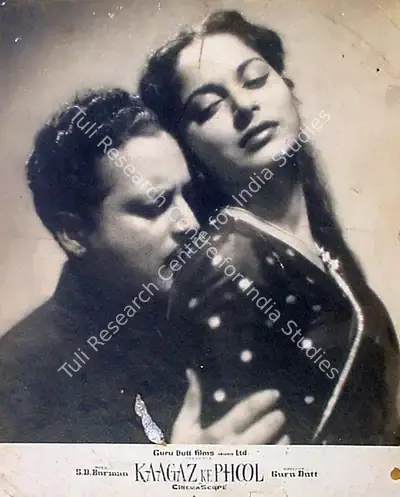
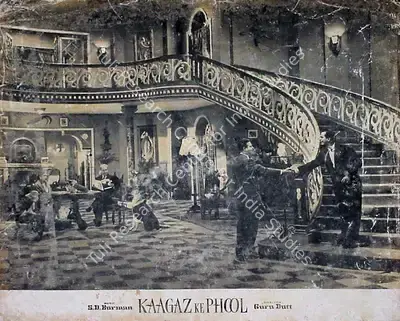
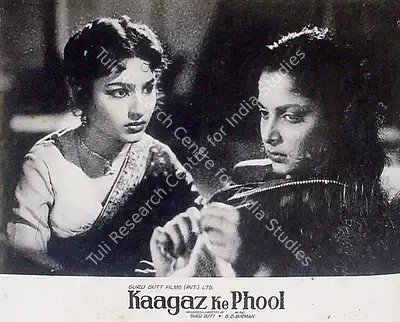
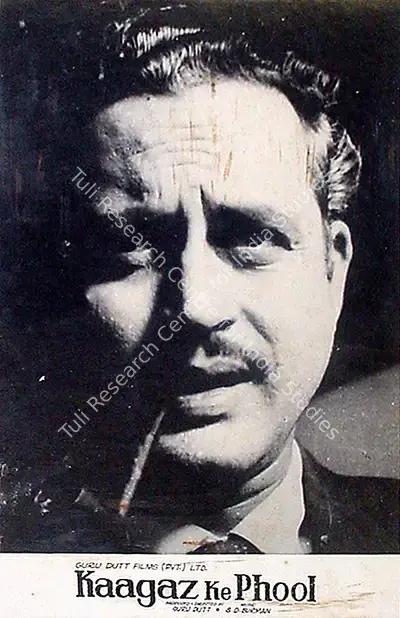
Kaagaz Ke Phool, directed by Guru Dutt, is a poignant tale of a successful film director's tragic downfall, driven by personal loss and artistic struggles. It was India's first film shot in CinemaScope, with stunning black-and-white cinematography by V.K. Murthy that garnered him several awards and remains iconic. The film explores the fragility of fame, the loneliness of creative minds, and the unrequited love between director Suresh Sinha (Guru Dutt) and actress Shanti (Waheeda Rehman). Although Kaagaz Ke Phool was not commercially successful, it is now regarded as a classic and was Guru Dutt's final directorial venture.
Guru Dutt dished out one commercially successful film after another, and yet this ambitious and deeply personal film became a career-ending box-office failure for him. One justification for this anomaly is offered by the scriptwriter of the film, Abrar Alvi. He observed that the Indian masses of the 1960s found it very hard to empathise with the angst and turmoil of a financially stable character who is deeply saddened by lost love and lack of creative independence for making films. The protagonist's existential crisis, tied to his loss of artistic freedom and emotional disillusionment, was seen as an indulgence of the privileged. This dissonance between the protagonist's struggles and the realities of the average Indian viewer, who was grappling with socio-economic hardships, reveals the challenges of translating deeply personal, bourgeois concerns into a context where viewers sought cinema as both escapism and a reflection of their immediate, relatable realities. Spectatorship in India at that time was often rooted in a desire for narratives of survival, upliftment, or melodrama that mirrored their own lives, not introspective depictions of privilege and despair. Even the film's technical and aesthetic innovations, like the famed cinematography, couldn't bridge this emotional disconnect, pointing to the complex relationship between narrative content and audience empathy in Indian cinema. Fortunately, the film found its intended audience in the late 1980s, when it was re-released on DVD, and has been frequenting the lists of greatest films ever made as compiled by renowned international organisations such as the British Film Institute and Sight & Sound.
Reference for Abrar Alvi's opinion: Sathya Saran's book Ten Years With Guru Dutt: Abrar Alvi's Journey
इसके पहले गुरु दत्त ने एक के बाद एक व्यावसायिक रूप से सफल फ़िल्में बनाईं, लेकिन उनकी यह महत्वाकांक्षी और नितांत निजी अहसासों से मिलकर रची फ़िल्म उनके लिए करियर खत्म करने वाली बॉक्स-ऑफ़िस विफलता साथ लेकर आई। ऐसा क्यों हुआ होगा, इसकी एक वजह फ़िल्म के पटकथा लेखक अबरार अल्वी ने साझा की है। उनका मानना है कि साठ के दशक के भारतीय जनमानस के लिए ऐसे किसी किरदार की भीतरी उथलपुथल और दर्द से सहानुभूति जता पाना बहुत मुश्किल होता था जो खुद आर्थिक रूप से संपन्न स्थिति में हो। इस फ़िल्म का नायक भी ऐसा ही एक किरदार था जो अपने अधूरे प्यार और रचनात्मक आज़ादी की कमी से अवसाद में चला जाता है। नायक का कलात्मक स्वतंत्रता छीन लिये जाने से उपजा मोहभंग और आत्महंता भाव धनाड्य वर्ग के विशेषाधिकार के रूप में देखा गया। नायक के निज के संघर्ष और सामाजिक आर्थिक चुनौतियों से जूझ रहे औसत भारतीय दर्शक की वास्तविकता के बीच मौजूद यह असंगति बताती है कि गहरी व्यक्तिगत कहानियों को एक वृहत्तर लोकप्रिय सिनेमाई अनुभव में रूपांतरित करने में कैसी मुश्किलें आ सकती हैं। हिन्दी सिनेमा में यह चुनौती और बड़ी है जहाँ दर्शक के लिए लोकप्रिय सिनेमा अपने निकटतम यथार्थ का आईना भी है और उसी यथार्थ से पलायन भी। उस दौर में भारतीय सिनेमा का दर्शक शायद कमज़ोर की जीत, उसके पतन और फिर उत्थान या मेलोड्रामा से भरी ऐसी कहानियाँ देखना चाहता था जो खुद उसके जीवन को प्रतिबिंबित करें, न कि किसी भद्र किरदार की व्यक्तिगत निराशा और आत्मनिरीक्षण में डूब जायें। यहाँ तक कि फ़िल्म की तकनीकी और फ़िल्मांकन से जुड़े नवाचार भी इस भावनात्मक अलगाव को पाट नहीं सके। यह तथ्य भारतीय सिनेमा में फ़िल्म के कथानक और उसके दर्शकों के मनोजगत से जटिल रिश्ते की ओर सटीक इशारा करता है। अच्छी बात ये हुई कि फ़िल्म को जब अस्सी के दशक के उत्तरार्ध में डीवीडी पर फिर से रिलीज़ किया गया तो इसे अपने हिस्से का वाजिब दर्शक वर्ग मिला। तब से यह फ़िल्म 'ब्रिटिश फ़िल्म इंस्टीट्यूट' से लेकर 'साइट एंड साउंड' जैसे कई प्रसिद्ध अंतरराष्ट्रीय संगठनों और पत्रिकाओं की सबसे महान फ़िल्मों की सूची में जगह बनाती आ रही है।
अबरार अल्वी की राय का संदर्भ: सरण, सत्य, 'टेन इयर्स विथ गुरु दत्त: अबरार अल्वी'स जर्नी'
Body of Work
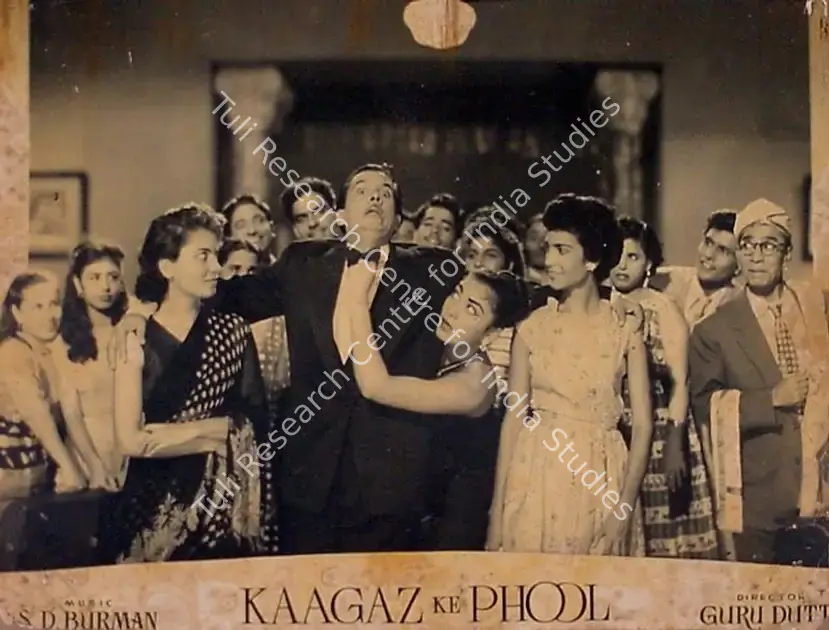
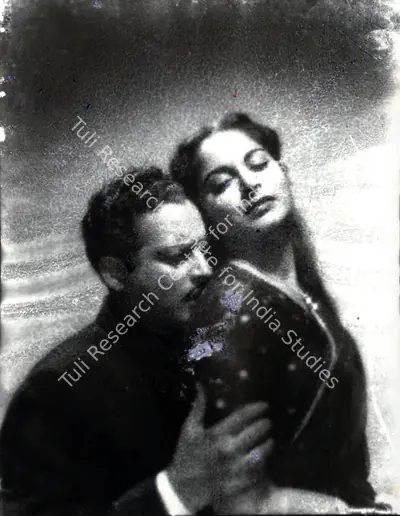
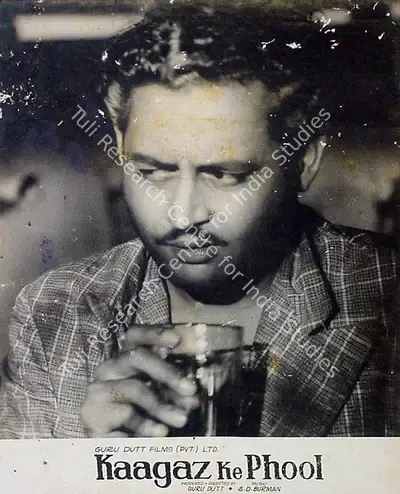
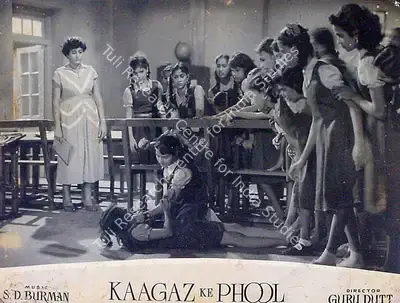
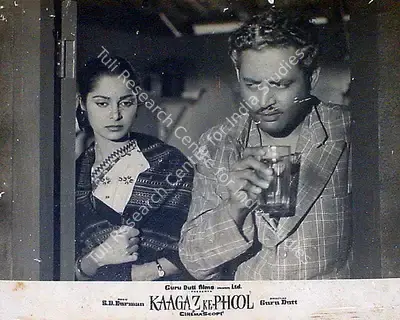
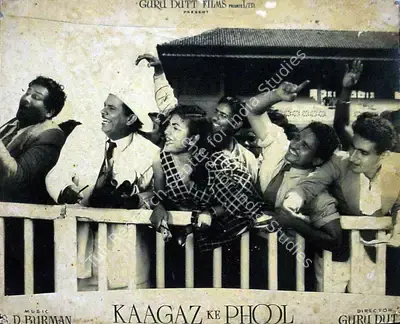
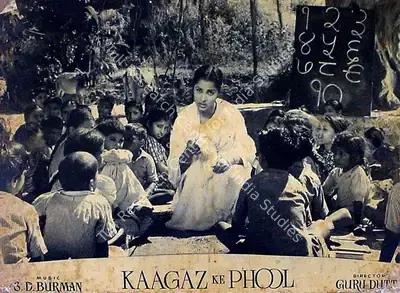
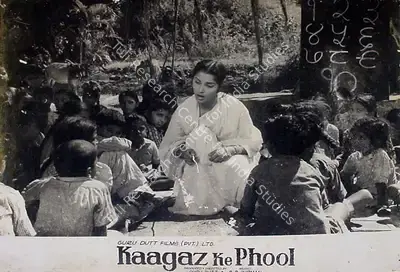
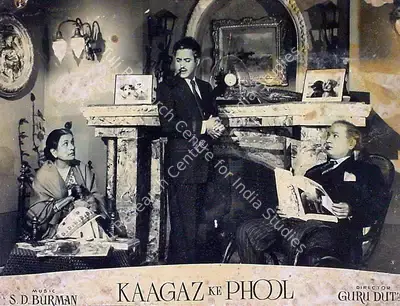
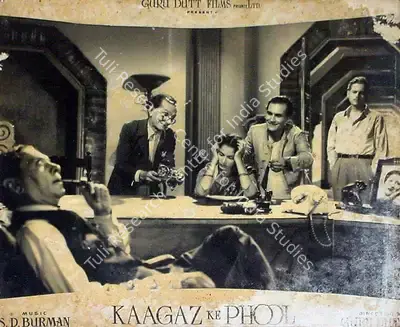
Synopsis Suresh Sinha had once been a successful film director, but is estranged from his wife, Bina and their daughter; Pammi. He meets Shanti accidentally in a park. The rain pours down and he lends her his coat. When he meet her again later, he is fascinated by her and is fascinated by her and he decides to cast her in his film and groom her for the role. They grow close to each other but never speak of their feelings. The press, however, spreads rumours of their affair. Meanwhile, Sinha's film is enthusiastically received by the public and Shanti is acclaimed a star. But, not wanting to come in the way of Sinha and his daughter, Shanti goes to a village and becomes a teacher. Other tragedies in Sinha's life make him turn to drink. He loses interest in his work, Shanti learns of his troubles and returns to Bombay knowing that Sinha will be given another chance to direct if she agrees to act in his film. But he refuses, seeing this gesture as charity. Years later the destitute Sinha is given a small role of an old man in a film in which Shanti is the leading star. She recognises him and wants to rush up to him but is prevented from doing so by fans seeking her autograph. Later, in a tragic twist, when the crew returns to the set, they discover the man dead in a director's chair.
04:11 mins
04:35 mins
04:05 mins
03:24 mins
03:47 mins
04:18 mins
01:35 mins
Research Centre
Calendar 2
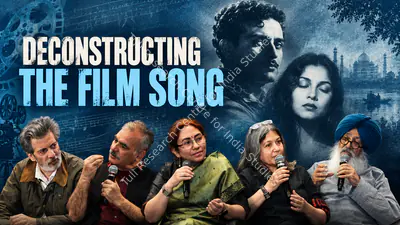
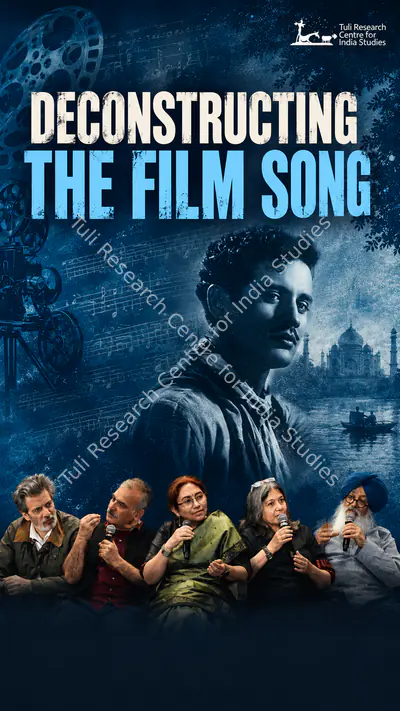
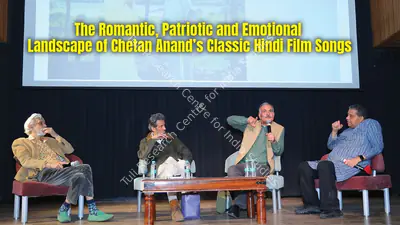
- ArchivedOffline-Online EventProject 80A Musical Glue for Nation-BuildingDeconstructing the Film Song23rd July - 22nd August 2026Ketan Anand | Ravikant | Pavan Jha | Madan Gopal Singh | Amit Khanna | Juhi Saklani | Antara Mondal | Shikha Jhingan | Neville TuliA key section of the India Studies framework at The Tuli Research Centre for India Studies (T.R.I.S.) is “Deconstructing the Film Song”. It began with a series of four workshops during our Self-Discovery via Rediscovering India Festival Series that brought together leading scholars & academics, film practitioners & students, along with fans of the Hindi film song. The objective of these workshops was to deconstruct iconic Hindi film songs to examine their formation across music, lyrics, playback, choreography, directorial visualisation, as they fuse into sites where aesthetics, ideology, and performance intersect, so as to help clarify the nature of India and her relationship to the film song. The Hindi Film Song functions as a narrative device, conveying myriad textures of emotion through melody, voice and poetry. As cultural texts that encode memory, desire, and ideology, songs are integral to the circulation and resonance of films in the public realm. Over time they have become autonomous bundles of creative energy - the glue that binds us over time, articulating and perhaps even defining the idea of Indianness. These first Workshops were an attempt to understand the nature and power of this glue, while contemplating the ways to situate it within TRIS' academic framework for Contemporary India Studies.Read More →
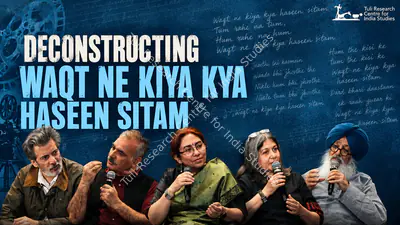
- ArchivedDeconstructing the Hindi Film SongProject 62A Musical Glue for Nation-BuildingFour Classic Songs from the cinema of Guru Dutt and the genius of S.D. Burman, O.P. Nayyar, Sahir Ludhianvi, Majrooh Sultanpuri, Geeta Dutt & Mohammed RafinnBabuji Dheere Chalna | Aar Paar-1954 nJinen Naaz Hai Hind Par | Pyaasa-1957 nYe Duniya Agar Mile Be Jaye | Pyaasa-1957 nWaqt Ne Kiya Kya Haseen Sitam | Kaagaz Ke Phool-195917th February 20266:30pmM.L. Bhartia Auditorium, Alliance Francaise de Delhi, 72 K.K. Birla Lane, Lodi Estate, New Delhi, 110006Madan Gopal Singh, Ravikant, Antara Mondal, Juhi Saklani & Neville TuliA key section of the India Studies framework at The Tuli Research Centre for India Studies (T.R.I.S.) is “Deconstructing the Hindi Film Song”. It will begin with a series of four workshops that brings together leading scholars & academics, film practitioners & students, along with fans of the Hindi film song. The objective of these workshops is to deconstruct iconic Hindi film songs to examine their formation across music, lyrics, playback, choreography, directorial visualisation, as they fuse into sites where aesthetics, ideology, and performance intersect. The Hindi Film Song functions as a narrative device, conveying myriad textures of emotion through melody, voice and poetry. As cultural texts that encode memory, desire, and ideology, songs are integral to the circulation and resonance of films in the public realm. Over time they have become autonomous bundles of creative energy - the glue that binds us over time, articulating and perhaps even defining the idea of Indianness. The first Workshops are an attempt to understand the nature and power of this glue, while contemplating the ways to situate it within TRIS' academic framework for Contemporary India Studies.Read More →