

Introduction
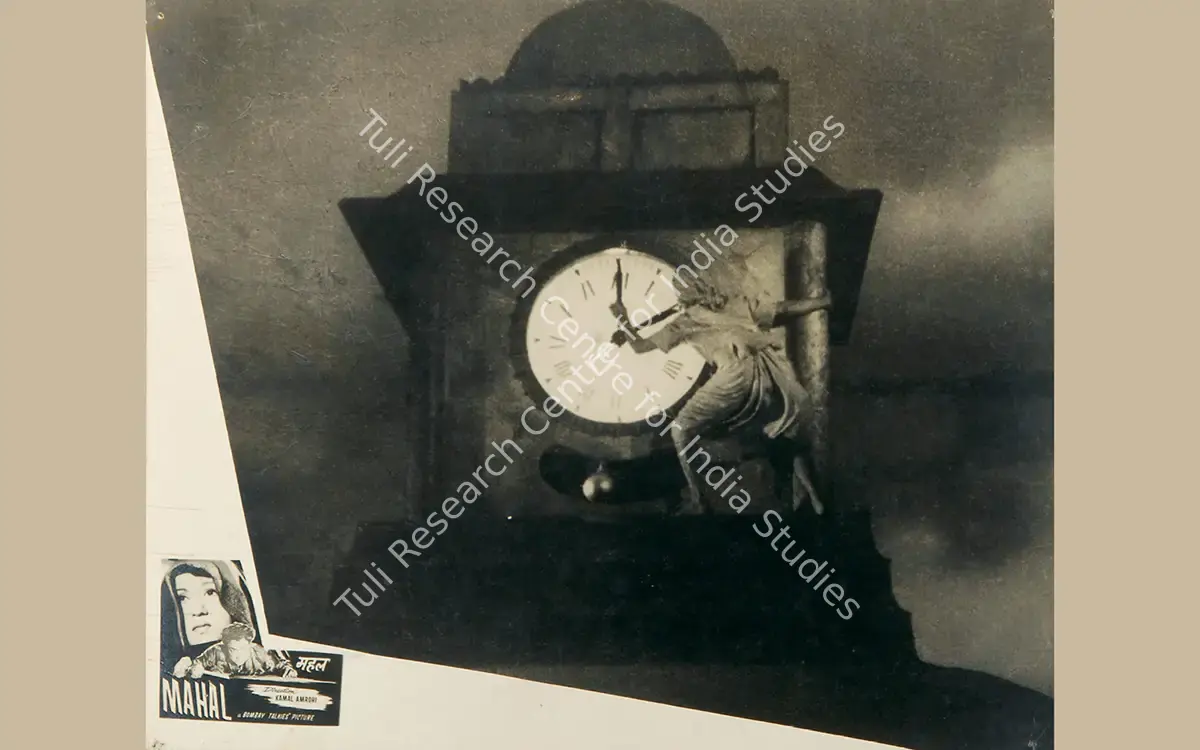
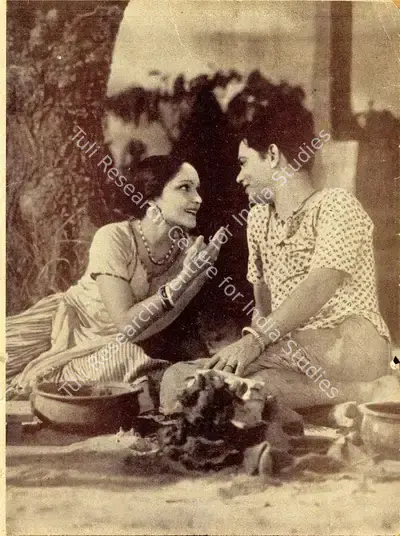
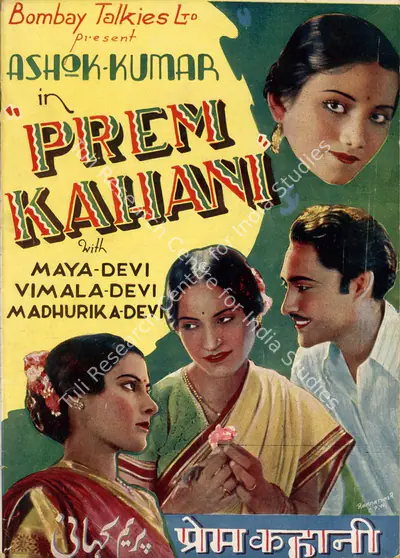
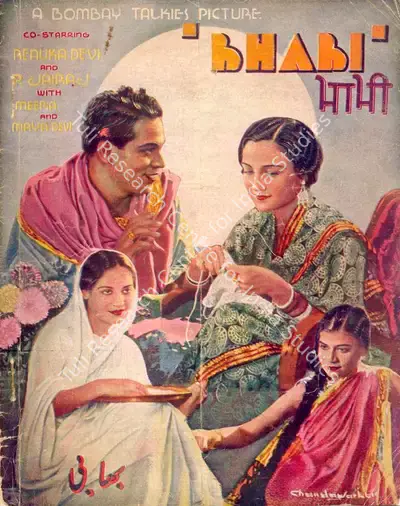
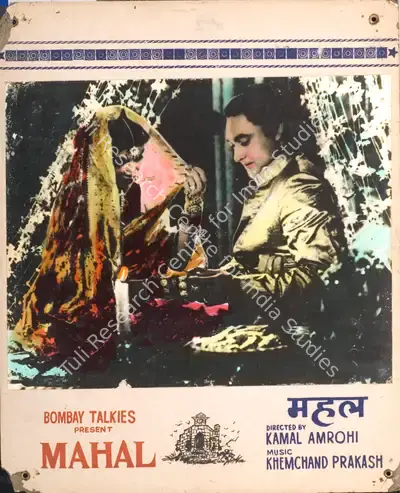
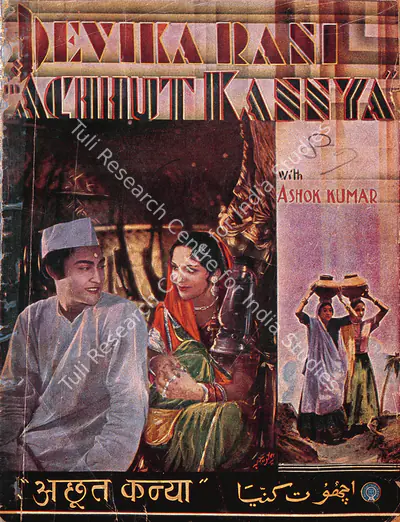
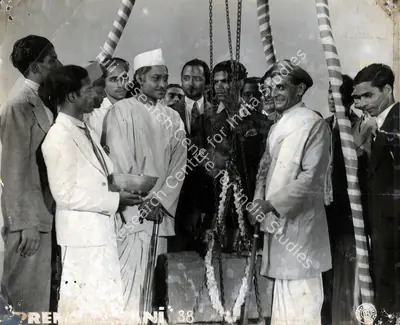
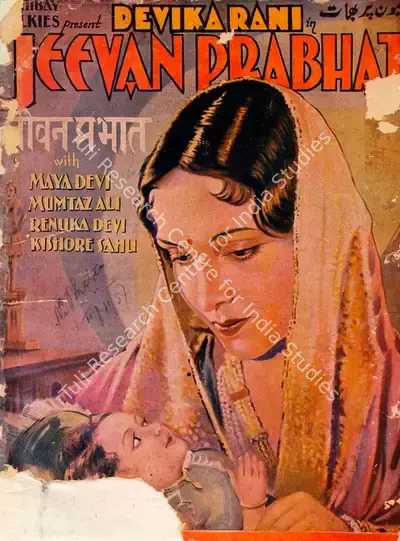
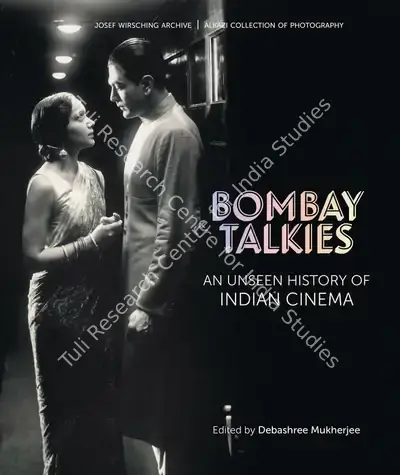
Josef Wirsching was one of the most influential cinematographers who contributed to and shaped the visual language of early Indian cinema. A German national, Wirsching's journey with Indian cinema began in 1925, through his collaboration with Himanshu Rai and Franz Osten directed silent film, The Light of Asia. Thereafter, he stayed back in India to work with Himanshu Rai's Bombay Talkies, contributing to over 20 films, including landmark titles like Achhut Kanya (1936), Ziddi (1948), Mahal (1949), and Sangram (1950).
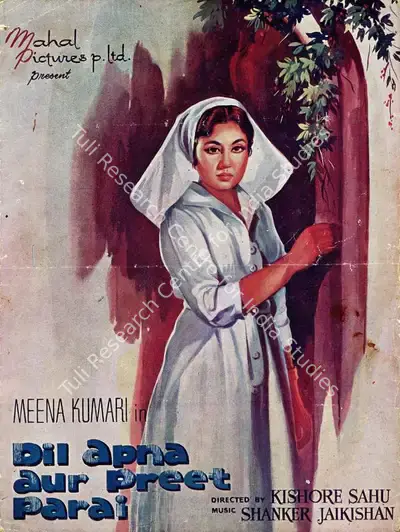
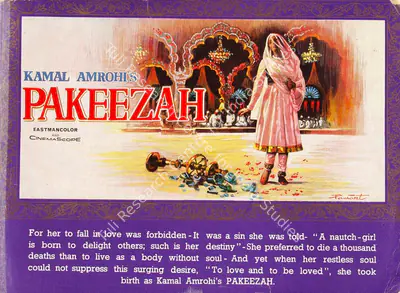
After Bombay Talkies, he joined Kamal Amrohi's Mahal Pictures as the Director of Photography in 1959. With Amrohi, Wirsching worked on two films, Dil Apna Aur Preet Parai (1960) and Pakeezah (1972), his only colour film.
Principal photography for Pakeezah under Wirsching commenced in 1956, but due to many production obstacles and due to Wirsching's demise in 1967, the film was completed and released in 1972. The famous paan gali scene is credited to him.
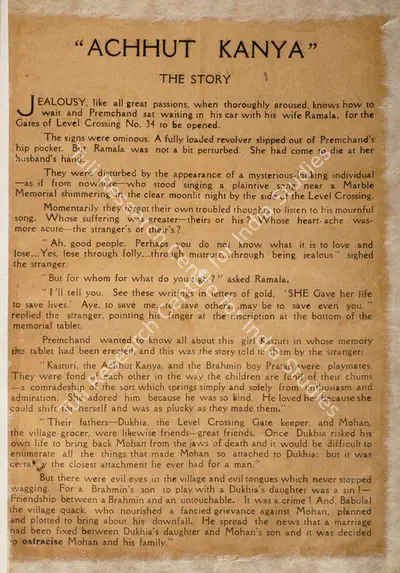
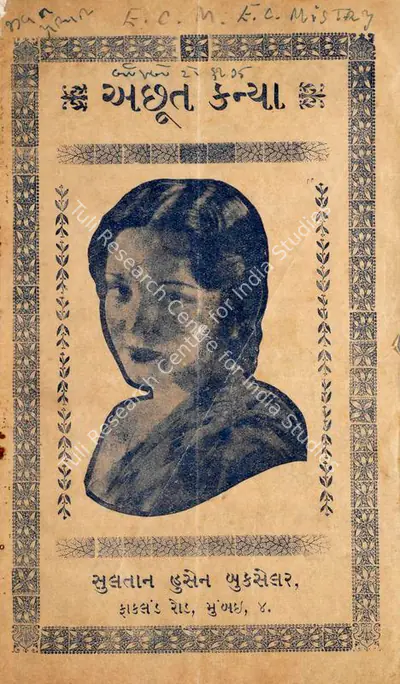
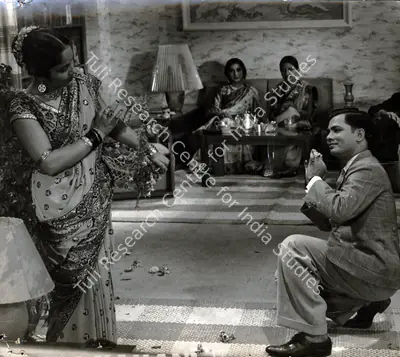
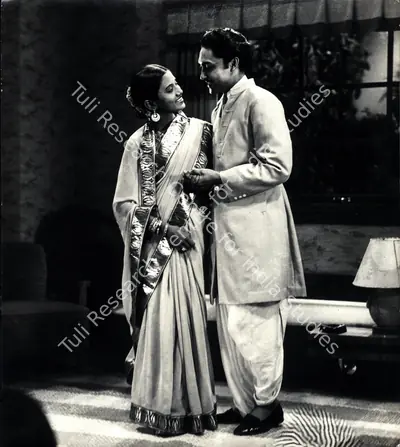
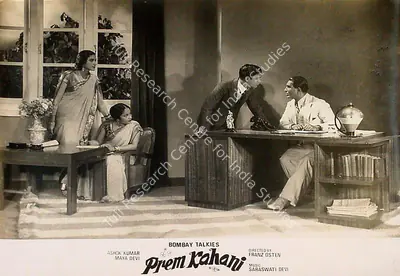
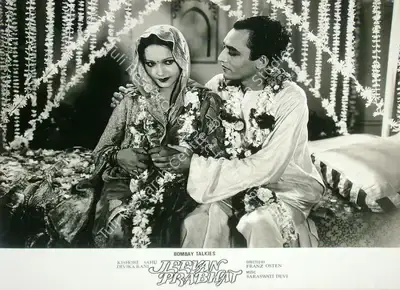
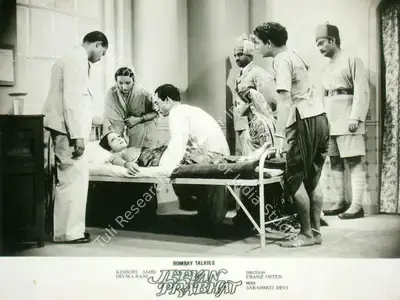
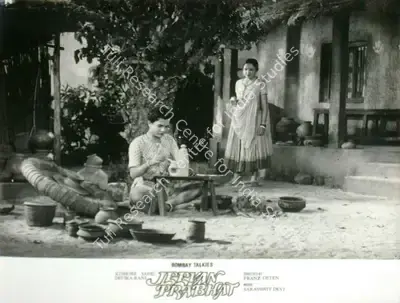
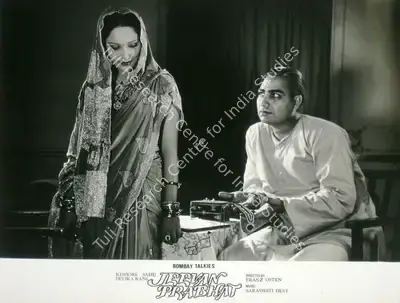
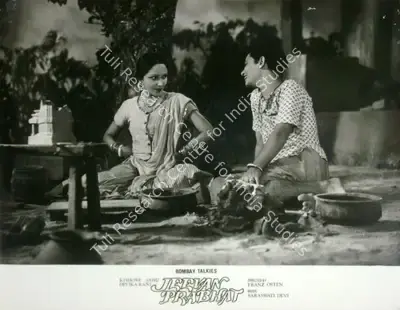
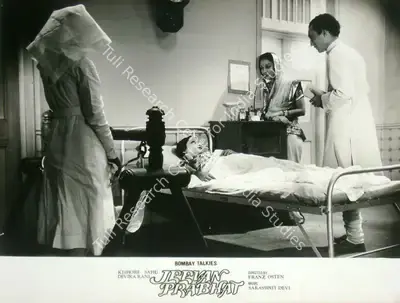
Wirsching's contribution to Indian cinema during its most formative years could not be overstated. Wirsching introduced a disciplined use of key, fill, and backlighting that gave depth and texture to black & white imagery. He pioneered soft diffusion and subtle contrasts for close-ups of faces and interiors, avoiding harsh illumination while maintaining clarity. His understanding of spatial depth in photography allowed him to compose striking images even in confined sets. An example of this can be seen in Achhut Kanya, where intimate domestic scenes and rural settings are rendered with restraint and sensitivity, reinforcing the film's social themes without visual excess.
Beyond his contribution in individual films, Wirsching's legacy lies in his role as a technical mentor who trained and influenced a generation of Indian cinematographers at Bombay Talkies.
Filmography 11
Research Centre
Related
15
Films
11
Personalities
3
Institutions
1