
Introduction
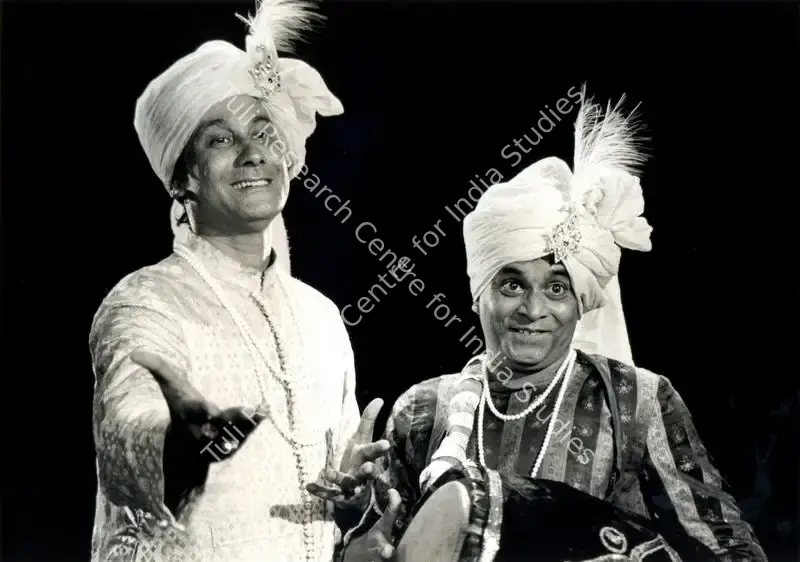
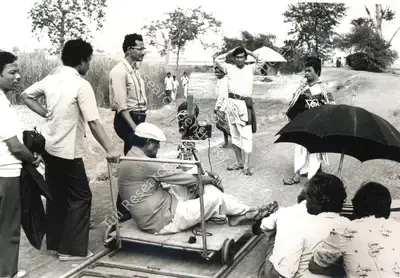
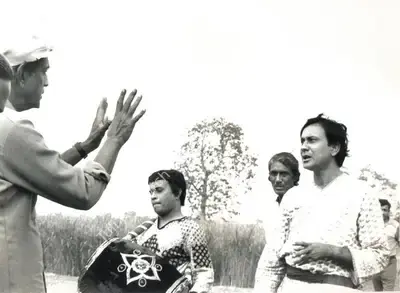
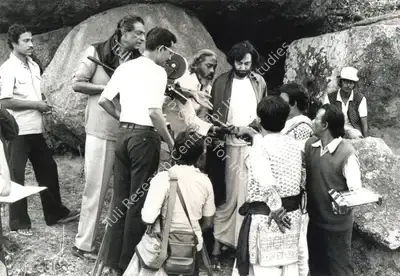
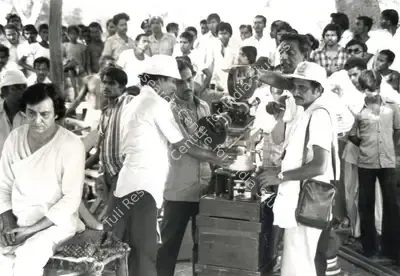
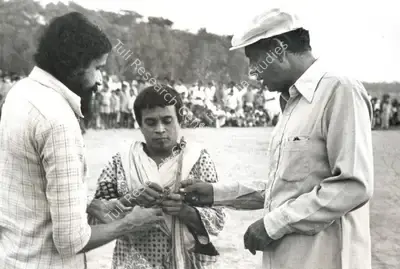
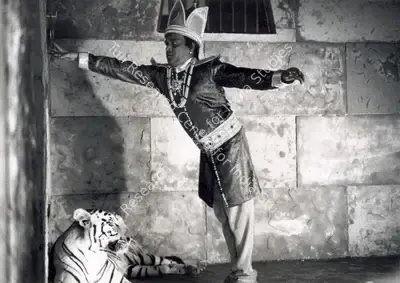
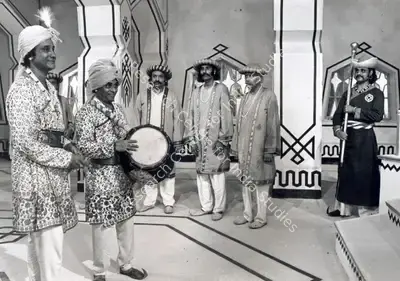
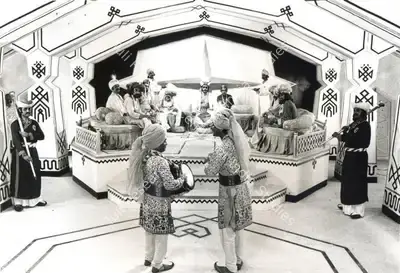
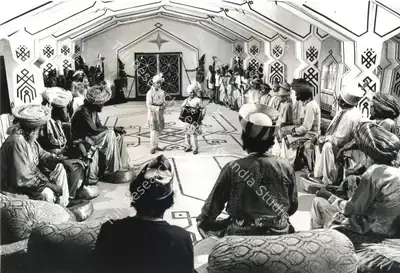
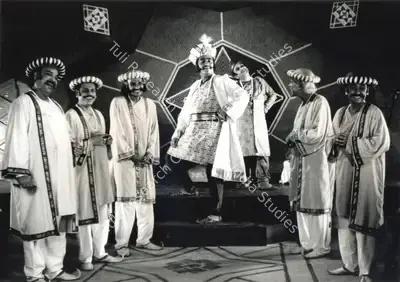
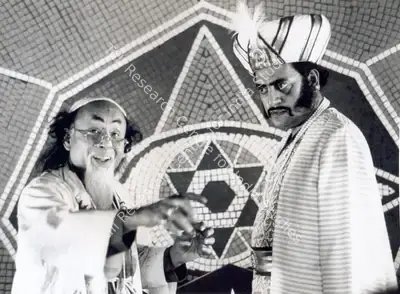
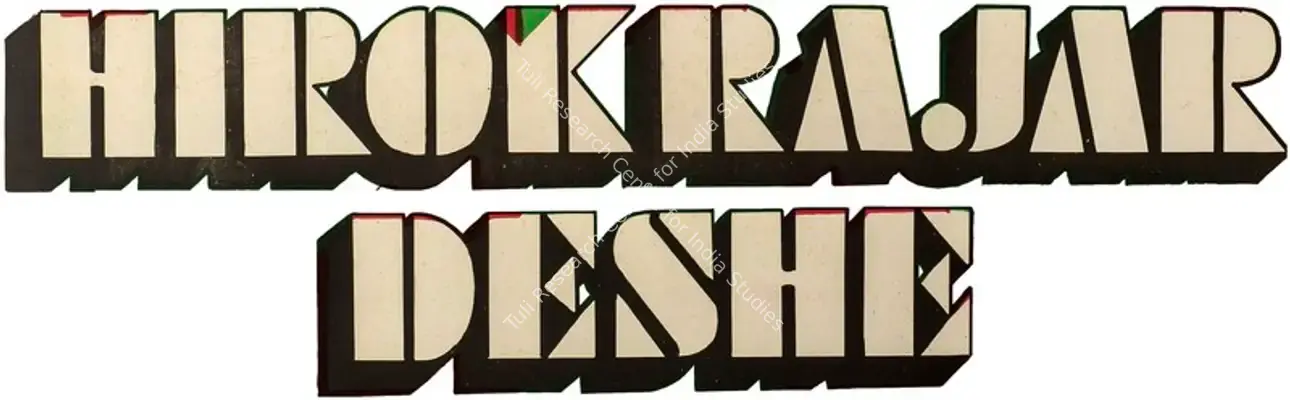
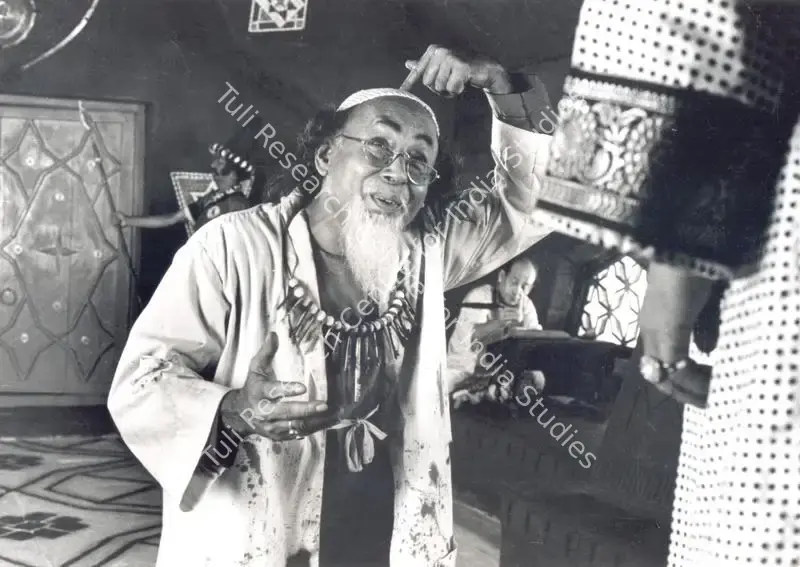
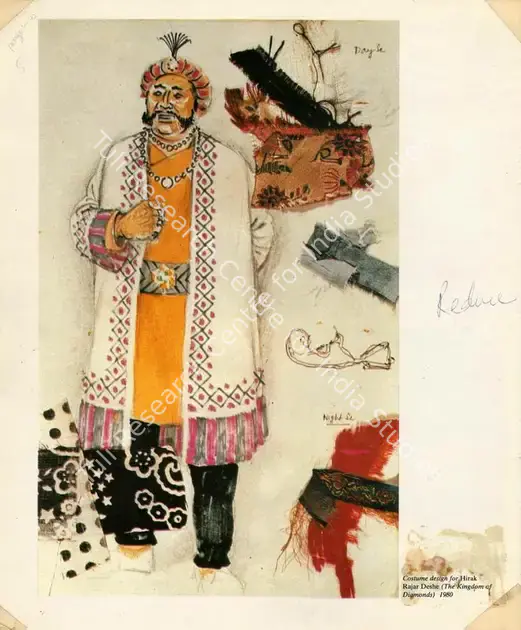
Hirak Rajar Deshe (The Kingdom of Diamonds, 1980) Satyajit Ray's dystopian fantasy musical and the second instalment in the beloved Goopy Gyne Bagha Byne trilogy, is a dazzling yet incisive satire cloaked in whimsy. A sequel to Ray's 1969 anti-war fantasy Goopy Gyne Bagha Byne, this 1980 film continues the adventures of the magical duo Goopy and Bagha, musicians granted supernatural gifts in the previous tale.
Hirak Rajar Deshe stands as a rare work: a children's film with the intellect of political satire, and a musical infused with moral gravity. Ray masterfully uses charm and wit to disarm his audience, only to confront them with a sobering meditation on the machinery of power, propaganda, and complicity.
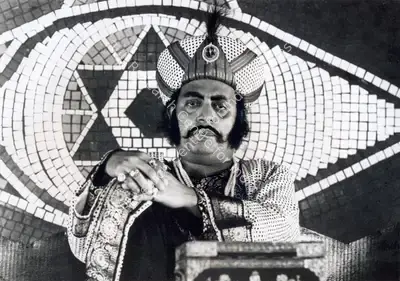
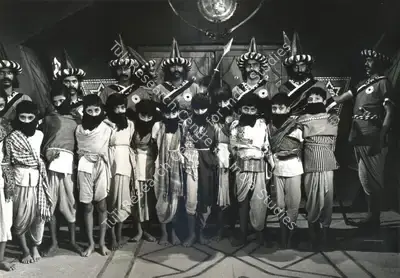
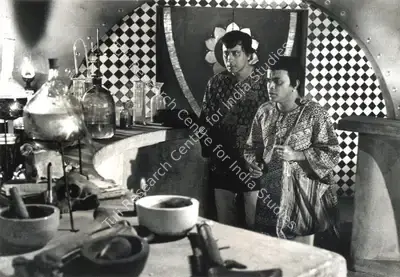
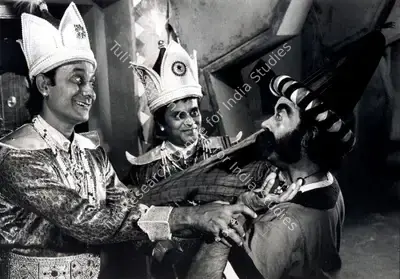
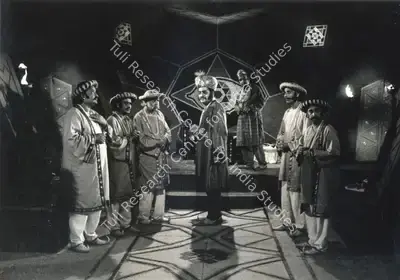
Invited to perform in the seemingly prosperous Kingdom of Diamonds, Goopy and Bagha soon uncover a darker reality beneath the kingdom's glittering surface. Ruled by the despotic Hirak Raja, portrayed with theatrical menace by Utpal Dutt, the kingdom thrives on the exploitation of diamond miners and the subjugation of its people. In an unsettling twist, dissent is quelled not with brute force alone, but through insidious mind control: a government-sanctioned brainwashing program in which citizens are indoctrinated via hypnotic rhyming slogans, crafted by a state-employed scientist (Santosh Dutta).
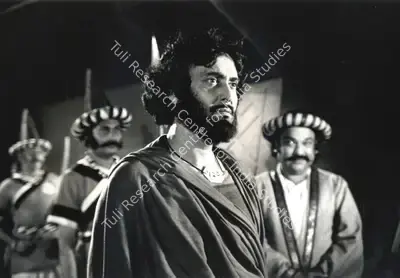
Opposing this authoritarian regime is Udayan, an idealistic schoolteacher turned fugitive, brought to life by Soumitra Chatterjee. When Goopy and Bagha encounter him, they are drawn into a quiet rebellion. Using their enchanted abilities, they join forces with Udayan to subvert the king's control and awaken the conscience of a pacified population. What unfolds is a vibrant, allegorical narrative, a fable of resistance, underscoring the perils of authoritarianism, the suppression of knowledge, and the erosion of free thought. Beneath its fantastical surface, the film serves as a chilling reflection of the authoritarian tendencies creeping into the fabric of modern India.
Ray, ever the auteur, wrote the screenplay, composed the music, and penned the lyrics. The soundtrack, performed predominantly by Anup Ghoshal (with one song rendered by Amar Pal), is both playful and politically charged, weaving commentary into melody. The film earned multiple accolades, including the National Film Award for Best Music Direction and Best Feature Film in Bengali, while Ghoshal received the Best Male Playback Singer Award. It was also honoured with a Special Award at the Cyprus International Film Festival.
Years later, the legacy of Goopy and Bagha lived on through Goopy Bagha Phire Elo, a third film in the series directed by Ray's son, Sandip Ray. Released in 1992, the film continued the saga, though Sandip has since shared his reservations about extending the franchise further. In an interview, he reflected on the challenge of continuing without the original actors, Rabi Ghosh and Tapan Chatterjee, noting: “Making a Goopy-Bagha movie without Tapen and Rabi is unthinkable.” However, he hinted at a possible fourth instalment, one that would follow the sons of Goopy and Bagha, a narrative thread subtly seeded in the song Mora dujonai rajar jamai, where the lyrics allude: "Aar ache polapan, ek khan ek khan..." ("Each of us has a child").
Thus, the magic of Hirak Rajar Deshe endures, not merely as a continuation of a fantastical saga but as a cultural artefact whose critique of tyranny, censorship, and ideological manipulation remains ever relevant, wrapped in the enduring charm of song, satire, and subversion.
हीरक राजार देशे एक दुर्लभ रचना है। यह एक ऐसी बाल फ़िल्म है जो राजनैतिक व्यंग्य का बखूबी इस्तेमाल करती है। साथ ही यह एक ऐसी म्यूज़िकल है जो गंभीर नैतिक प्रश्न उठाती है। राय अपनी ख़ास बुद्धिमत्ता और व्यंग्य की तीखी धार के ज़रिये दर्शकों को पहले मोहित करते हैं और फिर उन्हें सत्ता, प्रॉपगेंडा और मत निर्माण के समूचे तंत्र पर ठहरकर सोचने के लिए मजबूर कर देते हैं।
फ़िल्म का कथानक तब आकार लेता है जब गोपी और बाघा को हीरक राजा के समृद्ध प्रतीत होते राज्य में प्रदर्शन के लिए बुलाया जाता है। उस राज्य में पहुँचते ही वे उसके चमकदार आवरण के पीछे छिपे अंधकार को जान लेते हैं। राजा हीरक असल में एक तानाशाह है। फ़िल्म में इस किरदार को उम्दा अभिनेता उत्पल दत्त ने अपने शानदार अभिनय से जीवन्त कर दिया है। हीरक राजा का साम्राज्य तो असल में हीरा खदानों के मजदूरों के शोषण और जनता के दमन पर टिका है। दिलचस्प बात है कि यह राजा जनता पर अपना कब्ज़ा सिर्फ़ अत्याचार और हिंसा से नहीं बल्कि उनके मस्तिष्क के चालाकी भरे नियंत्रण से कायम रखता है। एक सरकारी योजना के तहत जनता को सम्मोहनकारी तुकक्ड़ नारों के ज़रिये 'ब्रेनवॉश' किया जाता है। राजा के आदेश पर यह नारे सत्ता द्वारा नियुक्त एक वैज्ञानिक (संतोष दत्ता) तैयार करता है।
इस तानाशाही व्यवस्था के विरुद्ध आवाज़ उठाता है उदयन का किरदार। उदयन एक आदर्शवादी शिक्षक है जो व्यवस्था का शिकार बनने के बजाए भाग निकला है। इस भूमिका को अभिनेता सौमित्र चटर्जी ने मार्मिक गहराई से निभाया है। जब गोपी और बाघा उदयन से मिलते हैं तो वे उसके क्रांति के आह्वान में शामिल हो जाते हैं। अपनी जादुई शक्तियों की मदद से वे राजा के नियंत्रण को ध्वस्त करने और जनता की सोई हुई अंतरात्मा को जगाने की कोशिश करते हैं। इस प्रकार एक जीवन्त रूपक आकार लेता है। इस प्रतीक कथा में प्रतिरोध की चेतना है। यह एक एक लोककथा सरीखी है जो अधिनायकवाद, ज्ञान के दमन और विचारों की स्वतंत्रता के क्षरण के विरुद्ध चेतावनी की तरह है। अपने कल्पना से निर्मित बाहरी आवरण के भीतर यह फ़िल्म आधुनिक भारत में उभरती तानाशाही प्रवृत्तियों को सिहरन भरा आईना दिखाती है।
राय एक सिनेमाई 'ऑतूर' थे जिन्होंने न सिर्फ़ अपनी फ़िल्मों की पटकथा लिखी बल्कि उसके लिए संगीत भी खुद रचा और गीत भी स्वयं लिखे। अनूप घोषाल के गाए फ़िल्म के अधिकांश गीतों में (एक गीत अमर पाल के स्वर में) व्यंग्य भी है और राजनैतिक चेतना भी। यह सुरों में छिपा हुआ व्यंग्य है। इस फ़िल्म ने कई पुरस्कार जीते जिनमें राष्ट्रीय फ़िल्म पुरस्कारों में हासिल हुए 'सर्वश्रेष्ठ संगीत निर्देशन' और 'सर्वश्रेष्ठ बांग्ला फ़ीचर फ़िल्म' के पुरस्कार शामिल हैं। गायक अनूप घोषाल को 'सर्वश्रेष्ठ पुरुष पार्श्वगायक' का सम्मान हासिल हुआ। इस फ़िल्म को 'साइप्रस अन्तरराष्ट्रीय़ फ़िल्म महोत्सव' में भी विशेष पुरस्कार से नवाज़ा गया।
कई वर्षों के बाद गोपी और बाघा के किरदारों की कहानी आगे बढ़ी गोपी बाघा फिरे ऐलो (1992) नामक फ़िल्म में जिसे सत्यजित राय के सुपुत्र सन्दीप राय ने निर्देशित किया था। हालाँकि उन्होंने बाद में यह स्वीकार किया कि रबी घोष और तपन चटर्जी के बिना इस शृंखला को अब आगे ले जाना कठिन होगा। एक साक्षात्कार में सन्दीप राय ने कहा था कि, “तपन और रबी के बिना गोपी-बाघा पर फ़िल्म बनाना असंभव है।” फिर भी उन्होंने एक चौथे भाग की संभावना का संकेत दिया था, जिसमें गोपी और बाघा के पुत्रों की कहानी होगी। इसका हल्का सा संकेत मूल फ़िल्म में इस्तेमाल हुए गीत “मोरा दुजनाई राजार जामाई” की इन पंक्तियों में मिलता है, “आर आछे पोलापन, एक खान एक खान” (“हम दोनों के भी एक-एक बच्चा है”)।
हीरक राजार देशे का जादू आज भी कायम है। एक अद्भुत फ़ैंटेसी के रूप में तो यह फ़िल्म लाजवाब है ही, एक सांस्कृतिक दस्तावेज़ के रूप में भी इसका उतना ही महत्व है। यह प्रतीक कथा तानाशाही, सेंसरशिप और वैचारिक निगहबानी की तीखी आलोचना पेश करती है। आज भी यह फ़िल्म अपने गीतों, व्यंग्य की तीखी धार और निडर अभिव्यक्ति के ज़रिये स्वतंत्रता की आवाज़ बनकर गूंजती रहती है।
Body of Work