
Hamara Ghar1964
Introduction
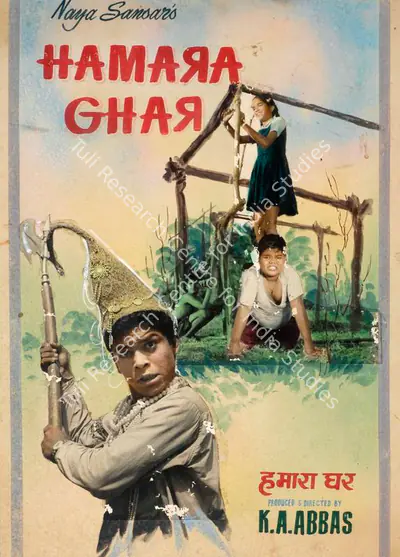
Hamara Ghar (1964) is a poignant social drama directed by Khwaja Ahmad Abbas, one of India's most visionary and socially committed filmmakers. Produced under his Naya Sansar banner, the film bears Abbas's unmistakable imprint—a deep concern for national integration, communal harmony, and the power of collective humanity. The story, also penned by Abbas himself, presents a tender and thought-provoking allegory of unity amidst adversity, told through the eyes of children.The ensemble cast featured Surekha, Dilip Raj, Yasmin Khan, Rekha Rao, Sonal Mehta, Nana Palsikar, and Lalita, among others, many of whom were drawn from the emerging talent pool of the time.
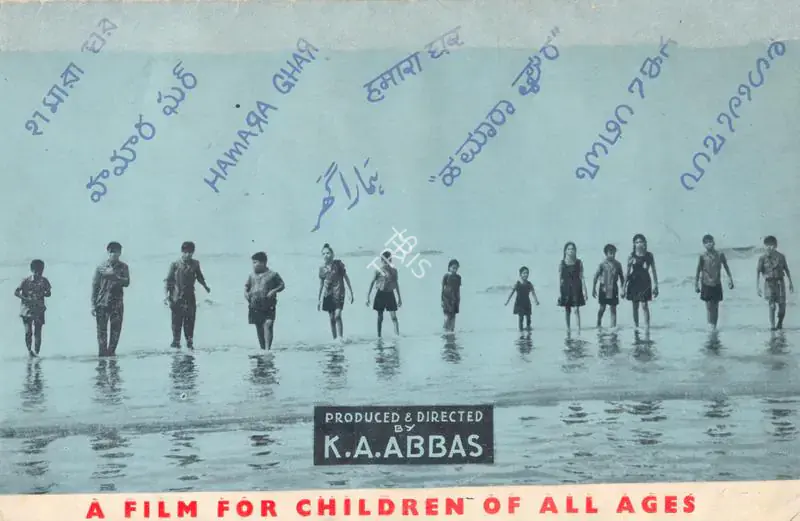
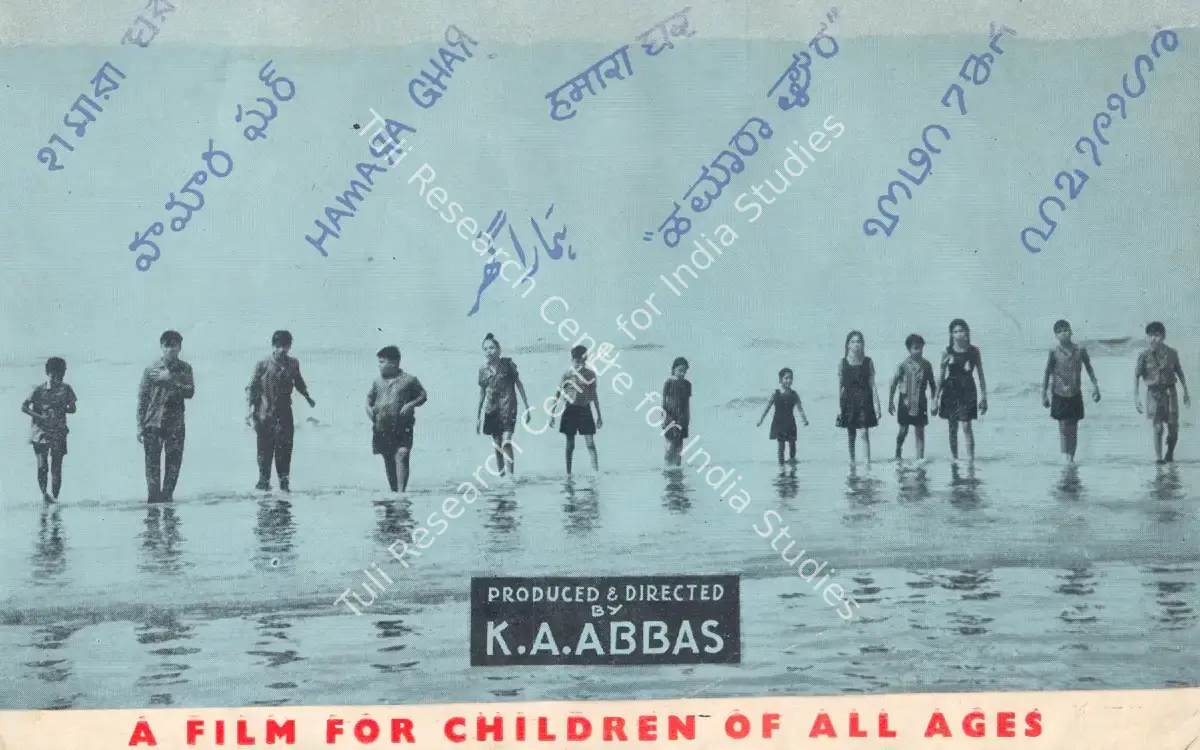
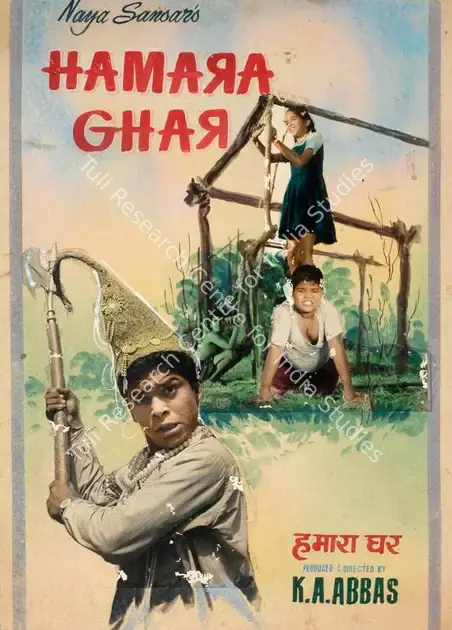
The narrative centres around a group of children from diverse social, cultural, and religious backgrounds, who find themselves marooned on a deserted island after the steamer they are traveling on—bound for Goa—meets with misfortune. Isolated from the adult world and societal constructs, the children initially struggle with their differences. Yet, as survival becomes paramount, they unite to build a shelter they name Hamara Ghar (Our House)—a symbolic and literal representation of inclusive nationhood.
Their time on the island is marked by a series of challenges: a near-drowning incident, the discovery of hidden treasure, and even internal factionalism. Yet, each obstacle is overcome through empathy, cooperation, and a growing sense of shared identity. Although despair threatens to overshadow their optimism, hope returns when a search helicopter finally locates them. As they leave the island, they leave behind Hamara Ghar, still standing—a quiet monument to the ideals of unity, resilience, and homegrown patriotism.
Music plays a vital role in reinforcing the film's themes. With the exception of the iconic Saare Jahan Se Achha Hindustan Hamara (originally penned by Allama Iqbal), all other lyrics were written by the celebrated progressive poet Ali Sardar Jafri. The music was composed by J. P. Kaushik, blending folk melodies with evocative orchestration, and performed by voices such as Mahendra Kapoor, Vijaya Majumdar, Pankaj Mitra, and Jafri himself.
Popular songs from the film included: Chale Hawa Purvai – a breezy tune reflecting newfound freedom, Yeh Kahe Ki Soch Hai Tujhko – a lyrical call against prejudice, Aao Babu Dhotiwaalo – a playful satire, Raja Ji Pachtaeyengay – a musical moment of realization, and Usha Jagmag Jagmag – celebrating the promise of a new dawn.
Cinematographer Ramchandra received acclaim for his sensitive and evocative camerawork, capturing both the innocence of childhood and the symbolic gravitas of the film's message. His lens turned the deserted island into a microcosm of India itself—battered by division yet capable of unity through will and compassion.
Hamara Ghar garnered international acclaim, winning three prestigious awards: Santa Barbara International Film Festival (USA); Gijón International Film Festival (Spain); Jury's Special Prize at the Festival of Children's Films in Gottwaldov, Czechoslovakia.
These honours not only recognized the film's cinematic merit but also its universal humanist message, making it a rare gem in Indian children's cinema with enduring relevance.
यह कहानी अलग-अलग सामाजिक, सांस्कृतिक और धार्मिक बैकग्राउंड वाले बच्चों के एक ग्रुप के बारे में है। गोवा जा रहे स्टीमर के साथ हुए हादसे के बाद वे एक सुनसान द्वीप पर फंस जाते हैं। बड़ों की दुनिया और समाज के नियमों से दूर, ये बच्चे शुरू में अपने मतभेदों से जूझते हैं। लेकिन, जब ज़िंदा रहना सबसे ज़रूरी हो जाता है, तो वे मिलकर एक शेल्टर बनाते हैं जिसका नाम वे 'हमारा घर' रखते हैं। यह समावेशी राष्ट्रवाद का एक प्रतीकात्मक और वास्तविक रूप है।
आइलैंड पर उनके समय कई चुनौतियाँ से भरा रहता है जैसे लगभग डूबने की घटना, छिपा हुआ खज़ाना मिलना और आपस में गुटबाज़ी। फ़िर भी, सहानुभूति, सहयोग और एक-दूसरे से जुड़ाव की बढ़ती भावना से उन्होंने हर मुश्किल का सामना किया। हालाँकि निराशा उनके उत्साह को कम करने लगी थी, लेकिन जब एक सर्च हेलीकॉप्टर ने उन्हें ढूँढ लिया, तो उनमें फ़िर से उम्मीद जगी। आइलैंड से जाते समय, वे 'हमारा घर' को वहीं छोड़ गए, जो एकता, हिम्मत और अपने देश के प्रति सच्चे प्रेम के आदर्शों का एक शांत प्रतीक बनकर खड़ा रहा।
फ़िल्म के मुख्य विषयों को मज़बूत करने में संगीत ने अहम भूमिका निभाई। मशहूर गीत 'सारे जहाँ से अच्छा हिन्दुस्तान हमारा' (जिसे मूल रूप से अल्लामा इक़बाल ने लिखा था) को छोड़कर, बाकी सभी गीत जाने-माने प्रगतिशील कवि अली सरदार जाफ़री ने लिखे थे। संगीत जे. पी. कौशिक ने तैयार किया था, जिसमें लोक धुनों और असरदार ऑर्केस्ट्रेशन का मेल था। इसे महेंद्र कपूर, विजया मजूमदार, पंकज मित्रा और खुद जाफ़री जैसे गायकों ने गाया था।
फ़िल्म के लोकप्रिय गानों में शामिल थे 'चले हवा पुरवई' एक हल्की-फुल्की धुन जो नई आज़ादी को दर्शाती है, 'ये कैसी सोच है तुझको' भेदभाव के ख़िलाफ़ एक काव्यात्मक आवाज़, 'आओ बाबू धोतीवालों' एक मज़ाकिया व्यंग्य, 'राजा जी पछताएँगे' एहसास कराने वाला एक संगीतमय पल, और 'ऊषा जगमग जगमग' एक नई सुबह के वादे का जश्न।
सिनेमैटोग्राफ़र रामचंद्र को उनके संवेदनशील और प्रभावशाली कैमरा-वर्क के लिए तारीफ़ मिली। उन्होंने बचपन की मासूमियत और फ़िल्म के संदेश की प्रतीकात्मक गंभीरता, दोनों को बख़ूबी दिखाया। उनके कैमरे ने उस सुनसान द्वीप को भारत की एक छोटी सी तस्वीर में बदल दिया। एक ऐसा भारत जो बंटवारे की मार झेलने के बावजूद, इच्छाशक्ति और दयाभाव से एकजुट होने की क्षमता रखता है।
'हमारा घर' को अंतरराष्ट्रीय स्तर पर पहचान मिली और इसने तीन प्रतिष्ठित पुरस्कार जीते सांता बारबरा इंटरनेशनल फ़िल्म फ़ेस्टिवल (USA), गिज़ोन इंटरनेशनल फ़िल्म फ़ेस्टिवल (स्पेन) और चेकोस्लोवाकिया के गॉटवाल्डोव में बच्चों की फ़िल्मों के फ़ेस्टिवल में जूरी का स्पेशल प्राइज़।
इन सम्मानों ने न केवल फ़िल्म की सिनेमैटिक ख़ूबियों को सराहा, बल्कि इसके सार्वभौमिक मानवीय संदेश को भी मान्यता दी, जिससे यह भारतीय बच्चों की फ़िल्मों की दुनिया में एक ऐसी अनमोल फ़िल्म बन गई जो हमेशा प्रासंगिक रहेगी।
Body of Work
Research Centre
Related
1
Personalities
1