

TRIS logo image
Search275,000+ actors, artists, objects, artworks, films, exhibitions, archives

EN

EN

English

HI

Hindi

EN

EN

English

HI

Hindi

Tuli Research Centre for India Studies

Tuli Research Centre for India Studies

Vision

Manifesto

Archive & Library

Vanraja Sanctuary & Hospice

Home

Research Categories

Browse All

ICore

1_CinemaEducation_Cinema as a Critical Educational Resource

2_FineArts_Modern and Contemporary Indian Fine Arts

3_Photography_Photography in India

4_PopCulture_The Printed Image, Popular Arts, and Crafts

IIMaterial

5_ArcHeritage_India's Architectural Heritage as Inspiration

6_EconomicsArt_Economics of Art & Cultural Industry

7_Travel test value_Automobile, Transport and Travel Heritage

8_Uncertainty_Uncertainty

IIICritical

9_SocialDuty_Social Responsibility of the Creative Mind

10_Childhood_The Changing Smile of Childhood & Its Second Coming

11_Sensuality_The Sensual Discipline within Creativity

12_Scholarship_The History & Historiography of Scholarship in the Arts, Humanities, and Social Sciences

IVMeaningful

13_SeekJustice_Seeking Justice and Political Integrity

14_IndoWorld_India and her Relationship with the World

15_SpiritualPoetics_The Religious-Spiritual-Poetic-Philosophical Framework

16_Continuum_The Animal-Human-Nature Continuum

Explore

All

Posts

Masterlists

Calendar

Live | Upcoming

All Events

Timetable

Search275,000+ actors, artists, objects, artworks, films, exhibitions, archives

EN

EN

English

HI

Hindi

Ghare Baire (1985)

Ghare Baire (1985)

Film.Indian Cinema
DirectorSatyajit Ray
LanguageBengali
Released04 Jan 1985
▶Watch Full Film
Contents
Introduction
Body of Work
Research Centre40
Home/1_CinemaEducation/Film/Ghare Baire (1985)
Ghare Baire (1985): title artwork
Ghare Baire (1985): featured artwork

Introduction

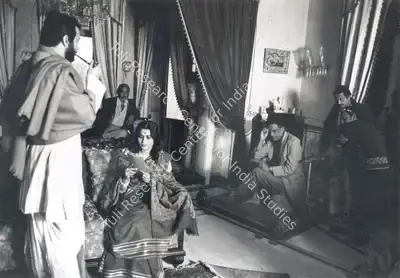
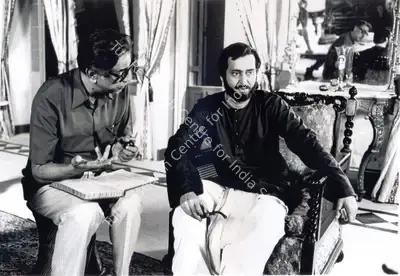
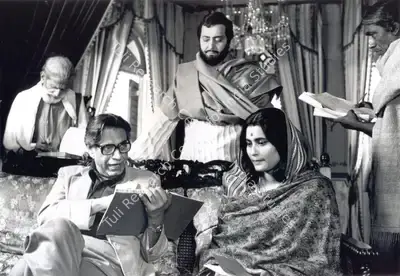
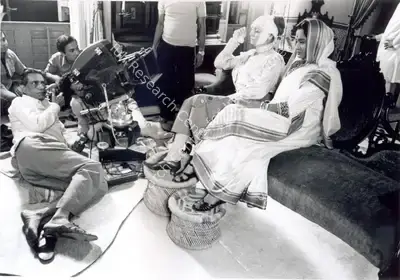
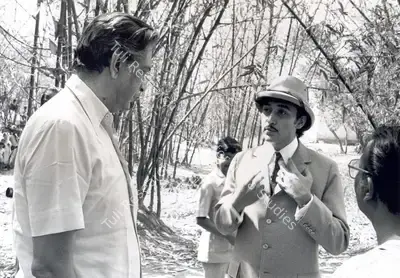
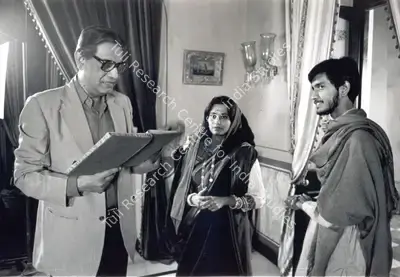
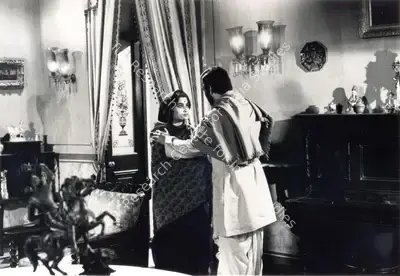
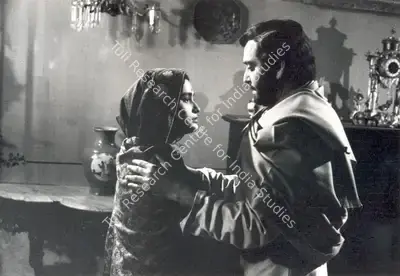
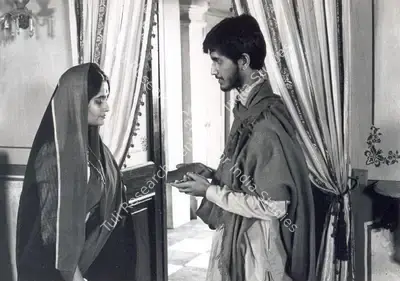
Ghare Baire (The Home and the World, 1984) The Bengali-language romantic drama directed and written by Satyajit Ray was adapted from Rabindranath Tagore's seminal novel of the same name. The film features a stellar cast including Soumitra Chatterjee, Victor Banerjee, Swatilekha Chatterjee (credited as Swatilekha Sengupta), and Jennifer Kendal. Supporting roles are portrayed by Gopa Aich as the sister-in-law, Manoj Mitra as the Headmaster, Indrapramit Roy as Amulya, Bimala Chatterjee as Kulada, and Master Ajay Ghosh.
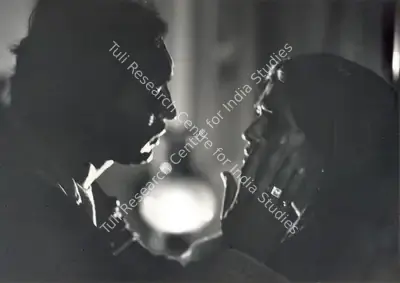
The narrative offers a layered exploration of themes such as nationalism, female emancipation, spiritual versus material worldviews, and the tension between tradition and modernity—all set against the backdrop of early 20th-century Bengal during the Swadeshi movement. At the heart of the story is Bimala, a woman encouraged by her progressive husband Nikhil to transcend the boundaries of the traditional zenana (women's quarters). Her awakening takes a tumultuous turn with the arrival of Sandip, Nikhil's passionate and politically charged friend. Initially enamoured by Sandip's fiery nationalism, Bimala is gradually entangled in a moral and emotional crisis as she becomes complicit in his radical agenda—an involvement that blurs personal and political lines, ultimately culminating in betrayal and tragedy.
Although the film was released in 1984, its origins trace back to the 1940s, when a young Ray first attempted to adapt Tagore's novel. However, lacking both artistic maturity and production support, he shelved the project. In later years, Ray described his early screenplay as "pitifully superficial and Hollywoodish," admitting that he had neither the vision nor the depth at the time to do justice to Tagore's nuanced work.
Upon its release, Ghare Baire was met with critical acclaim. It won the National Film Award for Best Feature Film in Bengali and was selected as India's official entry for the Academy Award for Best Foreign Language Film. Internationally, it was nominated for the prestigious Palme d'Or at the 1984 Cannes Film Festival, marking another milestone in Ray's illustrious career.
घरे-बाइरे (1984) सत्यजित राय निर्देशित यह बांग्ला भाषा की ड्रामा फ़िल्म गुरुदेव रवींद्रनाथ ठाकुर के इसी नाम के लिखे प्रसिद्ध उपन्यास पर आधारित है। फ़िल्म की पटकथा भी स्वयं सत्यजित राय ने लिखी थी। फ़िल्म में केंद्रीय किरदारों में सौमित्र चटर्जी, विक्टर बनर्जी, स्वातिलेखा चटर्जी (नामांकन में स्वातिलेखा सेनगुप्ता) और जेनिफ़र केंडल ने प्रमुख भूमिकाएँ निभाई हैं। फ़िल्म के अन्य सहायक किरदारों में भाभी की भूमिका में गोपा एच, प्रधानाध्यापक की भूमिका में मनोज मित्रा, अमूल्य के किरदार में इंद्रप्रमित राय, कुलदा की भूमिका में बिमला चटर्जी और मास्टर अजय घोष शामिल हैं।
फ़िल्म की कहानी राष्ट्रीयता, स्त्री-मुक्ति, आध्यात्मिक बनाम भौतिक सोच और परम्परा विरुद्ध आधुनिकता जैसे मुद्दों की गहराई में जाकर पड़ताल करती है। यह कथानक बीसवीं सदी के आरंभ के बंगाल के स्वदेशी आंदोलन की पृष्ठभूमि में रचा गया है। कहानी के केंद्र में बिमला का किरदार है। बिमला एक ऐसी स्त्री है जिसे उसके प्रगतिशील सोच रखनेवाले पति निखिल ने घर और बाहर के बंटवारे के रूढ़िवादी नज़रिये से परे जाकर 'ज़नाने' (महिलाओं के हिस्से) की सीमाओं से बाहर निकलने के लिए प्रोत्साहित किया है। लेकिन यह प्रगतिशील जागृति तब एक मशमकश भरे मोड़ पर पहुँच जाती है जब निखिल का राजनैतिक धरातल पर उग्रपंथी जोश से भरा मित्र संदीप उनके जीवन में प्रवेश करता है। शुरुआत में तो बिमला संदीप के उग्र राष्ट्रवाद से बहुत प्रभावित होती है, लेकिन धीरे-धीरे वह एक नैतिक और भावनात्मक द्वंद्व में उलझ जाती है। संदीप के क्रांतिकारी विचारों में बिमला की हिस्सेदारी राजनैतिक और निजी की सीमाओं के बीच उलझती चली जाती है और अंततः घर के भीतर विश्वास के टूटने और एक त्रासदी में परिणत होती है।
हालाँकि यह फ़िल्म सन् 1984 में रिलीज़ हुई, राय ने पहली बार इसे बनाने की कोशिश अपने तरुणाई के दिनों में 1940 के दशक में ही की थी। वे टैगोर के उपन्यास पर फ़िल्म बनाना चाहते थे। लेकिन उस समय न तो उनके पास वो कलात्मक परिपक्वता थी और न ही इसके निर्माण के लिए ज़रूरी प्रोडक्शन का इंतज़ाम। इन कारणों से उन्होंने तब यह परियोजना अधूरी छोड़ दी थी। बाद के सालों में राय ने अपनी उस शुरुआती कोशिश के समय लिखी पटकथा को “बेहद सतही और हॉलीवुडनुमा” बताया और स्वीकार किया कि उस समय उनके पास गुरुदेव की जटिल और बहुपरतीय रचना को न्याय देने का न नज़रिया था और न गहराई थी।
फ़िल्म के रिलीज़ होने के समय घरे-बाइरे को आलोचकों से अत्यधिक सराहना हासिल हुई। इसे बांग्ला भाषा में 'सर्वश्रेष्ठ फ़ीचर फ़िल्म' का राष्ट्रीय फ़िल्म पुरस्कार हासिल हुआ और यह ऑस्कर में 'सर्वश्रेष्ठ विदेशी भाषा फ़िल्म' श्रेणी के लिए भारत की ओर से आधिकारिक प्रविष्टि बनी। अंतरराष्ट्रीय स्तर पर भी इसे बड़ा सम्मान मिला। सन् 1984 के कान फ़िल्म महोत्सव में प्रतिष्ठित 'पाल्म-दे-ओर' पुरस्कार के लिए इसे नामांकित किया गया और इस तरह यह फ़िल्म महान फ़िल्मकार सत्यजित राय के अद्भुत सिनेमाई करियर का एक और उल्लेखनीय अध्याय बन गई।
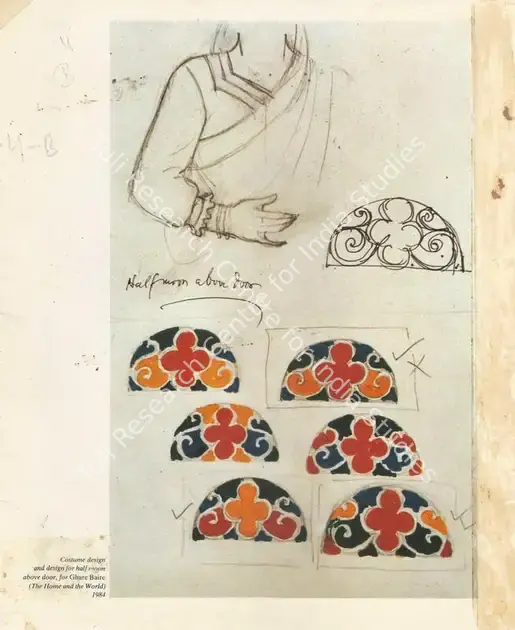
Ray, Satyajit (Artist), Ghare Baire, 1985. Costume design and pattern of painted glass design for the door in Ray's set of Ghare Baire | Original Artwork, 1984, The Other Ray , 1990 | CinemaEducation | 00724326
1 / 3

Body of Work

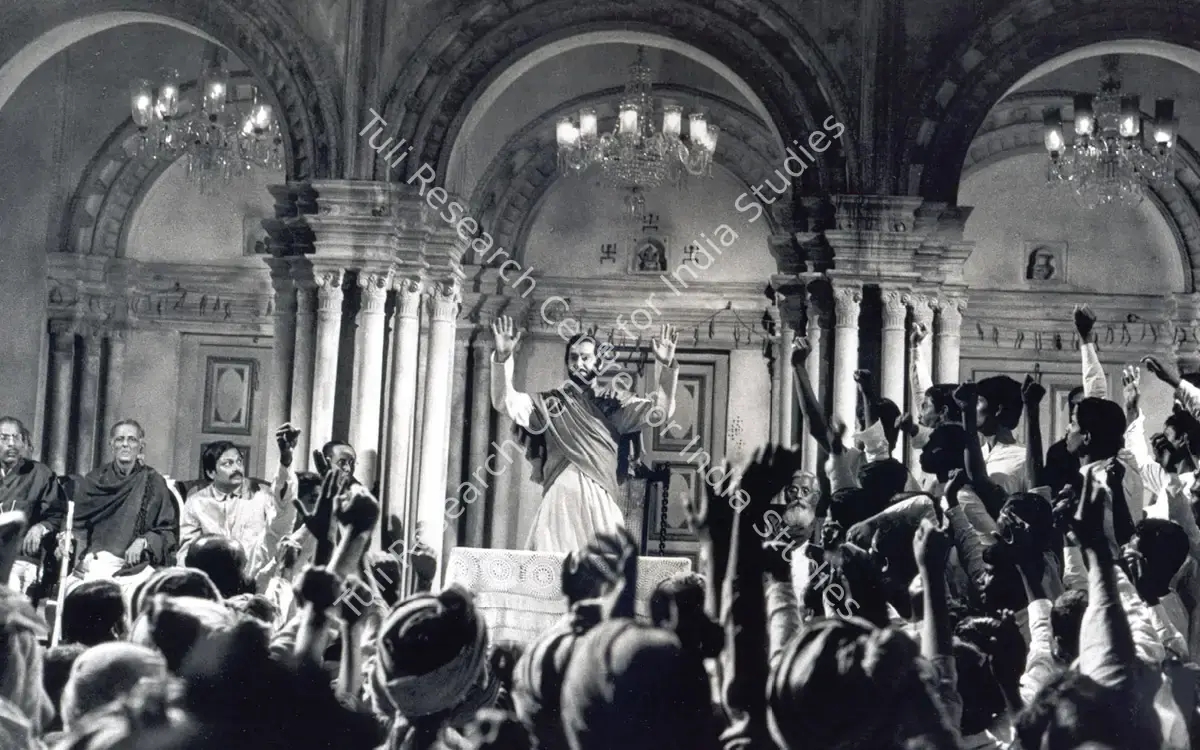
Roy, Soumendu (Cinematographer), Ghare Baire, 1985 | Photographic Still | CinemaEducation | 00891146
39·Scroll→
01 / 39
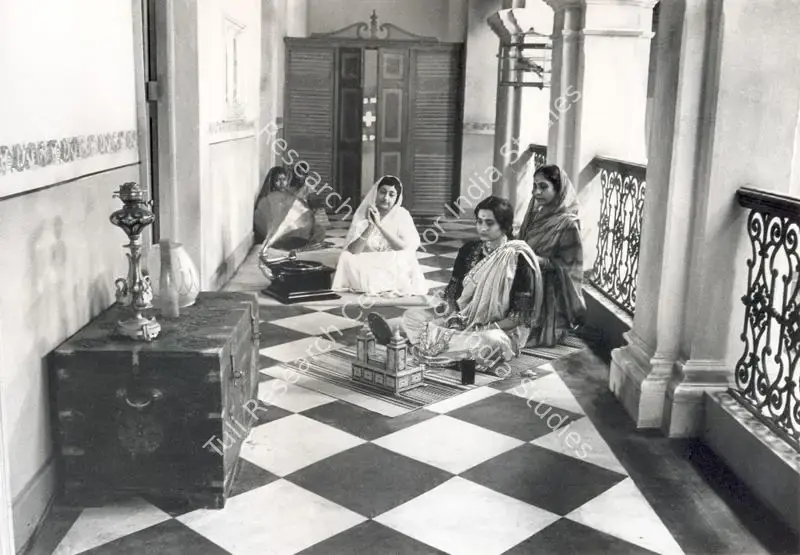
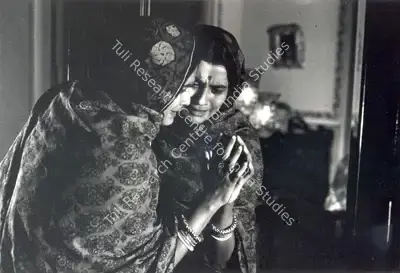
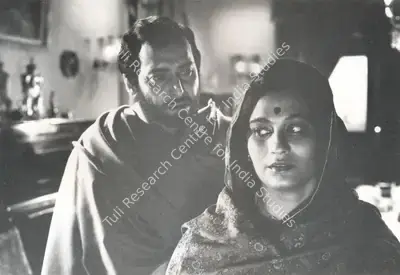
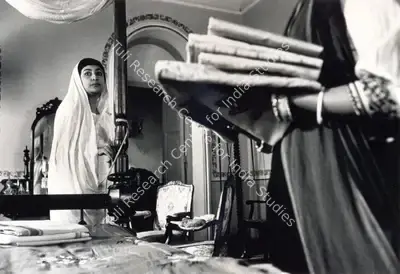
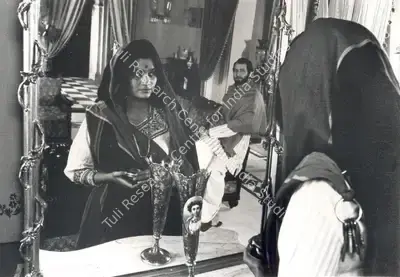
Ghare Baire is an exceptionally heady film, a work of ideas and polemic like Tagore's novel on which it is based. The film is set against the 1905 Partition of Bengal in British-India. Viceroy Lord Curzon, as a means of minimizing the growing nationalist movement in Bengal, divided it on communal lines. Swadeshi was a reactionary movement designed to protest the divide with a concerted programme to destroy foreign goods, but it had its own share of hostilities. Although the burning of British cloth with the rallying cry 'Bande Mataram!' became a powerful device, it was costly in its wastefulness. The needs of the poor who could not buy swadeshi- not only clothes but essential goods like salt, sugar and soap, were being ignored. Zaminder of Shukhshayar, Nikhil is one of the deterents of the bonfire campaigns. He understands the exploitative nature of coloniaist economy and protests the partition, but champions the cause of poors, especially the poor Muslims in his estate. The still shows the inner quarters or zenana of the zamindar's house where we see Bimala, Nikhil's wife.
Art Director
Ashoke Bose
Assistant Directors
Sandip Ray, Ramesh Sen, Subrata Lahiri, Shanti Kumar
Banner
N. F. D. C.
Cinematographer
Soumendu Roy
Controller of Production
Bhanu Ghosh
Director
Satyajit Ray
Editing
Dulal Dutta
Executive Producer
Anil Chowdhury
Lead Cast
Victor Banerjee, Soumitra Chatterjee, Jennifer Kendal, Swatilekha Sengupta
Lead Cast Rest
Gopa Aich, Bimala Chatterjee, Manoj Mitra
Makeup Director
Ananta Das
Music Director
Satyajit Ray
Poster Designer
Satyajit Ray
Presented by Institution
N f
Re recording
Hitendra Ghosh
Screenplay Writer
Satyajit Ray
Script Writer
Satyajit Ray
Still Photographer
Nemai Ghosh, Hirak Sen, Satyaki
Story Writer
Rabindranath Tagore

Research Centre

Related

5

Personalities

5

Kishore Kumar
Kishore KumarPlayback Singer
Nemai Ghosh
Nemai GhoshStill Photographer · Comparable Artworks
Satyajit Ray
Satyajit RayScreenplay · Music Director +3
Soumendu Roy
Soumendu RoyCameraman · Comparable Artworks
Victor Banerjee
Victor BanerjeeLead Cast
Tuli Research Centre for India Studies

Tuli Research Centre

for India Studies

A free and open knowledge base for the modern and contemporary Indian arts, cinema, photography and cultural heritage.

Support

Contact Us

Discover

Tuli Research Centre for India StudiesVisionManifestoArchive & LibraryVanraja Sanctuary & Hospice

Legal

Privacy PolicyTerms & Conditions

Follow us

Youtube

Youtube

Instagram

Instagram

Facebook

Facebook

© Tuli Research Centre for India Studies 2026

Tuli Research Centre for India Studies

Tuli Research Centre

for India Studies

A free and open knowledge base for the modern and contemporary Indian arts, cinema, photography and cultural heritage.

Tuli Research Centre for India StudiesVisionManifestoArchive & LibraryVanraja Sanctuary & Hospice
Contact Us
Privacy PolicyTerms & Conditions

Follow us

YoutubeInstagramFacebook

© Tuli Research Centre for India Studies 2026

                          Ghare Baire (1985): Full Film