

Introduction
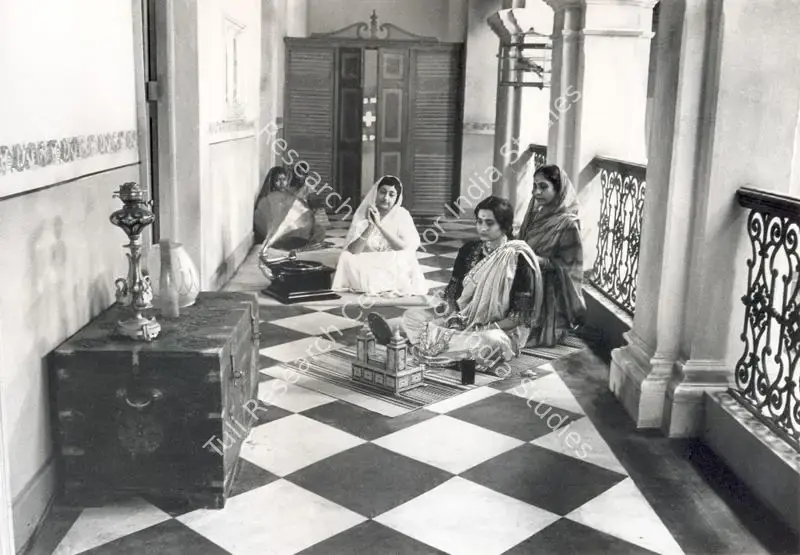
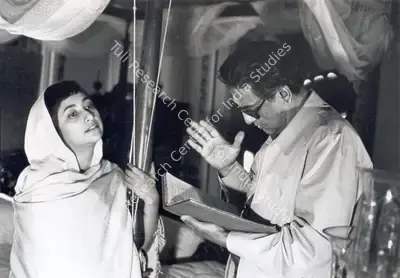
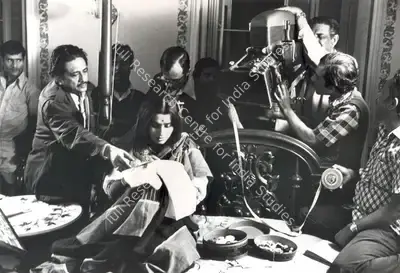
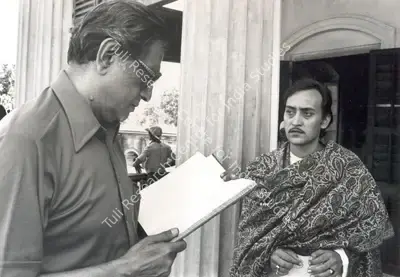
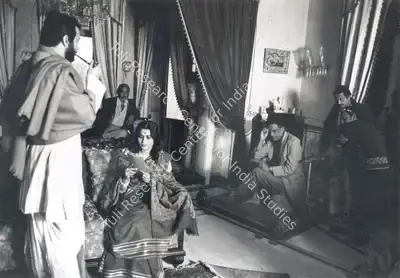
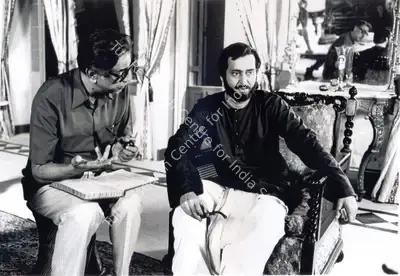
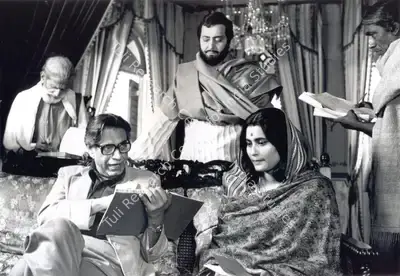
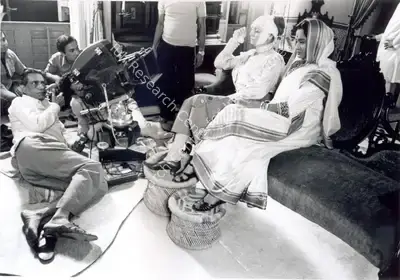
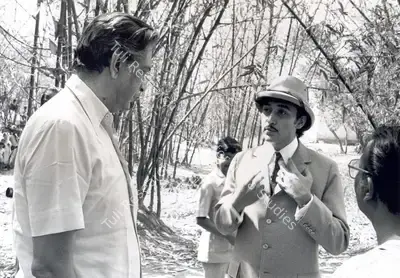
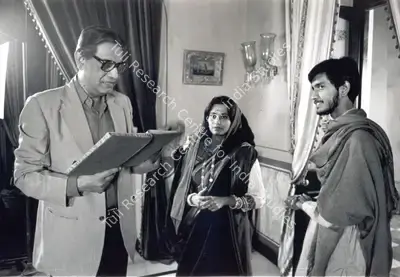
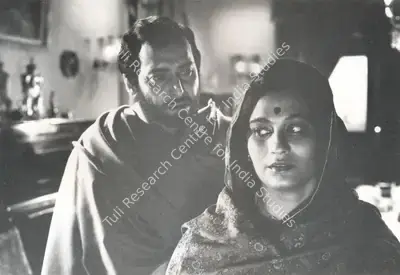
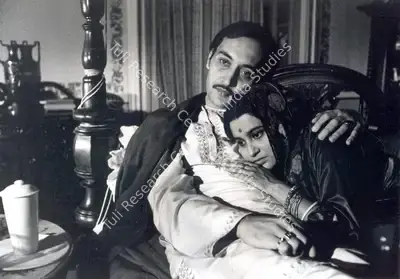
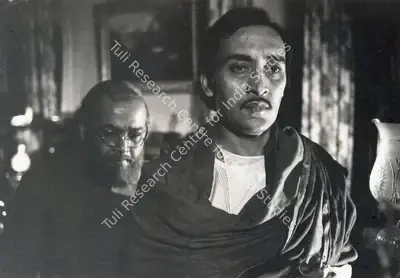
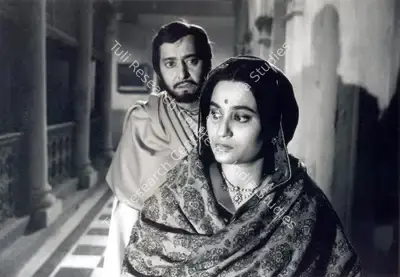
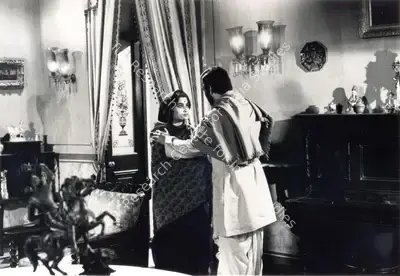
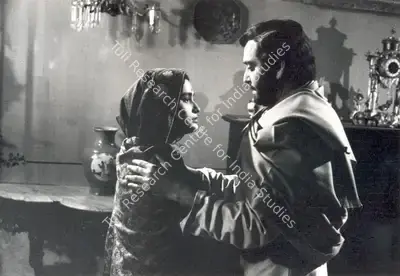
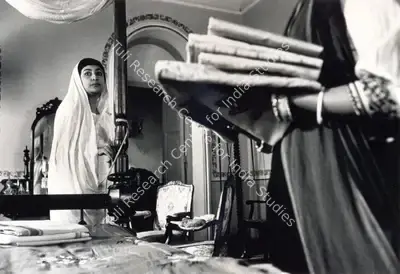
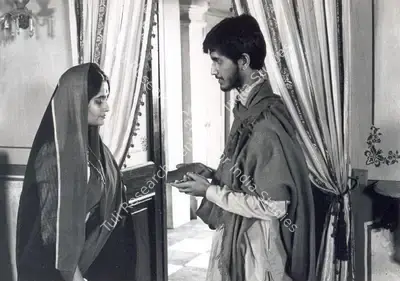
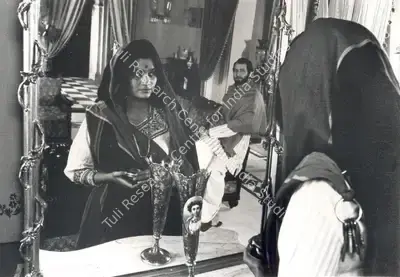
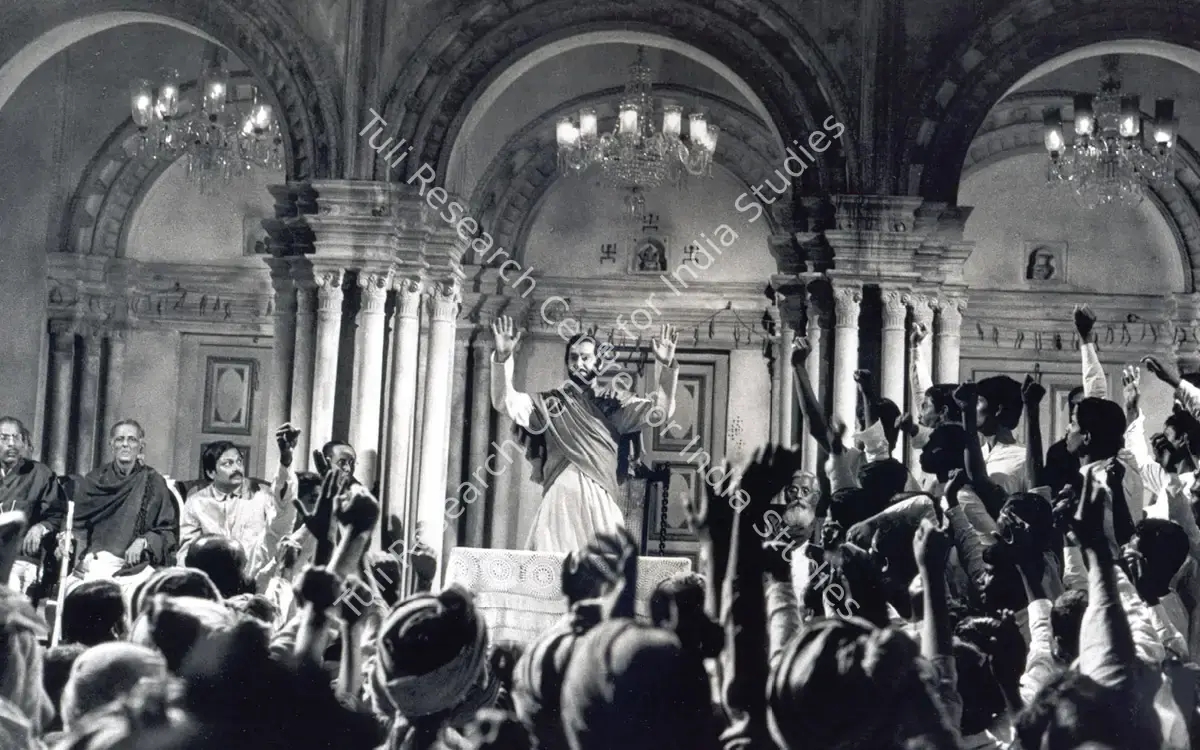
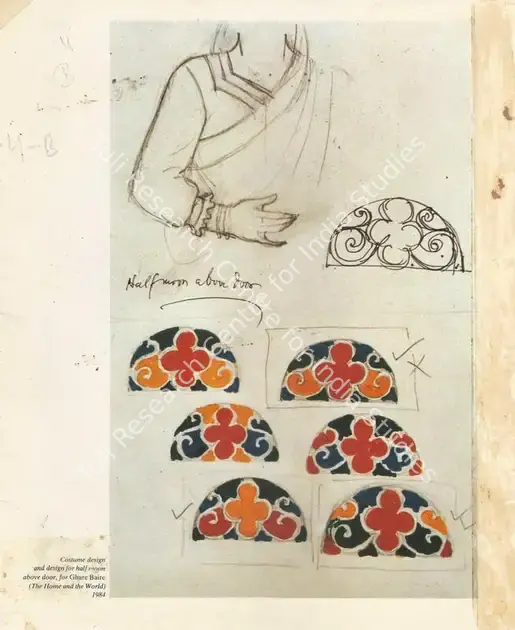
Ghare Baire (The Home and the World, 1984) The Bengali-language romantic drama directed and written by Satyajit Ray was adapted from Rabindranath Tagore's seminal novel of the same name. The film features a stellar cast including Soumitra Chatterjee, Victor Banerjee, Swatilekha Chatterjee (credited as Swatilekha Sengupta), and Jennifer Kendal. Supporting roles are portrayed by Gopa Aich as the sister-in-law, Manoj Mitra as the Headmaster, Indrapramit Roy as Amulya, Bimala Chatterjee as Kulada, and Master Ajay Ghosh.
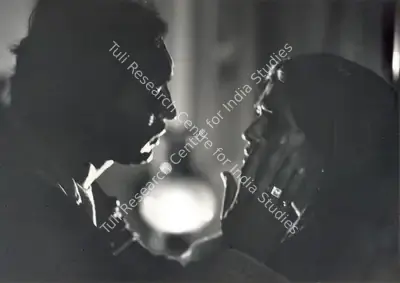
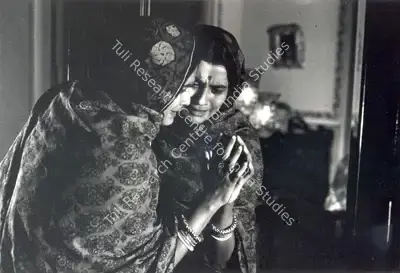
The narrative offers a layered exploration of themes such as nationalism, female emancipation, spiritual versus material worldviews, and the tension between tradition and modernity—all set against the backdrop of early 20th-century Bengal during the Swadeshi movement. At the heart of the story is Bimala, a woman encouraged by her progressive husband Nikhil to transcend the boundaries of the traditional zenana (women's quarters). Her awakening takes a tumultuous turn with the arrival of Sandip, Nikhil's passionate and politically charged friend. Initially enamoured by Sandip's fiery nationalism, Bimala is gradually entangled in a moral and emotional crisis as she becomes complicit in his radical agenda—an involvement that blurs personal and political lines, ultimately culminating in betrayal and tragedy.
Although the film was released in 1984, its origins trace back to the 1940s, when a young Ray first attempted to adapt Tagore's novel. However, lacking both artistic maturity and production support, he shelved the project. In later years, Ray described his early screenplay as "pitifully superficial and Hollywoodish," admitting that he had neither the vision nor the depth at the time to do justice to Tagore's nuanced work.
Upon its release, Ghare Baire was met with critical acclaim. It won the National Film Award for Best Feature Film in Bengali and was selected as India's official entry for the Academy Award for Best Foreign Language Film. Internationally, it was nominated for the prestigious Palme d'Or at the 1984 Cannes Film Festival, marking another milestone in Ray's illustrious career.
फ़िल्म की कहानी राष्ट्रीयता, स्त्री-मुक्ति, आध्यात्मिक बनाम भौतिक सोच और परम्परा विरुद्ध आधुनिकता जैसे मुद्दों की गहराई में जाकर पड़ताल करती है। यह कथानक बीसवीं सदी के आरंभ के बंगाल के स्वदेशी आंदोलन की पृष्ठभूमि में रचा गया है। कहानी के केंद्र में बिमला का किरदार है। बिमला एक ऐसी स्त्री है जिसे उसके प्रगतिशील सोच रखनेवाले पति निखिल ने घर और बाहर के बंटवारे के रूढ़िवादी नज़रिये से परे जाकर 'ज़नाने' (महिलाओं के हिस्से) की सीमाओं से बाहर निकलने के लिए प्रोत्साहित किया है। लेकिन यह प्रगतिशील जागृति तब एक मशमकश भरे मोड़ पर पहुँच जाती है जब निखिल का राजनैतिक धरातल पर उग्रपंथी जोश से भरा मित्र संदीप उनके जीवन में प्रवेश करता है। शुरुआत में तो बिमला संदीप के उग्र राष्ट्रवाद से बहुत प्रभावित होती है, लेकिन धीरे-धीरे वह एक नैतिक और भावनात्मक द्वंद्व में उलझ जाती है। संदीप के क्रांतिकारी विचारों में बिमला की हिस्सेदारी राजनैतिक और निजी की सीमाओं के बीच उलझती चली जाती है और अंततः घर के भीतर विश्वास के टूटने और एक त्रासदी में परिणत होती है।
हालाँकि यह फ़िल्म सन् 1984 में रिलीज़ हुई, राय ने पहली बार इसे बनाने की कोशिश अपने तरुणाई के दिनों में 1940 के दशक में ही की थी। वे टैगोर के उपन्यास पर फ़िल्म बनाना चाहते थे। लेकिन उस समय न तो उनके पास वो कलात्मक परिपक्वता थी और न ही इसके निर्माण के लिए ज़रूरी प्रोडक्शन का इंतज़ाम। इन कारणों से उन्होंने तब यह परियोजना अधूरी छोड़ दी थी। बाद के सालों में राय ने अपनी उस शुरुआती कोशिश के समय लिखी पटकथा को “बेहद सतही और हॉलीवुडनुमा” बताया और स्वीकार किया कि उस समय उनके पास गुरुदेव की जटिल और बहुपरतीय रचना को न्याय देने का न नज़रिया था और न गहराई थी।
फ़िल्म के रिलीज़ होने के समय घरे-बाइरे को आलोचकों से अत्यधिक सराहना हासिल हुई। इसे बांग्ला भाषा में 'सर्वश्रेष्ठ फ़ीचर फ़िल्म' का राष्ट्रीय फ़िल्म पुरस्कार हासिल हुआ और यह ऑस्कर में 'सर्वश्रेष्ठ विदेशी भाषा फ़िल्म' श्रेणी के लिए भारत की ओर से आधिकारिक प्रविष्टि बनी। अंतरराष्ट्रीय स्तर पर भी इसे बड़ा सम्मान मिला। सन् 1984 के कान फ़िल्म महोत्सव में प्रतिष्ठित 'पाल्म-दे-ओर' पुरस्कार के लिए इसे नामांकित किया गया और इस तरह यह फ़िल्म महान फ़िल्मकार सत्यजित राय के अद्भुत सिनेमाई करियर का एक और उल्लेखनीय अध्याय बन गई।
Body of Work