TRIS logo image
Search275,000+ actors, artists, objects, artworks, films, exhibitions, archives

EN

EN

English

HI

Hindi

EN

EN

English

HI

Hindi

Tuli Research Centre for India Studies

Tuli Research Centre for India Studies

Vision

Manifesto

Archive & Library

Vanraja Sanctuary & Hospice

Home

Research Categories

Browse All

ICore

1_CinemaEducation_Cinema as a Critical Educational Resource

2_FineArts_Modern and Contemporary Indian Fine Arts

3_Photography_Photography in India

4_PopCulture_The Printed Image, Popular Arts, and Crafts

IIMaterial

5_ArcHeritage_India's Architectural Heritage as Inspiration

6_EconomicsArt_Economics of Art & Cultural Industry

7_Travel_Automobile, Transport and Travel Heritage

8_Uncertainty_Uncertainty

IIICritical

9_SocialDuty_Social Responsibility of the Creative Mind

10_Childhood_The Changing Smile of Childhood & Its Second Coming

11_Sensuality_The Sensual Discipline within Creativity

12_Scholarship_The History & Historiography of Scholarship in the Arts, Humanities, and Social Sciences

IVMeaningful

13_SeekJustice_Seeking Justice and Political Integrity

14_IndoWorld_India and her Relationship with the World

15_SpiritualPoetics_The Religious-Spiritual-Poetic-Philosophical Framework

16_Continuum_The Animal-Human-Nature Continuum

Explore

All

Posts

Masterlists

Calendar

Live | Upcoming

All Events

Timetable

Search275,000+ actors, artists, objects, artworks, films, exhibitions, archives

EN

EN

English

HI

Hindi

Home/Simi Garewal

Simi Garewal

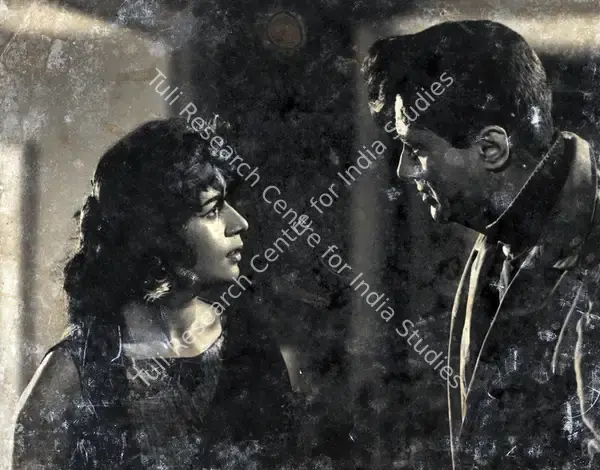
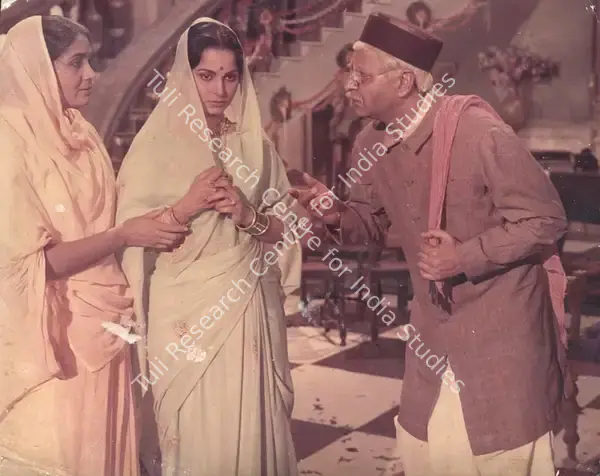
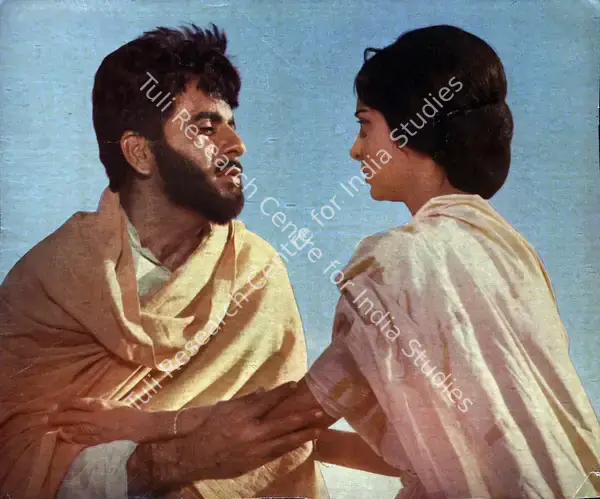
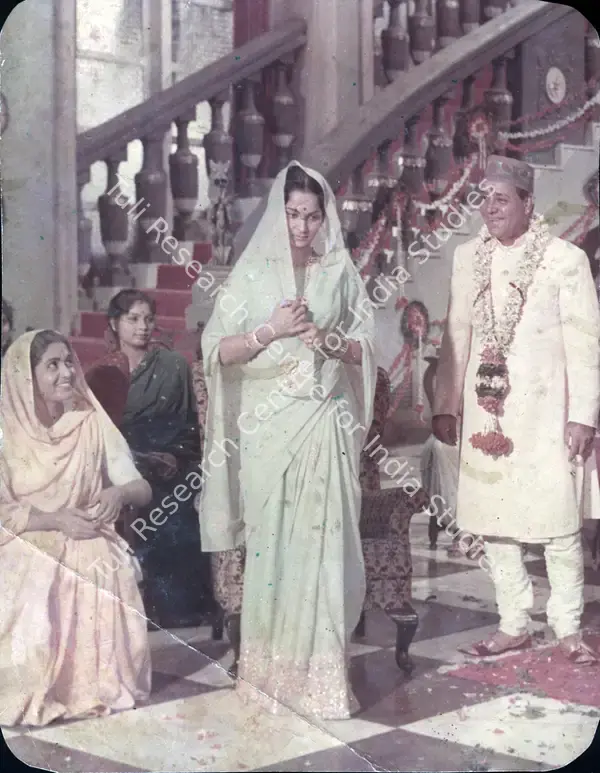
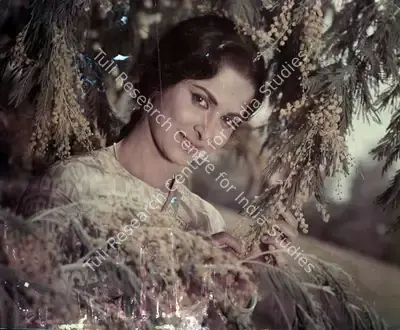
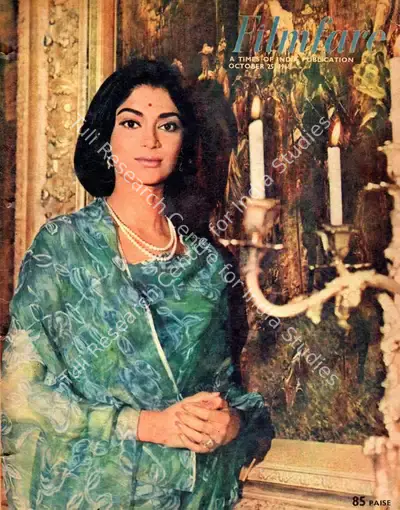
Simi Garewal (Born Simrita Garewal on 17 October 1947 in Ludhiana, India) She is an acclaimed director, producer, television talk show host, and former actress whose career spans several decades across Hindi cinema, television, and documentary filmmaking. She is widely recognized for her distinctive screen presence and for her contributions to both mainstream and parallel cinema, as well as for pioneering work in Indian television.

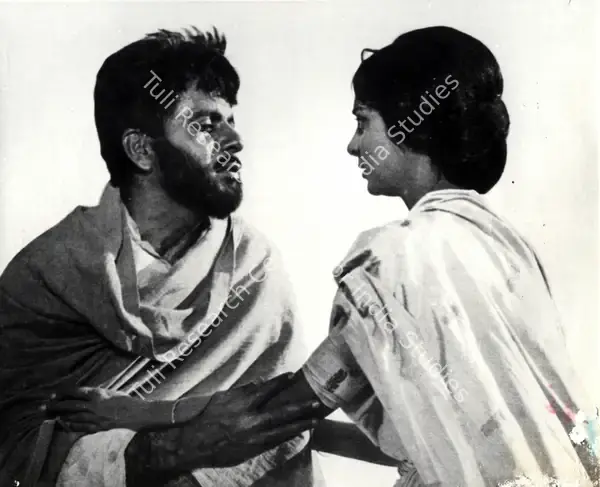
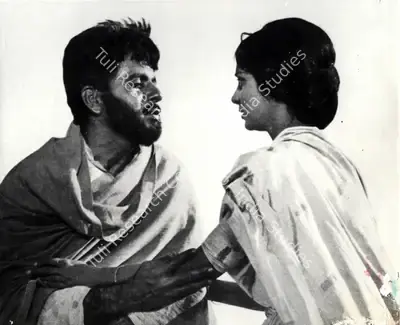
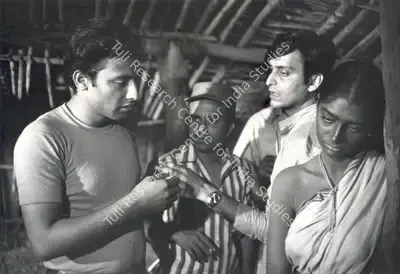
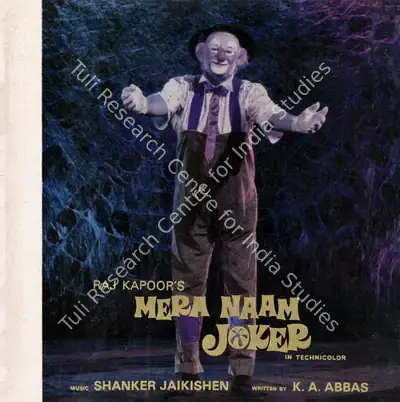
Garewal's film career began with the English-language production Tarzan Goes to India (1962), in which she appeared opposite Feroz Khan. Educated partly in England at Newland House School, her fluency in English and cross-cultural upbringing distinguished her early on in the Indian film industry. She soon became associated with significant cinematic works of the 1960s and 1970s, collaborating with some of the most influential filmmakers of Indian cinema. These included Mehboob Khan in Son of India (1962), Raj Khosla in Do Badan (1966), Raj Kapoor in Mera Naam Joker (1970), Satyajit Ray in Aranyer Din Ratri (1970), and Mrinal Sen in Padatik (1973). She also appeared in Siddhartha (1972), directed by Conrad Rooks and based on Hermann Hesse's novel, where she starred alongside Shashi Kapoor. The film drew controversy in India due to its explicit content, including a nude scene, which was subject to censorship before release.

During the mid-1970s, Garewal featured in prominent Hindi films such as Kabhi Kabhie (1976), directed by Yash Chopra, and Chalte Chalte (1976). Her role in Karz (1980), directed by Subhash Ghai, is often cited as one of her most memorable performances, marking her presence in the popular cinematic landscape of the period. She also appeared in the BBC docudrama Maharajas (1987), based on Charles Allen's writings, further extending her work into international productions.

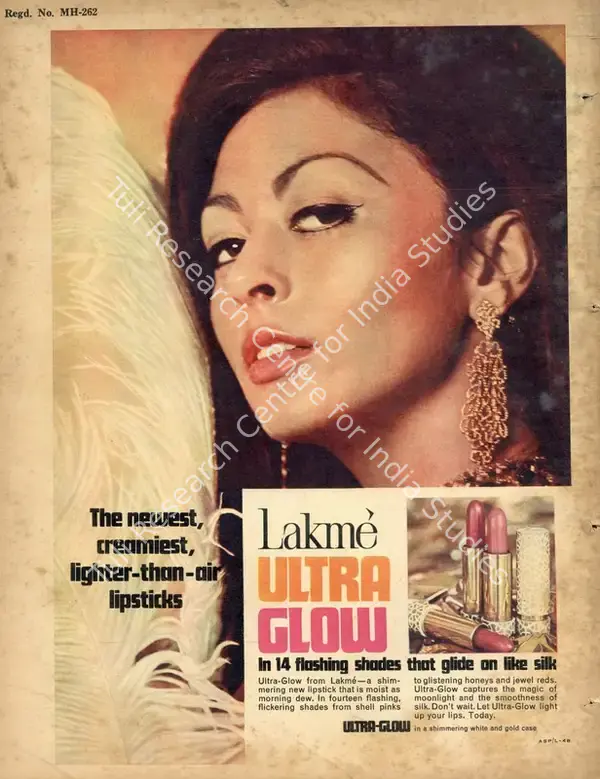
In the early 1980s, Garewal transitioned from acting to creative production, writing, and direction. She established Siga Arts International and developed content across television and documentary formats. Her television series It's a Woman's World (1983), produced for Doordarshan, was among the earliest Indian programs to focus on women's experiences and perspectives. She also directed the documentary Living Legend Raj Kapoor (1984) for Channel 4 in the United Kingdom, followed by the three-part series India's Rajiv (1991), which examined the life and political career of Rajiv Gandhi. In addition, she wrote and directed the Hindi feature film Rukhsat (1988) and produced numerous television commercials.

Garewal achieved widespread cultural recognition as the host of the celebrity talk show Rendezvous with Simi Garewal (1997), which became known for its intimate, monochrome aesthetic and in-depth conversations with prominent figures from film, politics, and business. Her refined presentation style, often marked by her signature white attire, earned her the popular designation “The Lady in White.” She later returned to television with India's Most Desirable (2011), a show exploring relationships and public personas among celebrities and public figures.

Beyond television and film, Garewal has maintained a notable digital presence through her official website and YouTube channel, where her archival interviews and documentaries continue to attract significant viewership.

Her personal life has also drawn public attention. She was in relationships with Shatrusalyasinhji, the Maharaja of Jamnagar, Mansoor Ali Khan Pataudi, and later Pakistani politician Salman Taseer. In 1970, she married Ravi Mohan of the Chunnamal family of Delhi; the marriage ended in divorce in 1979.

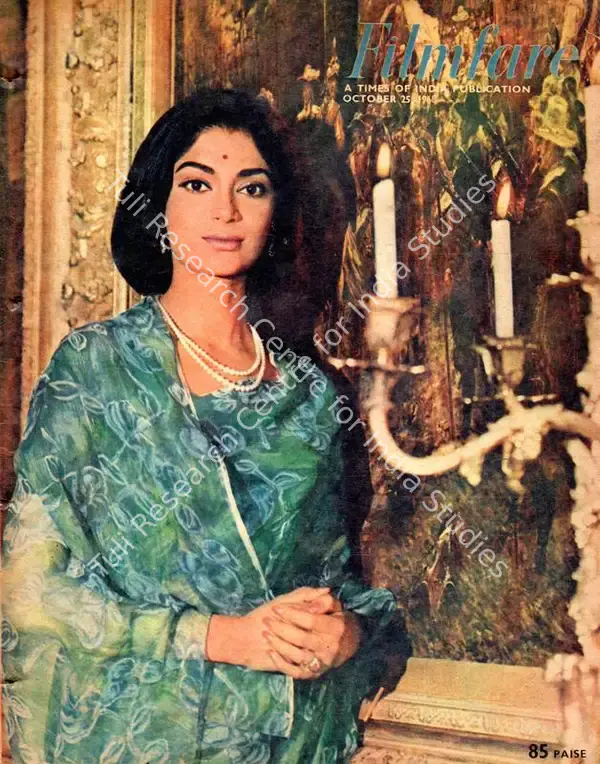
Garewal's achievements have been widely recognized. She is a two-time Filmfare Award winner for Best Supporting Actress for Saathi (1968) and Do Badan (1966), and received a nomination for Karz (1980). Her contributions to television earned her the Milestone Achievement Award at the Indian Television Academy Awards in 2010 for Rendezvous with Simi Garewal, as well as a nomination for Best Anchor at the Indian Telly Awards in 2003. In 2015, she was honoured with a Lifetime Achievement Award at the Masala! Awards. She also received first prize at the Pater's Award in Australia in 1988 for her work in television commercials. Her documentary work, particularly Living Legend Raj Kapoor (1984) and India's Rajiv (1991), remains an important part of her legacy in Indian visual storytelling.

सिमी गरेवाल (जन्म सिमरीता गरेवाल, 17 अक्टूबर 1947, लुधियाना, भारत) एक प्रसिद्ध निर्देशक, निर्माता, टेलीविज़न टॉक शो होस्ट और पूर्व अभिनेत्री हैं, जिनका करियर हिंदी सिनेमा, टेलीविज़न और डॉक्यूमेंट्री फ़िल्म निर्माण में कई दशकों लम्बा है। उन्हें अपनी विशिष्ट अभिनय क्षमता और मुख्यधारा एवं समानांतर सिनेमा दोनों में योगदान के साथ-साथ भारतीय टेलीविज़न में अग्रणी कार्यों के लिए व्यापक रूप से जाना जाता है।
गरेवाल के फ़िल्मी करियर की शुरुआत अंग्रेजी भाषा की फ़िल्म 'टार्ज़न गोज़ टू इंडिया' (1962) से हुई, जिसमें उन्होंने फ़िरोज़ ख़ान के साथ अभिनय किया। इंग्लैंड के न्यूलैंड हाउस स्कूल में थोड़े समय के लिए शिक्षा प्राप्त करने के कारण, अंग्रेजी भाषा में उनकी धाराप्रवाह दक्षता और बहुसांस्कृतिक परवरिश ने उन्हें भारतीय फ़िल्म उद्योग में शुरुआती दौर में ही विशिष्ट स्थान दिलाया। वह जल्द ही 1960 और 1970 के दशक की महत्वपूर्ण फ़िल्मों से जुड़ गईं और भारतीय सिनेमा के कुछ सबसे प्रसिद्ध फ़िल्म निर्माताओं के साथ काम किया। इनमें महबूब ख़ान की 'सन ऑफ़ इंडिया' (1962), राज खोसला की 'दो बदन' (1966) , राज कपूर के साथ 'मेरा नाम जोकर' (1970) , सत्यजीत रे की 'अरण्येर दिन रात्रि' (1970) और मृणाल सेन की 'पदातिक' (1973) शामिल हैं। उन्होंने कॉनराड रूक्स द्वारा निर्देशित और हरमन हेस के उपन्यास पर आधारित फ़िल्म 'सिद्धार्थ' (1972) में भी अभिनय किया, जिसमें उन्होंने शशि कपूर के साथ मुख्य भूमिका निभाई थी। फ़िल्म में दिखाए गए आपत्तिजनक दृश्यों, जिनमें एक नग्न दृश्य भी शामिल था, के कारण भारत में विवाद खड़ा हो गया, जिसे रिलीज़ से पहले सेंसरशिप का सामना करना पड़ा।
1970 के दशक के मध्य में, गरेवाल ने यश चोपड़ा द्वारा निर्देशित 'कभी कभी' (1976) और 'चलते चलते' (1976) जैसी प्रमुख हिंदी फ़िल्मों में अभिनय किया। सुभाष घई द्वारा निर्देशित 'कर्ज़' (1980) में उनकी भूमिका को अक्सर उनके सबसे यादगार प्रदर्शनों में से एक माना जाता है। इस फ़िल्म ने उस दौर के लोकप्रिय सिनेमाई परिदृश्य में उनकी मज़बूत उपस्थिति को स्थापित किया। उन्होंने चार्ल्स एलन के रचनाओं पर आधारित बीबीसी के डॉक्यूड्रामा 'महाराजा' (1987) में भी अभिनय किया, जिससे अंतर्राष्ट्रीय प्रस्तुतियों में उनका कार्यक्षेत्र और भी विस्तृत हुआ।
1980 के दशक की शुरुआत में गरेवाल ने अभिनय छोड़कर निर्माण, लेखन और निर्देशन के क्षेत्र में कदम रखा। उन्होंने सिगा आर्ट्स इंटरनेशनल की स्थापना की और टेलीविज़न और डॉक्यूमेंट्री प्रारूपों में सामग्री विकसित की। दूरदर्शन के लिए निर्मित उनकी टेलीविज़न श्रृंखला 'इट्स अ वुमन्स वर्ल्ड' (1983) महिलाओं के अनुभवों और दृष्टिकोणों पर केंद्रित शुरुआती भारतीय कार्यक्रमों में से एक थी। उन्होंने यूनाइटेड किंगडम के चैनल 4 के लिए डॉक्यूमेंट्री 'लिविंग लीजेंड राज कपूर' (1984) का निर्देशन भी किया, जिसके बाद उन्होंने तीन भागों की श्रृंखला 'इंडियाज़ राजीव' (1991) का निर्देशन किया, जिसमें राजीव गांधी के जीवन और राजनीतिक करियर का विश्लेषण किया गया था। इसके अलावा, उन्होंने हिंदी फ़ीचर फ़िल्म 'रुख़सत' (1988) का लेखन और निर्देशन किया और कई टेलीविज़न विज्ञापनों का निर्माण भी किया।
सिमी गरेवाल को सेलिब्रिटी टॉक शो 'रेंडेज़वस विद सिमी गरेवाल' (1997) की मेज़बानी के दौरान व्यापक सांस्कृतिक पहचान मिली। यह शो अपनी अंतरंग, मोनोक्रोम शैली और फ़िल्म, राजनीति और व्यापार जगत की प्रमुख हस्तियों के साथ गहन बातचीत के लिए प्रसिद्ध हुआ। उनकी शानदार प्रस्तुति शैली, जो अक्सर उनके विशिष्ट सफेद परिधानों से पहचानी जाती थी, उन्हें लोकप्रिय रूप से "द लेडी इन व्हाइट" का उपनाम दिलाया। बाद में उन्होंने 'इंडियाज़ मोस्ट डिज़ायरेबल' (2011) के साथ टेलीविज़न पर वापसी की, जो मशहूर हस्तियों और सार्वजनिक व्यक्तित्वों के बीच संबंधों और छवि का खोज करने वाला एक शो था।
टेलीविज़न और फ़िल्मों के अलावा, गरेवाल ने अपनी आधिकारिक वेबसाइट और यूट्यूब चैनल के माध्यम से एक उल्लेखनीय डिजिटल उपस्थिति बनाए रखी है, जहां उनके संग्रहित साक्षात्कार और डॉक्यूमेंट्री महत्वपूर्ण हैं और दर्शकों को आकर्षित करते रहते हैं।
उनके निजी जीवन ने भी सार्वजनिक ध्यान आकर्षित किया है। उनके जामनगर के महाराजा शत्रुशल्यसिंहजी, मंसूर अली ख़ान पटौदी और बाद में पाकिस्तानी राजनेता सलमान तासीर के साथ संबंध रहे। 1970 में, उन्होंने दिल्ली के चुन्नामल परिवार के रवि मोहन से शादी की लेकिन यह विवाह 1979 में तलाक़ के साथ समाप्त हो गया।
गरेवाल की उपलब्धियों को व्यापक रूप से सराहा गया है। उन्हें साथी (1968) और दो बदन (1966) के लिए सर्वश्रेष्ठ सहायक अभिनेत्री का दो बार फ़िल्मफ़ेयर पुरस्कार मिला है, और क़र्ज़ (1980) के लिए उन्हें नामांकित किया गया था। टेलीविज़न में उनके योगदान के लिए उन्हें 2010 में इंडियन टेलीविज़न अकादमी पुरस्कारों में रेंडेज़वस विद सिमी गरेवाल के लिए माइलस्टोन अचीवमेंट पुरस्कार से सम्मानित किया गया, साथ ही 2003 में इंडियन टेली अवार्ड्स में सर्वश्रेष्ठ एंकर के लिए नामांकित किया गया। 2015 में, उन्हें मसाला! अवार्ड्स में लाइफटाइम अचीवमेंट अवार्ड से सम्मानित किया गया। टेलीविज़न विज्ञापनों में उनके काम के लिए उन्हें 1988 में ऑस्ट्रेलिया में पैटर्स अवार्ड में प्रथम पुरस्कार भी मिला। उनके डॉक्यूमेंट्री, विशेष रूप से लिविंग लीजेंड राज कपूर (1984) और इंडियाज़ राजीव (1991), भारतीय दृश्य कथाकला में उनकी विरासत का एक महत्वपूर्ण हिस्सा बने हुए हैं।
The whole holding
Scroll→

Research Centre

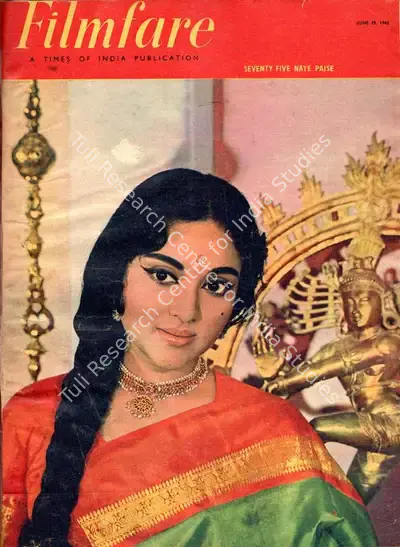
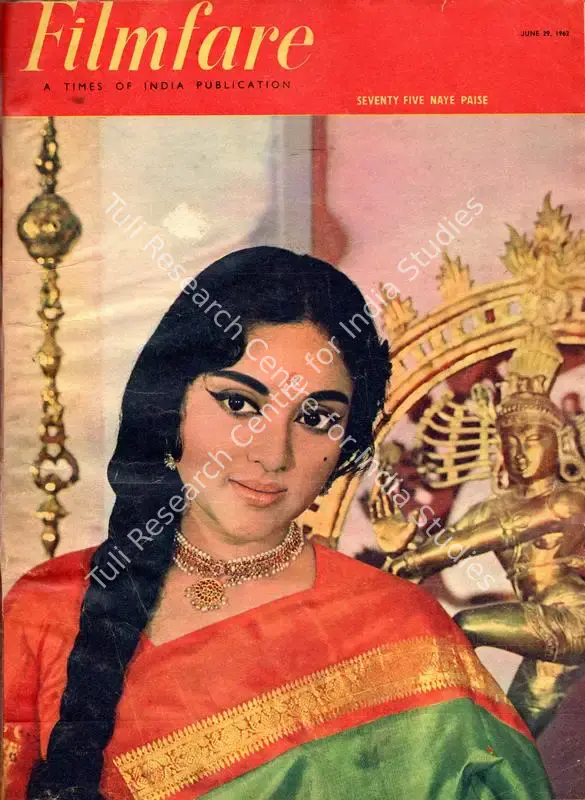
B.K. Karanjia (Editor), Filmfare, 1962, Magazine
Karanjia, B.K. (Editor). Filmfare, 29 June 1962 | Magazine | 00793271
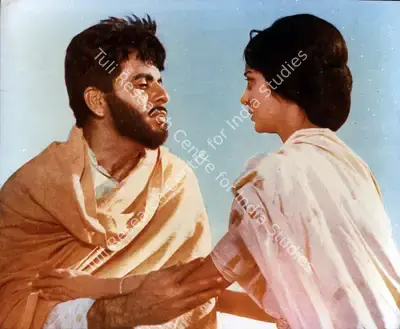
Pratap Sinha (Cinematographer), Teen Devian, 1965, Photographic Still
Sinha, Pratap (Cinematographer), Teen Devian, 1965 | Photographic Still
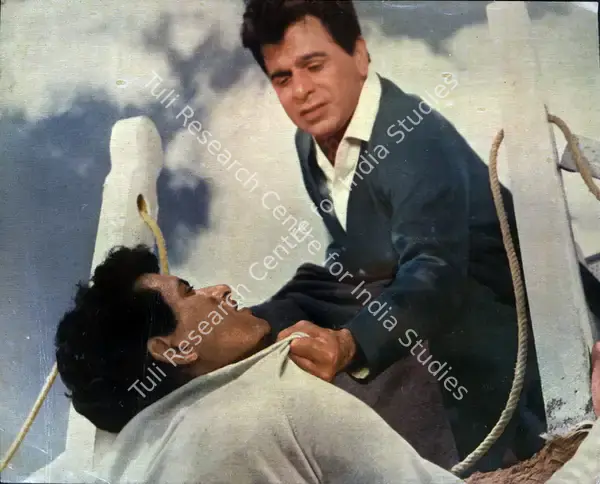
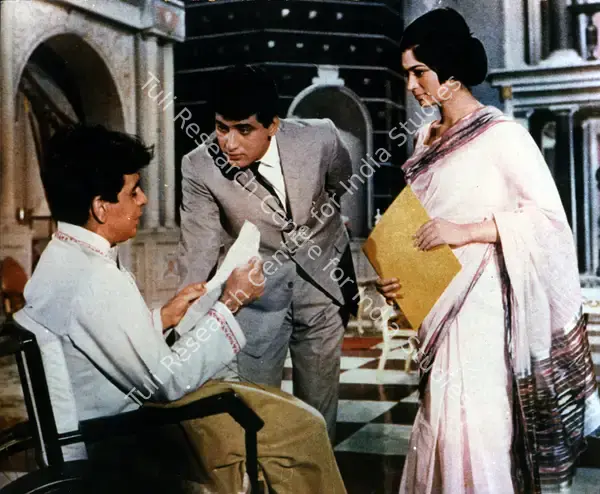
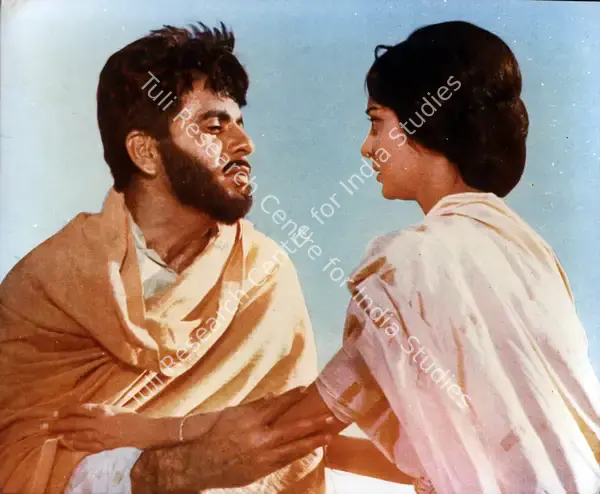
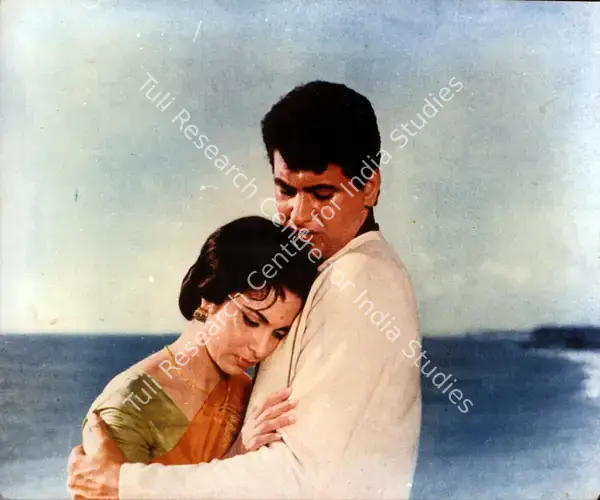
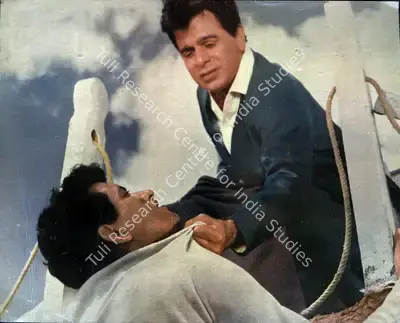
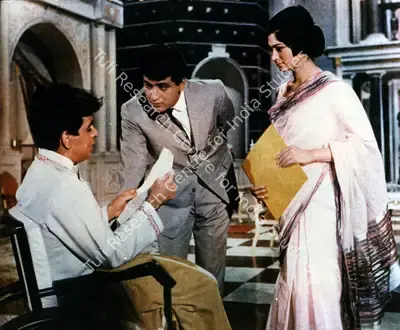
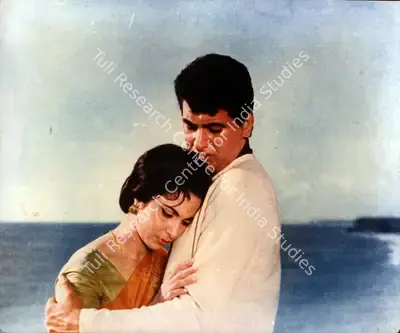
Faredoon A. Irani (Cinematographer), Aadmi, 1968, Photographic Still
Irani, Faredoon A. (Cinematographer), Aadmi, 1968 | Photographic Still
Faredoon A. Irani (Cinematographer), Aadmi, 1968, Photographic Still
Irani, Faredoon A. (Cinematographer), Aadmi, 1968 | Photographic Still
Faredoon A. Irani (Cinematographer), Aadmi, 1968, Photographic Still
Irani, Faredoon A. (Cinematographer), Aadmi, 1968 | Photographic Still
Faredoon A. Irani (Cinematographer), Aadmi, 1968, Photographic Still
Irani, Faredoon A. (Cinematographer), Aadmi, 1968 | Photographic Still
Faredoon A. Irani (Cinematographer), Aadmi, 1968, Photographic Still
Irani, Faredoon A. (Cinematographer), Aadmi, 1968 | Photographic Still
Faredoon A. Irani (Cinematographer), Aadmi, 1968, Photographic Still
Irani, Faredoon A. (Cinematographer), Aadmi, 1968 | Photographic Still
Faredoon A. Irani (Cinematographer), Aadmi, 1968, Photographic Still
Irani, Faredoon A. (Cinematographer), Aadmi, 1968 | Photographic Still
Faredoon A. Irani (Cinematographer), Aadmi, 1968, Photographic Still
Irani, Faredoon A. (Cinematographer), Aadmi, 1968 | Photographic Still
Faredoon A. Irani (Cinematographer), Aadmi, 1968, Photographic Still
Irani, Faredoon A. (Cinematographer), Aadmi, 1968 | Photographic Still
Faredoon A. Irani (Cinematographer), Aadmi, 1968, Photographic Still
Irani, Faredoon A. (Cinematographer), Aadmi, 1968 | Photographic Still
Faredoon A. Irani (Cinematographer), Aadmi, 1968, Photographic Still
Irani, Faredoon A. (Cinematographer), Aadmi, 1968 | Photographic Still
Faredoon A. Irani (Cinematographer), Aadmi, 1968, Photographic Still
Irani, Faredoon A. (Cinematographer), Aadmi, 1968 | Photographic Still
Faredoon A. Irani (Cinematographer), Aadmi, 1968, Photographic Still
Irani, Faredoon A. (Cinematographer), Aadmi, 1968 | Photographic Still
B.K. Karanjia (Editor), Filmfare, 1968, Magazine
Karanjia, B.K. (Editor). Filmfare, 25 October 1968 | Magazine | 00793387
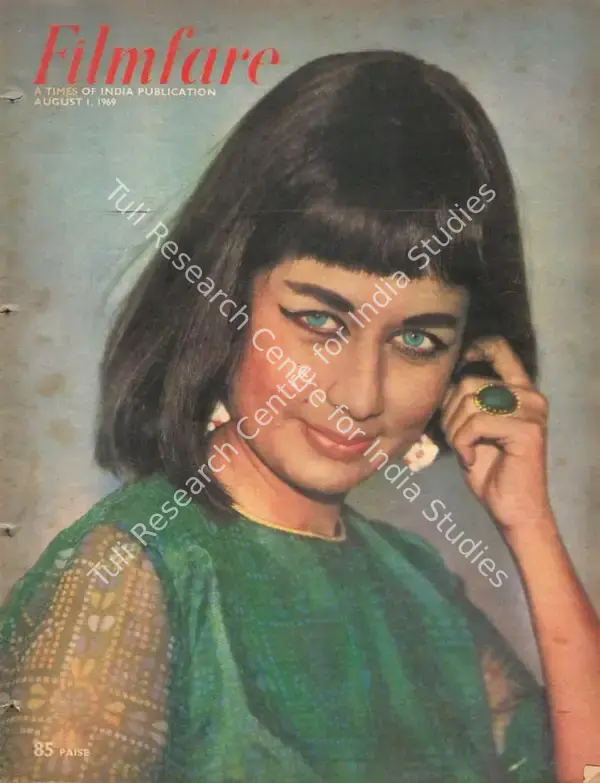
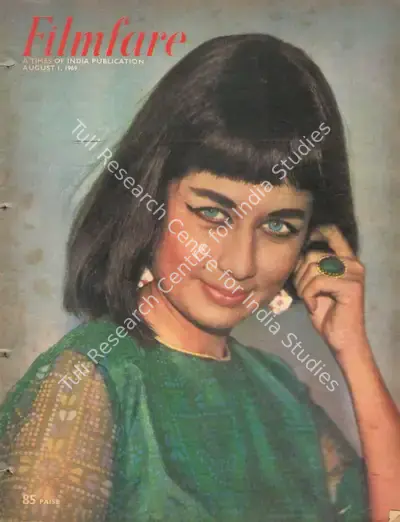
B.K. Karanjia (Editor), Filmfare, 1969, Magazine
Karanjia, B.K. (Editor). Filmfare, 01 August 1969 | Magazine | 00793407
B.K. Karanjia (Editor), Filmfare, 1969, Magazine
Karanjia, B.K. (Editor). Filmfare, 01 August 1969 | Magazine | 00793407
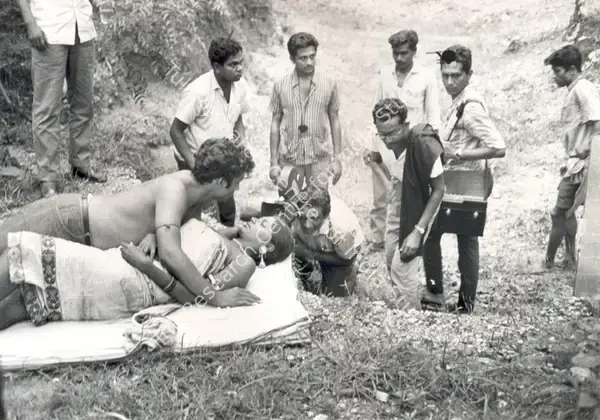
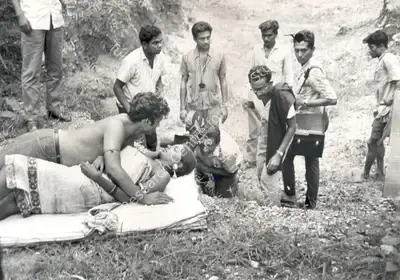
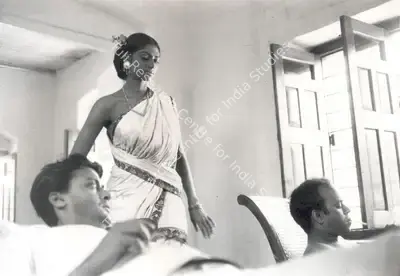
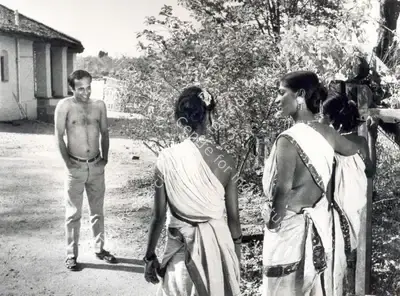
Nemai Ghosh (Still Photographer), Aranyer Din Ratri, 1970, Working Still
Ghosh, Nemai (Still Photographer), Aranyer Din Ratri, 1970 | Working Still
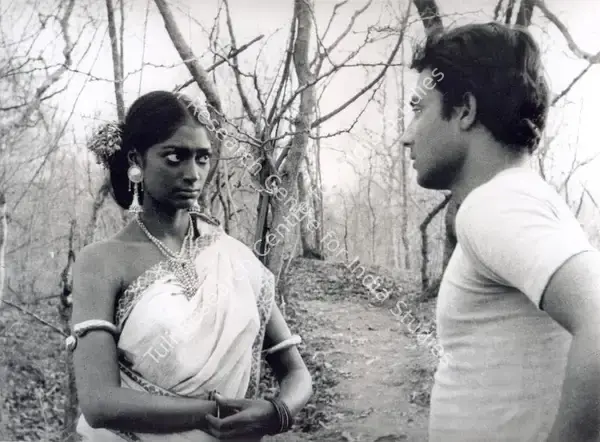
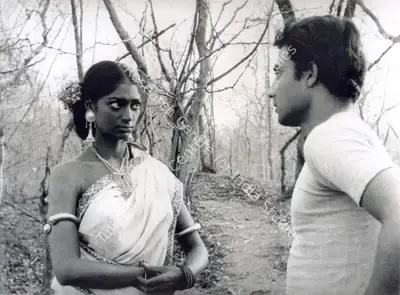
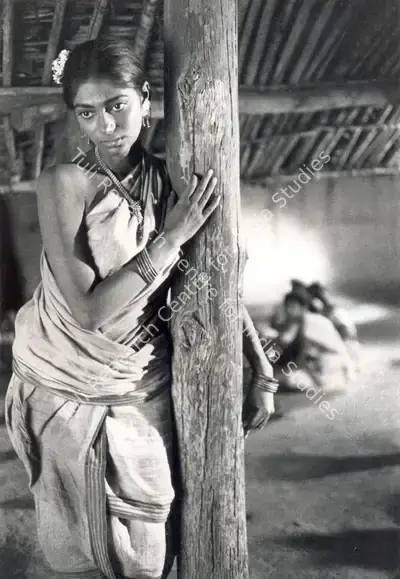
Purnendu Bose (Cinematographer), Aranyer Din Ratri, 1970, Photographic Still
Bose, Purnendu (Cinematographer), Aranyer Din Ratri, 1970 | Photographic Still
20 of 94
B.K. Karanjia (Editor), Filmfare, 1962, Magazine
Karanjia, B.K. (Editor). Filmfare, 29 June 1962 | Magazine | 00793271
B.K. Karanjia (Editor), Filmfare, 1968, Magazine
Karanjia, B.K. (Editor). Filmfare, 25 October 1968 | Magazine | 00793387
B.K. Karanjia (Editor), Filmfare, 1969, Magazine
Karanjia, B.K. (Editor). Filmfare, 01 August 1969 | Magazine | 00793407
B.K. Karanjia (Editor), Filmfare, 1969, Magazine
Karanjia, B.K. (Editor). Filmfare, 01 August 1969 | Magazine | 00793407
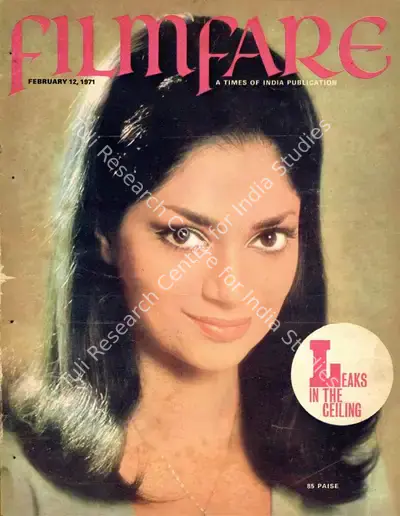
B.K. Karanjia (Editor), Filmfare, 1971, Magazine
Karanjia, B.K. (Editor). Filmfare, 12 February 1971 | Magazine | 00793447
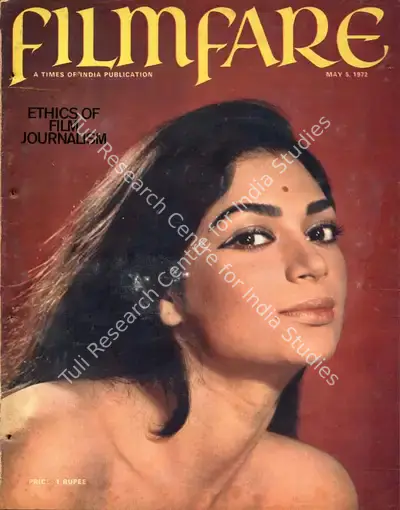
B.K. Karanjia (Editor), Filmfare, 1972, Magazine
Karanjia, B.K. (Editor). Filmfare, 05 May 1972 | Magazine | 00793478
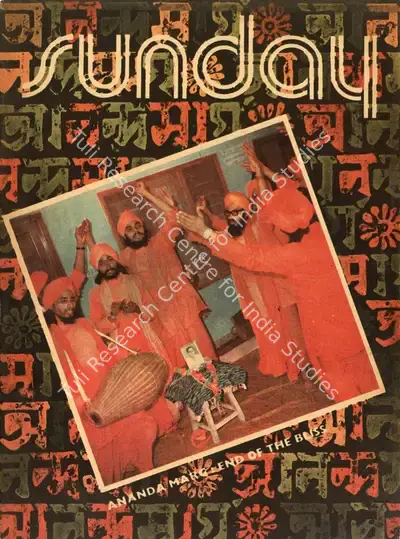
Aveek Sarkar (Editor), Sunday, 1973, Magazine
Sarkar, Aveek (Editor). Sunday, 08 July 1973 | Magazine | 00842335
Aveek Sarkar (Editor), Sunday, 1973, Magazine
Sarkar, Aveek (Editor). Sunday, 08 July 1973 | Magazine | 00842335
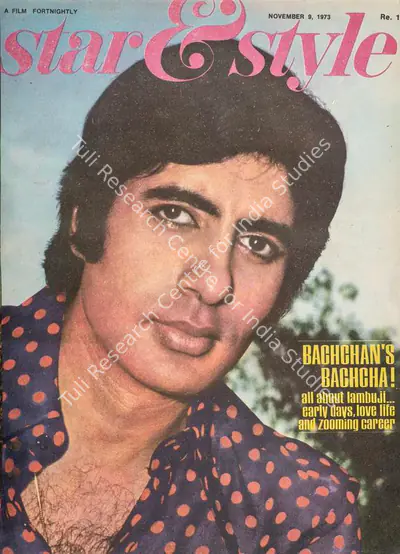
Gulshan Ewing (Editor), Star & Style, 1973, Magazine
Ewing, Gulshan (Editor). Star & Style, 9 November 1973 | Magazine | 00808568
Gulshan Ewing (Editor), Star & Style, 1973, Magazine
Ewing, Gulshan (Editor). Star & Style, 9 November 1973 | Magazine | 00808568
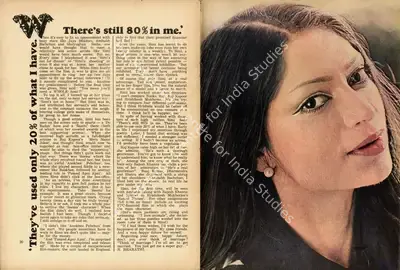
N. Bharathi (Interviewer), They've used only 20% of what I have. There's still 80% in me', 1973, Conversation
Bharathi, N. (Interviewer). They've used only 20% of what I have. There's still 80% in me'. In Sunday. 08 July 1973 | Conversation | 00802278
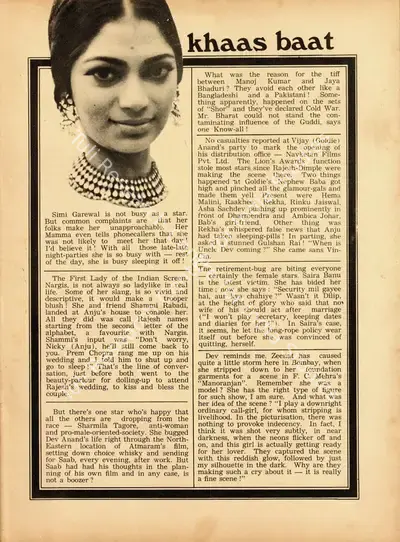
Khaas Baat, 1973, Column
Khaas Baat. In Sunday. 13 May 1973 | Column | 00802264
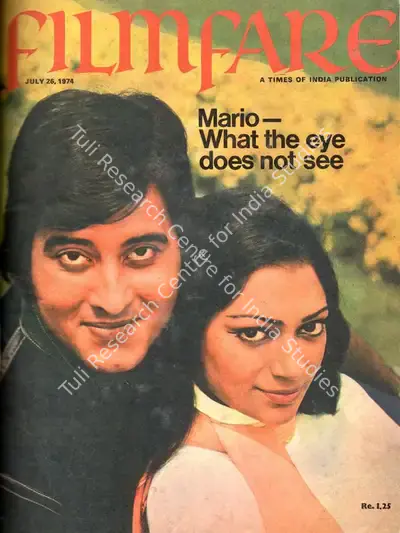
B.K. Karanjia (Editor), Filmfare, 1974, Magazine
Karanjia, B.K. (Editor). Filmfare, 26 July 1974 | Magazine | 00793532
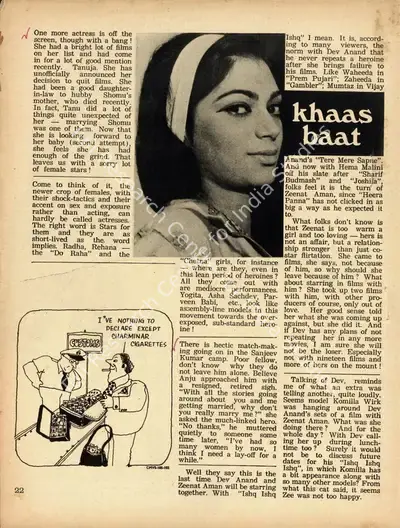
Khaas Baat, 1974, Column
Khaas Baat. In Sunday. 2(2). 24 March 1974 | Column | 00802330
B.K. Karanjia (Editor), Filmfare, 1975, Magazine
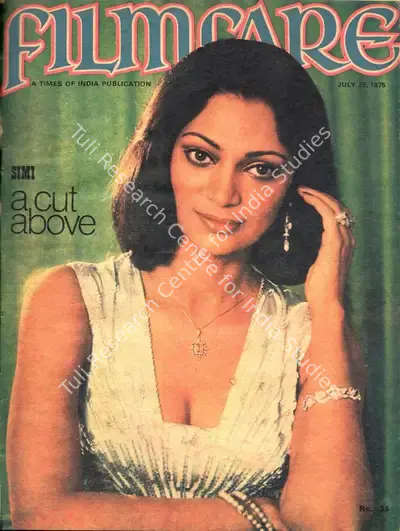
Karanjia, B.K. (Editor). Filmfare, 25 July 1975 | Magazine | 00793558
Gulshan Ewing (Editor), Star & Style, 1976, Magazine
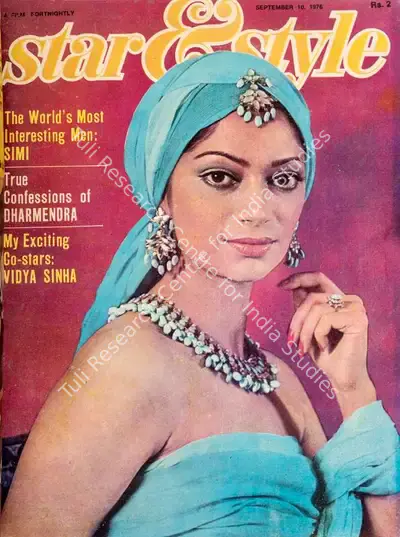
Ewing, Gulshan (Editor). Star & Style, 10 September 1976 | Magazine | 00808642
Gulshan Ewing (Editor), Star & Style, 1976, Magazine
Ewing, Gulshan (Editor). Star & Style, 10 September 1976 | Magazine | 00808642
Bikram Singh (Editor), Filmfare, 1980, Magazine
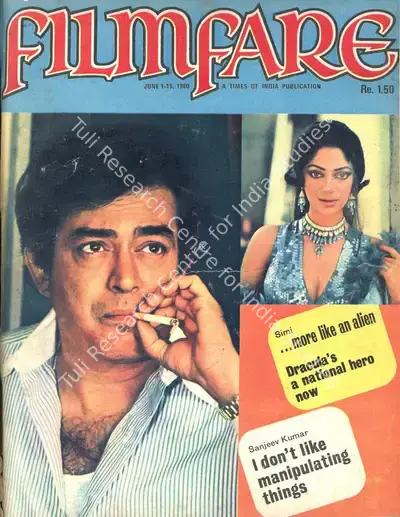
Singh, Bikram (Editor). Filmfare, 01 June 1980 | Magazine | 00793673
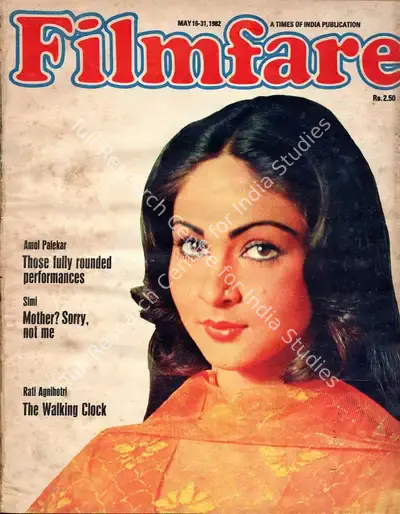
Bikram Singh (Editor), Filmfare, 1982, Magazine
Singh, Bikram (Editor). Filmfare, 16 May 1982 | Magazine | 00793710
Bikram Singh (Editor), Filmfare, 1982, Magazine
Singh, Bikram (Editor). Filmfare, 16 May 1982 | Magazine | 00793710
Pratap Sinha (Cinematographer), Teen Devian, 1965, Photographic Still
Sinha, Pratap (Cinematographer), Teen Devian, 1965 | Photographic Still
Faredoon A. Irani (Cinematographer), Aadmi, 1968, Photographic Still
Irani, Faredoon A. (Cinematographer), Aadmi, 1968 | Photographic Still
Faredoon A. Irani (Cinematographer), Aadmi, 1968, Photographic Still
Irani, Faredoon A. (Cinematographer), Aadmi, 1968 | Photographic Still
Faredoon A. Irani (Cinematographer), Aadmi, 1968, Photographic Still
Irani, Faredoon A. (Cinematographer), Aadmi, 1968 | Photographic Still
Faredoon A. Irani (Cinematographer), Aadmi, 1968, Photographic Still
Irani, Faredoon A. (Cinematographer), Aadmi, 1968 | Photographic Still
Faredoon A. Irani (Cinematographer), Aadmi, 1968, Photographic Still
Irani, Faredoon A. (Cinematographer), Aadmi, 1968 | Photographic Still
Faredoon A. Irani (Cinematographer), Aadmi, 1968, Photographic Still
Irani, Faredoon A. (Cinematographer), Aadmi, 1968 | Photographic Still
Faredoon A. Irani (Cinematographer), Aadmi, 1968, Photographic Still
Irani, Faredoon A. (Cinematographer), Aadmi, 1968 | Photographic Still
Faredoon A. Irani (Cinematographer), Aadmi, 1968, Photographic Still
Irani, Faredoon A. (Cinematographer), Aadmi, 1968 | Photographic Still
Faredoon A. Irani (Cinematographer), Aadmi, 1968, Photographic Still
Irani, Faredoon A. (Cinematographer), Aadmi, 1968 | Photographic Still
Faredoon A. Irani (Cinematographer), Aadmi, 1968, Photographic Still
Irani, Faredoon A. (Cinematographer), Aadmi, 1968 | Photographic Still
Faredoon A. Irani (Cinematographer), Aadmi, 1968, Photographic Still
Irani, Faredoon A. (Cinematographer), Aadmi, 1968 | Photographic Still
Faredoon A. Irani (Cinematographer), Aadmi, 1968, Photographic Still
Irani, Faredoon A. (Cinematographer), Aadmi, 1968 | Photographic Still
Faredoon A. Irani (Cinematographer), Aadmi, 1968, Photographic Still
Irani, Faredoon A. (Cinematographer), Aadmi, 1968 | Photographic Still
Nemai Ghosh (Still Photographer), Aranyer Din Ratri, 1970, Working Still
Ghosh, Nemai (Still Photographer), Aranyer Din Ratri, 1970 | Working Still
Purnendu Bose (Cinematographer), Aranyer Din Ratri, 1970, Photographic Still
Bose, Purnendu (Cinematographer), Aranyer Din Ratri, 1970 | Photographic Still
Purnendu Bose (Cinematographer), Aranyer Din Ratri, 1970, Photographic Still
Bose, Purnendu (Cinematographer), Aranyer Din Ratri, 1970 | Photographic Still
Purnendu Bose (Cinematographer), Aranyer Din Ratri, 1970, Photographic Still
Bose, Purnendu (Cinematographer), Aranyer Din Ratri, 1970 | Photographic Still
Purnendu Bose (Cinematographer), Aranyer Din Ratri, 1970, Photographic Still
Bose, Purnendu (Cinematographer), Aranyer Din Ratri, 1970 | Photographic Still
Purnendu Bose (Cinematographer), Aranyer Din Ratri, 1970, Photographic Still
Bose, Purnendu (Cinematographer), Aranyer Din Ratri, 1970 | Photographic Still
20 of 74
Raj Kapoor (Producer), Mera Naam Joker, 1970, Song-Synopsis Booklet
Kapoor, Raj (Producer), Mera Naam Joker, 1970 | Song-Synopsis Booklet
Tuli Research Centre for India Studies

Tuli Research Centre

for India Studies

A free and open knowledge base for the modern and contemporary Indian arts, cinema, photography and cultural heritage.

Support

Contact Us

Discover

Tuli Research Centre for India StudiesVisionManifestoArchive & LibraryVanraja Sanctuary & Hospice

Legal

Privacy PolicyTerms & Conditions

Follow us

Youtube

Youtube

Instagram

Instagram

Facebook

Facebook

© Tuli Research Centre for India Studies 2026

Tuli Research Centre for India Studies

Tuli Research Centre

for India Studies

A free and open knowledge base for the modern and contemporary Indian arts, cinema, photography and cultural heritage.

Tuli Research Centre for India StudiesVisionManifestoArchive & LibraryVanraja Sanctuary & Hospice
Contact Us
Privacy PolicyTerms & Conditions

Follow us

YoutubeInstagramFacebook

© Tuli Research Centre for India Studies 2026

                          Khaas Baat. In Sunday. p. 19. Calcutta: Ananda Bazar Patrika, 13 May 1973 | Column | CinemaEducation | 00802264
                          TitleKhaas Baat
                          Document TypeColumn
                          PublisherAnanda Bazar Patrika
                          Date of Publication13 May 1973
                          Pagesp. 19
                          LanguageEnglish
                          Keywordssimi-garewal | nargis | rajesh-khanna | anju-mahendroo | sharmila-tagore | manoranjan-1974 | saira-banu | jaya-bhaduri | manoj-kumar | shor-1972 | dev-anand | essays-write-ups | book-ess | library

                          Research Categories

                          1_CinemaEducation
                          Source
                          magazine-sarkar-sunday-13-may-1973-9

                          Related Links10

                          Masterlist8
                          NargisRajesh KhannaSharmila TagoreJaya BhaduriManoj KumarShor 1972Dev AnandEssays Write Ups
                          Research Categories
                          01Cinema as a Critical Educational Resource
                          Object
                          Magazine Sarkar Sunday 13 May 1973 9