Simi Garewal
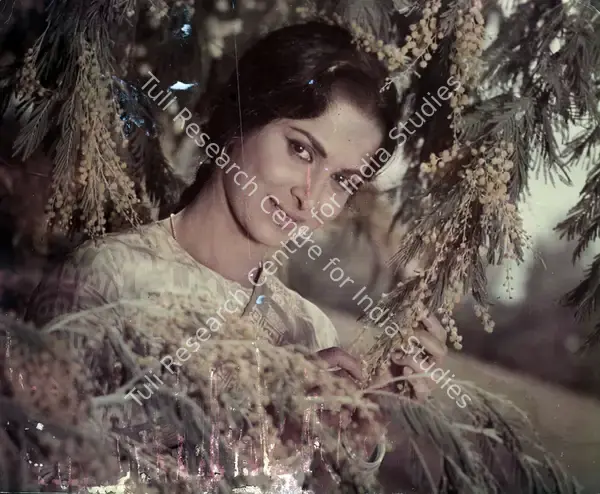
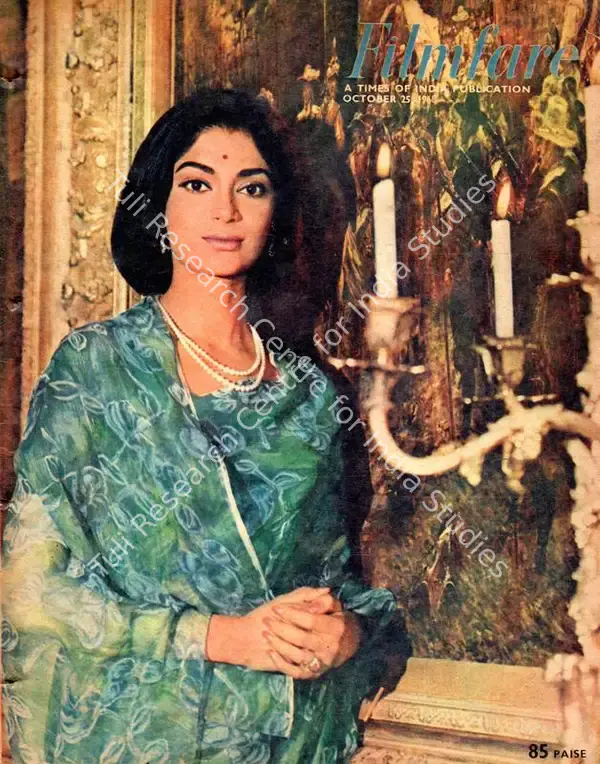
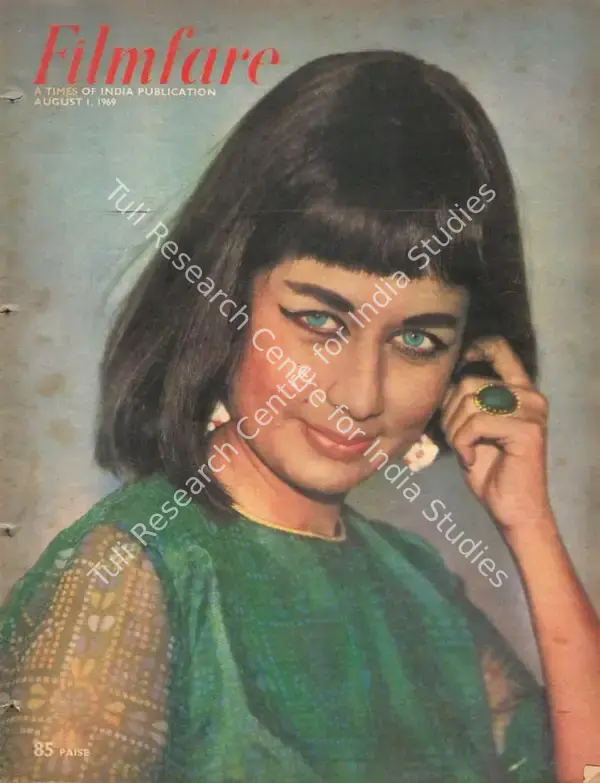
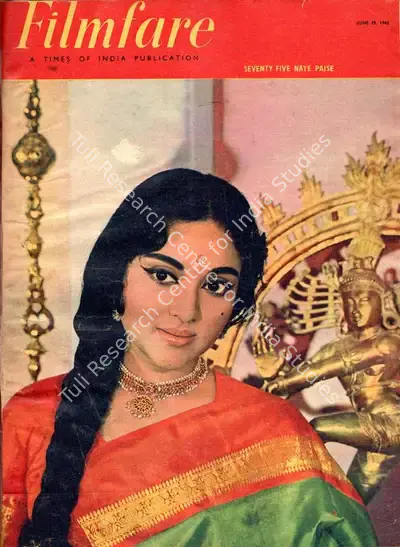
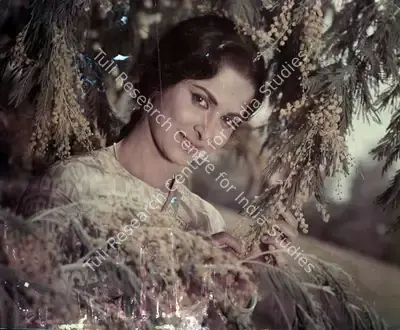
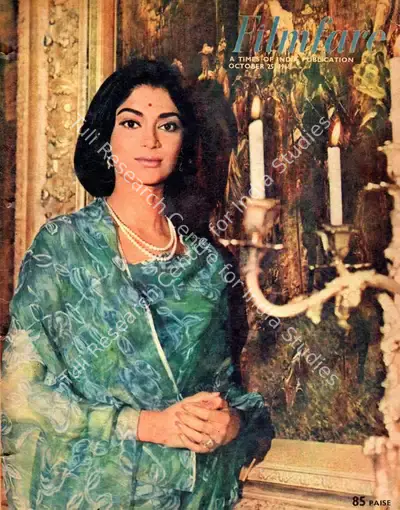
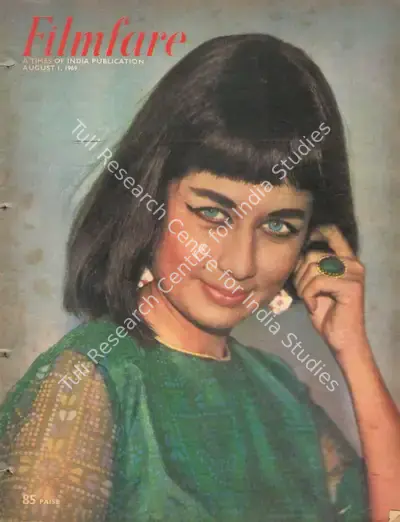
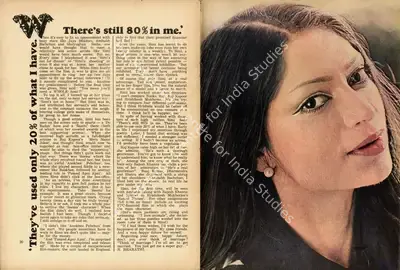
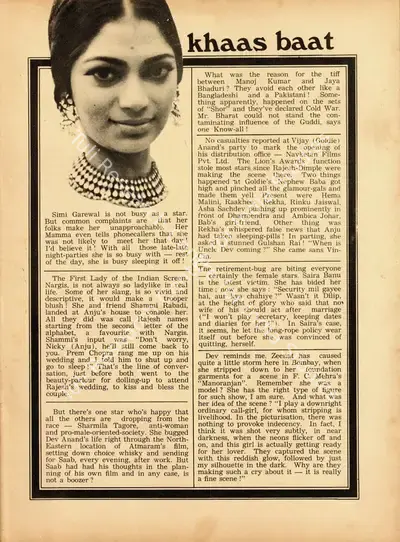
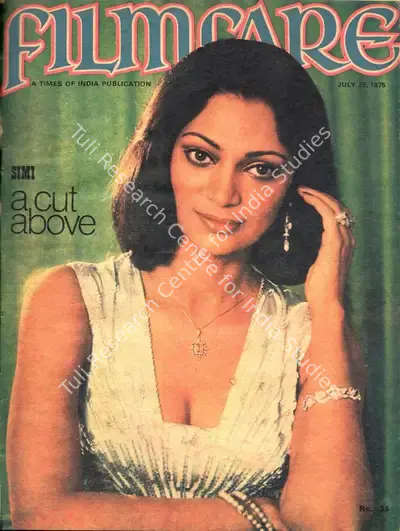
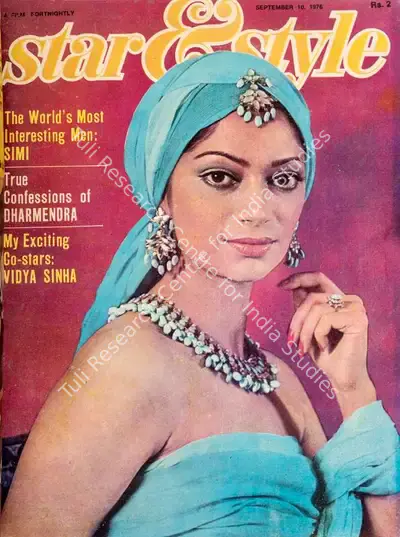
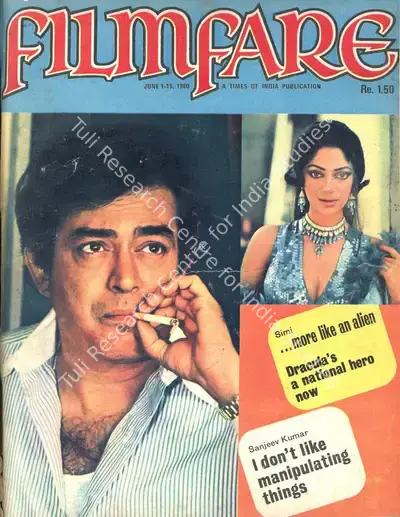
Simi Garewal (Born Simrita Garewal on 17 October 1947 in Ludhiana, India) She is an acclaimed director, producer, television talk show host, and former actress whose career spans several decades across Hindi cinema, television, and documentary filmmaking. She is widely recognized for her distinctive screen presence and for her contributions to both mainstream and parallel cinema, as well as for pioneering work in Indian television.
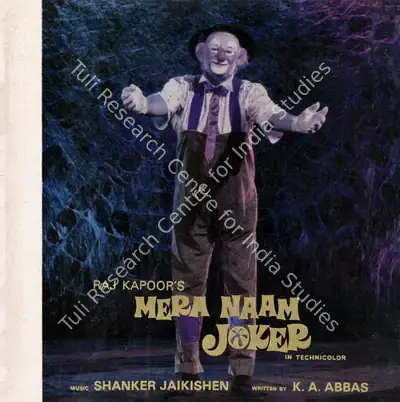
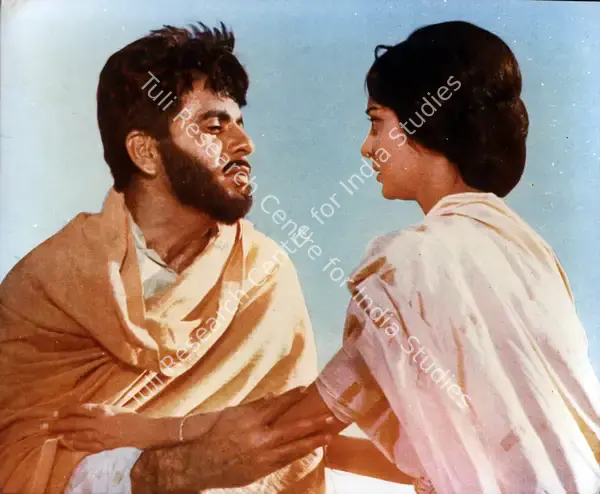
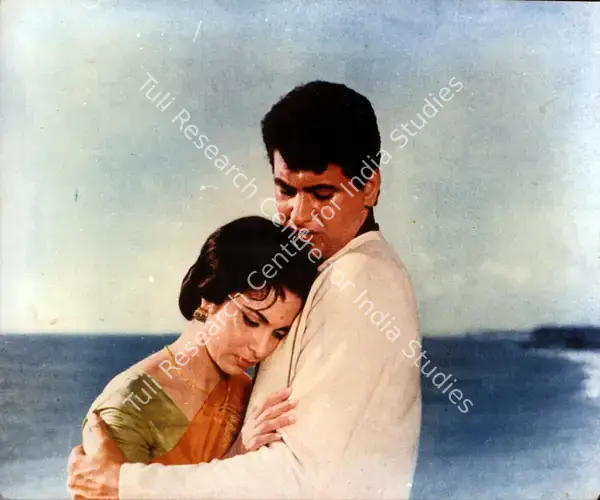
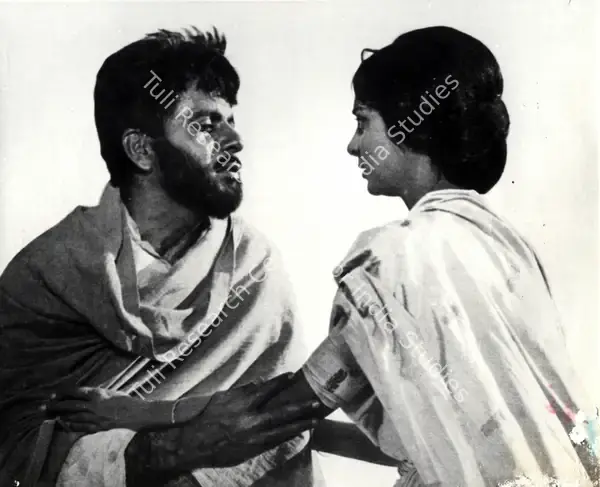
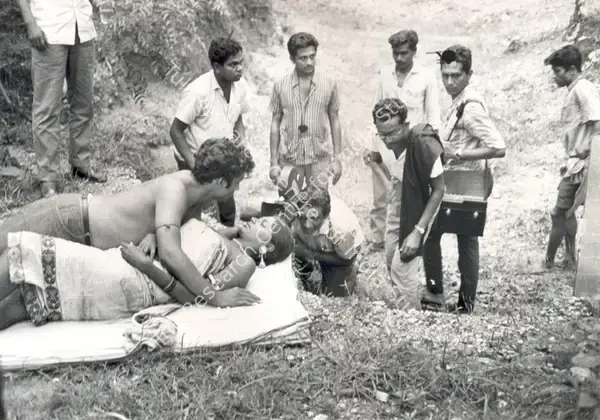
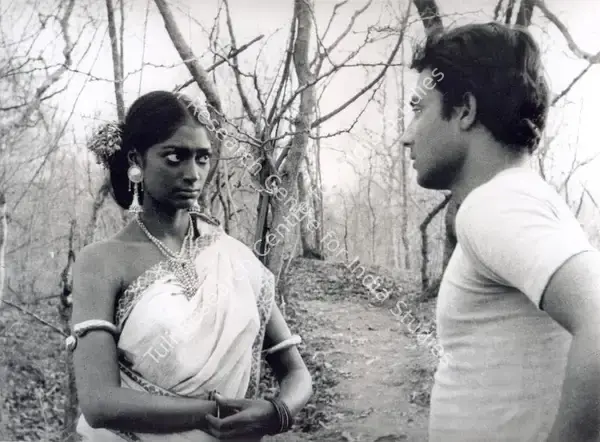
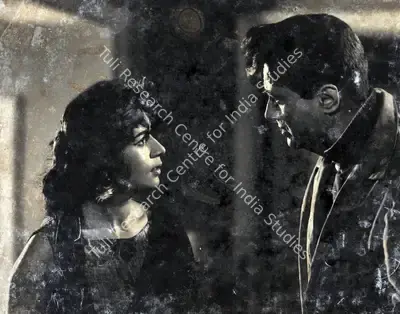
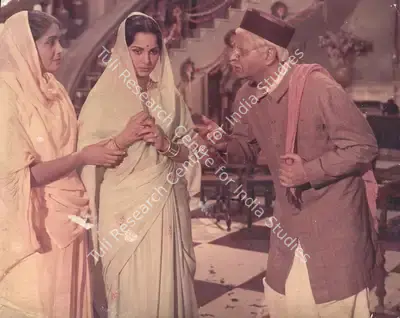
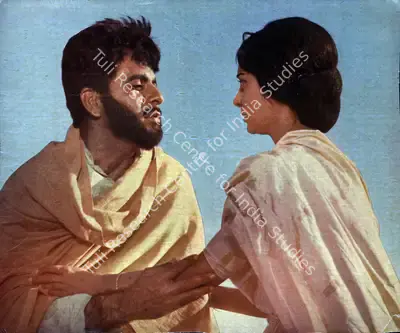
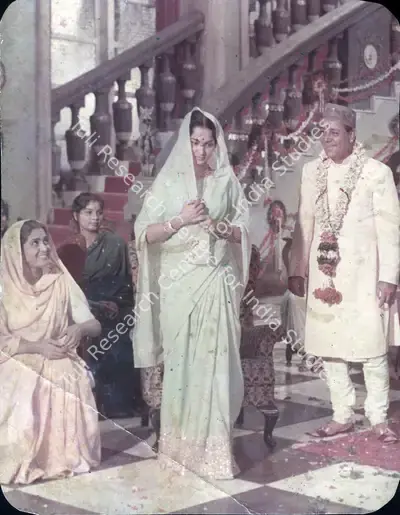
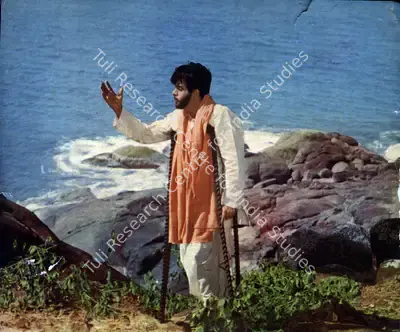
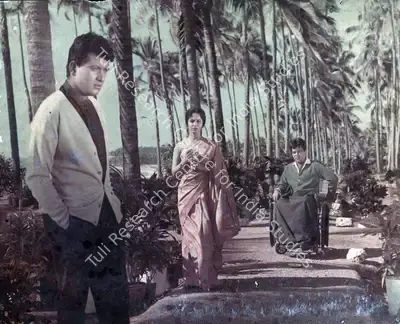
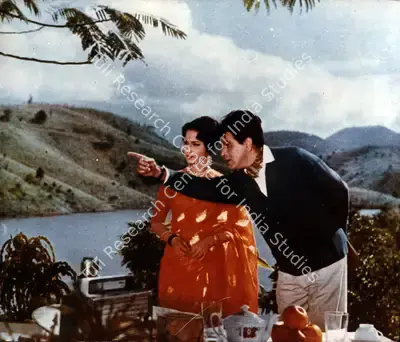
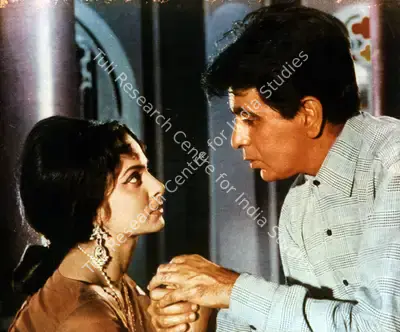
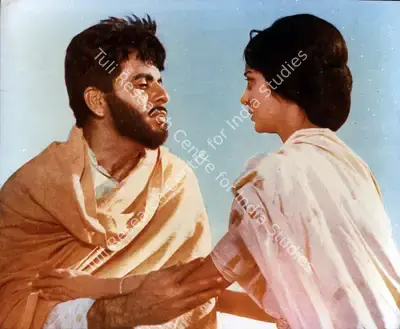
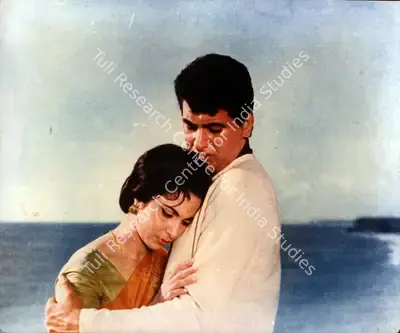
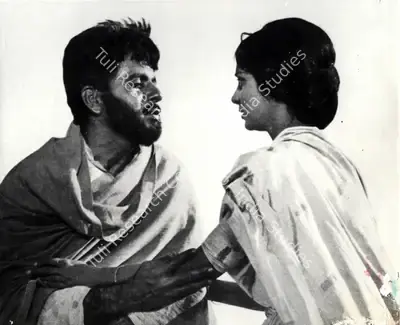
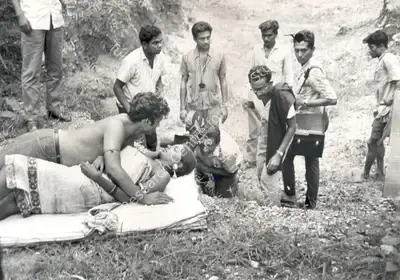
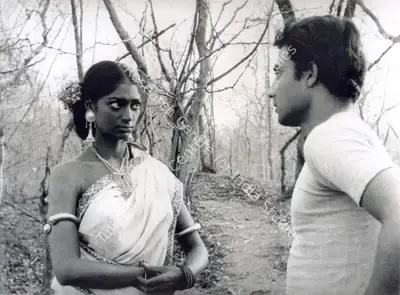
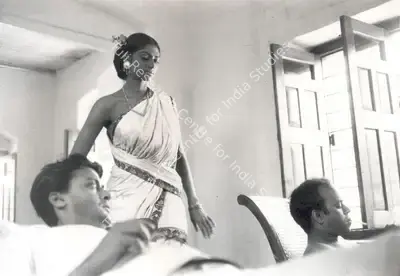
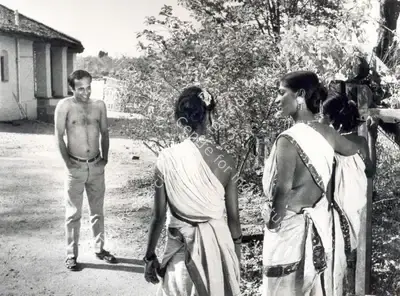
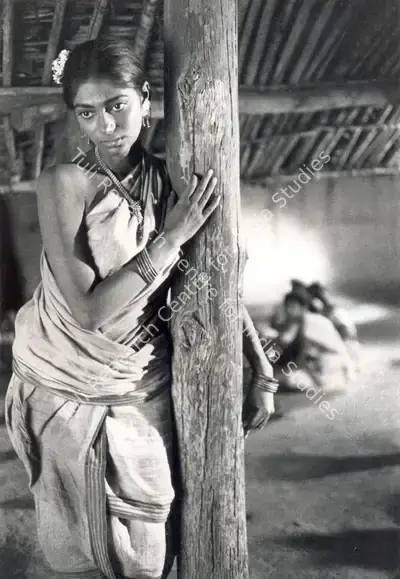
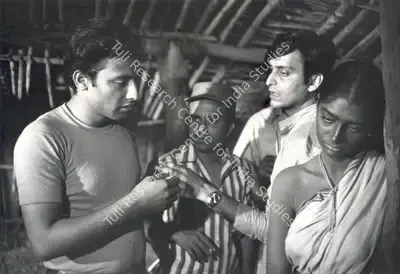
Garewal's film career began with the English-language production Tarzan Goes to India (1962), in which she appeared opposite Feroz Khan. Educated partly in England at Newland House School, her fluency in English and cross-cultural upbringing distinguished her early on in the Indian film industry. She soon became associated with significant cinematic works of the 1960s and 1970s, collaborating with some of the most influential filmmakers of Indian cinema. These included Mehboob Khan in Son of India (1962), Raj Khosla in Do Badan (1966), Raj Kapoor in Mera Naam Joker (1970), Satyajit Ray in Aranyer Din Ratri (1970), and Mrinal Sen in Padatik (1973). She also appeared in Siddhartha (1972), directed by Conrad Rooks and based on Hermann Hesse's novel, where she starred alongside Shashi Kapoor. The film drew controversy in India due to its explicit content, including a nude scene, which was subject to censorship before release.
During the mid-1970s, Garewal featured in prominent Hindi films such as Kabhi Kabhie (1976), directed by Yash Chopra, and Chalte Chalte (1976). Her role in Karz (1980), directed by Subhash Ghai, is often cited as one of her most memorable performances, marking her presence in the popular cinematic landscape of the period. She also appeared in the BBC docudrama Maharajas (1987), based on Charles Allen's writings, further extending her work into international productions.
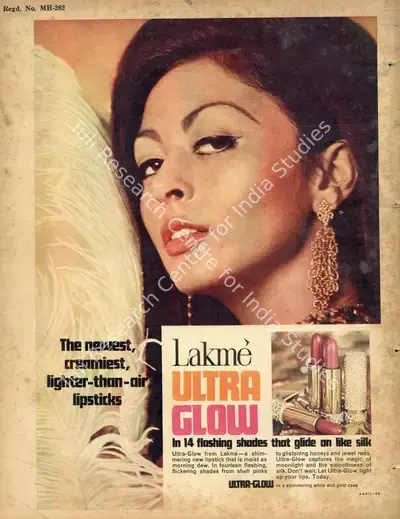
In the early 1980s, Garewal transitioned from acting to creative production, writing, and direction. She established Siga Arts International and developed content across television and documentary formats. Her television series It's a Woman's World (1983), produced for Doordarshan, was among the earliest Indian programs to focus on women's experiences and perspectives. She also directed the documentary Living Legend Raj Kapoor (1984) for Channel 4 in the United Kingdom, followed by the three-part series India's Rajiv (1991), which examined the life and political career of Rajiv Gandhi. In addition, she wrote and directed the Hindi feature film Rukhsat (1988) and produced numerous television commercials.
Garewal achieved widespread cultural recognition as the host of the celebrity talk show Rendezvous with Simi Garewal (1997), which became known for its intimate, monochrome aesthetic and in-depth conversations with prominent figures from film, politics, and business. Her refined presentation style, often marked by her signature white attire, earned her the popular designation “The Lady in White.” She later returned to television with India's Most Desirable (2011), a show exploring relationships and public personas among celebrities and public figures.
Beyond television and film, Garewal has maintained a notable digital presence through her official website and YouTube channel, where her archival interviews and documentaries continue to attract significant viewership.
Her personal life has also drawn public attention. She was in relationships with Shatrusalyasinhji, the Maharaja of Jamnagar, Mansoor Ali Khan Pataudi, and later Pakistani politician Salman Taseer. In 1970, she married Ravi Mohan of the Chunnamal family of Delhi; the marriage ended in divorce in 1979.
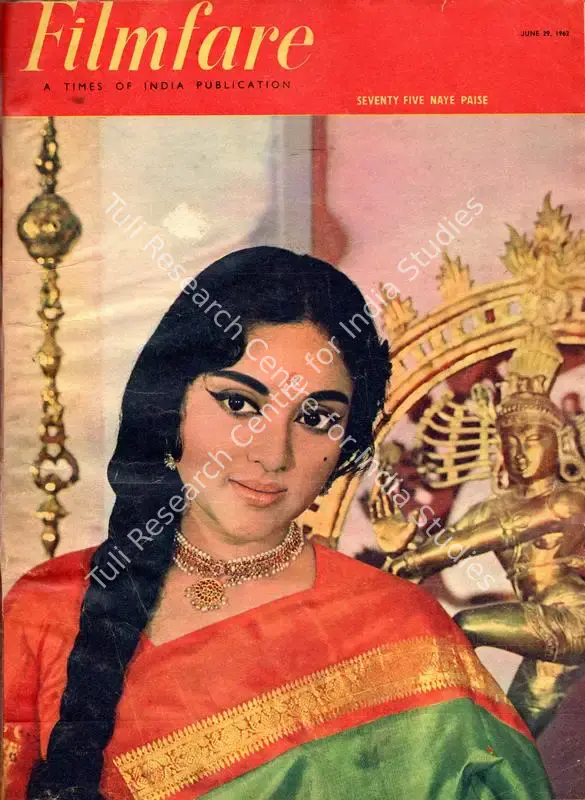
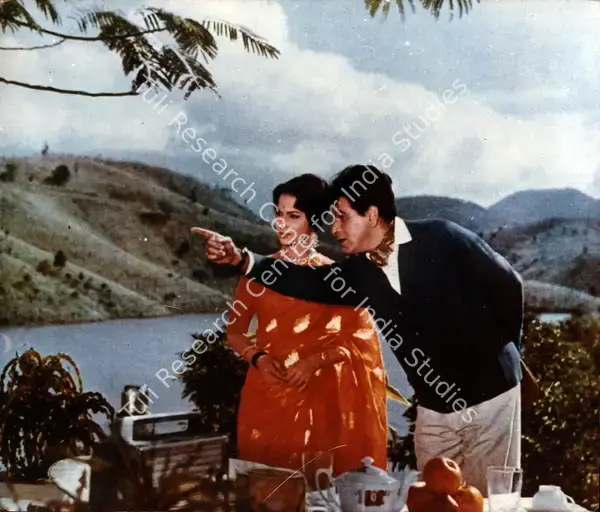
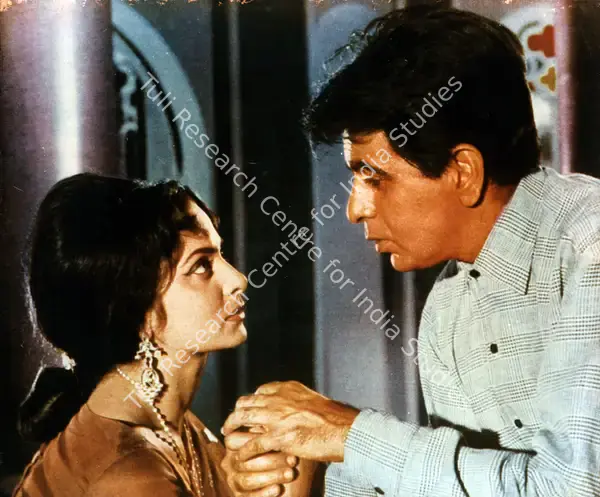
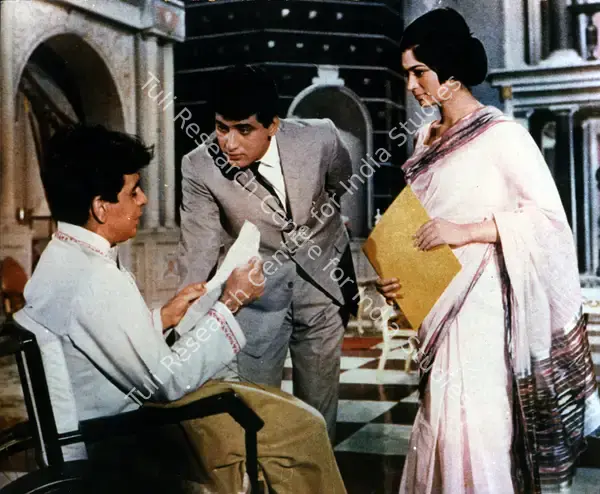
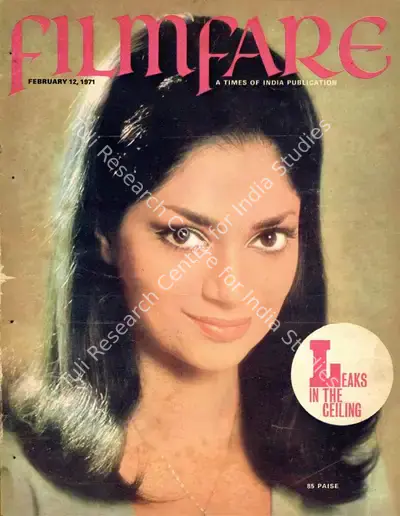
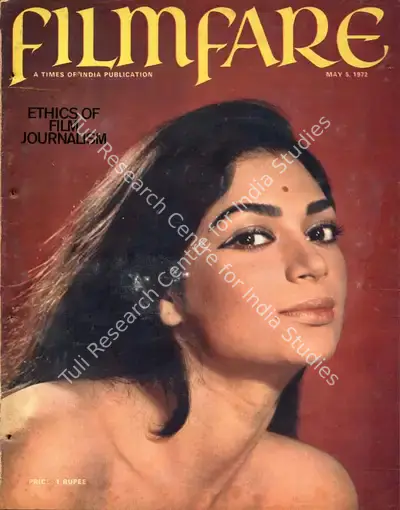
Garewal's achievements have been widely recognized. She is a two-time Filmfare Award winner for Best Supporting Actress for Saathi (1968) and Do Badan (1966), and received a nomination for Karz (1980). Her contributions to television earned her the Milestone Achievement Award at the Indian Television Academy Awards in 2010 for Rendezvous with Simi Garewal, as well as a nomination for Best Anchor at the Indian Telly Awards in 2003. In 2015, she was honoured with a Lifetime Achievement Award at the Masala! Awards. She also received first prize at the Pater's Award in Australia in 1988 for her work in television commercials. Her documentary work, particularly Living Legend Raj Kapoor (1984) and India's Rajiv (1991), remains an important part of her legacy in Indian visual storytelling.
Garewal's film career began with the English-language production Tarzan Goes to India (1962), in which she appeared opposite Feroz Khan. Educated partly in England at Newland House School, her fluency in English and cross-cultural upbringing distinguished her early on in the Indian film industry. She soon became associated with significant cinematic works of the 1960s and 1970s, collaborating with some of the most influential filmmakers of Indian cinema. These included Mehboob Khan in Son of India (1962), Raj Khosla in Do Badan (1966), Raj Kapoor in Mera Naam Joker (1970), Satyajit Ray in Aranyer Din Ratri (1970), and Mrinal Sen in Padatik (1973). She also appeared in Siddhartha (1972), directed by Conrad Rooks and based on Hermann Hesse's novel, where she starred alongside Shashi Kapoor. The film drew controversy in India due to its explicit content, including a nude scene, which was subject to censorship before release.
During the mid-1970s, Garewal featured in prominent Hindi films such as Kabhi Kabhie (1976), directed by Yash Chopra, and Chalte Chalte (1976). Her role in Karz (1980), directed by Subhash Ghai, is often cited as one of her most memorable performances, marking her presence in the popular cinematic landscape of the period. She also appeared in the BBC docudrama Maharajas (1987), based on Charles Allen's writings, further extending her work into international productions.
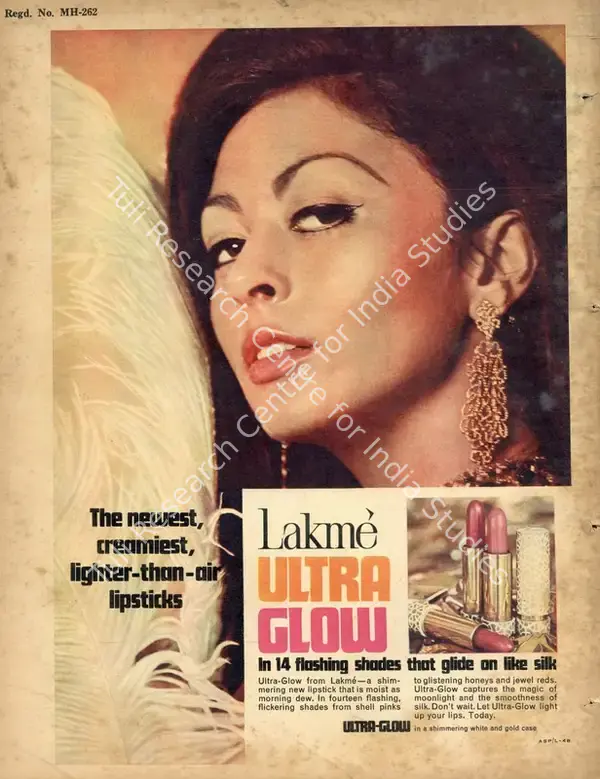
In the early 1980s, Garewal transitioned from acting to creative production, writing, and direction. She established Siga Arts International and developed content across television and documentary formats. Her television series It's a Woman's World (1983), produced for Doordarshan, was among the earliest Indian programs to focus on women's experiences and perspectives. She also directed the documentary Living Legend Raj Kapoor (1984) for Channel 4 in the United Kingdom, followed by the three-part series India's Rajiv (1991), which examined the life and political career of Rajiv Gandhi. In addition, she wrote and directed the Hindi feature film Rukhsat (1988) and produced numerous television commercials.
Garewal achieved widespread cultural recognition as the host of the celebrity talk show Rendezvous with Simi Garewal (1997), which became known for its intimate, monochrome aesthetic and in-depth conversations with prominent figures from film, politics, and business. Her refined presentation style, often marked by her signature white attire, earned her the popular designation “The Lady in White.” She later returned to television with India's Most Desirable (2011), a show exploring relationships and public personas among celebrities and public figures.
Beyond television and film, Garewal has maintained a notable digital presence through her official website and YouTube channel, where her archival interviews and documentaries continue to attract significant viewership.
Her personal life has also drawn public attention. She was in relationships with Shatrusalyasinhji, the Maharaja of Jamnagar, Mansoor Ali Khan Pataudi, and later Pakistani politician Salman Taseer. In 1970, she married Ravi Mohan of the Chunnamal family of Delhi; the marriage ended in divorce in 1979.
Garewal's achievements have been widely recognized. She is a two-time Filmfare Award winner for Best Supporting Actress for Saathi (1968) and Do Badan (1966), and received a nomination for Karz (1980). Her contributions to television earned her the Milestone Achievement Award at the Indian Television Academy Awards in 2010 for Rendezvous with Simi Garewal, as well as a nomination for Best Anchor at the Indian Telly Awards in 2003. In 2015, she was honoured with a Lifetime Achievement Award at the Masala! Awards. She also received first prize at the Pater's Award in Australia in 1988 for her work in television commercials. Her documentary work, particularly Living Legend Raj Kapoor (1984) and India's Rajiv (1991), remains an important part of her legacy in Indian visual storytelling.
The whole holding
Research Centre
20 of 94

20 of 74