Shailay Shailendra
SHAILY SHAILENDRA (9December 1949) He occupies a distinctive place in the landscape of Indian cinema and literature as an accomplished lyricist, poet, and creative writer who has successfully extended one of the most celebrated artistic legacies in the history of Hindi film music. The son of the legendary lyricist Shailendra, whose immortal songs remain an integral part of India's cultural memory, Shaily inherited not only a rich literary tradition but also a profound understanding of poetry, melody, and human emotion. While deeply influenced by his father's artistic vision, he has carved out an independent identity through a body of work that reflects both lyrical sensitivity and popular appeal.
Beginning his professional journey in Hindi cinema during the 1970s, Shaily Shailendra steadily established himself as a versatile songwriter capable of adapting to the changing musical and cinematic trends of different decades. His lyrics have appeared in a wide range of films and musical projects, encompassing romantic ballads, devotional songs, folk-inspired compositions, and energetic commercial numbers. Throughout his career, he has collaborated with leading composers, filmmakers, singers, and actors, contributing significantly to the rich and diverse tradition of Indian film music.
Among his noteworthy cinematic contributions are Arre Meri Chhammak Chhallo, Sawan Aaya Badal Aaye, and Hum Na Rahenge from Jaan Hazir Hai (1975), songs that demonstrated his ability to combine accessibility with poetic expression. He further showcased his versatility through Do Jism Ek Jaan Hain Hum and One By One Koi Bhi Aaye in Kahan Hai Kanoon (1989). His work in Radha Ka Sangam (1992) produced memorable songs such as Prem Hai Janmon Ka Sangam, Banna Mera Aaya Hariyala, and Bichhuwa More Sajna Ka Pyar, which drew upon themes of love, tradition, and cultural rootedness. Equally popular were Bambai Se Aaya Mera Dost, Shola Re Bhola Re, and Raja Mere Tere Liye from Aap Ki Khatir (1977), as well as Le Chal Mujhe Tu Apne Sang and Hasina Hasina Main Hoon Tera Deewana from Le Chal Apne Sang (2000). His repertoire also includes Lift Band Thi Lights Off Thi from Naamcheen (1991), Salaam Seth Salaam Seth from Jeete Hain Shaan Se (1988), and Tera Dil Mere Dil Mein Fit Ho Gaya alongside Mausam Mastana Hua Dil Deewana from Pyar Ka Saudagar (1991).
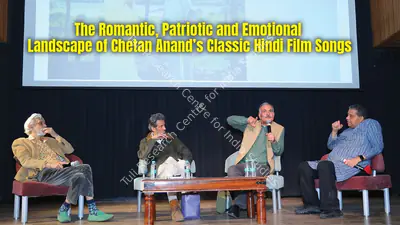
Beyond songwriting, Shaily Shailendra has dedicated considerable energy to preserving and promoting the literary and cultural legacy of his father. Through literary festivals, poetry recitals, lectures, publications, archival initiatives, and film heritage programmes, he has helped introduce newer generations to the enduring significance of Shailendra's work. Widely respected in artistic and literary circles, he remains an important cultural ambassador for Hindi film music and poetry. His continuing contributions to music, literature, and cultural preservation underscore his role not only as a creative artist in his own right but also as a devoted custodian of one of Indian cinema's most treasured lyrical traditions.
1970 के दशक के दौरान हिंदी सिनेमा में अपनी पेशेवर यात्रा शुरू करते हुए, शैली शैलेन्द्र ने लगातार ख़ुद को एक बहुमुखी गीतकार के रूप में स्थापित किया, जो दशकों के बदलते संगीत और सिनेमाई रुझानों को अपनाने में सक्षम थे। उनके गीत कई प्रकार की फ़िल्मों और संगीत परियोजनाओं में दिखाई दिए हैं, जिनमें रोमांटिक गाथागीत, भक्ति गीत, लोक-प्रेरित रचनाएं और ऊर्जावान व्यावसायिक गीत शामिल हैं। अपने पूरे करियर में, उन्होंने प्रमुख संगीतकारों, फ़िल्म निर्माताओं, गायकों और अभिनेताओं के साथ सहयोगी काम किया है और भारतीय फ़िल्म संगीत की समृद्ध और विविध परंपरा में महत्वपूर्ण योगदान दिया है।
उनके उल्लेखनीय सिनेमाई योगदानों में 'अरे मेरी छम्मक छल्लो', 'सावन आया बादल आए' और 'हम ना रहेंगे' 'जान हाज़िर है' (1975) के गाने शामिल हैं, जिन्होंने काव्यात्मक अभिव्यक्ति के साथ जनसुलभता की पहुंच को संयोजित करने की उनकी क्षमता का प्रदर्शन किया। उन्होंने 'कहां है कानून' (1989) में 'दो जिस्म एक जान हैं हम' और 'वन बाय वन कोई भी आए' के जरिए अपनी बहुमुखी प्रतिभा का प्रदर्शन किया। राधा का संगम (1992) में उनके काम ने 'प्रेम है जन्मों का संगम', 'बन्ना मेरा आया हरियाला', और 'बिछुवा मोरे सजना का प्यार' जैसे यादगार गाने तैयार किए, जो प्रेम, परंपरा और सांस्कृतिक जड़ता के विषयों पर आधारित थे। 'आप की ख़ातिर' (1977) में 'बंबई से आया मेरा दोस्त', 'शोला रे भोला रे', और 'राजा मेरे तेरे लिए' जैसे गाने दिए। 'ले चल अपने संग' (2000) में उनके लिखे 'ले चल मुझे तू अपने संग' और 'हसीना हसीना मैं हूं तेरा दीवाना' भी उतने ही लोकप्रिय थे। उनके गीतों के खज़ाना की सूची में नामचीन (1991) से 'लिफ्ट बैंड थी लाइट्स ऑफ थी' , 'जीते हैं शान से' (1988) से 'सलाम सेठ सलाम सेठ', और प्यार का सौदागर (1991) से 'मौसम मस्ताना हुआ दिल दीवाना' के साथ 'तेरा दिल मेरे दिल में फ़िट हो गया' शामिल हैं।
गाने लिखने के अलावा शैली शैलेंद्र ने अपने पिता की साहित्यिक और सांस्कृतिक विरासत को बचाने और उसे बढ़ावा देने में काफ़ी मेहनत की है। साहित्यिक समारोहों, कविता पाठ, व्याख्यानों, प्रकाशनों, अभिलेखीय पहलों और फ़िल्म विरासत कार्यक्रमों के माध्यम से, उन्होंने नई पीढ़ियों को शैलेंद्र के काम के स्थायी महत्व से परिचित कराने में मदद की है। कलात्मक और साहित्यिक हलकों में व्यापक रूप से सम्मानित, वे हिंदी फ़िल्म संगीत और कविता के लिए एक महत्वपूर्ण सांस्कृतिक राजदूत हैं। संगीत, साहित्य और सांस्कृतिक संरक्षण में उनका निरंतर योगदान न केवल एक रचनात्मक कलाकार के रूप में उनकी भूमिका को रेखांकित करता है, बल्कि भारतीय सिनेमा की सबसे मूल्यवान गीतात्मक परंपराओं में से एक के समर्पित संरक्षक के रूप में भी उनकी भूमिका को उजागर करता है।