Salim-Javed
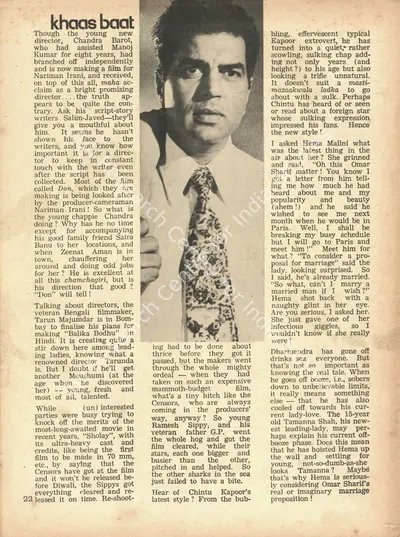
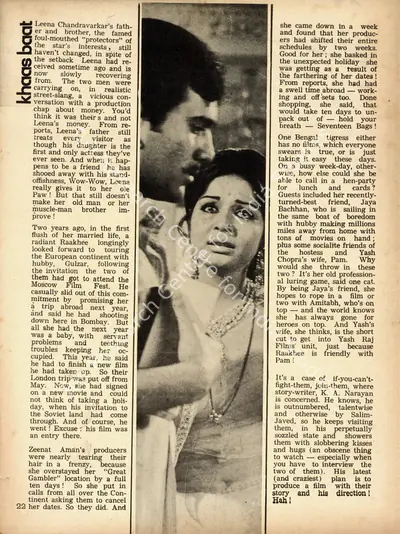
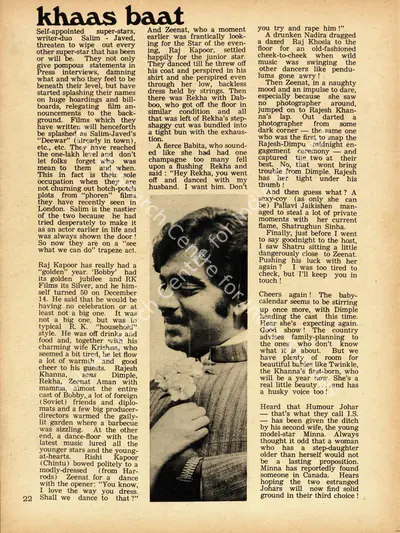
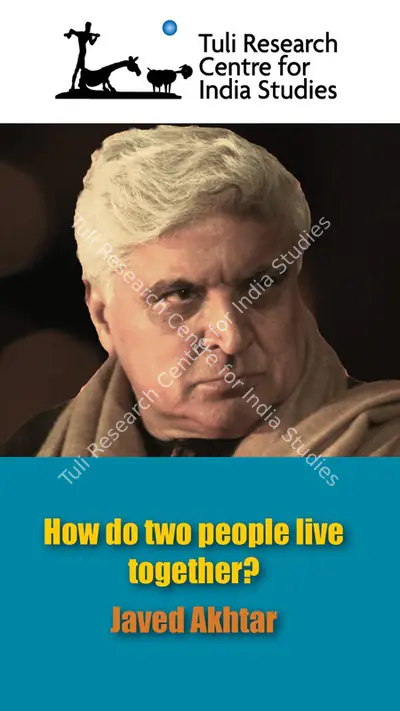
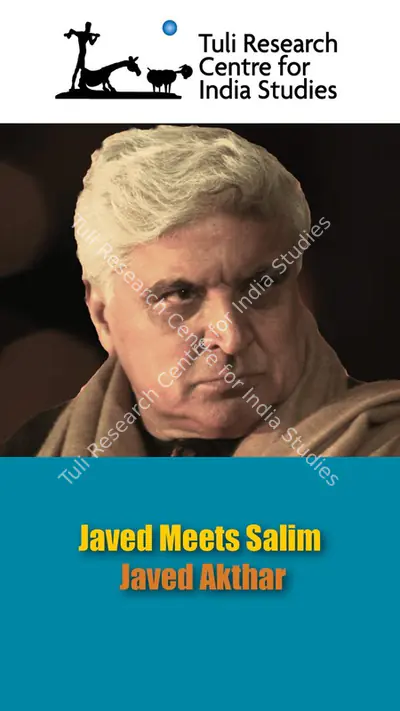
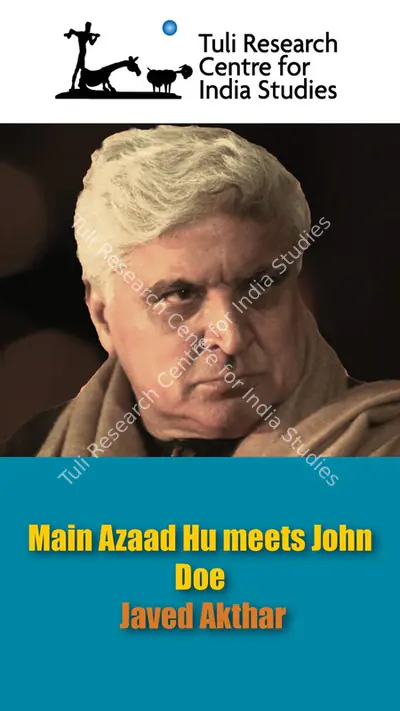
Salim–Javed, the legendary screenwriting duo comprising Salim Khan (born 24 November 1935 in Indore) and Javed Akhtar (born 17 January 1945 in Gwalior), transformed Hindi cinema through their innovative storytelling and unforgettable characters. Working together between 1971 and 1982, they wrote 24 films, of which 20 became major commercial and critical successes, earning them recognition as among the greatest screenwriters in Indian cinema. At a time when screenwriters rarely received public recognition, Salim–Javed became the first writing team to achieve star status.
Before their partnership, both experienced struggles in the film industry. Salim Khan began as an actor, appearing in Teesri Manzil (1966), Sarhaadi Lootera (1966), and Diwaana (1967), but eventually realized his strengths lay in writing. Javed Akhtar arrived in Mumbai in 1964, working as an assistant and dialogue writer while facing years of professional setbacks. The two met during the production of Sarhaadi Lootera (1966), where Salim was acting and Javed worked as a clapper boy before becoming the film's dialogue writer. Their friendship developed into a creative partnership in 1971, with Salim focusing on stories and screenplays and Javed crafting dialogues.
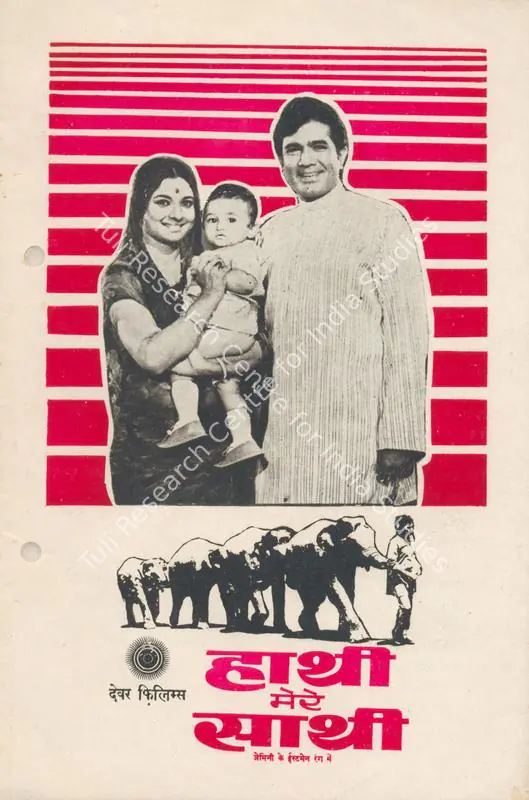
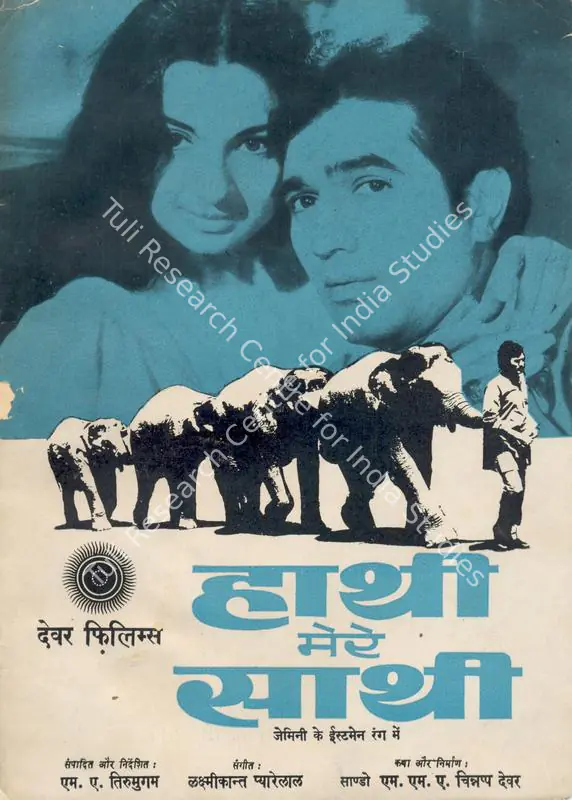
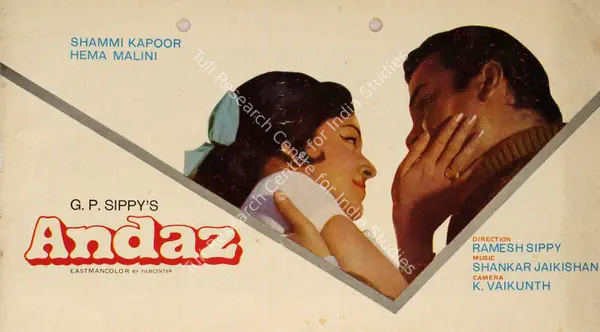
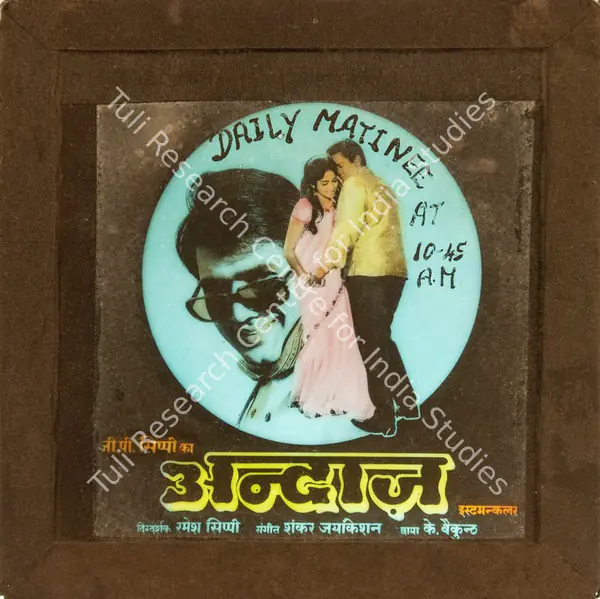
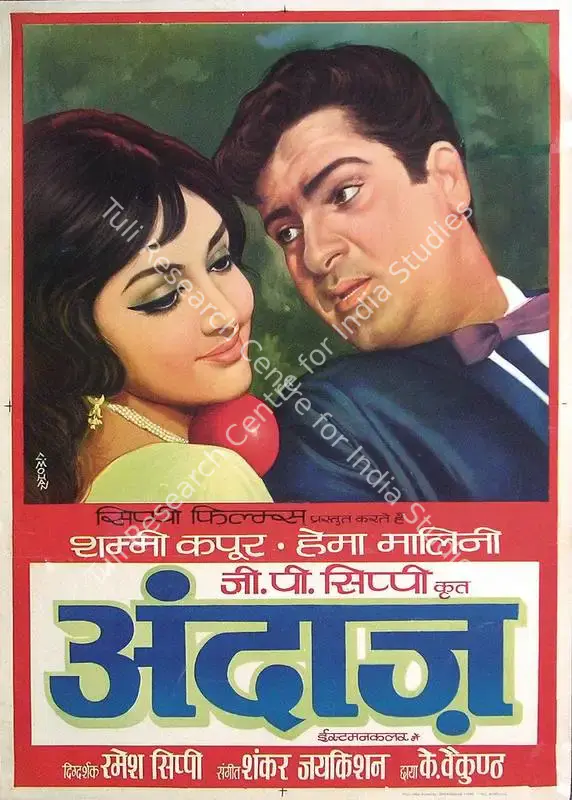
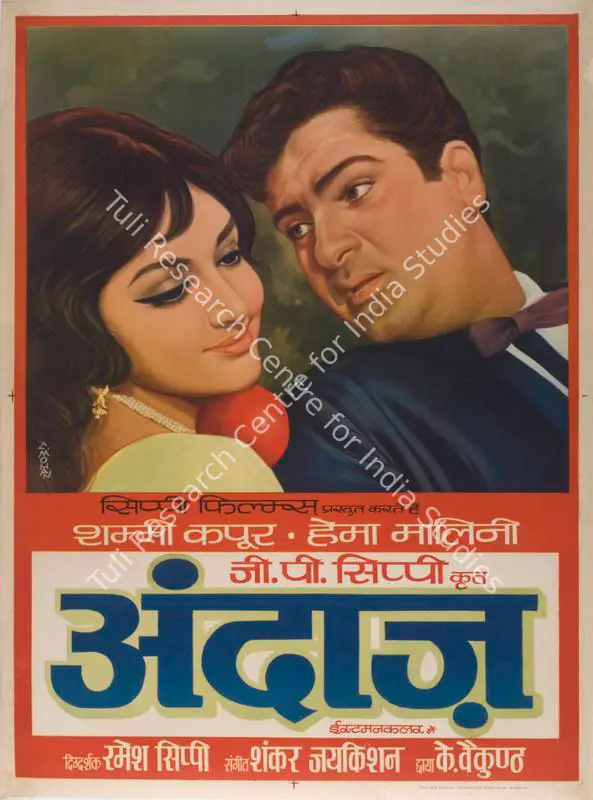
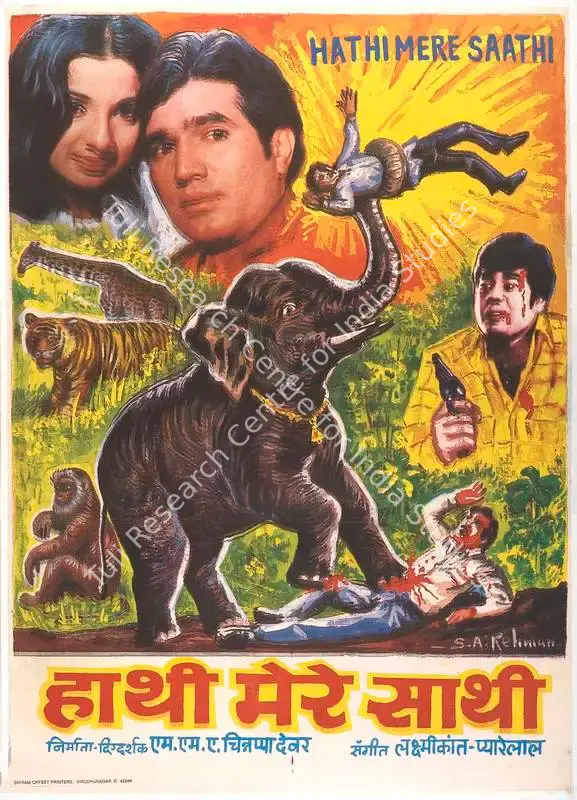
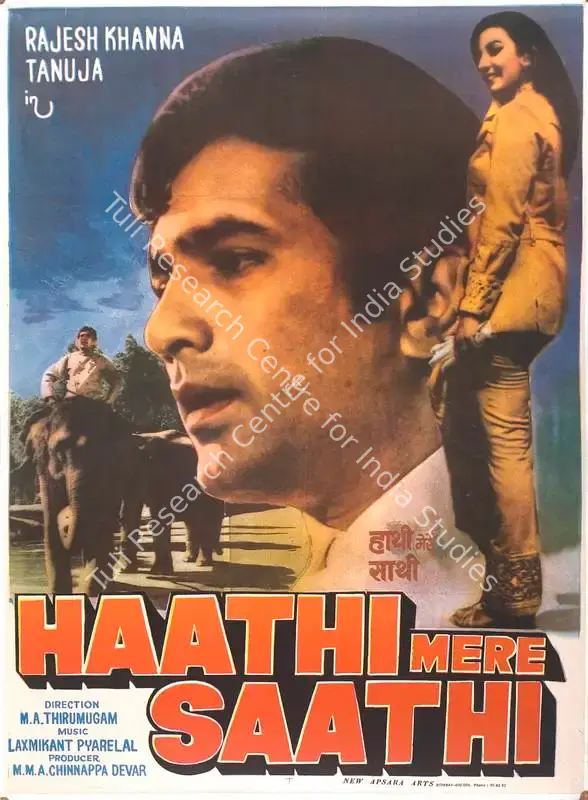
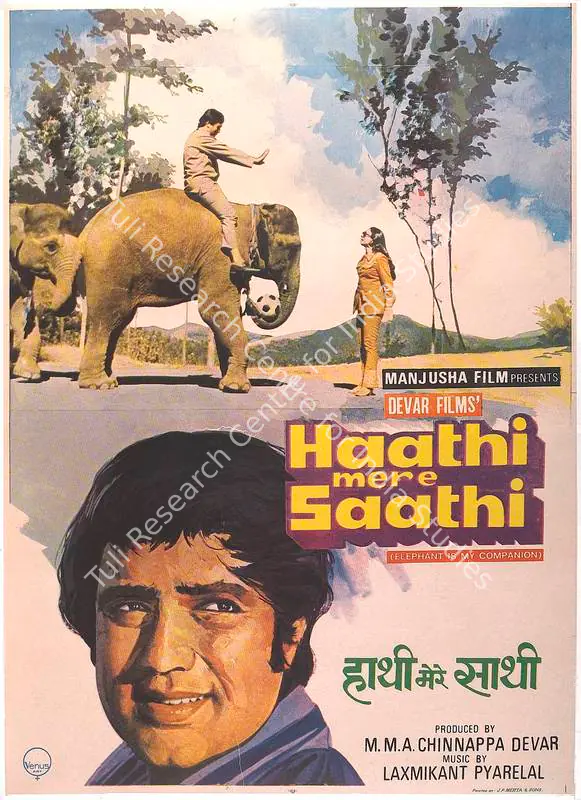
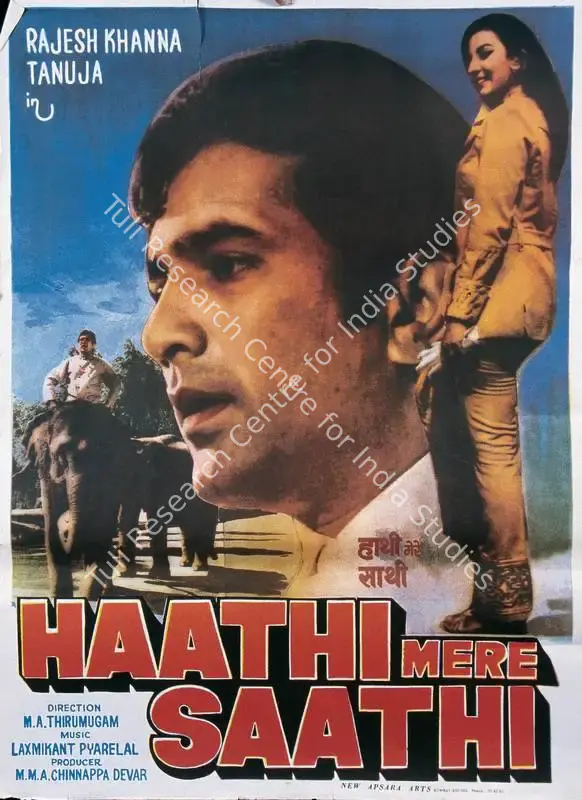
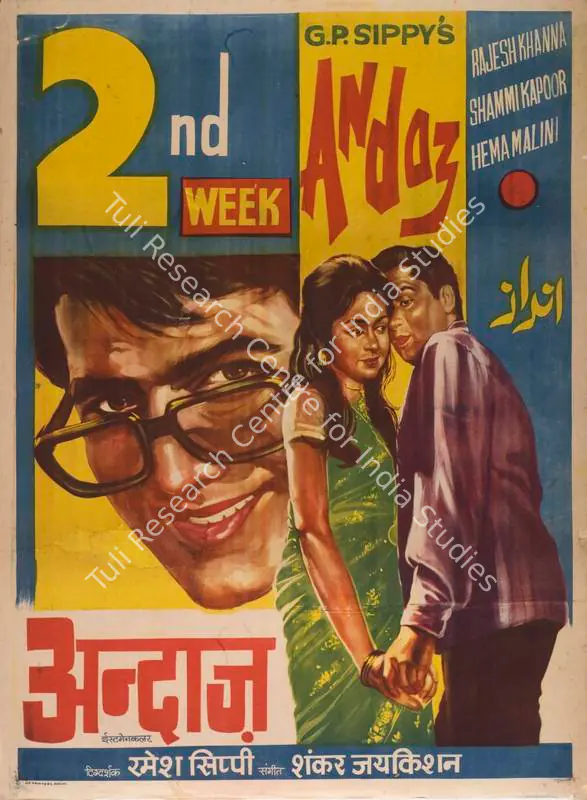
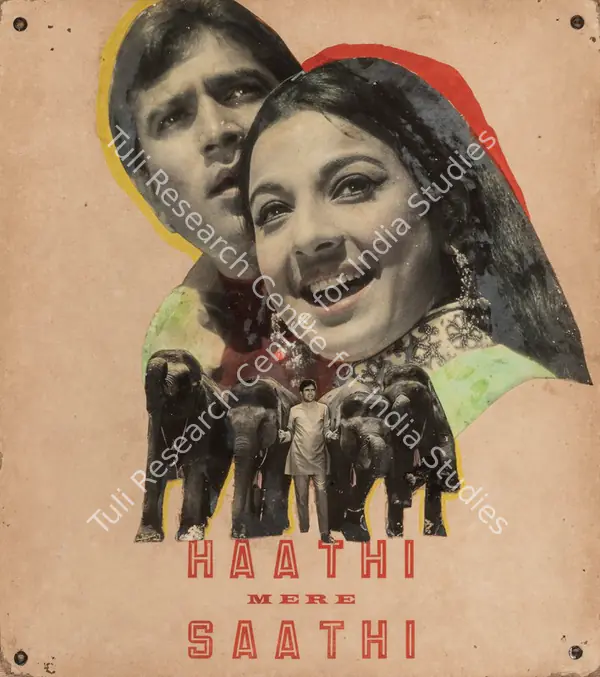
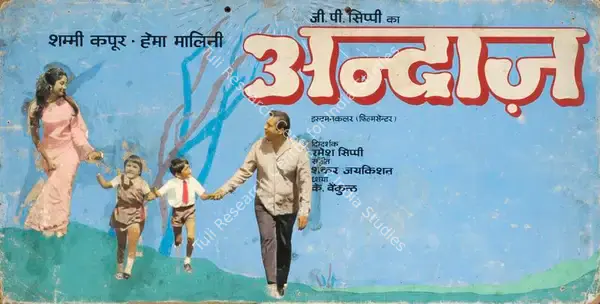
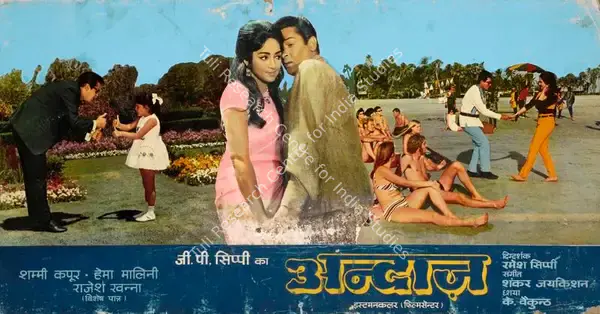
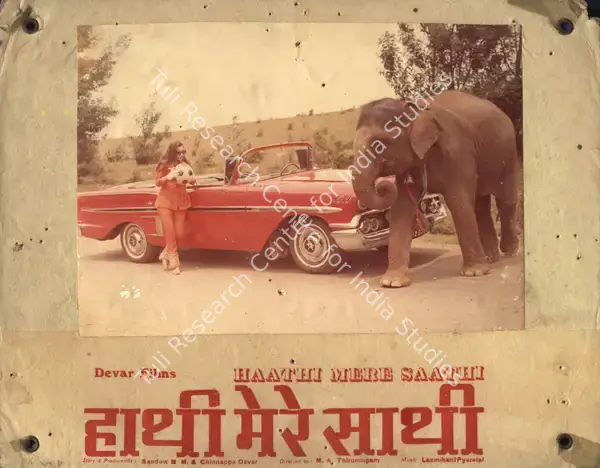
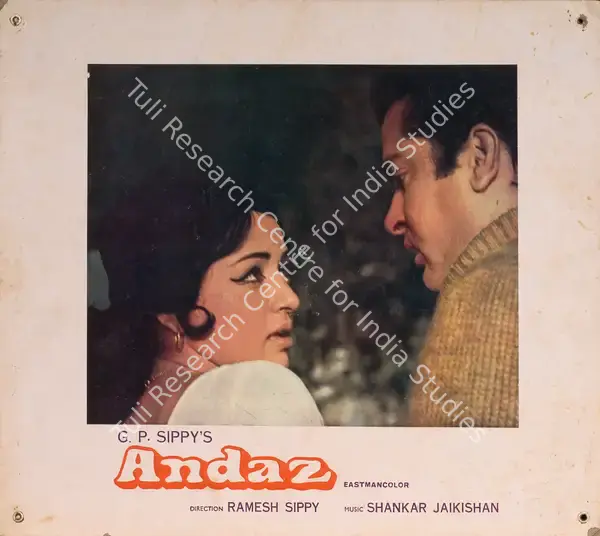
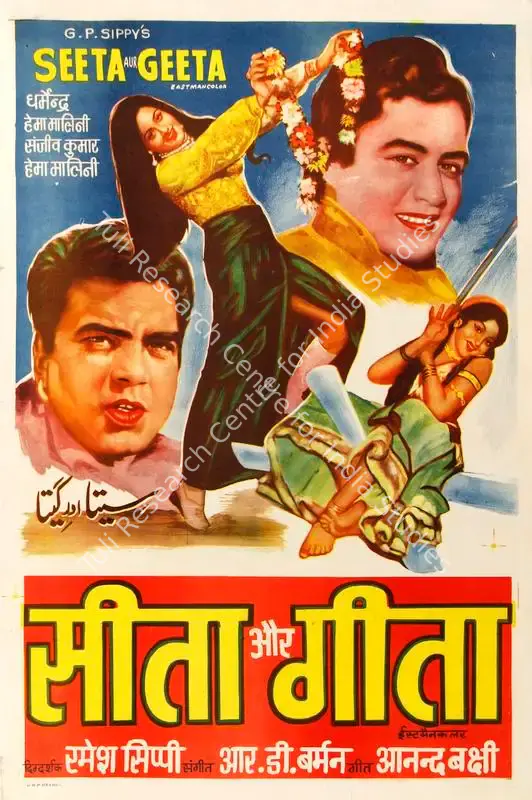
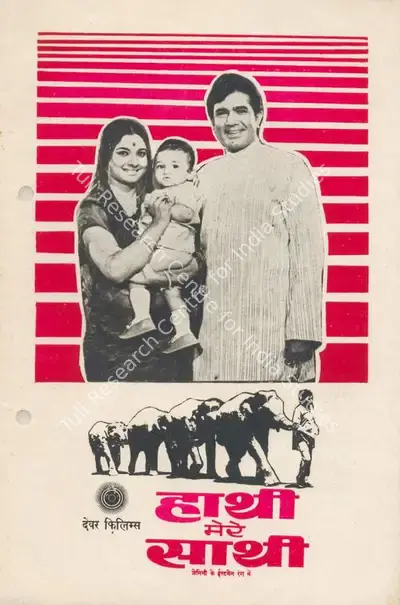
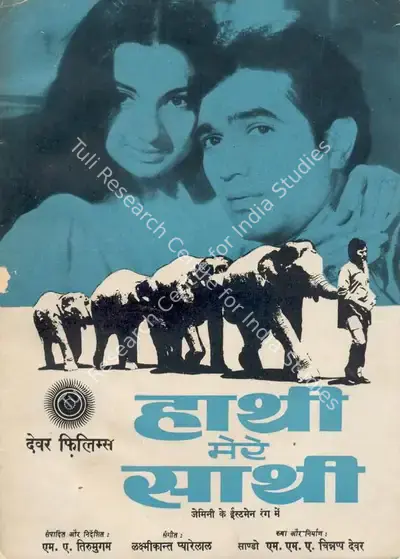
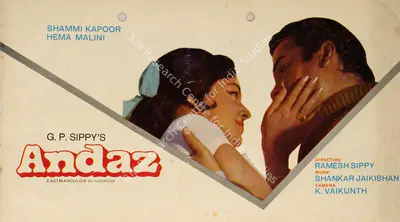
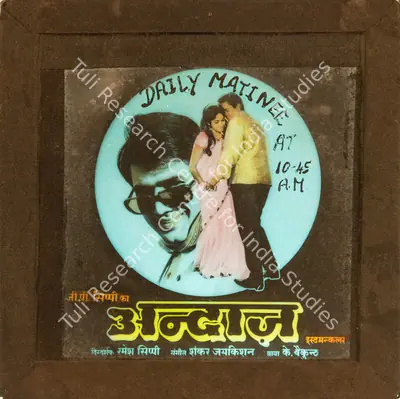
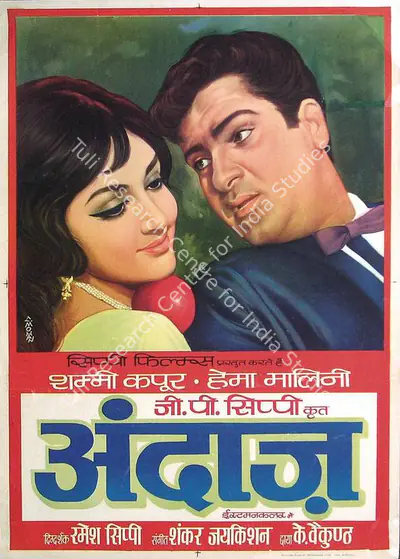
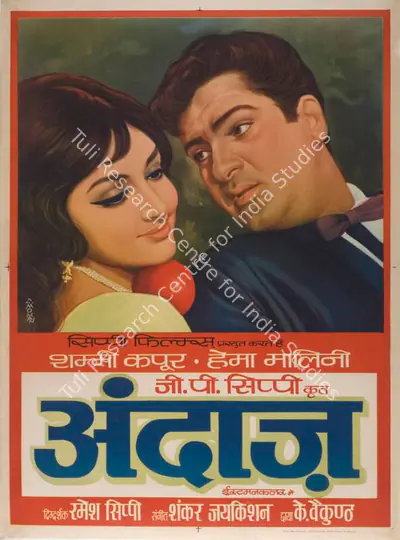
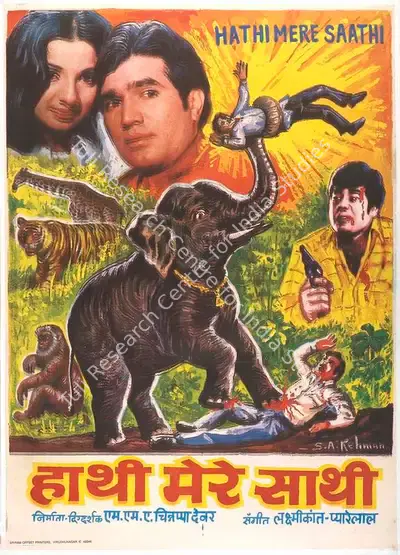
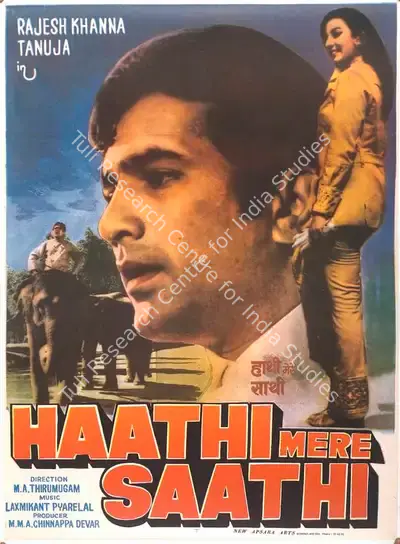
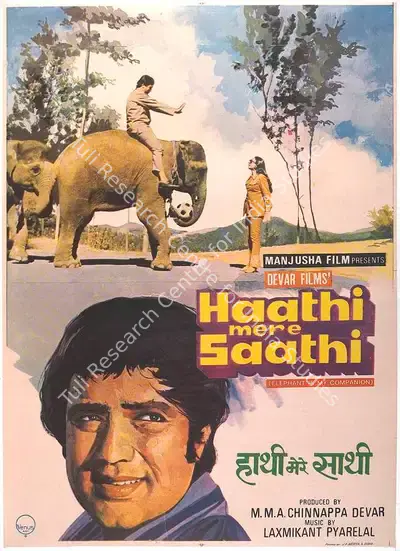
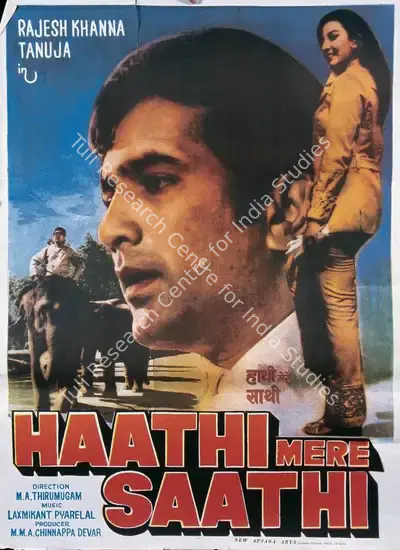
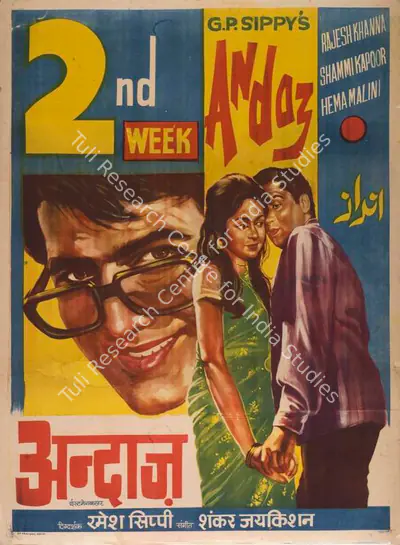
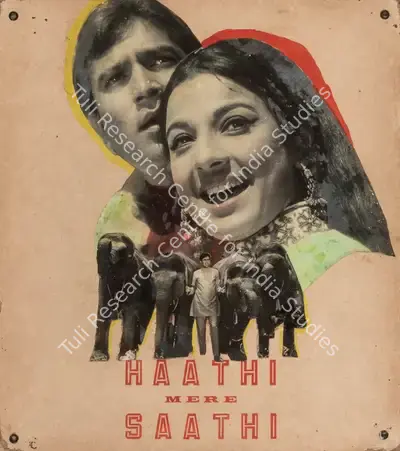
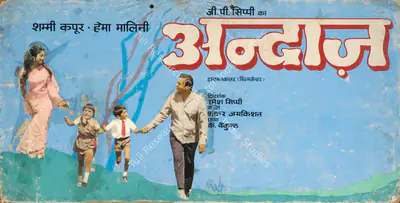
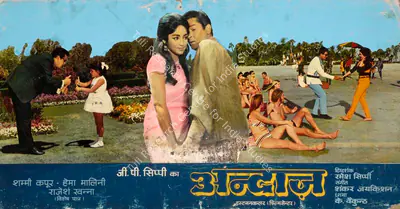
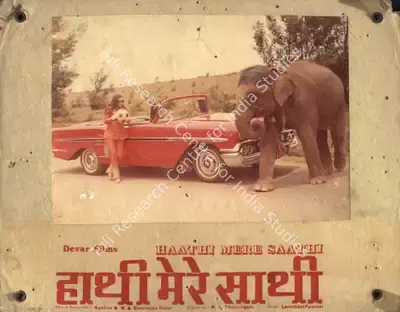
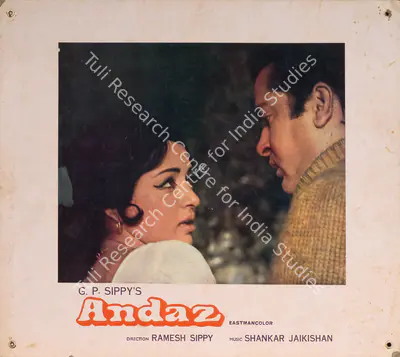
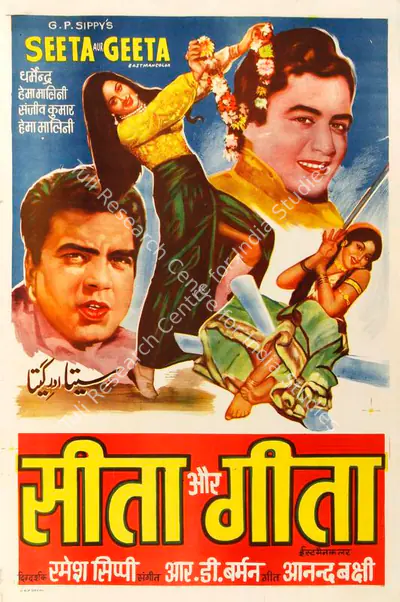
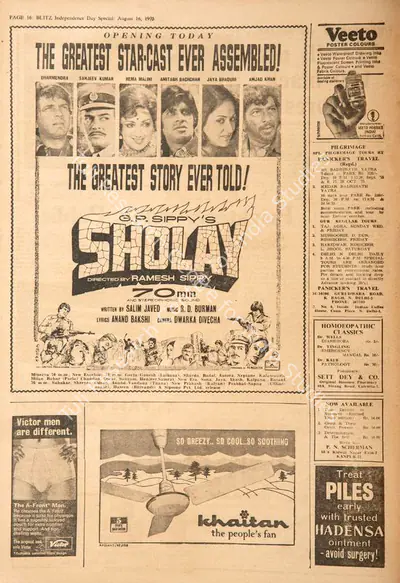
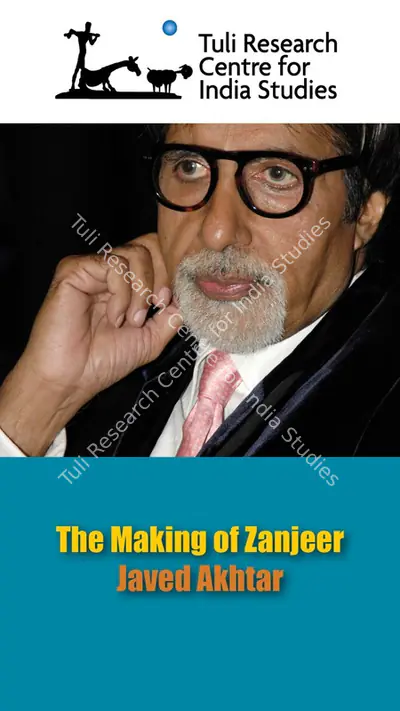
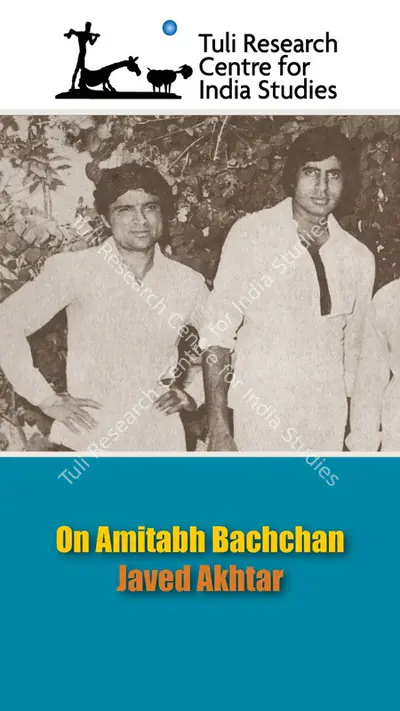
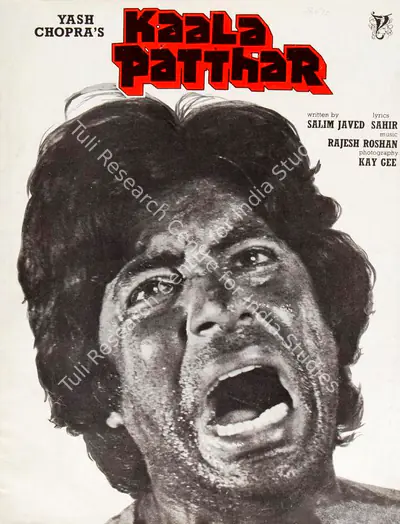
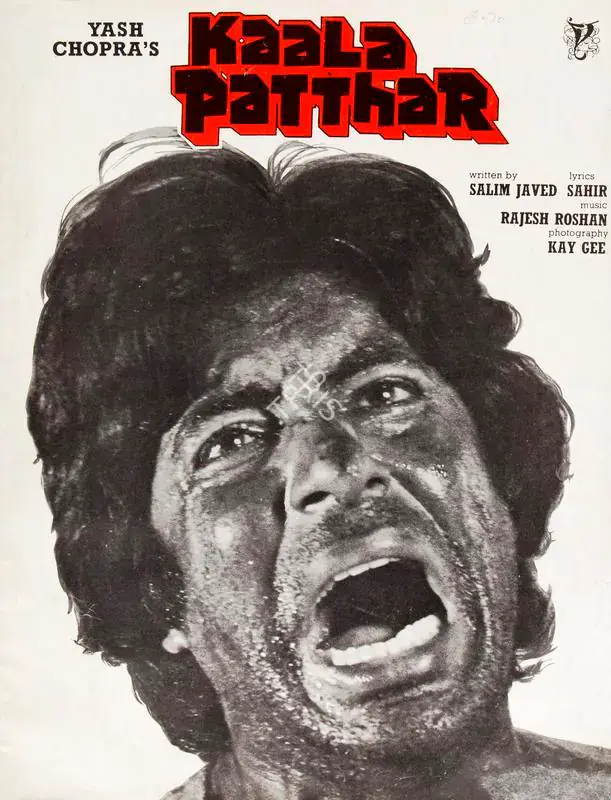
Their breakthrough came with Haathi Mere Saathi (1971), after which they became resident screenwriters for G. P. Sippy's production house. They went on to write landmark films including Andaz (1971), Seeta Aur Geeta (1972), Yaadon Ki Baarat (1973), Zanjeer (1973), Majboor (1974), Deewaar (1975), Sholay (1975), Chacha Bhatija (1977), Don (1978), Trishul (1978), Kaala Patthar (1979), Dostana (1980), Shaan (1980), Kranti (1981), and Shakti (1982). Their screenplay for Yaadon Ki Baarat is widely regarded as one of the earliest and most influential masala films, while Zanjeer and Deewaar introduced the "angry young man" archetype, immortalized by Amitabh Bachchan. Their stories reflected the social realities of 1970s India, addressing urban poverty, corruption, organized crime, and injustice while incorporating progressive and anti-establishment themes that resonated deeply with audiences.
Salim–Javed also revolutionized the portrayal of crime and action in Indian cinema, pioneering the Bombay underworld drama and the dacoit western, most memorably in Sholay. Their influence extended well beyond Hindi cinema. They wrote the successful Kannada films Raja Nanna Raja (1976) and Premada Kanike (1976), while many of their Hindi hits were remade in Tamil, Telugu, and Malayalam. Holding the South Indian remake rights to several of their scripts, they licensed adaptations that significantly shaped regional cinema. Their stories also played a crucial role in establishing Rajinikanth as a leading star, with Tamil remakes such as Billa (1980), Thee (1981), Naan Vazhavaippen (1979), and Mr. Bharath (1986) becoming milestones in his career.
The partnership ended in 1982 for undisclosed reasons, although scripts completed earlier were later released as Zamana (1985) and Mr. India (1987). After the split, Salim Khan continued writing independently, contributing films including Naam (1986), Jurm (1990), Akayla (1991), and Patthar Ke Phool (1991). Javed Akhtar shifted his focus primarily to lyric writing, beginning with Silsila (1981), and went on to write songs for more than 80 films while also contributing screenplays and dialogues. Though they remained estranged for many years, legal proceedings surrounding the remake of Zanjeer in 2013 helped restore communication between them.
Their extraordinary legacy was celebrated in the 2024 documentary series Angry Young Men, which explored their creative partnership and lasting impact on Indian cinema. During its promotion, Javed Akhtar revealed that he and Salim Khan were considering collaborating on a new screenplay, raising the possibility of a reunion more than four decades after their final partnership. Together, Salim–Javed redefined mainstream Indian filmmaking, elevated the status of screenwriters, and created stories whose influence continues to shape Indian cinema across generations.
अपनी साझेदारी से पहले, दोनों ने फ़िल्म इंडस्ट्री में काफ़ी संघर्ष किया। सलीम ख़ान ने एक एक्टर के तौर पर शुरुआत की और 'तीसरी मंज़िल' (1966), 'सरहदी लुटेरा' (1966) और 'दीवाना' (1967) जैसी फ़िल्मों में काम किया, लेकिन बाद में उन्हें एहसास हुआ कि उनकी असली ताक़त लेखन में है। जावेद अख़्तर 1964 में मुंबई आए और कई सालों तक काम में मुश्किलों का सामना करते हुए असिस्टेंट और डायलॉग राइटर के तौर पर काम किया। दोनों की मुलाक़ात 'सरहदी लुटेरा' (1966) के प्रोडक्शन के दौरान हुई, जहाँ सलीम एक्टिंग कर रहे थे और जावेद फ़िल्म के डायलॉग राइटर बनने से पहले क्लैपर बॉय का काम कर रहे थे। उनकी दोस्ती 1971 में एक क्रिएटिव पार्टनरशिप में बदल गई, जिसमें सलीम कहानियों और पटकथाओं पर ध्यान देते थे और जावेद डायलॉग लिखते थे।
उन्हें बड़ी क़ामयाबी 'हाथी मेरे साथी' (1971) से मिली, जिसके बाद वे जी.पी. सिप्पी के प्रोडक्शन हाउस के लिए रेगुलर पटकथा लेखक बन गए। इसके बाद उन्होंने कई यादगार फ़िल्में लिखीं, जिनमें 'अंदाज़' (1971), 'सीता और गीता' (1972), 'यादों की बारात' (1973), 'ज़ंजीर' (1973), 'मज़बूर' (1974), 'दीवार' (1975), 'शोले' (1975), 'चाचा भतीजा' (1977), 'डॉन' (1978), 'त्रिशूल' (1978), 'काला पत्थर' (1979), 'दोस्ताना' (1980), 'शान' (1980), 'क्रांति' (1981) और 'शक्ति' (1982) शामिल हैं। 'यादों की बारात' के लिए लिखी उनकी पटकथा को शुरुआती और सबसे असरदार मसाला फ़िल्मों में से एक माना जाता है, जबकि 'ज़ंजीर' और 'दीवार' ने "एंग्री यंग मैन" (गुस्सैल नौजवान) वाली छवि को पेश किया, जिसे अमिताभ बच्चन ने अमर बना दिया। उनकी कहानियों में 1970 के दशक के भारत की सामाजिक सच्चाइयाँ झलकती थीं। उन्होंने शहरी ग़रीबी, भ्रष्टाचार, संगठित अपराध और अन्याय जैसे मुद्दों को उठाया और साथ ही प्रगतिशील और व्यवस्था-विरोधी विषयों को भी शामिल किया, जो दर्शकों के दिलों को छू गए।
सलीम-जावेद ने भारतीय सिनेमा में क्राइम और एक्शन को दिखाने के तरीक़े में भी क्रांति ला दी। उन्होंने बॉम्बे अंडरवर्ल्ड ड्रामा और डकैत-वेस्टर्न जॉनर की शुरुआत की, जिसमें 'शोले' सबसे यादगार फ़िल्म रही। उनका असर सिर्फ़ हिंदी सिनेमा तक ही सीमित नहीं था। उन्होंने सफल कन्नड़ फ़िल्में 'राजा नन्ना राजा' (1976) और 'प्रेमादा कनिके' (1976) लिखीं, जबकि उनकी कई हिंदी हिट फ़िल्मों का तमिल, तेलुगु और मलयालम में रीमेक बनाया गया। अपनी कई स्क्रिप्ट्स के साउथ इंडियन रीमेक राइट्स अपने पास रखते हुए, उन्होंने ऐसे अडैप्टेशन के लिए लाइसेंस दिए जिन्होंने रीजनल सिनेमा को काफ़ी हद तक आकार दिया। उनकी कहानियों ने रजनीकांत को एक बड़े स्टार के तौर पर स्थापित करने में भी अहम भूमिका निभाई, 'बिल्ला' (1980), 'थी' (1981), 'नान वाझावैप्पेन' (1979) और 'मिस्टर भरत' (1986) जैसी तमिल रीमेक फ़िल्में उनके करियर में मील का पत्थर साबित हुईं।
1982 में बिना किसी साफ़ वजह के उनकी पार्टनरशिप ख़त्म हो गई, हालाँकि पहले पूरी की गई स्क्रिप्ट्स बाद में 'ज़माना' (1985) और 'मिस्टर इंडिया' (1987) के तौर पर रिलीज़ हुईं। अलग होने के बाद, सलीम ख़ान ने अकेले लिखना जारी रखा और 'नाम' (1986), 'जुर्म' (1990), 'अकेला' (1991) और 'पत्थर के फूल' (1991) जैसी फ़िल्मों में योगदान दिया। जावेद अख़्तर ने मुख्य रूप से गाने लिखने पर ध्यान केंद्रित किया, जिसकी शुरुआत 'सिलसिला' (1981) से हुई। उन्होंने 80 से ज़्यादा फ़िल्मों के लिए गाने लिखे और साथ ही पटकथा और संवाद भी लिखे। हालाँकि वे कई सालों तक अलग-थलग रहे, लेकिन 2013 में 'ज़ंजीर' के रीमेक से जुड़े क़ानूनी मामलों ने उनके बीच बातचीत फिर से शुरू करने में मदद की।
उनकी शानदार विरासत का जश्न 2024 की डॉक्यूमेंट्री सीरीज़ 'एंग्री यंग मेन' में मनाया गया, जिसमें उनकी क्रिएटिव पार्टनरशिप और भारतीय सिनेमा पर उनके गहरे असर को दिखाया गया। इसके प्रमोशन के दौरान, जावेद अख़्तर ने बताया कि वह और सलीम ख़ान एक नई पटकथा पर साथ काम करने के बारे में सोच रहे हैं, जिससे उनकी आख़िरी पार्टनरशिप के चार दशक से भी ज़्यादा समय बाद उनके फिर से साथ आने की संभावना बढ़ गई है। सलीम-जावेद ने मिलकर मुख्यधारा की भारतीय फ़िल्म निर्माण शैली को नए सिरे से परिभाषित किया, पटकथा लेखकों का दर्जा बढ़ाया और ऐसी कहानियाँ रचीं जिनका असर पीढ़ियों से भारतीय सिनेमा को आकार दे रहा है।