TRIS logo image
Search275,000+ actors, artists, objects, artworks, films, exhibitions, archives

EN

EN

English

HI

Hindi

EN

EN

English

HI

Hindi

Tuli Research Centre for India Studies

Tuli Research Centre for India Studies

Vision

Manifesto

Archive & Library

Vanraja Sanctuary & Hospice

Home

Research Categories

Browse All

ICore

1_CinemaEducation_Cinema as a Critical Educational Resource

2_FineArts_Modern and Contemporary Indian Fine Arts

3_Photography_Photography in India

4_PopCulture_The Printed Image, Popular Arts, and Crafts

IIMaterial

5_ArcHeritage_India's Architectural Heritage as Inspiration

6_EconomicsArt_Economics of Art & Cultural Industry

7_Travel_Automobile, Transport and Travel Heritage

8_Uncertainty_Uncertainty

IIICritical

9_SocialDuty_Social Responsibility of the Creative Mind

10_Childhood_The Changing Smile of Childhood & Its Second Coming

11_Sensuality_The Sensual Discipline within Creativity

12_Scholarship_The History & Historiography of Scholarship in the Arts, Humanities, and Social Sciences

IVMeaningful

13_SeekJustice_Seeking Justice and Political Integrity

14_IndoWorld_India and her Relationship with the World

15_SpiritualPoetics_The Religious-Spiritual-Poetic-Philosophical Framework

16_Continuum_The Animal-Human-Nature Continuum

Explore

All

Posts

Masterlists

Calendar

Live | Upcoming

All Events

Timetable

Search275,000+ actors, artists, objects, artworks, films, exhibitions, archives

EN

EN

English

HI

Hindi

Home/Rahul Dev Burman

Rahul Dev Burman

Rahul Dev Burman (27 June 1939 - 4 January 1994) He stands as one of the most inventive and influential figures in Hindi film music. Revered across generations, he reshaped the sonic identity of Indian cinema from the 1960s through the 1990s, composing for over three hundred films and redefining what a film score could be. His music carried a restless curiosity—an ability to bridge worlds—melding the improvisational spirit of jazz, the pulse of rock and funk, and the lyricism of Indian classical traditions into something unmistakably modern. In doing so, he created a catalogue that was at once youthful, rhythm-driven, and deeply rooted in the grammar of Hindustani melody.

Affectionately known as Pancham, he inherited music as both legacy and language. The only child of the eminent composer Sachin Dev Burman and lyricist Meera Dev Burman, he grew up surrounded by melody and verse. Stories of his nickname carry a mythic charm: a child whose cry echoed the fifth note, Pa, or perhaps a baby who seemed to sing in multiple pitches. Whatever its origin, Pancham became a name synonymous with innovation.

His personal life bore the marks of both romance and solitude. A brief marriage to Rita Patel ended in separation, a moment of quiet reflection that found resonance in Parichay (1972) through the wandering ache of Musafir Hoon Yaaron from Parichay (1972). Later, his partnership with Asha Bhosle evolved into one of the most celebrated creative collaborations in Indian music, even as their relationship remained complex and, in later years, distant. Financial difficulties shadowed his final years, yet his artistic spirit never dimmed.

Burman's genius lay not only in composition but in sound itself. He treated the studio as an instrument—coaxing rhythm from everyday objects, blowing into bottles for the evocative opening of Mehbooba Mehbooba from Sholay (1975), or creating delicate chimes with cups and saucers in Chura Liya Hai Tumne Jo Dil Ko from Yaadon Ki Baaraat (1973). He introduced electronic textures, flangers, and unconventional arrangements long before they became commonplace, forever altering the soundscape of Hindi cinema.

His collaborations read like a roll call of legends—Kishore Kumar, Lata Mangeshkar, Mohammed Rafi, and Asha Bhosle lending voice to his melodies, while lyricists such as Majrooh Sultanpuri, Anand Bakshi, and Gulzar translated his musical imagination into poetry. Together, they created songs that have outlived their films, entering the cultural bloodstream.

From early struggles following his debut with Chhote Nawab (1961), Burman found his breakthrough with Teesri Manzil (1966), whose electrifying soundtrack—featuring O Haseena Zulfonwali Jane Jahan, O Mere Sona Re Sona, and Aaja Aaja Main Hoon Pyar Tera from Teesri Manzil (1966)—signaled a new era. The late 1960s further affirmed his flair with Padosan (1968), where Ek Chatur Naar and Mere Samne Wali Khidki Mein from Padosan (1968) became enduring favourites.

The late 1960s and early 1970s saw him ascend alongside the rise of youth-centric cinema, crafting unforgettable music for Kati Patang (1970), Amar Prem (1972), and Yaadon Ki Baaraat (1973). Songs such as Yeh Shaam Mastani and Pyaar Deewana Hota Hai from Kati Patang (1970), Chingari Koi Bhadke and Kuchh Toh Log Kahenge from Amar Prem (1972), and Chura Liya Hai Tumne Jo Dil Ko from Yaadon Ki Baaraat (1973) became generational anthems, while Dum Maro Dum from Hare Rama Hare Krishna (1971) captured the countercultural pulse of its time.

The mid-1970s marked an extraordinary peak. In Sholay (1975), his sweeping compositions—Yeh Dosti Hum Nahin Todenge and Mehbooba Mehbooba from Sholay (1975)—became inseparable from the film's enduring legacy. The same period saw memorable melodies like Tere Bina Zindagi Se from Aandhi (1975) and O Majhi Re Apna Kinara from Khushboo (1975), each revealing a quieter, introspective side of his artistry.

The shifting tides of the industry brought periods of decline, yet Burman's resilience surfaced in later triumphs. Hum Kisise Kum Naheen (1977) delivered runaway hits like Kya Hua Tera Vaada and Bachna Ae Haseeno from Hum Kisise Kum Naheen (1977). The early 1980s saw renewed acclaim with Love Story (1981) and Masoom (1983), the latter offering deeply evocative songs such as Tujhse Naraz Nahin Zindagi and Lakdi Ki Kathi from Masoom (1983), which continue to resonate across generations.

Today, Rahul Dev Burman's music lives on—not merely as nostalgia, but as a living, breathing force. It pulses through playlists, echoes in reinterpretations, and lingers in memory, reminding us that true innovation is not bound by time. His legacy is not just in the songs he composed, but in the possibilities he opened—where tradition meets experiment, and where sound becomes a story in itself.

राहुल देव बर्मन (27 जून 1939 - 4 जनवरी 1994) हिंदी फ़िल्म संगीत में नये प्रयोग और प्रभावशाली व्यक्तियों में से एक हैं। पीढ़ियाँ उन्हें सम्मान के साथ देखती है। उन्होंने 1960 के दशक से 1990 के दशक तक भारतीय सिनेमा की संगीतमय पहचान को नया रूप दिया और तीन सौ से अधिक फ़िल्मों के लिए संगीत तैयार किया और फ़िल्म संगीत की परिभाषा को फिर से परिभाषित किया। उनके संगीत में एक अनवरत जिज्ञासा थी, विभिन्न दुनियाओं को जोड़ने की क्षमता, जैज़ की तात्कालिकता, रॉक और फंक की लय और भारतीय शास्त्रीय परंपराओं के गीतात्मकता को मिलाकर एक विशिष्ट आधुनिक रचना प्रस्तुत की। ऐसा करके, उन्होंने एक ऐसी रचना तैयार की जो एक साथ युवा, लयबद्ध और हिंदुस्तानी संगीत की व्याकरण में गहराई से निहित थी।
प्यार से पंचम कहलाने वाले पंचम को संगीत विरासत में मिला, जो उनकी संगीत की भाषा भी थी। प्रख्यात संगीतकार सचिन देव बर्मन और गीतकार मीरा देव बर्मन के इकलौते बेटे पंचम का बचपन संगीत और गीतों के बीच बीता। उनके उपनाम से जुड़ी कहानियों में एक लोककथात्मक आकर्षण है, एक बच्चा जिसकी रोने की आवाज़ में पाँचवाँ स्वर 'पा' गूंजता था, या शायद एक शिशु जो अनेक सुरों में गाता हुआ प्रतीत होता था। चाहे इसकी उत्पत्ति कुछ भी हो, पंचम नाम नए प्रयोगों का पर्याय बन गया।
उनके निजी जीवन में प्रेम और एकांत दोनों के अंश झलकते थे। रीता पटेल से उनका छोटा समय का विवाह अलगाव से समाप्त हुआ, एक ऐसा शांत चिंतन का क्षण जिसकी गूंज 'परिचय' (1972) के गीत 'मुसाफ़िर हूं यारों' में सुनाई देती है। बाद में, आशा भोसले के साथ उनकी साझेदारी भारतीय संगीत के सबसे चर्चित रचनात्मक सहयोगों में से एक बन गई, हालांकि उनका रिश्ता जटिल और बाद के वर्षों में दूरियों से भरा रहा। आर्थिक कठिनाइयों ने उनके अंतिम वर्षों को प्रभावित किया, फिर भी उनकी कलात्मक भावना कभी फीकी नहीं पड़ी।
बर्मन की प्रतिभा केवल धुनों की रचना तक सीमित नहीं थी, बल्कि ध्वनि के साथ उनके प्रयोग में भी झलकती थी। उन्होंने स्टूडियो को एक वाद्य यंत्र की तरह इस्तेमाल किया और रोजमर्रा की वस्तुओं से लय उत्पन्न की, शोले (1975) के भावपूर्ण गीत 'महबूबा महबूबा' के लिए बोतलों में फूंक मारी, या यादों की बारात (1973) के गीत 'चुरा लिया है तुमने जो दिल को' में प्यालों और तश्तरियों से मधुर झंकार पैदा की। उन्होंने इलेक्ट्रॉनिक ध्वनियों, फ्लैंजरों और अपरंपरागत संगीत संयोजनों को तब पेश किया जब वे आम नहीं हुए थे, और हिंदी सिनेमा के संगीत परिदृश्य को हमेशा के लिए बदल दिया।
उनके साथ काम करने वाले कलाकारों की सूची किसी दिग्गज जैसे - किशोर कुमार, लता मंगेशकर, मोहम्मद रफी और आशा भोसले ने उनकी धुनों को अपनी आवाज़ दी, वहीं मजरूह सुल्तानपुरी, आनंद बख्शी और गुलज़ार जैसे गीतकारों ने उनकी संगीतमय कल्पना को कविता में ढाला। इन सभी ने मिलकर ऐसे गीत रचे जो फ़िल्मों से भी आगे बढ़कर सांस्कृतिक धरोहर का हिस्सा बन गए हैं।
छोटे नवाब (1961) के साथ अपनी शुरुआत के बाद शुरुआती संघर्षों से, बर्मन को तीसरी मंज़िल (1966) से सफलता मिली। इसके जोशीले साउंडट्रैक, 'जिसमें ओ हसीना जुल्फोंवाली जाने जहां', 'ओ मेरे सोना रे सोना', और तीसरी मंज़िल (1966) का 'आजा आजा मैं हूं प्यार तेरा' शामिल था, जिसने एक नए युग का संकेत दिया। 1960 के दशक के अंत में पड़ोसन (1968) के साथ उनकी प्रतिभा और भी पुष्ट हुई, जहां पड़ोसन (1968) का एक चतुर नार और मेरे सामने वाली खिड़की में सदाबहार पसंदीदा बन गए।
1960 के दशक के अंत और 1970 के दशक की शुरुआत में उन्हें युवाओं पर केंद्रित सिनेमा का उदय हुआ और उनके गीत ने उन्हें चार-चाँद लगाये जिसमें उन्हें -कटी पतंग (1970), अमर प्रेम (1972), और यादों की बारात (1973) के लिए अविस्मरणीय संगीत तैयार करते हुए देखा गया। कटी पतंग (1970) से ये शाम मस्तानी और प्यार दीवाना होता है, अमर प्रेम (1972) से चिंगारी कोई भड़के और कुछ तो लोग कहेंगे, और यादों की बारात (1973) से चुरा लिया है तुमने जो दिल को जैसे गाने पीढ़ीगत गीत बन गए, जबकि हरे रामा हरे कृष्णा (1971) से दम मारो दम ने अपने समय की काउंटरकल्चरल के नब्ज़ को पकड़ लिया।
1970 के दशक के मध्य में उनके संगीत का अद्भुत शिखर देखने को मिला। शोले (1975) में उनके द्वारा रचित शानदार संगीत - ये दोस्ती हम नहीं तोड़ेंगे और महबूबा महबूबा गीत फ़िल्म की अमर विरासत का अभिन्न अंग बन गए। इसी अवधि में आंधी (1975) से तेरे बिना जिंदगी से और ख़ुशबू (1975) से ओ माझी रे अपना किनारा जैसी यादगार धुनें भी आईं, जिनमें से प्रत्येक उनकी कलात्मकता के एक शांत और अंतर्मुखी पहलू को उजागर किया है।
फ़िल्म उद्योग में आए उतार-चढ़ाव ने फ़िल्म जगत में गिरावट के दौर भी लाए लेकिन बर्मन की दृढ़ता बाद की सफलताओं में स्पष्ट रूप से दिखाई दिया। हम किसी से कम नहीं (1977) में क्या हुआ तेरा वादा और बचना ऐ हसीनो जैसे जबरदस्त हिट गाने दिए। 1980 के दशक की शुरुआत में लव स्टोरी (1981) और मासूम (1983) से उन्हें फिर से प्रसिद्धि मिली, जिनमें से मासूम फ़िल्म के तुझसे नाराज़ नहीं जिंदगी और लकड़ी की काठी जैसे भावपूर्ण गाने शामिल हैं, जो आज के भी पीढ़ियों के दिलों में गूंजते हैं।
आज भी राहुल देव बर्मन का संगीत जीवित है—केवल स्मृति के रूप में नहीं, बल्कि एक जीवंत शक्ति के रूप में। यह प्लेलिस्टों में गूंजता है, नए प्रयोगों में प्रतिध्वनित होता है, और स्मृतियों में बसा रहता है, हमें याद दिलाता है कि सच्ची नवीनता समय से बंधी नहीं होती। उनकी विरासत केवल उनके द्वारा रचित गीतों में ही नहीं, बल्कि उन संभावनाओं में भी निहित है जिन्हें उन्होंने खोला जहां परंपरा प्रयोग से मिलती है, और जहां ध्वनि स्वयं एक कहानी बन जाती है।
The whole holding
Scroll→

Research Centre

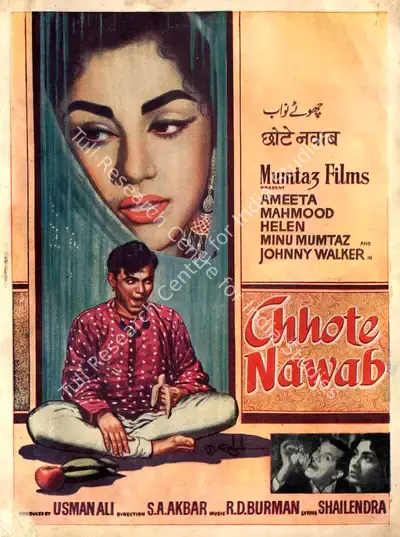
Usman Ali (Producer), Chhote Nawab, 1961, Song-Synopsis Booklet
Ali, Usman (Producer), Chhote Nawab, 1961 | Song-Synopsis Booklet
View full record
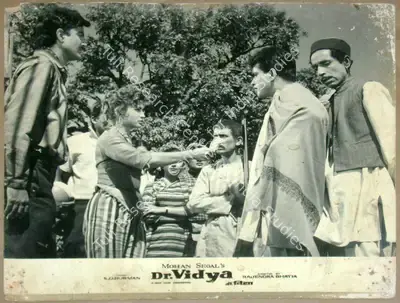
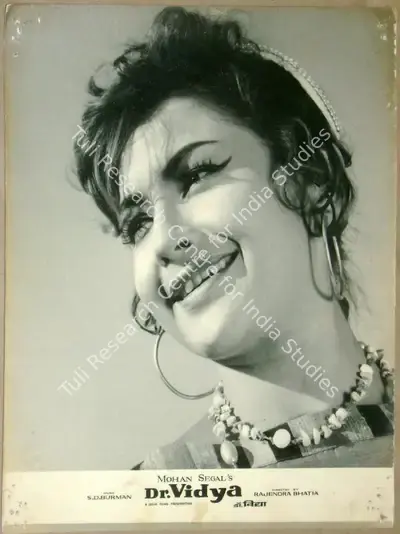
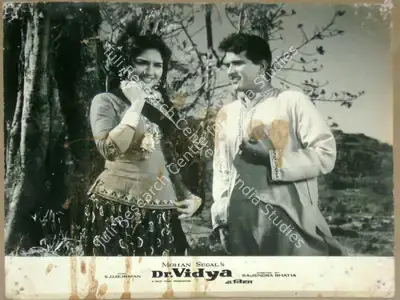
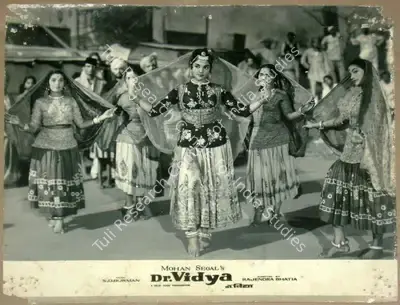
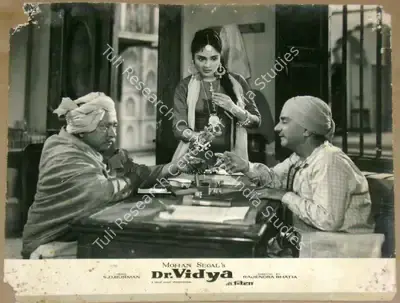
C.S. Puttu (Cinematographer), Dr Vidya, 1962, Lobby Card
Puttu, C.S. (Cinematographer), Dr Vidya, 1962 | Lobby Card
View full record
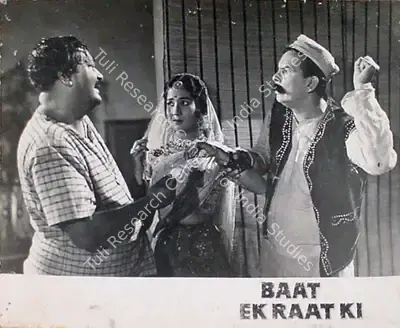
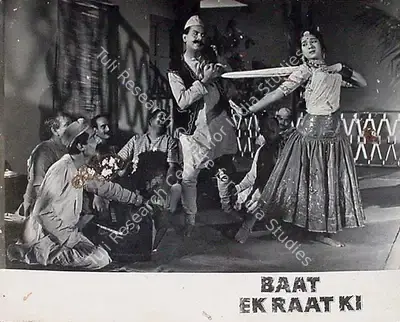
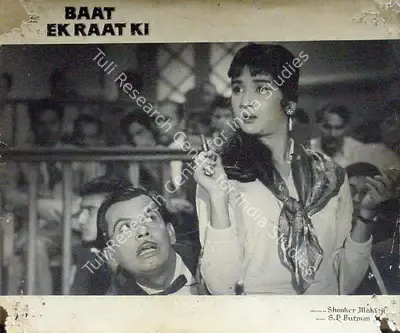
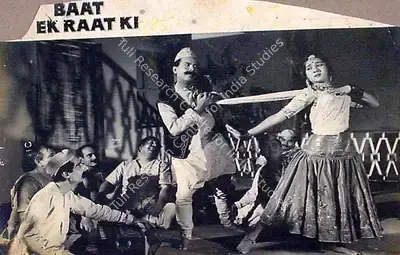
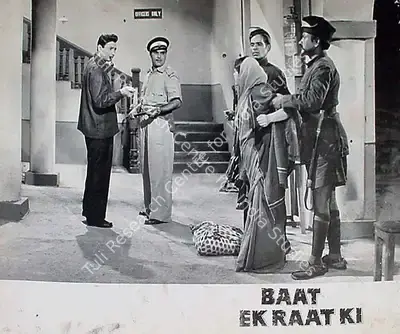
K.H. Kapadia (Cinematographer), Baat Ek Raat Ki, 1962, Lobby Card
Kapadia, K.H. (Cinematographer), Baat Ek Raat Ki, 1962 | Lobby Card
View full record
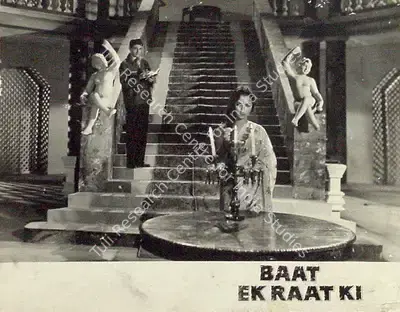
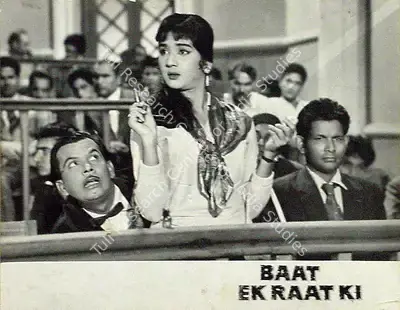
K.H. Kapadia (Cinematographer), Baat Ek Raat Ki, 1962, Lobby Card
Kapadia, K.H. (Cinematographer), Baat Ek Raat Ki, 1962 | Lobby Card
View full record
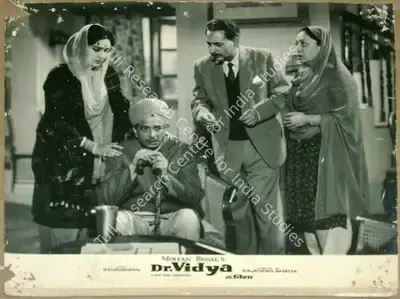
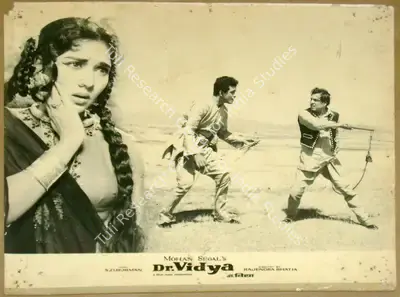
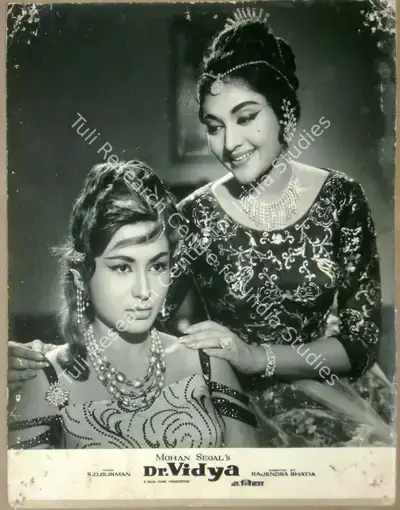
C.S. Puttu (Cinematographer), Dr Vidya, 1962, Lobby Card
Puttu, C.S. (Cinematographer), Dr Vidya, 1962 | Lobby Card
View full record
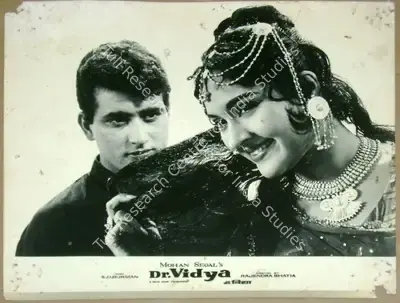
C.S. Puttu (Cinematographer), Dr Vidya, 1962, Lobby Card
Puttu, C.S. (Cinematographer), Dr Vidya, 1962 | Lobby Card
View full record
C.S. Puttu (Cinematographer), Dr Vidya, 1962, Lobby Card
Puttu, C.S. (Cinematographer), Dr Vidya, 1962 | Lobby Card
View full record
C.S. Puttu (Cinematographer), Dr Vidya, 1962, Lobby Card
Puttu, C.S. (Cinematographer), Dr Vidya, 1962 | Lobby Card
View full record
C.S. Puttu (Cinematographer), Dr Vidya, 1962, Lobby Card
Puttu, C.S. (Cinematographer), Dr Vidya, 1962 | Lobby Card
View full record
C.S. Puttu (Cinematographer), Dr Vidya, 1962, Lobby Card
Puttu, C.S. (Cinematographer), Dr Vidya, 1962 | Lobby Card
View full record
K.H. Kapadia (Cinematographer), Baat Ek Raat Ki, 1962, Lobby Card
Kapadia, K.H. (Cinematographer), Baat Ek Raat Ki, 1962 | Lobby Card
View full record
C.S. Puttu (Cinematographer), Dr Vidya, 1962, Lobby Card
Puttu, C.S. (Cinematographer), Dr Vidya, 1962 | Lobby Card
View full record
C.S. Puttu (Cinematographer), Dr Vidya, 1962, Lobby Card
Puttu, C.S. (Cinematographer), Dr Vidya, 1962 | Lobby Card
View full record
K.H. Kapadia (Cinematographer), Baat Ek Raat Ki, 1962, Lobby Card
Kapadia, K.H. (Cinematographer), Baat Ek Raat Ki, 1962 | Lobby Card
View full record
C.S. Puttu (Cinematographer), Dr Vidya, 1962, Lobby Card
Puttu, C.S. (Cinematographer), Dr Vidya, 1962 | Lobby Card
View full record
K.H. Kapadia (Cinematographer), Baat Ek Raat Ki, 1962, Lobby Card
Kapadia, K.H. (Cinematographer), Baat Ek Raat Ki, 1962 | Lobby Card
View full record
C.S. Puttu (Cinematographer), Dr Vidya, 1962, Lobby Card
Puttu, C.S. (Cinematographer), Dr Vidya, 1962 | Lobby Card
View full record
C.S. Puttu (Cinematographer), Dr Vidya, 1962, Lobby Card
Puttu, C.S. (Cinematographer), Dr Vidya, 1962 | Lobby Card
View full record
C.S. Puttu (Cinematographer), Dr Vidya, 1962, Lobby Card
Puttu, C.S. (Cinematographer), Dr Vidya, 1962 | Lobby Card
View full record
K.H. Kapadia (Cinematographer), Baat Ek Raat Ki, 1962, Lobby Card
Kapadia, K.H. (Cinematographer), Baat Ek Raat Ki, 1962 | Lobby Card
View full record
20 of 745
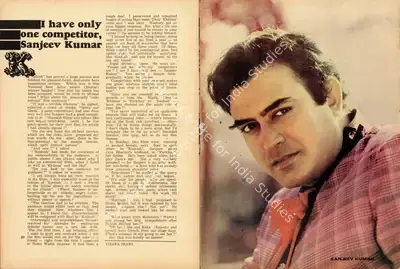
Vijaya Irani (Interviewer), I have only one competitor, Sanjeev Kumar, 1973, Conversation
Irani, Vijaya (Interviewer). I have only one competitor, Sanjeev Kumar. In Sunday. 27 May 1973 | Conversation | 00802268
View full record
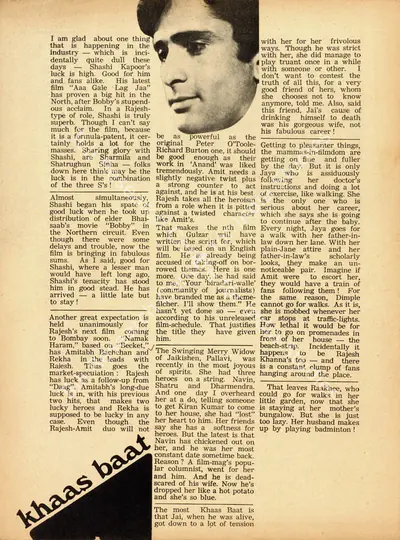
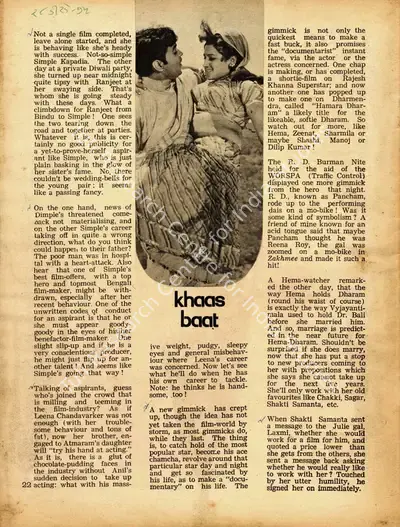
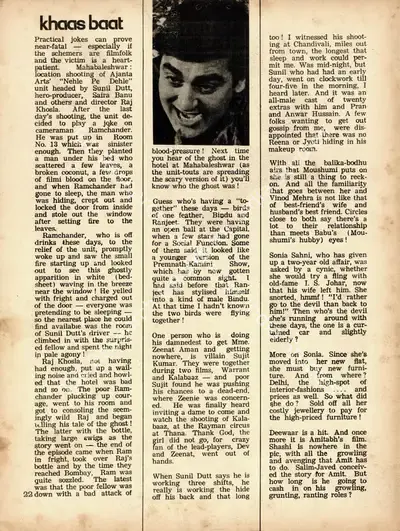
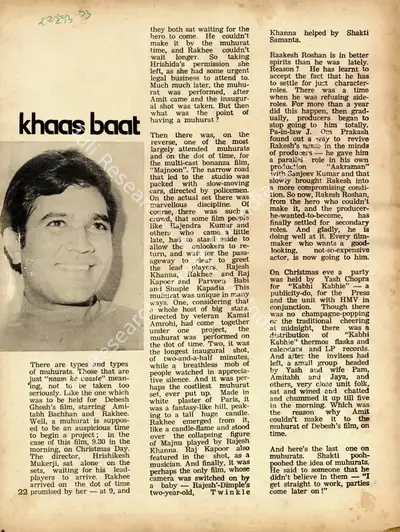
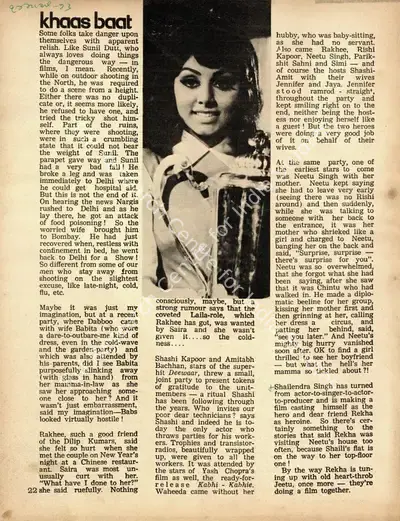
Khaas Baat, 1973, Column
Khaas Baat. In Sunday. 09 December 1973 | Column | 00802309
View full record
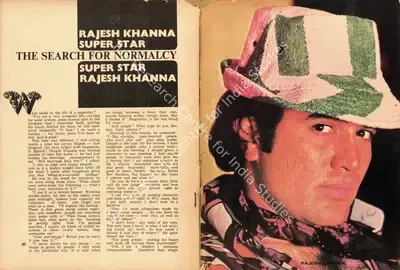
Vijaya Irani (Interviewer), Rajesh Khanna Super Star, 1973, Conversation
Irani, Vijaya (Interviewer). Rajesh Khanna Super Star. In Sunday. 22 April 1973 | Conversation | 00802258
View full record
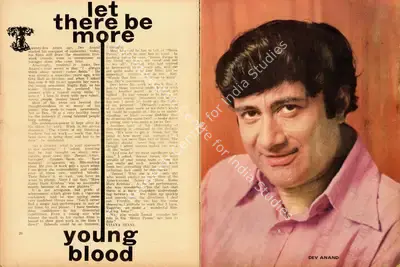
Vijaya Irani (Interviewer), Let There Be More, 1973, Conversation
Irani, Vijaya (Interviewer). Let There Be More. In Sunday. 20 May 1973 | Conversation | 00802266
View full record
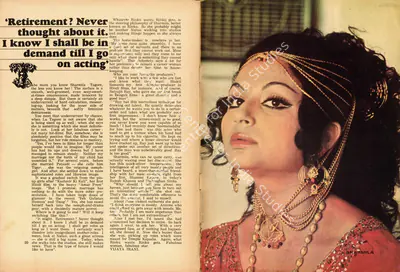
Vijaya Irani (Interviewer), Retirement? Never thought about it. I Know I shall be in demand till I go on acting', 1973, Conversation
Irani, Vijaya (Interviewer). Retirement? Never thought about it. I Know I shall be in demand till I go on acting'. In Sunday. 01 July 1973 | Conversation | 00802276
View full record
Khaas Baat, 1974, Column
Khaas Baat. In Sunday. 03 March 1974 | Column | 00802326
View full record
Khaas Baat, 1974, Column
Khaas Baat. In Sunday. 13 January 1974 | Column | 00802318
View full record
Khaas Baat, 1974, Column
Khaas Baat. In Sunday. 2(4). 07 April 1974 | Column | 00802334
View full record
Khaas Baat, 1974, Column
Khaas Baat. In Sunday. 2(27). 15 September 1974 | Column | 00802346
View full record
Khaas Baat, 1975, Column
Khaas Baat. In Sunday. 3(28). 28 September 1975 | Column | 00802364
View full record
Khaas Baat, 1975, Column
Khaas Baat. In Sunday. 3(40). 28 December 1975 | Column | 00802368
View full record
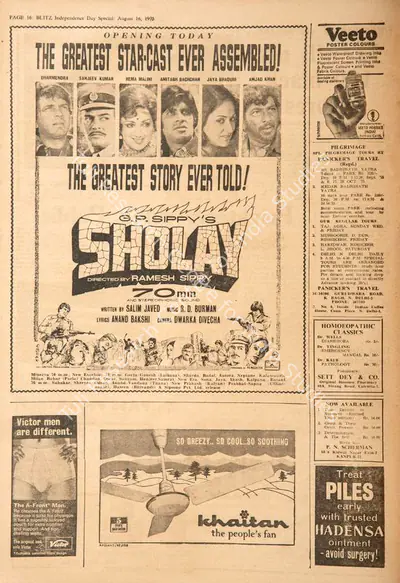
Sholay , 1975, Film Review
Sholay . In Blitz. 16 August 1975 | Film Review | 00143530
View full record
Khaas Baat, 1975, Column
Khaas Baat. In Sunday. 3(1). 16 March 1975 | Column | 00802351
View full record
Khaas Baat, 1976, Column
Khaas Baat. In Sunday. 3(48). 22 February 1976 | Column | 00802378
View full record
Khaas Baat, 1976, Column
Khaas Baat. In Sunday. 3(51). 14 March 1976 | Column | 00802384
View full record
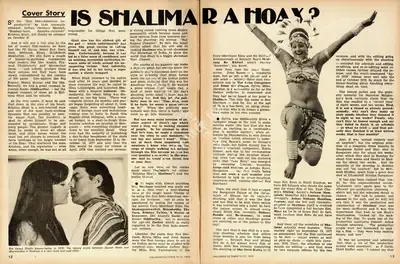
Anil Grover (Essayist), Is Shalimar a Hoax?, 1978, Essay
Grover, Anil (Essayist). Is Shalimar a Hoax?. In Onlooker. 42(19). 30 October 1978 | Essay | 00798755
View full record
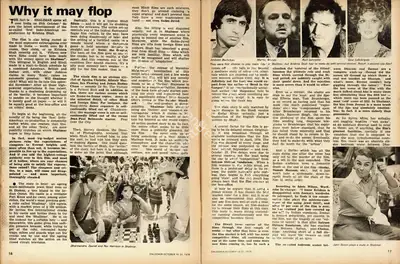
Anil Grover (Essayist), Why it may Flop, 1978, Essay
Grover, Anil (Essayist). Why it may Flop. In Onlooker. 42(19). 30 October 1978 | Essay | 00798756
View full record
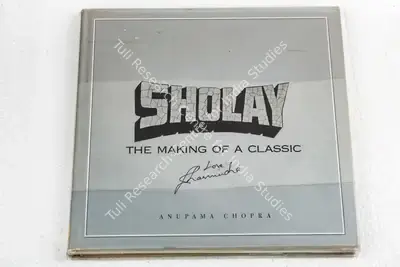
Anupama Chopra (Author), Sholay: The Making of a Classic, 2001, Authored Book
Chopra, Anupama (Author). Sholay: The Making of a Classic | Authored Book | 00760039
View full record
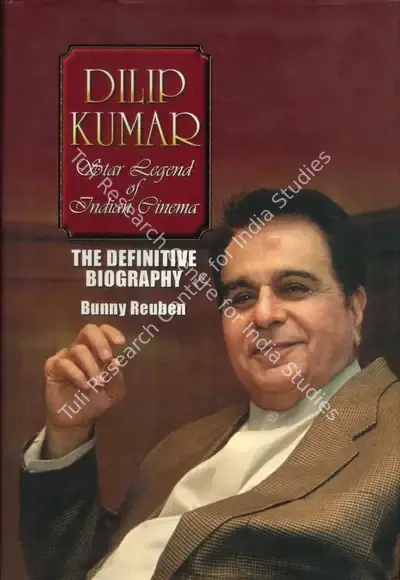
Bunny Reuben (Author), Dilip Kumar, 2004, Authored Book
Reuben, Bunny (Author). Dilip Kumar, 2004 | Authored Book | 00168079
View full record
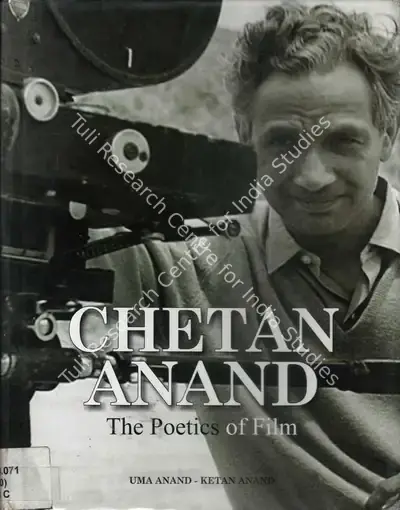
Uma Anand (Author), Chetan Anand, 2007, Authored Book
Anand, Uma (Author). Chetan Anand, 2007 | Authored Book | 00168120
View full record
Usman Ali (Producer), Chhote Nawab, 1961, Song-Synopsis Booklet
Ali, Usman (Producer), Chhote Nawab, 1961 | Song-Synopsis Booklet
View full record
C.S. Puttu (Cinematographer), Dr Vidya, 1962, Lobby Card
Puttu, C.S. (Cinematographer), Dr Vidya, 1962 | Lobby Card
View full record
K.H. Kapadia (Cinematographer), Baat Ek Raat Ki, 1962, Lobby Card
Kapadia, K.H. (Cinematographer), Baat Ek Raat Ki, 1962 | Lobby Card
View full record
K.H. Kapadia (Cinematographer), Baat Ek Raat Ki, 1962, Lobby Card
Kapadia, K.H. (Cinematographer), Baat Ek Raat Ki, 1962 | Lobby Card
View full record
C.S. Puttu (Cinematographer), Dr Vidya, 1962, Lobby Card
Puttu, C.S. (Cinematographer), Dr Vidya, 1962 | Lobby Card
View full record
C.S. Puttu (Cinematographer), Dr Vidya, 1962, Lobby Card
Puttu, C.S. (Cinematographer), Dr Vidya, 1962 | Lobby Card
View full record
C.S. Puttu (Cinematographer), Dr Vidya, 1962, Lobby Card
Puttu, C.S. (Cinematographer), Dr Vidya, 1962 | Lobby Card
View full record
C.S. Puttu (Cinematographer), Dr Vidya, 1962, Lobby Card
Puttu, C.S. (Cinematographer), Dr Vidya, 1962 | Lobby Card
View full record
C.S. Puttu (Cinematographer), Dr Vidya, 1962, Lobby Card
Puttu, C.S. (Cinematographer), Dr Vidya, 1962 | Lobby Card
View full record
K.H. Kapadia (Cinematographer), Baat Ek Raat Ki, 1962, Lobby Card
Kapadia, K.H. (Cinematographer), Baat Ek Raat Ki, 1962 | Lobby Card
View full record
K.H. Kapadia (Cinematographer), Baat Ek Raat Ki, 1962, Lobby Card
Kapadia, K.H. (Cinematographer), Baat Ek Raat Ki, 1962 | Lobby Card
View full record
K.H. Kapadia (Cinematographer), Baat Ek Raat Ki, 1962, Lobby Card
Kapadia, K.H. (Cinematographer), Baat Ek Raat Ki, 1962 | Lobby Card
View full record
C.S. Puttu (Cinematographer), Dr Vidya, 1962, Lobby Card
Puttu, C.S. (Cinematographer), Dr Vidya, 1962 | Lobby Card
View full record
C.S. Puttu (Cinematographer), Dr Vidya, 1962, Lobby Card
Puttu, C.S. (Cinematographer), Dr Vidya, 1962 | Lobby Card
View full record
C.S. Puttu (Cinematographer), Dr Vidya, 1962, Lobby Card
Puttu, C.S. (Cinematographer), Dr Vidya, 1962 | Lobby Card
View full record
C.S. Puttu (Cinematographer), Dr Vidya, 1962, Lobby Card
Puttu, C.S. (Cinematographer), Dr Vidya, 1962 | Lobby Card
View full record
20 of 723
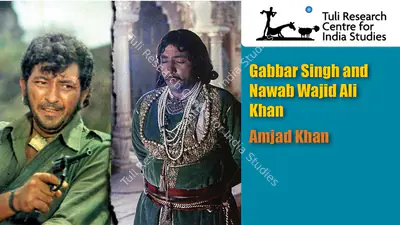
Tuli Research Centre for India Studies (Editor). Gabbar Singh and Nawab Wajid Ali Khan: Amjad Khan, 17 March 2025 | In-house Video, 2025 ·  1 min 21 sec · Short
▶
Tuli Research Centre for India Studies (Editor). Gabbar Singh and Nawab Wajid Ali Khan: Amjad Khan, 17 March 2025 | In-house Video
2025 · 1 min 21 sec · Short
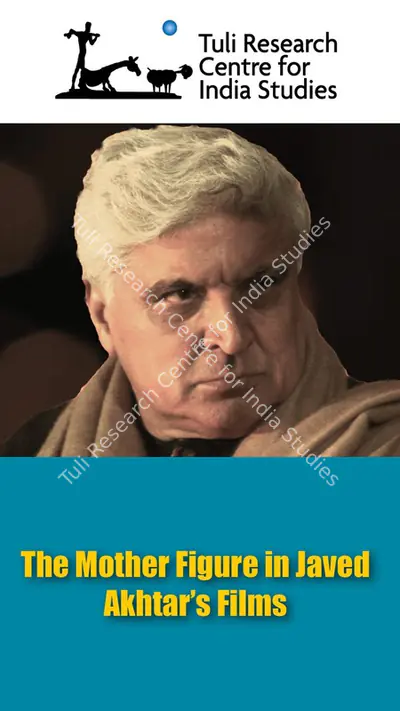
Tuli Research Centre for India Studies (Editor). Javed Akhtar Reflects on the Portrayal of the Mother Figure in his Films, 04 February 2019 | In-house Video, 2019 · 1 min 32 sec · Reel
▶
Tuli Research Centre for India Studies (Editor). Javed Akhtar Reflects on the Portrayal of the Mother Figure in his Films, 04 February 2019 | In-house Video
2019 · 1 min 32 sec · Reel
Tuli Research Centre for India Studies

Tuli Research Centre

for India Studies

A free and open knowledge base for the modern and contemporary Indian arts, cinema, photography and cultural heritage.

Support

Contact Us

Discover

Tuli Research Centre for India StudiesVisionManifestoArchive & LibraryVanraja Sanctuary & Hospice

Legal

Privacy PolicyTerms & Conditions

Follow us

Youtube

Youtube

Instagram

Instagram

Facebook

Facebook

© Tuli Research Centre for India Studies 2026

Tuli Research Centre for India Studies

Tuli Research Centre

for India Studies

A free and open knowledge base for the modern and contemporary Indian arts, cinema, photography and cultural heritage.

Tuli Research Centre for India StudiesVisionManifestoArchive & LibraryVanraja Sanctuary & Hospice
Contact Us
Privacy PolicyTerms & Conditions

Follow us

YoutubeInstagramFacebook

© Tuli Research Centre for India Studies 2026

              Chopra, Anupama (Author). Sholay: The Making of a Classic. New Delhi: Viking | Authored Book | CinemaEducation | 00760039
              Anupama Chopra (Author)
              TitleSholay: The Making of a Classic
              Document TypeAuthored Book
              PublisherViking, New Delhi
              First Edition2001
              Pages158
              BindingHB
              LanguageEnglish
              ISBN670910864
              Keywordssholay-1975 | dharmendra | amitabh-bachchan | ramesh-sippy | jaya-bhaduri | amjad-khan | hema-malini | sanjeev-kumar | asrani | javed-akhtar | saleem-khan | rahul-dev-burman | authored-edited-books | book-bka | library

              Research Categories

              1_CinemaEducation
              6_EconomicsArt

              Related Links22

              Masterlist20
              Sholay 1975DharmendraAmitabh BachchanRamesh SippyJaya BhaduriAmjad KhanHema MaliniSanjeev KumarJaved AkhtarAuthored Edited BooksDwarka DivechaG P SippyA K HangalLeela MishraIftekharJagdeepSalim KhanManna DeyKishore KumarLata Mangeshkar
              Research Categories2
              01Cinema as a Critical Educational Resource06Economics of Art & Cultural Industry