TRIS logo image
Search275,000+ actors, artists, objects, artworks, films, exhibitions, archives

EN

EN

English

HI

Hindi

EN

EN

English

HI

Hindi

Tuli Research Centre for India Studies

Tuli Research Centre for India Studies

Vision

Manifesto

Archive & Library

Vanraja Sanctuary & Hospice

Home

Research Categories

Browse All

ICore

1_CinemaEducation_Cinema as a Critical Educational Resource

2_FineArts_Modern and Contemporary Indian Fine Arts

3_Photography_Photography in India

4_PopCulture_The Printed Image, Popular Arts, and Crafts

IIMaterial

5_ArcHeritage_India's Architectural Heritage as Inspiration

6_EconomicsArt_Economics of Art & Cultural Industry

7_Travel_Automobile, Transport and Travel Heritage

8_Uncertainty_Uncertainty

IIICritical

9_SocialDuty_Social Responsibility of the Creative Mind

10_Childhood_The Changing Smile of Childhood & Its Second Coming

11_Sensuality_The Sensual Discipline within Creativity

12_Scholarship_The History & Historiography of Scholarship in the Arts, Humanities, and Social Sciences

IVMeaningful

13_SeekJustice_Seeking Justice and Political Integrity

14_IndoWorld_India and her Relationship with the World

15_SpiritualPoetics_The Religious-Spiritual-Poetic-Philosophical Framework

16_Continuum_The Animal-Human-Nature Continuum

Explore

All

Posts

Masterlists

Calendar

Live | Upcoming

All Events

Timetable

Search275,000+ actors, artists, objects, artworks, films, exhibitions, archives

EN

EN

English

HI

Hindi

Home/Cinema as a Critical Educational Resource/Jagdeep

Jagdeep

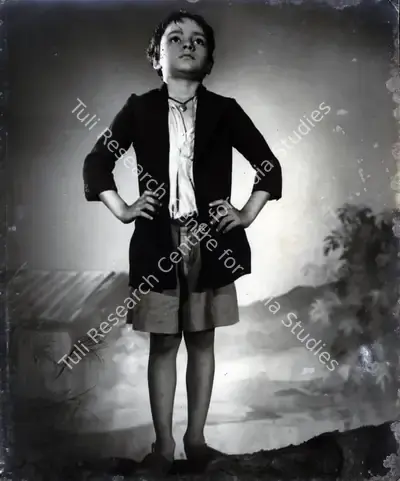
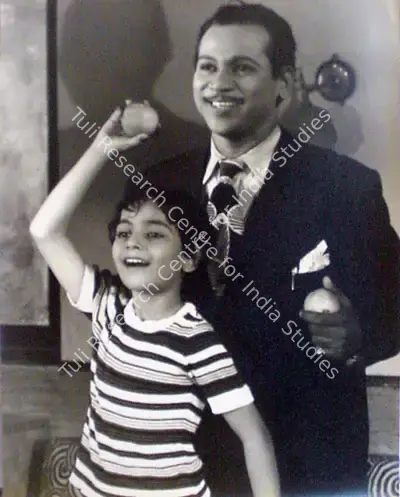
Syed Ishtiaq Ahmed Jaffrey (19 March 1939 – 8 July 2020) Popularly known by his screen name Jagdeep, he was one of Indian cinema's most prolific actors and comedians, with a career spanning nearly seven decades and more than 400 films. He remains best remembered for his unforgettable portrayal of Soorma Bhopali in Ramesh Sippy's Sholay (1975), a character that achieved enduring cultural significance. Among his other notable performances were
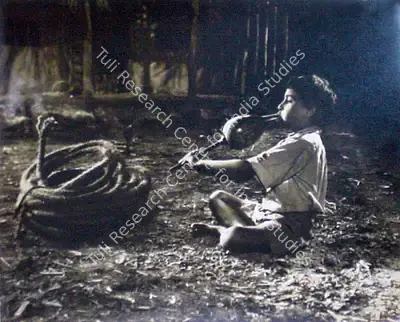
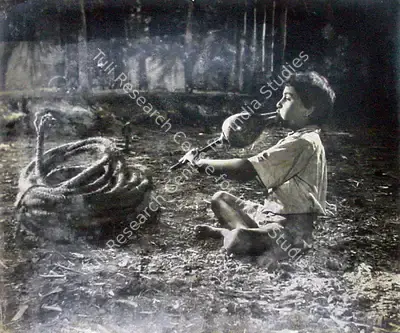
Machchar in Purana Mandir (1983) and the eccentric father in the cult comedy Andaz Apna Apna (1994). He later directed the film Soorma Bhopali, placing his celebrated character at the centre of the narrative.
Jagdeep was born into a comparatively privileged family in Datia, where his father worked as a lawyer for the local maharaja. He was the youngest of ten
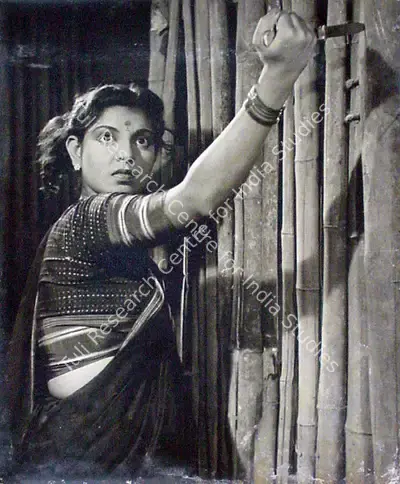
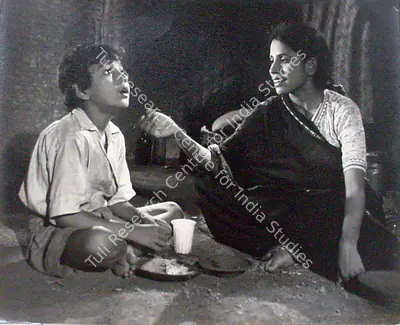
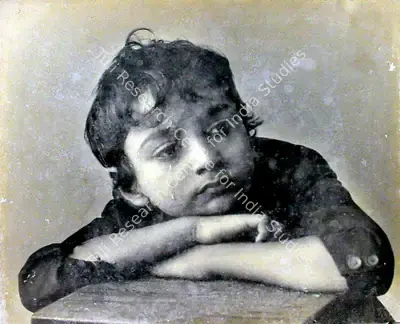
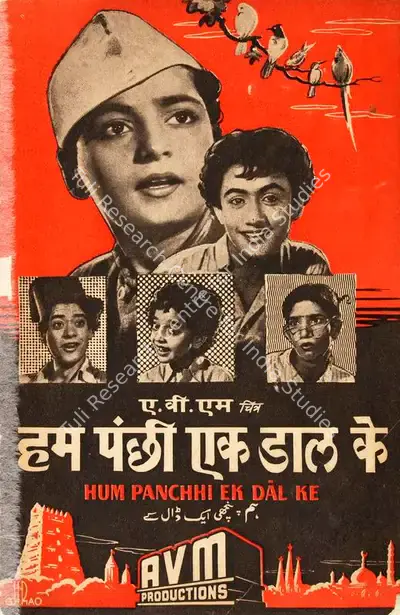
siblings. His childhood, however, was marked by tragedy and upheaval. Following his father's death when Jagdeep was still very young, his mother moved with him to Karachi to stay with elder sons. In the turmoil surrounding the Partition of India, they returned to Bombay, where circumstances deteriorated sharply. Separated from extended family and facing extreme poverty, Jagdeep and his mother lived on the streets, surviving through menial trading and, at times, subsisting on discarded bakery crumbs. Jagdeep began his film career as a child artist in B. R. Chopra's Afsana (1951) and went on to appear in acclaimed films such as Do Bigha Zamin (1953), Munna (1954), Aar Paar (1954), and Hum Panchhi Ek Daal Ke (1957). He was later cast as a leading man in several AVM productions, including Bhabhi (1957) and Barkha (1959), before firmly establishing himself as a comedian with Brahmachari (1968). He also featured prominently in horror films produced by the Ramsay Brothers, notably Purana Mandir (1984) and 3D Saamri (1985).
In his personal life, Jagdeep married three times and had six children, including actors and television personalities Javed Jaffrey and Naved Jaffrey. He passed
away at his Mumbai residence on 8 July 2020 due to age-related ailments, leaving behind a legacy defined by resilience, versatility, and an indelible contribution to Indian popular cinema.
सैयद इश्तियाक़ अहमद जाफ़री (19 मार्च 1939 – 8 जुलाई 2020), जिन्हें उनके फ़िल्मी नाम जगदीप से जाना जाता है, भारतीय सिनेमा के प्रतिभाशाली अभिनेताओं और हास्य कलाकारों में से एक थे। उनका करियर लगभग सात दशकों तक रहा और उन्होंने 400 से अधिक फ़िल्मों में अभिनय किया। उन्हें रमेश सिप्पी की फ़िल्म शोले (1975) में सूरमा भोपाली के अविस्मरणीय किरदार के लिए सबसे ज्यादा याद किया जाता है, जिसने सांस्कृतिक रूप से स्थायी महत्व प्राप्त किया। उनके अन्य उल्लेखनीय अभिनयों में पुराना मंदिर में मच्छर (1983) और कल्ट कॉमेडी अंदाज़ अपना अपना (1994) में सनकी पिता की भूमिका शामिल है। बाद में उन्होंने सूरमा भोपाली फ़िल्म का निर्देशन किया, जिसमें उन्होंने अपने प्रसिद्ध किरदार को कहानी के केंद्र में रखा।
जगदीप का जन्म दतिया के एक अपेक्षाकृत संपन्न परिवार में हुआ था, जहाँ उनके पिता स्थानीय महाराजा के वकील थे। वे दस भाई-बहनों में सबसे छोटे थे। हालाँकि, उनका बचपन त्रासदी और उथल-पुथल से भरा रहा। जगदीप जब बहुत छोटे थे, तभी उनके पिता का निधन हो गया और उनकी माँ उन्हें लेकर कराची चली गईं, जहाँ वे अपने बड़े बेटों के साथ रहने लगे। भारत के विभाजन के दौरान मची अफरा-तफरी में वे बंबई लौट आए, जहाँ उनकी परिस्थितियाँ और भी बिगड़ गईं। अपने विस्तारित परिवार से अलग होकर और घोर गरीबी का सामना करते हुए, जगदीप और उनकी माँ सड़कों पर रहने लगे, छोटे-मोटे व्यापार करके अपना जीवन यापन करते थे और कई बार तो बेकरी के बचे-खुचे टुकड़ों को खाकर गुज़ारा करते थे।
जगदीप ने अपने फ़िल्मी करियर की शुरुआत बी. आर. चोपड़ा की फ़िल्म अफ़साना (1951) में एक बाल कलाकार के रूप में की और दो बीघा ज़मीन (1953), मुन्ना (1954), आर पार (1954) और हम पंछी एक डाल (1957) के जैसी प्रशंसित फ़िल्मों में अभिनय किया। बाद में उन्होंने एवीएम प्रोडक्शन की कई फ़िल्मों, जिनमें भाभी (1957) और बरखा (1959) शामिल हैं, में मुख्य भूमिका निभाई और ब्रह्मचारी (1968) से एक हास्य कलाकार के रूप में अपनी पहचान बनाई। उन्होंने रामसे बंधुओं द्वारा निर्मित हॉरर फ़िल्मों, विशेष रूप से पुराना मंदिर (1984) और थ्री डी सामरी (1985) में भी महत्वपूर्ण भूमिका निभाई।
अपने निजी जीवन में, जगदीप ने तीन बार विवाह किया और उनके छह बच्चे थे, जिनमें अभिनेता और टेलीविज़न हस्ती जावेद जाफरी और नावेद जाफ़री शामिल हैं। 8 जुलाई 2020 को मुंबई स्थित अपने आवास पर वृद्धावस्था संबंधी बीमारियों के कारण उनका निधन हो गया। वे अपने पीछे दृढ़ता, बहुमुखी प्रतिभा और भारतीय लोकप्रिय सिनेमा में अमिट योगदान की विरासत छोड़ गए हैं।
The whole holding
Scroll→

Research Centre

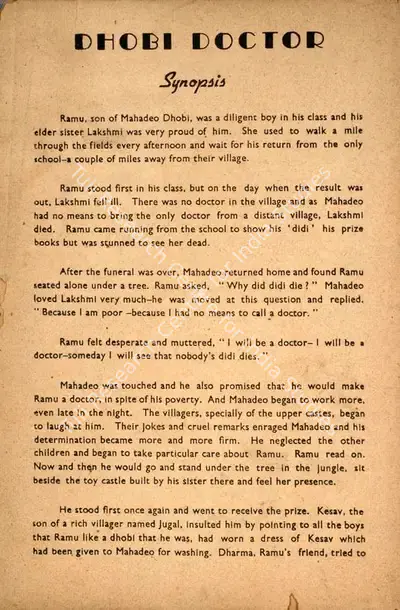
Phani Majumdar (Director), Dhobi Doctor, 1954, Song-Synopsis Booklet
Majumdar, Phani (Director), Dhobi Doctor, 1954 | Song-Synopsis Booklet
View full record
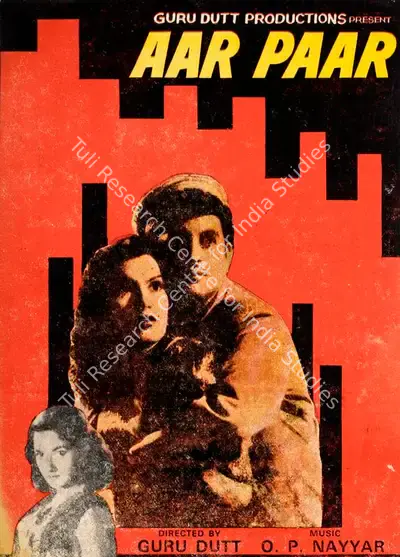
Guru Dutt (Producer), Aar Paar, 1954, Song-Synopsis Booklet
Dutt, Guru (Producer), Aar Paar, 1954 | Song-Synopsis Booklet
View full record
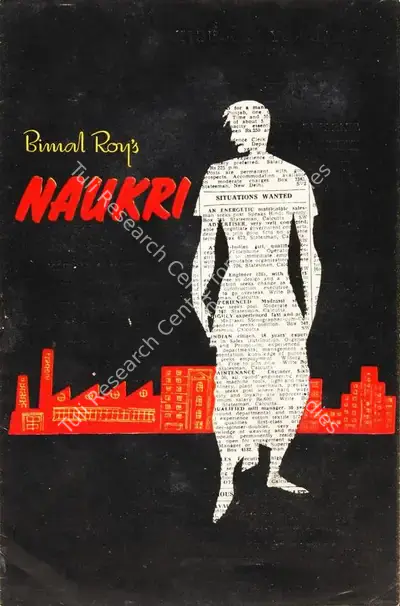
Bimal Roy (Producer), Naukri, 1954, Song-Synopsis Booklet
Roy, Bimal (Producer), Naukri, 1954 | Song-Synopsis Booklet
View full record
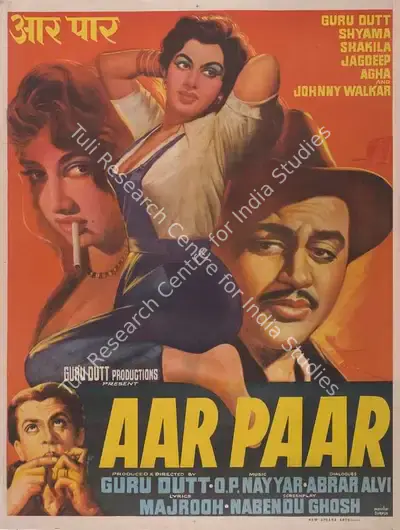
Guru Dutt (Producer), Aar Paar, 1954, Full Sheet Poster
Dutt, Guru (Producer), Aar Paar, 1954 | Full Sheet Poster
View full record
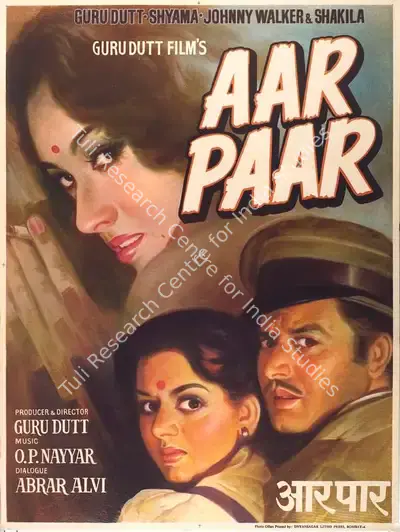
Guru Dutt (Producer), Aar Paar, 1954, Full Sheet Poster
Dutt, Guru (Producer), Aar Paar, 1954 | Full Sheet Poster
View full record
Ramachandra (ii) (Cinematographer), Munna, 1954, Photographic Still
Ramachandra (ii) (Cinematographer), Munna, 1954 | Photographic Still
View full record
Ramachandra (ii) (Cinematographer), Munna, 1954, Photographic Still
Ramachandra (ii) (Cinematographer), Munna, 1954 | Photographic Still
View full record
Ramachandra (ii) (Cinematographer), Munna, 1954, Photographic Still
Ramachandra (ii) (Cinematographer), Munna, 1954 | Photographic Still
View full record
Ramachandra (ii) (Cinematographer), Munna, 1954, Photographic Still
Ramachandra (ii) (Cinematographer), Munna, 1954 | Photographic Still
View full record
Ramachandra (ii) (Cinematographer), Munna, 1954, Photographic Still
Ramachandra (ii) (Cinematographer), Munna, 1954 | Photographic Still
View full record
Ramachandra (ii) (Cinematographer), Munna, 1954, Photographic Still
Ramachandra (ii) (Cinematographer), Munna, 1954 | Photographic Still
View full record
Ramachandra (ii) (Cinematographer), Munna, 1954, Photographic Still
Ramachandra (ii) (Cinematographer), Munna, 1954 | Photographic Still
View full record
Ramachandra (ii) (Cinematographer), Munna, 1954, Photographic Still
Ramachandra (ii) (Cinematographer), Munna, 1954 | Photographic Still
View full record
Ramachandra (ii) (Cinematographer), Munna, 1954, Photographic Still
Ramachandra (ii) (Cinematographer), Munna, 1954 | Photographic Still
View full record
Ramachandra (ii) (Cinematographer), Munna, 1954, Photographic Still
Ramachandra (ii) (Cinematographer), Munna, 1954 | Photographic Still
View full record
Ramachandra (ii) (Cinematographer), Munna, 1954, Photographic Still
Ramachandra (ii) (Cinematographer), Munna, 1954 | Photographic Still
View full record
Phani Majumdar (Director), Dhobi Doctor, 1954, Photographic Still
Majumdar, Phani (Director), Dhobi Doctor, 1954 | Photographic Still
View full record
V.K. Murthy (Cinematographer), Aar Paar, 1954, Photographic Still
Murthy, V.K. (Cinematographer), Aar Paar, 1954 | Photographic Still
View full record
V.K. Murthy (Cinematographer), Aar Paar, 1954, Photographic Still
Murthy, V.K. (Cinematographer), Aar Paar, 1954 | Photographic Still
View full record
V.K. Murthy (Cinematographer), Aar Paar, 1954, Photographic Still
Murthy, V.K. (Cinematographer), Aar Paar, 1954 | Photographic Still
View full record
20 of 1,155
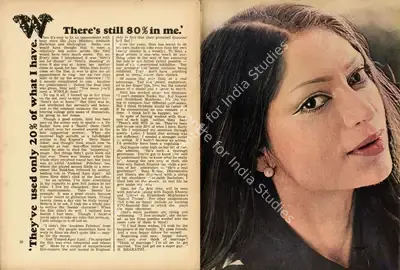
N. Bharathi (Interviewer), They've used only 20% of what I have. There's still 80% in me', 1973, Conversation
Bharathi, N. (Interviewer). They've used only 20% of what I have. There's still 80% in me'. In Sunday. 08 July 1973 | Conversation | 00802278
View full record
Khaas Baat, 1975, Column
Khaas Baat. In Sunday. 3(28). 28 September 1975 | Column | 00802364
View full record
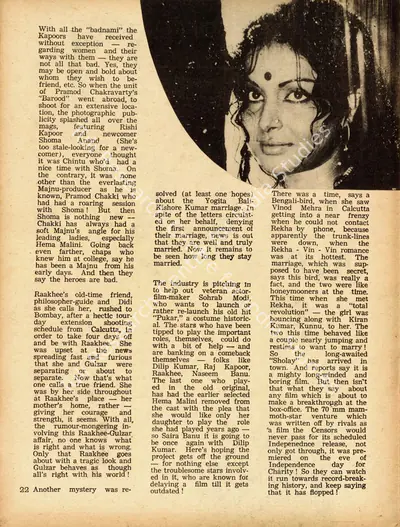
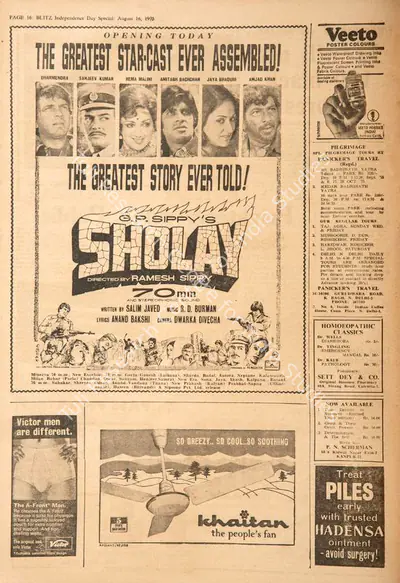
Sholay , 1975, Film Review
Sholay . In Blitz. 16 August 1975 | Film Review | 00143530
View full record
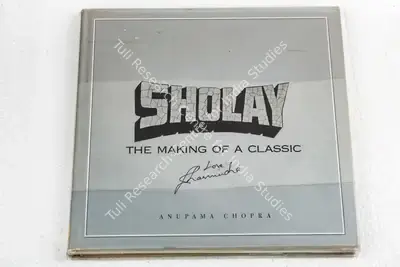
Anupama Chopra (Author), Sholay: The Making of a Classic, 2001, Authored Book
Chopra, Anupama (Author). Sholay: The Making of a Classic | Authored Book | 00760039
View full record
Phani Majumdar (Director), Dhobi Doctor, 1954, Song-Synopsis Booklet
Majumdar, Phani (Director), Dhobi Doctor, 1954 | Song-Synopsis Booklet
View full record
Guru Dutt (Producer), Aar Paar, 1954, Song-Synopsis Booklet
Dutt, Guru (Producer), Aar Paar, 1954 | Song-Synopsis Booklet
View full record
Bimal Roy (Producer), Naukri, 1954, Song-Synopsis Booklet
Roy, Bimal (Producer), Naukri, 1954 | Song-Synopsis Booklet
View full record
Guru Dutt (Producer), Aar Paar, 1954, Full Sheet Poster
Dutt, Guru (Producer), Aar Paar, 1954 | Full Sheet Poster
View full record
Guru Dutt (Producer), Aar Paar, 1954, Full Sheet Poster
Dutt, Guru (Producer), Aar Paar, 1954 | Full Sheet Poster
View full record
Ramachandra (ii) (Cinematographer), Munna, 1954, Photographic Still
Ramachandra (ii) (Cinematographer), Munna, 1954 | Photographic Still
View full record
Ramachandra (ii) (Cinematographer), Munna, 1954, Photographic Still
Ramachandra (ii) (Cinematographer), Munna, 1954 | Photographic Still
View full record
Ramachandra (ii) (Cinematographer), Munna, 1954, Photographic Still
Ramachandra (ii) (Cinematographer), Munna, 1954 | Photographic Still
View full record
Ramachandra (ii) (Cinematographer), Munna, 1954, Photographic Still
Ramachandra (ii) (Cinematographer), Munna, 1954 | Photographic Still
View full record
Ramachandra (ii) (Cinematographer), Munna, 1954, Photographic Still
Ramachandra (ii) (Cinematographer), Munna, 1954 | Photographic Still
View full record
Ramachandra (ii) (Cinematographer), Munna, 1954, Photographic Still
Ramachandra (ii) (Cinematographer), Munna, 1954 | Photographic Still
View full record
Ramachandra (ii) (Cinematographer), Munna, 1954, Photographic Still
Ramachandra (ii) (Cinematographer), Munna, 1954 | Photographic Still
View full record
Ramachandra (ii) (Cinematographer), Munna, 1954, Photographic Still
Ramachandra (ii) (Cinematographer), Munna, 1954 | Photographic Still
View full record
Ramachandra (ii) (Cinematographer), Munna, 1954, Photographic Still
Ramachandra (ii) (Cinematographer), Munna, 1954 | Photographic Still
View full record
Ramachandra (ii) (Cinematographer), Munna, 1954, Photographic Still
Ramachandra (ii) (Cinematographer), Munna, 1954 | Photographic Still
View full record
Ramachandra (ii) (Cinematographer), Munna, 1954, Photographic Still
Ramachandra (ii) (Cinematographer), Munna, 1954 | Photographic Still
View full record
Phani Majumdar (Director), Dhobi Doctor, 1954, Photographic Still
Majumdar, Phani (Director), Dhobi Doctor, 1954 | Photographic Still
View full record
V.K. Murthy (Cinematographer), Aar Paar, 1954, Photographic Still
Murthy, V.K. (Cinematographer), Aar Paar, 1954 | Photographic Still
View full record
V.K. Murthy (Cinematographer), Aar Paar, 1954, Photographic Still
Murthy, V.K. (Cinematographer), Aar Paar, 1954 | Photographic Still
View full record
V.K. Murthy (Cinematographer), Aar Paar, 1954, Photographic Still
Murthy, V.K. (Cinematographer), Aar Paar, 1954 | Photographic Still
View full record
20 of 1,145
Tuli Research Centre for India Studies (Editor). Music in the Films of Guru Dutt: Dreams, Desire, and Disillusionment, 31 August 2026 | In-house Video, 2026 · 1 Hour 15 min · Long-form Video
▶
Tuli Research Centre for India Studies (Editor). Music in the Films of Guru Dutt: Dreams, Desire, and Disillusionment, 31 August 2026 | In-house Video
2026 · 1 Hour 15 min · Long-form Video
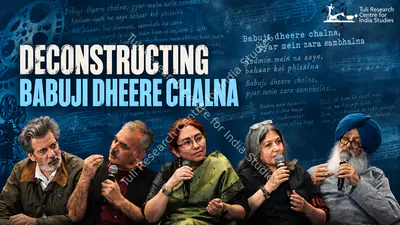
Tuli Research Centre for India Studies (Editor). "Babuji Dheere Chalna" - More Than Just a Club Song, 31 August 2026 | In-house Video, 2026 · 14 min 52 sec · Long-form Video
▶
Tuli Research Centre for India Studies (Editor). "Babuji Dheere Chalna" - More Than Just a Club Song, 31 August 2026 | In-house Video
2026 · 14 min 52 sec · Long-form Video
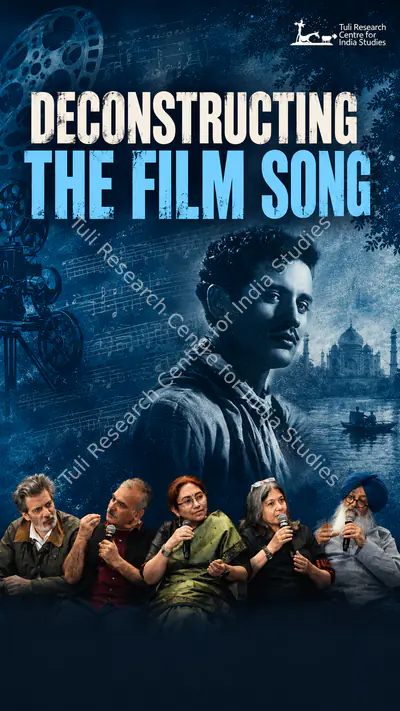
Tuli Research Centre for India Studies (Editor). "Babuji Dheere Chalna" - A Song of Playful Defiance, 31 August 2026 | In-house Video, 2026 · 1 min 02 sec · Vertical Video
▶
Tuli Research Centre for India Studies (Editor). "Babuji Dheere Chalna" - A Song of Playful Defiance, 31 August 2026 | In-house Video
2026 · 1 min 02 sec · Vertical Video
Tuli Research Centre for India Studies (Editor). Poetry, Music and Melancholy in Guru Dutt’s Film Songs, 31 August 2026 | In-house Video, 2026 · 1 min 07 sec · Vertical Video
▶
Tuli Research Centre for India Studies (Editor). Poetry, Music and Melancholy in Guru Dutt’s Film Songs, 31 August 2026 | In-house Video
2026 · 1 min 07 sec · Vertical Video
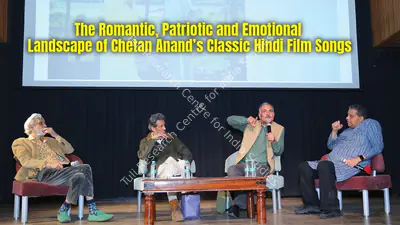
Tuli Research Centre for India Studies (Editor). The Romantic, Patriotic and Emotional Landscape of Chetan Anand’s Classic Hindi Film Songs, 21 July 2026 | In-house Video, 2026 · 1 hour 6 min · Long-form Video
▶
Tuli Research Centre for India Studies (Editor). The Romantic, Patriotic and Emotional Landscape of Chetan Anand’s Classic Hindi Film Songs, 21 July 2026 | In-house Video
2026 · 1 hour 6 min · Long-form Video
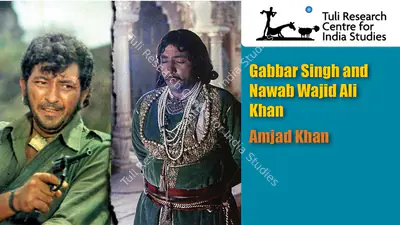
Tuli Research Centre for India Studies (Editor). Gabbar Singh and Nawab Wajid Ali Khan: Amjad Khan, 17 March 2025 | In-house Video, 2025 ·  1 min 21 sec · Short
▶
Tuli Research Centre for India Studies (Editor). Gabbar Singh and Nawab Wajid Ali Khan: Amjad Khan, 17 March 2025 | In-house Video
2025 · 1 min 21 sec · Short
Bimal Roy (Producer), Naukri, 1954, Song-Synopsis Booklet
Roy, Bimal (Producer), Naukri, 1954 | Song-Synopsis Booklet
View full record
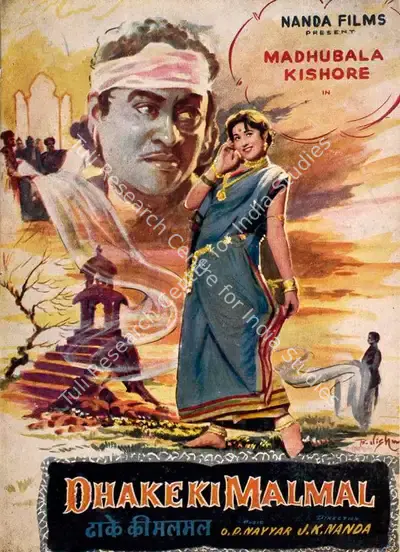
J.K. Nanda (Producer), Dhake Ki Malmal, 1956, Song-Synopsis Booklet
Nanda, J.K. (Producer), Dhake Ki Malmal, 1956 | Song-Synopsis Booklet
View full record
Sadashiv J. Row Kavi (Producer), Hum Panchhi Ek Dal Ke, 1957, Song-Synopsis Booklet
Kavi, Sadashiv J. Row (Producer), Hum Panchhi Ek Dal Ke, 1957 | Song-Synopsis Booklet
View full record
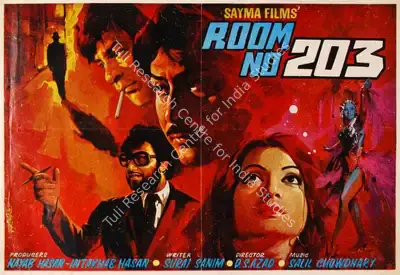
Intakab Hasan (Producer), Room No 203, 1980, Song-Synopsis Booklet
Hasan, Intakab (Producer), Room No 203, 1980 | Song-Synopsis Booklet
View full record
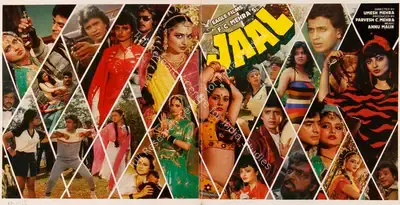
Parvesh Mehra (Producer), Jaal, 1986, Song-Synopsis Booklet
Mehra, Parvesh (Producer), Jaal, 1986 | Song-Synopsis Booklet
View full record
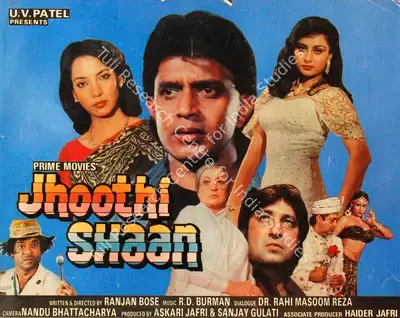
Sanjay Gulati (Producer), Jhoothi Shaan, 1992, Song-Synopsis Booklet
Gulati, Sanjay (Producer), Jhoothi Shaan, 1992 | Song-Synopsis Booklet
View full record
Tuli Research Centre for India Studies

Tuli Research Centre

for India Studies

A free and open knowledge base for the modern and contemporary Indian arts, cinema, photography and cultural heritage.

Support

Contact Us

Discover

Tuli Research Centre for India StudiesVisionManifestoArchive & LibraryVanraja Sanctuary & Hospice

Legal

Privacy PolicyTerms & Conditions

Follow us

Youtube

Youtube

Instagram

Instagram

Facebook

Facebook

© Tuli Research Centre for India Studies 2026

Tuli Research Centre for India Studies

Tuli Research Centre

for India Studies

A free and open knowledge base for the modern and contemporary Indian arts, cinema, photography and cultural heritage.

Tuli Research Centre for India StudiesVisionManifestoArchive & LibraryVanraja Sanctuary & Hospice
Contact Us
Privacy PolicyTerms & Conditions

Follow us

YoutubeInstagramFacebook

© Tuli Research Centre for India Studies 2026

              Tuli Research Centre for India Studies (Editor). Poetry, Music and Melancholy in Guru Dutt’s Film Songs, 31 August 2026 | In-house Video | CinemaEducation | 00891663
              1 min 07 sec · Vertical Video

              Poetry, Music and Melancholy in Guru Dutt’s Film Songs

              Tuli Research Centre for India Studies (Editor)

              Document TypeIn-house Video
              Date31 August 2026
              Duration1 min 07 sec
              FormatVertical Video
              Description
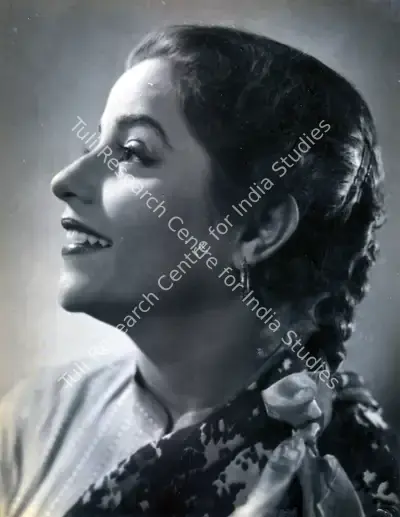
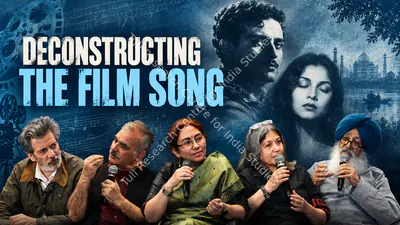
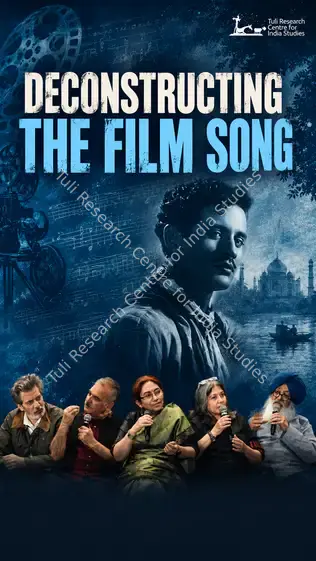
              Guru Dutt remains one of the most enigmatic figues in Indian cinema. Here, his cinema is explored through four of his most enduring songs: "Babuji Dheere Chalna" (Aar Paar, 1954), "Jinhe Naaz Hai Hind Par"" (Pyaasa, 1957), "Yeh Duniya Agar Mil Bhi Jaye" (Pyaasa, 1957), and "Waqt Ne Kiya Kya Haseen Sitam" (Kaagaz Ke Phool, 1959). While discussing "Jinhe Naaz Hai Hind Par", Writer and Cinephile Juhi Saklani juxtaposes the grandeur of the Indian national anthem and its celebratory descriptions of the nation's landscapes with the grim reality that Sahir Ludhianvi's lyrics lay bare: "Ye kooche ye neelam-ghar dilkashi ke... ye sadiyon se bekhaab, sehmi si galiyan" (These lanes and markets where beauty is auctioned...These dreamless alleys, gripped by centuries of fear). Where the anthem sees glory, the song sees streets centuries-old in their exhaustion, and people living at the margins of the very nation being celebrated. Ravikant, Professor, Centre for the Study of Developing Societies (CSDS), adds that Sahir Ludhianvi's pen is posing a direct and piercing question to the powers that be, holding a newly independent government accountable to the promises it made to its most vulnerable citizens. Reflecting on ""Waqt Ne Kiya Kya Haseen Sitam,"" Composer-Writer, Madan Gopal Singh observes that it is perhaps the only song in Indian cinema where the process of making the song itself becomes part of what we see on screen. Turning to "Yeh Duniya Agar Mil Bhi Jaye," Writer Antara Mondal interprets the line "Ye mahalon, ye takhton, ye taajon ki duniya" (This world of palaces, thrones, and crowns) as an allusion to British rule, suggesting that Guru Dutt saw colonial hierarchies continuing to shape post-Independence India. On "Babuji Dheere Chalna," she argues that the song offers a remarkably nuanced portrait of a woman living on the fringes of society. In a single sequence, the song reveals how such women are often looked at, desired, and judged, yet rarely understood on their own terms. This segment is part of the workshop series "A Musical Glue for Nation-Building: Deconstructing the Film Song," featuring Madan Gopal Singh, Ravikant, Antara Nanda Mondal, Juhi Saklani, and Neville Tuli, presented by the Tuli Research Centre for India Studiesv(T.R.I.S.) at the 7th Self-Discovery via Rediscovering India Festival.

              Related Links23

              Masterlist22
              Guru DuttDigital in House VideosSahir LudhianviKaifi AzmiSachin Dev BurmanGeeta DuttMajrooh SultanpuriV K MurthyWaheeda RehmanDeconstructing the Film Song 2026Neville TuliShyamaJohnny WalkerJagdeepO P NayyarRaj KhoslaShamshad BegumMohammad RafiMala SinhaMehmoodSulochanaAsha Bhosle
              Research Categories
              01Cinema as a Critical Educational Resource