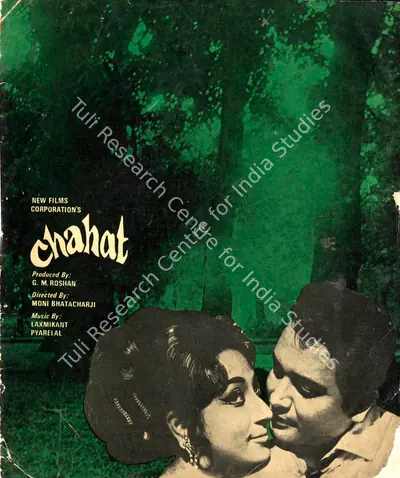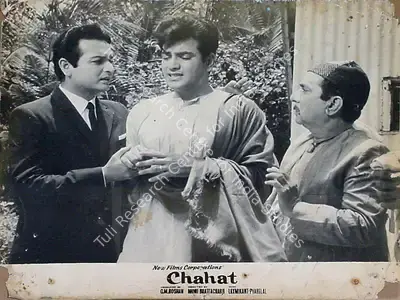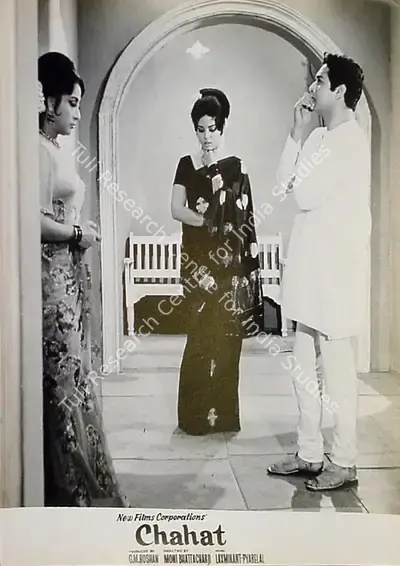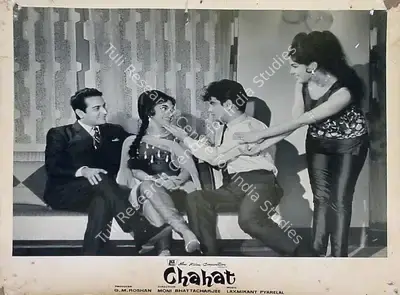
Biswajeet
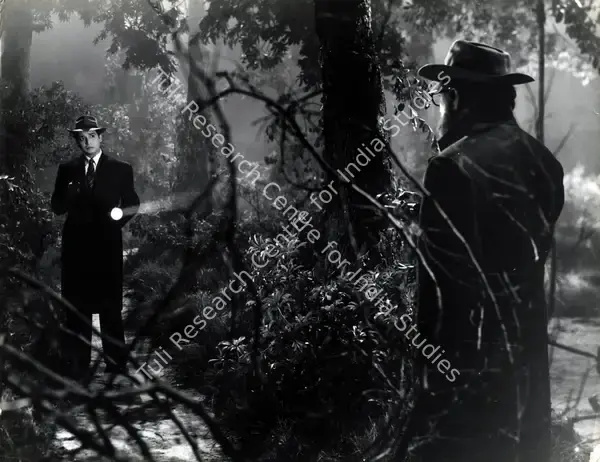
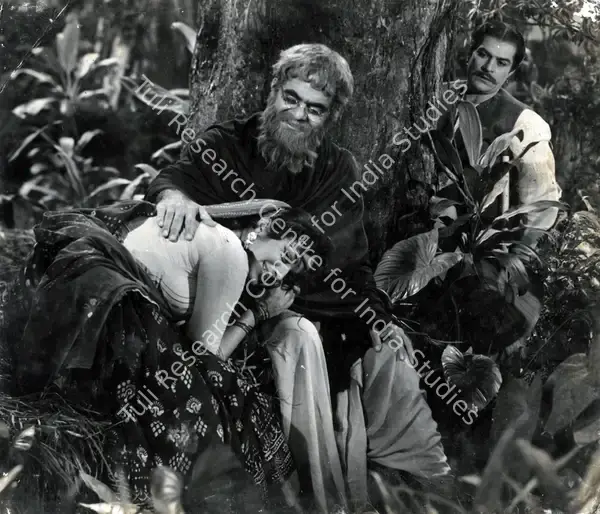
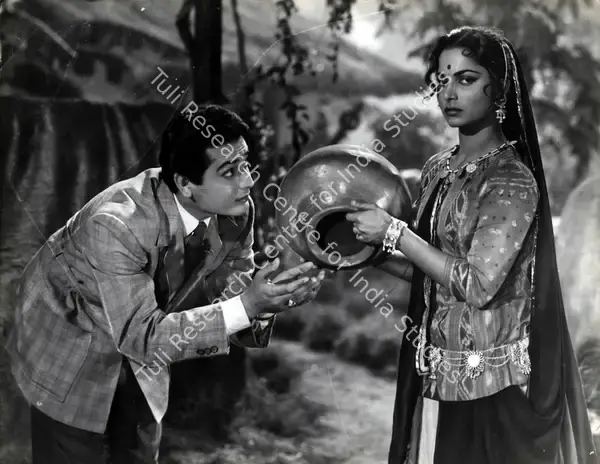
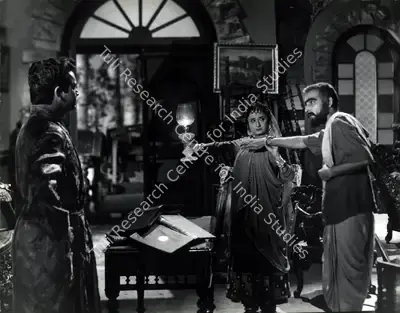
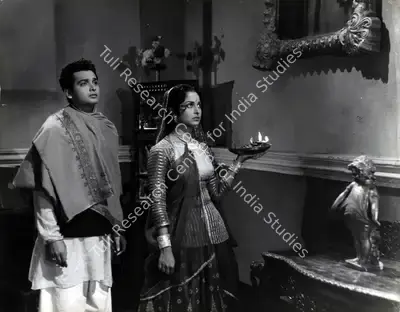
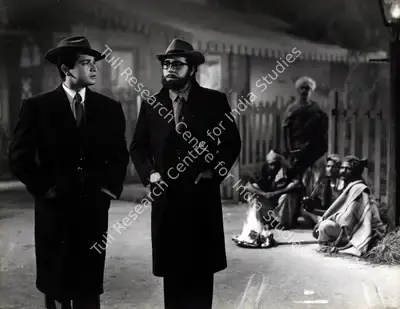
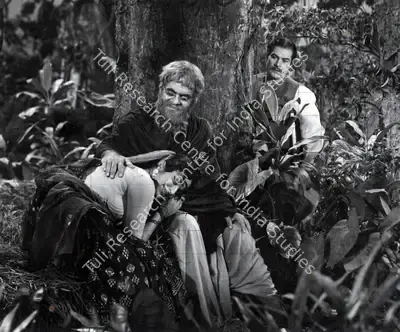
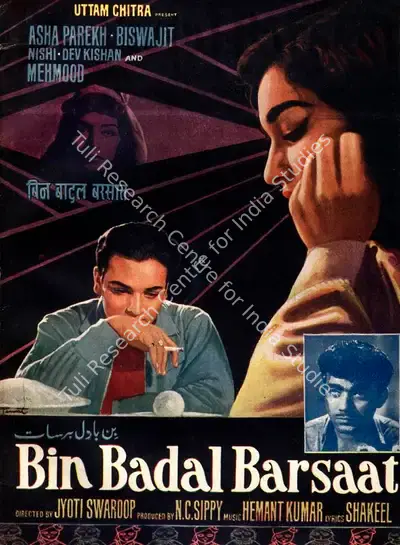
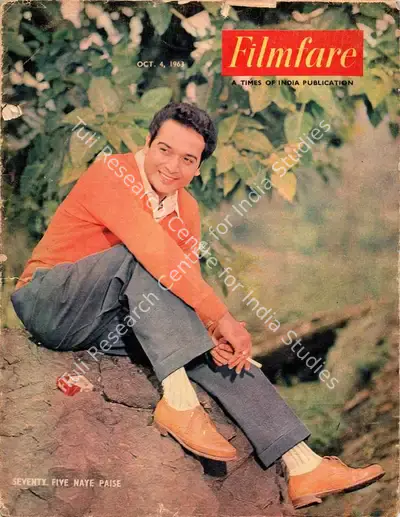
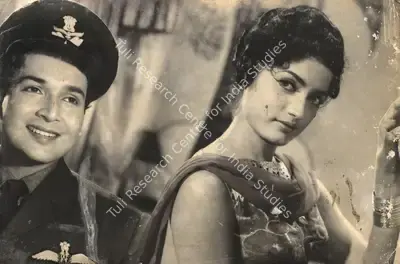
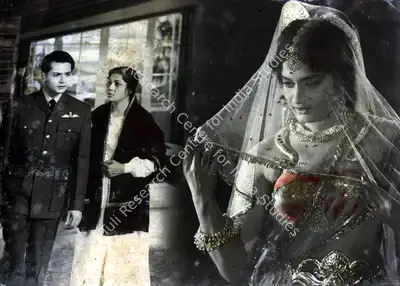
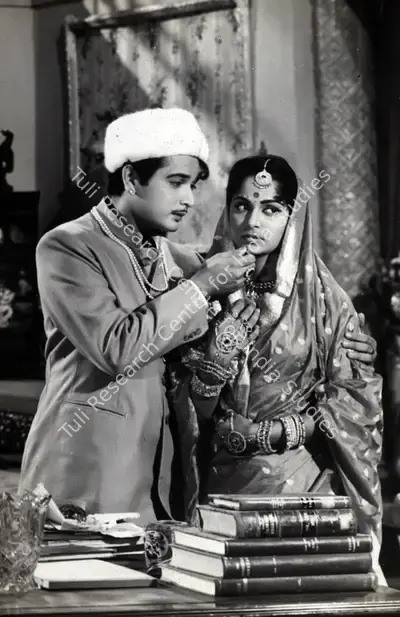
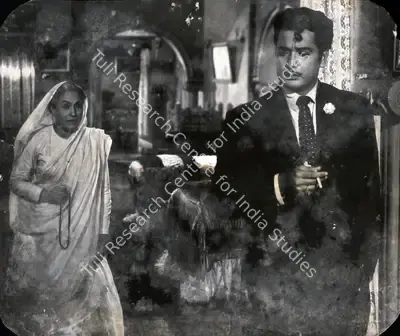
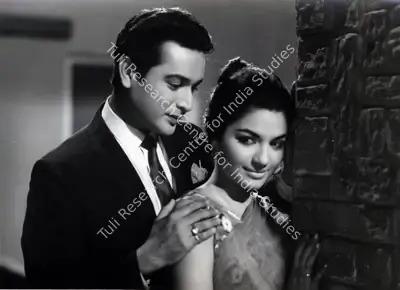
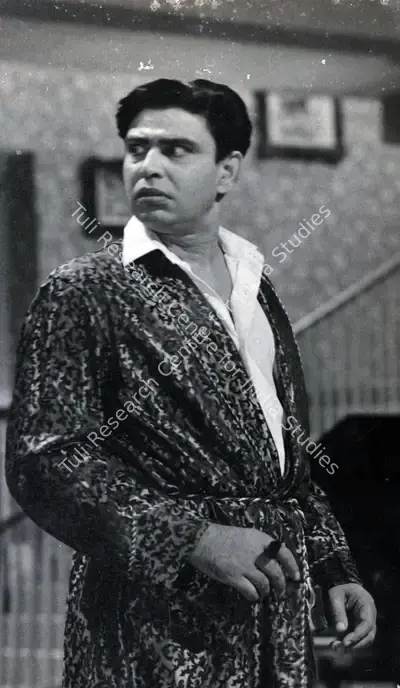
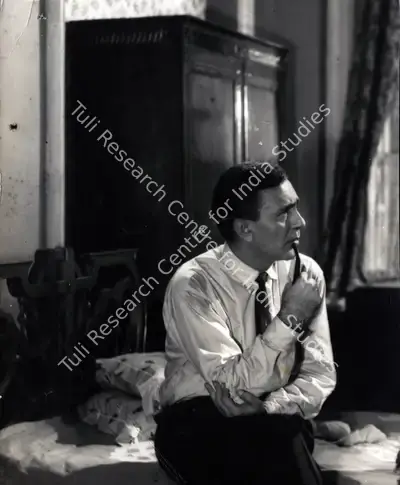
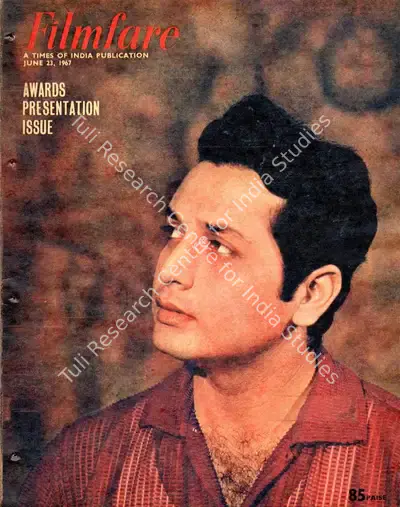
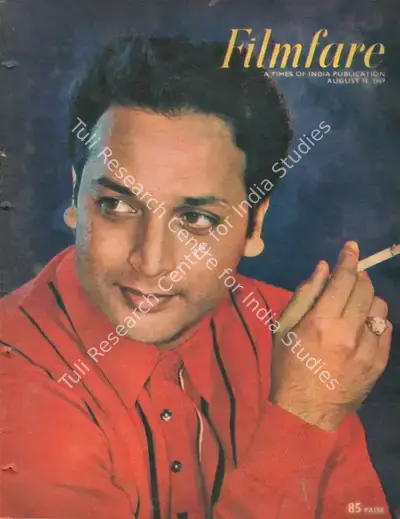
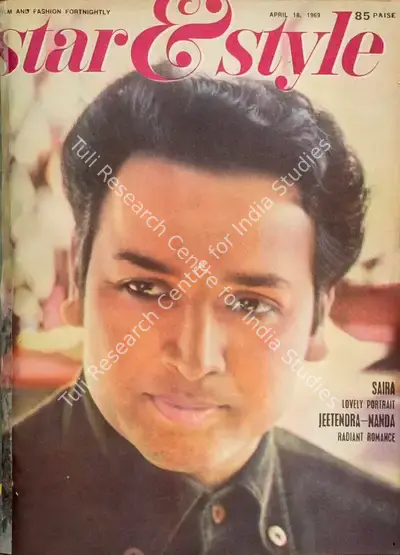
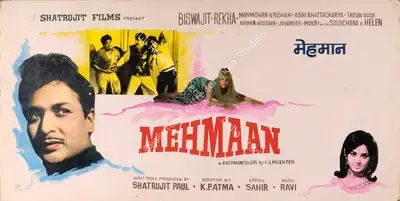
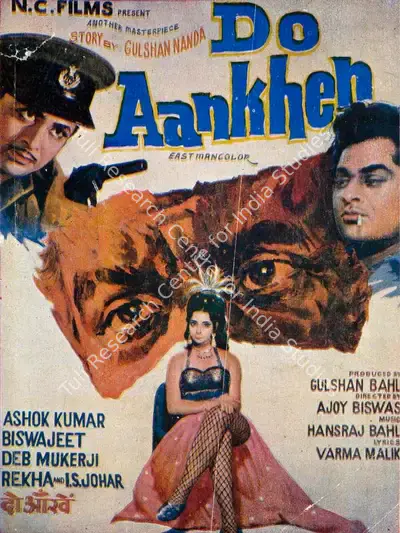
Biswajeet Chatterjee (born 14 December 1936) Popularly known as Biswajeet or Biswajit, he is a veteran Indian actor, producer, director, singer, and politician associated with both Bengali and Hindi cinema. Widely recognised for his romantic screen persona and suave performances during the 1960s and 1970s, he remains one of the few actors to achieve enduring popularity across two major Indian film industries.
Born in Kolkata into an upper middle-class Bengali family, Biswajeet was raised under the strict supervision of his father, an Indian Army officer and disciplinarian, following the early death of his mother. Owing to his father's frequent military postings, he spent his formative years in different parts of India. His father hoped that he would pursue a conventional career through military schooling in Dehradun, but Biswajeet showed an early inclination towards theatre and acting. Rejecting the prospect of a regimented military life, he joined local theatre groups and decided to pursue a career in cinema rather than higher education.
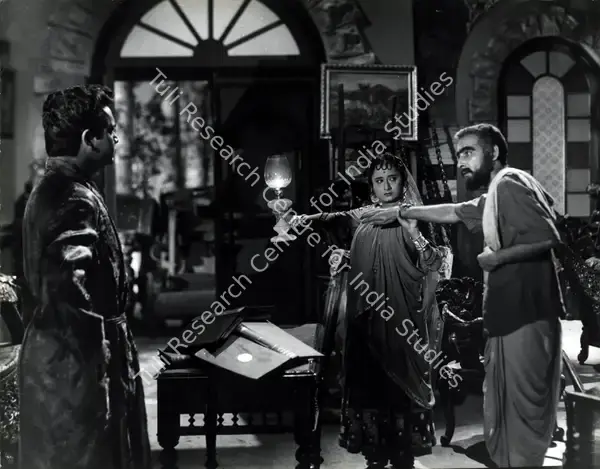
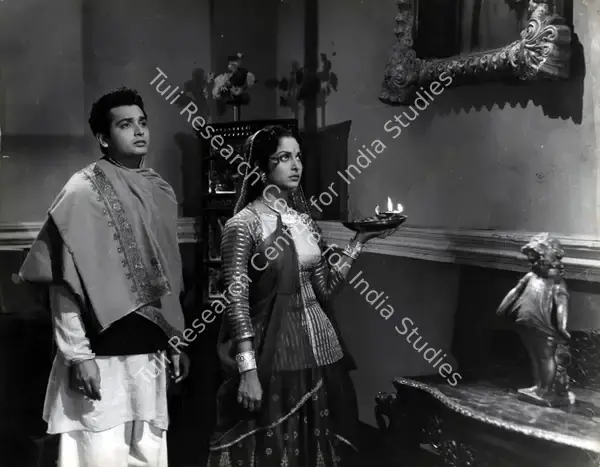
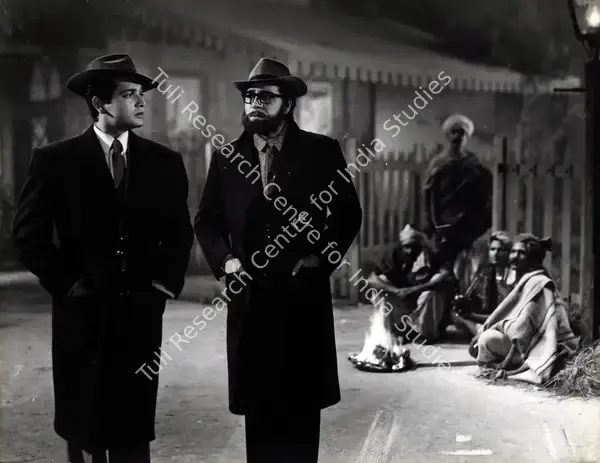
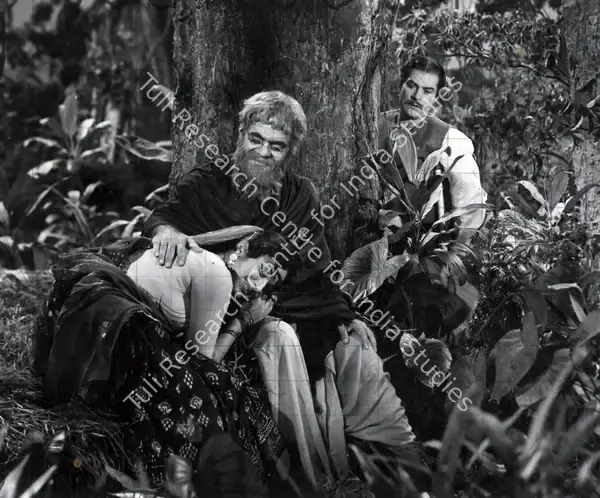
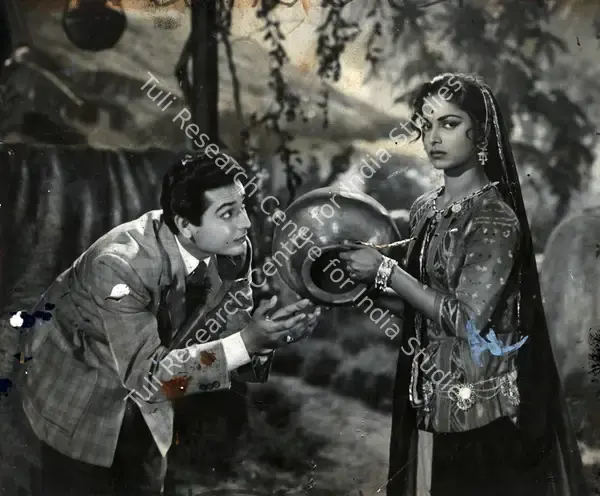
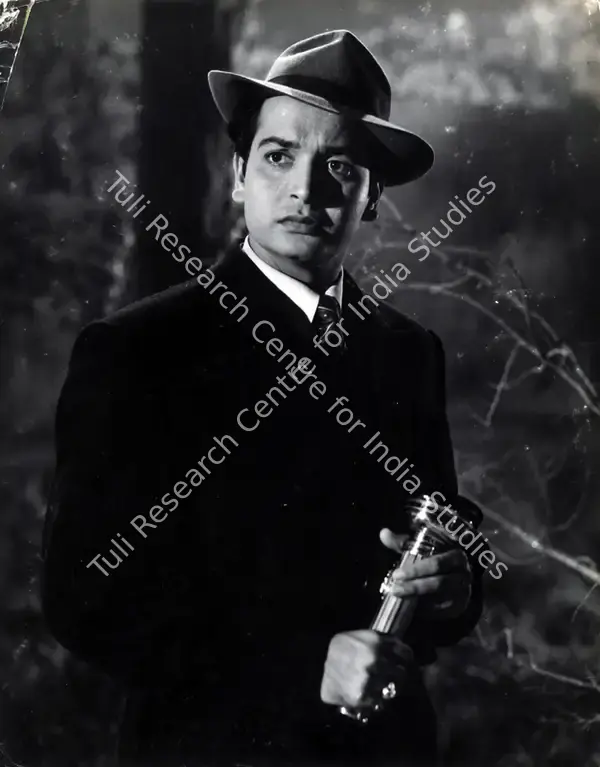
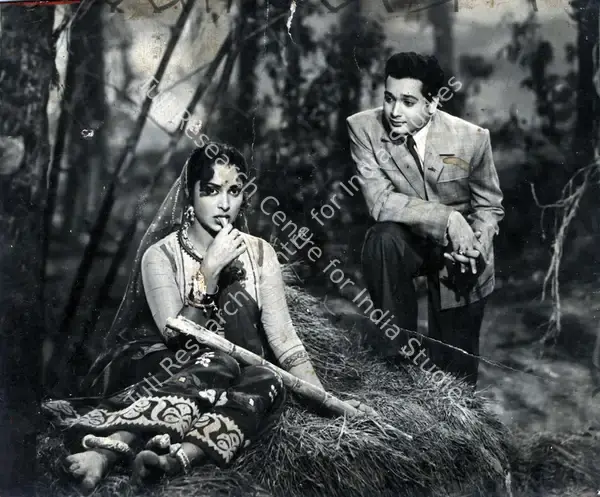
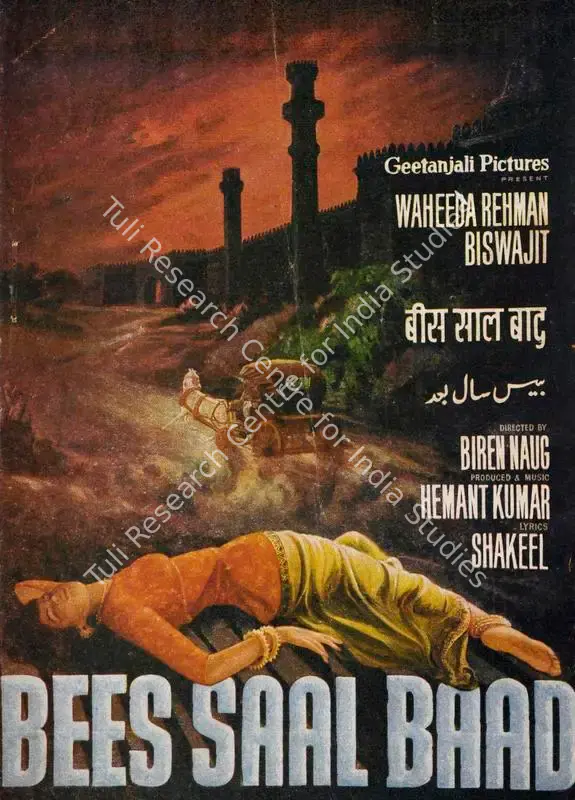
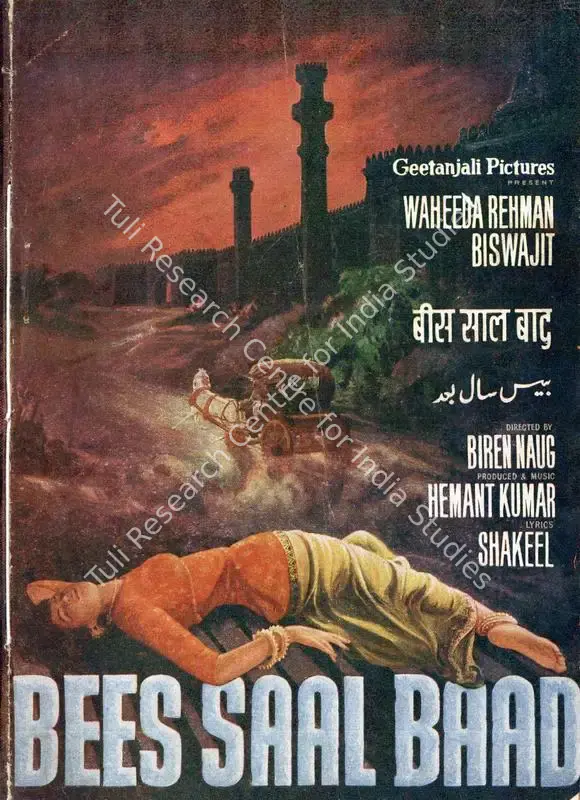
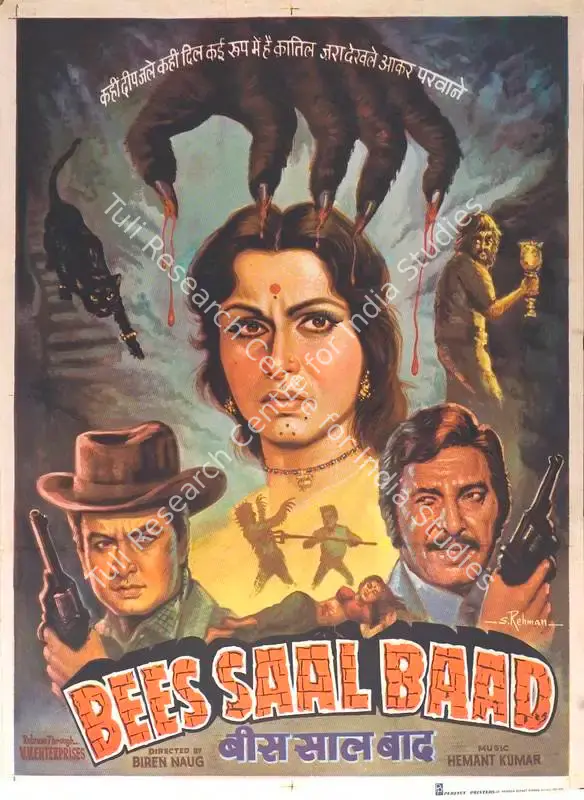
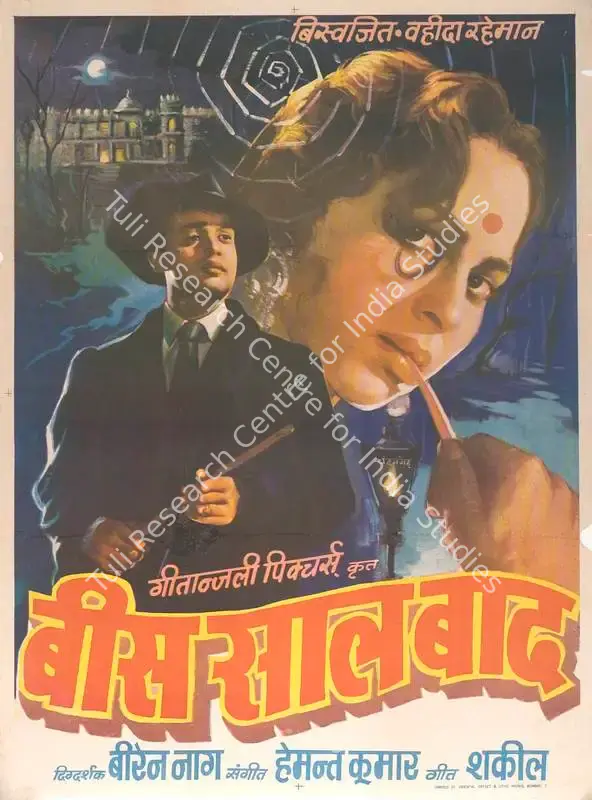
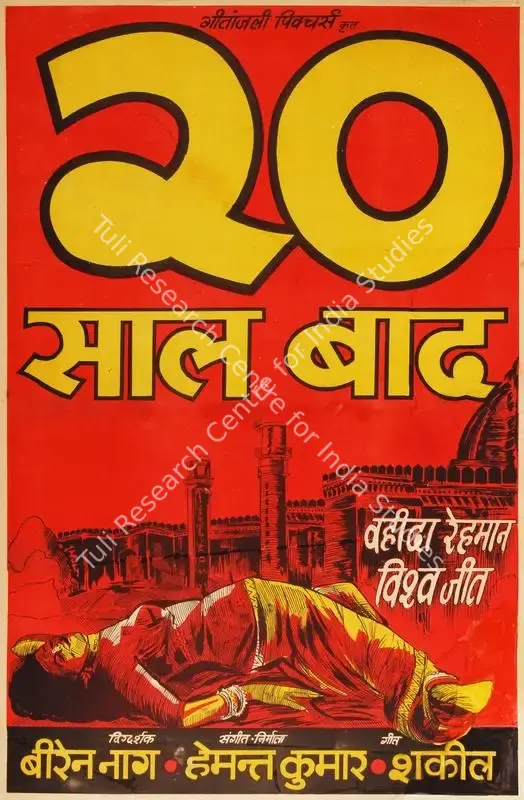
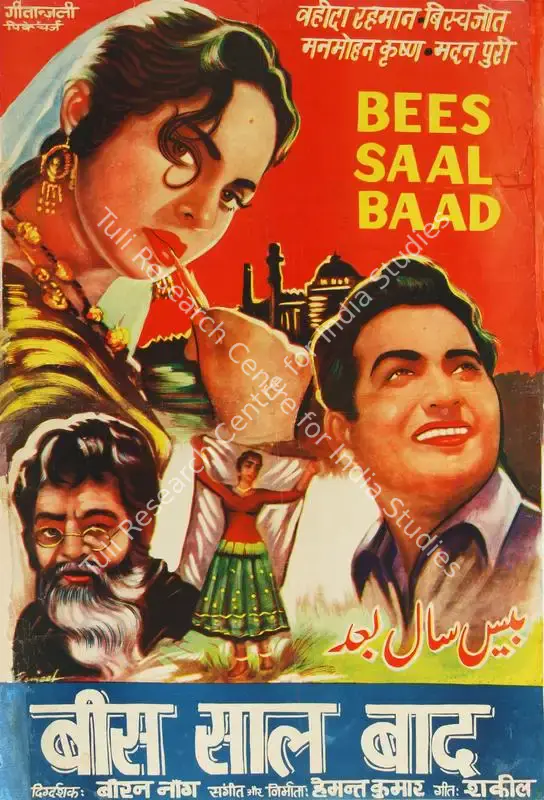
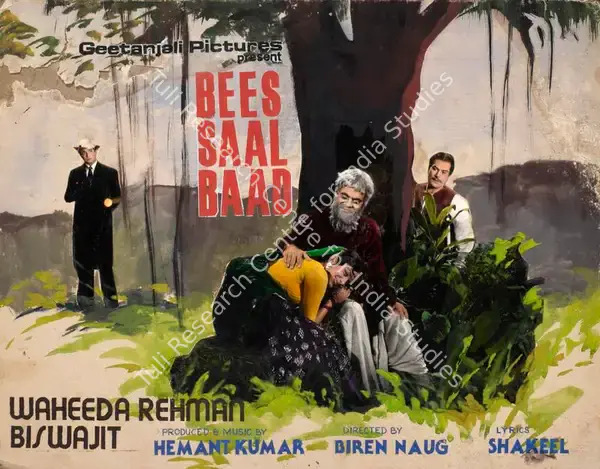
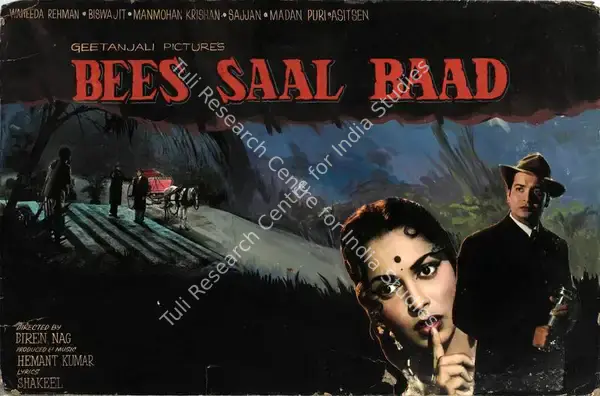
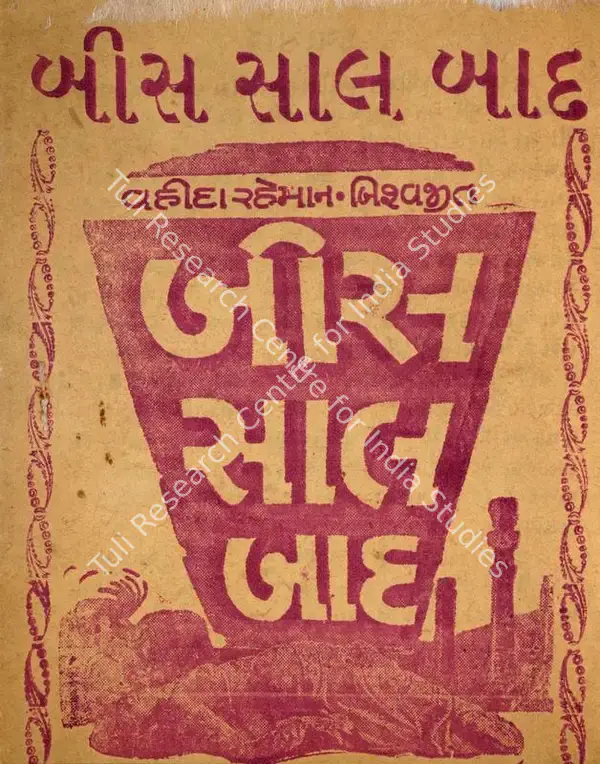
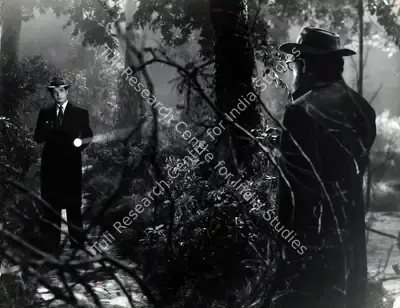
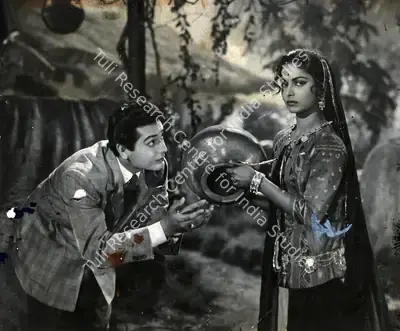
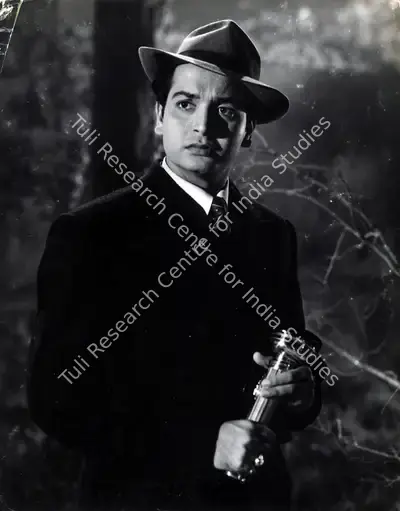
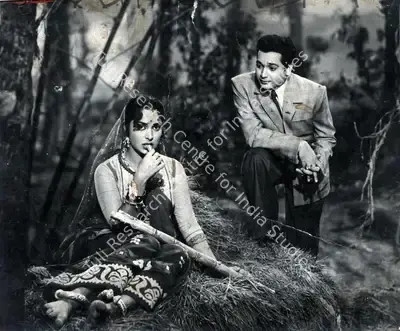
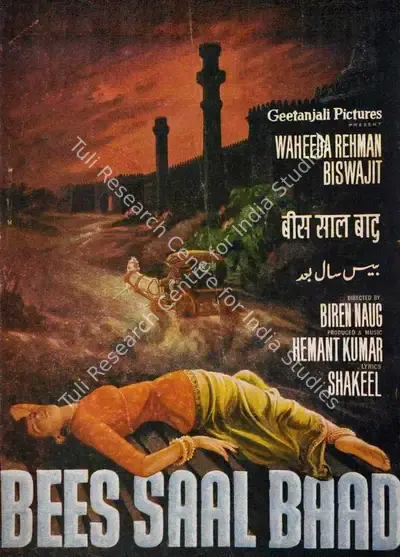
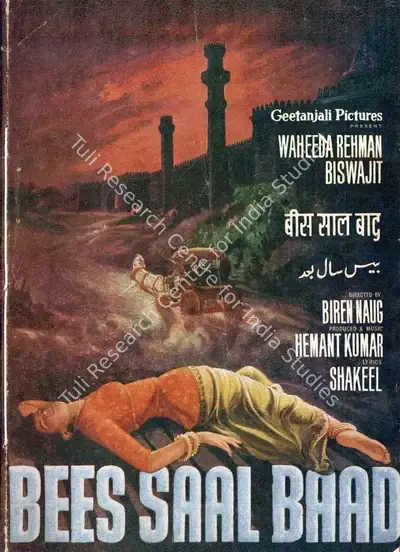
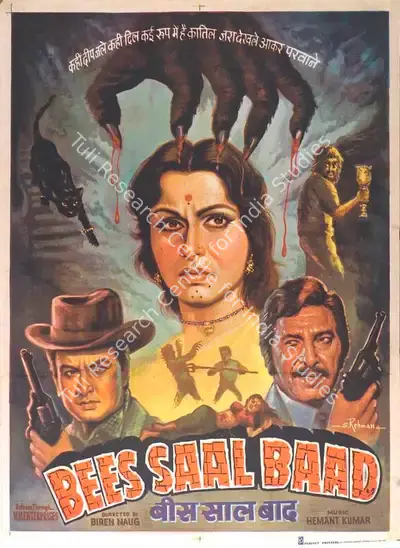
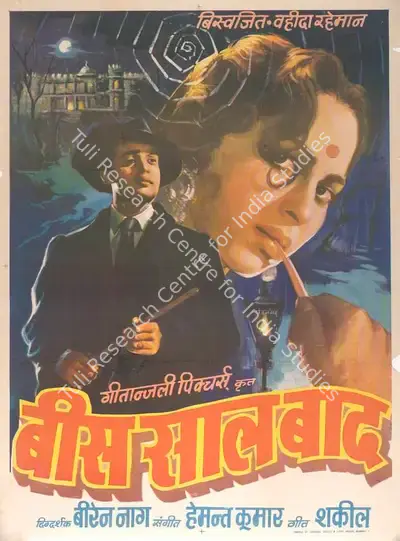
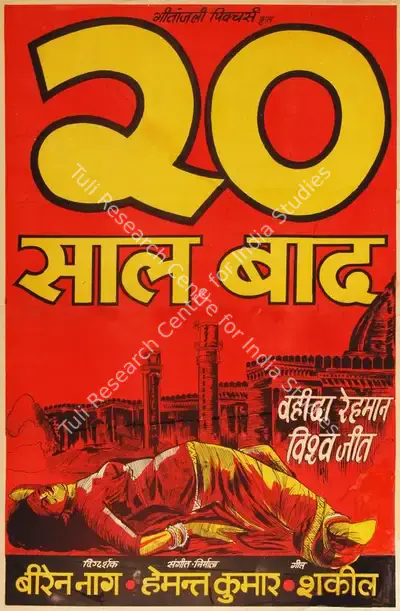
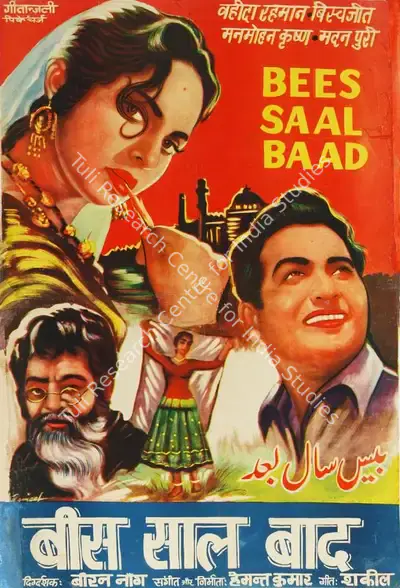
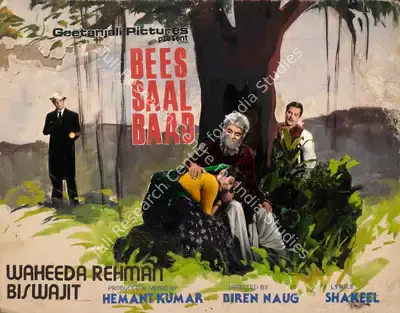
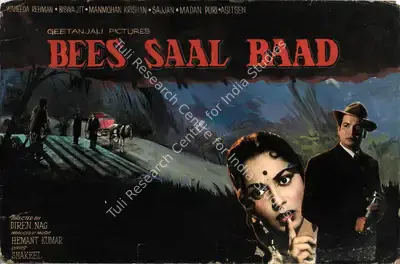
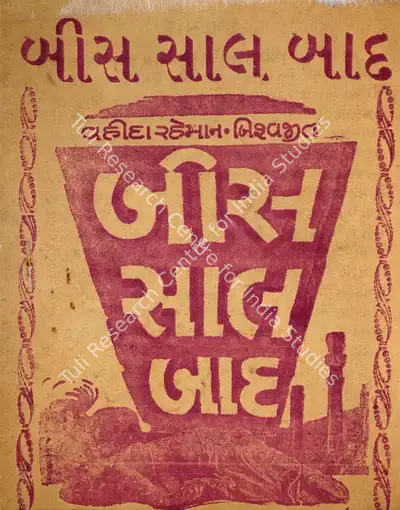
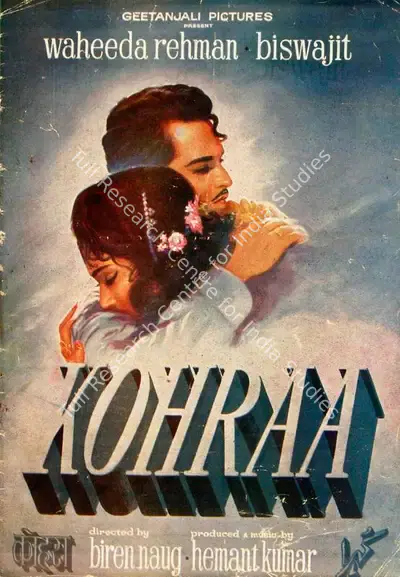
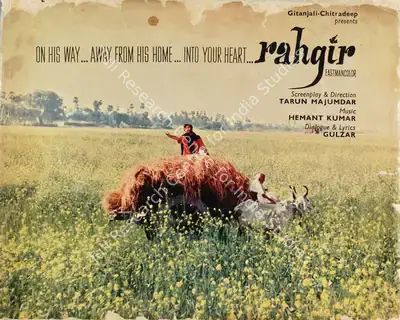
Biswajeet began his acting career in Bengali cinema with Mayamrigo (1960) and Dui Bhai (1961), both featuring the legendary Uttam Kumar and achieving considerable commercial success. Encouraged by this recognition, he moved to Bombay and made a sensational Hindi film debut with Bees Saal Baad (1962), a suspense thriller produced by Hemant Kumar. The role had reportedly first been offered to Uttam Kumar, who declined it. The success of the film established Biswajeet as a leading star in Hindi cinema.
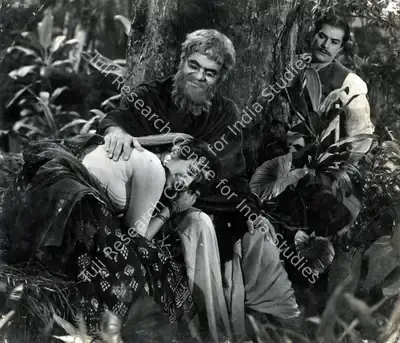
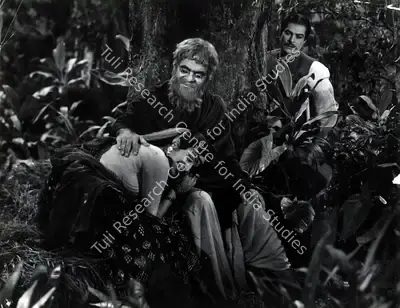
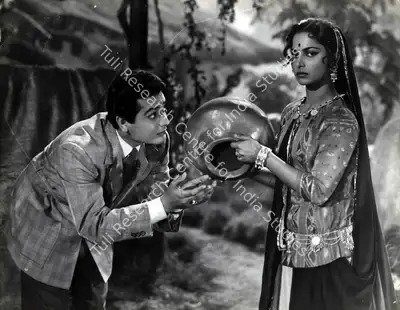
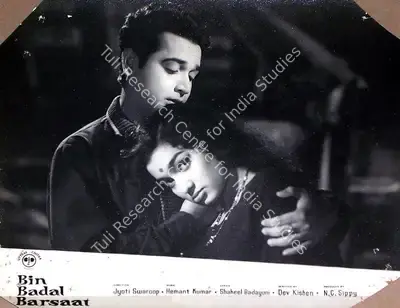
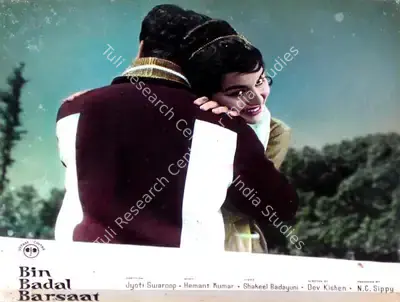
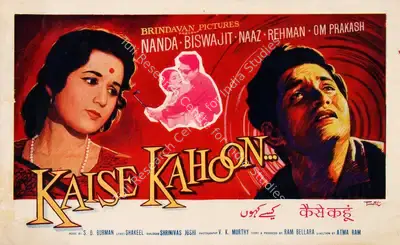
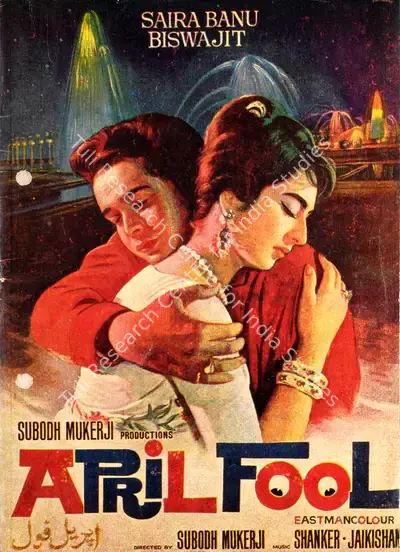
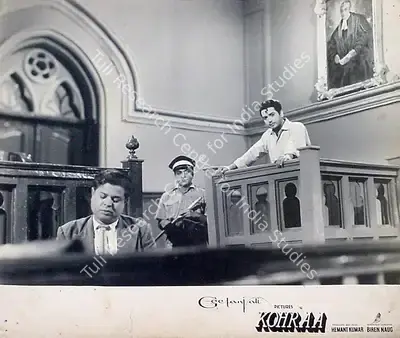
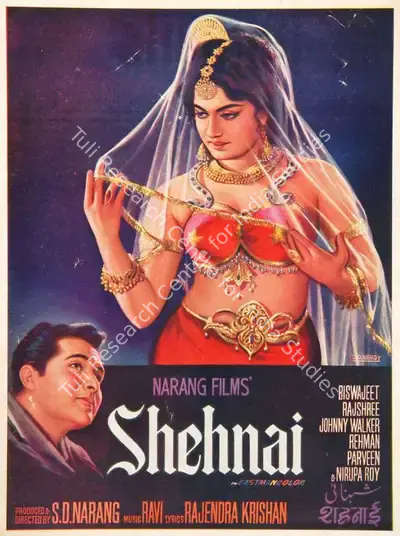
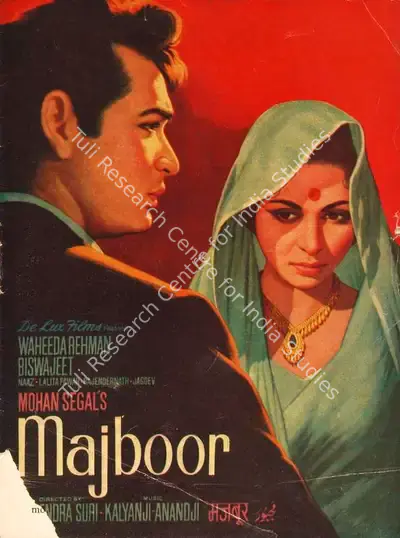
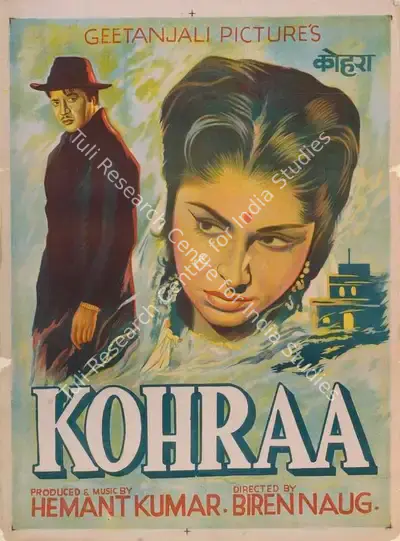
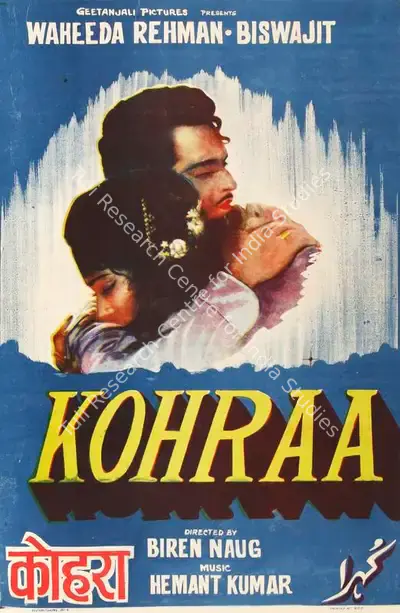
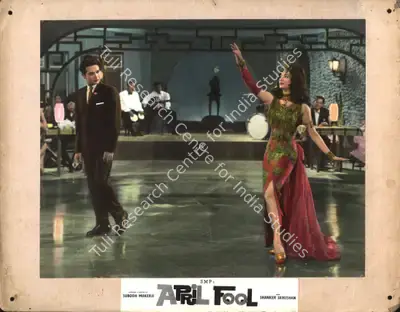
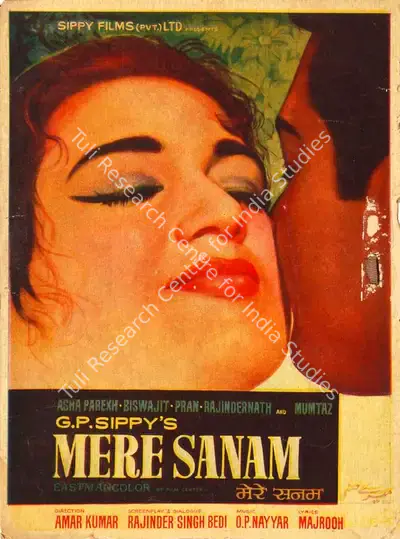
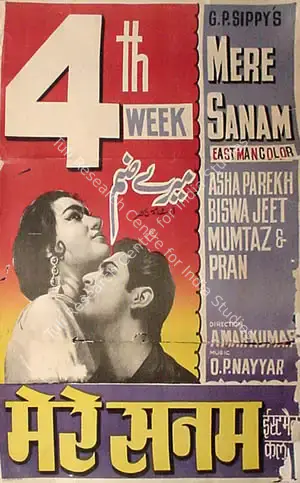
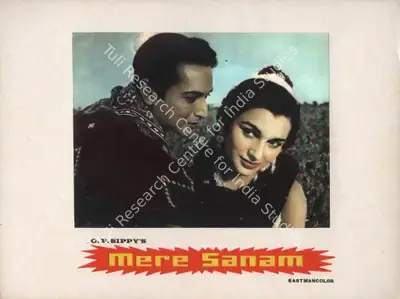
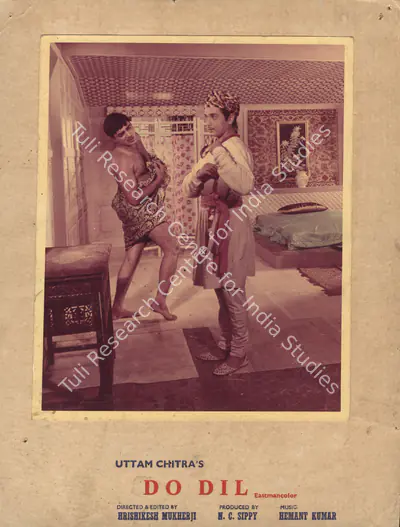
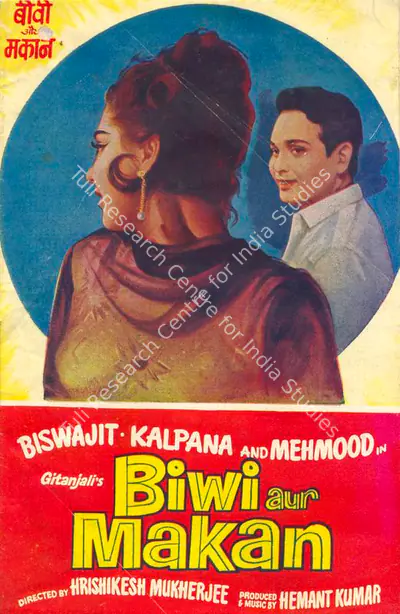
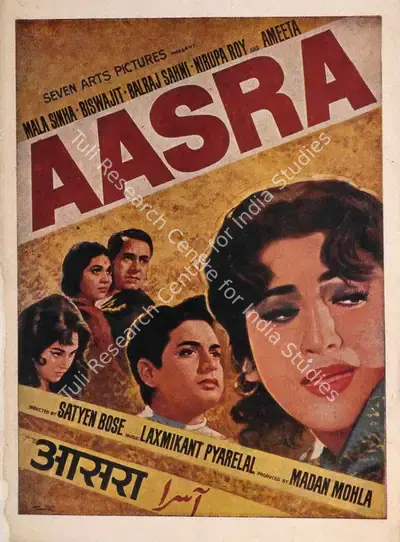
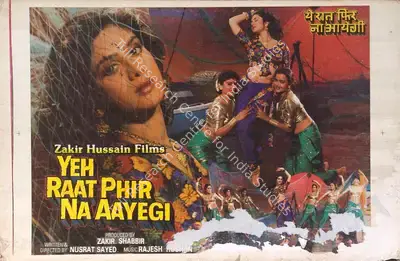
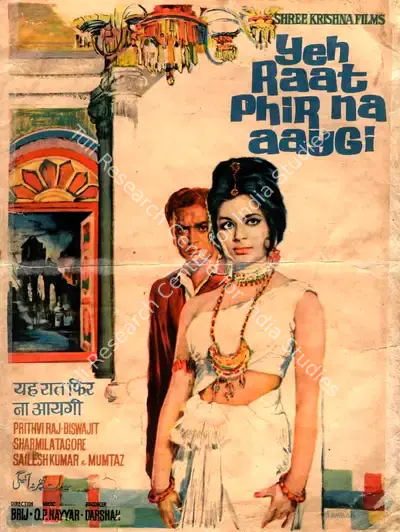
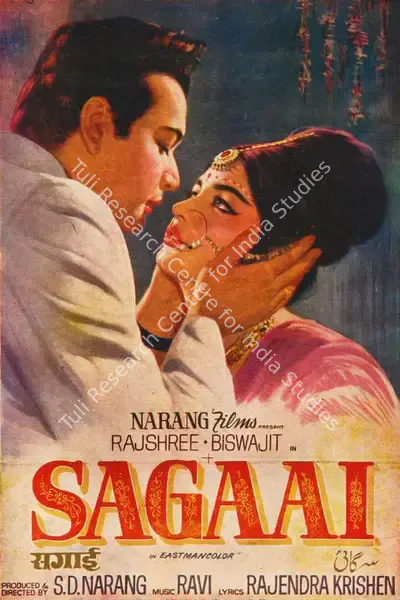
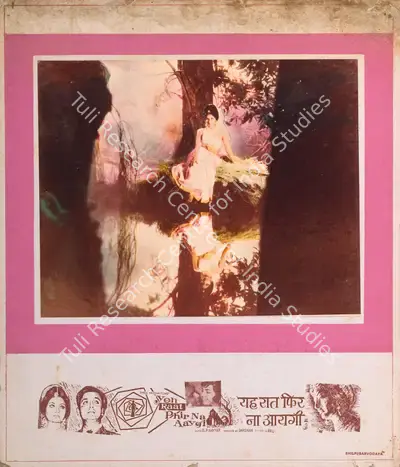
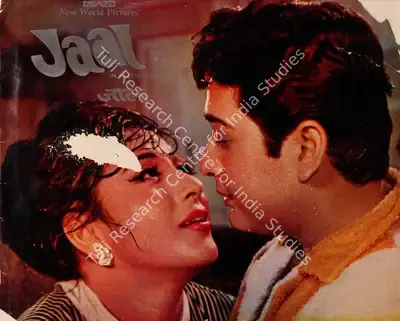
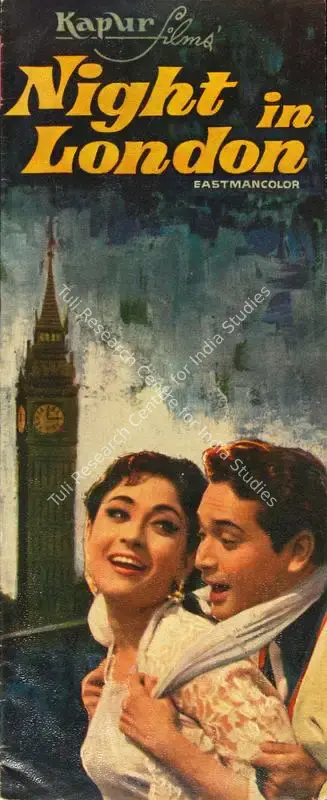
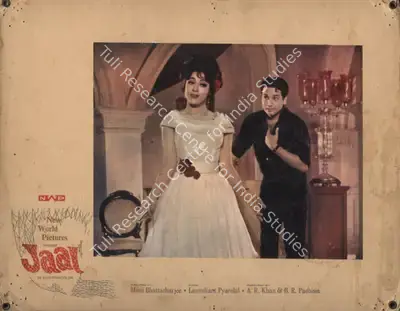
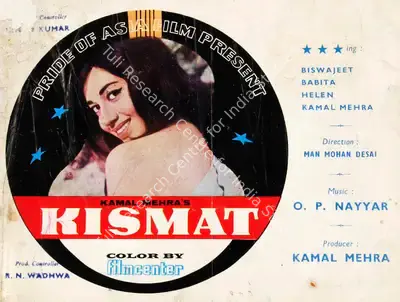
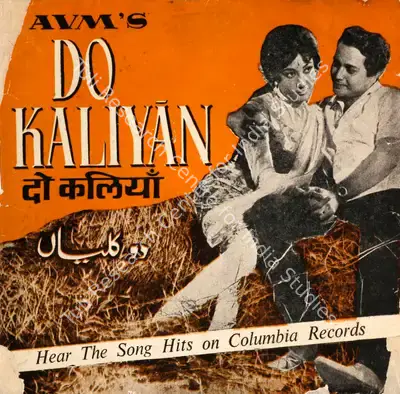
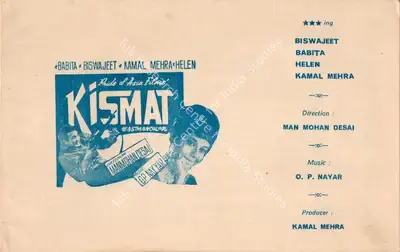
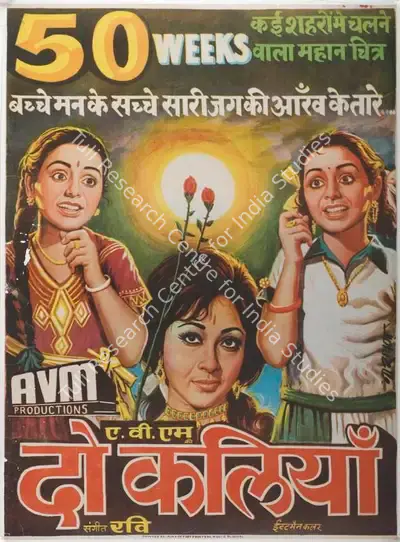
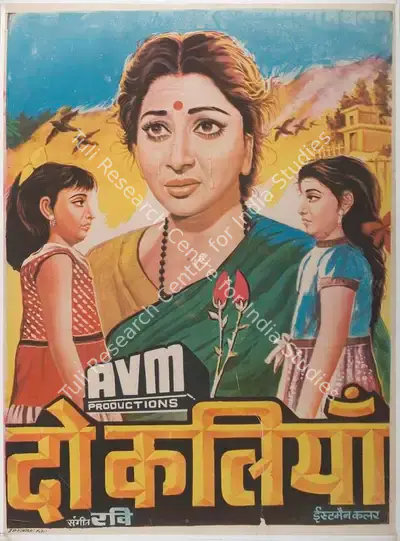
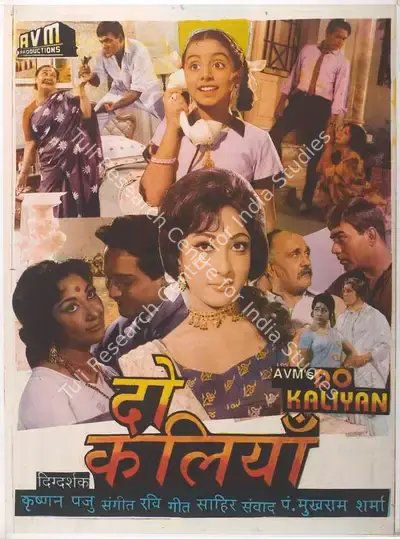
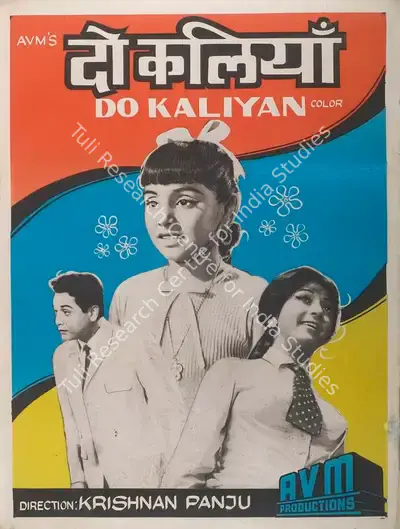
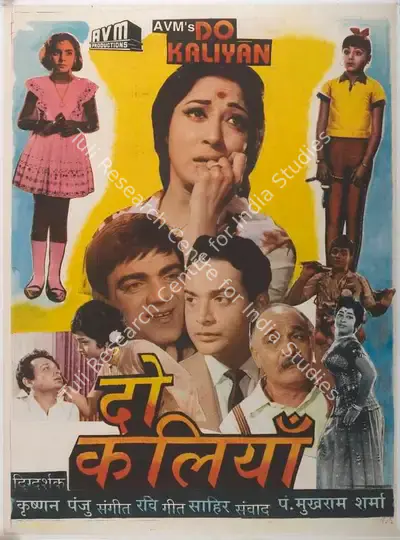
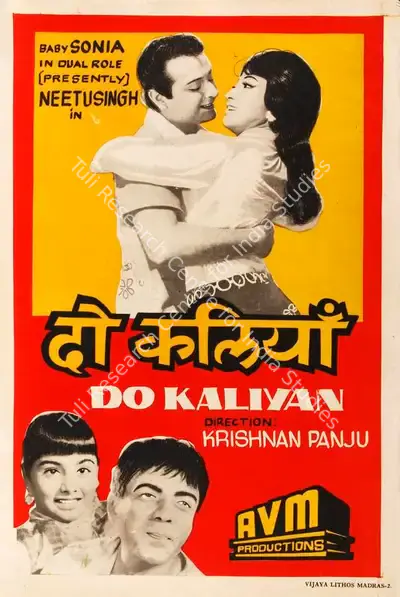
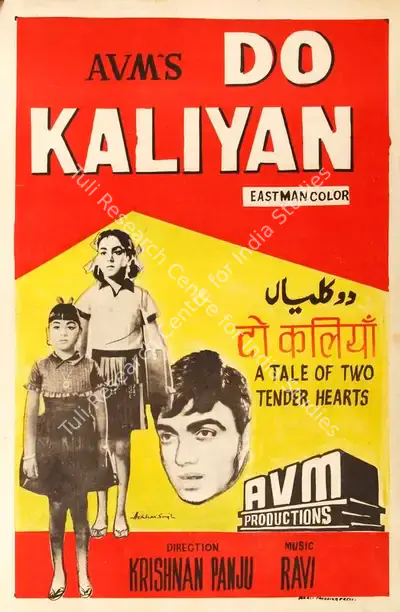
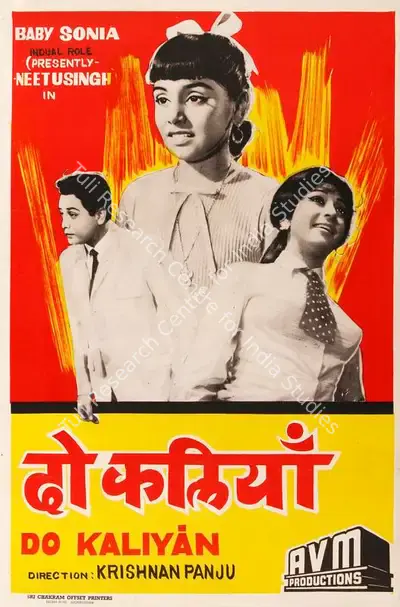
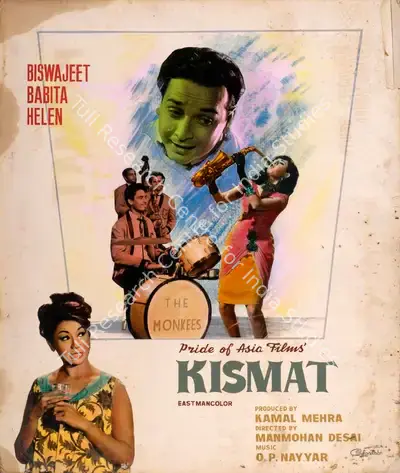
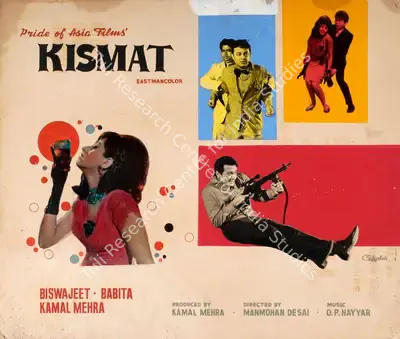
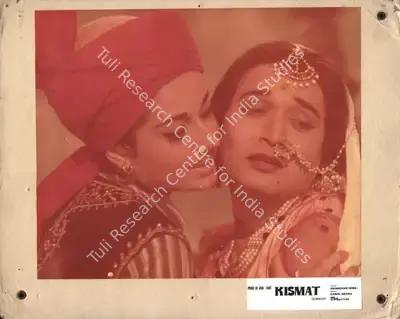
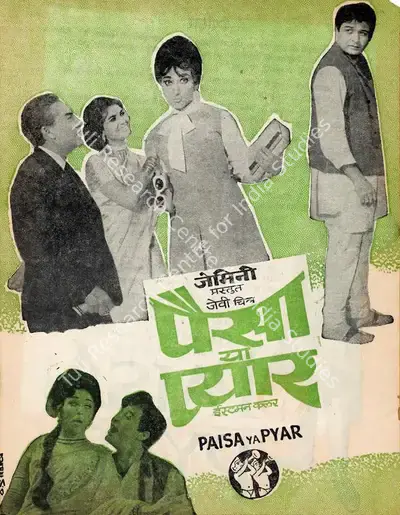
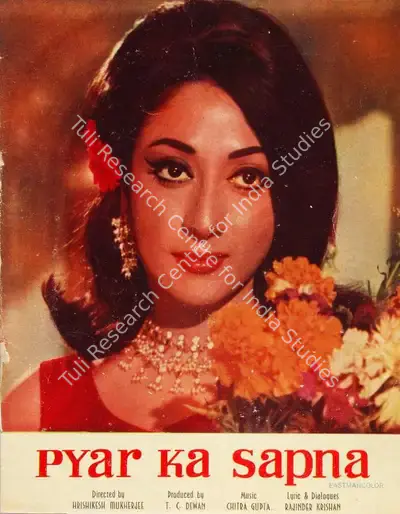
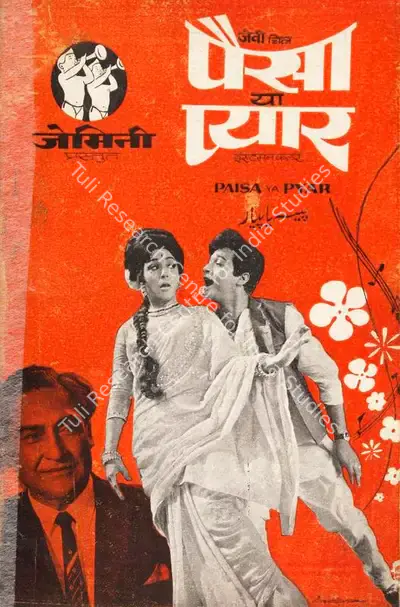
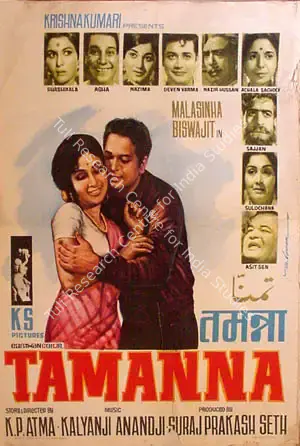
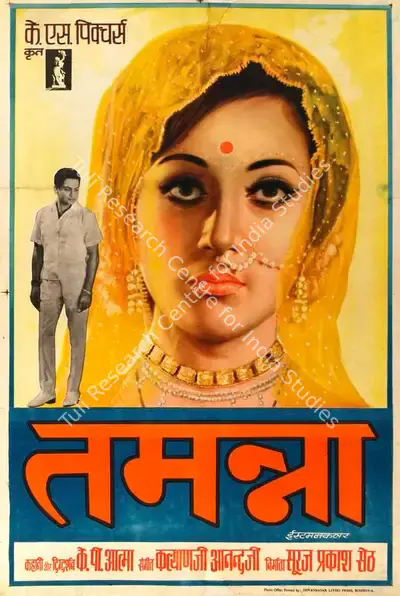
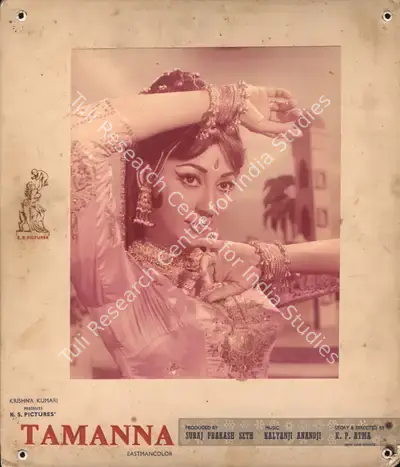
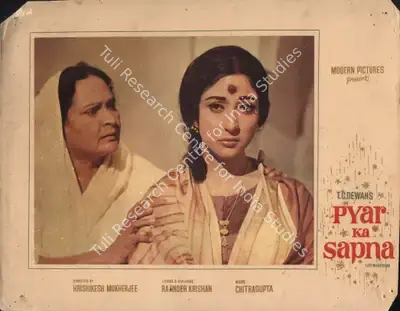
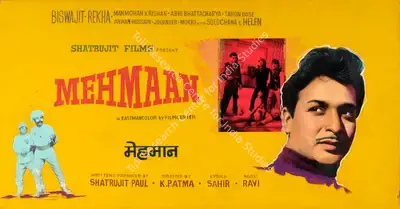
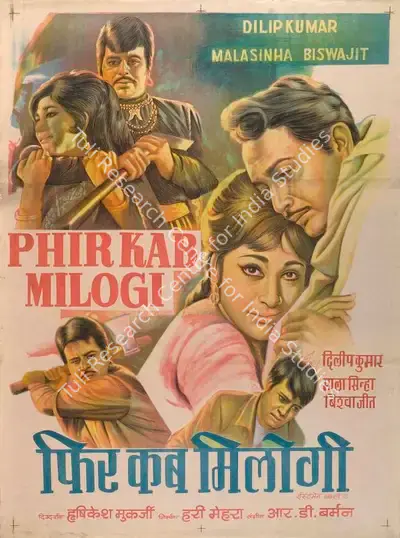
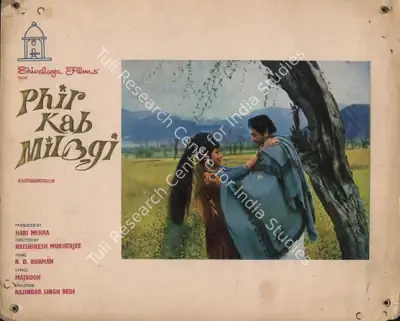
He subsequently appeared in a series of commercially successful films, including Dada Thakur (1962), April Fool (1964), Shehnai (1964), Aasra (1966), Mere Sanam (1965), Do Dil (1965), Biwi Aur Makan (1966), Yeh Raat Phir Na Aayegi (1966), Night in London (1967), Jaal (1967), Kismat (1968), Do Kaliyan (1968), Paisa Ya Pyaar (1969), and Pyar Ka Sapna (1969). During the height of his career, he was frequently paired opposite prominent actresses such as Asha Parekh, Waheeda Rehman, Mumtaz, Mala Sinha, and Rajshree.
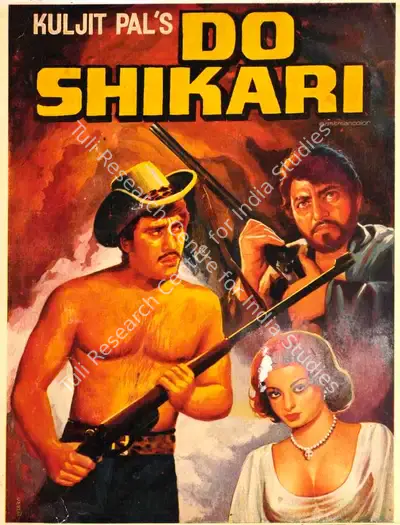
One of the most controversial episodes of his career involved Anjana Safar (1969), later retitled Do Shikaari (1979), which marked the debut of Rekha. The film became embroiled in controversy after a kissing scene between Biswajeet and Rekha attracted public criticism and censorship objections. The film's delayed release and subsequent media attention made it one of the most discussed productions of its era.
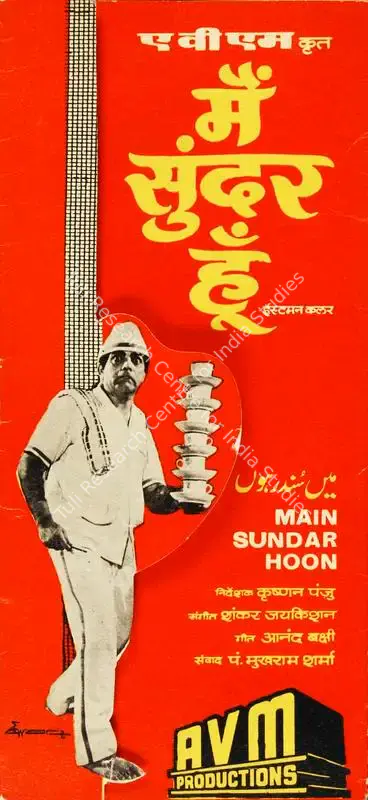
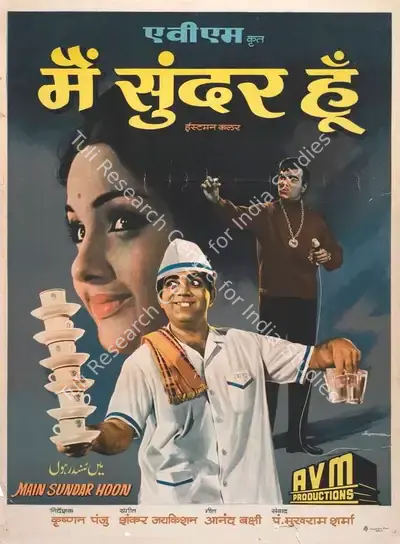
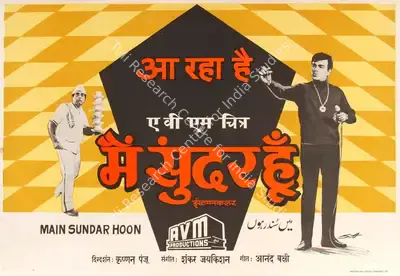
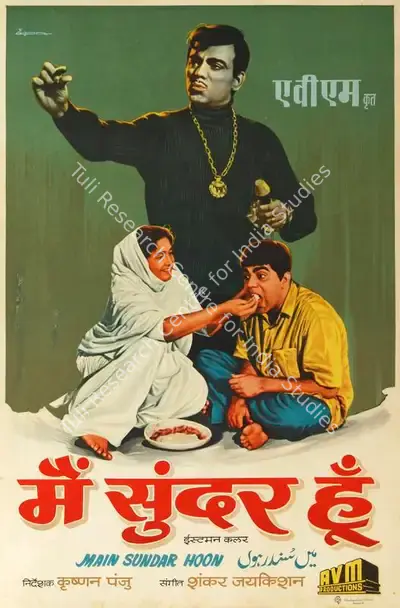
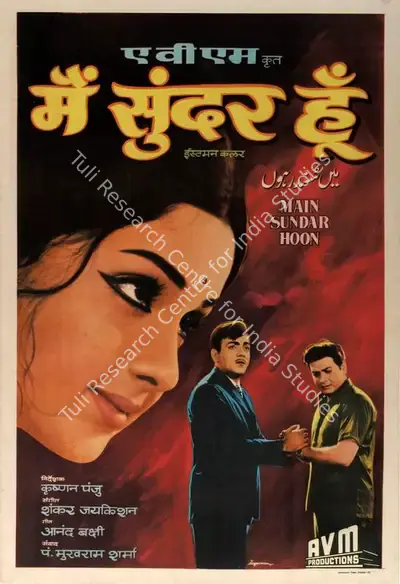
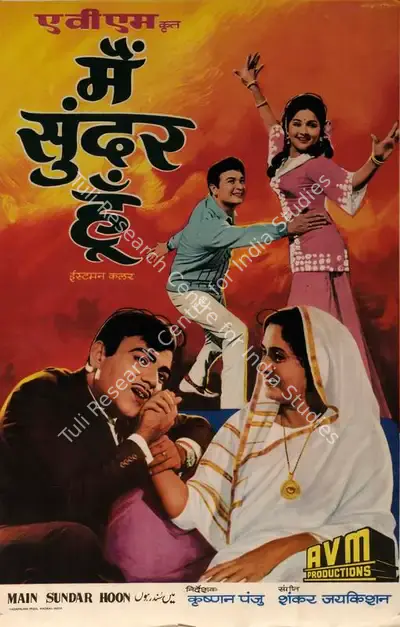
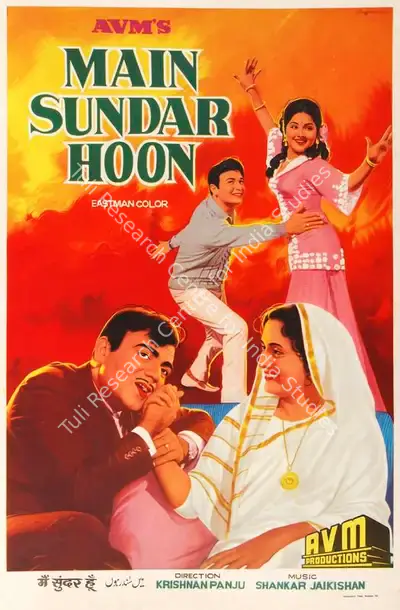
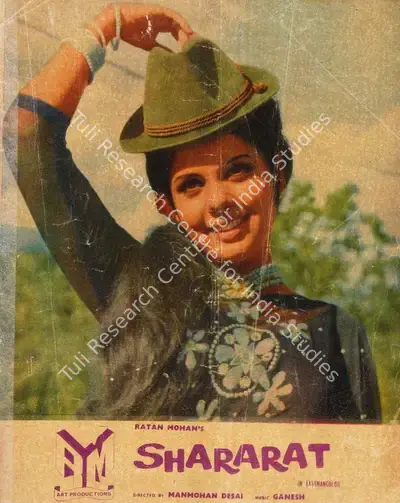
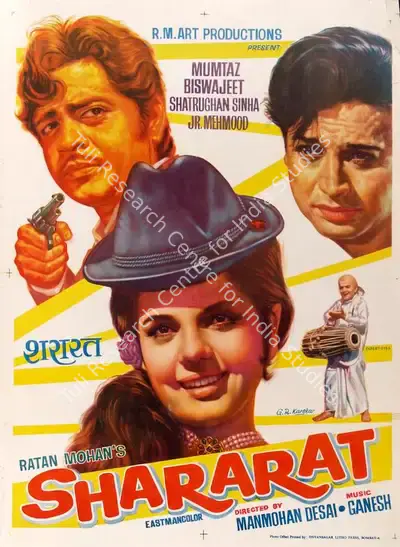
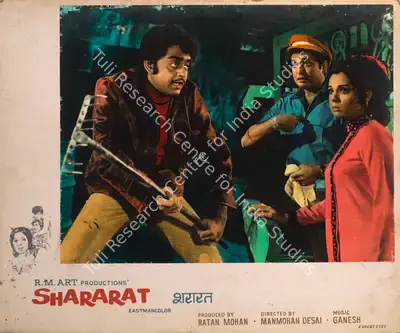
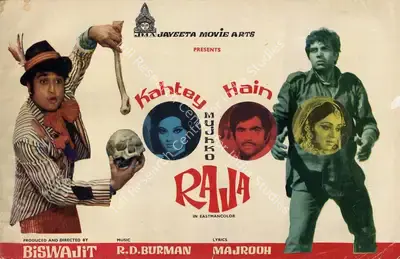
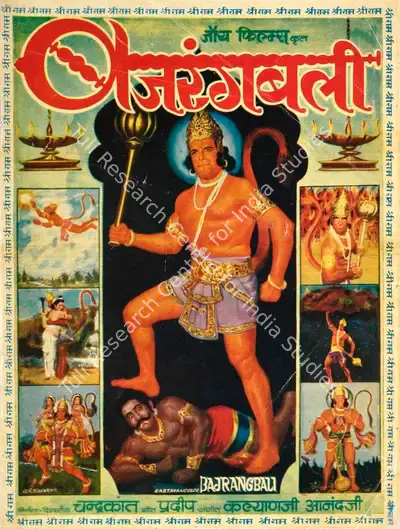
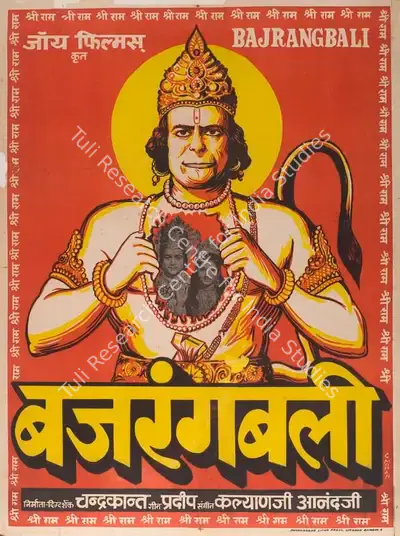
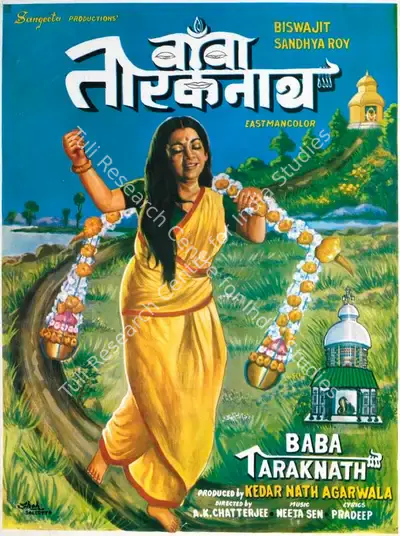
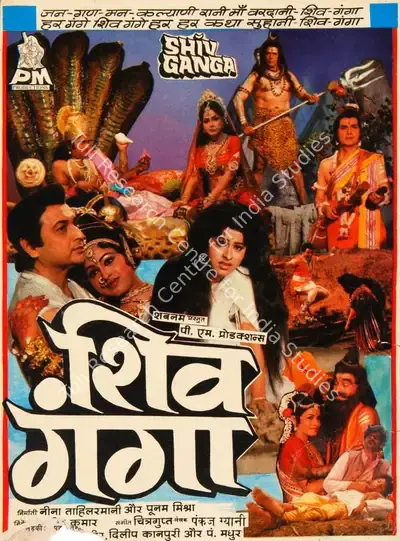
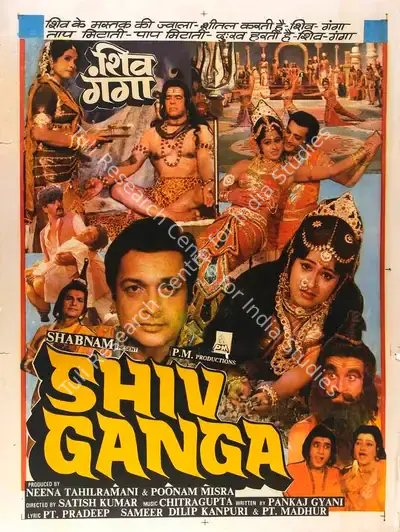
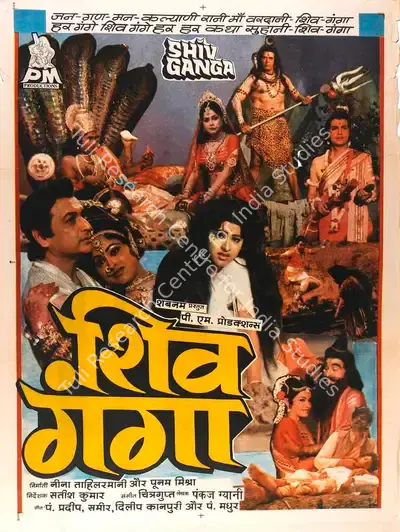
Throughout the 1970s and 1980s, Biswajeet continued to diversify his career through films such as Ishq Par Zor Nahin (1970), Main Sunder Hoon (1971), Sharaarat (1972), Sriman Prithviraj (1973), Raktatilak (1974), Kahtey Hain Mujhko Raja (1975), which he also produced and directed, Bajrangbali (1976), and Baba Taraknath (1977). He also maintained strong ties with Bengali cinema through works such as Chowringhee (1968), Kuheli (1971), Jai Baba Taraknath (1977), and Amar Geeti (1983).
Apart from acting, Biswajeet pursued music and stage performances, recording Bengali modern songs including Tomar Chokher Kajole (1970) and Jay Jay Din (1969), composed respectively by Nachiketa Ghosh and Salil Chowdhury. In later years, he entered politics, contesting the 2014 Indian general elections from New Delhi as a candidate of the All India Trinamool Congress. In 2019, he joined the Bharatiya Janata Party, marking another transition in his multifaceted public life.
Born in Kolkata into an upper middle-class Bengali family, Biswajeet was raised under the strict supervision of his father, an Indian Army officer and disciplinarian, following the early death of his mother. Owing to his father's frequent military postings, he spent his formative years in different parts of India. His father hoped that he would pursue a conventional career through military schooling in Dehradun, but Biswajeet showed an early inclination towards theatre and acting. Rejecting the prospect of a regimented military life, he joined local theatre groups and decided to pursue a career in cinema rather than higher education.
Biswajeet began his acting career in Bengali cinema with Mayamrigo (1960) and Dui Bhai (1961), both featuring the legendary Uttam Kumar and achieving considerable commercial success. Encouraged by this recognition, he moved to Bombay and made a sensational Hindi film debut with Bees Saal Baad (1962), a suspense thriller produced by Hemant Kumar. The role had reportedly first been offered to Uttam Kumar, who declined it. The success of the film established Biswajeet as a leading star in Hindi cinema.
He subsequently appeared in a series of commercially successful films, including Dada Thakur (1962), April Fool (1964), Shehnai (1964), Aasra (1966), Mere Sanam (1965), Do Dil (1965), Biwi Aur Makan (1966), Yeh Raat Phir Na Aayegi (1966), Night in London (1967), Jaal (1967), Kismat (1968), Do Kaliyan (1968), Paisa Ya Pyaar (1969), and Pyar Ka Sapna (1969). During the height of his career, he was frequently paired opposite prominent actresses such as Asha Parekh, Waheeda Rehman, Mumtaz, Mala Sinha, and Rajshree.
One of the most controversial episodes of his career involved Anjana Safar (1969), later retitled Do Shikaari (1979), which marked the debut of Rekha. The film became embroiled in controversy after a kissing scene between Biswajeet and Rekha attracted public criticism and censorship objections. The film's delayed release and subsequent media attention made it one of the most discussed productions of its era.
Throughout the 1970s and 1980s, Biswajeet continued to diversify his career through films such as Ishq Par Zor Nahin (1970), Main Sunder Hoon (1971), Sharaarat (1972), Sriman Prithviraj (1973), Raktatilak (1974), Kahtey Hain Mujhko Raja (1975), which he also produced and directed, Bajrangbali (1976), and Baba Taraknath (1977). He also maintained strong ties with Bengali cinema through works such as Chowringhee (1968), Kuheli (1971), Jai Baba Taraknath (1977), and Amar Geeti (1983).
Apart from acting, Biswajeet pursued music and stage performances, recording Bengali modern songs including Tomar Chokher Kajole (1970) and Jay Jay Din (1969), composed respectively by Nachiketa Ghosh and Salil Chowdhury. In later years, he entered politics, contesting the 2014 Indian general elections from New Delhi as a candidate of the All India Trinamool Congress. In 2019, he joined the Bharatiya Janata Party, marking another transition in his multifaceted public life.
The whole holding