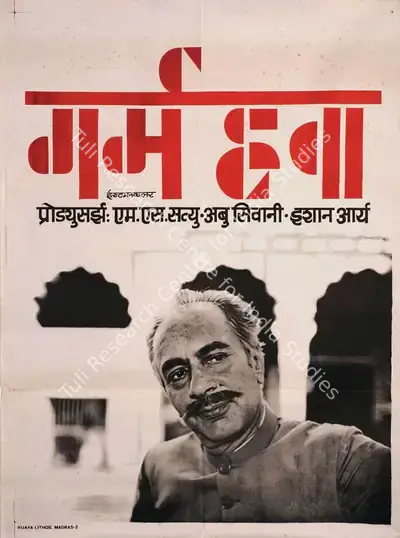
Garm Hava1973
Introduction
Garm Hava (1973), directed by M. S. Sathyu, is a critically acclaimed Hindi film that has achieved cult status over the years. Featuring Balraj Sahni in the lead role, the film was written by Kaifi Azmi, with a screenplay by Shama Zaidi. It is based on an unpublished short story by the renowned Urdu writer Ismat Chughtai. Garm Hava is widely regarded as one of the most poignant portrayals of the post-Partition struggles faced by Muslims in India.
The film explores the turmoil experienced by Salim Mirza, a North Indian Muslim businessman, and his family in the aftermath of India's 1947 Partition and the assassination of Mahatma Gandhi in 1948. The story follows Salim's internal conflict over whether to move to Pakistan, as many of his relatives had, or remain in India. The slow disintegration of his family mirrors the broader societal upheaval of the time. This powerful narrative makes Garm Hava one of the few films that address the plight of Muslims in post-Partition India.
Despite being made on a shoestring budget, the film was shot on location in Agra, Uttar Pradesh. With limited resources, Sathyu chose to shoot the film without sound and relied on dubbing in post-production for voices and sound effects. Shama Zaidi not only contributed to the screenplay but also served as the costume and production designer. The haunting music for the film was composed by the legendary Ustad Bahadur Khan, with lyrics by Kaifi Azmi. A notable addition to the film was a qawwali composed and performed by Aziz Ahmed Khan Warsi and his troupe.
Garm Hava faced censorship prior to its release, as the Central Board of Film Certification feared it might stir communal unrest. After months of persuasion from Sathyu, the film was finally released, going on to win both critical and commercial success. It became India's official entry for the Academy Award's Best Foreign Film category, was nominated for the Palme d'Or at the Cannes Film Festival, and won several accolades, including a National Film Award and three Filmfare Awards.
The film's impact extended beyond its commercial success. It is often credited with pioneering the Parallel Cinema movement in Hindi cinema, alongside Ankur (1973), directed by Shyam Benegal. The film introduced actor Farooq Shaikh to the industry, while also marking the end of Balraj Sahni's career, as he passed away before the film's release. Sathyu's association with the Indian People's Theatre Association (IPTA) ensured that many of the film's roles were played by stage actors from IPTA troupes.
Garm Hava is today considered a landmark in Indian cinema for its sensitive handling of a complex and controversial issue. It is frequently cited alongside other films that explore the aftermath of Partition, such as Tamas (1986) and Train to Pakistan (1998). Shabana Azmi, in her tribute, called Balraj Sahni's performance the finest ever seen in cinema anywhere in the world. In 2009, a restoration project began, which was completed in 2014, allowing the film to be re-released on 70 screens in eight metro cities across India.
The film explores the turmoil experienced by Salim Mirza, a North Indian Muslim businessman, and his family in the aftermath of India's 1947 Partition and the assassination of Mahatma Gandhi in 1948. The story follows Salim's internal conflict over whether to move to Pakistan, as many of his relatives had, or remain in India. The slow disintegration of his family mirrors the broader societal upheaval of the time. This powerful narrative makes Garm Hava one of the few films that address the plight of Muslims in post-Partition India.
Despite being made on a shoestring budget, the film was shot on location in Agra, Uttar Pradesh. With limited resources, Sathyu chose to shoot the film without sound and relied on dubbing in post-production for voices and sound effects. Shama Zaidi not only contributed to the screenplay but also served as the costume and production designer. The haunting music for the film was composed by the legendary Ustad Bahadur Khan, with lyrics by Kaifi Azmi. A notable addition to the film was a qawwali composed and performed by Aziz Ahmed Khan Warsi and his troupe.
Garm Hava faced censorship prior to its release, as the Central Board of Film Certification feared it might stir communal unrest. After months of persuasion from Sathyu, the film was finally released, going on to win both critical and commercial success. It became India's official entry for the Academy Award's Best Foreign Film category, was nominated for the Palme d'Or at the Cannes Film Festival, and won several accolades, including a National Film Award and three Filmfare Awards.
The film's impact extended beyond its commercial success. It is often credited with pioneering the Parallel Cinema movement in Hindi cinema, alongside Ankur (1973), directed by Shyam Benegal. The film introduced actor Farooq Shaikh to the industry, while also marking the end of Balraj Sahni's career, as he passed away before the film's release. Sathyu's association with the Indian People's Theatre Association (IPTA) ensured that many of the film's roles were played by stage actors from IPTA troupes.
Garm Hava is today considered a landmark in Indian cinema for its sensitive handling of a complex and controversial issue. It is frequently cited alongside other films that explore the aftermath of Partition, such as Tamas (1986) and Train to Pakistan (1998). Shabana Azmi, in her tribute, called Balraj Sahni's performance the finest ever seen in cinema anywhere in the world. In 2009, a restoration project began, which was completed in 2014, allowing the film to be re-released on 70 screens in eight metro cities across India.
गर्म हवा (1973) के निर्देशक एम. एस. सथ्यू हैं। मुल्क के बंटवारे पर रची गई कुछ सबसे मार्मिक सिनेमाई रचनाओं में से एक इस बहुप्रशंसित फ़िल्म ने बीते कुछ दशकों में भारतीय सिनेमा इतिहास में एक अविस्मरणीय स्थान हासिल कर लिया है। इस फ़िल्म में शीर्षक भूमिका अभिनेता बलराज साहनी निभा रहे थे और इसे मशहूर शायर कैफ़ी आज़मी ने लिखा था। फ़िल्म की पटकथा शमा ज़ैदी ने तैयार की थी। यह फ़िल्म प्रसिद्ध उर्दू लेखिका इस्मत चुग़ताई की एक अप्रकाशित कहानी पर आधारित है। विभाजन के बाद हिन्दुस्तान में रह गए मुस्लिम समुदाय की पीड़ा और संघर्ष को उसकी टीस और पूरी जटिलता के साथ दिखाने वाली गर्म हवा संभवत: उस स्याह दौर पर बनी सबसे मार्मिक फ़िल्मों में से एक है।
फ़िल्म की कहानी आगरा शहर के मुस्लिम व्यापारी सलीम मिर्ज़ा और उनके परिवार की उस मुश्किलात भरी ज़िन्दगी के बारे में है, करती है, जिसे उन्होंने 1947 में भारत के विभाजन और 1948 में महात्मा गांधी की हत्या के बाद जिया। कहानी मुख्य किरदार सलीम की उस भीतरी कशमकश को दिखाती है - क्या उन्हें भी अपने कई रिश्तेदारों की तरह पाकिस्तान चले जाना चाहिए, या फिर भारत में ही रहने के अपने फैसले पर कायम रहना चाहिए? इसी कशमकश में उलझा उनका परिवार धीरे-धीरे बिखरता चला जाता है, जो उस दौर के सामाजिक उथल-पुथल से भरे मंज़र का प्रतीक भी है। कहानी की यह ज़मीन गर्म हवा को विभाजन के बाद के भारत में मुस्लिम समुदाय के साथ घटी त्रासदी को दिखाने वाली सबसे ज़रूरी फ़िल्मों में से एक बना देती है।
हालाँकि यह फ़िल्म बहुत सीमित बजट में बनाई गई थी लेकिन निर्देशक एम. एस. सथ्यू ने इसे आगरा शहर की असली जगहों पर फ़िल्माना चुना। सीमित संसाधनों के कारण उन्होंने शूटिंग के दौरान ध्वनि रिकॉर्ड न करके बाद में आवाज़ और ध्वनि प्रभावों को जोड़ा। फ़िल्म की पटकथा लिखने के साथ-साथ शमा ज़ैदी ने कॉस्ट्यूम और प्रोडक्शन डिज़ाइन की ज़िम्मेदारी भी संभाली। इस फ़िल्म के लिए संगीत उस्ताद बहादुर खान ने तैयार किया था और गीतों के बोल कैफ़ी आज़मी ने लिखे थे। फ़िल्म में एक यादगार कव्वाली भी इस्तेमाल की गई थी, जिसे अज़ीज़ अहमद खान वारसी और उनकी मंडली ने गाया था।
गर्म हवा को रिलीज़ से पहले सेंसरशिप की मार भी झेलनी पड़ी। सेंट्रल बोर्ड ऑफ़ फ़िल्म सर्टिफ़िकेशन (सीबीएफ़सी) को डर था कि फ़िल्म के चलते धार्मिक तनाव भड़क सकता है। कई महीनों तक सथ्यू उन्हें मनाने की कोशिश करते रहे, तब जाकर फ़िल्म को रिलीज़ की अनुमति मिली। पर रिलीज़ के बाद फ़िल्म व्यावसायिक रूप से सफल तो रही ही, इसे आलोचकों की ओर से भी खूब सराहना मिली। यह फ़िल्म ऑस्कर पुरस्कारों में 'सर्वश्रेष्ठ विदेशी भाषा फ़िल्म' श्रेणी में भारत की ओर से आधिकारिक प्रविष्टि बनी, इसे प्रतिष्ठित कान फ़िल्म समारोह में सर्वश्रेष्ठ फ़िल्म के 'पाल्म डी'ओर' पुरस्कार के लिए नामांकित किया गया। भारत में इसे राष्ट्रीय फ़िल्म पुरस्कार और तीन फ़िल्मफ़ेयर पुरस्कारों से सम्मानित किया गया।
इस फ़िल्म का प्रभाव केवल इसकी व्यावसायिक सफलता तक सीमित नहीं था। गर्म हवा को 'समांतर सिनेमा' आन्दोलन की आरंभिक मील का पत्थर फ़िल्मों में से एक माना जाता है। श्याम बेनेगल की अंकुर (1973) के साथ यह भी सिनेमा की इस नई धारा की प्रतिनिधि फ़िल्म बनी। इसी फ़िल्म के साथ हरदिलअज़ीज़ अभिनेता फारूक़ शेख के अभिनय करियर की शुरुआत होती है। इसी फ़िल्म के साथ दिग्गज अभिनेता बलराज साहनी का अभिनय करियर थम जाता है, फ़िल्म की रिलीज़ से पहले ही उनका निधन हो गया था। एम. एस. सथ्यू का 'इंडियन पीपल्स थिएटर एसोसिएशन' (इप्टा) से गहरा जुड़ाव रहा था और उनकी फ़िल्म में इप्टा से जुड़े कई रंगमंच कलाकारों को अभिनय का अवसर मिला।
सथ्यू की गर्म हवा आज भी भारतीय सिनेमा इतिहास में एक मील का पत्थर फ़िल्म मानी जाती है। इसने विभाजन से जुड़ी त्रासदी को निजी के दायरे में जाकर गहराई से पर्दे पर उकेरा। बाद में बंटवारे से जुड़ी साहित्यिक रचनाओं पर बनी तमस (1986), ट्रेन टू पाकिस्तान (1998) और अर्थ (1998) जैसी फ़िल्में गर्म हवा के साथ अक्सर याद की जाती हैं। अभिनेत्री शबाना आज़मी ने बलराज साहनी को श्रद्धांजलि में उनकी गर्म हवा में निभाई भूमिका को बेहतरीन अभिनय की सबसे ऊँची मिसाल कहा था। वर्ष 2009 में इस फ़िल्म के रेस्टोरेशन की प्रक्रिया शुरू हुई और वर्ष 2014 में इसे भारत के आठ प्रमुख शहरों के 70 सिनेमाघरों में दोबारा रिलीज़ किया गया।
फ़िल्म की कहानी आगरा शहर के मुस्लिम व्यापारी सलीम मिर्ज़ा और उनके परिवार की उस मुश्किलात भरी ज़िन्दगी के बारे में है, करती है, जिसे उन्होंने 1947 में भारत के विभाजन और 1948 में महात्मा गांधी की हत्या के बाद जिया। कहानी मुख्य किरदार सलीम की उस भीतरी कशमकश को दिखाती है - क्या उन्हें भी अपने कई रिश्तेदारों की तरह पाकिस्तान चले जाना चाहिए, या फिर भारत में ही रहने के अपने फैसले पर कायम रहना चाहिए? इसी कशमकश में उलझा उनका परिवार धीरे-धीरे बिखरता चला जाता है, जो उस दौर के सामाजिक उथल-पुथल से भरे मंज़र का प्रतीक भी है। कहानी की यह ज़मीन गर्म हवा को विभाजन के बाद के भारत में मुस्लिम समुदाय के साथ घटी त्रासदी को दिखाने वाली सबसे ज़रूरी फ़िल्मों में से एक बना देती है।
हालाँकि यह फ़िल्म बहुत सीमित बजट में बनाई गई थी लेकिन निर्देशक एम. एस. सथ्यू ने इसे आगरा शहर की असली जगहों पर फ़िल्माना चुना। सीमित संसाधनों के कारण उन्होंने शूटिंग के दौरान ध्वनि रिकॉर्ड न करके बाद में आवाज़ और ध्वनि प्रभावों को जोड़ा। फ़िल्म की पटकथा लिखने के साथ-साथ शमा ज़ैदी ने कॉस्ट्यूम और प्रोडक्शन डिज़ाइन की ज़िम्मेदारी भी संभाली। इस फ़िल्म के लिए संगीत उस्ताद बहादुर खान ने तैयार किया था और गीतों के बोल कैफ़ी आज़मी ने लिखे थे। फ़िल्म में एक यादगार कव्वाली भी इस्तेमाल की गई थी, जिसे अज़ीज़ अहमद खान वारसी और उनकी मंडली ने गाया था।
गर्म हवा को रिलीज़ से पहले सेंसरशिप की मार भी झेलनी पड़ी। सेंट्रल बोर्ड ऑफ़ फ़िल्म सर्टिफ़िकेशन (सीबीएफ़सी) को डर था कि फ़िल्म के चलते धार्मिक तनाव भड़क सकता है। कई महीनों तक सथ्यू उन्हें मनाने की कोशिश करते रहे, तब जाकर फ़िल्म को रिलीज़ की अनुमति मिली। पर रिलीज़ के बाद फ़िल्म व्यावसायिक रूप से सफल तो रही ही, इसे आलोचकों की ओर से भी खूब सराहना मिली। यह फ़िल्म ऑस्कर पुरस्कारों में 'सर्वश्रेष्ठ विदेशी भाषा फ़िल्म' श्रेणी में भारत की ओर से आधिकारिक प्रविष्टि बनी, इसे प्रतिष्ठित कान फ़िल्म समारोह में सर्वश्रेष्ठ फ़िल्म के 'पाल्म डी'ओर' पुरस्कार के लिए नामांकित किया गया। भारत में इसे राष्ट्रीय फ़िल्म पुरस्कार और तीन फ़िल्मफ़ेयर पुरस्कारों से सम्मानित किया गया।
इस फ़िल्म का प्रभाव केवल इसकी व्यावसायिक सफलता तक सीमित नहीं था। गर्म हवा को 'समांतर सिनेमा' आन्दोलन की आरंभिक मील का पत्थर फ़िल्मों में से एक माना जाता है। श्याम बेनेगल की अंकुर (1973) के साथ यह भी सिनेमा की इस नई धारा की प्रतिनिधि फ़िल्म बनी। इसी फ़िल्म के साथ हरदिलअज़ीज़ अभिनेता फारूक़ शेख के अभिनय करियर की शुरुआत होती है। इसी फ़िल्म के साथ दिग्गज अभिनेता बलराज साहनी का अभिनय करियर थम जाता है, फ़िल्म की रिलीज़ से पहले ही उनका निधन हो गया था। एम. एस. सथ्यू का 'इंडियन पीपल्स थिएटर एसोसिएशन' (इप्टा) से गहरा जुड़ाव रहा था और उनकी फ़िल्म में इप्टा से जुड़े कई रंगमंच कलाकारों को अभिनय का अवसर मिला।
सथ्यू की गर्म हवा आज भी भारतीय सिनेमा इतिहास में एक मील का पत्थर फ़िल्म मानी जाती है। इसने विभाजन से जुड़ी त्रासदी को निजी के दायरे में जाकर गहराई से पर्दे पर उकेरा। बाद में बंटवारे से जुड़ी साहित्यिक रचनाओं पर बनी तमस (1986), ट्रेन टू पाकिस्तान (1998) और अर्थ (1998) जैसी फ़िल्में गर्म हवा के साथ अक्सर याद की जाती हैं। अभिनेत्री शबाना आज़मी ने बलराज साहनी को श्रद्धांजलि में उनकी गर्म हवा में निभाई भूमिका को बेहतरीन अभिनय की सबसे ऊँची मिसाल कहा था। वर्ष 2009 में इस फ़िल्म के रेस्टोरेशन की प्रक्रिया शुरू हुई और वर्ष 2014 में इसे भारत के आठ प्रमुख शहरों के 70 सिनेमाघरों में दोबारा रिलीज़ किया गया।
1 / 2
Body of Work
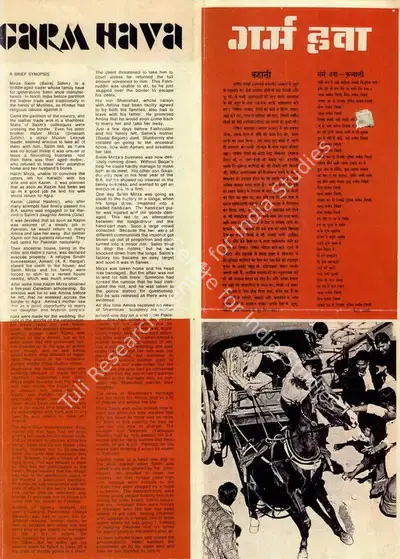
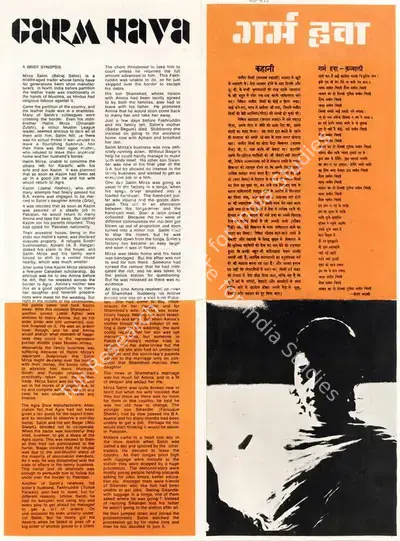
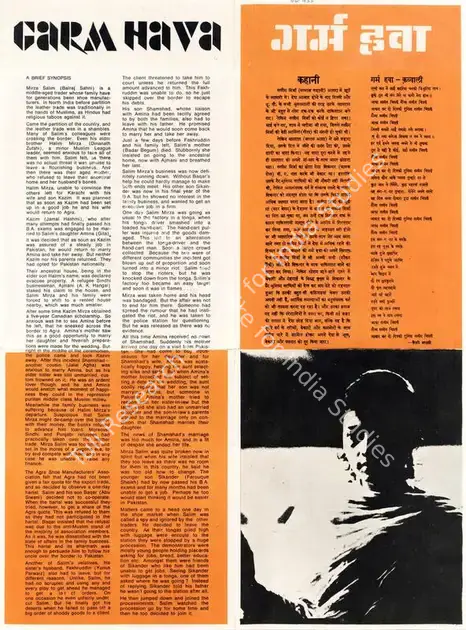
Mirza Salim is a middle aged shoe manufacturer living in agra whose family and business is shattered due to the Partition. Salim's brother, Halim, leaves for Pakistan with his family. Their ancestral home is in Halim's name and is therefore declared evacuee property. It is claimed by a Sindhi refugee who forces Salim to shift to a smaller rented house. One day, a fight erupts between Salim and a Hindu and turns into a minor communal riot. Salim sutains head inuries and his factory is set on fire. Blamed for instigating the riot he is questioned by the police but is released due to lack of evidence. Faced with stiff competition from the migrant Hindu traders, Salim's business suffers. Hounded by the other traders and called a spy, Salim finally decides to migrate. On his way to the station he meets a procession of young people demanding jobs, bread and a better education from the government. Among them is his second son Sikander who refuses to give up and leave the country. Salim turns back and joins the procession.
Banner
Cinematographer
Costume Designer
Dialogue Writer
Director
Editing
Lead Cast
Lead Cast Rest
Lyricist
Music Director
Producer
Screenplay Writer
Story Writer
Voice