
Ismat Chughtai
Ismat Chughtai (1915–1991). She occupies a distinguished position in twentieth-century Urdu literature as one of the most influential, courageous, and innovative literary voices of the Indian subcontinent. A pioneering writer associated with the Progressive Writers' Movement, Chughtai transformed the landscape of modern South Asian literature through her uncompromising exploration of gender, class, sexuality, and social inequality. Her works challenged deeply entrenched patriarchal norms and exposed the complexities of women's lived experiences with remarkable psychological insight and literary sophistication. By foregrounding the voices of women and marginalized communities, she established herself as a formidable social critic whose writings continue to inspire readers and scholars across generations.
Born in Badaun, Uttar Pradesh, and educated at Aligarh and Lucknow, Chughtai was among the first Muslim women of her generation to pursue higher education despite considerable social resistance. Her educational achievements and intellectual independence shaped a literary career that questioned conventional moral values and advocated women's autonomy. Throughout her life, she remained committed to portraying society with honesty and realism, refusing to conform to prevailing expectations of femininity or literary propriety.
Chughtai's literary oeuvre encompasses short stories, novels, novellas, essays, memoirs, and screenplays. Among her most celebrated works are Lihaaf (1942), Terhi Lakeer (1945), Gainda, Chhui Mui, and Gharwali. Her short story Lihaaf marked a watershed moment in Urdu literature for its subtle yet bold treatment of female desire and same-sex intimacy. The story led to an obscenity trial in the Lahore High Court, from which Chughtai was ultimately acquitted. Rather than diminishing her reputation, the controversy cemented her position as a fearless advocate of artistic freedom and freedom of expression.
As a leading member of the Progressive Writers' Movement, Chughtai believed that literature should engage critically with social realities. Her writings examined issues such as domestic oppression, religious orthodoxy, economic disparity, and the contradictions of middle-class respectability. Distinguished by their wit, irony, colloquial language, and psychological depth, her narratives departed from sentimental portrayals of women and instead presented complex, multidimensional female protagonists who resisted social constraints in diverse ways.
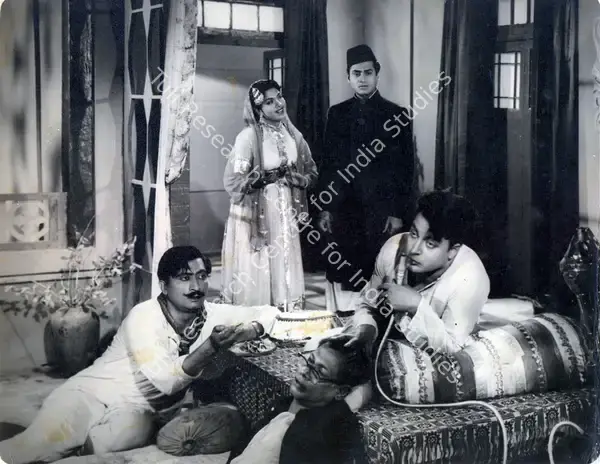
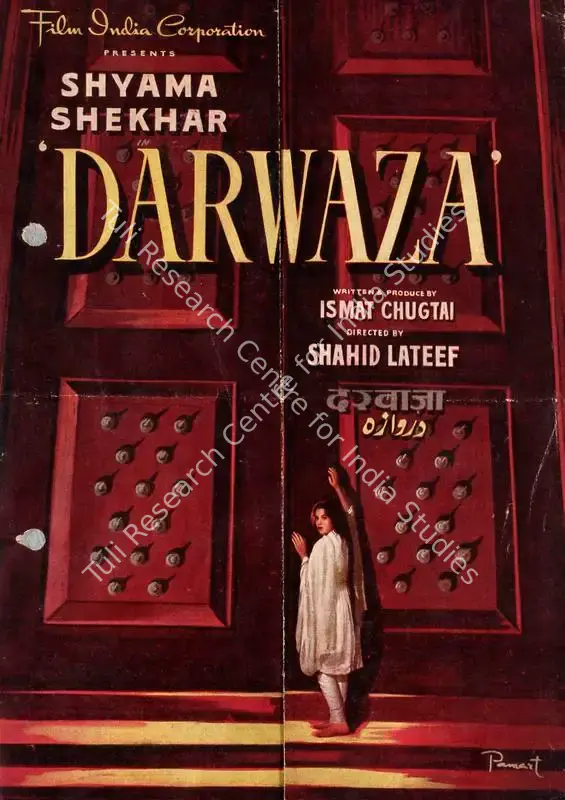
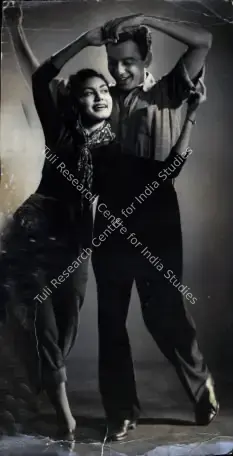
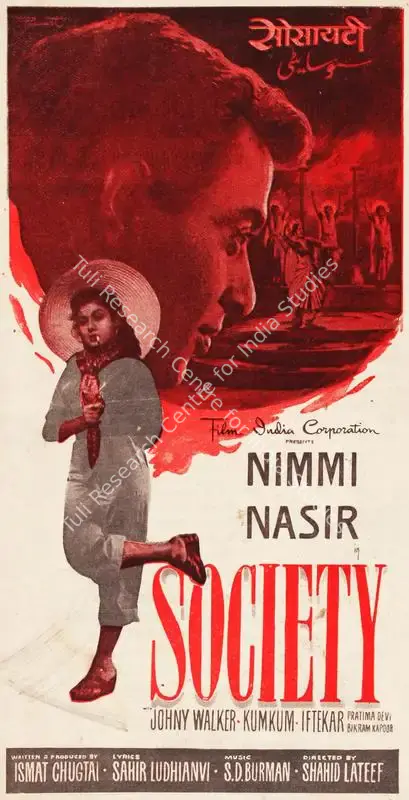
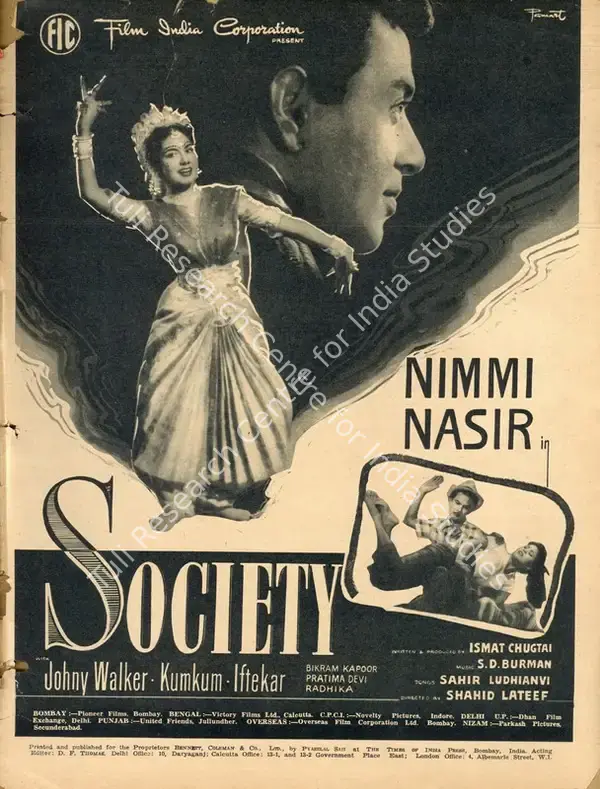
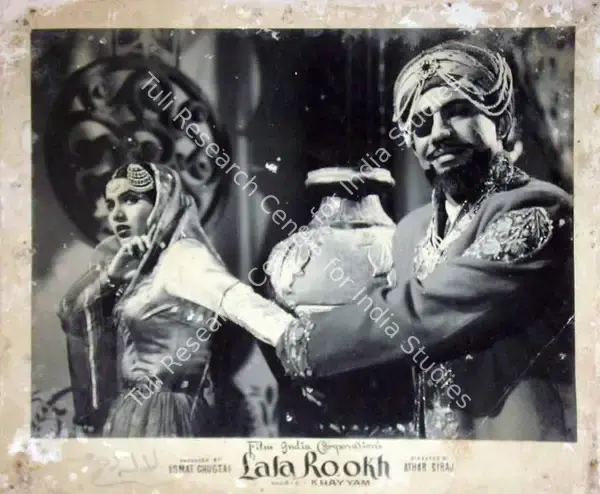
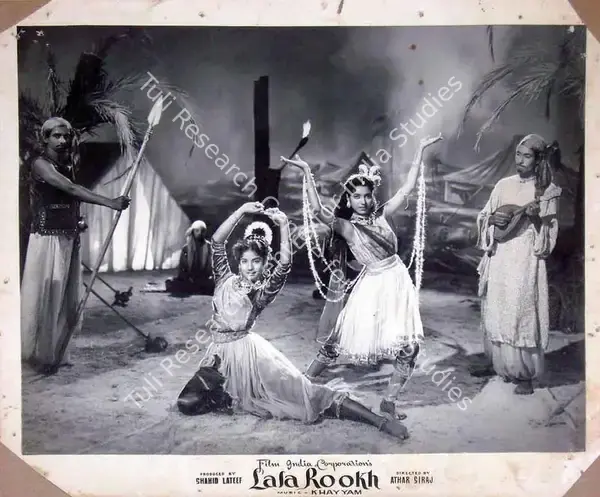
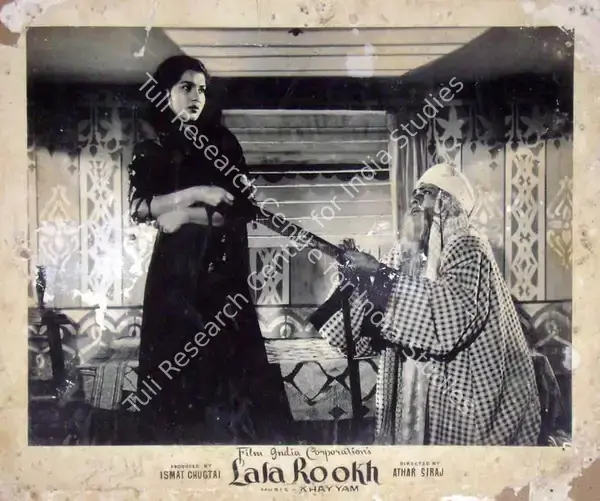
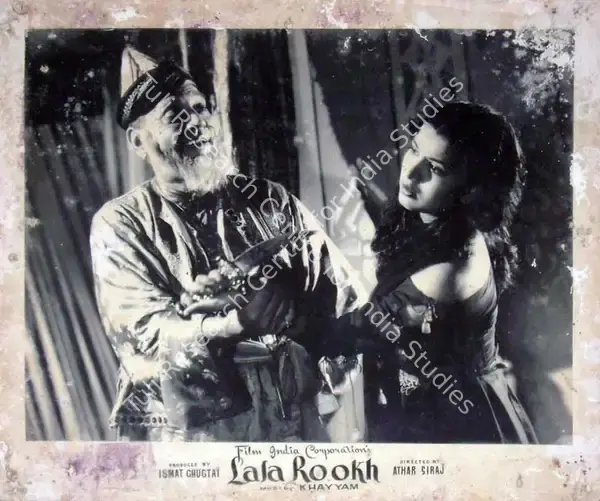
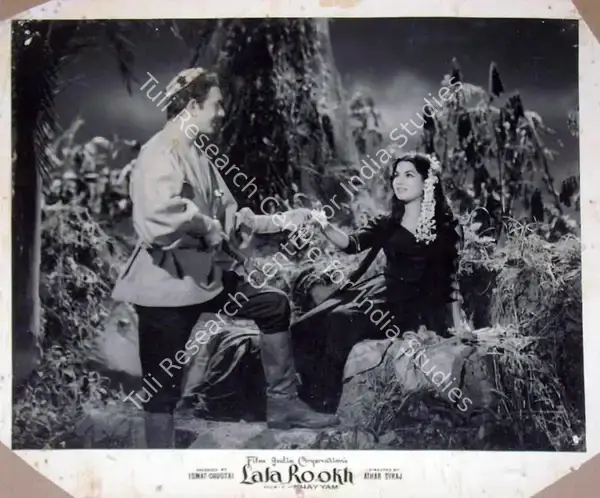
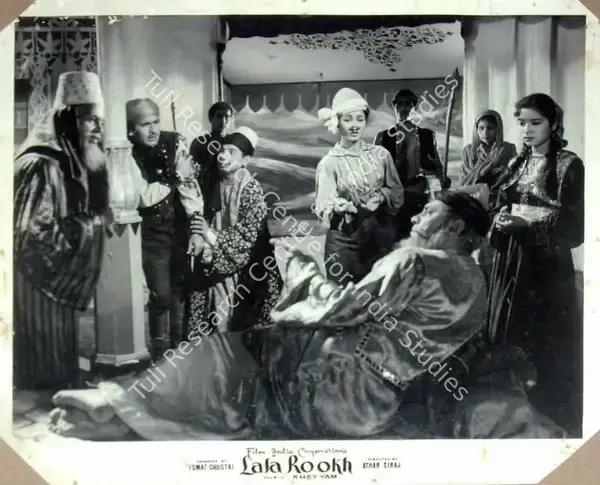
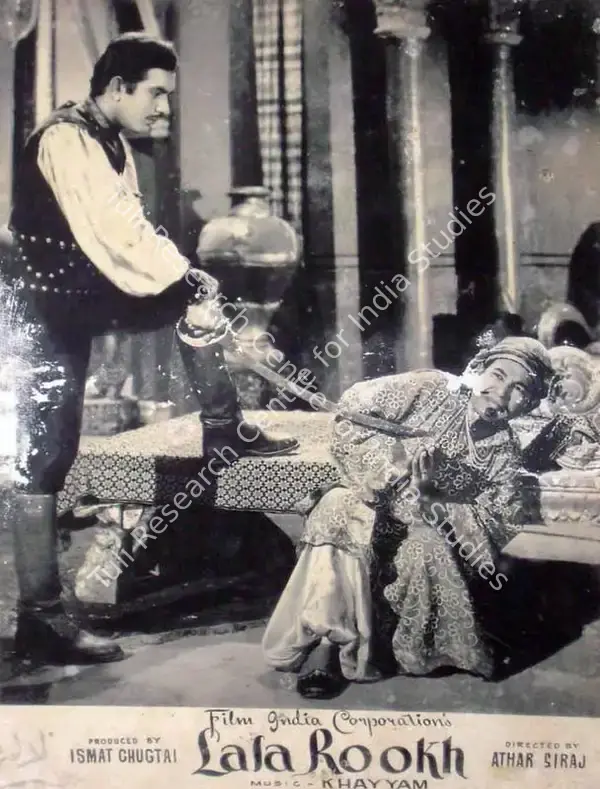
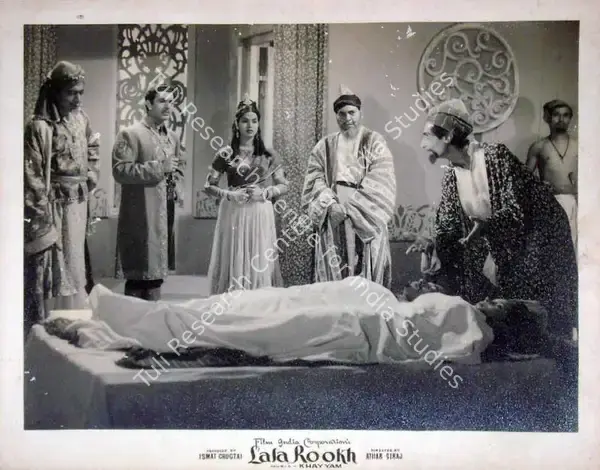
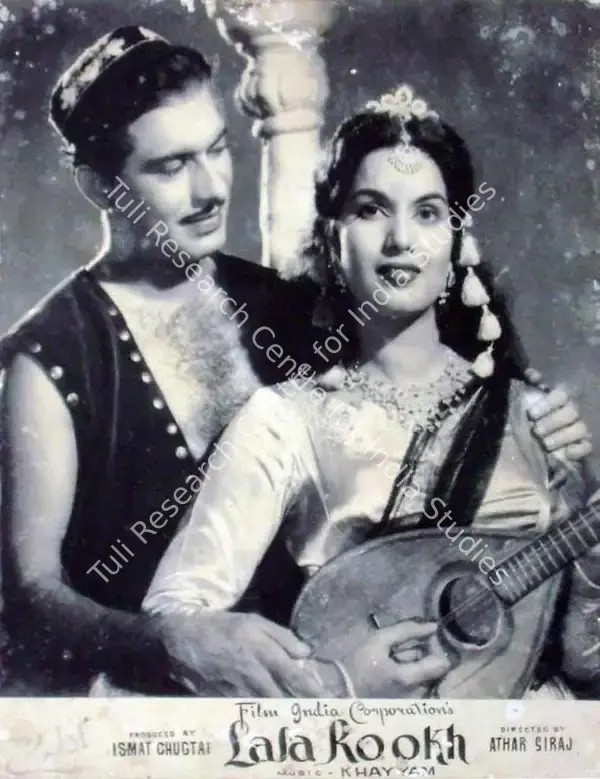
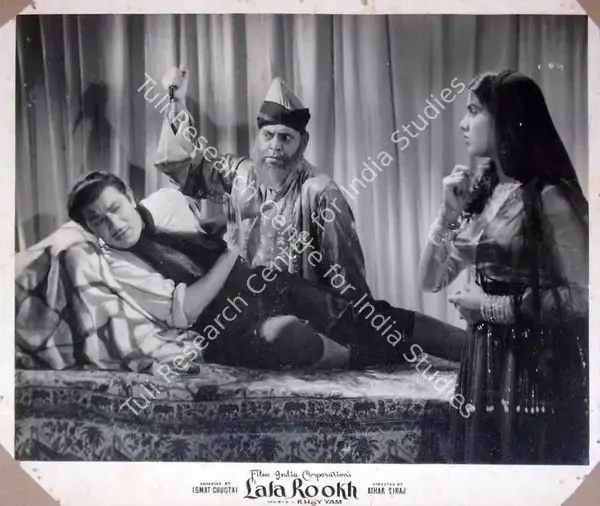
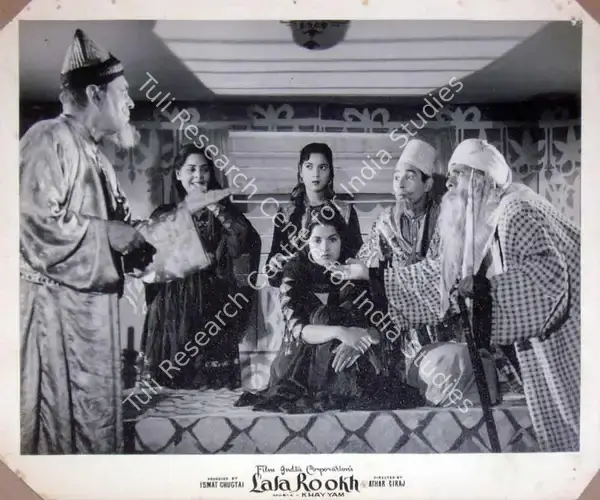
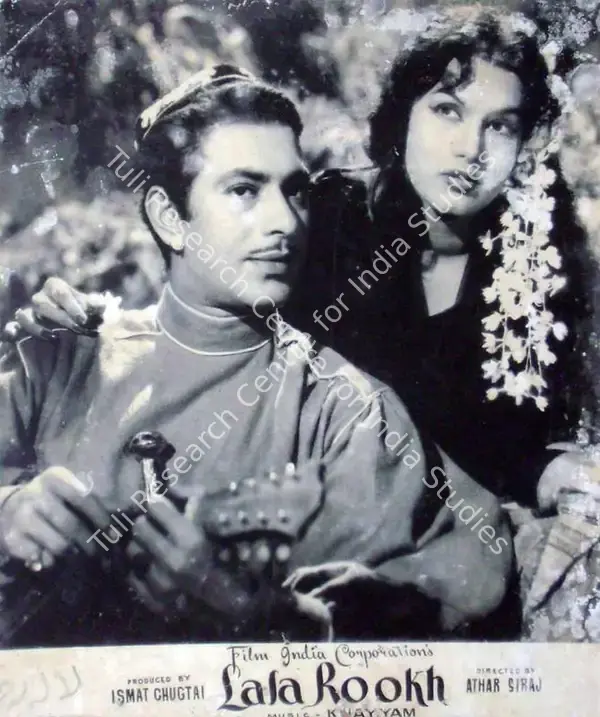
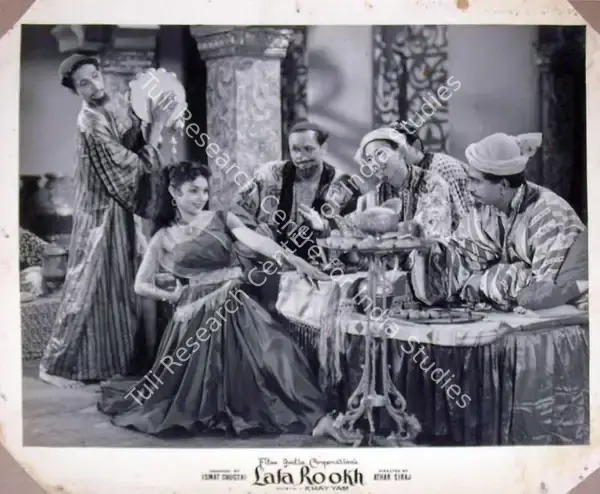
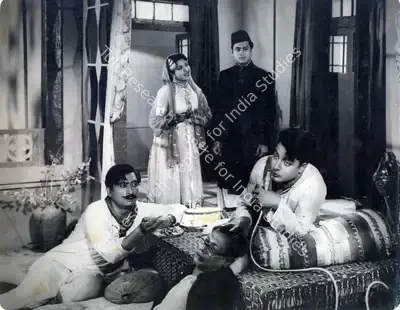
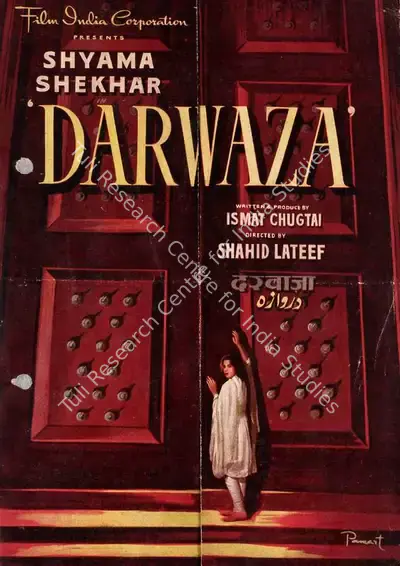
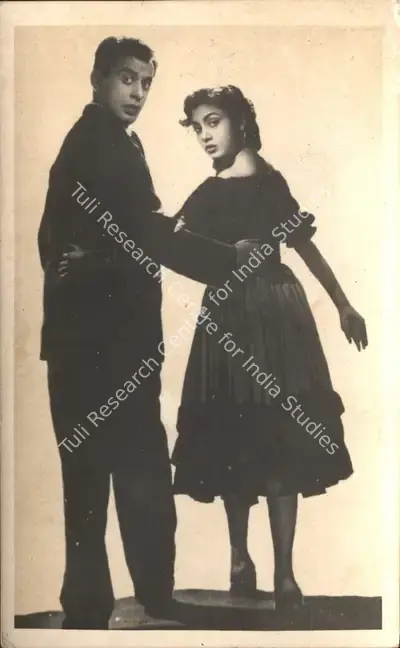
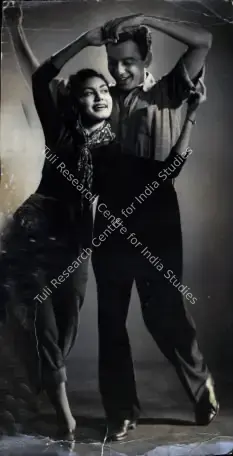
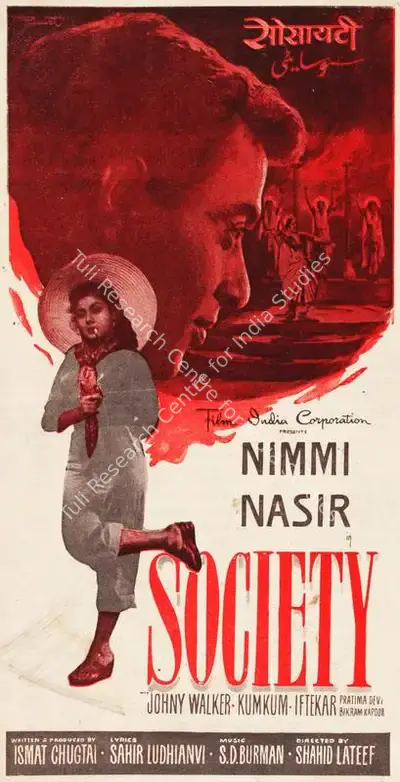
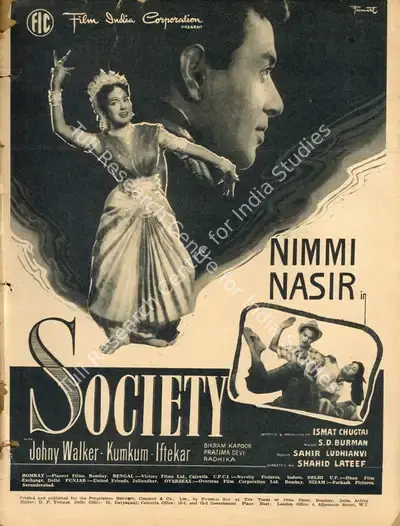
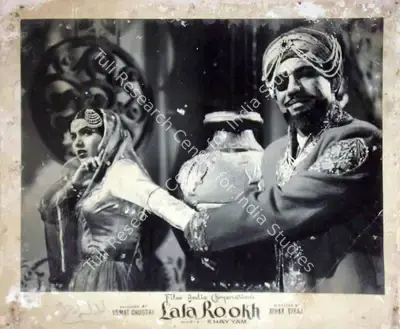
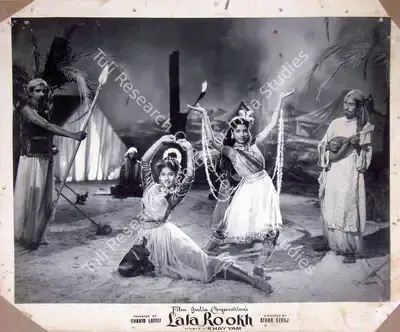
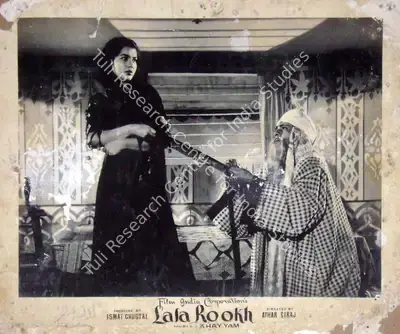
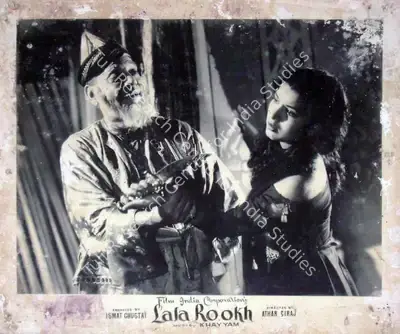
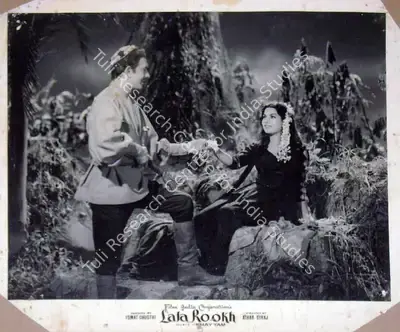
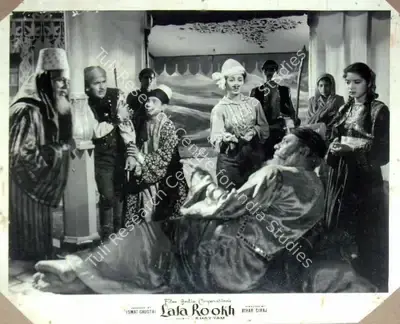
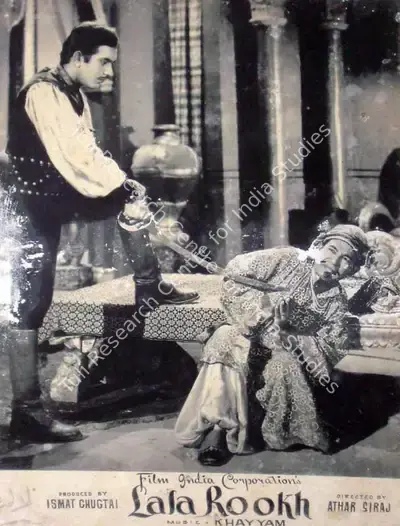
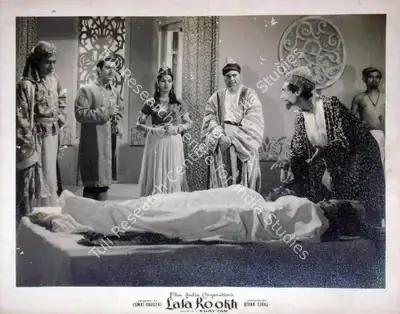
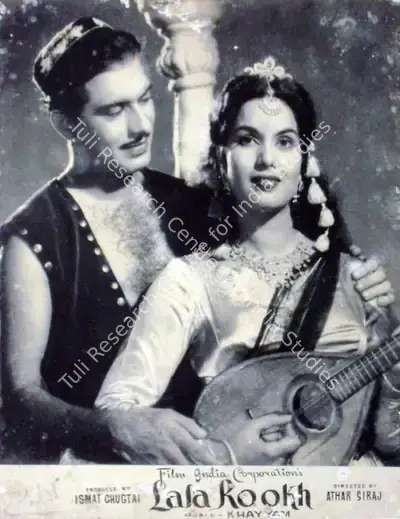
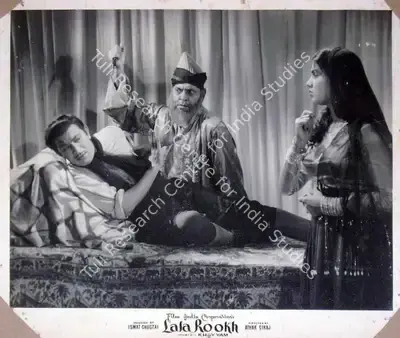
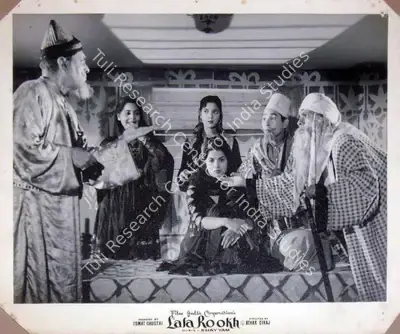
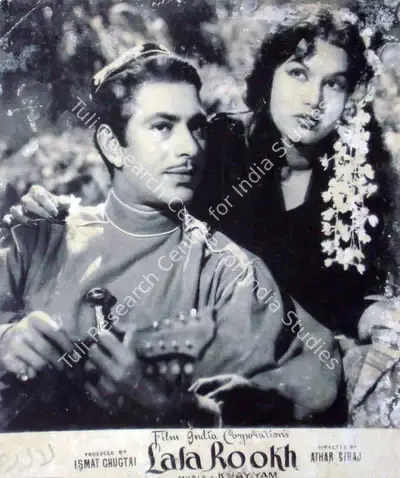
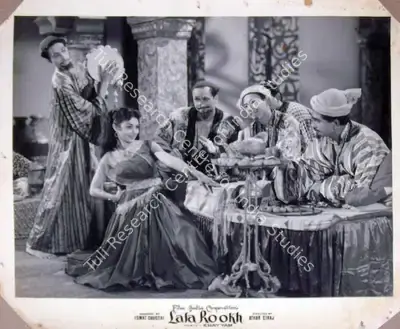
Beyond literature, Chughtai made significant contributions to Indian cinema as a screenwriter and filmmaker, collaborating with her husband, Shahid Latif, on several notable films. Her influence extended across literary and cinematic traditions, enriching both with her distinctive narrative voice and progressive vision. Over the decades, her works have been translated into numerous languages and incorporated into academic curricula worldwide, underscoring their enduring literary and cultural significance.
Today, Ismat Chughtai is celebrated not only as a pioneering feminist writer but also as one of the foremost architects of modern Urdu fiction. Her fearless interrogation of power, identity, and human relationships continues to resonate in contemporary literary discourse, affirming her legacy as a writer whose works transcend temporal and cultural boundaries. This volume pays tribute to her extraordinary contribution to literature. It acknowledges her lasting influence on feminist thought, South Asian literary studies, and the ongoing pursuit of social justice through creative expression.
Born in Badaun, Uttar Pradesh, and educated at Aligarh and Lucknow, Chughtai was among the first Muslim women of her generation to pursue higher education despite considerable social resistance. Her educational achievements and intellectual independence shaped a literary career that questioned conventional moral values and advocated women's autonomy. Throughout her life, she remained committed to portraying society with honesty and realism, refusing to conform to prevailing expectations of femininity or literary propriety.
Chughtai's literary oeuvre encompasses short stories, novels, novellas, essays, memoirs, and screenplays. Among her most celebrated works are Lihaaf (1942), Terhi Lakeer (1945), Gainda, Chhui Mui, and Gharwali. Her short story Lihaaf marked a watershed moment in Urdu literature for its subtle yet bold treatment of female desire and same-sex intimacy. The story led to an obscenity trial in the Lahore High Court, from which Chughtai was ultimately acquitted. Rather than diminishing her reputation, the controversy cemented her position as a fearless advocate of artistic freedom and freedom of expression.
As a leading member of the Progressive Writers' Movement, Chughtai believed that literature should engage critically with social realities. Her writings examined issues such as domestic oppression, religious orthodoxy, economic disparity, and the contradictions of middle-class respectability. Distinguished by their wit, irony, colloquial language, and psychological depth, her narratives departed from sentimental portrayals of women and instead presented complex, multidimensional female protagonists who resisted social constraints in diverse ways.
Beyond literature, Chughtai made significant contributions to Indian cinema as a screenwriter and filmmaker, collaborating with her husband, Shahid Latif, on several notable films. Her influence extended across literary and cinematic traditions, enriching both with her distinctive narrative voice and progressive vision. Over the decades, her works have been translated into numerous languages and incorporated into academic curricula worldwide, underscoring their enduring literary and cultural significance.
Today, Ismat Chughtai is celebrated not only as a pioneering feminist writer but also as one of the foremost architects of modern Urdu fiction. Her fearless interrogation of power, identity, and human relationships continues to resonate in contemporary literary discourse, affirming her legacy as a writer whose works transcend temporal and cultural boundaries. This volume pays tribute to her extraordinary contribution to literature. It acknowledges her lasting influence on feminist thought, South Asian literary studies, and the ongoing pursuit of social justice through creative expression.
The whole holding
Research Centre
20 of 42
20 of 42