TRIS logo image
Search275,000+ actors, artists, objects, artworks, films, exhibitions, archives

EN

EN

English

HI

Hindi

EN

EN

English

HI

Hindi

Tuli Research Centre for India Studies

Tuli Research Centre for India Studies

Vision

Manifesto

Archive & Library

Vanraja Sanctuary & Hospice

Home

Research Categories

Browse All

ICore

1_CinemaEducation_Cinema as a Critical Educational Resource

2_FineArts_Modern and Contemporary Indian Fine Arts

3_Photography_Photography in India

4_PopCulture_The Printed Image, Popular Arts, and Crafts

IIMaterial

5_ArcHeritage_India's Architectural Heritage as Inspiration

6_EconomicsArt_Economics of Art & Cultural Industry

7_Travel_Automobile, Transport and Travel Heritage

8_Uncertainty_Uncertainty

IIICritical

9_SocialDuty_Social Responsibility of the Creative Mind

10_Childhood_The Changing Smile of Childhood & Its Second Coming

11_Sensuality_The Sensual Discipline within Creativity

12_Scholarship_The History & Historiography of Scholarship in the Arts, Humanities, and Social Sciences

IVMeaningful

13_SeekJustice_Seeking Justice and Political Integrity

14_IndoWorld_India and her Relationship with the World

15_SpiritualPoetics_The Religious-Spiritual-Poetic-Philosophical Framework

16_Continuum_The Animal-Human-Nature Continuum

Explore

All

Posts

Masterlists

Calendar

Live | Upcoming

All Events

Timetable

Search275,000+ actors, artists, objects, artworks, films, exhibitions, archives

EN

EN

English

HI

Hindi

Home/Ismat Chughtai

Ismat Chughtai

Ismat Chughtai (1915–1991). She occupies a distinguished position in twentieth-century Urdu literature as one of the most influential, courageous, and innovative literary voices of the Indian subcontinent. A pioneering writer associated with the Progressive Writers' Movement, Chughtai transformed the landscape of modern South Asian literature through her uncompromising exploration of gender, class, sexuality, and social inequality. Her works challenged deeply entrenched patriarchal norms and exposed the complexities of women's lived experiences with remarkable psychological insight and literary sophistication. By foregrounding the voices of women and marginalized communities, she established herself as a formidable social critic whose writings continue to inspire readers and scholars across generations.

Born in Badaun, Uttar Pradesh, and educated at Aligarh and Lucknow, Chughtai was among the first Muslim women of her generation to pursue higher education despite considerable social resistance. Her educational achievements and intellectual independence shaped a literary career that questioned conventional moral values and advocated women's autonomy. Throughout her life, she remained committed to portraying society with honesty and realism, refusing to conform to prevailing expectations of femininity or literary propriety.

Chughtai's literary oeuvre encompasses short stories, novels, novellas, essays, memoirs, and screenplays. Among her most celebrated works are Lihaaf (1942), Terhi Lakeer (1945), Gainda, Chhui Mui, and Gharwali. Her short story Lihaaf marked a watershed moment in Urdu literature for its subtle yet bold treatment of female desire and same-sex intimacy. The story led to an obscenity trial in the Lahore High Court, from which Chughtai was ultimately acquitted. Rather than diminishing her reputation, the controversy cemented her position as a fearless advocate of artistic freedom and freedom of expression.

As a leading member of the Progressive Writers' Movement, Chughtai believed that literature should engage critically with social realities. Her writings examined issues such as domestic oppression, religious orthodoxy, economic disparity, and the contradictions of middle-class respectability. Distinguished by their wit, irony, colloquial language, and psychological depth, her narratives departed from sentimental portrayals of women and instead presented complex, multidimensional female protagonists who resisted social constraints in diverse ways.

Beyond literature, Chughtai made significant contributions to Indian cinema as a screenwriter and filmmaker, collaborating with her husband, Shahid Latif, on several notable films. Her influence extended across literary and cinematic traditions, enriching both with her distinctive narrative voice and progressive vision. Over the decades, her works have been translated into numerous languages and incorporated into academic curricula worldwide, underscoring their enduring literary and cultural significance.

Today, Ismat Chughtai is celebrated not only as a pioneering feminist writer but also as one of the foremost architects of modern Urdu fiction. Her fearless interrogation of power, identity, and human relationships continues to resonate in contemporary literary discourse, affirming her legacy as a writer whose works transcend temporal and cultural boundaries. This volume pays tribute to her extraordinary contribution to literature. It acknowledges her lasting influence on feminist thought, South Asian literary studies, and the ongoing pursuit of social justice through creative expression.

इस्मत चुग़ताई (1915–1991) भारतीय उपमहाद्वीप के बीसवीं सदी के उर्दू साहित्य में सबसे प्रभावशाली, साहसी और नए प्रयोग करने वाली लेखिकाओं में से एक के तौर पर ख़ास जगह हासिल है। 'प्रोग्रेसिव राइटर्स मूवमेंट' (प्रगतिशील लेखक संघ) से जुड़ी एक अग्रणी लेखिका के तौर पर, चुग़ताई ने जेंडर, क्लास, सेक्सुअलिटी और सामाजिक असमानता जैसे मुद्दों पर बेबाक ढंग से लिखकर आधुनिक दक्षिण एशियाई साहित्य की तस्वीर बदल दी। उनकी रचनाओं ने पितृसत्ता की गहरी जड़ों वाली मान्यताओं को चुनौती दी और महिलाओं के असल जीवन के अनुभवों की जटिलताओं को अद्भुत मनोवैज्ञानिक समझ और साहित्यिक बारीकी के साथ सामने रखा। महिलाओं और हाशिए पर रहने वाले समुदायों की आवाज़ को प्रमुखता देकर, उन्होंने ख़ुद को एक सशक्त सामाजिक आलोचक के तौर पर स्थापित किया, जिनकी रचनाएँ आज भी कई पीढ़ियों के पाठकों और विद्वानों को प्रेरित करती हैं।
उत्तर प्रदेश के बदायूँ में जन्मीं और अलीगढ़ व लखनऊ में शिक्षा प्राप्त करने वाली चुग़ताई अपनी पीढ़ी की उन शुरुआती मुस्लिम महिलाओं में से थीं जिन्होंने काफ़ी सामाजिक विरोध के बावजूद उच्च शिक्षा हासिल की। ​​उनकी शैक्षिक उपलब्धियों और बौद्धिक आज़ादी ने उनके उस साहित्यिक सफ़र को आकार दिया, जिसमें उन्होंने पारंपरिक नैतिक मूल्यों पर सवाल उठाए और महिलाओं की आज़ादी की वकालत की। जीवन भर वह समाज को ईमानदारी और यथार्थवाद के साथ पेश करने के लिए प्रतिबद्ध रहीं और उन्होंने स्त्रीत्व या साहित्यिक मर्यादा से जुड़ी प्रचलित उम्मीदों को मानने से इनकार कर दिया।
चुग़ताई के साहित्यिक काम में लघु कथाएँ, उपन्यास, नॉवेला (लघु उपन्यास), निबंध, संस्मरण और पटकथाएँ शामिल हैं। उनकी सबसे मशहूर रचनाओं में लिहाफ़ (1942), टेढ़ी लकीर (1945), गैंडा, छुई-मुई और घरवाली शामिल हैं। उनकी लघु कथा 'लिहाफ़' ने उर्दू साहित्य में एक अहम मोड़ ला दिया, क्योंकि इसमें महिलाओं की इच्छाओं और समलैंगिक अंतरंगता को बहुत ही बारीकी और बेबाकी से दिखाया गया था। इस कहानी की वजह से लाहौर हाईकोर्ट में अश्लीलता का मुक़दमा चला, जिसमें आख़िरकार चुग़ताई बरी हो गईं। इस विवाद ने उनकी प्रतिष्ठा कम करने के बजाय, कलात्मक आज़ादी और अभिव्यक्ति की आज़ादी की निडर समर्थक के तौर पर उनकी पहचान को और मज़बूत किया।
प्रोग्रेसिव राइटर्स मूवमेंट (प्रगतिशील लेखक संघ) की एक प्रमुख सदस्य के तौर पर, चुग़ताई का मानना ​​था कि साहित्य को सामाजिक सच्चाइयों पर आलोचनात्मक नज़रिए से बात करनी चाहिए। उनकी रचनाओं में घरेलू उत्पीड़न, धार्मिक कट्टरता, आर्थिक असमानता और मध्यम-वर्गीय सम्मान की धारणाओं में मौजूद विरोधाभासों जैसे मुद्दों को उठाया गया। अपनी हाज़िरजवाबी, व्यंग्य, बोलचाल की भाषा और मनोवैज्ञानिक गहराई के लिए जानी जाने वाली उनकी कहानियों में महिलाओं का भावुक चित्रण करने के बजाय, जटिल और कई पहलुओं वाली महिला पात्रों को पेश किया गया, जिन्होंने अलग-अलग तरीकों से सामाजिक बंधनों का विरोध किया।
साहित्य के अलावा, चुग़ताई ने एक पटकथा लेखक और फ़िल्म निर्माता के तौर पर भारतीय सिनेमा में भी अहम योगदान दिया और अपने पति शाहिद लतीफ़ के साथ मिलकर कई यादगार फ़िल्में बनाईं। उनका प्रभाव साहित्य और सिनेमा, दोनों ही क्षेत्रों में रहा। उन्होंने अपनी अनोखी कहानी कहने की शैली और प्रगतिशील सोच से इन दोनों को समृद्ध किया। दशकों से उनके कामों का कई भाषाओं में अनुवाद हुआ है और उन्हें दुनिया भर में शैक्षणिक पाठ्यक्रमों में शामिल किया गया है, जो उनके साहित्य और संस्कृति के नज़रिए से स्थायी महत्व को दर्शाता है।
आज, इस्मत चुग़ताई को न केवल एक अग्रणी नारीवादी लेखिका के तौर पर, बल्कि आधुनिक उर्दू कथा-साहित्य के प्रमुख रचनाकारों में से एक के रूप में भी याद किया जाता है। सत्ता, पहचान और मानवीय रिश्तों पर उनकी बेबाक पड़ताल आज भी समकालीन साहित्यिक चर्चाओं में गूंजती है, जो एक ऐसी लेखिका के तौर पर उनकी विरासत को पुष्ट करती है जिनकी रचनाएँ समय और संस्कृति की सीमाओं से परे हैं। यह पुस्तक साहित्य में उनके असाधारण योगदान को श्रद्धांजलि देती है। यह नारीवादी सोच, दक्षिण एशियाई साहित्यिक अध्ययन और रचनात्मक अभिव्यक्ति के माध्यम से सामाजिक न्याय की निरंतर खोज पर उनके स्थायी प्रभाव को स्वीकार करती है।
The whole holding
Scroll→

Research Centre

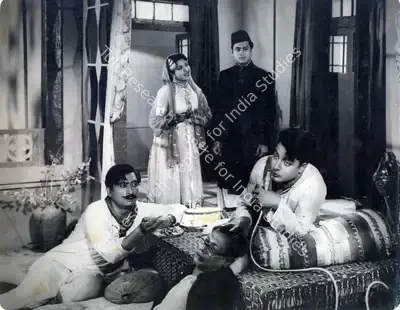
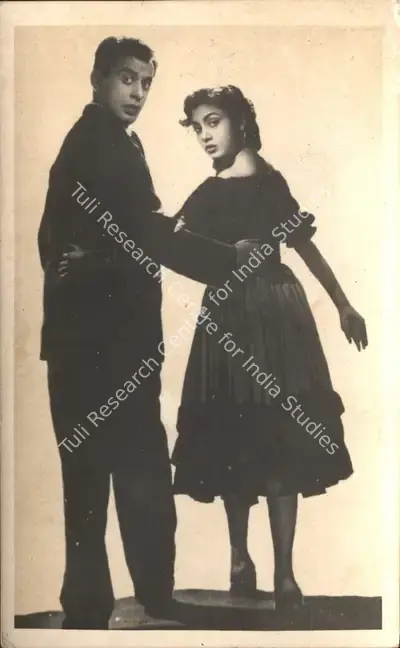
Ismat Chughtai (Producer), Darwaza, 1954, Photographic Still
Chughtai, Ismat (Producer), Darwaza, 1954 | Photographic Still
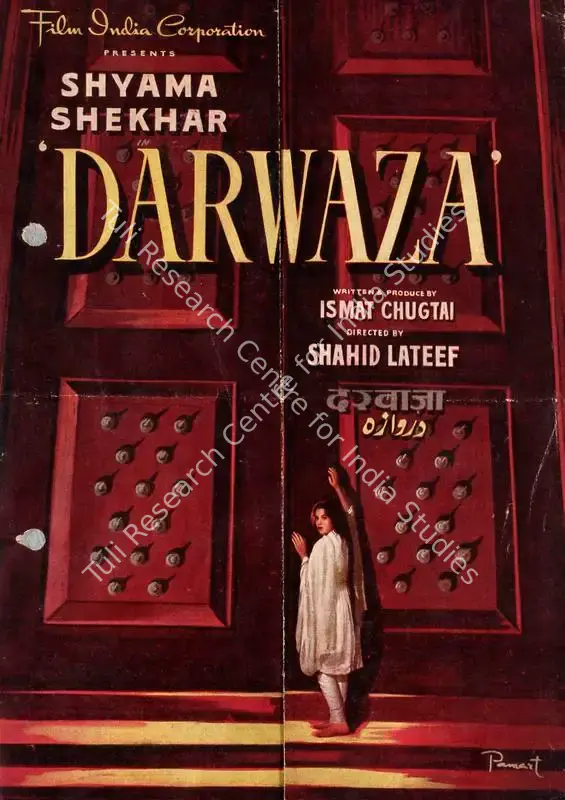
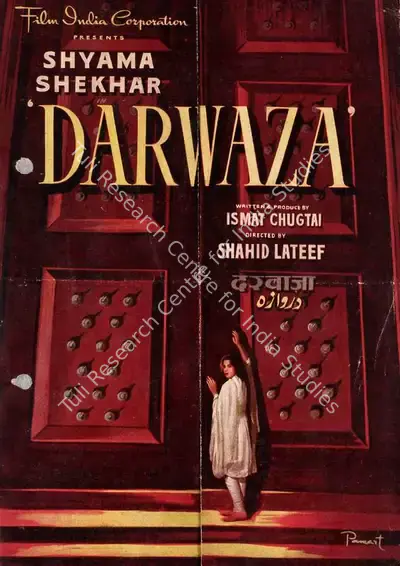
Ismat Chughtai (Producer), Darwaza, 1954, Song-Synopsis Booklet
Chughtai, Ismat (Producer), Darwaza, 1954 | Song-Synopsis Booklet
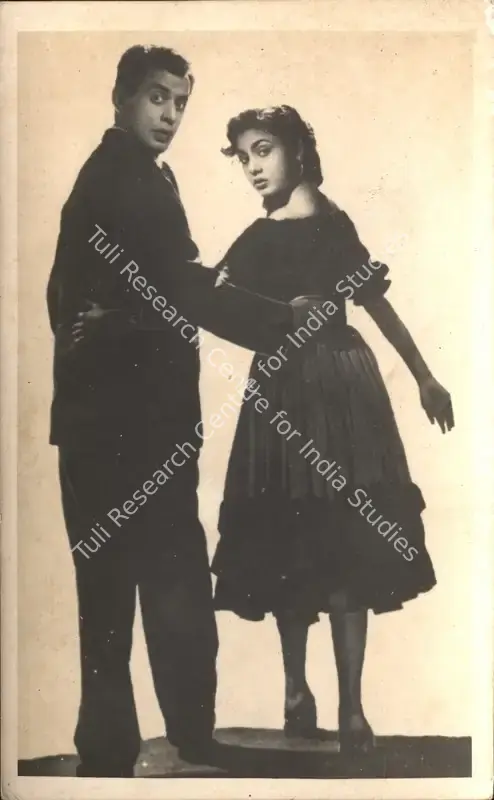
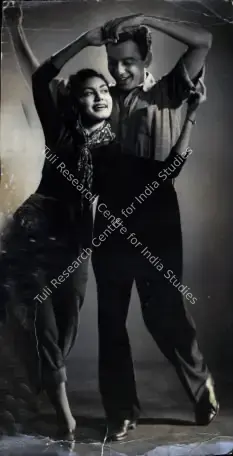
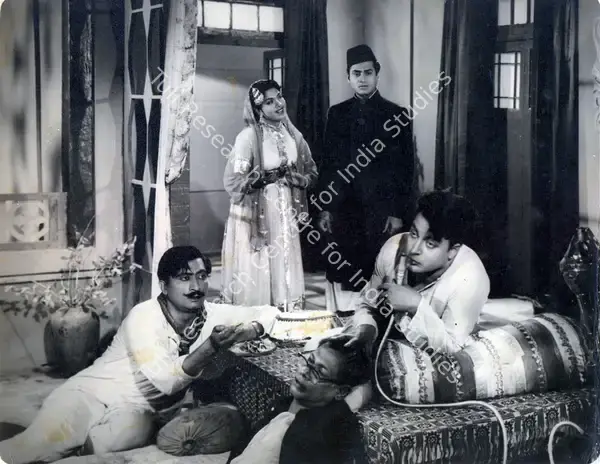
Ismat Chughtai (Producer), Society, 1955, Photographic Still
Chughtai, Ismat (Producer), Society, 1955 | Photographic Still
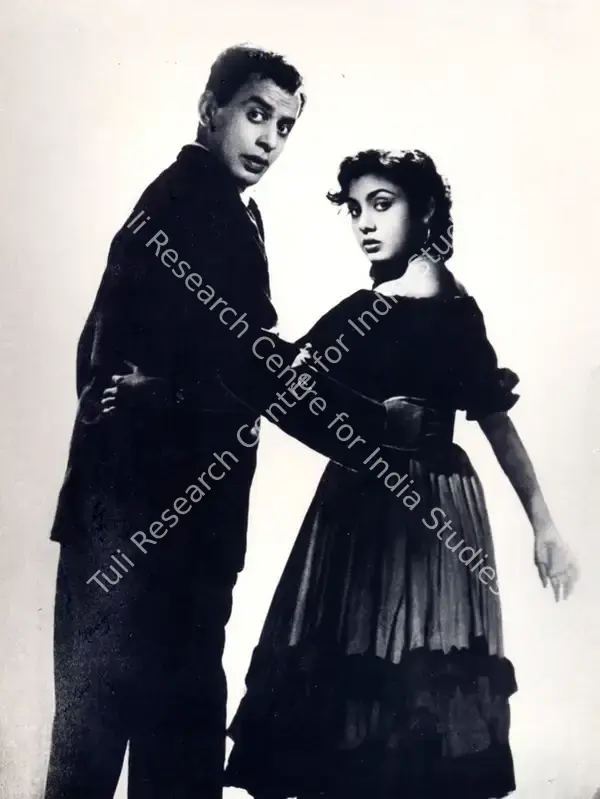
Ismat Chughtai (Producer), Society, 1955, Photographic Still
Chughtai, Ismat (Producer), Society, 1955 | Photographic Still
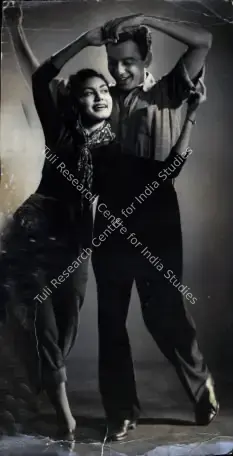
Ismat Chughtai (Producer), Society, 1955, Photographic Still
Chughtai, Ismat (Producer), Society, 1955 | Photographic Still
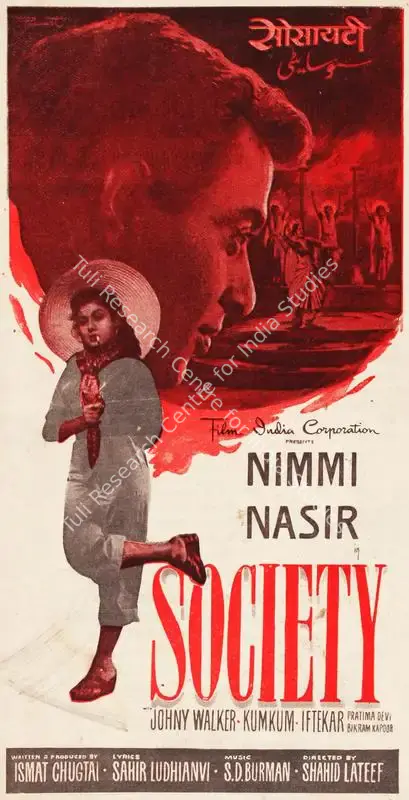
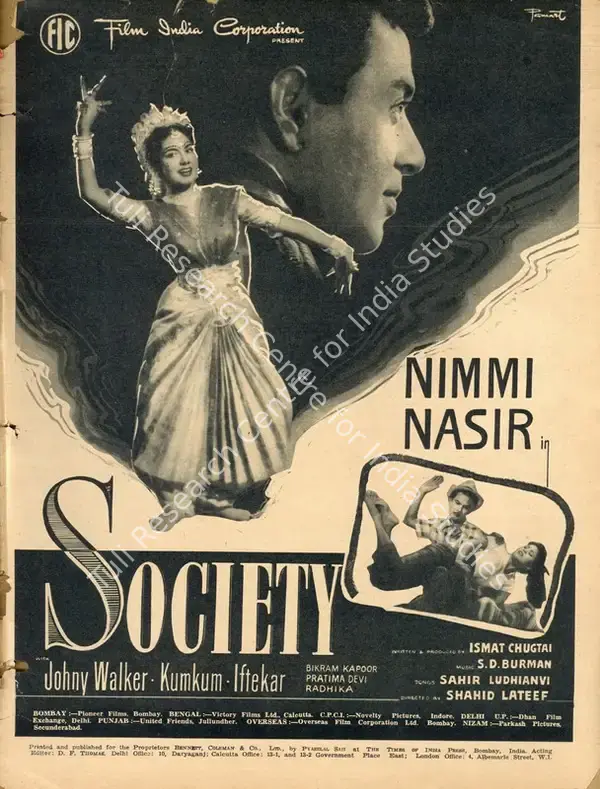
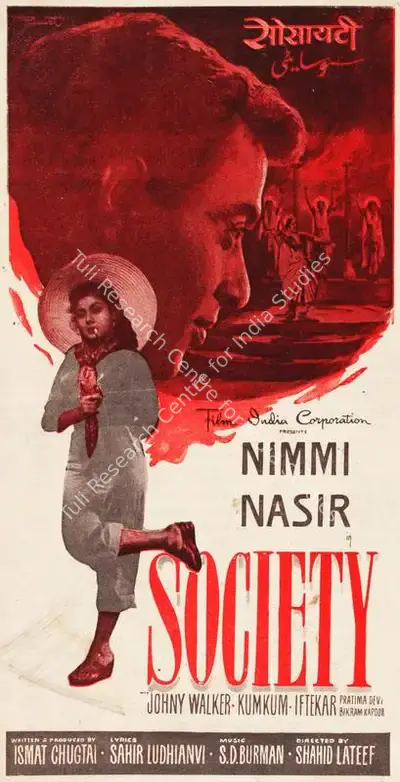
Ismat Chughtai (Producer), Society, 1955, Song-Synopsis Booklet
Chughtai, Ismat (Producer), Society, 1955 | Song-Synopsis Booklet
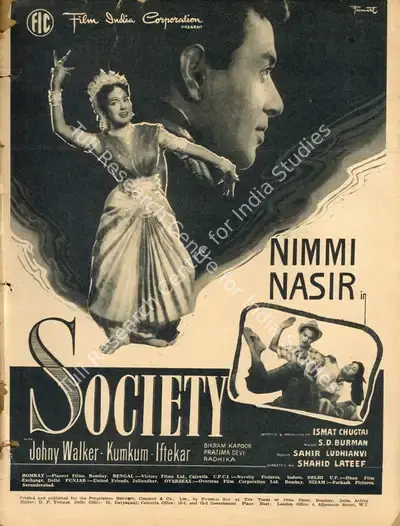
Ismat Chughtai (Producer), Society, 1955, Advertisement
Chughtai, Ismat (Producer), Society, 1955 | Advertisement
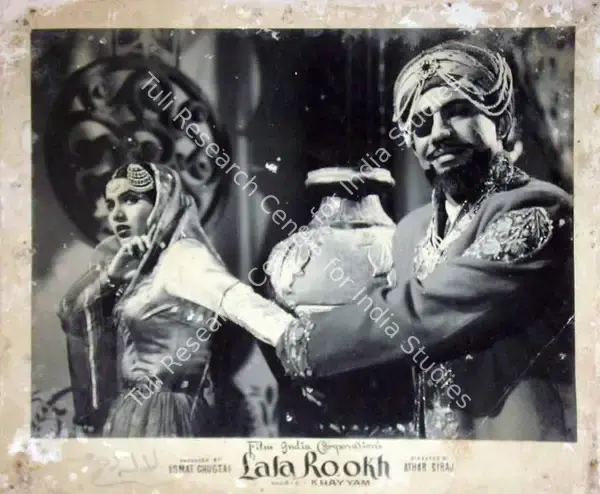
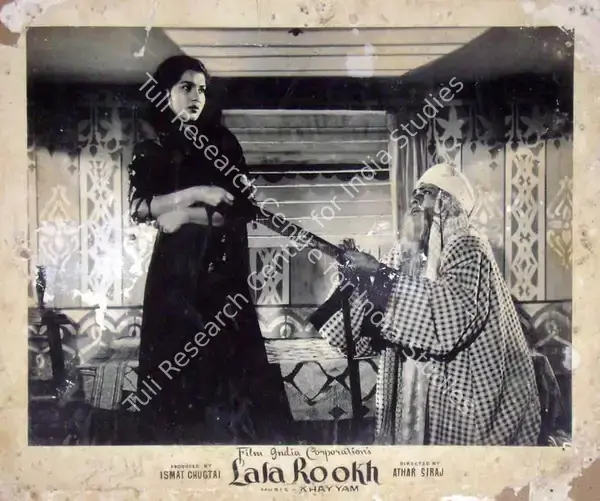
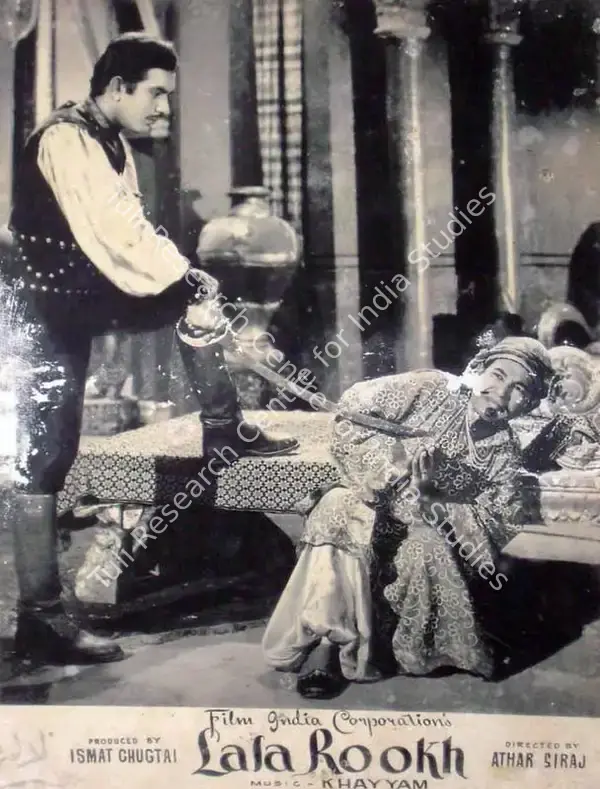
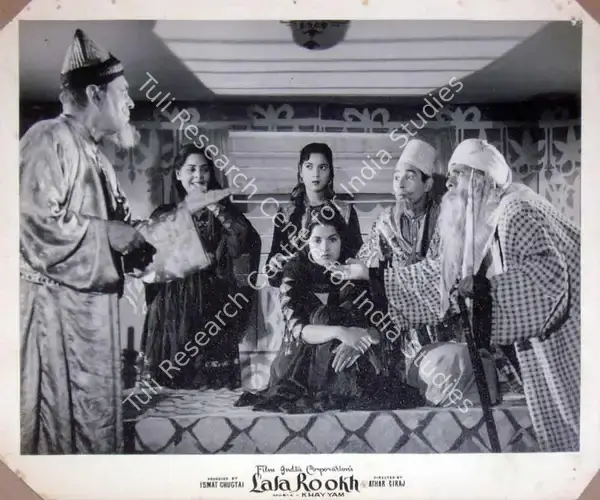
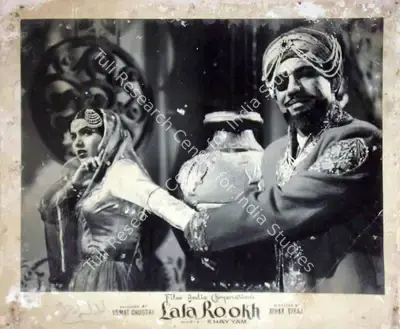
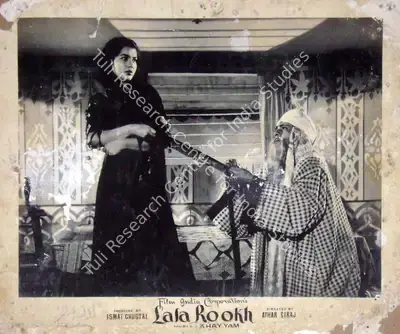
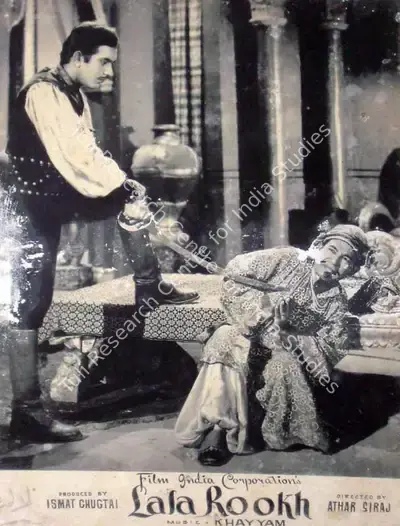
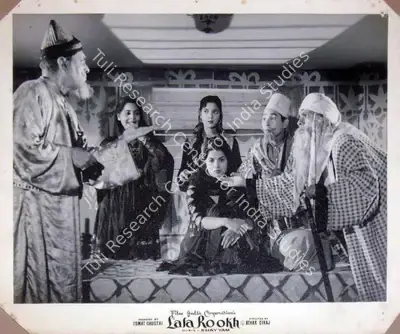
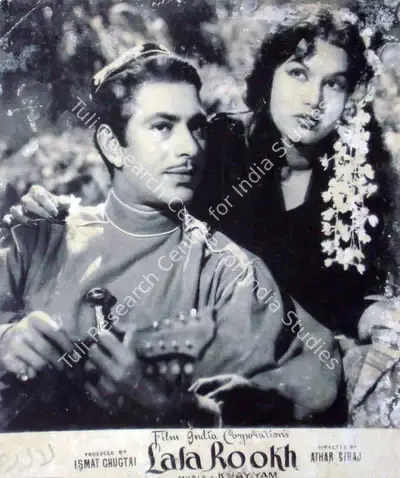
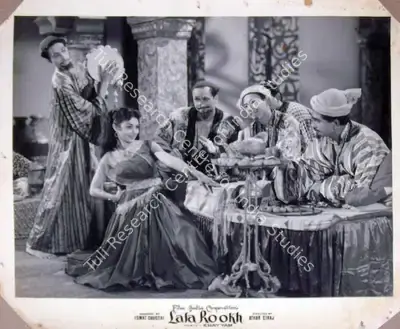
Ismat Chughtai (Producer), Lala Rookh, 1958, Lobby Card
Chughtai, Ismat (Producer), Lala Rookh, 1958 | Lobby Card
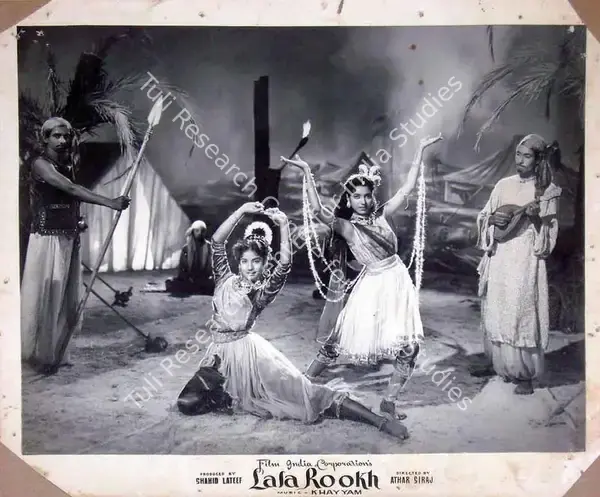
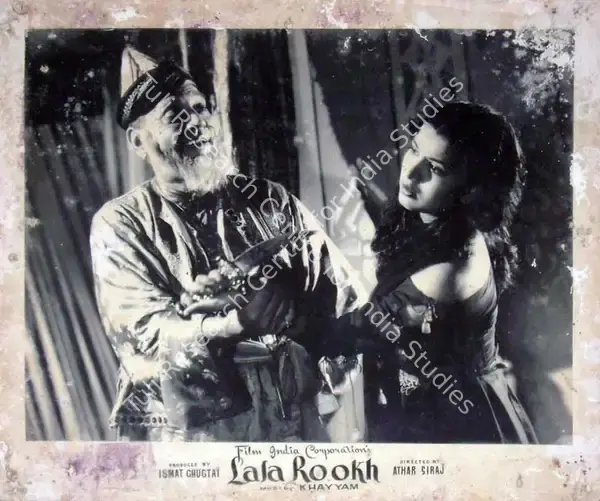
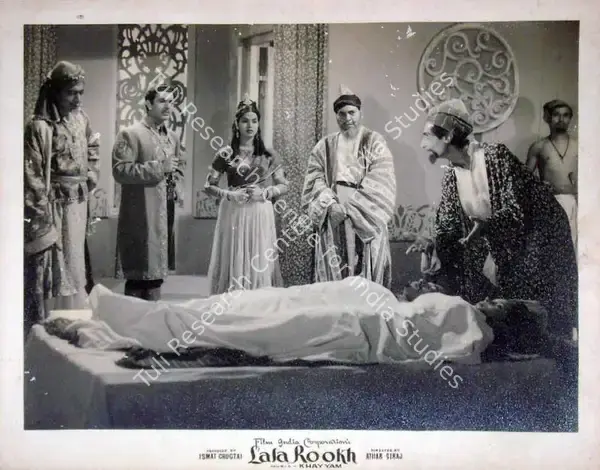
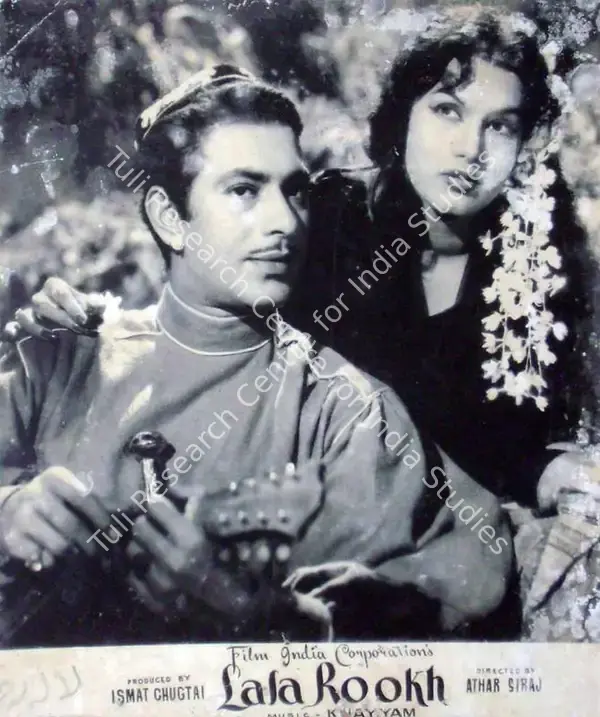
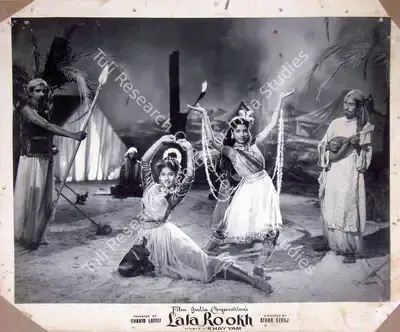
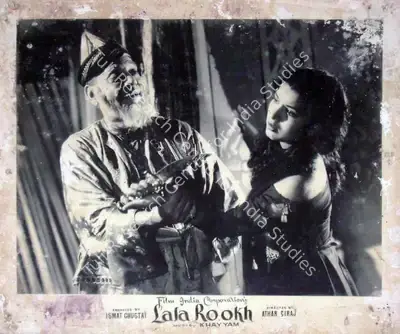
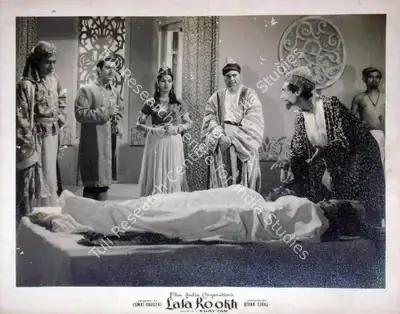
Ismat Chughtai (Producer), Lala Rookh, 1958, Lobby Card
Chughtai, Ismat (Producer), Lala Rookh, 1958 | Lobby Card
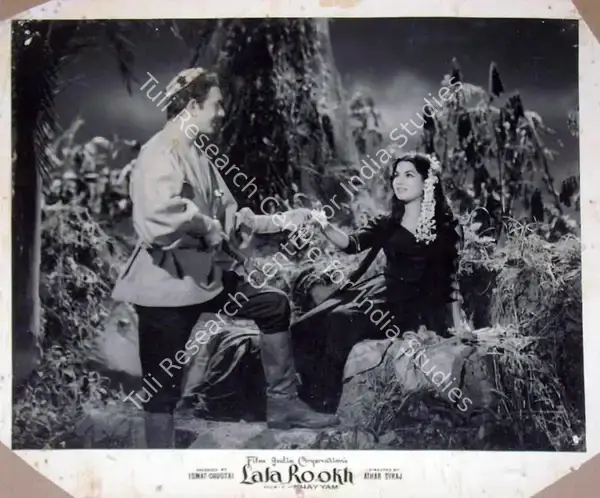
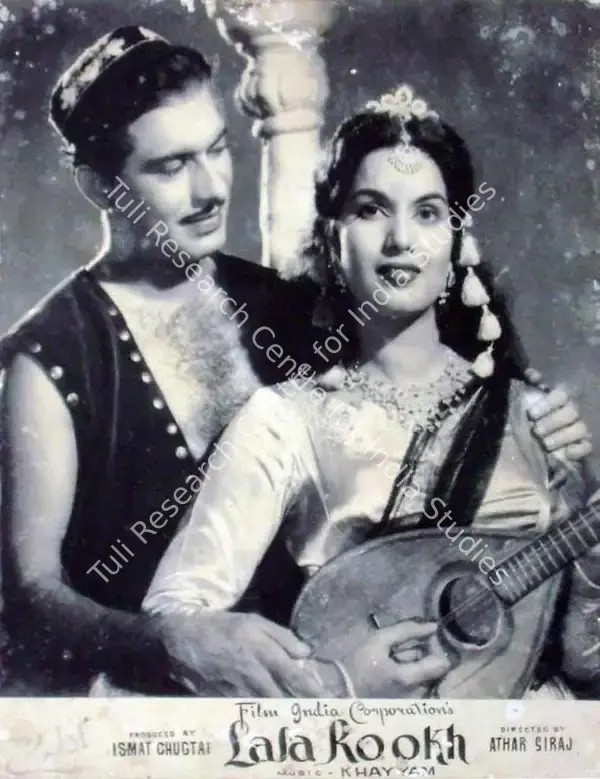
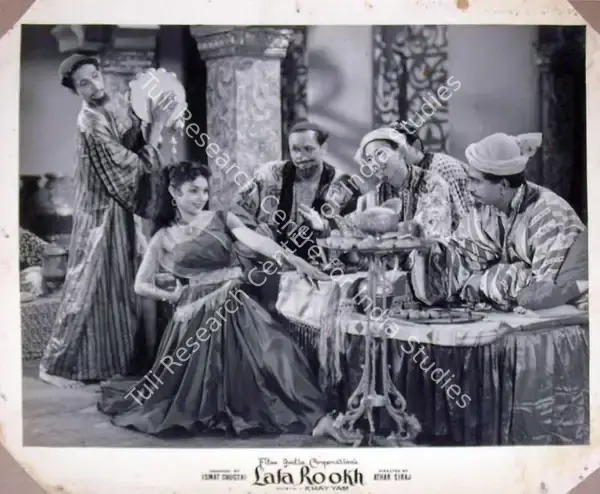
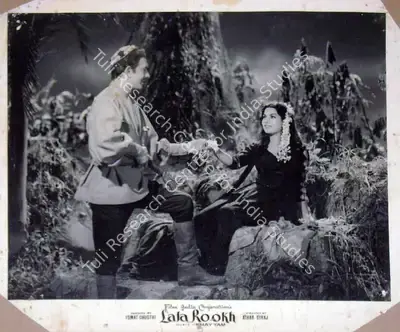
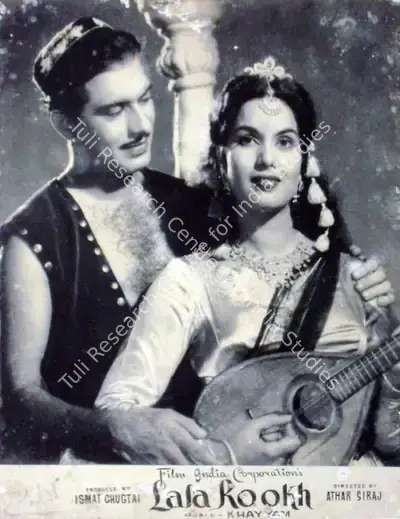
Ismat Chughtai (Producer), Lala Rookh, 1958, Lobby Card
Chughtai, Ismat (Producer), Lala Rookh, 1958 | Lobby Card
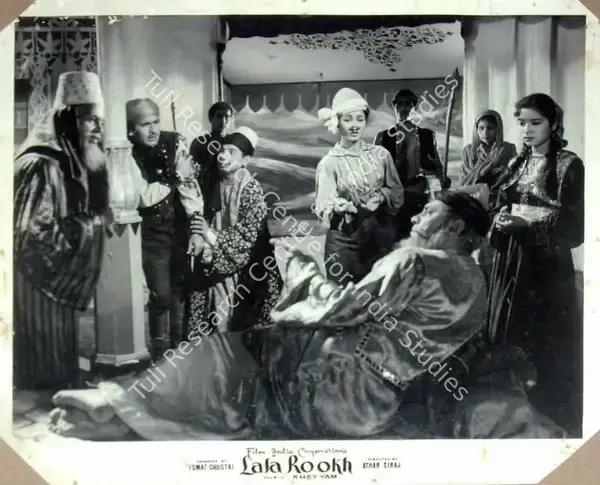
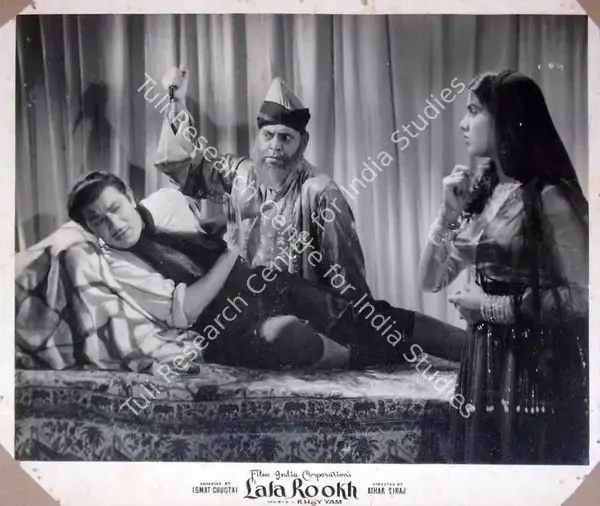
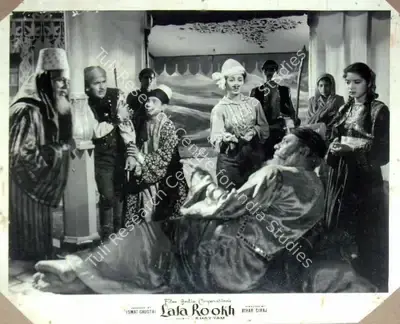
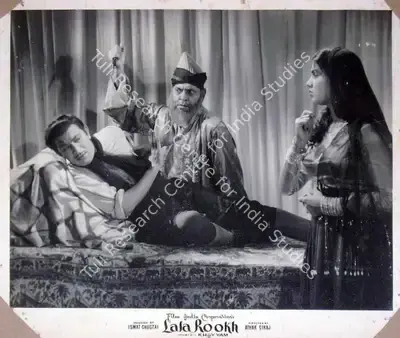
Ismat Chughtai (Producer), Lala Rookh, 1958, Lobby Card
Chughtai, Ismat (Producer), Lala Rookh, 1958 | Lobby Card
Ismat Chughtai (Producer), Lala Rookh, 1958, Lobby Card
Chughtai, Ismat (Producer), Lala Rookh, 1958 | Lobby Card
Ismat Chughtai (Producer), Lala Rookh, 1958, Lobby Card
Chughtai, Ismat (Producer), Lala Rookh, 1958 | Lobby Card
Ismat Chughtai (Producer), Lala Rookh, 1958, Lobby Card
Chughtai, Ismat (Producer), Lala Rookh, 1958 | Lobby Card
Ismat Chughtai (Producer), Lala Rookh, 1958, Lobby Card
Chughtai, Ismat (Producer), Lala Rookh, 1958 | Lobby Card
Ismat Chughtai (Producer), Lala Rookh, 1958, Lobby Card
Chughtai, Ismat (Producer), Lala Rookh, 1958 | Lobby Card
Ismat Chughtai (Producer), Lala Rookh, 1958, Lobby Card
Chughtai, Ismat (Producer), Lala Rookh, 1958 | Lobby Card
Ismat Chughtai (Producer), Lala Rookh, 1958, Lobby Card
Chughtai, Ismat (Producer), Lala Rookh, 1958 | Lobby Card
Ismat Chughtai (Producer), Lala Rookh, 1958, Lobby Card
Chughtai, Ismat (Producer), Lala Rookh, 1958 | Lobby Card
Ismat Chughtai (Producer), Lala Rookh, 1958, Lobby Card
Chughtai, Ismat (Producer), Lala Rookh, 1958 | Lobby Card
20 of 42
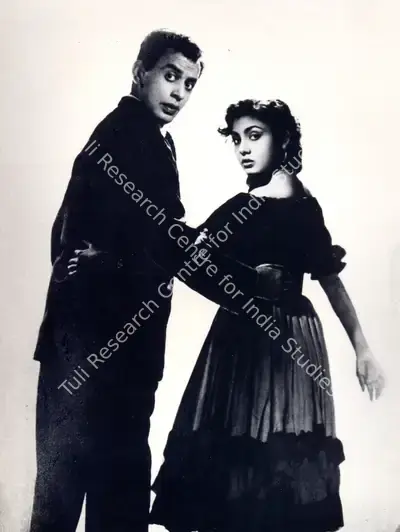
Ismat Chughtai (Producer), Darwaza, 1954, Photographic Still
Chughtai, Ismat (Producer), Darwaza, 1954 | Photographic Still
Ismat Chughtai (Producer), Darwaza, 1954, Song-Synopsis Booklet
Chughtai, Ismat (Producer), Darwaza, 1954 | Song-Synopsis Booklet
Ismat Chughtai (Producer), Society, 1955, Photographic Still
Chughtai, Ismat (Producer), Society, 1955 | Photographic Still
Ismat Chughtai (Producer), Society, 1955, Photographic Still
Chughtai, Ismat (Producer), Society, 1955 | Photographic Still
Ismat Chughtai (Producer), Society, 1955, Photographic Still
Chughtai, Ismat (Producer), Society, 1955 | Photographic Still
Ismat Chughtai (Producer), Society, 1955, Song-Synopsis Booklet
Chughtai, Ismat (Producer), Society, 1955 | Song-Synopsis Booklet
Ismat Chughtai (Producer), Society, 1955, Advertisement
Chughtai, Ismat (Producer), Society, 1955 | Advertisement
Ismat Chughtai (Producer), Lala Rookh, 1958, Lobby Card
Chughtai, Ismat (Producer), Lala Rookh, 1958 | Lobby Card
Ismat Chughtai (Producer), Lala Rookh, 1958, Lobby Card
Chughtai, Ismat (Producer), Lala Rookh, 1958 | Lobby Card
Ismat Chughtai (Producer), Lala Rookh, 1958, Lobby Card
Chughtai, Ismat (Producer), Lala Rookh, 1958 | Lobby Card
Ismat Chughtai (Producer), Lala Rookh, 1958, Lobby Card
Chughtai, Ismat (Producer), Lala Rookh, 1958 | Lobby Card
Ismat Chughtai (Producer), Lala Rookh, 1958, Lobby Card
Chughtai, Ismat (Producer), Lala Rookh, 1958 | Lobby Card
Ismat Chughtai (Producer), Lala Rookh, 1958, Lobby Card
Chughtai, Ismat (Producer), Lala Rookh, 1958 | Lobby Card
Ismat Chughtai (Producer), Lala Rookh, 1958, Lobby Card
Chughtai, Ismat (Producer), Lala Rookh, 1958 | Lobby Card
Ismat Chughtai (Producer), Lala Rookh, 1958, Lobby Card
Chughtai, Ismat (Producer), Lala Rookh, 1958 | Lobby Card
Ismat Chughtai (Producer), Lala Rookh, 1958, Lobby Card
Chughtai, Ismat (Producer), Lala Rookh, 1958 | Lobby Card
Ismat Chughtai (Producer), Lala Rookh, 1958, Lobby Card
Chughtai, Ismat (Producer), Lala Rookh, 1958 | Lobby Card
Ismat Chughtai (Producer), Lala Rookh, 1958, Lobby Card
Chughtai, Ismat (Producer), Lala Rookh, 1958 | Lobby Card
Ismat Chughtai (Producer), Lala Rookh, 1958, Lobby Card
Chughtai, Ismat (Producer), Lala Rookh, 1958 | Lobby Card
Ismat Chughtai (Producer), Lala Rookh, 1958, Lobby Card
Chughtai, Ismat (Producer), Lala Rookh, 1958 | Lobby Card
20 of 42
Tuli Research Centre for India Studies

Tuli Research Centre

for India Studies

A free and open knowledge base for the modern and contemporary Indian arts, cinema, photography and cultural heritage.

Support

Contact Us

Discover

Tuli Research Centre for India StudiesVisionManifestoArchive & LibraryVanraja Sanctuary & Hospice

Legal

Privacy PolicyTerms & Conditions

Follow us

Youtube

Youtube

Instagram

Instagram

Facebook

Facebook

© Tuli Research Centre for India Studies 2026

Tuli Research Centre for India Studies

Tuli Research Centre

for India Studies

A free and open knowledge base for the modern and contemporary Indian arts, cinema, photography and cultural heritage.

Tuli Research Centre for India StudiesVisionManifestoArchive & LibraryVanraja Sanctuary & Hospice
Contact Us
Privacy PolicyTerms & Conditions

Follow us

YoutubeInstagramFacebook

© Tuli Research Centre for India Studies 2026

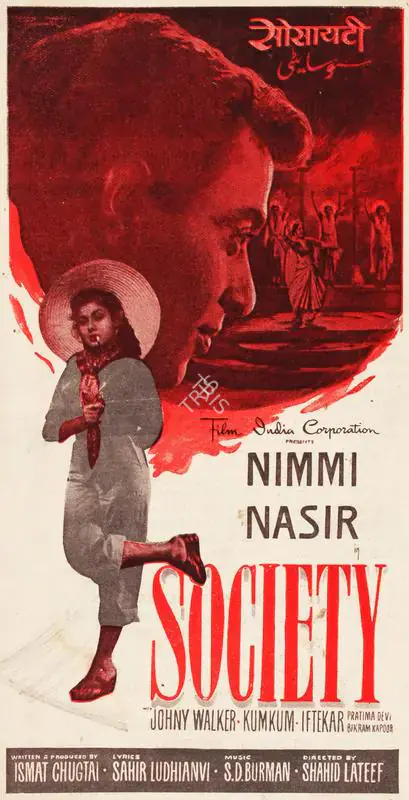
                          Chughtai, Ismat (Producer), Society, 1955 | Song-Synopsis Booklet | CinemaEducation | 00780539

                          Chughtai, Ismat (Producer), Society, 1955 | Song-Synopsis Booklet

                          ProducerIsmat Chughtai
                          Document TypeSong-Synopsis Booklet
                          Film TitleSociety, 1955, India, Hindi
                          DirectorShahid LateefBannerFilm India Corporation
                          CastKum Kum, Johnny Walker, Nasir, Nimmi, Pratima Devi, Bikram Kapoor, Iftekhar
                          Music DirectorSachin Dev Burman
                          Keywordsmast-cpe-0005928
                          Copyright of ImageWith Producer | Archive Object

                          Research Categories

                          1_CinemaEducation

                          Related Links7

                          Masterlist6
                          IftekharThe Hindi Film Song Synopsis BookletJohnny WalkerSachin Dev BurmanAsha BhosleGeeta Dutt
                          Research Categories
                          01Cinema as a Critical Educational Resource