

Introduction
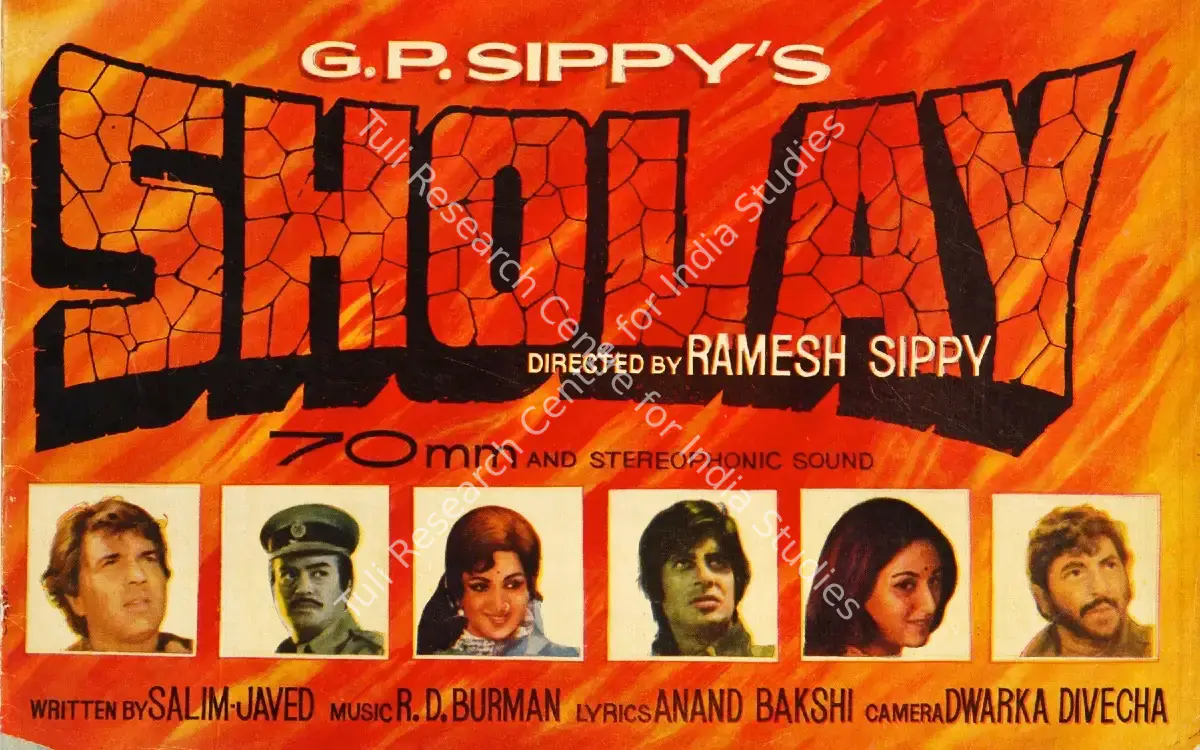
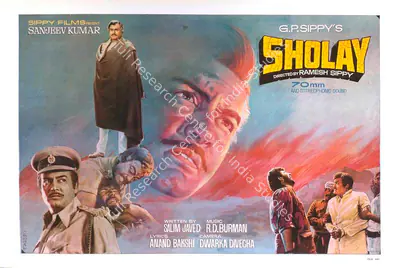
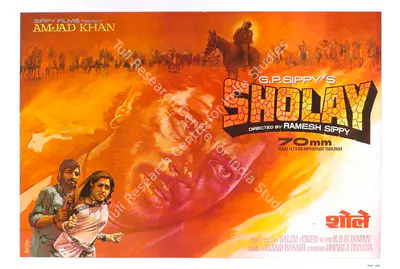
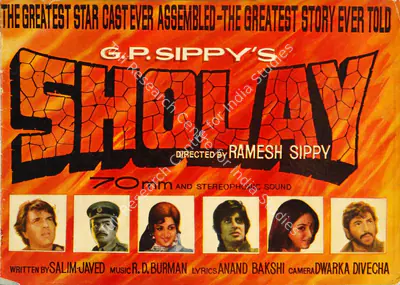
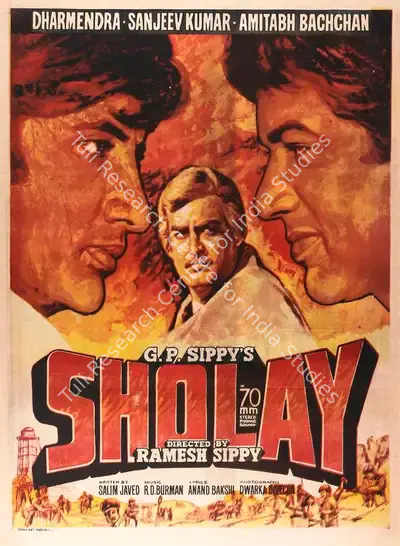
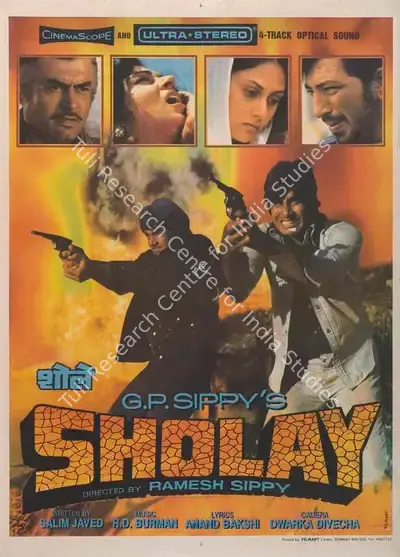
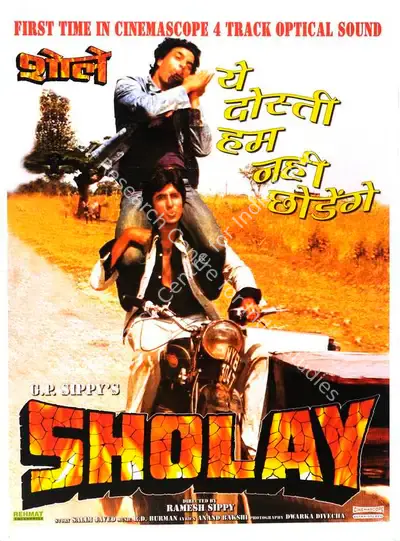
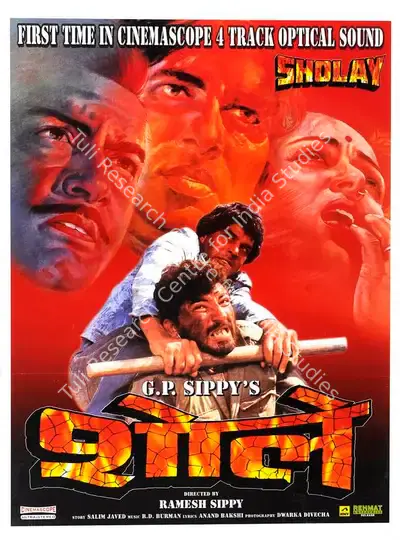
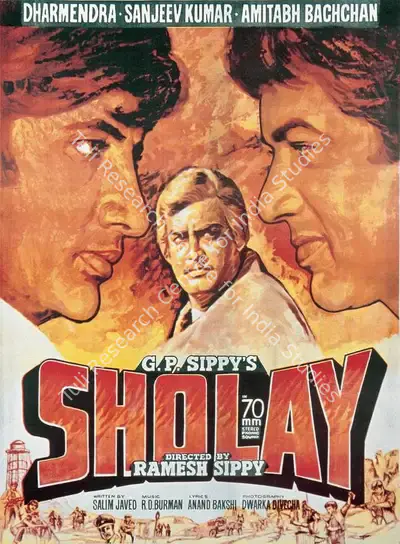
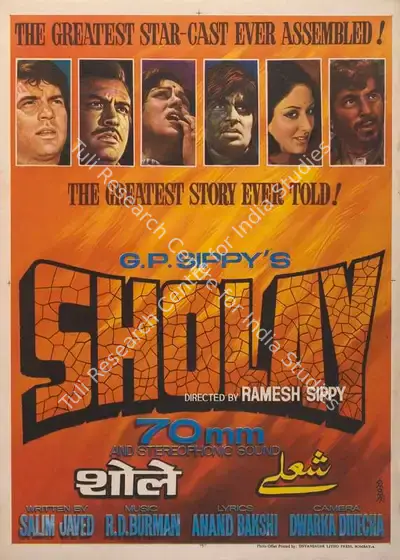
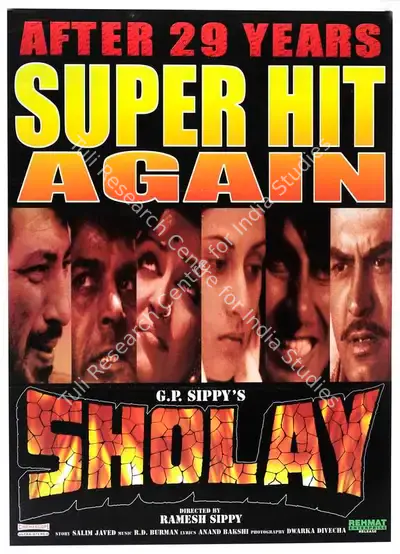
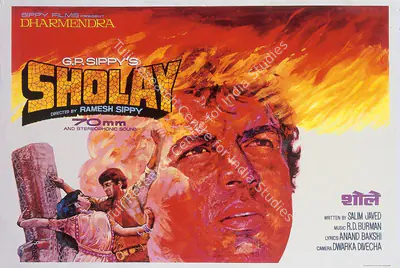
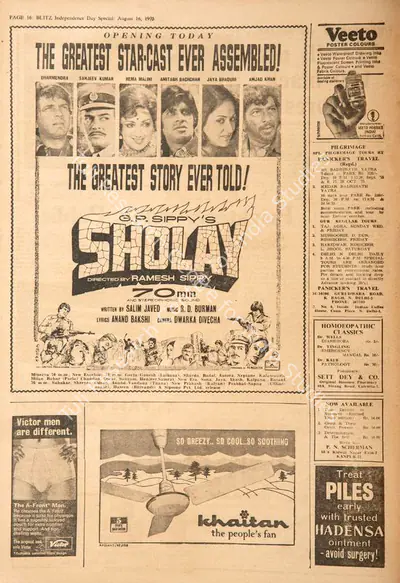
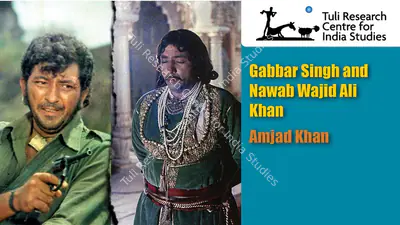
Ramesh Sippy's Sholay stands towering as the monolith that is emblematic of the all-encompassing emotional rollercoaster that is Hindi cinema. The film follows two inseparable jailbirds, Jai and Veeru (played by Dharmendra and Amitabh Bachchan) who are hired by a former Inspector “Thakur" (Sanjeev Kumar) to kill the infamous dacoit Gabbar Singh (Amjad Khan) and avenge the massacre of his family. The aforementioned synopsis by the famous Salim-Javed duo was rejected by many filmmakers before Ramesh Sippy decided to direct the film.
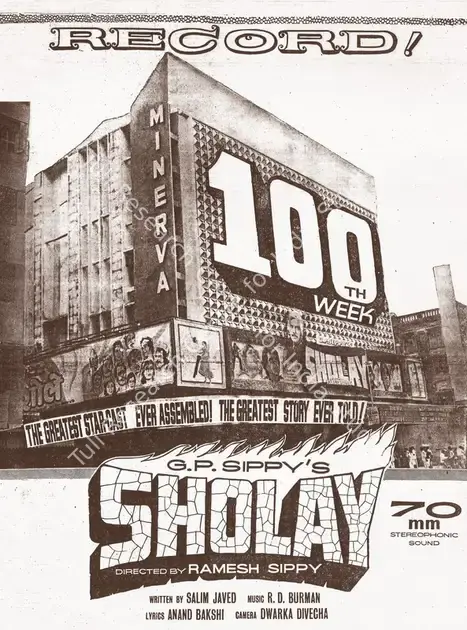
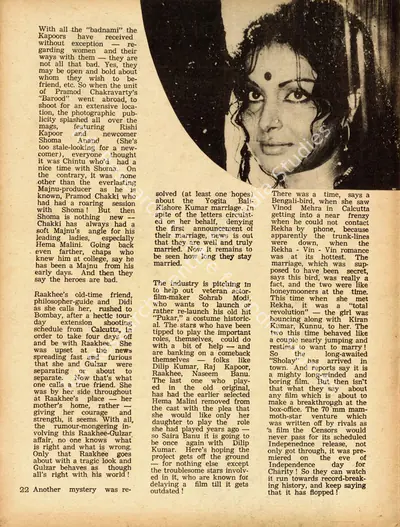
The film received unfavourable reviews from critics in its day due to the gratuitous violence displayed, and trade pundits declared that the film wouldn't succeed because it lacked the "Maa" trope which was in vogue at the time, in the wake of the success of contemporaneous films such as Jai Santoshi Ma and Deewar . Despite these initial setbacks, the mammoth production became the cultural milestone it is today.
Sholay combined the landscape of Spaghetti Westerns of Hollywood and the conflicts of dacoit films uniquely indigenous to India to give rise to what is now termed "Curry Western". The uninhibited depiction of violence by both the protagonists and the antagonist was an attempt to capture the breakdown of law and order in the Hindi Belt, home of most of the film's major chunk of audience. It portrayed a society where a former policeman, disillusioned with the system, had to turn to vigilante violence to obtain justice.
The film captures the mood of the nation in the mid-70's where trust in institutions was at an all-time low. This sentiment was reflected in the popularity of Jai Prakash Narayan's call for Total Revolution, which started in Bihar and swept all of North India. It questioned the legitimacy of Indira Gandhi's government, resulting in her proclamation of Emergency two months before the film's release. Sholay's narrative, with its themes of vigilante justice and social hierarchy, resonated deeply with audiences living through these tumultuous times.
रिलीज़ के समय फ़िल्म को आलोचकों से नकारात्मक समीक्षाएँ मिलीं और कहा गया कि फ़िल्म में ज़रूरत से ज़्यादा हिंसा का चित्रण है। उस दौर के ट्रेड पंडितों ने यहाँ तक घोषणा की कि ये फ़िल्म इसलिए सफल नहीं होगी क्योंकि इसमें “माँ” की अनुपस्थिति है। असल में शोले से कुछ ही पहले रिलीज़ हुई जय संतोषी माँ और दीवार जैसी फ़िल्मों की अभूतपूर्व सफलता के चलते कथानक में माँ की केंद्रीय उपस्थिति को कामयाबी की चाबी माना जाने लगा था। सफलता के मद्देनजर। पर इन शुरुआती झटकों के बावजूद शोले का महाकाय स्तर पर हुआ निर्माण आज भी लोकप्रिय संस्कृति की सबसे यादगार कहानी बना हुआ है।
शोले ने हॉलीवुड की 'स्पेगेटी वेस्टर्न' शैली की फ़िल्मों की ज़मीन पर स्वदेशी डकैत फिल्मों के नितांत भारतीय खानदानी संघर्षों की इमारत खड़ी करते हुए एक नायाब नई ही शैली इज़ाद कर दी, जिसे अब “करी वेस्टर्न" फ़िल्म कहकर पुकारा जाता है। फ़िल्म के नायक और खलनायक दोनों की ओर से निर्बाध हिंसा का चित्रण उस दौर में हिन्दी पट्टी के इलाके में ध्वस्त हो रहे कानून व्यवस्था के शासन को उसकी वास्तविकता में दिखाने की कोशिश था। शोले एक ऐसे समय और समाज की कहानी है जहाँ एक भूतपूर्व पुलिसवाला व्यवस्था से न्याय मिलने की उम्मीद ख़त्म होने पर मोहभंग के चलते इंसाफ़ पाने के लिए कानून के दायरे से बाहर जाकर हिंसा का सहारा लेता है।
1970 के दशक के एकदम बीचोंबीच रिलीज़ हुई यह फ़िल्म उस समय की राष्ट्रीय भावनाओं को ज़बान देती है जब संस्थाओं पर से जनता का भरोसा टूट रहा था। कई मायनों में यह भावना जयप्रकाश नारायण के बिहार से शुरु होकर पूरे उत्तर भारत में फैल गए 'संपूर्ण क्रांति' के आह्वान की सिनेमाई अभिव्यक्ति भी थी। नारायण के नेतृत्व में खड़े हुए नवनिर्माण आन्दोलन ने इंदिरा गांधी की सत्ता की वैधता को कटघरे में खड़ा कर दिया, जिसके नतीजे में उन्होंने देश में आपातकाल की घोषणा कर दी। यह शोले की रिलीज़ से सिर्फ़ दो महीने पहले की बात है। सामाजिक गैरबराबरी और अन्याय के विरुद्ध हिंसक समाधान की वकालत करती शोले की कहानी ने इस विप्लवकारी समय में दर्शकों पर बहुत गहरा प्रभाव डाला।
Body of Work
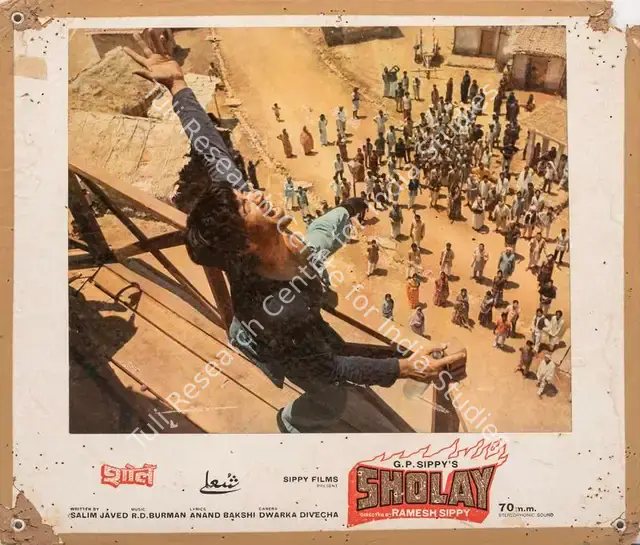
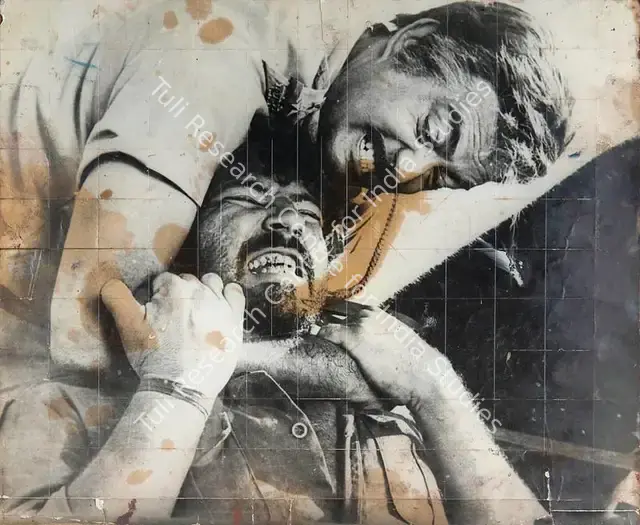
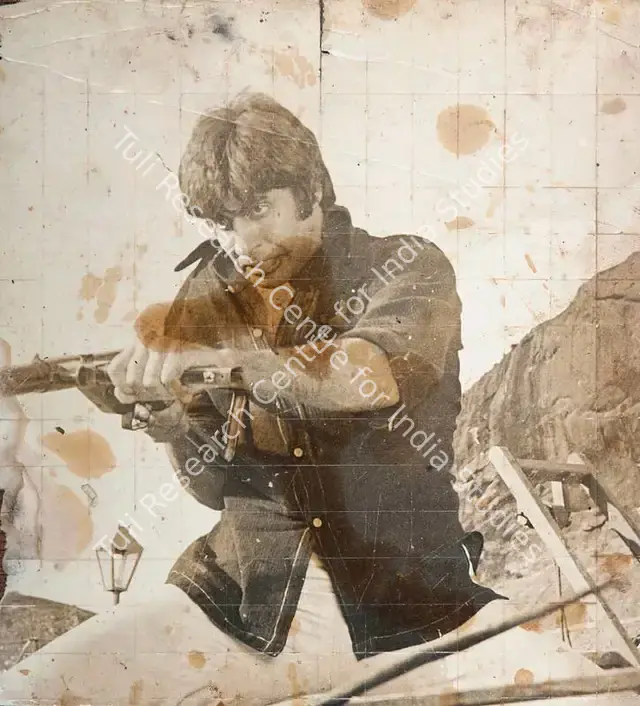
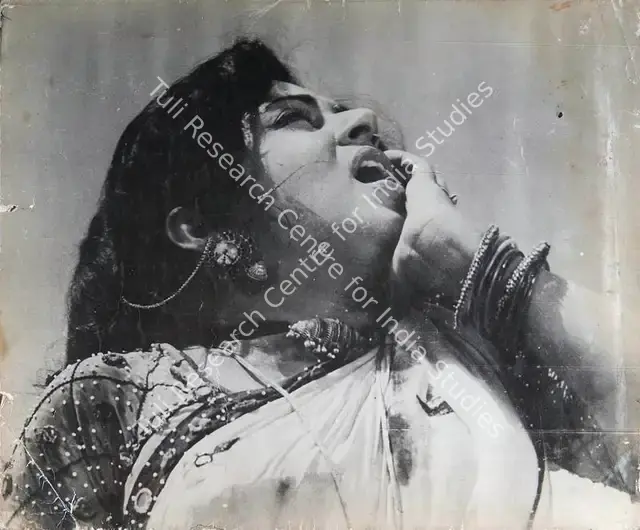
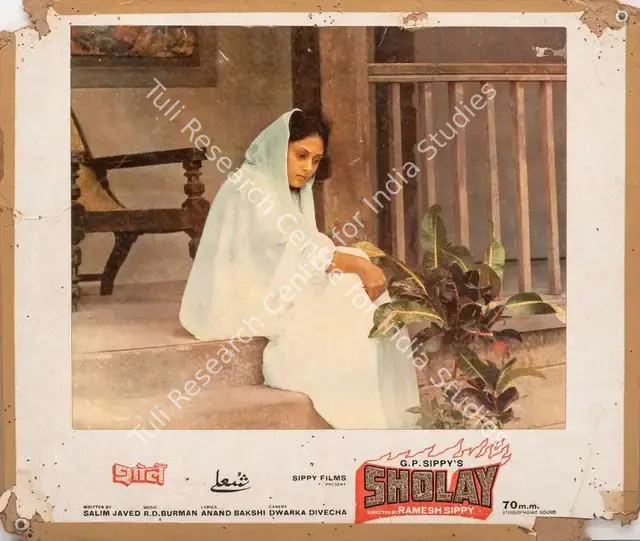
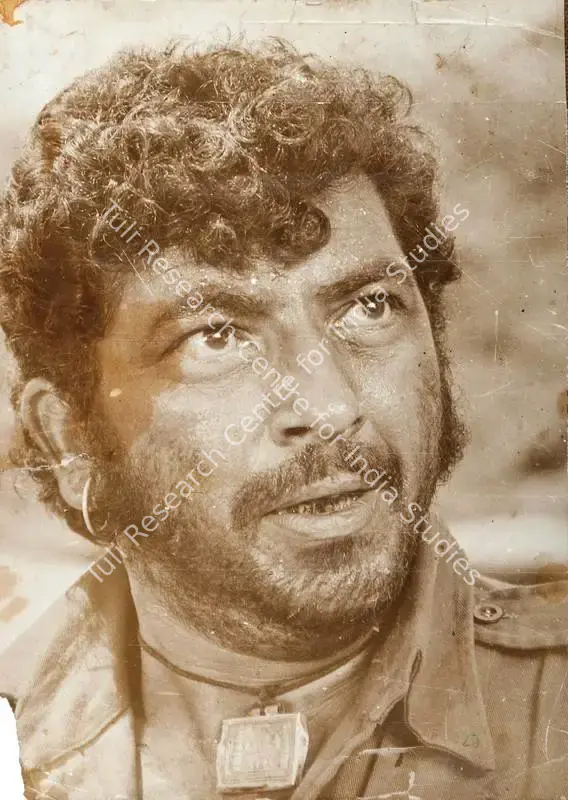
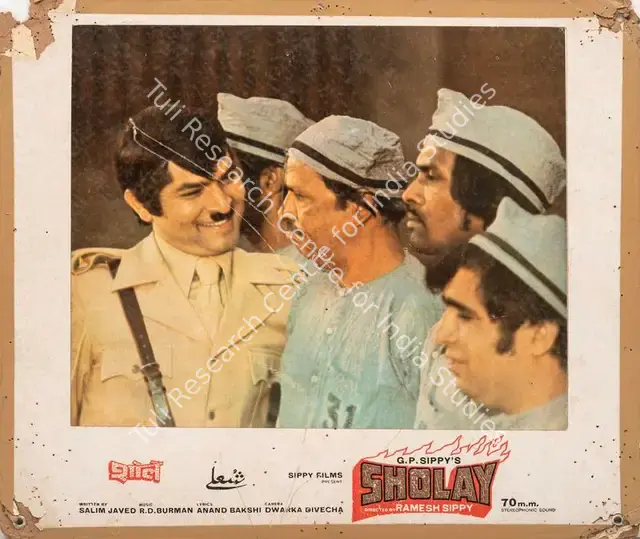
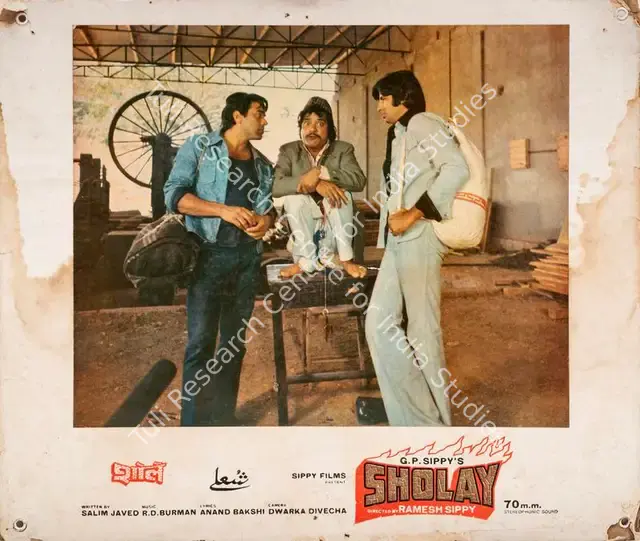
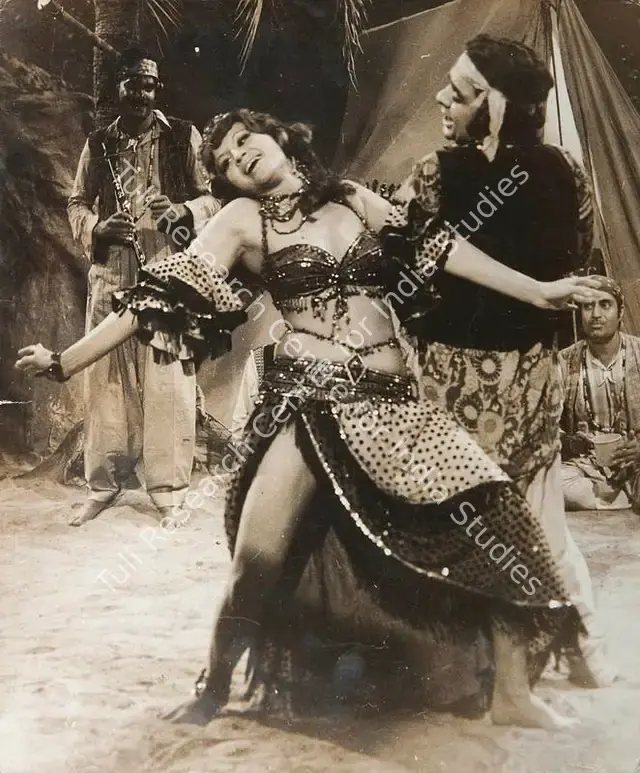
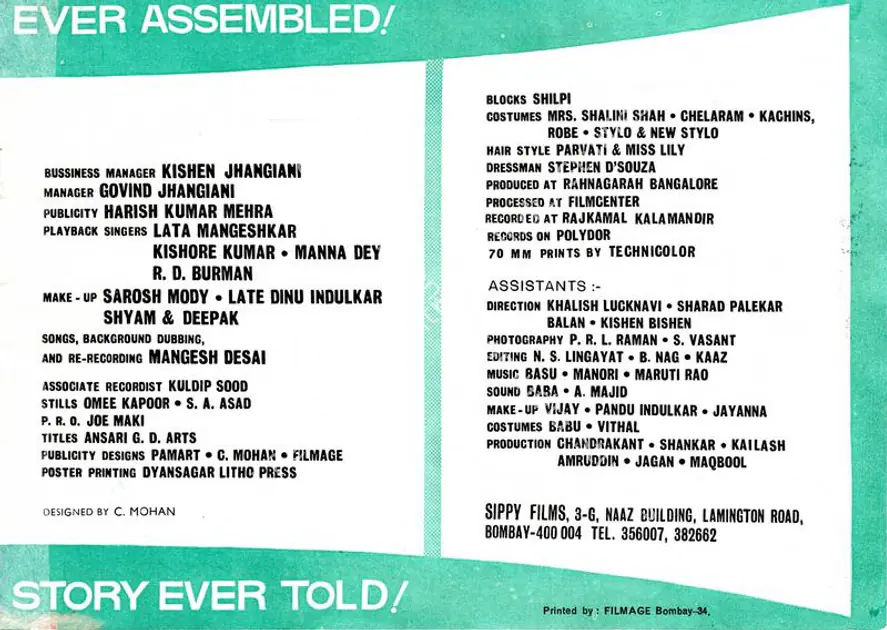
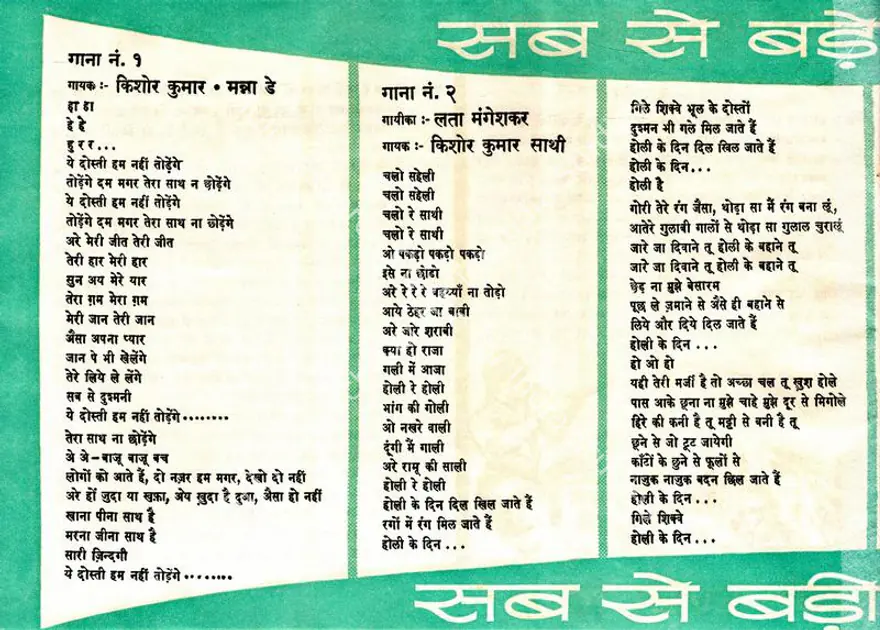
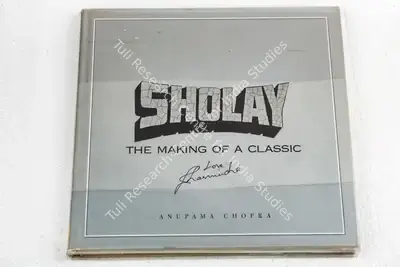
Sippy, G.P. (Producer), Sholay, 1975 | Song-Synopsis Booklet | CinemaEducation | 00798593
05:21 mins
05:26 mins
04:00 mins
05:42 mins
03:45 mins
01:49 mins
Economics of Cinema
1975
- BFJA Award
Best Cinematography · The Bengal Film Journalists Association
- BFJA Award
Best Art Direction · The Bengal Film Journalists Association
- Filmfare Awards
Best Editing · The Times Group
- BFJA Award
Best Supporting Actor · The Bengal Film Journalists Association
Research Centre
Posts 1
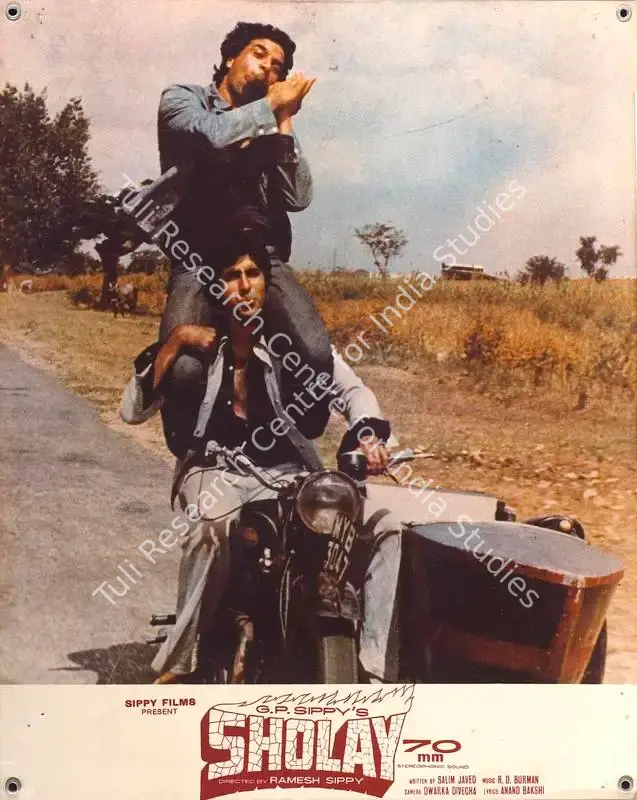
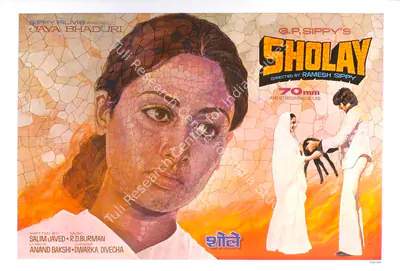
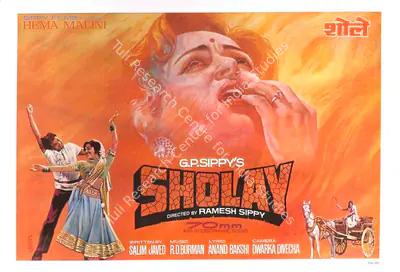
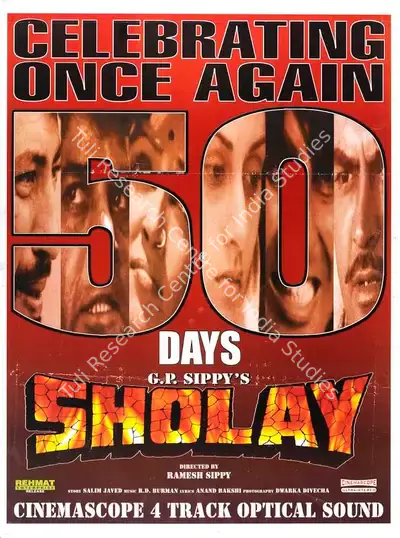
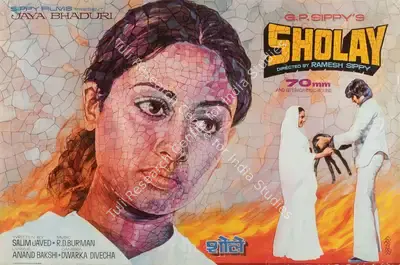
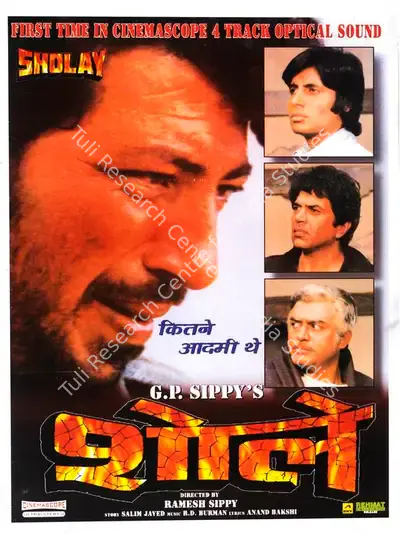
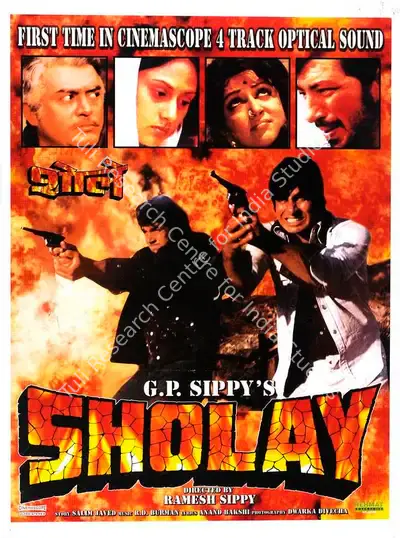
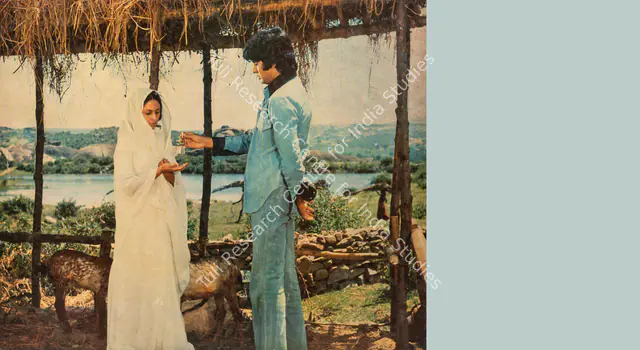
- The iconic mouth-organ scene from the 1975 Ramesh Sippy film Sholay was performed by Bhanu Gupta, an integral part of the film's music composer R.D. Burman's team. Primarily a dacoit film, also referred to as a Dacoit Western, combining tropes of Hollywood Curry Westerns and Indian dacoit films, this scene was a rare moment of expression of outward calm, inner loneliness and an unspoken connection, portrayed beautifully by Amitabh and Jaya Bachchan (née Bhaduri). A review in the popular film magazine of the time Star & Style (12 September 1975) noted that, “Jaya conveys almost everything with her face…we have hardly any other Hindi actress who can do such a feat, of expressing sadness and hope.” In the scene, filmed at dusk, Radha, the young widow of the Thakur's son, lights the lamp of the house while Jai is sitting downstairs playing a melancholic tune on his mouth organ. The sadness of Radha and the longing that Jai feels for her is portrayed beautifully establishing a moment of tranquillity between the two characters with a doomed ending. Ramesh Sippy in an interview recounted how the scene took several days to be satisfactorily filmed as he wanted to capture the perfect lighting and mood for the shot. Termed as a non-starter upon its release and panned by the critics, the film went on to become a cult classic, remembered for its story, acting, music and overall production values, drawing audiences in droves to the theatres. Sholay, has been revered by many film critics and enthusiasts over the years gaining accolades such as the “Top 10 Indian Films” of all time by the British Film Institute in 2002 and the “Best Film of 50 Years” by the Filmfare Awards in 2005.
Calendar 2
- ArchivedExhibitionProject 70A Homage to the Cinema of Dharmendra25th - 31st March 202611:00am - 7:00pmBharat Mandapam, Hall-14, Ground Floor, Pragati Maidan, New Delhi - 110005Chief Guests: Sunny Deol, Bobby Deol and Abhay DeolA Homage to the Cinema of Dharmendra offers an incisive and in-depth visual look into the career and legacy of the artist.Read More →
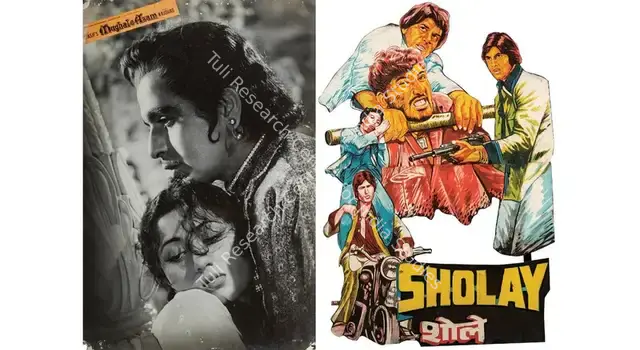
- ArchivedTwo-Day ExhibitionProject 20Mughal-e-Azam & SholayVintage Art Legacies of two Cinematic Masterpieces of Bombay Cinema5th - 6th January 202611:00amThe Well, The Tuli Research Centre for India Studies, 14 Green Avenue, Vasant Kunj, New Delhi, 110070SMM Ausaja, Dr Kaushik Bhowmick, Sukhpreet Kahlon & Neville Tuli

Related
17
Personalities
16