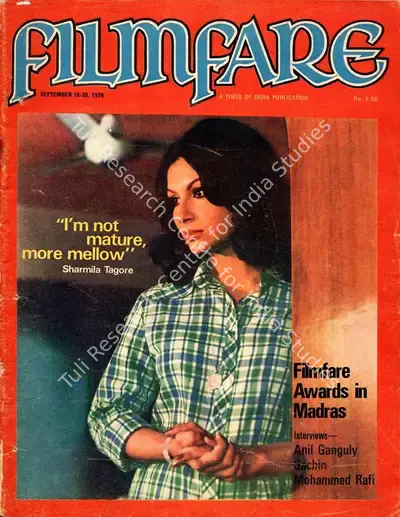

Sachin Pilgaonkar
Sachin Pilgaonkar (born 17 August 1957) Widely known mononymously as Sachin, he is a prominent Indian actor, director, producer, writer, and singer associated with Marathi and Hindi cinema. Over a career spanning more than five decades, he has emerged as a central figure in popular Marathi filmmaking, particularly during the late 1980s and early 1990s. His contributions have been recognised with multiple honours, including two National Film Awards, several Maharashtra State Film Awards, and Filmfare Awards Marathi.
Born in Bombay (now Mumbai) into a Goan Konkani family, Pilgaonkar was raised in an environment closely tied to the film industry. His father, Sharad Pilgaonkar, was a film producer and entrepreneur. He later married actress Supriya Pilgaonkar, whom he directed in his debut Marathi feature Navri Mile Navryala (1984), inaugurating a successful creative partnership. Their daughter, Shriya Pilgaonkar, has also established herself as an actor.
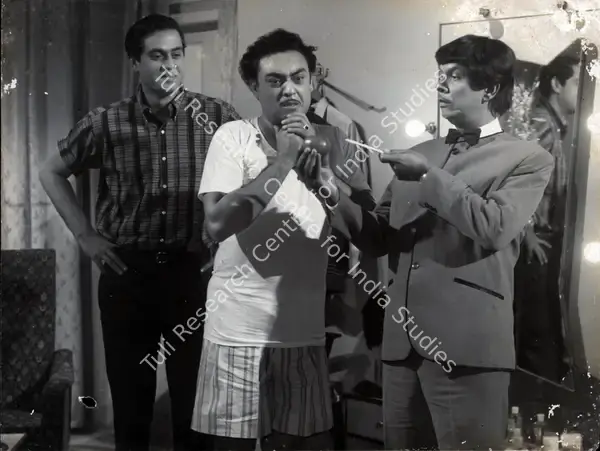
Pilgaonkar began his career as a child artist with Ha Majha Marg Ekla (1962), earning the National Film Award for Best Child Artist at the age of four, presented by Sarvepalli Radhakrishnan. He subsequently appeared in numerous films, including Majhli Didi (1967), Brahmachari (1968), and Jewel Thief (1967), often alongside fellow child actor Junior Mehmood. Transitioning to adult roles, he achieved widespread recognition with Geet Gaata Chal (1975), Balika Badhu (1976), Ankhiyon Ke Jharokhon Se (1978), and Nadiya Ke Paar (1982), establishing himself as a leading figure in Hindi cinema.
Alongside acting, Pilgaonkar developed a prolific directorial career in Marathi cinema. His films Mai Baap (1982), Navri Mile Navryala (1984), Ashi Hi Banwa Banwi (1988), Aamchya Sarkhe Aamhich (1990), and Navra Mazha Navsacha (2004) achieved significant commercial success. His collaborations with actors Laxmikant Berde, Ashok Saraf, and Mahesh Kothare formed a celebrated quartet in Marathi popular cinema. He also directed Hindi films such as Prem Deewane (1992) and Aisi Bhi Kya Jaldi Hai (1996), and later revisited earlier successes with Jaana Pehchana (2011), a sequel to Ankhiyon Ke Jharokhon Se (1978).
In addition to cinema, Pilgaonkar made a substantial impact on Indian television. He directed and acted in popular programmes such as Tu Tu Main Main (2000) and hosted the musical game show Chalti Ka Naam Antakshari. His versatility extended to regional industries, including Kannada cinema with Ekadantha (2007). His later acting work includes Katyar Kaljat Ghusali (2015), for which he received critical acclaim.
Pilgaonkar's career reflects a rare continuity across evolving media landscapes, marked by sustained relevance in film, television, and regional entertainment industries.
बॉम्बे (अब मुंबई) में एक गोवा मूल के कोंकणी परिवार में जन्मे पिलगांवकर का पालन-पोषण फ़िल्म उद्योग से गहराई से जुड़े वातावरण में हुआ। उनके पिता शरद पिलगांवकर एक फ़िल्म निर्माता और उद्यमी थे। बाद में उन्होंने अभिनेत्री सुप्रिया पिलगांवकर से विवाह किया, जिन्हें उन्होंने अपनी निर्देशित पहली मराठी फ़ीचर फ़िल्म 'नवरी मिले नवरायाला' (1984) में शामिल किया और इस तरह एक सफल रचनात्मक साझेदारी की शुरुआत हुई। उनकी बेटी श्रिया पिलगांवकर ने भी एक अभिनेत्री के रूप में अपनी पहचान बनाई है।
पिलगांवकर ने बाल कलाकार के रूप में अपने करियर की शुरुआत 'हा माझा मार्ग एकला' (1962) से की थी, जिसके लिए उन्हें मात्र चार वर्ष की आयु में सर्वश्रेष्ठ बाल कलाकार के लिए राष्ट्रीय फ़िल्म पुरस्कार मिला, जो उन्हें सर्वपल्ली राधाकृष्णन द्वारा प्रदान किया गया था। इसके बाद उन्होंने कई फ़िल्मों में अभिनय किया, जिनमें 'मझली दीदी' (1967), 'ब्रह्मचारी' (1968) और 'ज्वेल थीफ़' (1967) शामिल हैं, जिनमें अक्सर उनके साथी बाल कलाकार जूनियर महमूद उनके साथ दिखाई देते थे। वयस्क भूमिकाओं में कदम रखते हुए, उन्होंने 'गीत गाता चल' (1975), 'बालिका बधू' (1976), 'अंखियों के झरोखों से' (1978) और 'नदियाँ के पार' (1982) जैसी फ़िल्मों से व्यापक पहचान हासिल की और हिंदी सिनेमा के एक प्रमुख कलाकार के रूप में अपनी पहचान बनाई।
अभिनय के साथ-साथ, पिलगांवकर ने मराठी सिनेमा में एक शानदार निर्देशन करियर विकसित किया। उनकी फ़िल्मों माई बाप (1982), नवरी मिले नवर्याला (1984), आशी ही बनवा बनवी (1988), आमच्या सरखे आमहिच (1990), और नवरा माझा नवसाचा (2004) जैसी फ़िल्में व्यावसायिक रूप से बेहद सफल रही। अभिनेता लक्ष्मीकांत बेर्डे, अशोक सराफ़ और महेश कोठारे के साथ उनके सहयोग ने मराठी लोकप्रिय सिनेमा में एक प्रसिद्ध चौकड़ी बनाई। उन्होंने प्रेम दीवाने (1992) और ऐसी भी क्या जल्दी है (1996) जैसी हिंदी फ़िल्मों का निर्देशन भी किया, और बाद में अंखियों के झरोखों से (1978) की अगली कड़ी, जाना पहचान (2011) के साथ पिछली सफलताओं को दोहराया।
सिनेमा के अलावा, पिलगांवकर ने भारतीय टेलीविज़न पर भी महत्वपूर्ण प्रभाव डाला। उन्होंने तू तू मैं मैं (2000) जैसे लोकप्रिय कार्यक्रमों का निर्देशन और अभिनय किया तथा संगीतमय खेल शो चलती का नाम अंताक्षरी की मेज़बानी की। उनकी बहुमुखी प्रतिभा क्षेत्रीय सिनेमा तक भी फैली हुई थी, जिसमें कन्नड़ सिनेमा में एकदंथा (2007) भी शामिल है। उनके बाद के अभिनय कार्यों में कट्यार कलीजात घुसाली (2015) शामिल है, जिसके लिए उन्हें समीक्षकों से काफी सराहना मिली।
पिलगांवकर का करियर बदलते मीडिया परिदृश्यों के बीच एक दुर्लभ निरंतरता को दर्शाता है, जिसमें फ़िल्म, टेलीविजन और क्षेत्रीय मनोरंजन उद्योगों में उनकी निरंतर प्रासंगिकता बनी रही है।