

Introduction
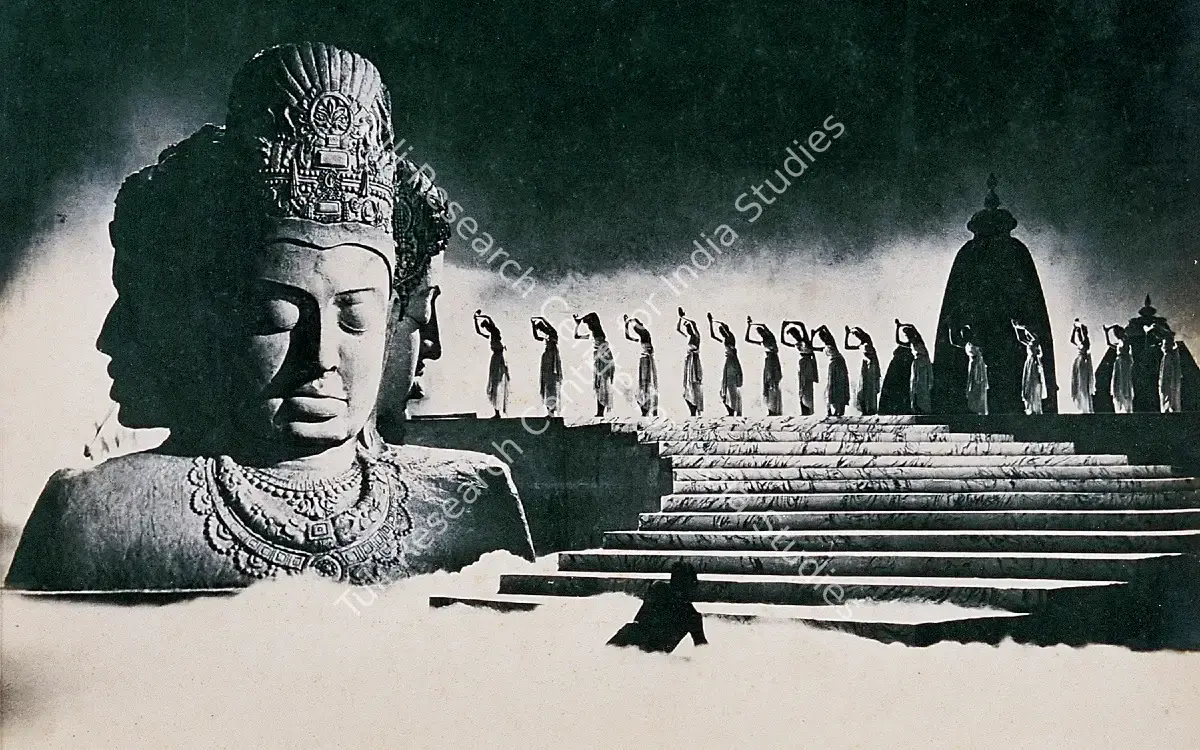
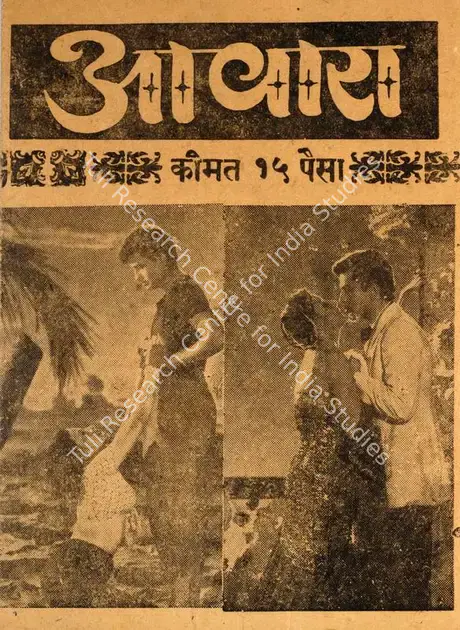
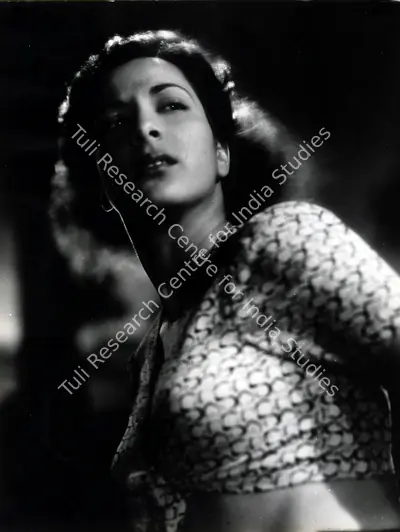
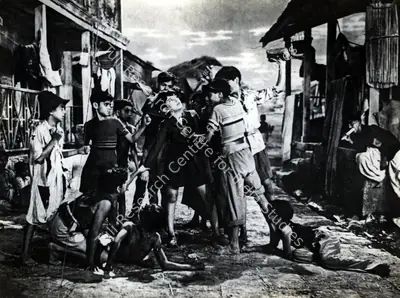
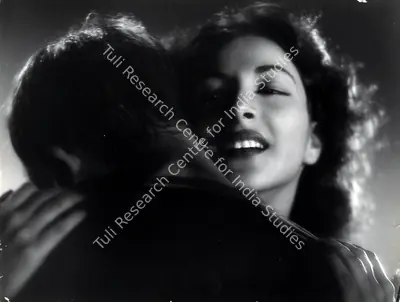
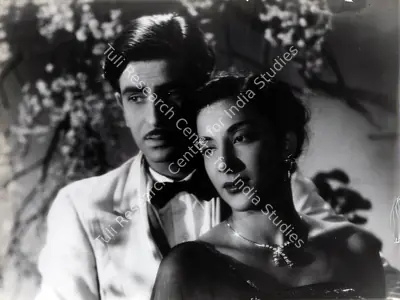
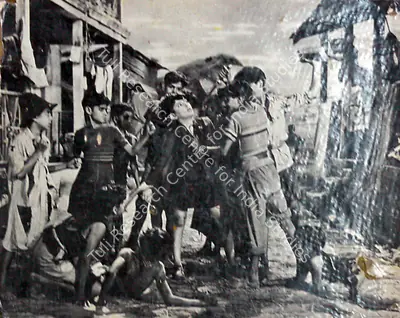
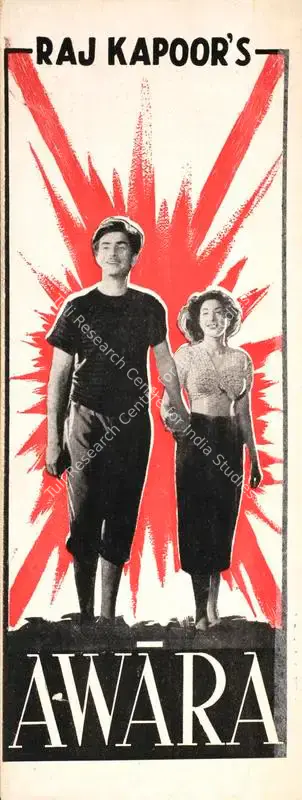
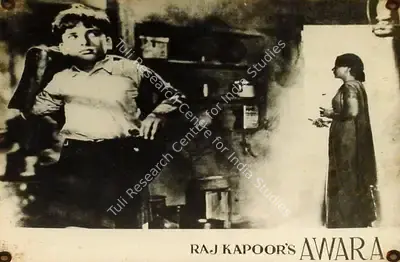
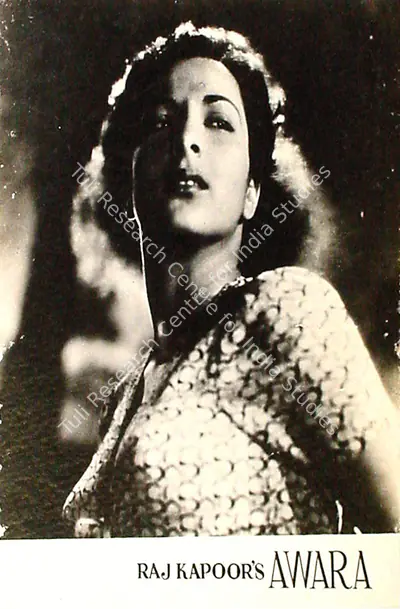
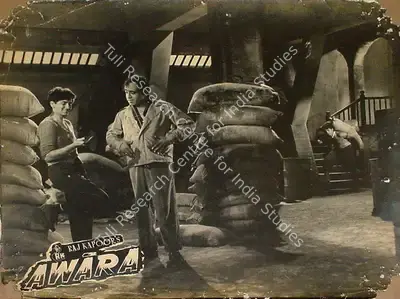
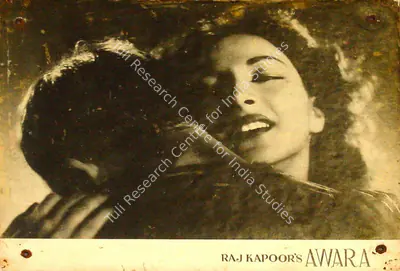
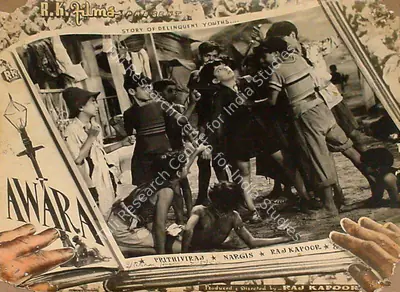
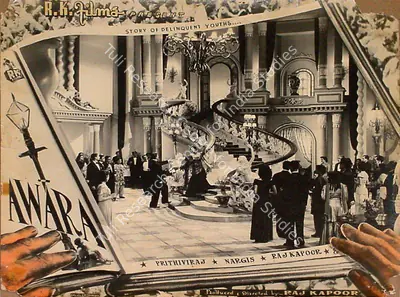
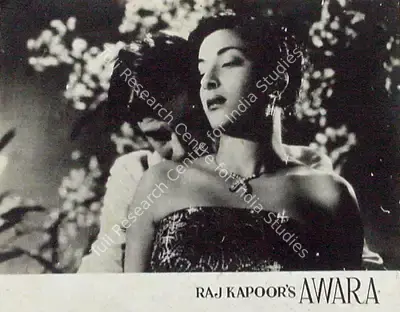
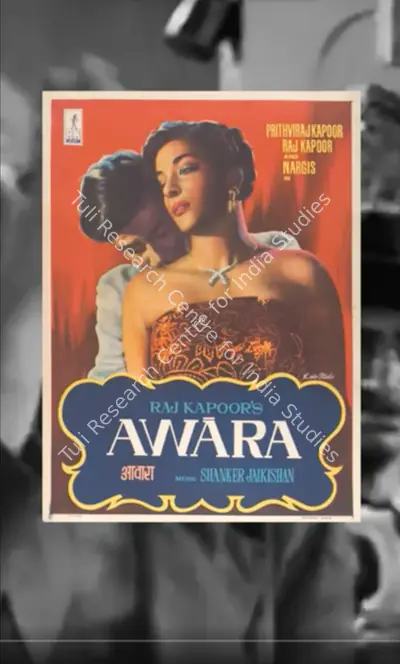
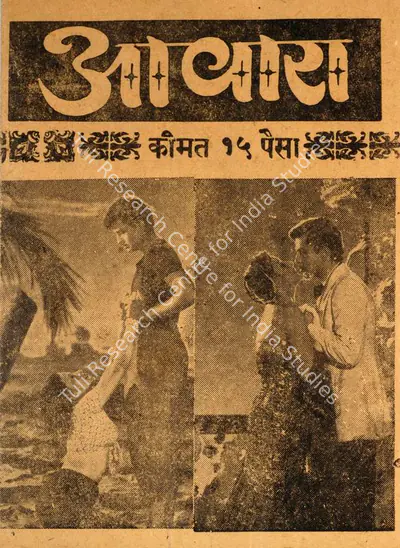
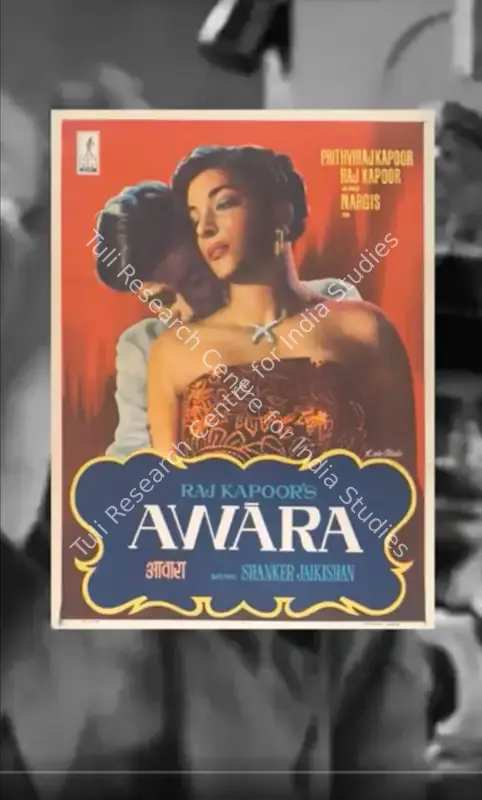
Awara, directed by Raj Kapoor, stands as a landmark in Indian cinema, blending melodrama with incisive social commentary. Set against the backdrop of post-independence India, the film critiques entrenched class divisions and systemic exploitation. The story follows Raju, a man born into poverty and driven to crime by his harsh circumstances, while his love interest, Rita, enjoys a life of privilege and power. Kapoor uses their divergent paths to expose the corrupting influence of deprivation, emphasizing that crime is a product of societal neglect rather than inherent moral failing. The film thus speaks to the urgent need for social reform in a rapidly changing India.
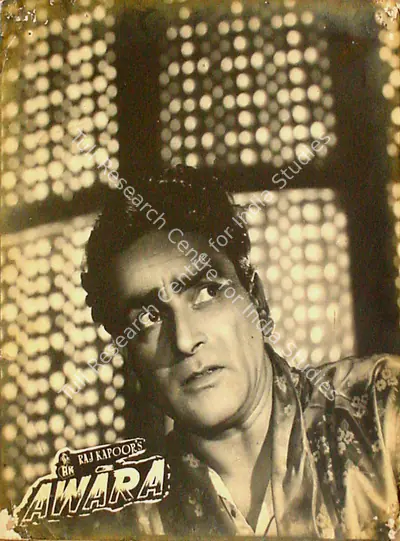
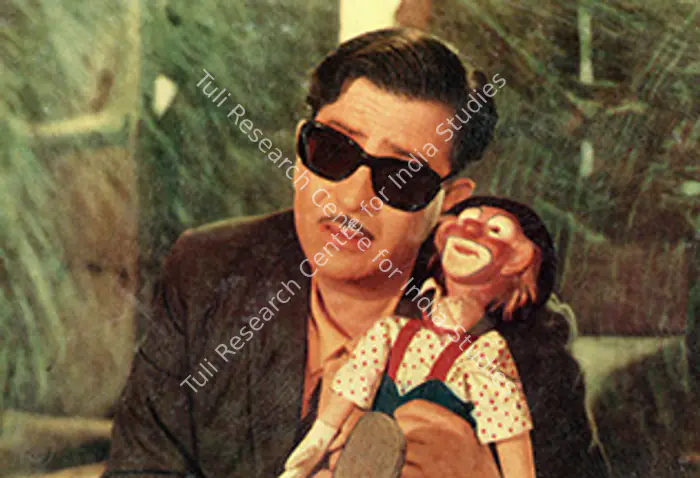
Kapoor's Raju is deeply influenced by Charlie Chaplin's iconic Tramp. This character, clad in ragged clothes but rich in humanity, became a symbol of the underdog's fight for dignity. Kapoor uses this persona to navigate the film's deeper themes of class conflict and the failure of legal institutions that criminalize poverty.
Awara became a cultural sensation beyond the Indian borders, particularly in the Soviet Union, China, and Eastern Europe. In these socialist countries, its themes of class struggle and systemic inequality resonated deeply. Its portrayal of the poor's struggle against an unjust system aligned with socialist ideologies, while Raj Kapoor's portrayal of the everyman hero struck a chord with Indian and foreign audiences alike, making the film a beloved international classic.
Kapoor's Raju is deeply influenced by Charlie Chaplin's iconic Tramp. This character, clad in ragged clothes but rich in humanity, became a symbol of the underdog's fight for dignity. Kapoor uses this persona to navigate the film's deeper themes of class conflict and the failure of legal institutions that criminalize poverty.
Awara became a cultural sensation beyond the Indian borders, particularly in the Soviet Union, China, and Eastern Europe. In these socialist countries, its themes of class struggle and systemic inequality resonated deeply. Its portrayal of the poor's struggle against an unjust system aligned with socialist ideologies, while Raj Kapoor's portrayal of the everyman hero struck a chord with Indian and foreign audiences alike, making the film a beloved international classic.
निर्माता-निर्देशक राज कपूर की आवारा आज़ाद भारत के सिनेमा में एक मील का पत्थर फ़िल्म मानी जाती है जिसमें मेलोड्रामा तो है, लेकिन साथ ही गहरे सामाजिक मुद्दों को भी उठाया गया है। आज़ादी के बाद के भारत में भी जड़ें जमाकर बैठे अमीर-गरीब के वर्गीय विभाजन और व्यवस्था के भीतर मौजूद शोषण को यह फ़िल्म कटघरे में खड़ा करती है। कहानी है नवयुवक राजू (राज कपूर) की, जो गरीबी में पैदा हुआ और परिस्थितियों ने जिसे अपराध की दुनिया में ढकेल दिया। जबकि उसका प्यार रीता (नर्गिस) समृद्धि और सुख-सुविधाओं में पली बढ़ी है। उनकी ज़िन्दगियों के विलोम के सहारे राज कपूर बताते हैं कि कैसे गरीबी और मुफ़लिसी इंसान को अपराधी बनने पर मज़बूर कर देते हैं। फ़िल्म का संदेश है कि कोई अपराधी बनकर पैदा नहीं होता, बल्कि उसका अपराधी बनना इस समाज की विफलता है। तेज़ी से बदलते भारत में आवारा सामाजिक सुधार की तत्काल ज़रूरत को रेखांकित करती है। शक की बिनाह पर जज रधुनाथ (पृथ्वीराज कपूर) का अपनी गर्भवती पत्नी को घर से निकालना फ़िल्म की कहानी को रामायण के मिथकीय कथानक से जोड़ देता है।
राज कपूर के गढ़े किरदार 'राजू' पर चार्ली चैप्लिन के मशहूर किरदार 'ट्रैम्प' की छाप साफ़ पढ़ी जा सकती है। फटे-पुराने कपड़े पहने लेकिन संवेदनशीलता और मानवता से भरपूर यह किरदार वंचित वर्ग के गरिमा हासिल करने के लिए संघर्ष का प्रतीक बन गया। कपूर ने इस किरदार का इस्तेमाल फ़िल्म के भीतर वर्ग संघर्ष और व्यवस्था की विफलता दिखाने के लिए किया और गरीबी को अपराध की जड़ माननेवाली न्यायिक व्यवस्था पर तीखा सवाल उठाया।
आवारा ने भारत ही नहीं, भारत से बाहर भी खूब नाम कमाया। ख़ास तौर पर सोवियत संघ, चीन और पूर्वी यूरोप में तो रिलीज़ पर यह सांस्कृतिक घटना बन गई। इन समाजवादी विचारधारा वाले देशों में वर्ग संघर्ष और व्यवस्थागत गैरबराबरी जैसे मुद्दे उठानेवाली ख्वाजा अहमद अब्बास की लिखी फ़िल्म की पटकथा दूर तक असर करती थी। एक अन्यायपूर्ण व्यवस्था के खिलाफ गरीब के संघर्ष को दिखाने वाली इसकी कहानी समाजवादी विचारधारा से जुड़ती थी। राज कपूर ने अपनी फ़िल्म में आम आदमी को नायक का किरदार दिया और इस किरदार ने भारतीय और विदेशी, तमाम दर्शकों के दिलों में जगह बना ली, जिसके चलते आवारा एक अंतरराष्ट्रीय क्लासिक फ़िल्म बन गई।
राज कपूर के गढ़े किरदार 'राजू' पर चार्ली चैप्लिन के मशहूर किरदार 'ट्रैम्प' की छाप साफ़ पढ़ी जा सकती है। फटे-पुराने कपड़े पहने लेकिन संवेदनशीलता और मानवता से भरपूर यह किरदार वंचित वर्ग के गरिमा हासिल करने के लिए संघर्ष का प्रतीक बन गया। कपूर ने इस किरदार का इस्तेमाल फ़िल्म के भीतर वर्ग संघर्ष और व्यवस्था की विफलता दिखाने के लिए किया और गरीबी को अपराध की जड़ माननेवाली न्यायिक व्यवस्था पर तीखा सवाल उठाया।
आवारा ने भारत ही नहीं, भारत से बाहर भी खूब नाम कमाया। ख़ास तौर पर सोवियत संघ, चीन और पूर्वी यूरोप में तो रिलीज़ पर यह सांस्कृतिक घटना बन गई। इन समाजवादी विचारधारा वाले देशों में वर्ग संघर्ष और व्यवस्थागत गैरबराबरी जैसे मुद्दे उठानेवाली ख्वाजा अहमद अब्बास की लिखी फ़िल्म की पटकथा दूर तक असर करती थी। एक अन्यायपूर्ण व्यवस्था के खिलाफ गरीब के संघर्ष को दिखाने वाली इसकी कहानी समाजवादी विचारधारा से जुड़ती थी। राज कपूर ने अपनी फ़िल्म में आम आदमी को नायक का किरदार दिया और इस किरदार ने भारतीय और विदेशी, तमाम दर्शकों के दिलों में जगह बना ली, जिसके चलते आवारा एक अंतरराष्ट्रीय क्लासिक फ़िल्म बन गई।
1 / 7
Body of Work
Art Director
Assistant Directors
Banner
Choreographer
Cinematographer
Dialogue Writer
Director
Editing
Lead Cast
Lead Cast Rest
Leela Chitnis, Honey o, Leela Mishra, Om Prakash, B.M. Vyas, Baby Zubeida, Bali, Cuckoo, Manek, Paryag, Rajan, Rajoo, Ravi, Shashiraj, Vinni
Lyricist
Music Director
Producer
Publicity Designer
Screenplay Writer
Still Photographer
Story Writer
03:05 mins
03:01 mins
03:57 mins
04:13 mins
09:17 mins
02:43 mins
03:36 mins
02:32 mins
04:17 mins
02:54 mins
Research Centre


20 of 73
20 of 65


Posts 2
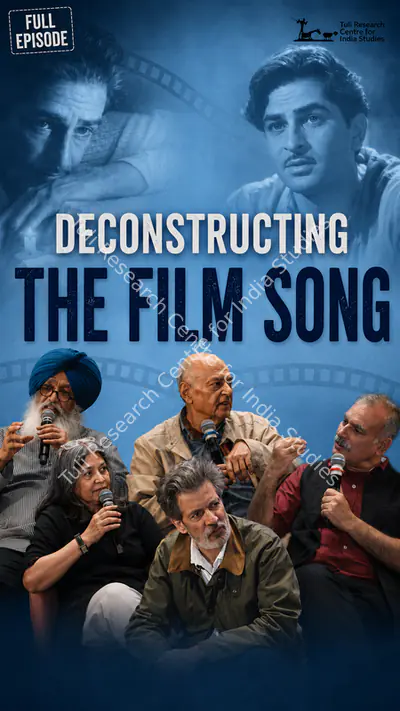
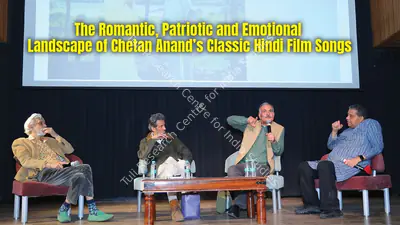
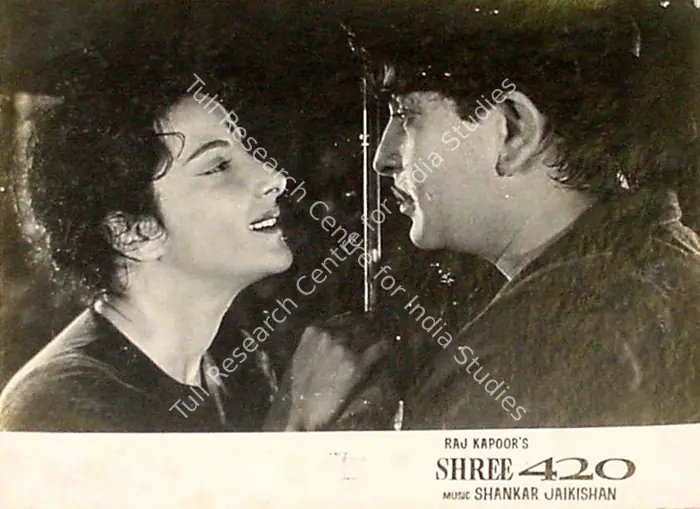
- "Raj Kapoor's tramp, the wide-eyed wanderer in oversized clothes and a battered hat, was one of Hindi cinema's most deliberate creative constructions. Borrowed in spirit from Charlie Chaplin but rooted firmly in the anxieties of post-independence India, the figure carried the dreams and displacements of a nation still finding its footing. "Awara Hoon" from Awara (1951) became the song that gave that figure its voice, and its reach was extraordinary. In this clip, the panel discusses how the film introduced Raj Kapoor to audiences across the erstwhile Soviet Union, China and beyond. Composer-Writer Madan Gopal Singh points to ""Ramaiya Vastavaiya"" from Shree 420 (1955) as a moment of genuine creative risk, where Lata Mangeshkar's voice moves the song from a collective street chorus into something laden with intimate individuality. The panel also deconstructs two more songs from Raj Kapoor's career: "Pyar Hua Ikrar Hua" from Shree 420 (1955) and "Jeena Yahan Marna Yahan" from Mera Naam Joker (1970), examining what makes them endure across generations. In the workshop "A Musical Glue for Nation-Building: Deconstructing the Film Song," organised by the Tuli Research Centre for India Studies (T.R.I.S.), Madan Gopal Singh, Juhi Saklani, Ravikant, and Amit Khanna, in conversation with Neville Tuli, explore the lasting appeal of these songs and what they reveal about India's greatest showman's vision of cinema, emotion, and India itself.
- What exactly is “Awaara Hoon” from Raj Kapoor's Awaara (1951) about? A song that lives inside too many uncertainties keeps asking the question, am I a wanderer, or a star in orbit (Gardish mein hun ya aasman ka taara hoon). There is no home, no belongingness, no clear destiny, only movement, longing, and doubt. It is the sound of a world that's unsure of itself, and still singing joyously. Visually, the influence of Charlie Chaplin is unmistakable. From Raj Kapoor's attire to his tramp's gait, the vagabond persona is shaped by Chaplin's image of the little man buffeted by forces beyond his control. The song turns that figure into a symbol of the post-independence anxiety about entitlement, class, and the future; yet capturing the emotion of being spirited, hopeful, and strangely free. The collaboration of Raj Kapoor, the lyricist Shailendra, composers Shankar–Jaikishan, and singer Mukesh, creates a song that is at once both philosophical and popular. It poses questions about destiny and identity while also reaching millions as an unforgettable film hit. Panelists Amit Khanna, Madan Gopal Singh, Ravikant, Juhi Saklani, and Neville Tuli, examine this iconic song, sung by Mukesh, with lyrics by Shailendra and music by Shankar–Jaikishan in this video from 'A Musical Glue for Nation-Building: Deconstructing the Film Song' session, presented by the Tuli Research Centre for India Studies (T.R.I.S.) at the 7th Self-Discovery via Rediscovering India Festival.
Calendar 4
- ArchivedOffline-Online EventProject 80A Musical Glue for Nation-BuildingDeconstructing the Film Song23rd July - 22nd August 2026Ketan Anand | Ravikant | Pavan Jha | Madan Gopal Singh | Amit Khanna | Juhi Saklani | Antara Mondal | Shikha Jhingan | Neville TuliA key section of the India Studies framework at The Tuli Research Centre for India Studies (T.R.I.S.) is “Deconstructing the Film Song”. It began with a series of four workshops during our Self-Discovery via Rediscovering India Festival Series that brought together leading scholars & academics, film practitioners & students, along with fans of the Hindi film song. The objective of these workshops was to deconstruct iconic Hindi film songs to examine their formation across music, lyrics, playback, choreography, directorial visualisation, as they fuse into sites where aesthetics, ideology, and performance intersect, so as to help clarify the nature of India and her relationship to the film song. The Hindi Film Song functions as a narrative device, conveying myriad textures of emotion through melody, voice and poetry. As cultural texts that encode memory, desire, and ideology, songs are integral to the circulation and resonance of films in the public realm. Over time they have become autonomous bundles of creative energy - the glue that binds us over time, articulating and perhaps even defining the idea of Indianness. These first Workshops were an attempt to understand the nature and power of this glue, while contemplating the ways to situate it within TRIS' academic framework for Contemporary India Studies.Read More →
- ArchivedDeconstructing the Hindi Film SongProject 61A Musical Glue for Nation-BuildingFour Classic Songs from the cinema of Raj Kapoor and the genius of Shankar-Jaikishan, Shailendra, Lata Mangeshkar, Mukesh, Manna Dey & Mohammed RafinnAwara Hoon | Awara-1951 nRamaiya Vastavaiya | Shree 420-1955 nPyar Hua Ikrar Hua | Shree 420-1955 nJeena Yahan Marna Yahan | Mera Naam Joker-197017th February 20265:00pmM.L. Bhartia Auditorium, Alliance Francaise de Delhi, 72 K.K. Birla Lane, Lodi Estate, New Delhi, 110005Madan Gopal Singh, Amit Khanna, Ravikant, Juhi Saklani & Neville TuliA key section of the India Studies framework at The Tuli Research Centre for India Studies (T.R.I.S.) is “Deconstructing the Hindi Film Song”. It will begin with a series of four workshops that brings together leading scholars & academics, film practitioners & students, along with fans of the Hindi film song. The objective of these workshops is to deconstruct iconic Hindi film songs to examine their formation across music, lyrics, playback, choreography, directorial visualisation, as they fuse into sites where aesthetics, ideology, and performance intersect. The Hindi Film Song functions as a narrative device, conveying myriad textures of emotion through melody, voice and poetry. As cultural texts that encode memory, desire, and ideology, songs are integral to the circulation and resonance of films in the public realm. Over time they have become autonomous bundles of creative energy - the glue that binds us over time, articulating and perhaps even defining the idea of Indianness. The first Workshops are an attempt to understand the nature and power of this glue, while contemplating the ways to situate it within TRIS' academic framework for Contemporary India Studies.Read More →
- ArchivedExhibitionProject 14Exhibition | The Cinema of Raj Kapoor | T.R.I.S. in Collaboration with 17th Habitat Film Festival14th - 19th May 2025T.R.I.S. in Collaboration with 17th Habitat Film Festival will be commemorating the life and work of two pioneering individuals of the Indian film industry, who shaped Indian cinema in their unique ways. One exhibition celebrates the birth centenary of Raj Kapoor, while the other remembers Shyam Benegal. The Cinema of Raj Kapoor – 15 to 20 May 2025 The Cinema of Shyam Benegal - 21 to 25 May 2025 10:00 am to 8:00 pm daily at the Convention Centre Foyer GalleryRead More →
- ArchivedExhibitionProject 2Self-Discovery via Rediscovering India Series Part II India's Cinematic Heritage12th - 24th August 2024Self-Discovery via Rediscovering India Series Part IIRead More →

Related
13
Personalities
13