Ek Dil Sau Afsane1963
Introduction
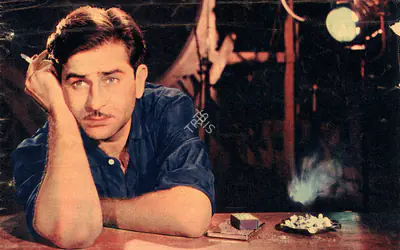
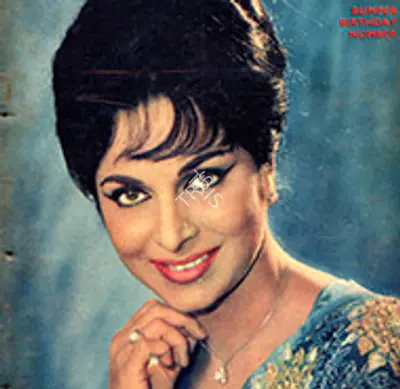
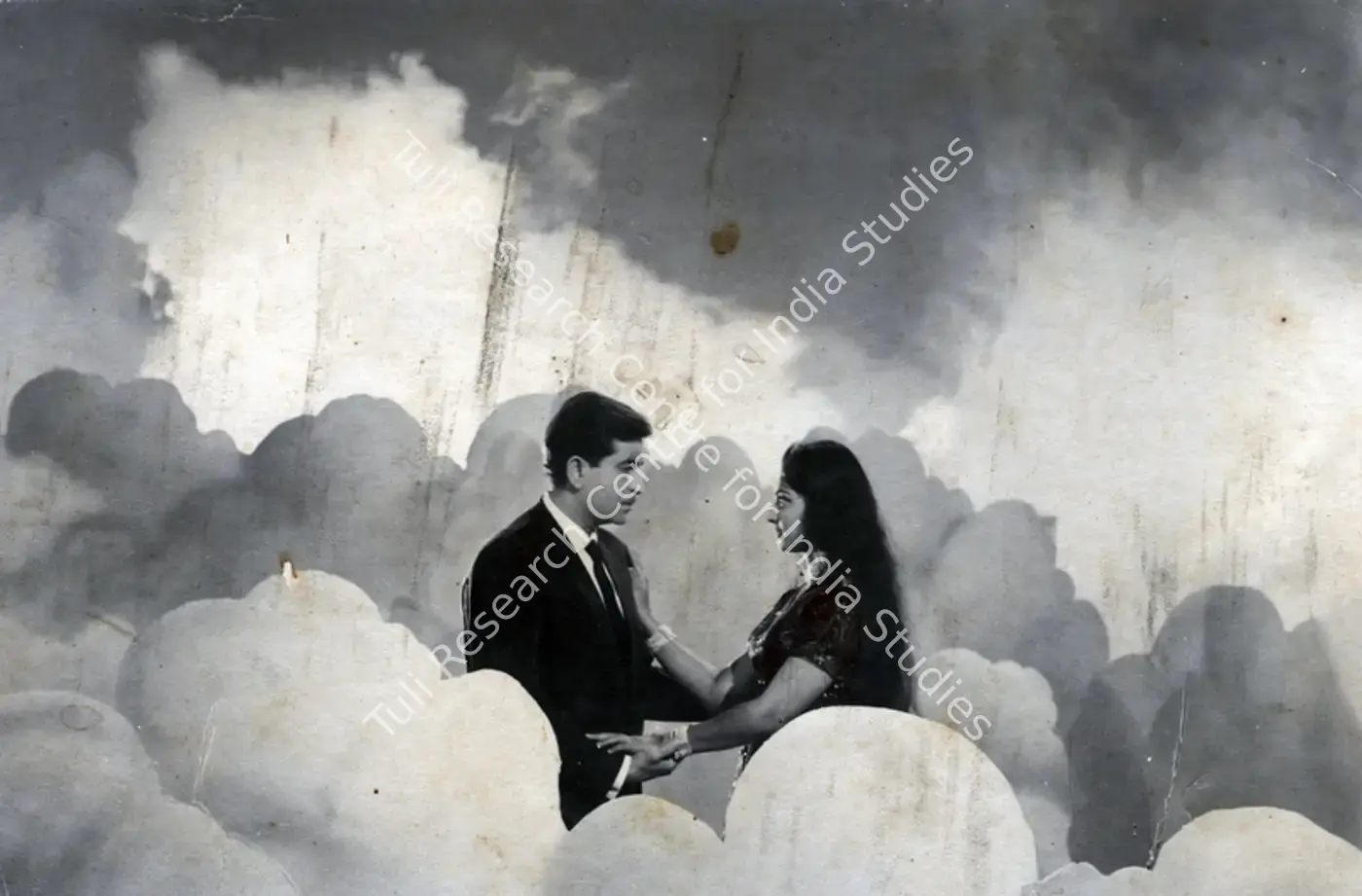
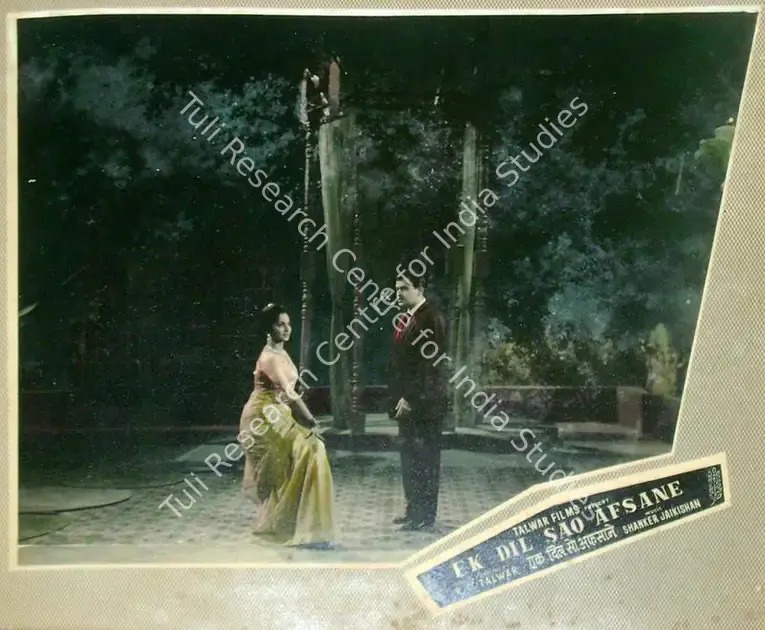
Ek Dil Sau Afsane (1963) Directed by R.C. Talwar and starring Raj Kapoor and Waheeda Rehman, Ek Dil Sau Afsane was a romantic drama that transcends its genre to offer a layered social commentary on the entrenched patriarchy within Indian family structures. At its core, the film is not just about love, it is a poignant exploration of how societal expectations, particularly the obsession with producing a male heir, can distort and endanger personal relationships.
The story follows Shekhar (Raj Kapoor) and Sunita (Waheeda Rehman), a young couple deeply in love, whose relationship comes under strain due to the rigid expectations of Shekhar's authoritarian grandmother (played by Neela Devi). Obsessed with continuing the family lineage through a male descendant, she becomes a powerful symbol of the societal pressure that looms over the couple. To maintain harmony and avoid confrontation, Shekhar and Sunita resort to deception pretending to have had a child, unaware that this lie will soon spiral out of control.
As the fabricated story begins to unravel, the film plunges into a web of emotional turmoil, revealing the cost of conformity and the fragility of trust. The narrative explores themes of love, loyalty, truth, and generational conflict, particularly highlighting the tension between tradition and modernity. The dynamics between the grandmother, her grandson, and his wife reflect a larger cultural struggle between regressive expectations and individual freedom.
Though Ek Dil Sau Afsane was critically noted for its ambitious themes, it fell short commercially and has not endured as one of Hindi cinema's celebrated classics. Some critics pointed to its inconsistent direction and a controversial, arguably regressive conclusion that undermined its early feminist promise.
Musically, however, the film delivered a memorable score. Composed by the legendary duo Shankar–Jaikishan, the soundtrack remains one of the film's enduring strengths. Raj Kapoor's close association with playback singer Mukesh is evident, Mukesh lent his voice to most of the male songs, including Kuch Sher Sunata Hoon and Sunoji Suno. Mohammad Rafi contributed the soulful Tum Hi Tum Hi Mere Jeevan Mein, his sole track in the film.
The female vocals were dominated by Lata Mangeshkar, whose expressive renditions elevated the emotional core of the story. Songs such as the title track Ek Dil Aur Sau Afsane, the haunting O Jadugar Pyar Ke Ye Bata, and the lullaby-like Door Ke O Chanda Aa Meri Bahon Mein continue to be cherished by music lovers.
Despite its shortcomings, Ek Dil Sau Afsane remains an interesting artifact from the 1960s, ambitious in theme, rich in music but ultimately limited by the social and cinematic conventions of its time.
The story follows Shekhar (Raj Kapoor) and Sunita (Waheeda Rehman), a young couple deeply in love, whose relationship comes under strain due to the rigid expectations of Shekhar's authoritarian grandmother (played by Neela Devi). Obsessed with continuing the family lineage through a male descendant, she becomes a powerful symbol of the societal pressure that looms over the couple. To maintain harmony and avoid confrontation, Shekhar and Sunita resort to deception pretending to have had a child, unaware that this lie will soon spiral out of control.
As the fabricated story begins to unravel, the film plunges into a web of emotional turmoil, revealing the cost of conformity and the fragility of trust. The narrative explores themes of love, loyalty, truth, and generational conflict, particularly highlighting the tension between tradition and modernity. The dynamics between the grandmother, her grandson, and his wife reflect a larger cultural struggle between regressive expectations and individual freedom.
Though Ek Dil Sau Afsane was critically noted for its ambitious themes, it fell short commercially and has not endured as one of Hindi cinema's celebrated classics. Some critics pointed to its inconsistent direction and a controversial, arguably regressive conclusion that undermined its early feminist promise.
Musically, however, the film delivered a memorable score. Composed by the legendary duo Shankar–Jaikishan, the soundtrack remains one of the film's enduring strengths. Raj Kapoor's close association with playback singer Mukesh is evident, Mukesh lent his voice to most of the male songs, including Kuch Sher Sunata Hoon and Sunoji Suno. Mohammad Rafi contributed the soulful Tum Hi Tum Hi Mere Jeevan Mein, his sole track in the film.
The female vocals were dominated by Lata Mangeshkar, whose expressive renditions elevated the emotional core of the story. Songs such as the title track Ek Dil Aur Sau Afsane, the haunting O Jadugar Pyar Ke Ye Bata, and the lullaby-like Door Ke O Chanda Aa Meri Bahon Mein continue to be cherished by music lovers.
Despite its shortcomings, Ek Dil Sau Afsane remains an interesting artifact from the 1960s, ambitious in theme, rich in music but ultimately limited by the social and cinematic conventions of its time.
एक दिल सौ अफ़साने (1963) के निर्देशक आर.सी. तलवार थे। इस फ़िल्म में राज कपूर और वहीदा रहमान मुख्य भूमिकाएँ निभा रहे थे। वैसे तो यह एक रोमांटिक ड्रामा फ़िल्म थी, लेकिन कथानक के पारम्परिक ढांचे से ऊपर उठकर इसकी कहानी भारतीय परिवार संरचना में गहरे पैठी पितृसत्ता पर एक गंभीर सामाजिक टिप्पणी करती है। यह कोरी प्रेमकथा नहीं है। इस फ़िल्म में पुत्र संतान के मोह जुड़ी क्रूर सामाजिक अपेक्षाओं की मार्मिक पड़ताल की गई है। परिवार में वारिस के नाम पर पुत्र प्राप्ति की इस ज़िद के चलते व्यक्तिगत संबंधों में विकृति आती है और मज़बूत रिश्तों-नातों की डोर कच्ची होती चली जाती है।
फ़िल्म की कहानी शेखर (राज कपूर) और सुनीता (वहीदा रहमान) के किरदारों के साथ आगे बढ़ती है। यह युवा प्रेमी जोड़ा एक-दूसरे के साथ खुश है, लेकिन शेखर की सख़्त और तानाशाह स्वभाव की दादीमाँ (नीला देवी) की कठोर अपेक्षाओं के चलते मुश्किल में पड़ जाता है। दादीमाँ अपने वंश को आगे बढ़ते देखने की अंधी चाह में एक पुत्ररत्न के पीछे पागल है। वह शेखर और सुनीता के ऊपर एक पुत्र संतान चाहत में कठोर पारिवारिक दबाव बना देती हैं। एक तरह से दादीमाँ का यह किरदार उस वृहत्तर सामाजिक दबाव का प्रतीक भी है, जो हमारा समाज किसी नए शादीशुदा जोड़े पर अक्सर बना देता है। आखिर परिवार में शांति बनाए रखने और टकराव से बचने के लिए शेखर और सुनीता झूठ का सहारा लेते हैं। वे ऐसा दिखावा करते हैं कि उनके यहाँ पुत्र संतान हुई है। लेकिन उनका यह झूठ जल्द ही उनके समूचे जीवन को बुरी तरह उलझा कर रख देता है।
पर जैसे-जैसे उनकी यह बनावटी कहानी बिखरने लगती है, फ़िल्म का कथानक जज़्बातों के झंझावात में उलझ जाता है। फ़िल्म समाज द्बारा तय की गई चौहद्दी में बँधे रहने की कीमत पर गंभीर टिप्पणी करती है और बताती है कि विश्वास कितना नाज़ुक भाव होता है। यह कहानी प्रेम, निष्ठा, सत्य जैसे मूल्यों और पीढ़ियों के बीच संघर्ष जैसे विषयों को गहराई तक जाकर छूती है। परम्परा और आधुनिकता के बीच मौजूद तनाव को फ़िल्म का कथानक बखूबी सामने रखता है। दादीमाँ के किरदार और उनके पोते और उसकी पत्नी के बीच का टकराव एक बड़े सांस्कृतिक संघर्ष को भी दिखाता है और वो है समाज में मौजूद रूढ़िवादी सोच के बरक्स इंसानी चयन की आज़ादी के बीच का संघर्ष।
हालाँकि एक दिल सौ अफ़साने को इसके महत्वाकाँक्षी कथानक के लिए आलोचकों ने सराहा, लेकिन यह व्यावसायिक रूप से कामयाब नहीं रही और हिन्दी सिनेमा की स्थायी क्लासिक फ़िल्मों की सूची में जगह नहीं बना सकी। कुछ आलोचकों ने इसके लिए इसके ढीले-ढाले निर्देशन को दोष दिया तो कुछ ने फ़िल्म के पश्चगामी अंत की ओर इशारा किया। इस फ़िल्म का अंत कई लोगों की राय में फ़िल्म की शुरुआती प्रगतिशील और कुछ हद तक नारीवादी मुद्रा को कमज़ोर कर देता है।
पर इस फ़िल्म के संगीत ने सुननेवालों के दिलों पर यादगार छाप छोड़ी। प्रसिद्ध संगीतकार जोड़ी शंकर-जयकिशन द्वारा तैयार फ़िल्म का संगीत इस फ़िल्म की स्थायी धरोहर रहा। तब तक 'राज कपूर की आवाज़' के बतौर मशहूर हो चुके पार्श्वगायक मुकेश ने यहाँ भी फ़िल्म के अधिकांश पुरुष स्वर गीतों को अपनी आवाज़ दी। उनके गाये “कुछ शेर सुनाता हूँ” और “सुनो जी सुनो” फ़िल्म के लोकप्रिय गीतों में शामिल हैं। मोहम्मद रफ़ी ने इस फ़िल्म में एक ही गीत गाया, लेकिन उनका गाया “तुम ही तुम ही मेरे जीवन में” अपने आत्मीय भाव के चलते यादगार बन पड़ा।
फ़िल्म में स्त्री स्वर के गीत लता मंगेशकर की आवाज़ में थे जिनकी भावनात्मक अभिव्यक्ति ने कहानी के संवेदनशील पहलुओं को बेहतर तरीके से उभारा। फ़िल्म का “एक दिल और सौ अफ़साने” जैसा शीर्षक गीत, देर तक मन में गूँजनेवाला “ओ जादूगर प्यार के ये बता” और लोरी की शक्ल में रचा गया “दूर के ओ चँदा, आ मेरी बाँहों में” जैसे गीत आज भी संगीत प्रेमियों के प्रिय बने हुए हैं।
अपनी तमाम सीमाओं के बावजूद एक दिल सौ अफ़साने सन् 1960 के दशक की एक दिलचस्प फ़िल्म मानी जा सकती है। इसने महत्वाकाँक्षी विषय उठाया था, इसका संगीत समृद्ध था पर अंततः यह अपने समय की सामाजिक मर्यादाओं और सिनेमाई परम्पराओं की चौहद्दी से बाहर नहीं निकल पाई।
फ़िल्म की कहानी शेखर (राज कपूर) और सुनीता (वहीदा रहमान) के किरदारों के साथ आगे बढ़ती है। यह युवा प्रेमी जोड़ा एक-दूसरे के साथ खुश है, लेकिन शेखर की सख़्त और तानाशाह स्वभाव की दादीमाँ (नीला देवी) की कठोर अपेक्षाओं के चलते मुश्किल में पड़ जाता है। दादीमाँ अपने वंश को आगे बढ़ते देखने की अंधी चाह में एक पुत्ररत्न के पीछे पागल है। वह शेखर और सुनीता के ऊपर एक पुत्र संतान चाहत में कठोर पारिवारिक दबाव बना देती हैं। एक तरह से दादीमाँ का यह किरदार उस वृहत्तर सामाजिक दबाव का प्रतीक भी है, जो हमारा समाज किसी नए शादीशुदा जोड़े पर अक्सर बना देता है। आखिर परिवार में शांति बनाए रखने और टकराव से बचने के लिए शेखर और सुनीता झूठ का सहारा लेते हैं। वे ऐसा दिखावा करते हैं कि उनके यहाँ पुत्र संतान हुई है। लेकिन उनका यह झूठ जल्द ही उनके समूचे जीवन को बुरी तरह उलझा कर रख देता है।
पर जैसे-जैसे उनकी यह बनावटी कहानी बिखरने लगती है, फ़िल्म का कथानक जज़्बातों के झंझावात में उलझ जाता है। फ़िल्म समाज द्बारा तय की गई चौहद्दी में बँधे रहने की कीमत पर गंभीर टिप्पणी करती है और बताती है कि विश्वास कितना नाज़ुक भाव होता है। यह कहानी प्रेम, निष्ठा, सत्य जैसे मूल्यों और पीढ़ियों के बीच संघर्ष जैसे विषयों को गहराई तक जाकर छूती है। परम्परा और आधुनिकता के बीच मौजूद तनाव को फ़िल्म का कथानक बखूबी सामने रखता है। दादीमाँ के किरदार और उनके पोते और उसकी पत्नी के बीच का टकराव एक बड़े सांस्कृतिक संघर्ष को भी दिखाता है और वो है समाज में मौजूद रूढ़िवादी सोच के बरक्स इंसानी चयन की आज़ादी के बीच का संघर्ष।
हालाँकि एक दिल सौ अफ़साने को इसके महत्वाकाँक्षी कथानक के लिए आलोचकों ने सराहा, लेकिन यह व्यावसायिक रूप से कामयाब नहीं रही और हिन्दी सिनेमा की स्थायी क्लासिक फ़िल्मों की सूची में जगह नहीं बना सकी। कुछ आलोचकों ने इसके लिए इसके ढीले-ढाले निर्देशन को दोष दिया तो कुछ ने फ़िल्म के पश्चगामी अंत की ओर इशारा किया। इस फ़िल्म का अंत कई लोगों की राय में फ़िल्म की शुरुआती प्रगतिशील और कुछ हद तक नारीवादी मुद्रा को कमज़ोर कर देता है।
पर इस फ़िल्म के संगीत ने सुननेवालों के दिलों पर यादगार छाप छोड़ी। प्रसिद्ध संगीतकार जोड़ी शंकर-जयकिशन द्वारा तैयार फ़िल्म का संगीत इस फ़िल्म की स्थायी धरोहर रहा। तब तक 'राज कपूर की आवाज़' के बतौर मशहूर हो चुके पार्श्वगायक मुकेश ने यहाँ भी फ़िल्म के अधिकांश पुरुष स्वर गीतों को अपनी आवाज़ दी। उनके गाये “कुछ शेर सुनाता हूँ” और “सुनो जी सुनो” फ़िल्म के लोकप्रिय गीतों में शामिल हैं। मोहम्मद रफ़ी ने इस फ़िल्म में एक ही गीत गाया, लेकिन उनका गाया “तुम ही तुम ही मेरे जीवन में” अपने आत्मीय भाव के चलते यादगार बन पड़ा।
फ़िल्म में स्त्री स्वर के गीत लता मंगेशकर की आवाज़ में थे जिनकी भावनात्मक अभिव्यक्ति ने कहानी के संवेदनशील पहलुओं को बेहतर तरीके से उभारा। फ़िल्म का “एक दिल और सौ अफ़साने” जैसा शीर्षक गीत, देर तक मन में गूँजनेवाला “ओ जादूगर प्यार के ये बता” और लोरी की शक्ल में रचा गया “दूर के ओ चँदा, आ मेरी बाँहों में” जैसे गीत आज भी संगीत प्रेमियों के प्रिय बने हुए हैं।
अपनी तमाम सीमाओं के बावजूद एक दिल सौ अफ़साने सन् 1960 के दशक की एक दिलचस्प फ़िल्म मानी जा सकती है। इसने महत्वाकाँक्षी विषय उठाया था, इसका संगीत समृद्ध था पर अंततः यह अपने समय की सामाजिक मर्यादाओं और सिनेमाई परम्पराओं की चौहद्दी से बाहर नहीं निकल पाई।
1 / 3
Body of Work
Banner
Cinematographer
M.N. Malhotra
Director
Lead Cast
Lead Cast Rest
Producer
Research Centre
Related
2