Introduction
Dilraj Kaur (born 21 May 1960) is a distinguished Indian playback singer whose remarkable contributions to Hindi cinema, devotional music, classical and light classical traditions, and regional music have established her as one of the most versatile vocalists of her generation. Possessing a voice of exceptional range, clarity, and expressive nuance, she has recorded approximately 286 songs for Hindi films while maintaining an enduring presence in devotional and non-film music. Her playback repertoire includes films such as Jaan Hazir Hai (1975), Dada (1979), Satte Pe Satta (1982), Chandrawal (1984), Laung Da Lishkara (1986), Galiyon Ka Badshah (2001), and Me and Mr. Canadian (2019).
Born in Shamli, Uttar Pradesh, into a culturally nurturing Punjabi family, Kaur was raised in Lucknow, where her father, a civil engineer, relocated the family to provide his children with better educational opportunities. Encouraged by her mother, she displayed an early aptitude for music, although her initial ambition was to pursue medicine. Her school principal, Swaroop Kumari Bakshi, recognised her extraordinary musical promise and persuaded her to consider music as a professional vocation. Beginning her musical journey at the age of seven with the study of the tabla, she subsequently received rigorous training in Hindustani classical music. Following an impressive audition, she was admitted directly into the second year at Bhatkhande Music College, a testament to her exceptional ability.
Kaur combined artistic excellence with academic distinction. She earned a Master of Arts in English Literature from the University of Lucknow and a Master of Music from Bhatkhande Music College, where her scholarly interests culminated in a dissertation examining the theory of sound production, propagation, and perception. She further obtained diplomas in tabla and Bharatanatyam from Prayag Sangeet Samiti, reflecting her interdisciplinary engagement with the performing arts. Her classical training was refined under the eminent vocalist Khadim Hussain Khan, while Rahat Ali of Lucknow guided her in the traditions of light classical music, imparting to her singing a rare synthesis of technical precision and emotional depth.
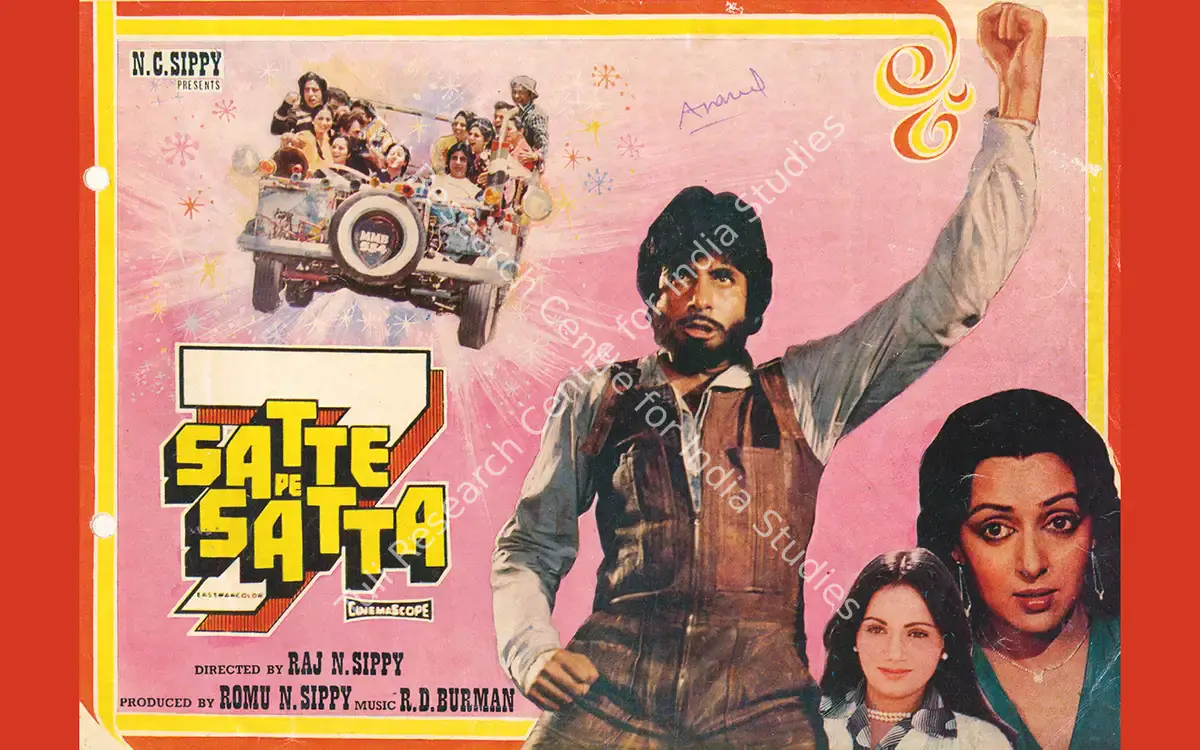
Kaur's professional career commenced at an early age, and by twelve she had attracted the attention of leading musicians through a performance at the Sur Singar Samiti in Bombay. Her cinematic debut came with Jaan Hazir Hai (1975), followed by a succession of memorable recordings. The lively Gaddi Jaandi from Dada (1979), sung alongside Mohammed Rafi, Shailendra Singh, and Hemlata under the direction of Usha Khanna, became an enduring popular success. Her signature performance remains the celebrated duet Mausam Mastana from Satte Pe Satta (1982), recorded with Asha Bhosle, which continues to be regarded as one of the defining songs of her career and has been revisited by subsequent generations of performers.
Throughout her distinguished career, Dilraj Kaur collaborated with many of India's foremost music directors, including R. D. Burman, Laxmikant–Pyarelal, Kalyanji–Anandji, Bappi Lahiri, Usha Khanna, and Ravindra Jain. Her extensive repertoire also includes the devotional and popular compositions Man Tera Mandir Ankhen Diya Bati from Bhakti Mein Shakti (1978), Main Makke Ki Khet Mein Baithi from Sampark (1979), Ab Raat Ho Gai Jawan from Bulandi (1981), Jija Tu Kale Main Gori Ghani from Chandrawal (1984), Long Da Lishkara from Laung Da Lishkara (1986), and the devotional renditions Yehi Raat Antim Yehi Raat Bhaari and Hum Van Ke Vasi Nagar Jagane Aaye from the television serial Uttar Ramayan (1989). Together, these recordings exemplify a career distinguished by artistic versatility, classical discipline, and a lasting contribution to the musical heritage of Indian cinema.
Born in Shamli, Uttar Pradesh, into a culturally nurturing Punjabi family, Kaur was raised in Lucknow, where her father, a civil engineer, relocated the family to provide his children with better educational opportunities. Encouraged by her mother, she displayed an early aptitude for music, although her initial ambition was to pursue medicine. Her school principal, Swaroop Kumari Bakshi, recognised her extraordinary musical promise and persuaded her to consider music as a professional vocation. Beginning her musical journey at the age of seven with the study of the tabla, she subsequently received rigorous training in Hindustani classical music. Following an impressive audition, she was admitted directly into the second year at Bhatkhande Music College, a testament to her exceptional ability.
Kaur combined artistic excellence with academic distinction. She earned a Master of Arts in English Literature from the University of Lucknow and a Master of Music from Bhatkhande Music College, where her scholarly interests culminated in a dissertation examining the theory of sound production, propagation, and perception. She further obtained diplomas in tabla and Bharatanatyam from Prayag Sangeet Samiti, reflecting her interdisciplinary engagement with the performing arts. Her classical training was refined under the eminent vocalist Khadim Hussain Khan, while Rahat Ali of Lucknow guided her in the traditions of light classical music, imparting to her singing a rare synthesis of technical precision and emotional depth.
Kaur's professional career commenced at an early age, and by twelve she had attracted the attention of leading musicians through a performance at the Sur Singar Samiti in Bombay. Her cinematic debut came with Jaan Hazir Hai (1975), followed by a succession of memorable recordings. The lively Gaddi Jaandi from Dada (1979), sung alongside Mohammed Rafi, Shailendra Singh, and Hemlata under the direction of Usha Khanna, became an enduring popular success. Her signature performance remains the celebrated duet Mausam Mastana from Satte Pe Satta (1982), recorded with Asha Bhosle, which continues to be regarded as one of the defining songs of her career and has been revisited by subsequent generations of performers.
Throughout her distinguished career, Dilraj Kaur collaborated with many of India's foremost music directors, including R. D. Burman, Laxmikant–Pyarelal, Kalyanji–Anandji, Bappi Lahiri, Usha Khanna, and Ravindra Jain. Her extensive repertoire also includes the devotional and popular compositions Man Tera Mandir Ankhen Diya Bati from Bhakti Mein Shakti (1978), Main Makke Ki Khet Mein Baithi from Sampark (1979), Ab Raat Ho Gai Jawan from Bulandi (1981), Jija Tu Kale Main Gori Ghani from Chandrawal (1984), Long Da Lishkara from Laung Da Lishkara (1986), and the devotional renditions Yehi Raat Antim Yehi Raat Bhaari and Hum Van Ke Vasi Nagar Jagane Aaye from the television serial Uttar Ramayan (1989). Together, these recordings exemplify a career distinguished by artistic versatility, classical discipline, and a lasting contribution to the musical heritage of Indian cinema.
दिलराज कौर (जन्म 21 मई 1960) भारत की एक जानी-मानी पार्श्व गायिका हैं। हिंदी सिनेमा, भक्ति संगीत, शास्त्रीय और हल्के-फुल्के शास्त्रीय संगीत और क्षेत्रीय लोक संगीत में उनके शानदार योगदान ने उन्हें अपनी पीढ़ी की बहुआयामी गायिकाओं में से एक के रूप में स्थापित किया है। असाधारण रेंज, स्पष्टता और भावपूर्ण बारीकियों वाली आवाज़ की धनी, उन्होंने हिंदी फ़िल्मों के लिए लगभग 286 गाने रिकॉर्ड किए हैं और साथ ही भक्ति और गैर-फ़िल्मी संगीत में भी अपनी लगातार मौजूदगी बनाए रखी है। उनके पार्श्व गायन के काम में 'जान हाज़िर है' (1975), 'दादा' (1979), 'सत्ते पे सत्ता' (1982), 'चंद्रावल' (1984), 'लौंग दा लिशकारा' (1986), 'गलियों का बादशाह' (2001) और 'मी एंड मिस्टर कैनेडियन' (2019) जैसी फ़िल्में शामिल हैं।
उत्तर प्रदेश के शामली में एक सांस्कृतिक रूप से समृद्ध पंजाबी परिवार में जन्मीं कौर की परवरिश लखनऊ में हुई, जहाँ उनके पिता, जो एक सिविल इंजीनियर थे और बच्चों को बेहतर शिक्षा के लिए परिवार के साथ वहीं बस गए थे। अपनी माँ के प्रोत्साहन से उन्होंने कम उम्र में ही संगीत के प्रति अपनी प्रतिभा दिखाई, हालाँकि शुरू में उनकी इच्छा मेडिकल के क्षेत्र में जाने की थी। उनके स्कूल की प्रिंसिपल, स्वरूप कुमारी बख़्शी ने उनकी असाधारण संगीत प्रतिभा को पहचाना और उन्हें संगीत को ही अपना करियर बनाने के लिए प्रेरित किया। सात साल की उम्र में तबला सीखने के साथ अपने संगीत के सफ़र की शुरुआत करते हुए, उन्होंने बाद में हिंदुस्तानी शास्त्रीय संगीत की गहन ट्रेनिंग ली। एक शानदार ऑडिशन के बाद, उन्हें सीधे भातखंडे संगीत कॉलेज़ के दूसरे वर्ष में दाख़िला मिला, जो उनकी असाधारण क्षमता का सबूत था।
कौर ने कलात्मक उत्कृष्टता के साथ-साथ पढ़ाई-लिखाई में भी बेहतरीन प्रदर्शन किया। उन्होंने लखनऊ विश्वविद्यालय से अंग्रेज़ी साहित्य में मास्टर ऑफ़ आर्ट्स और भातखंडे संगीत कॉलेज़ से मास्टर ऑफ़ म्यूज़िक की डिग्री हासिल की। वहाँ उनकी अकादमिक रुचि का नतीजा एक तहक़ीक़ी मक़ाला (dissertation) के रूप में सामने आया, जिसमें ध्वनि के उत्पादन, प्रसार और उसकी अनुभूति के सिद्धांत का अध्ययन किया गया था। इसके अलावा, उन्होंने प्रयाग संगीत समिति से तबला और भरतनाट्यम में डिप्लोमा भी हासिल किया, जो परफ़ॉर्मिंग आर्ट्स (मंच कला) के विभिन्न क्षेत्रों में उनकी रुचि को दर्शाता है। मशहूर गायक ख़ादिम हुसैन ख़ान के मार्गदर्शन में उनकी शास्त्रीय संगीत की ट्रेनिंग ने उनकी कला को और निखरी, जबकि लखनऊ के राहत अली ने उन्हें हल्के-फुल्के शास्त्रीय संगीत (light classical music) की परंपराओं से परिचित कराया, जिससे उनकी गायकी में तकनीकी सटीकता और भावनात्मक गहराई का एक अनोखा संगम देखने को मिला।
कौर का प्रोफ़ेशनल करियर बहुत कम उम्र में ही शुरू हो गया था। बारह साल की उम्र में ही बॉम्बे की 'सुर श्रृंगार समिति' में अपनी परफ़ॉर्मेंस से उन्होंने बड़े-बड़े संगीतकारों का ध्यान अपनी ओर खींचा। उन्होंने 'जान हाज़िर है' (1975) से फ़िल्मों में क़दम रखा और इसके बाद कई यादगार गाने गाए। उषा खन्ना के निर्देशन में मोहम्मद रफ़ी, शैलेंद्र सिंह और हेमलता के साथ गाया गया 'दादा' (1979) फ़िल्म का जोशीला गाना 'गड्डी जांदी' बहुत मशहूर हुआ। आशा भोंसले के साथ गाया गया 'सत्ते पे सत्ता' (1982) फ़िल्म का मशहूर डुएट 'मौसम मस्ताना' उनकी पहचान बन गया। यह गाना आज भी उनके करियर के सबसे ख़ास गानों में गिना जाता है और बाद की पीढ़ी के कलाकारों ने भी इसे नए अंदाज़ में पेश किया है।
अपने शानदार करियर के दौरान, दिलराज कौर ने भारत के कई बड़े संगीत निर्देशकों के साथ काम किया, जिनमें आर. डी. बर्मन, लक्ष्मीकांत-प्यारेलाल, कल्याणजी-आनंदजी, बप्पी लाहिड़ी, उषा खन्ना और रवींद्र जैन शामिल हैं। उनके गाए गानों की लंबी लिस्ट में कई भक्ति और लोकप्रिय गाने शामिल हैं, जैसे 'भक्ति में शक्ति' (1978) का 'मन तेरा मंदिर आंखें दिया बाती', 'संपर्क' (1979) का 'मैं मक्के के खेत में बैठी', 'बुलंदी' (1981) का 'अब रात हो गई जवान', 'चंद्रावल' (1984) का 'जीजा तू काले मैं गोरी घणी', 'लौंग दा लिशकारा' (1986) का 'लौंग दा लिशकारा', और टीवी सीरियल 'उत्तर रामायण' (1989) के भक्ति गीत 'यही रात अंतिम यही रात भारी' और 'हम वन के वासी नगर जगाने आए'। ये सभी गाने उनके करियर की कलात्मक विविधता, शास्त्रीय संगीत की समझ और भारतीय सिनेमा की संगीत विरासत में उनके अहम योगदान को दिखाते हैं।
उत्तर प्रदेश के शामली में एक सांस्कृतिक रूप से समृद्ध पंजाबी परिवार में जन्मीं कौर की परवरिश लखनऊ में हुई, जहाँ उनके पिता, जो एक सिविल इंजीनियर थे और बच्चों को बेहतर शिक्षा के लिए परिवार के साथ वहीं बस गए थे। अपनी माँ के प्रोत्साहन से उन्होंने कम उम्र में ही संगीत के प्रति अपनी प्रतिभा दिखाई, हालाँकि शुरू में उनकी इच्छा मेडिकल के क्षेत्र में जाने की थी। उनके स्कूल की प्रिंसिपल, स्वरूप कुमारी बख़्शी ने उनकी असाधारण संगीत प्रतिभा को पहचाना और उन्हें संगीत को ही अपना करियर बनाने के लिए प्रेरित किया। सात साल की उम्र में तबला सीखने के साथ अपने संगीत के सफ़र की शुरुआत करते हुए, उन्होंने बाद में हिंदुस्तानी शास्त्रीय संगीत की गहन ट्रेनिंग ली। एक शानदार ऑडिशन के बाद, उन्हें सीधे भातखंडे संगीत कॉलेज़ के दूसरे वर्ष में दाख़िला मिला, जो उनकी असाधारण क्षमता का सबूत था।
कौर ने कलात्मक उत्कृष्टता के साथ-साथ पढ़ाई-लिखाई में भी बेहतरीन प्रदर्शन किया। उन्होंने लखनऊ विश्वविद्यालय से अंग्रेज़ी साहित्य में मास्टर ऑफ़ आर्ट्स और भातखंडे संगीत कॉलेज़ से मास्टर ऑफ़ म्यूज़िक की डिग्री हासिल की। वहाँ उनकी अकादमिक रुचि का नतीजा एक तहक़ीक़ी मक़ाला (dissertation) के रूप में सामने आया, जिसमें ध्वनि के उत्पादन, प्रसार और उसकी अनुभूति के सिद्धांत का अध्ययन किया गया था। इसके अलावा, उन्होंने प्रयाग संगीत समिति से तबला और भरतनाट्यम में डिप्लोमा भी हासिल किया, जो परफ़ॉर्मिंग आर्ट्स (मंच कला) के विभिन्न क्षेत्रों में उनकी रुचि को दर्शाता है। मशहूर गायक ख़ादिम हुसैन ख़ान के मार्गदर्शन में उनकी शास्त्रीय संगीत की ट्रेनिंग ने उनकी कला को और निखरी, जबकि लखनऊ के राहत अली ने उन्हें हल्के-फुल्के शास्त्रीय संगीत (light classical music) की परंपराओं से परिचित कराया, जिससे उनकी गायकी में तकनीकी सटीकता और भावनात्मक गहराई का एक अनोखा संगम देखने को मिला।
कौर का प्रोफ़ेशनल करियर बहुत कम उम्र में ही शुरू हो गया था। बारह साल की उम्र में ही बॉम्बे की 'सुर श्रृंगार समिति' में अपनी परफ़ॉर्मेंस से उन्होंने बड़े-बड़े संगीतकारों का ध्यान अपनी ओर खींचा। उन्होंने 'जान हाज़िर है' (1975) से फ़िल्मों में क़दम रखा और इसके बाद कई यादगार गाने गाए। उषा खन्ना के निर्देशन में मोहम्मद रफ़ी, शैलेंद्र सिंह और हेमलता के साथ गाया गया 'दादा' (1979) फ़िल्म का जोशीला गाना 'गड्डी जांदी' बहुत मशहूर हुआ। आशा भोंसले के साथ गाया गया 'सत्ते पे सत्ता' (1982) फ़िल्म का मशहूर डुएट 'मौसम मस्ताना' उनकी पहचान बन गया। यह गाना आज भी उनके करियर के सबसे ख़ास गानों में गिना जाता है और बाद की पीढ़ी के कलाकारों ने भी इसे नए अंदाज़ में पेश किया है।
अपने शानदार करियर के दौरान, दिलराज कौर ने भारत के कई बड़े संगीत निर्देशकों के साथ काम किया, जिनमें आर. डी. बर्मन, लक्ष्मीकांत-प्यारेलाल, कल्याणजी-आनंदजी, बप्पी लाहिड़ी, उषा खन्ना और रवींद्र जैन शामिल हैं। उनके गाए गानों की लंबी लिस्ट में कई भक्ति और लोकप्रिय गाने शामिल हैं, जैसे 'भक्ति में शक्ति' (1978) का 'मन तेरा मंदिर आंखें दिया बाती', 'संपर्क' (1979) का 'मैं मक्के के खेत में बैठी', 'बुलंदी' (1981) का 'अब रात हो गई जवान', 'चंद्रावल' (1984) का 'जीजा तू काले मैं गोरी घणी', 'लौंग दा लिशकारा' (1986) का 'लौंग दा लिशकारा', और टीवी सीरियल 'उत्तर रामायण' (1989) के भक्ति गीत 'यही रात अंतिम यही रात भारी' और 'हम वन के वासी नगर जगाने आए'। ये सभी गाने उनके करियर की कलात्मक विविधता, शास्त्रीय संगीत की समझ और भारतीय सिनेमा की संगीत विरासत में उनके अहम योगदान को दिखाते हैं।
No personalia records available yet.