

Introduction
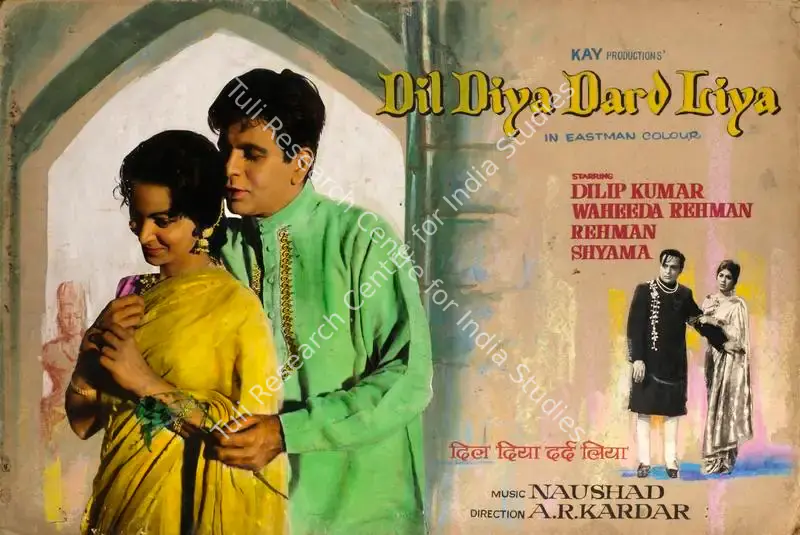
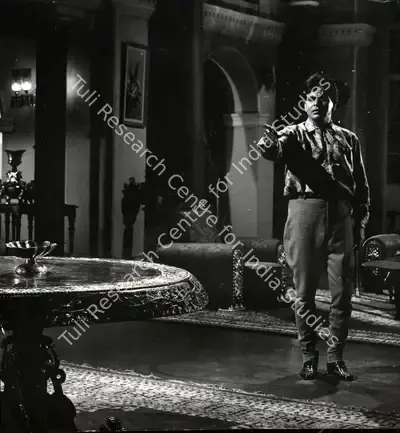
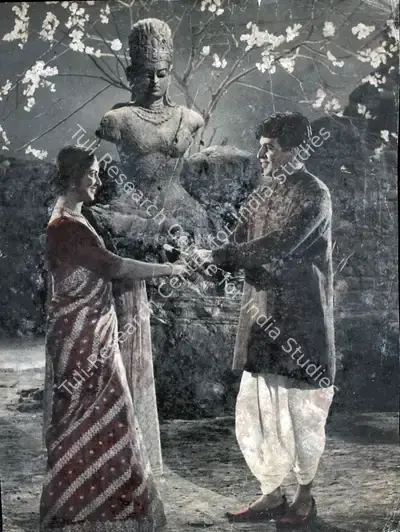
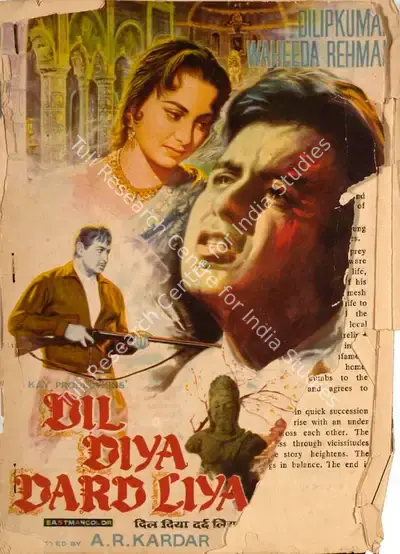
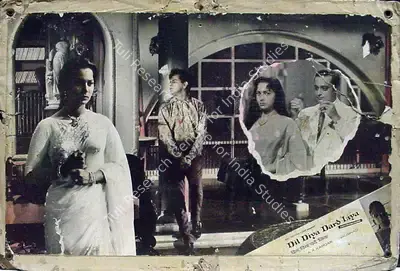
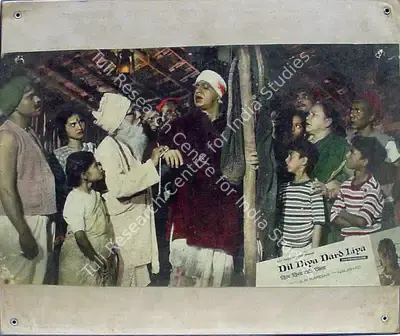
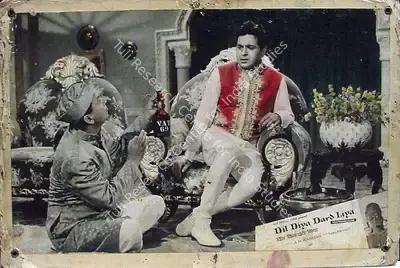
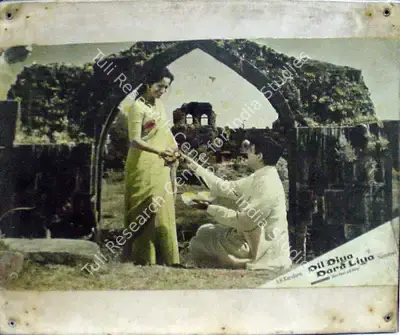
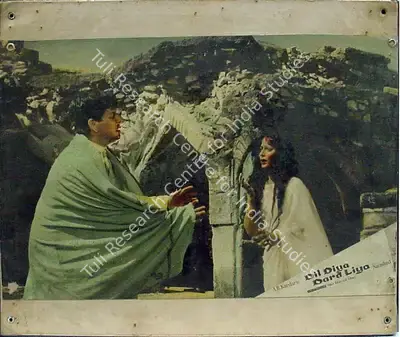
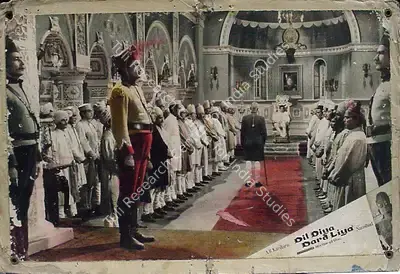
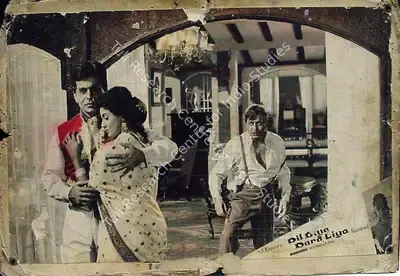
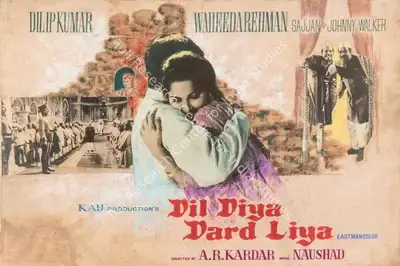
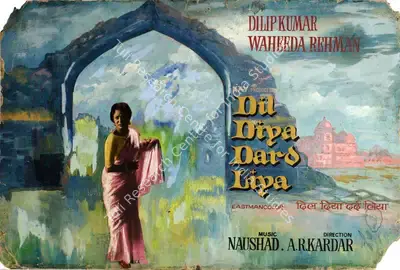
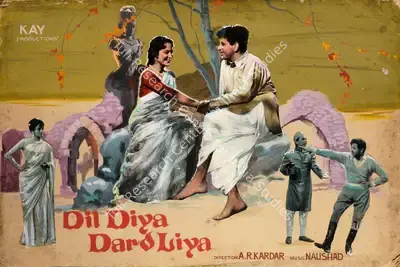
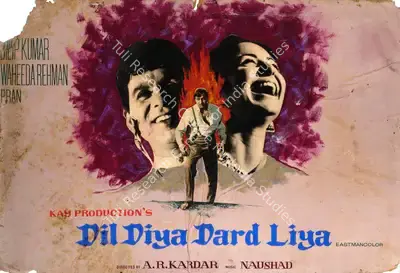
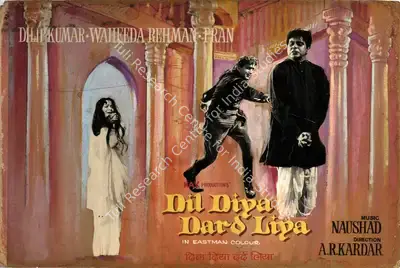
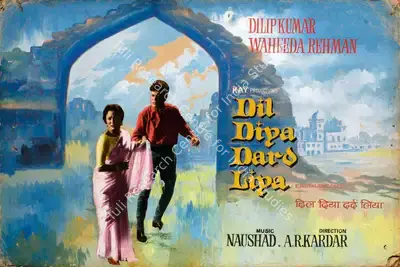
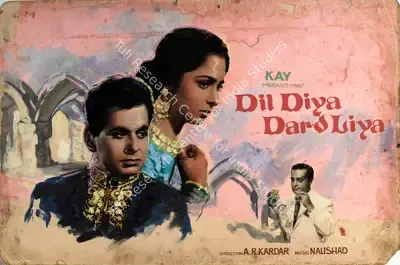
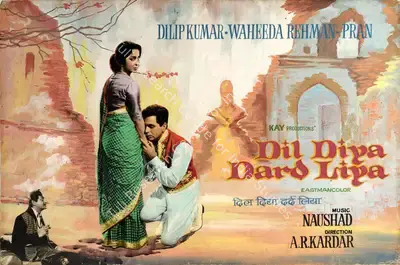
Dil Diya Dard Liya (1966), though inspired by Emily Brontë's Wuthering Heights, stands as a unique blend of Indian melodrama, love and betrayal, with a formulaic approach that makes it comforting and enjoyable for audiences. While it didn't perform well at the box-office and was not as commercially successful as anticipated by producer-director Abdul Rashid Kardar, the film holds a special place in Indian cinema, particularly for its music and emotional depth.
The film's story, although it mirrors Wuthering Heights, veers into a more typical Hindi cinema narrative, blending themes of tragic romance and betrayal with a more familiar structure. This shift from the original's more complex and bleak themes to a melodramatic style could have been one of the reasons it failed to fully capture the spirit of Brontë's novel, but also contributed to its charm for certain audiences, who were drawn to its larger-than-life treatment of love and passion.
The star power of Dilip Kumar and Waheeda Rehman lent a gravitas to the film, though it also leaned on archetypal characters. Despite this, the music by Naushad, with its beautiful songs written by Shakeel Badayuni, became a highlight. The songs such as "Koi Sagar Dil Ko Behlata Nahin," "Phir Teri Kahani Yaad Aayi," and "Rasiya Tu Bada Bedardi," among others, became immensely popular and have retained their appeal over time. These tracks, featuring the legendary voices of Mohammed Rafi, Asha Bhosle, and Lata Mangeshkar, are still celebrated today for their emotional depth and lyrical beauty.
This film could have sparked a trend of Bollywood Hindi film adaptations of Western classics, particularly from the Victorian era, at a time when India was undergoing significant social transformation. Much like Victorian Britain, 1960s India was experiencing a shift towards modernity and a growing middle class, which made stories from that period ripe for adaptation. However, Dil Diya Dard Liya didn't ignite that trend, though it certainly succeeded in providing a timeless emotional experience for its audience. Its formulaic storytelling, combined with stellar music and performances, made it a memorable film for those who appreciated traditional Bollywood entertainment from Bombay film industry.
The film's story, although it mirrors Wuthering Heights, veers into a more typical Hindi cinema narrative, blending themes of tragic romance and betrayal with a more familiar structure. This shift from the original's more complex and bleak themes to a melodramatic style could have been one of the reasons it failed to fully capture the spirit of Brontë's novel, but also contributed to its charm for certain audiences, who were drawn to its larger-than-life treatment of love and passion.
The star power of Dilip Kumar and Waheeda Rehman lent a gravitas to the film, though it also leaned on archetypal characters. Despite this, the music by Naushad, with its beautiful songs written by Shakeel Badayuni, became a highlight. The songs such as "Koi Sagar Dil Ko Behlata Nahin," "Phir Teri Kahani Yaad Aayi," and "Rasiya Tu Bada Bedardi," among others, became immensely popular and have retained their appeal over time. These tracks, featuring the legendary voices of Mohammed Rafi, Asha Bhosle, and Lata Mangeshkar, are still celebrated today for their emotional depth and lyrical beauty.
This film could have sparked a trend of Bollywood Hindi film adaptations of Western classics, particularly from the Victorian era, at a time when India was undergoing significant social transformation. Much like Victorian Britain, 1960s India was experiencing a shift towards modernity and a growing middle class, which made stories from that period ripe for adaptation. However, Dil Diya Dard Liya didn't ignite that trend, though it certainly succeeded in providing a timeless emotional experience for its audience. Its formulaic storytelling, combined with stellar music and performances, made it a memorable film for those who appreciated traditional Bollywood entertainment from Bombay film industry.
दिल दिया दर्द लिया (1966) की कहानी हालाँकि अंग्रेज़ उपन्यासकार एमिली ब्रोंटे के उन्नीसवीं सदी में लिखे क्लासिक उपन्यास वुदरिंग हाइट्स से प्रेरित है, लेकिन यह फ़िल्म उसका ठेठ भारतीयकरण करते हुए प्रेम और विश्वासघात से बुना एक नाटकीय कथानक तैयार करती है। इसकी फॉर्मूलाबद्ध शैली भी उस दौर के दर्शकों को आसानी से समझ में आनेवाली और मनोरंजक थी। जैसा इसके निर्माता-निर्देशक अब्दुल रशीद कारदार ने उम्मीद की थी, यह फ़िल्म टिकट खिड़की पर उस किस्म की बड़ी सफलता तो हासिल नहीं कर पाई, लेकिन अपने यादगार संगीत और जज़्बातों से भरे कथानक के चलते यह फ़िल्म भारतीय सिनेमा के इतिहास में एक खास जगह बना गई।
हालाँकि फ़िल्म का मूल कथानक वुदरिंग हाइट्स से लिया गया था, लेकिन प्यार, रोमांस और धोखे से मिलकर बनी इसकी कहानी काफ़ी हद तक हिन्दी सिनेमा में पहले से चले आए फॉर्मूलों की तर्ज पर रची गई थी। मूल कथा के अधिक जटिल और स्याह कथानक को दिल दिया दर्द लिया टिपिकल हिन्दुस्तानी फ़िल्मों की मेलोड्रामैटिक शैली में बदल देती है। यह बदलाव ब्रोंटे के उपन्यास की मूल भावना को तो पूरी तरह से पकड़ने में विफल रहता है, लेकिन सिनेमा के पर्दे पर 'लार्जर-देन-लाइफ़' किस्म की जज़्बातों से भरी कहानियाँ पसन्द करने वाले दर्शक इसके चलते फ़िल्म से आकर्षित भी हुए होंगे।
दिलीप कुमार और वहीदा रहमान जैसे बड़े सितारे फ़िल्म को एक गंभीरता दे रहे थे लेकिन कहानी में इनके आदर्श किस्म के किरदारों में दोहराव साफ़ देखा जा सकता था। पर नौशाद का आकर्षक संगीत और शकील बदायुंनी के लिखे खूबसूरत गीत फ़िल्म को अलग ही ऊँचाई दे गए। “कोई सागर दिल को बहलाता नहीं”, “फिर तेरी कहानी याद आई” और “रसिया तू बड़ा बेदर्दी” जैसे गाने बेहद लोकप्रिय हुए और इतना समय बीतने के बाद आज भी अपनी अपील बनाए हुए हैं। मोहम्मद रफ़ी, आशा भोंसले और लता मंगेशकर की अविस्मरणीय आवाज़ों में रचे गए यह गीत आज भी अपनी भावनात्मक गहराई और अर्थभरे बोलों के लिए जाने जाते हैं।
ऐसा हो सकता था कि इस फ़िल्म के बाद पश्चिम के देशों की क्लासिक रचनाओं, ख़ासकर विक्टोरियन युग की अंग्रेज़ी रचनाओं से प्रेरित होकर हिन्दी फ़िल्मों की कहानी लिखने की प्रवृत्ति चल पड़ती। आखिर विक्टोरिया युगीन ब्रिटेन की तरह 1960 के दशक का भारत भी तो बड़े सामाजिक बदलाव के दौर से गुज़र रहा था। आधुनिकता दस्तक दे रही थी और नया मध्यमवर्ग उभार पर था। इसके चलते यह भारत में विक्टोरिया काल के क्लासिक साहित्य के सिनेमाई रूपांतरण के लिए सही समय हो सकता था। पर दिल दिया दर्द लिया को बड़ी व्यावसायिक कामयाबी नहीं मिली और इस प्रयोग का प्रवृत्ति बनना वहीं थम गया। पर यह फ़िल्म देखनेवालों को एक जज़्बातों से भरा सिनेमाई अनुभव देती गई। इसकी कहानी भले फॉर्मूले से बंधी हो, इसका शानदार संगीत और दमदार अभिनय ऐसे दर्शकों को आज भी आकर्षित करता है जो हिन्दी सिनेमा का टिपिकल मैलोड्रामा से भरा मसाला देखने से परहेज नहीं करते।
हालाँकि फ़िल्म का मूल कथानक वुदरिंग हाइट्स से लिया गया था, लेकिन प्यार, रोमांस और धोखे से मिलकर बनी इसकी कहानी काफ़ी हद तक हिन्दी सिनेमा में पहले से चले आए फॉर्मूलों की तर्ज पर रची गई थी। मूल कथा के अधिक जटिल और स्याह कथानक को दिल दिया दर्द लिया टिपिकल हिन्दुस्तानी फ़िल्मों की मेलोड्रामैटिक शैली में बदल देती है। यह बदलाव ब्रोंटे के उपन्यास की मूल भावना को तो पूरी तरह से पकड़ने में विफल रहता है, लेकिन सिनेमा के पर्दे पर 'लार्जर-देन-लाइफ़' किस्म की जज़्बातों से भरी कहानियाँ पसन्द करने वाले दर्शक इसके चलते फ़िल्म से आकर्षित भी हुए होंगे।
दिलीप कुमार और वहीदा रहमान जैसे बड़े सितारे फ़िल्म को एक गंभीरता दे रहे थे लेकिन कहानी में इनके आदर्श किस्म के किरदारों में दोहराव साफ़ देखा जा सकता था। पर नौशाद का आकर्षक संगीत और शकील बदायुंनी के लिखे खूबसूरत गीत फ़िल्म को अलग ही ऊँचाई दे गए। “कोई सागर दिल को बहलाता नहीं”, “फिर तेरी कहानी याद आई” और “रसिया तू बड़ा बेदर्दी” जैसे गाने बेहद लोकप्रिय हुए और इतना समय बीतने के बाद आज भी अपनी अपील बनाए हुए हैं। मोहम्मद रफ़ी, आशा भोंसले और लता मंगेशकर की अविस्मरणीय आवाज़ों में रचे गए यह गीत आज भी अपनी भावनात्मक गहराई और अर्थभरे बोलों के लिए जाने जाते हैं।
ऐसा हो सकता था कि इस फ़िल्म के बाद पश्चिम के देशों की क्लासिक रचनाओं, ख़ासकर विक्टोरियन युग की अंग्रेज़ी रचनाओं से प्रेरित होकर हिन्दी फ़िल्मों की कहानी लिखने की प्रवृत्ति चल पड़ती। आखिर विक्टोरिया युगीन ब्रिटेन की तरह 1960 के दशक का भारत भी तो बड़े सामाजिक बदलाव के दौर से गुज़र रहा था। आधुनिकता दस्तक दे रही थी और नया मध्यमवर्ग उभार पर था। इसके चलते यह भारत में विक्टोरिया काल के क्लासिक साहित्य के सिनेमाई रूपांतरण के लिए सही समय हो सकता था। पर दिल दिया दर्द लिया को बड़ी व्यावसायिक कामयाबी नहीं मिली और इस प्रयोग का प्रवृत्ति बनना वहीं थम गया। पर यह फ़िल्म देखनेवालों को एक जज़्बातों से भरा सिनेमाई अनुभव देती गई। इसकी कहानी भले फॉर्मूले से बंधी हो, इसका शानदार संगीत और दमदार अभिनय ऐसे दर्शकों को आज भी आकर्षित करता है जो हिन्दी सिनेमा का टिपिकल मैलोड्रामा से भरा मसाला देखने से परहेज नहीं करते।
1 / 6
Body of Work
Art Director
Assistant Directors
Banner
Choreographer
Cinematographer
Costume Designer
Dialogue Writer
Director
Editing
Lead Cast
Lyricist
Music Director
Story Writer
Research Centre
20 of 26
20 of 26
Related
10