Ashani Sanket1973
Introduction
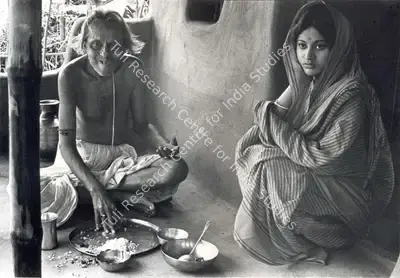
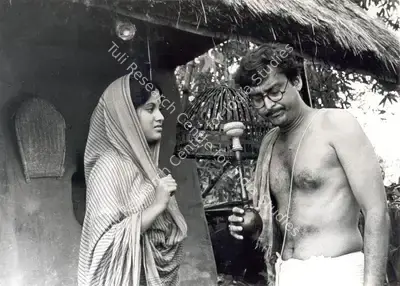
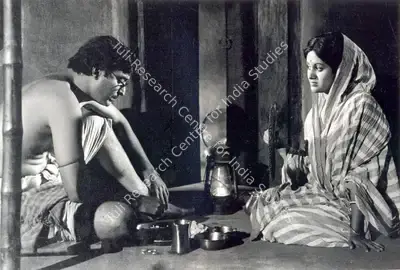
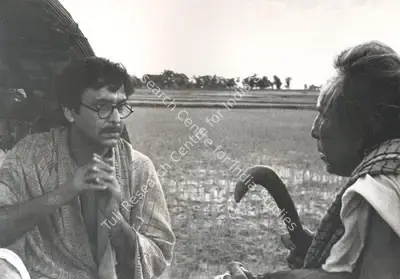
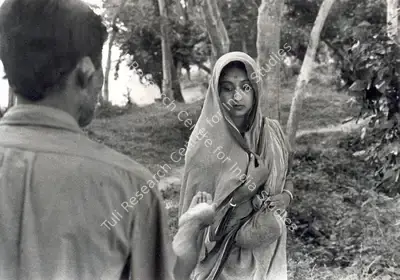
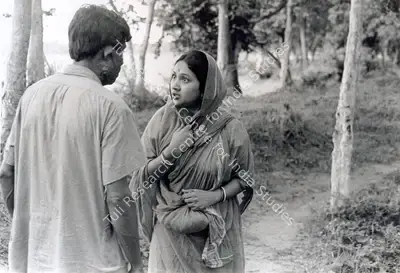
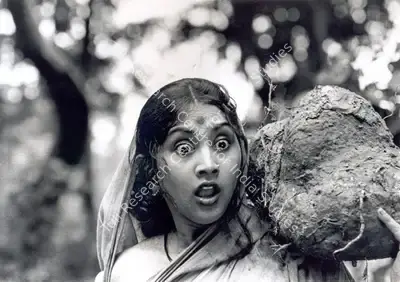
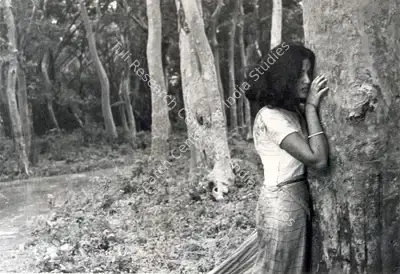
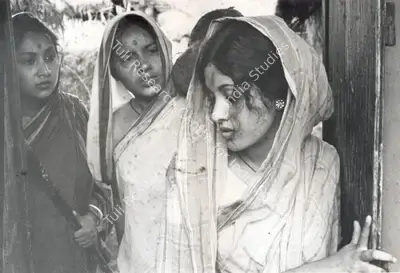
Ashani Sanket (Distant Thunder, 1973) Adapted from the novel by Bibhutibhushan Bandopadhyay, the film is a cinematic elegy rendered in quiet, resounding tones by Satyajit Ray. Filmed in vivid colour, a rare departure from the monochrome austerity of his earlier works, this Bengali masterpiece captures the harrowing beauty of rural Bengal during the Great Famine of 1943.
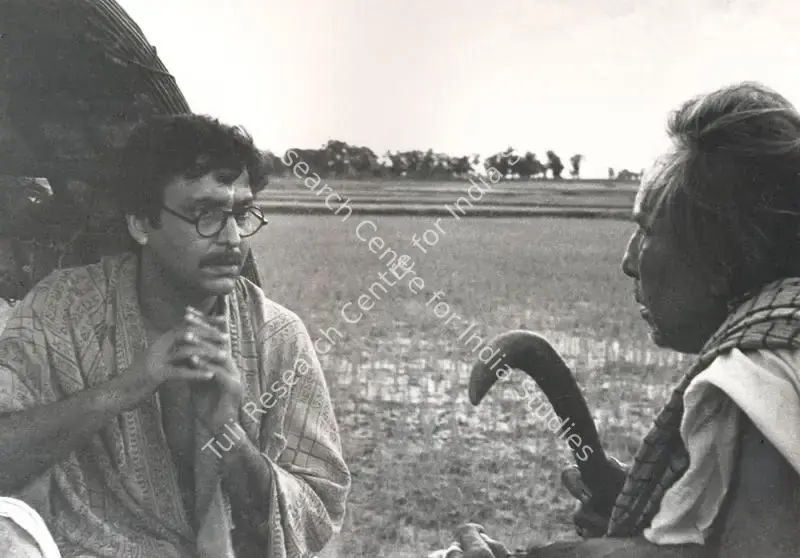
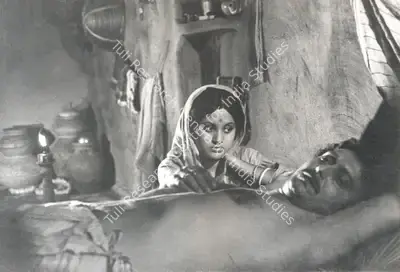
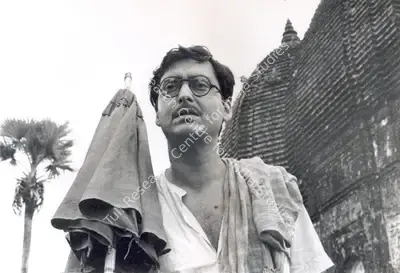
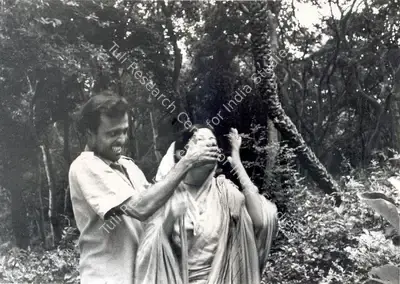
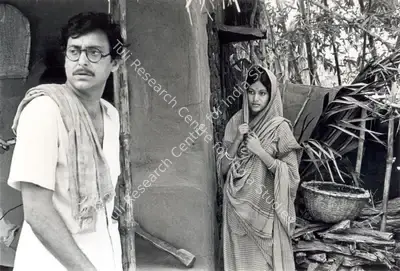
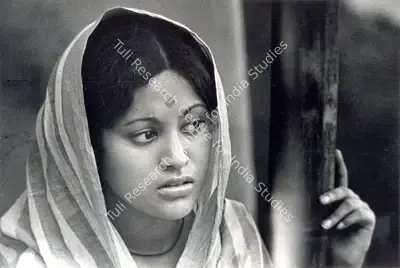
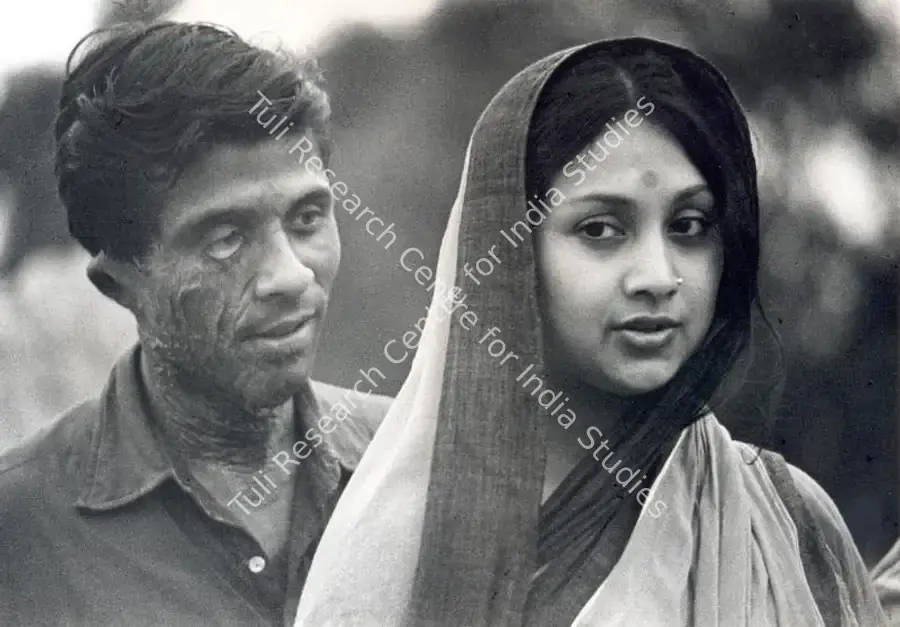
At its heart is Gangacharan, a young Brahmin doctor and school teacher, portrayed with solemn grace by Soumitra Chatterjee, a frequent and beloved Ray collaborator. By his side stands Angana, his wife, played by Bangladeshi actress Bobita, in what remains her most internationally celebrated role. The supporting cast includes the debut of theatre stalwart Mrityunjay Sil, alongside Sandhya Roy, Chitra Banerjee, Govinda Chakravarti, Anil and Noni Ganguly, Debatosh Ghosh, Ramesh Mukherjee, Sheli Pal, and Suchita Ray Chaudhury.
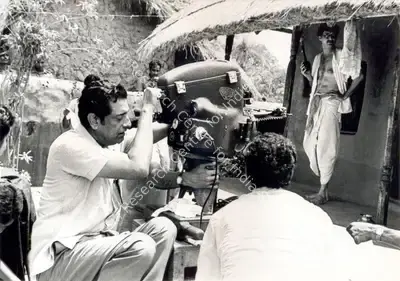
Ray's lens, guided by the artistry of cinematographer Soumendu Roy, rests gently upon a Bengal village on the cusp of devastation. The rhythms of agrarian life unfold slowly, almost serenely until hunger creeps in like an uninvited storm. The famine, which claimed over three million lives, is seen not through statistics, but through the erosion of tradition, dignity, and community. This is not a film about famine, it is a film about human endurance within it.
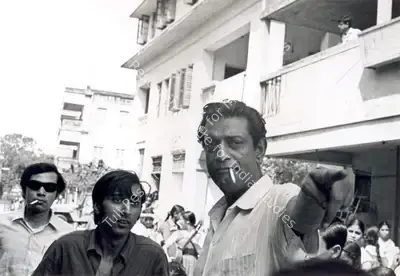
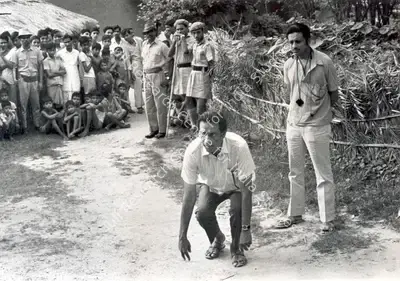
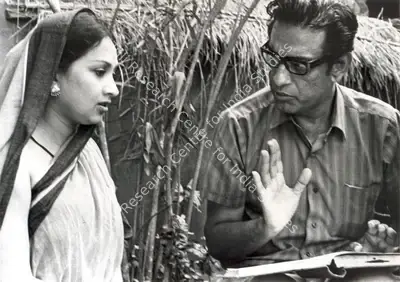
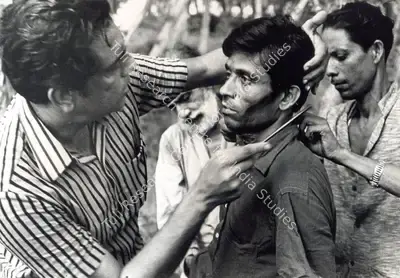
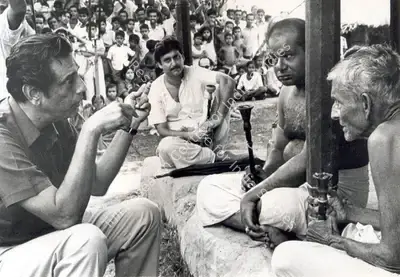
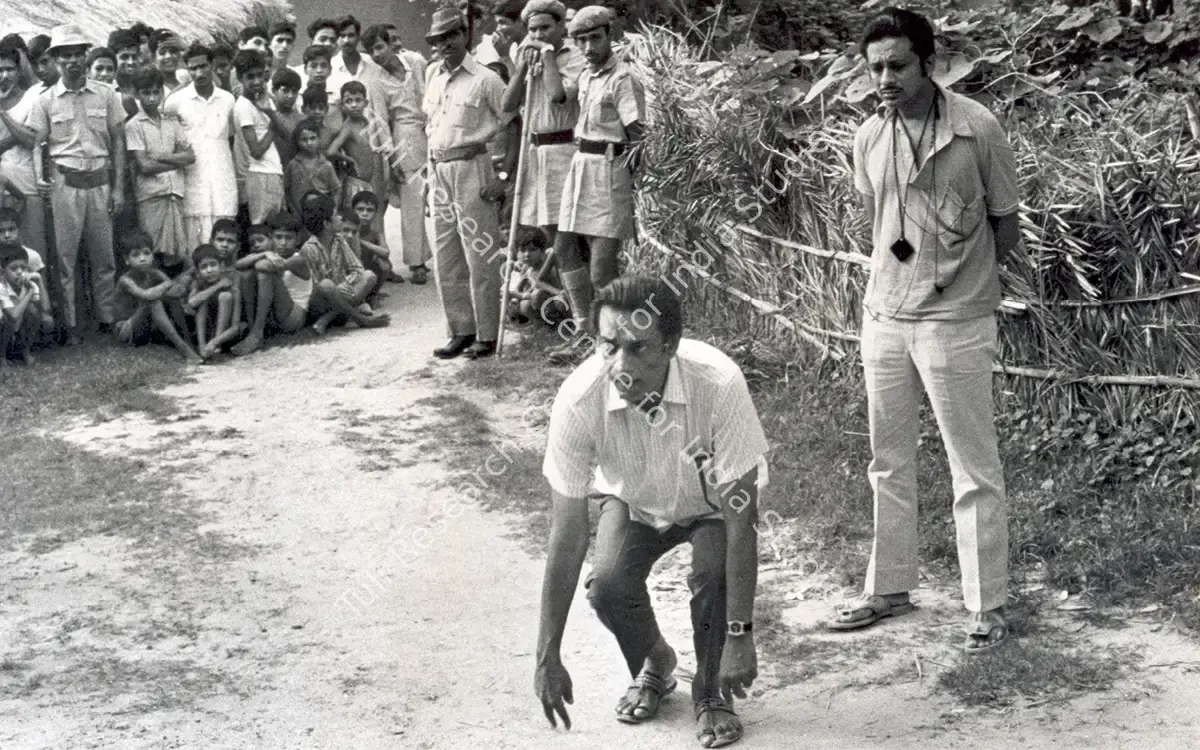
Shot in the Indian province of Bengal, specifically in Birbhum, a district of West Bengal, a real village hut was prepared for authenticity, and used for the filming in Dangapara, an area within the Indian region.
Originally, it was Sharmila Tagore who had been cast opposite Soumitra Chatterjee, continuing what had been a celebrated artistic partnership with Satyajit Ray. However, despite their long and fruitful collaboration marked by luminous performances in films like Devi, Nayak, and Aranyer Din Ratri, Tagore ultimately did not appear in the film. Instead, the role of Angana, Gangacharan's wife, was entrusted to Bobita, the acclaimed Bangladeshi actress. In her sole prominent international role, Bobita brought a quiet intensity to the character, becoming an integral part of the film's enduring emotional resonance. Though Tagore's absence marked a departure from Ray's usual ensemble, it also allowed new voices to emerge within his cinematic universe.
Vincent Canby of The New York Times called it “moving” and “elegiac,” admiring its epic impact achieved without grand gestures. He linked it spiritually to Ray's Apu Trilogy, citing the return of Chatterjee and Bandopadhyay's prose, yet affirmed its distinct tonal restraint. “It is the work of a director who has learned the value of narrative economy,” Canby observed, noting its fable-like simplicity against a landscape of silent suffering. Tom Milne of Time Out praised it as “a superb film,” while Dennis Schwartz awarded it an A−, calling it “a gentle humanist film” that shines light upon the vast shadow of famine. Jay Cocks of Time echoed this reverence, describing it as “superb and achingly simple,” and lauding Ray's decision to focus on the few to illuminate the many “Ray makes numbers count.”
In 1973, Ashani Sanket was honoured with the Golden Bear for Best Film at the Berlin International Film Festival, and received national acclaim with the National Film Award for Best Feature Film in Bengali, Best Music Direction for Ray himself, and Best Cinematography for Soumendu Roy.
This film remains not only a masterwork of Ray's later career but a meditative requiem for a nation's forgotten anguish rendered in colour, but remembered in shades of sorrow.
कथा के केंद्र में है एक युवा ब्राह्मण चिकित्सक और शिक्षक गंगाचरण का किरदार, जिसे पर्दे पर अभिनेता सौमित्र चटर्जी ने गहराई के साथ गंभीरता और सादगी से निभाया है। उनके साथ हैं उनकी पत्नी अंगना, फ़िल्म में जिनकी भूमिका बांग्लादेशी अभिनेत्री बॉबिता ने निभाई है। यह भूमिका उनके करियर की अन्तरराष्ट्रीय स्तर पर सबसे सराही गई प्रस्तुति रही। अन्य सहायक कलाकारों में रंगमंच के वरिष्ठ अभिनेता मृृत्युंजय सिल का सिनेमाई पदार्पण हुआ और उनके साथ संध्या राय, चित्रा बनर्जी, गोविंद चक्रवर्ती, अनिल और नोनी गांगुली, देबतोष घोष, रमेश मुखर्जी, शैली पाल और सुचिता राय चौधरी जैसे कलाकार शामिल रहे।
सत्यजित राय की नज़र सौमेंदु राय के कैमरे के साथ बंगाल के गाँव के परिदृश्य को अपने दायरे में लेती है। यह समूचा प्रदेश अकाल से विनाश के कगार पर खड़ा है। कृषि जीवन की लय यहाँ धीमे-धीमे लगभग शांत वातावरण में खुलती है, जब तक कि भूख किसी अनाम तूफ़ान की तरह इसमें प्रवेश नहीं करती। यहाँ अकाल, जिसने तीस लाख से अधिक लोगों की जान ली, आँकड़ों के माध्यम से नहीं बल्कि रुढ़ि, इंसानी गरिमा और सामुदायिक जीवन के क्षरण के माध्यम से दिखाया गया है। यह फ़िल्म अकाल की नहीं बल्कि उसके बीच ज़िन्दा मानवीय धैर्य और इंसानी अस्तित्व की ज़द्दोज़हद की कथा कहती है।
इस फ़िल्म की शूटिंग पश्चिम बंगाल राज्य के बीरभूम ज़िले में हुई थी। यथार्थ को ज़िन्दा रखने के लिए दंगापारा नामक गाँव में एक असल की झोपड़ी तैयार की गई और उसी में फ़िल्म का फ़िल्मांकन सम्पन्न हुआ।
मूल रूप से सौमित्र चटर्जी के साथ इस फ़िल्म में शर्मिला टैगोर को लिया जाना था। शर्मिला सत्यजित राय की स्थायी और चर्चित सहयोगी रही हैं और उन्होंने राय के साथ देवी (1960), नायक (1966) तथा अरण्येर दिन रात्रि (1970) जैसी यादगार फ़िल्मों में काम किया है। लेकिन आखिर में वह इस फ़िल्म का हिस्सा नहीं बन पाईं। उनकी जगह अंगना की भूमिका अभिनेत्री बॉबिता को दी गई। उनके लिए यह पहली और उनके करियर की अकेली अंतरराष्ट्रीय स्तर पर चर्चित भूमिका रही। इस किरदार में उन्होंने एक शांत और गहराई से भरी तीव्रता का समावेश किया। शर्मिला टैगोर की अनुपस्थिति राय की सामान्य टीम से एक विचलन तो कही जायेगाी, पर इससे उनके सिनेमाई संसार में नई आवाज़ों के लिए जगह बनी।
'दि न्यूयॉर्क टाइम्स' के विन्सेंट कैनबी ने इसे “भावनात्मक” और “शोकपूर्ण” कहा और इसकी महानता को इस बात में देखा कि यह बिना किसी भव्यता के भी महाकाव्यात्मक असर छोड़ती है। उन्होंने इसे आत्मा के स्तर पर राय की अपु त्रयी से जोड़ा, जहाँ फिर से चटर्जी और बंद्योपाध्याय की लेखन की जुगलबन्दी लौटती है। पर साथ ही इसके संयत, नियंत्रित स्वर की विशिष्टता को भी उन्होंने रेखांकित किया। उन्होंने लिखा, “यह उस निर्देशक की कलाकृति है जिसने कथा कहने में मितव्ययिता का मूल्य समझ लिया है।” 'टाइम आउट' के टॉम मिल्ने ने इसे “एक उत्कृष्ट फ़िल्म” कहा जबकि डेनिस श्वार्ट्ज ने इसे “एक कोमल मानवतावादी फ़िल्म” बताया और ए माइनस ग्रेड देते हुए कहा कि यह अकाल की स्याह छाया का सिनेमाई चित्रण है। 'टाइम' पत्रिका के जे कॉक्स ने भी इसे “बेहद सरल और मन को छू लेने वाली” फ़िल्म कहा और राय की इस क्षमता की सराहना की कि वे कुछ किरदारों के माध्यम से अनेकानेक इंसानों की पीड़ा की कहानी कह देते हैं, “राय संख्या बना दिये गए इंसानों के जीवन को अर्थ देते हैं।”
सन् 1973 में अशनी संकेत को बर्लिन अंतरराष्ट्रीय फ़िल्म समारोह में 'सर्वश्रेष्ठ फ़िल्म' के लिए 'गोल्डन बेयर' पुरस्कार मिला। भारत में इसे उस साल के राष्ट्रीय फ़िल्म पुरस्कारों में 'सर्वश्रेष्ठ बांग्ला फ़ीचर फ़िल्म' का पुरस्कार मिला और 'सर्वश्रेष्ठ संगीत निर्देशक' के लिए सत्यजित राय और 'सर्वश्रेष्ठ छायांकन' के लिए सौमेंदु राय को सम्मानित किया गया।
यह फ़िल्म न सिर्फ़ सत्यजित राय के उत्तरकालीन सृजन की एक उत्कृष्ट रचना है बल्कि राष्ट्र की एक भूला दी गई पीड़ा की अभिव्यक्ति है, उसके लिए एक ध्यानमग्न शोकगान भी है। ऐसा शोकगान जिसे खूबसूरती से रचा गया पर स्मृतियों में सहेजी धूसर विषाद की छाया से सींचा गया।
Body of Work