Aranyer Din Ratri1970

Introduction
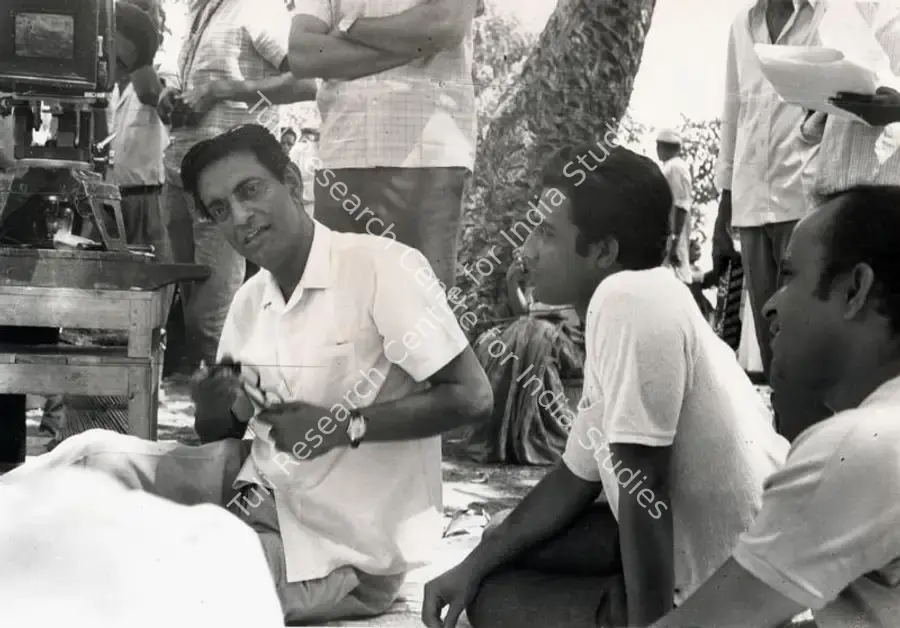
Araṇyēr Dinarātri (Days and Nights in the Forest 1970) The Bengali language adventure drama film directed by Satyajit Ray and based on the novel of the same name by Sunil Gangopadhyay, employs the literary technique of the carnivalesque. The film was nominated for the Golden Bear for Best Film at the 20th Berlin International Film Festival.
Comprising a stellar cast including Soumitra Chatterjee as Ashim, Subhendu Chatterjee as Sanjoy, Samit Bhanja as Hari, Rabi Ghosh as Shekhar, Sharmila Tagore as Aparna, Kaberi Bose as Jaya, Simi Garewal as Duli, and Aparna Sen as Hari's former lover, as also Pahari Sanyal as Sadashiv Tripathi in supporting roles, the film is revelatory in its dissection of identity politics. In showing how the veneer of conservatism transpires behind progressive ideals, and how it leads on to hypocritical standards of society, it seems a simple film, while hiding a profound element of human nature beneath the surface.
Aranyer Din Ratri's thematic significance lies in its exploration of class, privilege, urban-rural divides, gender dynamics, and alienation through the story of four privileged city men on a forest holiday that becomes a journey of self-discovery and self-realization. The film uses the contrast between the sophisticated, self-centred urban characters and the innocent, resilient tribal villagers to highlight a confrontation between modern and traditional societies, exposing the limitations of the men's worldview and their inherent disconnect from reality.
Critically acclaimed worldwide, Satyajit Ray's film drew praise for its emotional subtlety and poetic craftsmanship. Writing in The New Yorker, Pauline Kael confessed, “No artist has done more than Ray to make us re-evaluate the commonplace.” In Reeling, she called it “a major film by one of the great film artists.” The Financial Times' David Robinson noted its “extraordinary rightness” from performance to pacing, music to mise-en-scène. Jonathan Rosenbaum listed it among his 1,000 Essential Films, while The New York Times hailed it as “a rare, wistful movie that somehow proves it's good to be alive.” British critic Tom Milne praised its dreamlike stasis: “A shimmering summer's day... wistful yearnings as love and the need for love echo plangently… Beautifully shot and acted, it's probably Ray's masterpiece.”
Yet not all were enamoured. Village Voice critic William Paul dismissed it as “vaguely humanistic... stylistically awkward... more poetic in title than substance.” Biographer Andrew Robinson observed, however, that both admirers and detractors believed they fully understood the film—without realizing that its quiet gestures and spoken simplicity veiled a deeper, culturally rooted world, elusive to those outside it.
Though it didn't win any major awards, it is still regarded a great masterpiece and received several Nominations, notably, at the Berlin International Film Festival (1970) for the Golden Berlin Bear for Best Film. At Cannes Classics (2025), a 4K restored version of the film was screened, receiving a standing ovation. This selection marks a significant event, as it was the only Indian film chosen for the Cannes Classics section in 2025. The screening was attended by stars Sharmila Tagore and Simi Garewal, as well as American filmmaker Wes Anderson, who spearheaded the restoration efforts, making it a reunion of the film's key figures on the global stage.
A sequel Abar Aranye directed by Goutam Ghose was released in 2003. Although they shared no scenes, the film marked the only occasion when close friends Aparna Sen, Simi Garewal, and Sharmila Tagore appeared together in the same project.
Comprising a stellar cast including Soumitra Chatterjee as Ashim, Subhendu Chatterjee as Sanjoy, Samit Bhanja as Hari, Rabi Ghosh as Shekhar, Sharmila Tagore as Aparna, Kaberi Bose as Jaya, Simi Garewal as Duli, and Aparna Sen as Hari's former lover, as also Pahari Sanyal as Sadashiv Tripathi in supporting roles, the film is revelatory in its dissection of identity politics. In showing how the veneer of conservatism transpires behind progressive ideals, and how it leads on to hypocritical standards of society, it seems a simple film, while hiding a profound element of human nature beneath the surface.
Aranyer Din Ratri's thematic significance lies in its exploration of class, privilege, urban-rural divides, gender dynamics, and alienation through the story of four privileged city men on a forest holiday that becomes a journey of self-discovery and self-realization. The film uses the contrast between the sophisticated, self-centred urban characters and the innocent, resilient tribal villagers to highlight a confrontation between modern and traditional societies, exposing the limitations of the men's worldview and their inherent disconnect from reality.
Critically acclaimed worldwide, Satyajit Ray's film drew praise for its emotional subtlety and poetic craftsmanship. Writing in The New Yorker, Pauline Kael confessed, “No artist has done more than Ray to make us re-evaluate the commonplace.” In Reeling, she called it “a major film by one of the great film artists.” The Financial Times' David Robinson noted its “extraordinary rightness” from performance to pacing, music to mise-en-scène. Jonathan Rosenbaum listed it among his 1,000 Essential Films, while The New York Times hailed it as “a rare, wistful movie that somehow proves it's good to be alive.” British critic Tom Milne praised its dreamlike stasis: “A shimmering summer's day... wistful yearnings as love and the need for love echo plangently… Beautifully shot and acted, it's probably Ray's masterpiece.”
Yet not all were enamoured. Village Voice critic William Paul dismissed it as “vaguely humanistic... stylistically awkward... more poetic in title than substance.” Biographer Andrew Robinson observed, however, that both admirers and detractors believed they fully understood the film—without realizing that its quiet gestures and spoken simplicity veiled a deeper, culturally rooted world, elusive to those outside it.
Though it didn't win any major awards, it is still regarded a great masterpiece and received several Nominations, notably, at the Berlin International Film Festival (1970) for the Golden Berlin Bear for Best Film. At Cannes Classics (2025), a 4K restored version of the film was screened, receiving a standing ovation. This selection marks a significant event, as it was the only Indian film chosen for the Cannes Classics section in 2025. The screening was attended by stars Sharmila Tagore and Simi Garewal, as well as American filmmaker Wes Anderson, who spearheaded the restoration efforts, making it a reunion of the film's key figures on the global stage.
A sequel Abar Aranye directed by Goutam Ghose was released in 2003. Although they shared no scenes, the film marked the only occasion when close friends Aparna Sen, Simi Garewal, and Sharmila Tagore appeared together in the same project.
अरण्येर दिनरात्रि (1970) फ़िल्मकार सत्यजित राय द्वारा निर्देशित, सुनील गंगोपाध्याय के इसी नाम से लिखे गए उपन्यास पर आधारित एक बांग्ला भाषा की फ़िल्म है। इस ड्रामा फ़िल्म में साहित्यिक तकनीक 'कार्निवालेस्क' का प्रयोग किया गया है। यह फ़िल्म बीसवें बर्लिन अंतरराष्ट्रीय फ़िल्म महोत्सव में सर्वश्रेष्ठ फ़िल्म के 'गोल्डन बेयर' पुरस्कार के लिए नामांकित हुई थी।
इस फ़िल्म में आशिम की भूमिका में सौमित्र चट्टोपाध्याय, संजय की भूमिका में शुभेंदु चट्टोपाध्याय, हरी के किरदार में समीत भांजा, शेखर के किरदार में रबी घोष, अपर्णा की भूमिका में शर्मिला टैगोर, जया के किरदार में काबेरी बोस, दूली की भूमिका में सिमी ग्रेवाल और हरी की पूर्व प्रेमिका के किरदार में अपर्णा सेन जैसे सितारों ने अभिनय किया है। अन्य सहायक भूमिकाओं में सदाशिव त्रिपाठी के किरदार में पहाड़ी सान्याल शामिल हैं। यह फ़िल्म पहचान के पीछे छिपी राजनीति को परत दर परत उधाड़ती है। प्रगतिशील आदर्शों के पीछे छिपी रूढ़िवादिता और उससे उपजे सामाजिक पाखण्ड को उजागर करती है। ऊपर से देखने पर यह एक साधारण फ़िल्म प्रतीत होती है लेकिन भीतर यह इंसानी स्वभाव के गहन रहस्यों को उजागर करने की चाबी समेटे हुए है।
अरण्येर दिनरात्रि के कथानक का असल अर्थ इसमें है कि यह चार सम्पन्न शहरी युवकों के इस जंगल सफ़रनामे के माध्यम से वर्गभेद, विशेषाधिकार, शहरी-ग्रामीण विभाजन, लैंगिक भेद और संबंधों में अलगाव जैसे कठिन प्रश्नों को उठाती है। छुट्टी बिताने के बहाने शुरू हुआ यह सफ़र इन किरदारों को आत्म-अन्वेषण और आत्मबोध की ओर ले जाता है। फ़िल्म में आत्ममुग्ध, सुसंस्कृत शहरी पात्रों और सरल, सहनशील आदिवासी ग्रामीणों के बीच का द्वैत दिखाया गया है। यह भेद आधुनिक और पारम्परिक समाजों के मध्य टकराव को रेखांकित करता है साथ ही यह भी उजागर करता है कि इन शहरी पुरुषों का दृष्टिकोण कितना सीमित और वास्तविकता से कितना कटा हुआ है।
दुनियाभर में आलोचकों ने इस फ़िल्म को उसकी भावनात्मक संवेदनशीलता और काव्यात्मक शिल्प के लिए सराहा। 'दि न्यू यॉर्कर' में पॉउलिन कील ने लिखा, “साधारण जीवन को नई नज़र से देखने में राय से अधिक किसी कलाकार ने योगदान नहीं दिया।” 'रीलिंग' में लिखते हुए उन्होंने इसे “महान फ़िल्मकार की एक बड़ी फ़िल्म” कहा। 'फाइनेंशियल टाइम्स' के डेविड रॉबिनसन ने इसके “असाधारण संतुलन” की सराहना की और कहा कि फ़िल्म में “अभिनय से लेकर गति, संगीत से लेकर मी-ज़ॉ-सीन तक सबकुछ सटीक था”। जोनाथन रोज़ॉनबाम ने इसे अपनी “1000 ज़रूरी फ़िल्मों” की सूची में शामिल किया जबकि 'दि न्यू यॉर्क टाइम्स' ने इसे “एक दुर्लभ, उदासी भरी फ़िल्म” बताया जो “आखिर में यह साबित करती है कि ज़िंदा रहना अच्छा है।” ब्रिटिश आलोचक टॉम मिल्ने ने इसे सपनीला संतुलन कहकर नवाज़ा, “एक चमकती गर्मियों का दिन… प्रेम और प्रेम की ज़रूरत की गूंजती हुई तड़प… अद्भुत फिल्मांकन और अभिनय। शायद राय की सर्वश्रेष्ठ कृति।”
हालाँकि सभी समीक्षक इससे मोहित नहीं हुए। 'विलेज वॉयस' के आलोचक विलियम पॉल ने इसे “अस्पष्ट रूप से मानवतावादी… शैलीगत रूप से असहज…” और “शीर्षक में अधिक काव्यात्मक, कथ्य में कम” फ़िल्म करार दिया। राय के जीवनी लेखक एंड्रयू रॉबिनसन ने बाद में लिखा कि इसके प्रशंसक और आलोचक, दोनों ही यह मान बैठे थे कि उन्होंने फ़िल्म को पूरी तरह समझ लिया है, जबकि ऐसा था नहीं। इसकी शांत दिखती मुद्राएँ और सरल से दिखते संवादों के पीछे कई ऐसे गहरे सांस्कृतिक संदर्भ छिपे हुए हैं, जिसे कोई इस संस्कृति और परिवेश से बाहर का व्यक्ति पूरी तरह नहीं समझ सकता।
हालाँकि इस फ़िल्म ने कोई बड़ा पुरस्कार नहीं जीता, फिर भी इसे एक महान कृति माना जाता है। इसने कई नामांकन प्राप्त किए जिनमें सन् 1970 के बर्लिन अंतरराष्ट्रीय फ़िल्म महोत्सव में 'गोल्डन बेयर' पुरस्कार के लिए नामांकन प्रमुख है। कान फ़िल्म महोत्सव के 'कान क्लासिक्स 2025' खंड में इस फ़िल्म का 4के रीस्टोर संस्करण प्रदर्शित किया गया और उसे दर्शकों ने सर आँखों पर बिठाया। यह एक महत्वपूर्ण अवसर था क्योंकि सन् 2025 के 'कान क्लासिक्स' खंड के लिए चुनी गई यह एकमात्र भारतीय फ़िल्म थी। इस स्क्रीनिंग में शर्मिला टैगोर और सिमी ग्रेवाल के साथ मशहूर अमेरिकी फ़िल्मकार वेस एंडरसन भी उपस्थित रहे, जिन्होंने फ़िल्म के रीस्टोरेशन में ज़रूरी भूमिका निभाई थी। इस तरह फ़िल्म के प्रमुख सितारे वैश्विक मंच पर एक बार फिर साथ आए।
सन् 2003 में गौतम घोष द्वारा निर्देशित अबार अरण्ये (फिर से जंगल में) शीर्षक से इसका सीक्वल बनाया गया। हालाँकि इनका फ़िल्म में कोई साझा दृश्य नहीं था, फिर भी इस फ़िल्म ने पहली और आखिरी बार अपर्णा सेन, सिमी ग्रेवाल और शर्मिला टैगोर जैसी करीबी मित्र अभिनेत्रियों को एक ही परियोजना में काम करने का मौका दिया।
इस फ़िल्म में आशिम की भूमिका में सौमित्र चट्टोपाध्याय, संजय की भूमिका में शुभेंदु चट्टोपाध्याय, हरी के किरदार में समीत भांजा, शेखर के किरदार में रबी घोष, अपर्णा की भूमिका में शर्मिला टैगोर, जया के किरदार में काबेरी बोस, दूली की भूमिका में सिमी ग्रेवाल और हरी की पूर्व प्रेमिका के किरदार में अपर्णा सेन जैसे सितारों ने अभिनय किया है। अन्य सहायक भूमिकाओं में सदाशिव त्रिपाठी के किरदार में पहाड़ी सान्याल शामिल हैं। यह फ़िल्म पहचान के पीछे छिपी राजनीति को परत दर परत उधाड़ती है। प्रगतिशील आदर्शों के पीछे छिपी रूढ़िवादिता और उससे उपजे सामाजिक पाखण्ड को उजागर करती है। ऊपर से देखने पर यह एक साधारण फ़िल्म प्रतीत होती है लेकिन भीतर यह इंसानी स्वभाव के गहन रहस्यों को उजागर करने की चाबी समेटे हुए है।
अरण्येर दिनरात्रि के कथानक का असल अर्थ इसमें है कि यह चार सम्पन्न शहरी युवकों के इस जंगल सफ़रनामे के माध्यम से वर्गभेद, विशेषाधिकार, शहरी-ग्रामीण विभाजन, लैंगिक भेद और संबंधों में अलगाव जैसे कठिन प्रश्नों को उठाती है। छुट्टी बिताने के बहाने शुरू हुआ यह सफ़र इन किरदारों को आत्म-अन्वेषण और आत्मबोध की ओर ले जाता है। फ़िल्म में आत्ममुग्ध, सुसंस्कृत शहरी पात्रों और सरल, सहनशील आदिवासी ग्रामीणों के बीच का द्वैत दिखाया गया है। यह भेद आधुनिक और पारम्परिक समाजों के मध्य टकराव को रेखांकित करता है साथ ही यह भी उजागर करता है कि इन शहरी पुरुषों का दृष्टिकोण कितना सीमित और वास्तविकता से कितना कटा हुआ है।
दुनियाभर में आलोचकों ने इस फ़िल्म को उसकी भावनात्मक संवेदनशीलता और काव्यात्मक शिल्प के लिए सराहा। 'दि न्यू यॉर्कर' में पॉउलिन कील ने लिखा, “साधारण जीवन को नई नज़र से देखने में राय से अधिक किसी कलाकार ने योगदान नहीं दिया।” 'रीलिंग' में लिखते हुए उन्होंने इसे “महान फ़िल्मकार की एक बड़ी फ़िल्म” कहा। 'फाइनेंशियल टाइम्स' के डेविड रॉबिनसन ने इसके “असाधारण संतुलन” की सराहना की और कहा कि फ़िल्म में “अभिनय से लेकर गति, संगीत से लेकर मी-ज़ॉ-सीन तक सबकुछ सटीक था”। जोनाथन रोज़ॉनबाम ने इसे अपनी “1000 ज़रूरी फ़िल्मों” की सूची में शामिल किया जबकि 'दि न्यू यॉर्क टाइम्स' ने इसे “एक दुर्लभ, उदासी भरी फ़िल्म” बताया जो “आखिर में यह साबित करती है कि ज़िंदा रहना अच्छा है।” ब्रिटिश आलोचक टॉम मिल्ने ने इसे सपनीला संतुलन कहकर नवाज़ा, “एक चमकती गर्मियों का दिन… प्रेम और प्रेम की ज़रूरत की गूंजती हुई तड़प… अद्भुत फिल्मांकन और अभिनय। शायद राय की सर्वश्रेष्ठ कृति।”
हालाँकि सभी समीक्षक इससे मोहित नहीं हुए। 'विलेज वॉयस' के आलोचक विलियम पॉल ने इसे “अस्पष्ट रूप से मानवतावादी… शैलीगत रूप से असहज…” और “शीर्षक में अधिक काव्यात्मक, कथ्य में कम” फ़िल्म करार दिया। राय के जीवनी लेखक एंड्रयू रॉबिनसन ने बाद में लिखा कि इसके प्रशंसक और आलोचक, दोनों ही यह मान बैठे थे कि उन्होंने फ़िल्म को पूरी तरह समझ लिया है, जबकि ऐसा था नहीं। इसकी शांत दिखती मुद्राएँ और सरल से दिखते संवादों के पीछे कई ऐसे गहरे सांस्कृतिक संदर्भ छिपे हुए हैं, जिसे कोई इस संस्कृति और परिवेश से बाहर का व्यक्ति पूरी तरह नहीं समझ सकता।
हालाँकि इस फ़िल्म ने कोई बड़ा पुरस्कार नहीं जीता, फिर भी इसे एक महान कृति माना जाता है। इसने कई नामांकन प्राप्त किए जिनमें सन् 1970 के बर्लिन अंतरराष्ट्रीय फ़िल्म महोत्सव में 'गोल्डन बेयर' पुरस्कार के लिए नामांकन प्रमुख है। कान फ़िल्म महोत्सव के 'कान क्लासिक्स 2025' खंड में इस फ़िल्म का 4के रीस्टोर संस्करण प्रदर्शित किया गया और उसे दर्शकों ने सर आँखों पर बिठाया। यह एक महत्वपूर्ण अवसर था क्योंकि सन् 2025 के 'कान क्लासिक्स' खंड के लिए चुनी गई यह एकमात्र भारतीय फ़िल्म थी। इस स्क्रीनिंग में शर्मिला टैगोर और सिमी ग्रेवाल के साथ मशहूर अमेरिकी फ़िल्मकार वेस एंडरसन भी उपस्थित रहे, जिन्होंने फ़िल्म के रीस्टोरेशन में ज़रूरी भूमिका निभाई थी। इस तरह फ़िल्म के प्रमुख सितारे वैश्विक मंच पर एक बार फिर साथ आए।
सन् 2003 में गौतम घोष द्वारा निर्देशित अबार अरण्ये (फिर से जंगल में) शीर्षक से इसका सीक्वल बनाया गया। हालाँकि इनका फ़िल्म में कोई साझा दृश्य नहीं था, फिर भी इस फ़िल्म ने पहली और आखिरी बार अपर्णा सेन, सिमी ग्रेवाल और शर्मिला टैगोर जैसी करीबी मित्र अभिनेत्रियों को एक ही परियोजना में काम करने का मौका दिया।
1 / 2
Body of Work

26
01 / 26
Based on the novel of same name by Sunil Gangopadhyay, Arnayer Din Ratri is an exposition on the urban middle class directed by Satyajit Ray. A group of four friends, belonging to the different layers of the society, travel to the midlands of Palamau in Bihar for a small trip to escape the daily grind of city life.
The four friends, Ashim is the group's spokesperson, successful enough to own a car used for travel. Sanjoy is relatively staid with a marginal position at a jute mill. Hari a cricketer who has been dumped by his girlfriend and Shekhar is a jester, the only unemployed member of the group. The group on their way stops at a petrol pump while discussing about the Bengali's being dazzled by the hills of Palamau and the stories that they have read about the tribal women having very open sexuality.
Shekhar and Hari get into a light-hearted fight as the latter pretends to be sleeping only to avoid Shekhar's conversations.
Art Director
Assistant Directors
Banner
Cinematographer
Controller of Production
Dialogue Writer
Director
Editing
Executive Producer
Lead Cast
Lead Cast Rest
Makeup Director
Music Director
Poster Designer
Producer
Screenplay Writer
Script Writer
Still Photographer
Story Writer