


Introduction
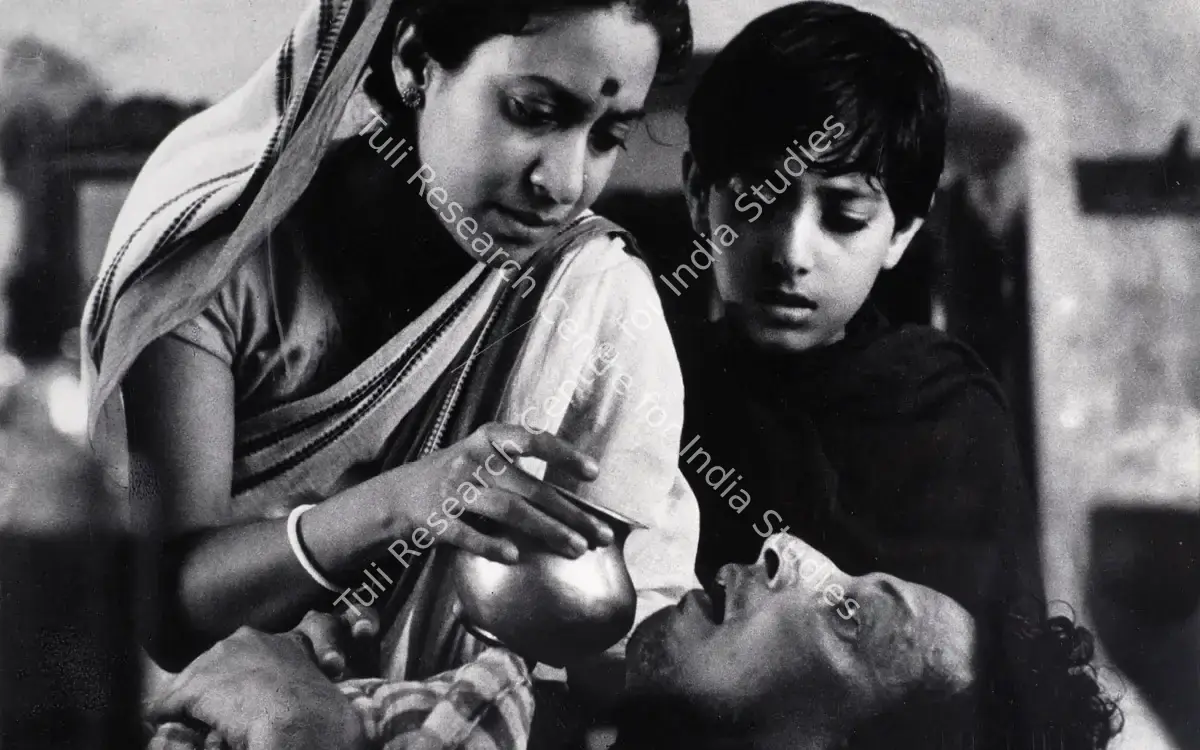
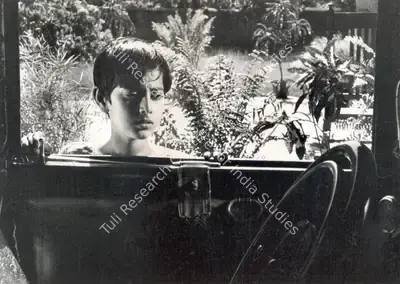
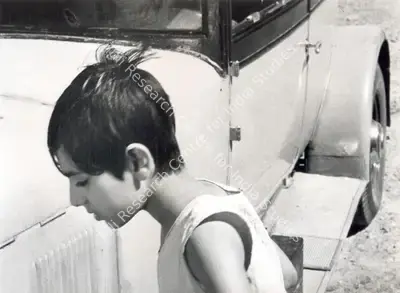
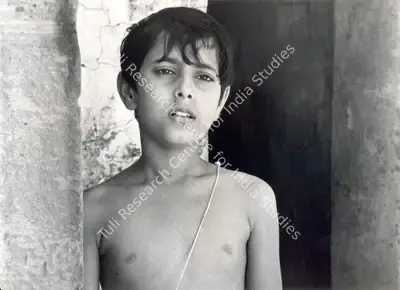
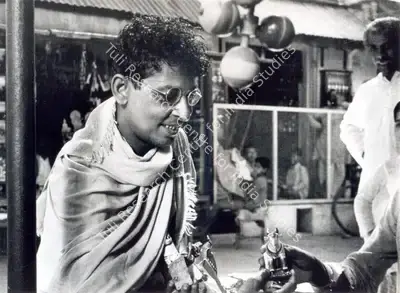
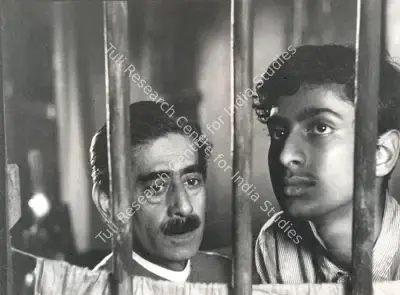
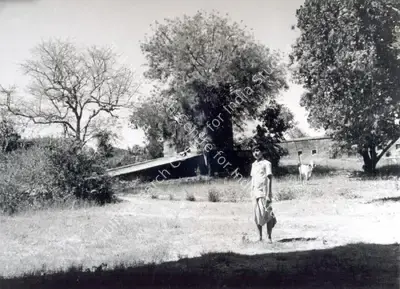
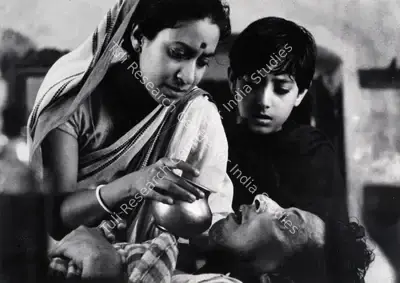
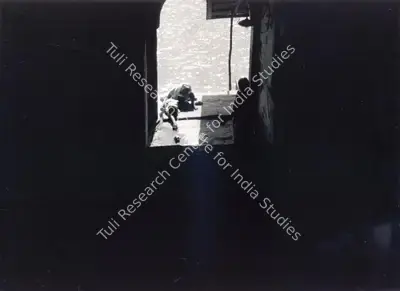
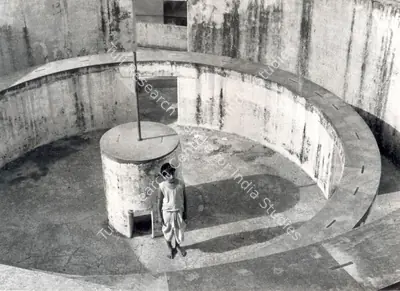
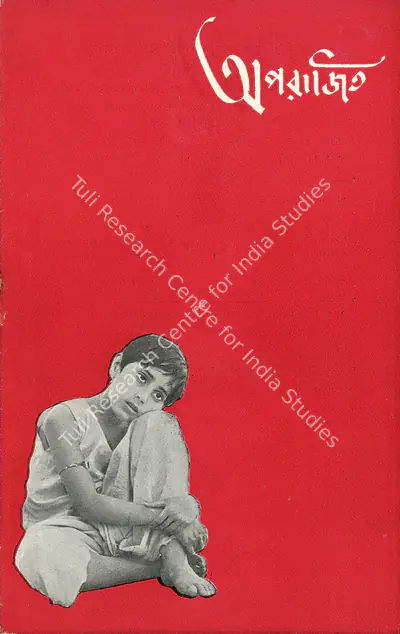
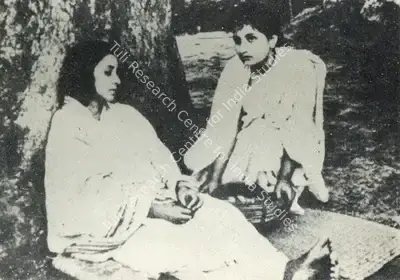
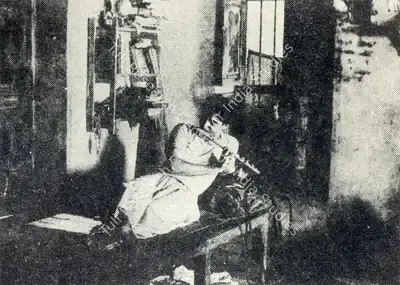
Aparajito (1956) Written and directed by Satyajit Ray, this was the second instalment in the critically acclaimed Apu Trilogy. A Bengali-language drama, the film adapts the final part of Bibhutibhushan Bandopadhyay's novel Pather Panchali and the first part of its sequel Aparajito. Picking up where Pather Panchali (1955) ended, the story follows Apu's journey from childhood to adolescence, beginning with the family's move to Varanasi and culminating in his college years.
The cast featured Pinaki Sengupta, Smaran Ghosal, Karuna Banerjee, Kanu Banerjee, Ramani Sengupta, Charuprakash Ghosh, Santi Gupta, Subodh Ganguli, and Ranib. The film's evocative background score was composed by Pandit Ravi Shankar, continuing the collaboration that began with the first film.
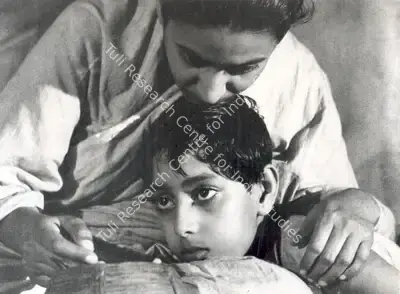
When Ray embarked on Pather Panchali, he had no initial plans for a sequel. However, the film's critical and commercial success encouraged him to continue Apu's story. Unlike Pather Panchali, which stayed closely aligned with the novel, Aparajito marked a departure in tone and interpretation. Most notably, Ray reimagined the relationship between Apu and his mother, diverging sharply from the literary portrayal. This bold creative choice sparked controversy in India. As Ray later recalled, “The suburban audience was shocked by the portrayal of the mother-son relationship, so sharply at variance with the conventional notion of mutual sweetness and devotion.”
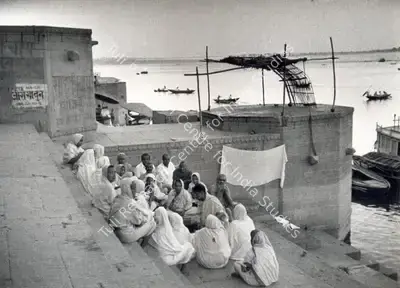
Set in the 1920s, Aparajito begins with Apu's family leaving rural Bengal for Varanasi, where his father Harihar earns a modest living as a priest. After Harihar's untimely death, Apu's mother, Sarbajaya, takes work as a maid. With the help of a great-uncle, mother and son return to Bengal. In Mansapota, Apu is trained briefly to become a priest, but he yearns for formal education. He excels in school and wins a scholarship to study in Kolkata. Though heartbroken, Sarbajaya allows him to go. In the city, Apu studies and works part-time, rarely visiting home. Sarbajaya, increasingly lonely and unwell, conceals her illness from her son. By the time Apu returns, she has passed away. Grief-stricken, he leaves the village, vowing to honour her memory while continuing his studies in Kolkata.
The novel featured Leela, a female character who contributed to Apu's growing distance from his mother during his time in Calcutta. Ray initially cast an actress for the role, but her fiancé barred her from participating, forcing him to remove the character. He later admitted that Leela, with whom Apu had a subtle romantic bond, helped explain his draw to the city. While Ray feared her absence weakened that pull, he ultimately felt the film remained emotionally complete without her.
Aparajito was also a landmark in cinematography. Subrata Mitra, the cinematographer for the trilogy, introduced the groundbreaking use of bounce lighting to simulate natural daylight on indoor sets. Originally, art director Bansi Chandragupta had planned to build an open courtyard set to mimic a Benares home, but fears of monsoon rains forced a move indoors. To match the look of outdoor scenes, Mitra innovated by placing a white cloth overhead, resembling the sky, and bouncing artificial light off it. This technique became a hallmark of Mitra's style and significantly influenced Indian cinematography.
The film received widespread international recognition, winning 11 major awards, including the Golden Lion and Critics Award at the 1957 Venice Film Festival—the first film to win both. It also took home the Cinema Nuovo and FIPRESCI Awards, making it the only sequel to have won all three top honors at Venice, Berlin, or Cannes. In 1958, Ray received the Golden Gate Awards for Best Picture and Best Director at the San Francisco International Film Festival, and the film went on to win the Selznick Golden Laurel at Berlin. It also received BAFTA nominations in 1959, including one for Karuna Banerjee.
Critics worldwide praised the film. Bosley Crowther of The New York Times noted its "rare feeling and skill at pictorial imagery," while Mrinal Sen called it one of the best Indian films ever made. Ray's success with Aparajito inspired the final installment, Apur Sansar (1959), completing what Roger Ebert later described as "one of the most critically acclaimed movie trilogies of all time."
Over time, The Apu Trilogy has become a seminal influence on global cinema. Directors such as Martin Scorsese, James Ivory, Abbas Kiarostami, Elia Kazan, and Wes Anderson have cited its impact. Akira Kurosawa praised Ray's artistry, and critic Michael Sragow noted in The Atlantic Monthly that the trilogy influenced countless coming-of-age films. Terrence Rafferty called it “cinema's purest Bildungsroman.”
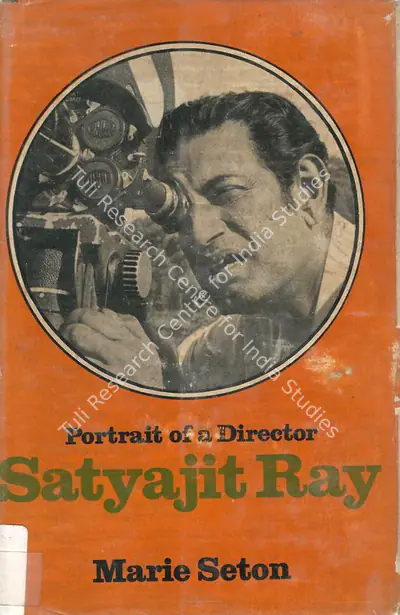
Following Aparajito, Satyajit Ray went on to direct 35 more films, overseeing not just direction but also screenwriting, music, cinematography, and design. His deeply humanist vision and lyrical style cemented his legacy as a true auteur of world cinema.
इस फ़िल्म में पिनाकी सेनगुप्ता, स्मरण घोषाल, करुणा बनर्जी, कानू बनर्जी, रमणी सेनगुप्ता, चारुप्रकाश घोष, शांति गुप्ता, सुबोध गांगुली और रानीबी जैसे अभिनेताओं ने अभिनय किया था। पंडित रविशंकर ने इस फ़िल्म के लिए भावपूर्ण और मार्मिक संगीत रचा जिसे निर्देशक राय और उनके बीच पहली फ़िल्म से शुरू हुई साझेदारी के ही विस्तार के बतौर पढ़ सकते हैं।
जब सत्यजित राय ने पाथेर पांचाली बनानी शुरू की थी तो इसकी अगली कड़ी भी बनाने का उनका कोई इरादा नहीं था। लेकिन फ़िल्म को मिली आलोचनात्मक और व्यावसायिक कामयाबी ने उन्हें अपु की कहानी आगे बढ़ाने के लिए प्रेरित किया। पाथेर पांचाली जहाँ उपन्यास के काफी क़रीब बनी रहती है वहीं अपराजितो ने अपने स्वर और व्याख्या में अलग राह चुनी। कथानक में सबसे उल्लेखनीय बदलाव अपु और उसकी माँ के बीच के रिश्ते में था, जो साहित्यिक कृति से बिल्कुल भिन्न था। इस साहसिक रचनात्मक निर्णय ने भारत में विवाद भी खड़ा किया। निर्देशक राय ने बाद में याद किया, “पारम्परिक दर्शक माँ-बेटे के रिश्ते के इस किस्म के चित्रण को देखकर स्तब्ध थे क्योंकि यह उनकी पारम्परिक धारणा से बिल्कुल अलग था। माँ-बेटे के रिश्ते में मिठास और भक्ति की कल्पना की जाती रही है।”
उन्नीस सौ बीस के दशक के परिवेश पर आधारित इस फ़िल्म की शुरुआत अपु के परिवार के ग्रामीण बंगाल से वाराणसी जाने से होती है, जहाँ उसके पिता हरिहर पुजारी का काम करते हुए अल्प आजीविका कमाते हैं। वाराणसी में हरिहर की अकाल मृत्यु के बाद अपु की माँ, सर्बजया नौकरानी का काम करने लगती हैं। एक बड़े चाचा की मदद से माँ-बेटा वापस बंगाल लौट आते हैं। वहीं मानसपोटा में अपु को कुछ समय के लिए पुजारी बनने का प्रशिक्षण मिलता है, लेकिन अपु औपचारिक शिक्षा हासिल करना चाहता है। पढ़ाई में उत्कृष्टता दिखाते हुए वह कोलकाता में पढ़ने के लिए छात्रवृत्ति जीतता है। उसे जाते देखकर माँ का दिल टूट जाता है, लेकिन वह अपु को जाने देती हैं। शहर में अपु पढ़ाई के साथ कुछ काम करने लगता है। वह गाँव में अपने घर बहुत कम वापस जाता है। इधर अपु की माँ सर्बजया अकेली और बीमार हैं। वे अपने बेटे से अपनी बीमारी छुपाती हैं। जब तक अपु वापस लौटता है, वह गुज़र चुकी होती हैं। दुख से व्याकुल अपु गाँव छोड़ देता है और यह संकल्प लेता है कि वह पढ़ाई जारी रखते हुए भी अपनी माँ की स्मृति को पूरा सम्मान देगा।
मूल उपन्यास में लीला नामक एक स्त्री किरदार था जो अपु के अपनी माँ से दूर होने की एक वजह बनता है। सत्यजित राय ने इस किरदार की भूमिका निभाने के लिए एक अभिनेत्री को चुना भी था, लेकिन उसके मंगेतर ने उसे काम करने से रोक दिया और यह पात्र फ़िल्म से हटाना पड़ा। राय ने बाद में स्वीकार किया कि लीला के किरदार से अपु का जो रोमानी संबंध बनता, उससे शहर की ओर उसके आकर्षण की वजह और स्पष्ट होती। उन्हें डर था कि उस किरदार के बिना इस खिंचाव के पीछे का तर्क कमज़ोर पड़ जाएगा। लेकिन आखिर में उन्होंने कहा और माना कि यह फ़िल्म लीला के किरदार के बिना भी भावनात्मक रूप से संपूर्ण है।
अपराजितो अपनी सिनेमैटोग्राफ़ी के लिहाज से भी एक मील का पत्थर फ़िल्म थी। अपु त्रयी के सिनेमैटोग्राफर सुब्रतो मित्रा ने यहाँ पहली बार 'बाउंस लाइटिंग' का प्रयोग किया, जिससे फ़िल्म के इनडोर सेट पर प्राकृतिक दिन का उजाला दिखाया जा सके। मूल रूप से फ़िल्म के कला निर्देशक बंसी चंद्रगुप्त ने वाराणसी के घर को आंगननुमा सेट बनाकर फ़िल्माने की योजना बनाई थी। लेकिन मानसून के डर से इस पूरे सेट को इनडोर में शिफ़्ट करना पड़ा। ऐसे में बाहरी दृश्यों से भीतर फ़िल्माए दृश्यों का मेल करवाने के लिए मित्रा ने सफेद कपड़े को आकाश की तरह ऊपर की ओर लगाया और फिर कृत्रिम रोशनी को उस उजले कपड़े से 'बाउंस' करवाकर नीचे लेकर आये। आगे जाकर यह तकनीक ही उनकी शैली की पहचान बन गई और इसने भारतीय सिनेमैटोग्राफ़ी कला पर काफ़ी गहरा असर डाला।
इस फ़िल्म को अंतरराष्ट्रीय स्तर पर व्यापक मान्यता और सम्मान मिला। इसने विश्वस्तर पर 11 बड़े पुरस्कार जीते जिनमें सन् 1957 में हुए 'वेनिस फ़िल्म महोत्सव' का 'गोल्डन लॉयन' पुरस्कार और 'क्रिटिक्स अवॉर्ड' शामिल थे। इन्हें एक साथ जीतने वाली यह पहली फ़िल्म थी। इस फ़िल्म को 'सिनेमा नुओवो' और 'फ़िप्रेस्की अवॉर्ड' भी मिले जिन्हें जीतकर यह वेनिस, बर्लिन या कान में शीर्ष तीनों पुरस्कार जीतने वाली पहली सीक्वल बन गई। सन् 1958 में निर्देशक राय को 'सैन फ्रांसिस्को अंतरराष्ट्रीय फ़िल्म महोत्सव' में सर्वश्रेष्ठ फ़िल्म और सर्वश्रेष्ठ निर्देशक के 'गोल्डन गेट पुरस्कार' मिले और इसने बर्लिन में 'सेल्ज़निक गोल्डन लॉरेल' पुरस्कार भी हासिल किया। सन् 1959 में इसे ब्रिटिश 'बाफ़्टा पुरस्कारों' में नामांकन भी मिला जिनमें करुणा बनर्जी को मिला अभिनय नामांकन शामिल था।
दुनियाभर के आलोचकों ने फ़िल्म की भूरी-भूरी प्रशंसा की। अमेरिकी 'न्यूयॉर्क टाइम्स' अखबार के फ़िल्म आलोचक बॉस्ले क्राउदर ने इसकी “असाधारण संवेदनशीलता और चित्रात्मक सौंदर्य” की सराहना की जबकि मृणाल सेन ने इसे अब तक बनी सर्वश्रेष्ठ भारतीय फ़िल्मों में से एक बताया। अपराजितो की सफलता ने सत्यजित राय को इस त्रयी की अन्तिम कड़ी अपुर संसार (1959) बनाने की प्रेरणा दी। इसके साथ ही वह फ़िल्म त्रयी पूर्ण हुई जिसे मशहूर फ़िल्म समीक्षक रोजर एबर्ट ने बाद में “किसी भी काल में निर्मित सबसे चर्चित फ़िल्म त्रयी में से एक” कहा।
समय बीतने के साथ 'अपु त्रयी' की फ़िल्में वैश्विक सिनेमा पर एक मौलिक प्रभाव डालने वाली साबित हुईं। मार्टिन स्कॉर्सेसी, जेम्स आइवरी, अब्बास कियरोस्तामी, एलिए काज़ान और वेस एंडरसन जैसे निर्देशकों ने अपने काम पर इसके प्रभाव को स्वीकार किया। अकीरा कुरोसावा ने राय की कला की प्रशंसा की और आलोचक माइकल स्रैगॉ ने 'दि अटलांटिक मंथली' में लिखा कि इस त्रयी ने अनगिनत 'कमिंग-ऑफ़-एज' फ़िल्मों को प्रभावित किया है। टेरेन्स रैफ़र्टी ने इसे “सिनेमा का सबसे विशुद्ध बिल्डुंग्सरोमन (किरदार के निर्माण की यात्रा दिखाने वाला उपन्यास)” कहा।
अपराजितो के बाद सत्यजित राय ने 35 और फिल्में बनाईं जिनमें से कई में उन्होंने निर्देशन के साथ-साथ पटकथा लेखन, संगीत, सिनेमैटोग्राफ़ी और डिज़ाइन के मोर्चे भी संभाले। उनकी गहरी मानवीय दृष्टि और काव्यात्मक शैली ने उन्हें विश्व सिनेमा का एक सच्चा 'ऑतूर' (लेखक-फ़िल्मकार) सिद्ध किया और उनकी विरासत को अमर बना दिया।
Body of Work
Research Centre
Related
2