Anokhi Raat1968
Introduction
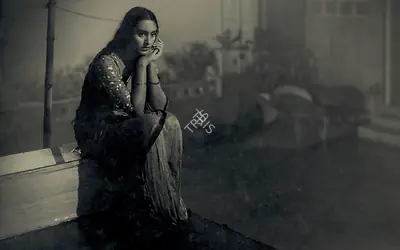
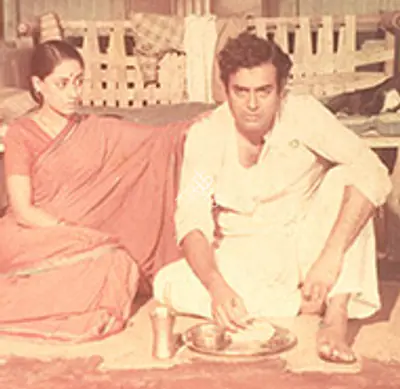
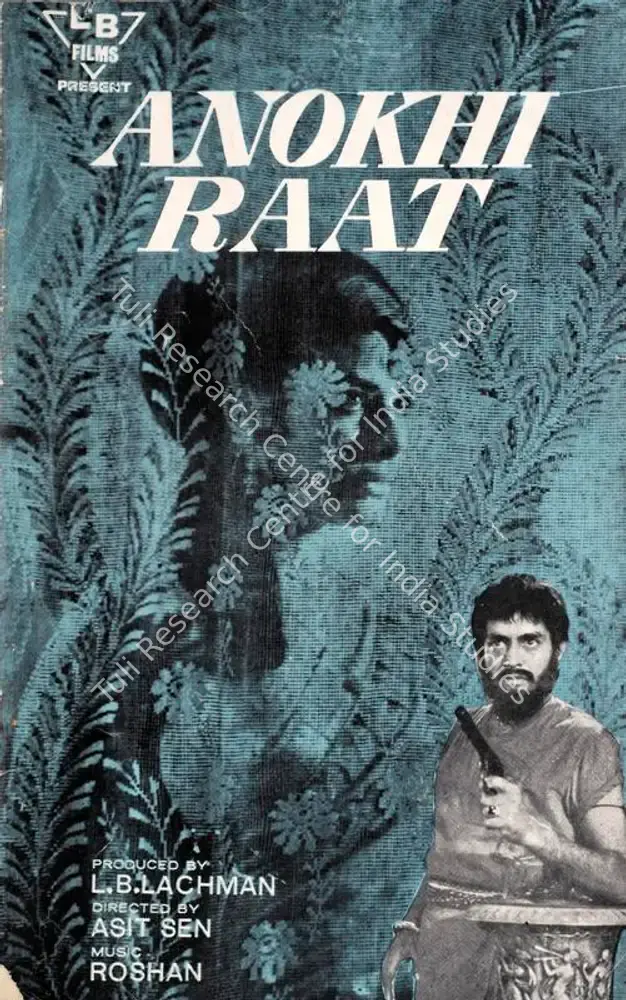
Anokhi Raat (1968) Produced by L. B. Lachman and L. B. Thakur and directed by Asit Sen, this off-beat film is widely regarded as one of the most unconventional and distinctive Hindi films of its era. Departing markedly from the dominant conventions of mainstream Hindi cinema in the 1960s, the film established itself as a thoughtful and atmospheric drama. The cast features Sanjeev Kumar, Zaheeda Hussain, Aruna Irani, Keshto Mukherjee, and Parikshit Sahni. The film's musical dimension was shaped by two celebrated composers: Roshan composed the songs, while Salil Chowdhury created the background score.
At the centre of the narrative is Sanjeev Kumar's portrayal of a gentle and compassionate caretaker of a remote guest house who, through force of circumstance, is transformed into a feared dacoit. During the production of the film, Parikshit Sahni briefly adopted the screen name “Ajay Sahni” at Sanjeev Kumar's suggestion, before later returning to his original name.
The narrative unfolds over the course of a single storm-laden night, a structural choice that lends the film an unusual dramatic unity. Apart from a series of essential flashbacks, the story progresses in real time, with minimal costume changes and an emphasis on continuity of mood and atmosphere. Through the interactions of several stranded travellers who gradually reveal their personal histories, the film offers a poignant exploration of poverty, gender inequality, and social marginalisation in Indian society—issues that continue to resonate in contemporary discourse.
Released at a time when colour cinema was rapidly becoming the industry standard, Asit Sen made the striking artistic decision to shoot the film in richly textured black-and-white cinematography. Although critically admired for its visual sophistication and emotional depth, the film failed to achieve significant commercial success during its theatrical run.
Despite its modest box-office performance, Anokhi Raat gradually acquired a strong critical legacy and attained cult status. The film received multiple honours at the Filmfare Awards, including the award for Best Screenplay awarded to Hrishikesh Mukherjee and Best Dialogue for Anand Kumar. In the technical categories, Ajit Banerjee won the Filmfare Award for Best Art Direction (Black & White), while Kamal Bose received the Filmfare Award for Best Cinematography (Black & White).
The soundtrack remains among the film's most enduring achievements. The songs, composed primarily by Roshan, include memorable classics such as Oh Re Taal Mile, Mahalon Ka Raja Mila, Mile Na Phool To, and Dulhan Se Tumhara Milan Hoga. Lata Mangeshkar lent her voice to Mahalon Ka Raja Mila while Asha Bhosle performed the immensely popular Meri Beri Ke Ber Mat Todo, both of which continue to be celebrated and reinterpreted by contemporary singers and musicians.
Tragically, Roshan suffered a sudden heart attack while attending a social gathering and passed away before the completion of the film's music. As a result, several songs, including Meri Beri Ke Ber and Mahalon Ka Raja Mila, were subsequently completed by his wife, Ira Roshan (née Moitra), whose contribution ensured the preservation of the soundtrack's artistic integrity.
At the centre of the narrative is Sanjeev Kumar's portrayal of a gentle and compassionate caretaker of a remote guest house who, through force of circumstance, is transformed into a feared dacoit. During the production of the film, Parikshit Sahni briefly adopted the screen name “Ajay Sahni” at Sanjeev Kumar's suggestion, before later returning to his original name.
The narrative unfolds over the course of a single storm-laden night, a structural choice that lends the film an unusual dramatic unity. Apart from a series of essential flashbacks, the story progresses in real time, with minimal costume changes and an emphasis on continuity of mood and atmosphere. Through the interactions of several stranded travellers who gradually reveal their personal histories, the film offers a poignant exploration of poverty, gender inequality, and social marginalisation in Indian society—issues that continue to resonate in contemporary discourse.
Released at a time when colour cinema was rapidly becoming the industry standard, Asit Sen made the striking artistic decision to shoot the film in richly textured black-and-white cinematography. Although critically admired for its visual sophistication and emotional depth, the film failed to achieve significant commercial success during its theatrical run.
Despite its modest box-office performance, Anokhi Raat gradually acquired a strong critical legacy and attained cult status. The film received multiple honours at the Filmfare Awards, including the award for Best Screenplay awarded to Hrishikesh Mukherjee and Best Dialogue for Anand Kumar. In the technical categories, Ajit Banerjee won the Filmfare Award for Best Art Direction (Black & White), while Kamal Bose received the Filmfare Award for Best Cinematography (Black & White).
The soundtrack remains among the film's most enduring achievements. The songs, composed primarily by Roshan, include memorable classics such as Oh Re Taal Mile, Mahalon Ka Raja Mila, Mile Na Phool To, and Dulhan Se Tumhara Milan Hoga. Lata Mangeshkar lent her voice to Mahalon Ka Raja Mila while Asha Bhosle performed the immensely popular Meri Beri Ke Ber Mat Todo, both of which continue to be celebrated and reinterpreted by contemporary singers and musicians.
Tragically, Roshan suffered a sudden heart attack while attending a social gathering and passed away before the completion of the film's music. As a result, several songs, including Meri Beri Ke Ber and Mahalon Ka Raja Mila, were subsequently completed by his wife, Ira Roshan (née Moitra), whose contribution ensured the preservation of the soundtrack's artistic integrity.
अनोखी रात (1968) एल. बी. लक्ष्मण और एल. बी. ठाकुर द्वारा निर्मित और असित सेन द्वारा निर्देशित, यह फ़िल्म लीक से हटकर बनी है। अपने दौर की सबसे अपरंपरागत और विशिष्ट हिंदी फ़िल्मों में से एक मानी जाती है। 1960 के दशक के मुख्यधारा के हिंदी सिनेमा की प्रचलित परंपराओं से हटकर, इस फ़िल्म ने एक विचारोत्तेजक और प्रभावशाली ड्रामा के रूप में अपनी पहचान बनाई। फ़िल्म में संजीव कुमार, ज़ाहिदा हुसैन, अरुणा ईरानी, केष्टो मुखर्जी और परीक्षित साहनी ने अभिनय किया है। फ़िल्म के संगीत में दो प्रसिद्ध संगीतकारों का योगदान रहा। रोशन ने गीत लिखे, जबकि सलिल चौधरी ने बैकग्राउंड म्यूज़िक तैयार किया।
कहानी के केंद्र में संजीव कुमार द्वारा निभाया गया किरदार है, जो एक दूरदराज़ के गेस्ट हाउस के सौम्य और दयालु केयरटेकर का रोल करता है, जो परिस्थितियों के चलते एक खूंखार डाकू बन जाता है। फ़िल्म के निर्माण के दौरान, संजीव कुमार के सुझाव पर परीक्षित साहनी ने कुछ समय के लिए "अजय साहनी" का उपनाम अपनाया, लेकिन बाद में वे अपने मूल नाम पर लौट आए।
यह कहानी एक तूफ़ानी रात में फ़िल्माई जाती है, जो फ़िल्म को एक अनोखी नाटकीय एकता प्रदान करती है। कुछ महत्वपूर्ण फ्लैशबैक को छोड़कर, कहानी वास्तविक समय में आगे बढ़ती है, जिसमें वेशभूषा में बहुत कम बदलाव होते हैं और माहौल और वातावरण की निरंतरता पर जोर दिया जाता है। कई फंसे हुए यात्रियों के आपसी संवादों के माध्यम से, जो धीरे-धीरे अपनी निजी कहानियाँ प्रकट करते हैं, फ़िल्म भारतीय समाज में गरीबी, लैंगिक असमानता और सामाजिक हाशिए पर धकेलने जैसे मुद्दों का मार्मिक चित्रण प्रस्तुत करती है—ये ऐसे मुद्दे हैं जो समकालीन चर्चा में आज भी प्रासंगिक हैं।
फ़िल्म ऐसे समय में रिलीज़ हुई जब रंगीन सिनेमा उद्योग का मानक बनता जा रहा था, असित सेन ने फ़िल्म को शानदार बनावट वाली ब्लैक-एंड-व्हाइट सिनेमैटोग्राफ़ी में शूट करने का एक उल्लेखनीय कलात्मक निर्णय लिया। हालांकि फ़िल्म को इसकी दृश्य उत्कृष्टता और भावनात्मक गहराई के लिए समीक्षकों द्वारा सराहा गया, लेकिन सिनेमाघरों में प्रदर्शन के दौरान इसे कोई ख़ास व्यावसायिक सफलता नहीं मिली।
बॉक्स ऑफ़िस पर मामूली प्रदर्शन के बावजूद, अनोखी रात ने धीरे-धीरे समीक्षकों से ख़ूब प्रशंसा बटोरी और एक कल्ट फ़िल्म का दर्ज़ा हासिल कर लिया। फ़िल्म को फ़िल्मफ़ेयर पुरस्कारों में कई सम्मान मिले, जिनमें ऋषिकेश मुखर्जी को सर्वश्रेष्ठ पटकथा और आनंद कुमार को सर्वश्रेष्ठ संवाद का पुरस्कार शामिल है। तकनीकी श्रेणियों में, अजीत बनर्जी ने सर्वश्रेष्ठ कला निर्देशन (ब्लैक एंड व्हाइट) का फ़िल्मफ़ेयर पुरस्कार जीता, जबकि कमल बोस को सर्वश्रेष्ठ सिनेमैटोग्राफ़ी (ब्लैक एंड व्हाइट) का फ़िल्मफ़ेयर पुरस्कार मिला।
फ़िल्म का संगीत इसकी सबसे यादगार उपलब्धियों में से एक है। रोशन द्वारा रचित इन गीतों में 'ओह रे ताल मिले', 'महलों का राजा मिला', 'मिले ना फूल तो' और 'दुल्हन से तुम्हारा मिलन होगा' जैसे कई क्लासिक गीत शामिल हैं। 'महलों का राजा मिला' गीत लता मंगेशकर ने गाया था, जबकि 'मेरी बेरी के बेर मत तोड़ो' गीत आशा भोसले ने गाया था। ये दोनों गीत आज भी समकालीन गायकों और संगीतकारों द्वारा सराहे और नए अंदाज़ में प्रस्तुत किए जाते हैं।
दुर्भाग्यवश रोशन को एक सामाजिक समारोह में भाग लेने के दौरान अचानक दिल का दौरा पड़ा और फ़िल्म का संगीत पूरा होने से पहले ही उनका निधन हो गया। परिणामस्वरूप, मेरी बेरी के बेर और महलों का राजा मिला सहित कई गाने बाद में उनकी पत्नी इरा रोशन (मोइत्रा) द्वारा पूरे किए गए, जिनके योगदान से साउंडट्रैक की कलात्मक अखंडता संरक्षित रही।
कहानी के केंद्र में संजीव कुमार द्वारा निभाया गया किरदार है, जो एक दूरदराज़ के गेस्ट हाउस के सौम्य और दयालु केयरटेकर का रोल करता है, जो परिस्थितियों के चलते एक खूंखार डाकू बन जाता है। फ़िल्म के निर्माण के दौरान, संजीव कुमार के सुझाव पर परीक्षित साहनी ने कुछ समय के लिए "अजय साहनी" का उपनाम अपनाया, लेकिन बाद में वे अपने मूल नाम पर लौट आए।
यह कहानी एक तूफ़ानी रात में फ़िल्माई जाती है, जो फ़िल्म को एक अनोखी नाटकीय एकता प्रदान करती है। कुछ महत्वपूर्ण फ्लैशबैक को छोड़कर, कहानी वास्तविक समय में आगे बढ़ती है, जिसमें वेशभूषा में बहुत कम बदलाव होते हैं और माहौल और वातावरण की निरंतरता पर जोर दिया जाता है। कई फंसे हुए यात्रियों के आपसी संवादों के माध्यम से, जो धीरे-धीरे अपनी निजी कहानियाँ प्रकट करते हैं, फ़िल्म भारतीय समाज में गरीबी, लैंगिक असमानता और सामाजिक हाशिए पर धकेलने जैसे मुद्दों का मार्मिक चित्रण प्रस्तुत करती है—ये ऐसे मुद्दे हैं जो समकालीन चर्चा में आज भी प्रासंगिक हैं।
फ़िल्म ऐसे समय में रिलीज़ हुई जब रंगीन सिनेमा उद्योग का मानक बनता जा रहा था, असित सेन ने फ़िल्म को शानदार बनावट वाली ब्लैक-एंड-व्हाइट सिनेमैटोग्राफ़ी में शूट करने का एक उल्लेखनीय कलात्मक निर्णय लिया। हालांकि फ़िल्म को इसकी दृश्य उत्कृष्टता और भावनात्मक गहराई के लिए समीक्षकों द्वारा सराहा गया, लेकिन सिनेमाघरों में प्रदर्शन के दौरान इसे कोई ख़ास व्यावसायिक सफलता नहीं मिली।
बॉक्स ऑफ़िस पर मामूली प्रदर्शन के बावजूद, अनोखी रात ने धीरे-धीरे समीक्षकों से ख़ूब प्रशंसा बटोरी और एक कल्ट फ़िल्म का दर्ज़ा हासिल कर लिया। फ़िल्म को फ़िल्मफ़ेयर पुरस्कारों में कई सम्मान मिले, जिनमें ऋषिकेश मुखर्जी को सर्वश्रेष्ठ पटकथा और आनंद कुमार को सर्वश्रेष्ठ संवाद का पुरस्कार शामिल है। तकनीकी श्रेणियों में, अजीत बनर्जी ने सर्वश्रेष्ठ कला निर्देशन (ब्लैक एंड व्हाइट) का फ़िल्मफ़ेयर पुरस्कार जीता, जबकि कमल बोस को सर्वश्रेष्ठ सिनेमैटोग्राफ़ी (ब्लैक एंड व्हाइट) का फ़िल्मफ़ेयर पुरस्कार मिला।
फ़िल्म का संगीत इसकी सबसे यादगार उपलब्धियों में से एक है। रोशन द्वारा रचित इन गीतों में 'ओह रे ताल मिले', 'महलों का राजा मिला', 'मिले ना फूल तो' और 'दुल्हन से तुम्हारा मिलन होगा' जैसे कई क्लासिक गीत शामिल हैं। 'महलों का राजा मिला' गीत लता मंगेशकर ने गाया था, जबकि 'मेरी बेरी के बेर मत तोड़ो' गीत आशा भोसले ने गाया था। ये दोनों गीत आज भी समकालीन गायकों और संगीतकारों द्वारा सराहे और नए अंदाज़ में प्रस्तुत किए जाते हैं।
दुर्भाग्यवश रोशन को एक सामाजिक समारोह में भाग लेने के दौरान अचानक दिल का दौरा पड़ा और फ़िल्म का संगीत पूरा होने से पहले ही उनका निधन हो गया। परिणामस्वरूप, मेरी बेरी के बेर और महलों का राजा मिला सहित कई गाने बाद में उनकी पत्नी इरा रोशन (मोइत्रा) द्वारा पूरे किए गए, जिनके योगदान से साउंडट्रैक की कलात्मक अखंडता संरक्षित रही।
1 / 2
Body of Work
Art Director
Banner
Cinematographer
Dialogue Writer
Director
Editing
Lead Cast
Lead Cast Rest
Music Director
Producer
Screenplay Writer
Research Centre
Related
2