Introduction
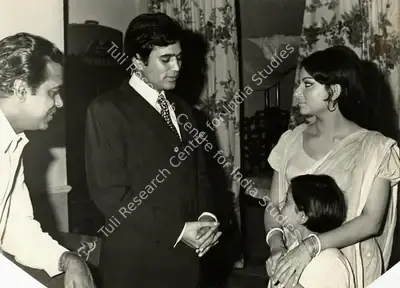
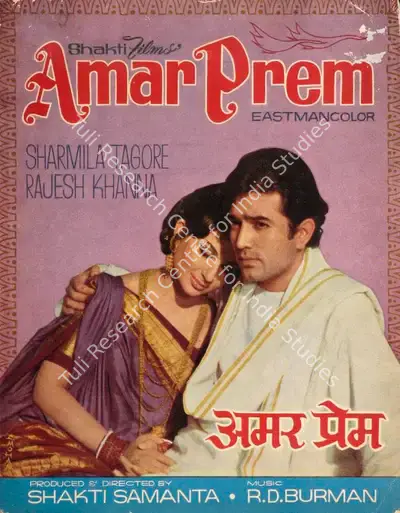
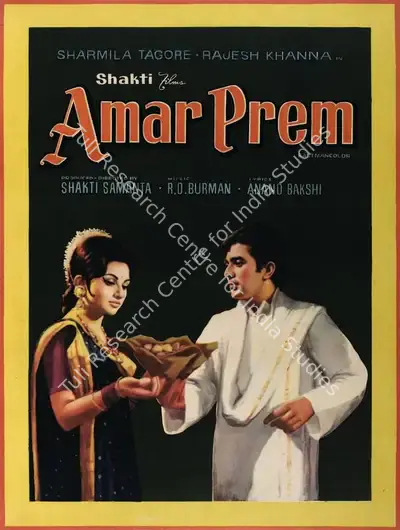
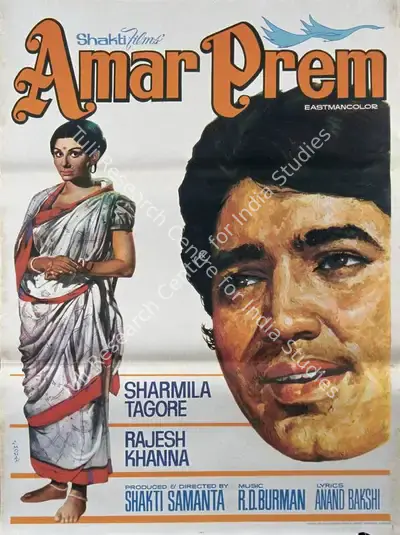
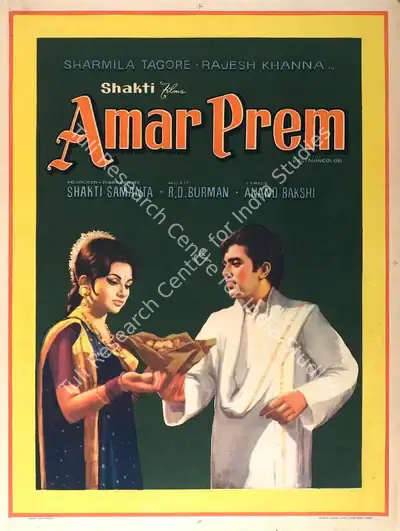
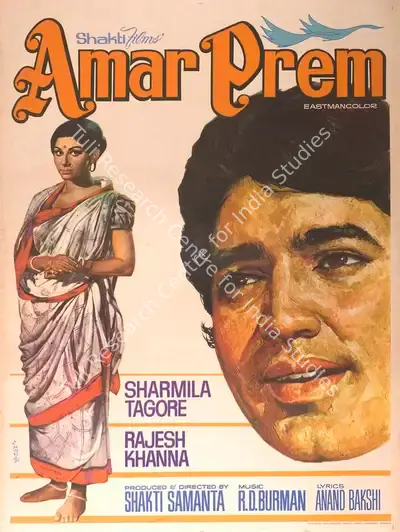
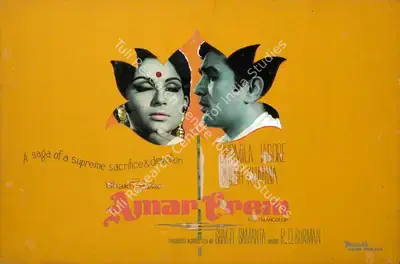
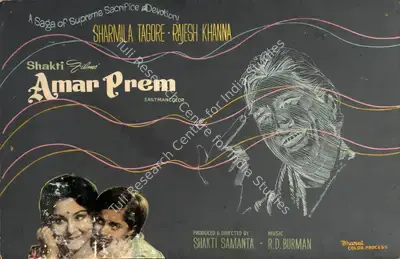
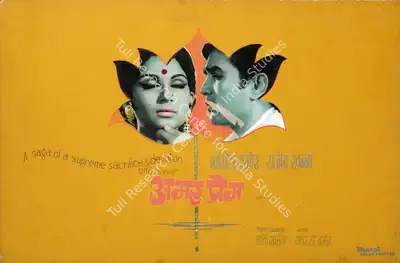
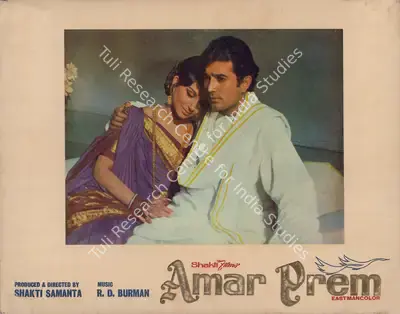
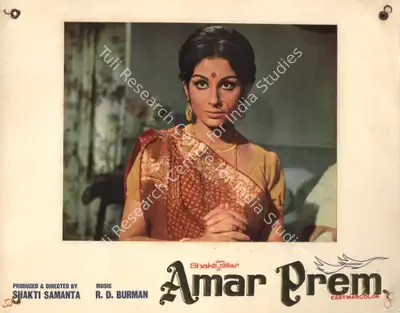
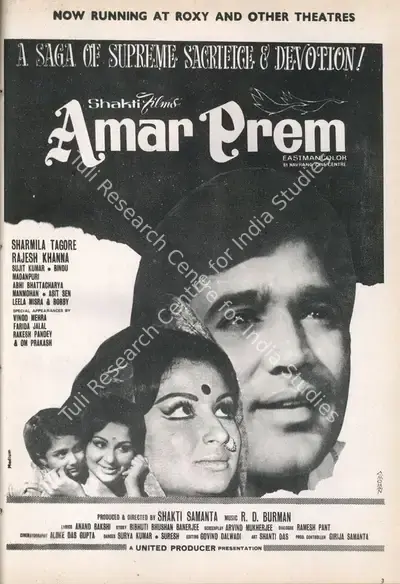
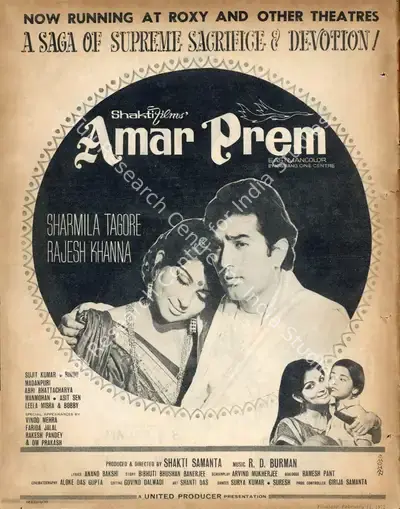
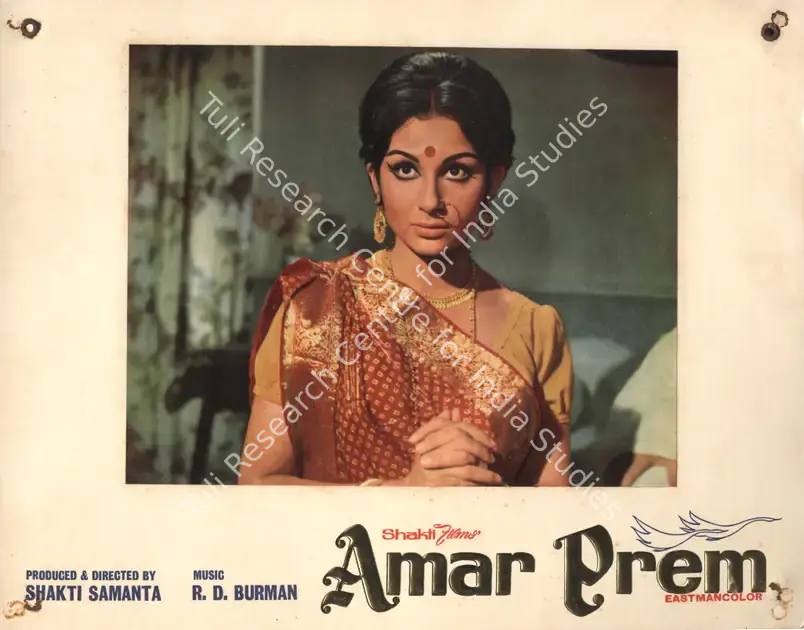
Shakti Samanta's often overlooked gem, Amar Prem, is a powerful exploration of social rejection, human compassion, adapted from the short story titled Hinger Kochuri by Bibhutibhushan Bandhopadhyay, best known for writing the novels Pather Panchali and Aparajito. The film tells the story of Pushpa (Sharmila Tagore), a woman forced into prostitution after being cast out by her husband and family. Rather than depicting her as a tragic and mystified figure, Samanta humanises Pushpa, presenting her as a source of compassion and emotional refuge for two neglected individuals: Anand (Rajesh Khanna), a wealthy man estranged from his wife, and Nandu, a young boy abandoned by his mother.
The film questions the legitimacy of traditional family structures by showcasing how Pushpa, who society deems immoral, provides the emotional warmth and care that these two men cannot find in their "respectable" homes. In this way, Amar Prem subverts conventional notions of respectability and morality, creating a space for meaningful but socially unrecognised relationships that nurture the spirit more than the institution of family.
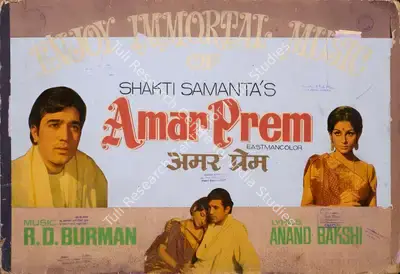
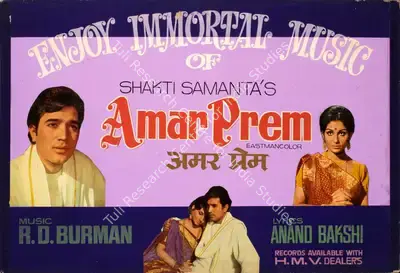
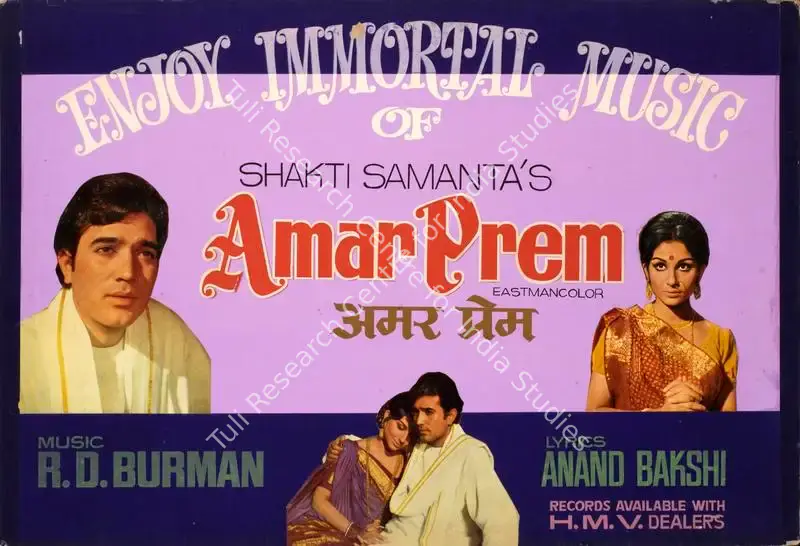
Samanta consciously avoids exploitative Bollywood tropes that many films dealing with the plight of sexworkers are equipped with, such as the typical mujra sequence, choosing instead to focus on the inner lives of his characters. The film boasts of an evergreen soundtrack that continues to sway the hearts and minds of all generations alike. The song "Kuch To Log Kahenge" speaks to the societal judgments faced by Pushpa, questioning the very norms that cast her aside.
The film questions the legitimacy of traditional family structures by showcasing how Pushpa, who society deems immoral, provides the emotional warmth and care that these two men cannot find in their "respectable" homes. In this way, Amar Prem subverts conventional notions of respectability and morality, creating a space for meaningful but socially unrecognised relationships that nurture the spirit more than the institution of family.
Samanta consciously avoids exploitative Bollywood tropes that many films dealing with the plight of sexworkers are equipped with, such as the typical mujra sequence, choosing instead to focus on the inner lives of his characters. The film boasts of an evergreen soundtrack that continues to sway the hearts and minds of all generations alike. The song "Kuch To Log Kahenge" speaks to the societal judgments faced by Pushpa, questioning the very norms that cast her aside.
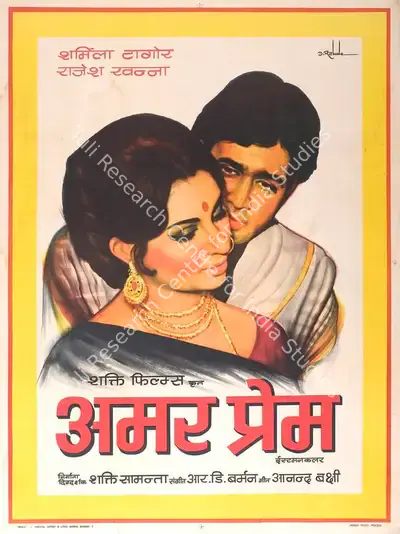
शक्ति सामंत की अक्सर अनदेखी रह जाने वाली फ़िल्म अमर प्रेम समाज द्वारा ठुकराए किरदारों में मानवीय करुणा की तलाश करती है। 'पाथेर पांचाली' और 'अपराजितो' जैसे चर्चित उपन्यास लिखने वाले मशहूर बांग्ला लेखक बिभूतिभूषण बंदोपाध्याय की कहानी 'हिंगेर कोचुरी' पर आधारित अमर प्रेम की पटकथा के केंद्र में पुष्पा (शर्मिला टैगोर) का किरदार है। जब पुष्पा को उसका पति और परिवार ठुकरा देता है तो मजबूरन उसे वेश्यावृत्ति का धंधा करने को विवश होना पड़ता है। लेकिन यहाँ शक्ति सामंत उसे एक बेचारी, रहस्य से भरी छवि देने के बजाए करुणामय इंसानी व्यक्तित्व देते हैं। सामंत पुष्पा की इंसानियत को उभारते हुए उसे अपनी-अपनी दुनिया में उपेक्षित दो अन्य किरदारों के लिए करुणा और भावनात्मक संबल की तरह पेश करते हैं। आगे चलकर पुष्पा के मददगार बननेवाले ये दो किरदार हैं अपनी पत्नी से अलग हो चुके एक अमीर संवेदनशील इंसान आनंद (राजेश खन्ना) का किरदार, और छोटा सा लड़का नंदू (विनोद खन्ना) जिसे उसकी माँ ने त्याग दिया है।
फ़िल्म यह दिखाते हुए कि कैसे पुष्पा का किरदार, जिसे समाज अनैतिक के दायरे में रखता है, इन दो पुरुषों की देखभाल करता है और उनका भावनात्मक संबल बनता है, पारिवारिक संरचनाओं की वैधता पर सवाल उठाती है। इन दो पुरुषों को पुष्पा से वो स्नेह और अपनापन मिला जो उन्हें उनके 'सम्मानजनक' घरों की चारदीवारी के भीतर चाहकर भी नहीं मिल पाया। अमर प्रेम सम्मान और नैतिकता की पारम्परिक धारणाओं को पलट देती है और ऐसे सामाजिक रूप से अबोले लेकिन कहीं ज़्यादा सार्थक रिश्तों के लिए जगह बनाती है जो परिवार संस्था से आगे बढ़कर इंसान के मन को सहारा देते हैं।
निर्देशक शक्ति सामंत वेश्याओं की दुर्दशा दिखानेवाली फ़िल्मों में इस्तेमाल की जाती रही हिन्दी सिनेमा की घिसी-घिसायी कथा युक्तियों से जानबूझकर खुद को बचाते हैं, जैसे कि नायिका का मुजरा पेश करना। इसके बजाए वे अपने पात्रों की अंदरूनी सच्चाइयों पर ध्यान केंद्रित करते हैं। फिल्म में पंचम का यादगार संगीत है जो उनसे आगे की और पुरानी, सभी पीढ़ियों के दिलों में बसा है। आनंद बक्शी का लिखा अमर गीत “कुछ तो लोग कहेंगे” पुष्पा द्वारा सहे जा रहे तानों और लांछनों की निरर्थकता खूब बयां करता है और उसे समाज से बाहर करनेवाले कथित सामाजिक मानदंडों पर सवाल उठाता है।
फ़िल्म यह दिखाते हुए कि कैसे पुष्पा का किरदार, जिसे समाज अनैतिक के दायरे में रखता है, इन दो पुरुषों की देखभाल करता है और उनका भावनात्मक संबल बनता है, पारिवारिक संरचनाओं की वैधता पर सवाल उठाती है। इन दो पुरुषों को पुष्पा से वो स्नेह और अपनापन मिला जो उन्हें उनके 'सम्मानजनक' घरों की चारदीवारी के भीतर चाहकर भी नहीं मिल पाया। अमर प्रेम सम्मान और नैतिकता की पारम्परिक धारणाओं को पलट देती है और ऐसे सामाजिक रूप से अबोले लेकिन कहीं ज़्यादा सार्थक रिश्तों के लिए जगह बनाती है जो परिवार संस्था से आगे बढ़कर इंसान के मन को सहारा देते हैं।
निर्देशक शक्ति सामंत वेश्याओं की दुर्दशा दिखानेवाली फ़िल्मों में इस्तेमाल की जाती रही हिन्दी सिनेमा की घिसी-घिसायी कथा युक्तियों से जानबूझकर खुद को बचाते हैं, जैसे कि नायिका का मुजरा पेश करना। इसके बजाए वे अपने पात्रों की अंदरूनी सच्चाइयों पर ध्यान केंद्रित करते हैं। फिल्म में पंचम का यादगार संगीत है जो उनसे आगे की और पुरानी, सभी पीढ़ियों के दिलों में बसा है। आनंद बक्शी का लिखा अमर गीत “कुछ तो लोग कहेंगे” पुष्पा द्वारा सहे जा रहे तानों और लांछनों की निरर्थकता खूब बयां करता है और उसे समाज से बाहर करनेवाले कथित सामाजिक मानदंडों पर सवाल उठाता है।
1 / 6
Body of Work
Art Director
Banner
Choreographer
Cinematographer
Dialogue Writer
Director
Editing
Lead Cast
Lead Cast Rest
Lyricist
Music Director
Producer
Publicity Designer
Screenplay Writer
Still Photographer
Story Writer