


Introduction
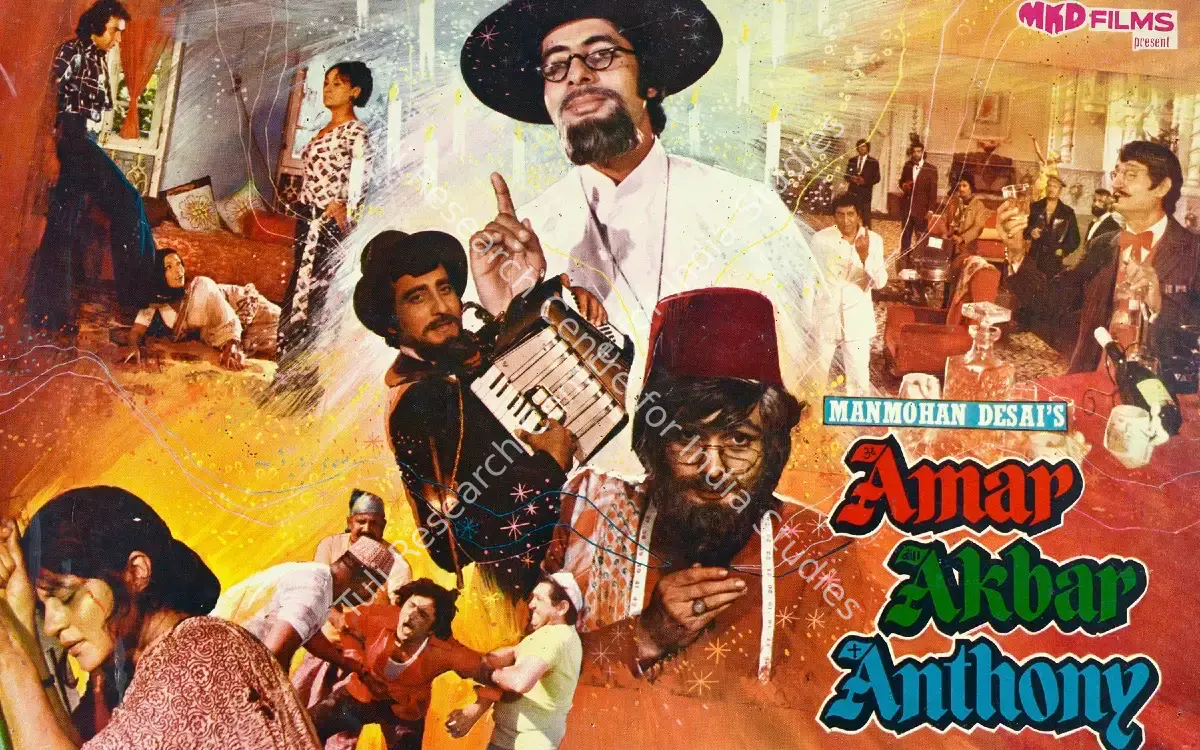
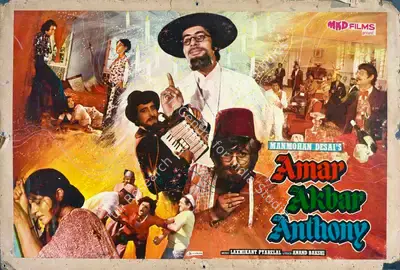
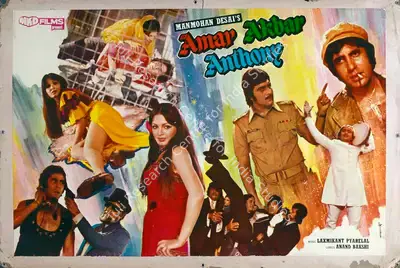
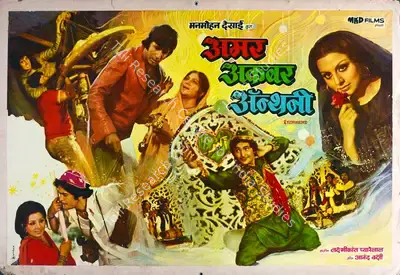
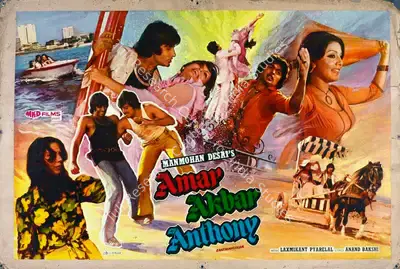
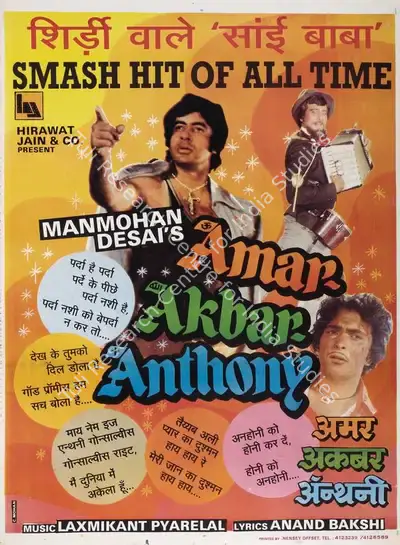
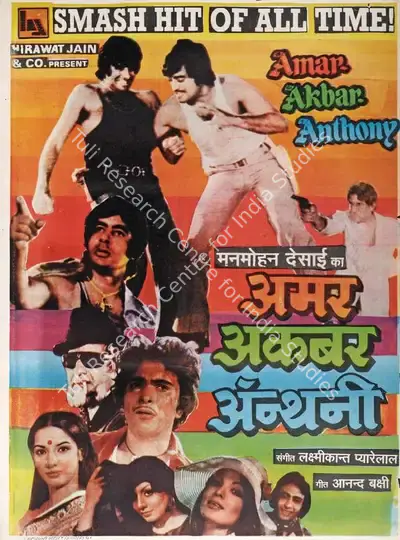
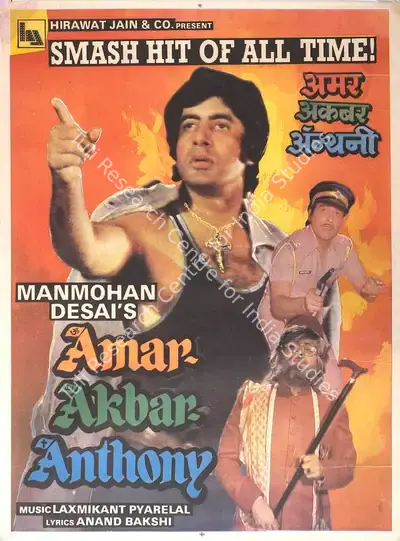
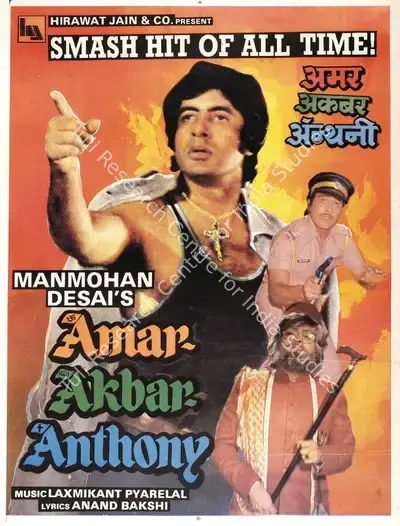
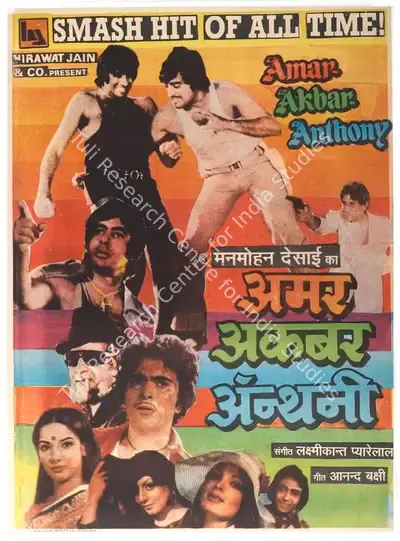
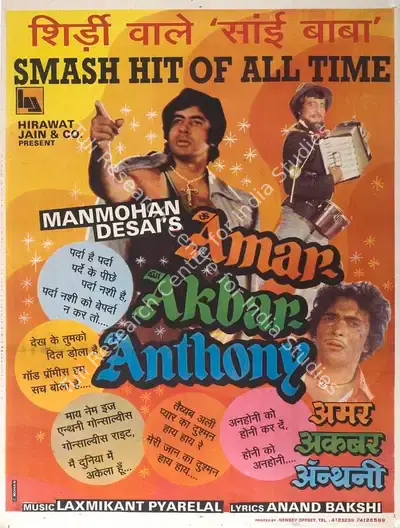
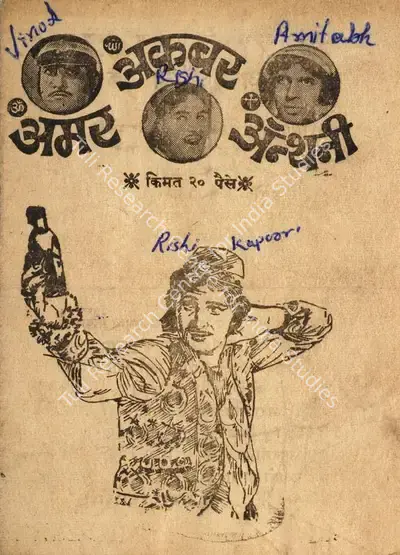
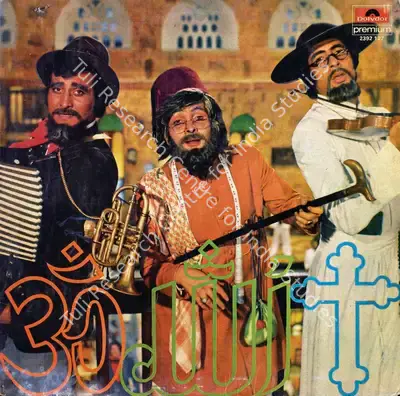
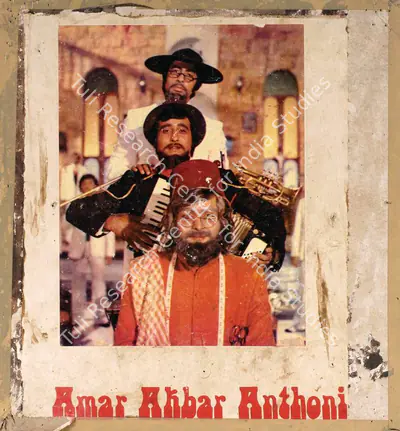
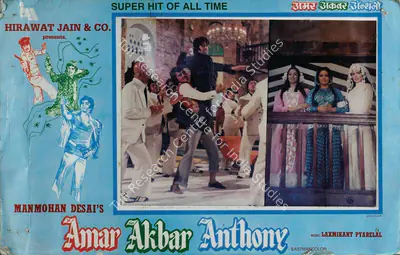
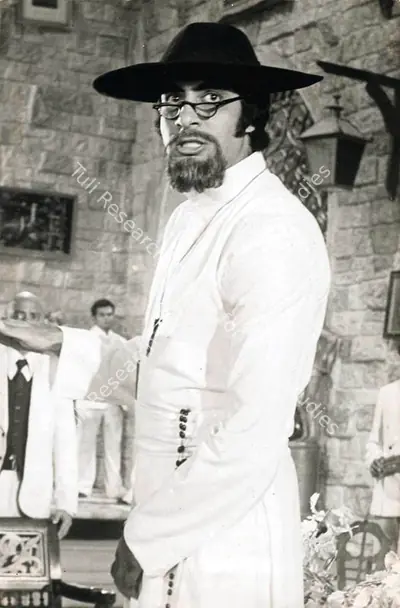
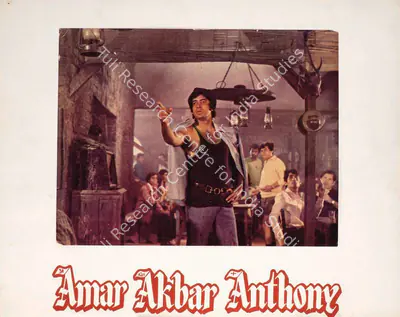
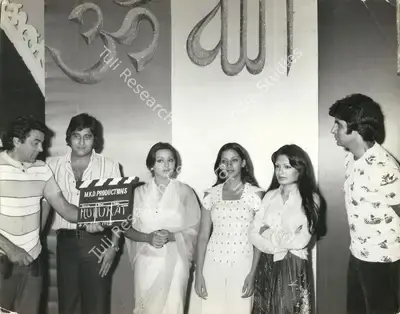
Amar Akbar Anthony is one of the most iconic "masala" films in Hindi cinema, masterfully combining elements of action, comedy, romance, and melodrama. The film tells the story of three brothers — Amar (Vinod Khanna), Akbar (Rishi Kapoor), and Anthony (Amitabh Bachchan) — who are separated as children and raised in Hindu, Muslim, and Christian households. Through a series of coincidences, they reunite as adults, each embodying their religious identities but ultimately reaffirming familial bonds.
While the film is best known for its larger-than-life entertainment, Amar Akbar Anthony also engages with the political and social landscape of its time. Released two years after the Emergency, the film's theme of familial separation and eventual reunion reflects a deep-seated national anxiety. The Emergency, a period of political repression, censorship, and forced sterilizations, led to widespread feelings of alienation and loss. The brothers' eventual reunion can be seen as a metaphor for the restoration of order, offering audiences a form of catharsis through melodramatic resolution.
The idea of child separation was a recurring motif at that time, with films like Dharamveer, Parvarish, and Kitaab, all released in the same year and exploring similar themes. This reflects a post-Emergency atmosphere, where cinema acted as a space for processing collective trauma. Amar Akbar Anthony transcended mere entertainment, offering a subtle commentary on religious unity and social cohesion during a fractured time in Indian history. Yet, an intriguing aspect of the film is that while the film underscores secular ideals, the romantic pairings of the three brothers are largely aligned with their respective religions. The romantic subplots remain within the safer, culturally acceptable domain of intra-religious unions, reflecting the boundaries of the Indian society that Bollywood often maintains despite its broader secular rhetoric.
हालाँकि यह फ़िल्म अपने 'लार्जर-दैन-लाइफ़' किस्म के मनोरंजन के लिए जानी जाती है, अमर अकबर एंथनी अपने समय के राजनैतिक और सामाजिक परिवेश पर भी अपरोक्ष रुप से टिप्पणी करती चलती है। आपातकाल की समाप्ति की घोषणा के कुछ ही महीने बाद रिलीज़ हुई इस फ़िल्म में परिवारों का बिछड़ जाना और आखिर में जाकर ही मिल पाना उस दौर के समाज में पसरी बेकली का एक प्रतीक है। आपातकाल के इक्कीस महीने के उस दौर में सत्ता की शह पर राजनीतिक दमन, सेंसरशिप और जबरन नसबंदी जैसी कई स्याह चीज़ें हुई थीं जिसने आम लोगों में अलगाव और हताशा जैसी भावनाओं को जन्म दिया। फ़िल्म के आखिर में भाइयों के भरतमिलाप को व्यवस्था की बहाली के रूपक के रूप में देखा जा सकता है। परेशानहाल दर्शकों को नाटकीय समाधान के माध्यम से एक किस्म का विरेचन उपलब्ध करवाने की कोशिश।
बच्चों के बिछड़ जाने की कथा-युक्ति उस दौर की फ़िल्मों में बार-बार लौटकर आती है। एक ही साल में रिलीज़ हुई धर्मवीर, परवरिश और किताब जैसी तमाम फ़िल्मों में यह कथा युक्ति कथानक का हिस्सा रही। यह आपातकाल के फ़ौरन बाद के माहौल की भी एक बानगी है जहाँ सिनेमा एक पूरे समुदाय की स्याह स्मृतियों को संबोधित करते हुए उन्हें कुछ सहने लायक बना रहा था। अमर अकबर एंथनी महज मनोरंजन से परे जाते हुए भारतीय इतिहास के एक विभाजित समय में धार्मिक एकता और सामाजिक सद्भाव की मुश्किल पर ज़रूरी बात कहती है। पर इसके साथ फ़िल्म का एक दूसरा दिलचस्प पहलू यह भी है कि जहाँ भाइयों के रिश्ते के ज़रिये फ़िल्म धर्मनिरपेक्ष आदर्श खड़ा करती है, तीनों भाइयों की रोमांटिक जोड़ियाँ उनके घोषित धर्मों के भीतर ही बनाई गई हैं। तीनों भाइयों की रोमांटिक कहानियों का इस तरह से धर्म के दायरे के भीतर ही रचा जाना दिखाता है कि कहानी में एक ओर धर्मनिरपेक्ष आदर्श खड़ा करते हुए भी हिन्दी सिनेमा कितनी जगह पर भारतीय समाज की स्वीकार्य सीमाओं से आगे जाने का जोखिम नहीं लेता।
Body of Work
Research Centre


Related
13
Personalities
13