
Introduction
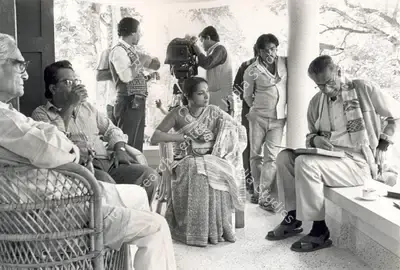
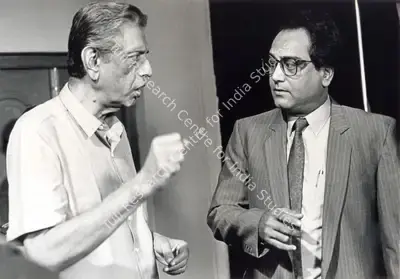
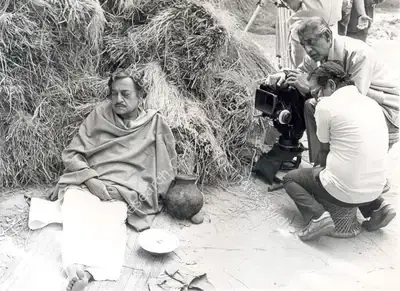
Agantuk (The Stranger, 1991) The film stands as the final cinematic testament of Satyajit Ray, the legendary auteur whose voice, some say, shaped the soul of Indian cinema. This Bengali-language drama, adapted from Ray's own short story Atithi, is not merely a film but a philosophical reverie—one that asks more than it answers, nudging the viewer gently but unflinchingly toward self-inquiry and the crumbling façades of societal constructs.
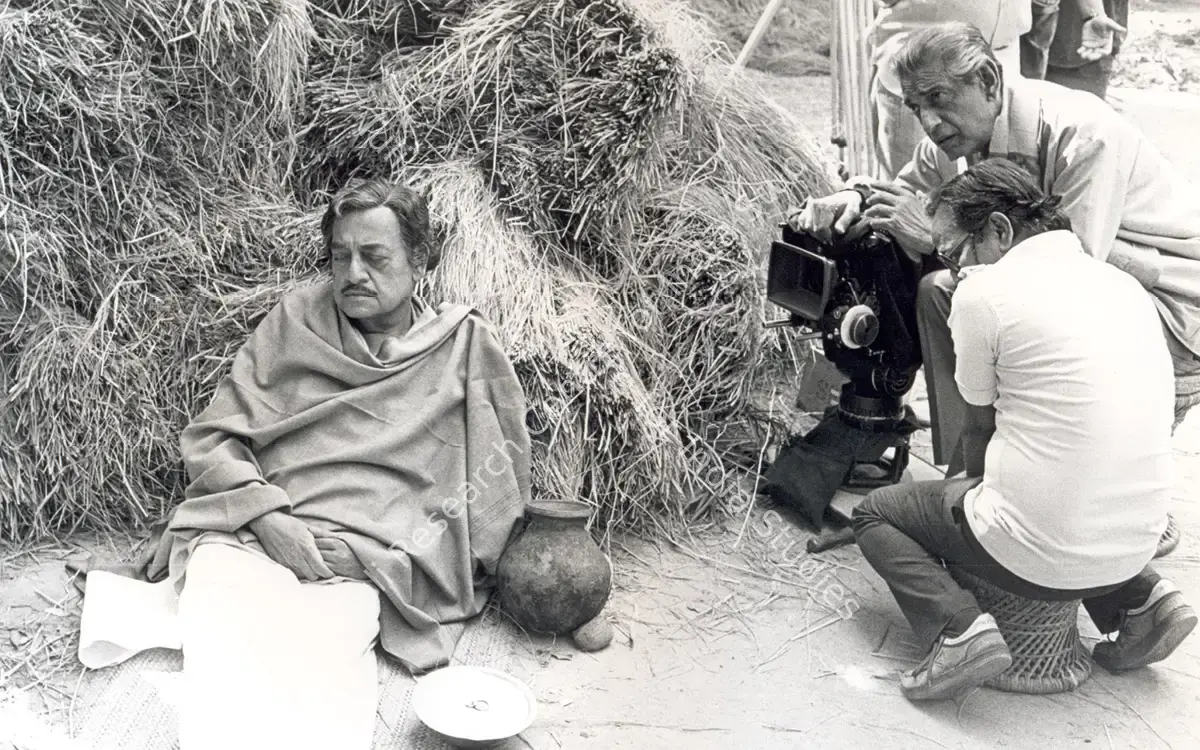
Crafted with the quiet elegance that marked Ray's oeuvre, Agantuk is a meditative fable wrapped in the garments of everyday life. A joint Indo-French production, it was made possible with support from international collaborators, including Gérard Depardieu's DD Productions and Canal+. And in a moment both intimate and historic, Ray himself lends his voice to the film for the first and only time—chanting the 108 names of Krishna—a final, sacred offering.
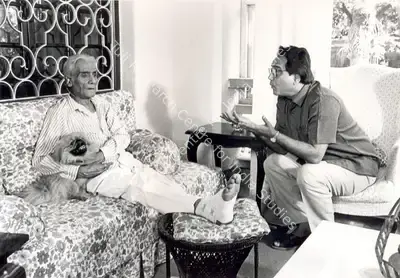
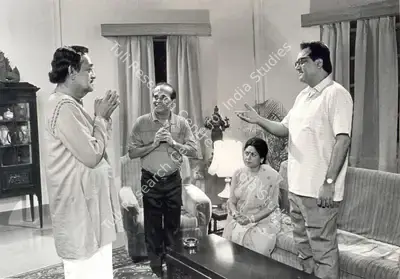
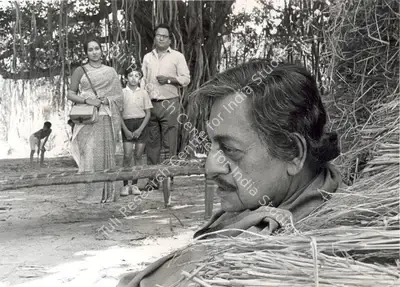
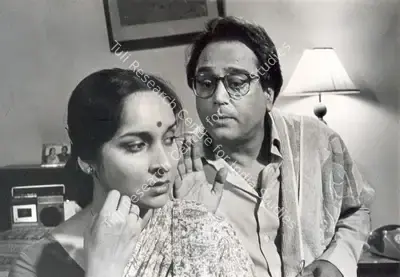
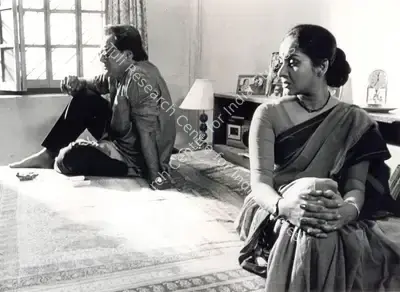
The cast is led by the inimitable Utpal Dutt, whose portrayal of the enigmatic stranger brims with wisdom, mischief, and melancholy. He is joined by Mamata Shankar, Deepankar De, Rabi Ghosh, Dhritiman Chatterjee, and the young Bikram Bhattacharya, whose gaze of innocent wonder becomes the film's moral compass. Supporting roles are tenderly inhabited by Promode Ganguly, Ajit Bandyopadhyay, and Subrata Chatterjee.
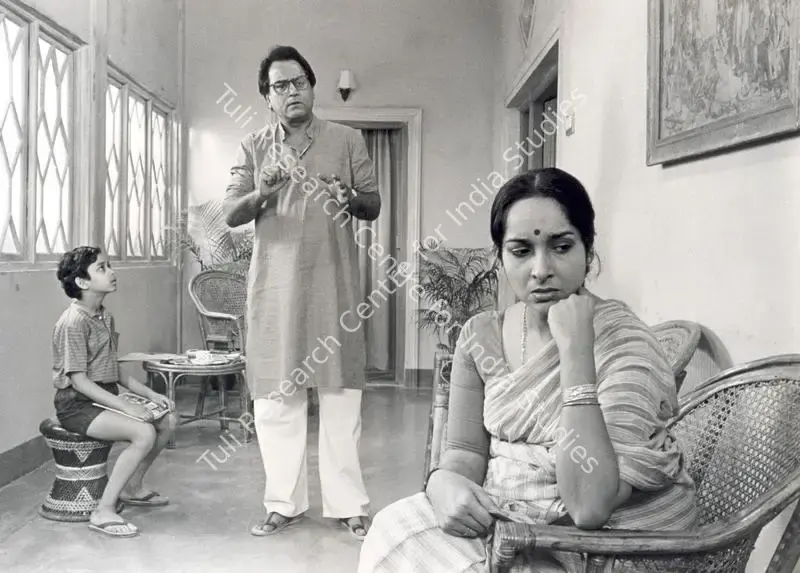
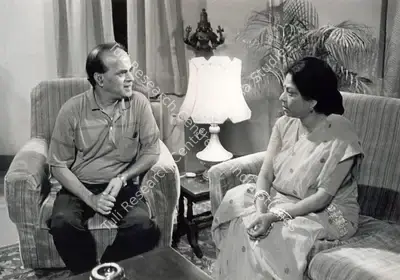
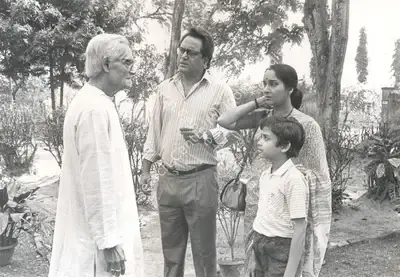
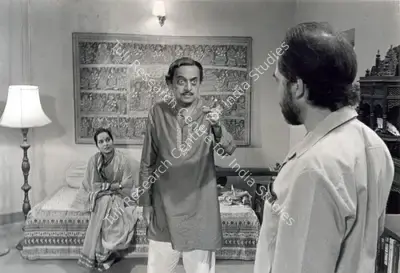
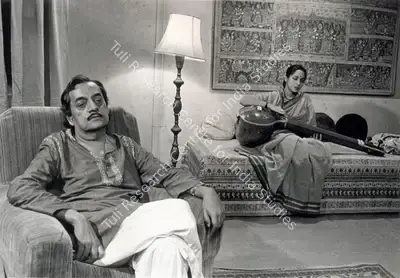
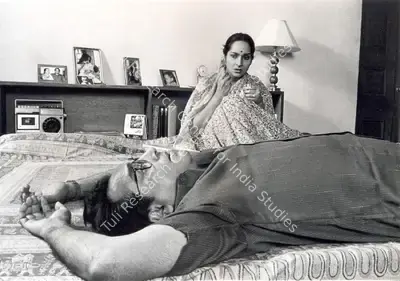
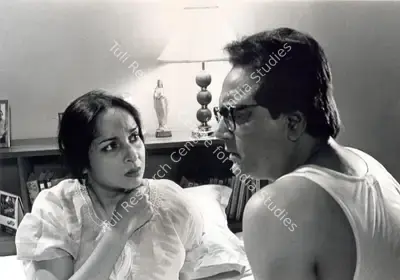
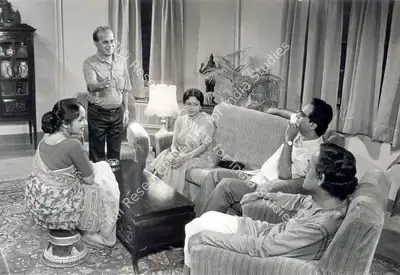
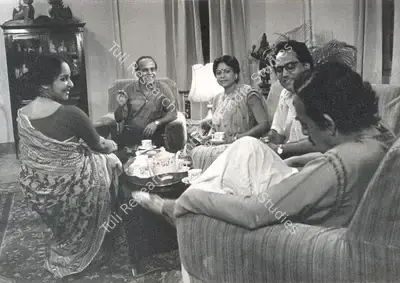
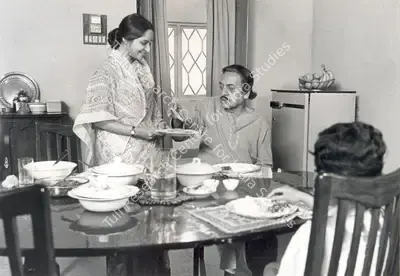
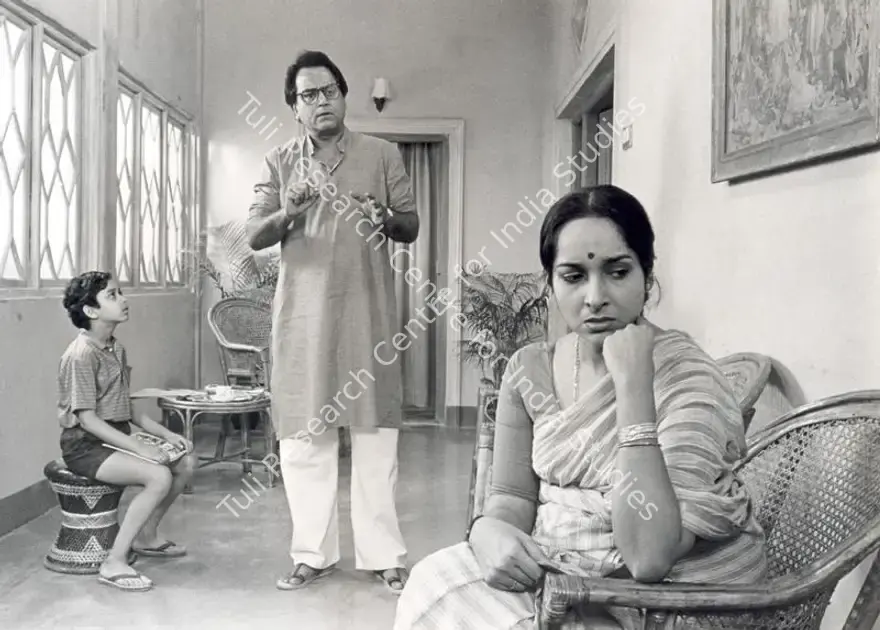
The story begins with a letter—an echo from the past. Anila (Mamata Shankar) receives unexpected correspondence from a long-lost uncle, unseen for thirty-five years, who seeks temporary refuge in her Calcutta home. Her husband, Subhindra (Deepankar De), is skeptical, viewing this figure not as kin, but as a possible charlatan. When the stranger (Utpal Dutt) arrives, he is met not with warmth, but with interrogation—by family, friends, even a lawyer. Only the couple's young son, Satyaki, receives him with open-hearted curiosity, enchanted by tales of distant lands and ancient truths.
What unfolds is less a narrative than a philosophical discourse—a quiet battle between reason and faith, convention and freedom, civilization and the primal human spirit.
Upon its release, Agantuk was met with widespread critical acclaim. In 1992, it was named Film of the Year in India and ranked second on Cahiers du Cinéma's esteemed Top Ten list. Leah Garchik of the San Francisco Chronicle called it “a fitting ending to Ray's 30-film career... a strong and underlined summing-up statement about capital-M Man and capital-C Civilization.” Hal Hinson of the Washington Post observed that it “shows all the virtues of a master artist in full maturity.” Vincent Canby of The New York Times described it as “a small, gentle, exquisitely realized comedy about, among other things, family loyalties and trust in a world in which traditions have been devalued.”
At the 1992 Indian National Film Awards, Agantuk was honored with Best Feature Film and Best Directing, while Mamata Shankar received the Special Jury Award for her restrained, poignant portrayal of Anila. The Ritwik Ghatak Awards echoed this acclaim, bestowing Best Film and Best Scenario Writer upon the maestro one final time. Many regard Agantuk as Ray's final gift to the world—a cinematic epilogue that distils his lifelong musings on identity, belonging, and the fragile edifice we call civilization.
In recent years, a sequel titled Agantuker Pore (After the Stranger) was announced but ultimately shelved. It was to have been directed by Orko Sinha, with Mamata Shankar, Deepankar De, and Dhritiman Chatterjee reprising their roles. Actor Abir Chatterjee was slated to portray an adult Satyaki, alongside Payel Sarkar and Tridha Chowdhury in significant roles. While the sequel's story promised to diverge from the original, it now remains an unrealized echo—a tribute in absence to the enduring power of Ray's swan song.
निर्देशक सत्यजित राय की शैली की पहचान रही बारीक़ नज़र और सादगी से रची यह फ़िल्म रोजमर्रा के जीवन की कथा कहती है, लेकिन उसे दर्शन की ऊँचाई देती है। इस फ़िल्म का निर्माण एक संयुक्त इंडो-फ़्रेंच प्रोडक्शन के तहत हुआ था जिसके पीछे अंतरराष्ट्रीय सहयोग था। जेरार्ड डेपार्दियू का 'डीडी प्रोडक्शन्स' और 'कनाल प्लस' इसके निर्माताओं में शामिल थे। इस फ़िल्म की एक और ख़ास बात ये है कि इसमें सत्यजित राय ने पहली और आखिरी बार अपनी आवाज़ दी है। वे श्रीकृष्ण के 108 नामों का जाप करते हुए सुनाई पड़ते हैं। यह सिनेमा के पर्दे पर उनका अन्तिम और सबसे निजी कलात्मक अर्पण था।
इस फ़िल्म में 'आगंतुक' के बहुत दिलचस्प किरदार में अभिनेता उत्पल दत्त हैं, फ़िल्म में जिनका अभिनय ज्ञान, विनोद और विषाद के विविध रंग लिये है। उनके साथ ममता शंकर, दीपांकर डे, रबी घोष और धृतिमान चटर्जी हैं। बाल कलाकार विक्रम भट्टाचार्य हैं जिनकी मासूम जिज्ञासाएँ फ़िल्म की कथा को सही दिशा देती हैं। अन्य सहायक भूमिकाओं में प्रमोद गांगुली, अजीत बंद्योपाध्याय और शुभ्रता चटर्जी हैं जिनकी उपस्थिति कथा को सहजता देती है।
फ़िल्म की कहानी की शुरुआत एक चिट्ठी से होती है जिसमें अतीत की प्रतिध्वनि है। अनीला (ममता शंकर) को अपने लंबे समय से गुमशुदा रहे मामा का पत्र मिलता है जो पैंतीस वर्ष बाद अचानक सामने आए हैं और कोलकाता में उनके घर ठहरने की इच्छा जताते हैं। अनीला के पति शुभींद्र (दीपांकर डे) शक करते हैं कि कहीं यह व्यक्ति कोई ठग न हो। जब वह आगंतुक (उत्पल दत्त) उनके घर आते हैं तो उनका स्वागत प्रेम से नहीं, बल्कि सवालों से होता है। सारा परिवार, मित्र, यहाँ तक कि एक वकील भी बुलाया जाता है। पूरे परिवार में केवल अनीला और शुभींद्र का छोटा बेटा सात्यकी ही उन्हें सहज स्वीकृति देता है। वह उनकी सुनाई भरमाती कहानियों, दूर देस की कथाओं और प्राचीनतम किस्सों से भरी बातों में खो जाता है।
फ़िल्म में कथा का विकास पारम्परिक संरचना में न होकर विचारों के आपसी संवाद की तरह होता है। जैसे एक मौन संघर्ष बुद्धि और विश्वास के बीच, परम्परा और स्वतंत्रता के बीच, सभ्यता और मनुष्य के मूल स्वभाव के बीच।
फ़िल्म की रिलीज़ के बाद आगंतुक को खूब प्रशंसा मिली। सन् 1992 में इसे भारत में 'फ़िल्म ऑफ़ द ईयर' घोषित किया गया और 'कहिर्स डू सिनेमा' पत्रिका की सर्वश्रेष्ठ दस फ़िल्मों की सूची में इसे दूसरा स्थान मिला। 'सैन फ्रांसिस्को क्रॉनिकल' की लिया गार्चिक ने इसे “राय के तीस फ़िल्मों के करियर का उपयुक्त समापन... मनुष्य और सभ्यता पर एक गहरा वक्तव्य” कहा। 'वॉशिंगटन पोस्ट' के हॉल हिन्सन ने लिखा, “यह एक परिपक्व कलाकार की प्रतिभा का समग्रता में उदाहरण है”। 'न्यूयॉर्क टाइम्स' के विन्सेंट कैंबी ने इसे “एक सूक्ष्म, कोमल, बारीक़ी से निर्मित कॉमेडी बताया जो परिवार, निष्ठा और विश्वास से जुड़े प्रश्नों पर केंद्रित है। यहाँ परम्पराएँ अपना मूल्य खो चुकी हैं।”
सन् 1992 के राष्ट्रीय फ़िल्म पुरस्कारों में आगंतुक को 'सर्वश्रेष्ठ फ़ीचर फ़िल्म' और 'सर्वश्रेष्ठ निर्देशक' के लिए पुरस्कार मिला जबकि ममता शंकर को अनीला की मार्मिक भूमिका के लिए 'विशेष जूरी पुरस्कार' मिला। 'ऋत्विक घटक अवॉर्ड्स' में भी इस फ़िल्म को 'सर्वश्रेष्ठ फिल्म' और 'सर्वश्रेष्ठ पटकथा लेखन' का सम्मान मिला। यह सत्यजित राय को मिला अन्तिम सम्मान भी रहा। कई समीक्षक मानते हैं कि आगंतुक राय का दुनिया को दिया अंतिम तोहफ़ा था। एक सिनेमाई उपसंहार सरीख़ा जो उनकी जीवन भर की जिज्ञासाओं और विचारों का निचोड़ जैसा है। पहचान पर, रिश्तों पर और सभ्यता के खड़े किए छद्म पर उनके चिन्तन का आख़िरी खण्ड।
कुछ वर्ष पहले आगंतुकेर पोरे शीर्षक से इस फ़िल्म के एक सीक्वल की घोषणा हुई थी जिसे ओरको सिन्हा निर्देशित करने वाले थे। फ़िल्म में ममता शंकर, दीपांकर डे और धृतिमान चटर्जी अपनी भूमिकाएँ दोहराने वाले थे जबकि अबीर चटर्जी को वयस्क सात्यकी की भूमिका के लिए चुना गया था। साथ में पायल सरकार और त्रिधा चौधरी अन्य महत्वपूर्ण भूमिकाओं में थीं। हालाँकि इस सीक्वल की कहानी मूल कथानक से भिन्न दिशा लेगी ऐसी योजना थी, लेकिन यह परियोजना अधूरी ही रह गई। अब यह सीक्वल भी एक स्मृति बनकर रह गया है। सत्यजित राय की अन्तिम रचना आगंतुक को समर्पित एक ख़ामोश अनदेखी श्रद्धांजलि।
Body of Work