Introduction
Born in Dibrugarh, Assam, Sunil Janah developed an early knack for photography and learnt the art of capturing with the camera in the darkrooms while working with and for other photographers. As a student in Presidency College, Kolkata, he aligned himself with the CPI and soon got recruited alongside communist affiliated artist Chittaprosad under the direction of General Secretary of the party, P C Joshi to document and photograph the calamity of the Bengal famine across undivided Bengal. His moving photographs of the impoverished and displaced marching to death, in sympathetic yet heroic postures, took centrestage in CPI’s periodical People’s War. After India took her independence from British rule and the treachery of the former with nationalist leadership caused the bloody partition of the subcontinent on communal lines, Janah was disillusioned with the cause that had taken root with the October Revolution and the pivotal goal of establishing proletariat rule in India. Along with his comrades, Janah was expelled from the party in 1948.
With his Linhof Technika and three additional lenses, Janah began to work for the Government of India, to document and in a way package and sell Nehru’s “new temples”of modern India - the steel industry. Undertaking projects from the Government’s first Five-Year Plan, the public sector venture, Hindustan Steel Works commissioned Janah to photograph the up-and-coming foundries at Durgapur in West Bengal, Rourkela in Orissa, and Bhilai in Central India amongst others. The gaze of his lens was redirected from critiquing the labourers’ plight to advertising marketing brochures for investors to titillate the middle class with the dream of urban development while subordinating the worker and fore fronting the machine. Janah served the propagandist purpose of celebrating the mercantile economy of the Tatas and Birlas. In the words of Margaret Burke White, the quasi-religious fervour of Nehru’s Five Year Plans fused the man and the machine in a romantic utopia. The worker is blurred and dwarfed in the toxic smoke emitted by the enormous smelters.
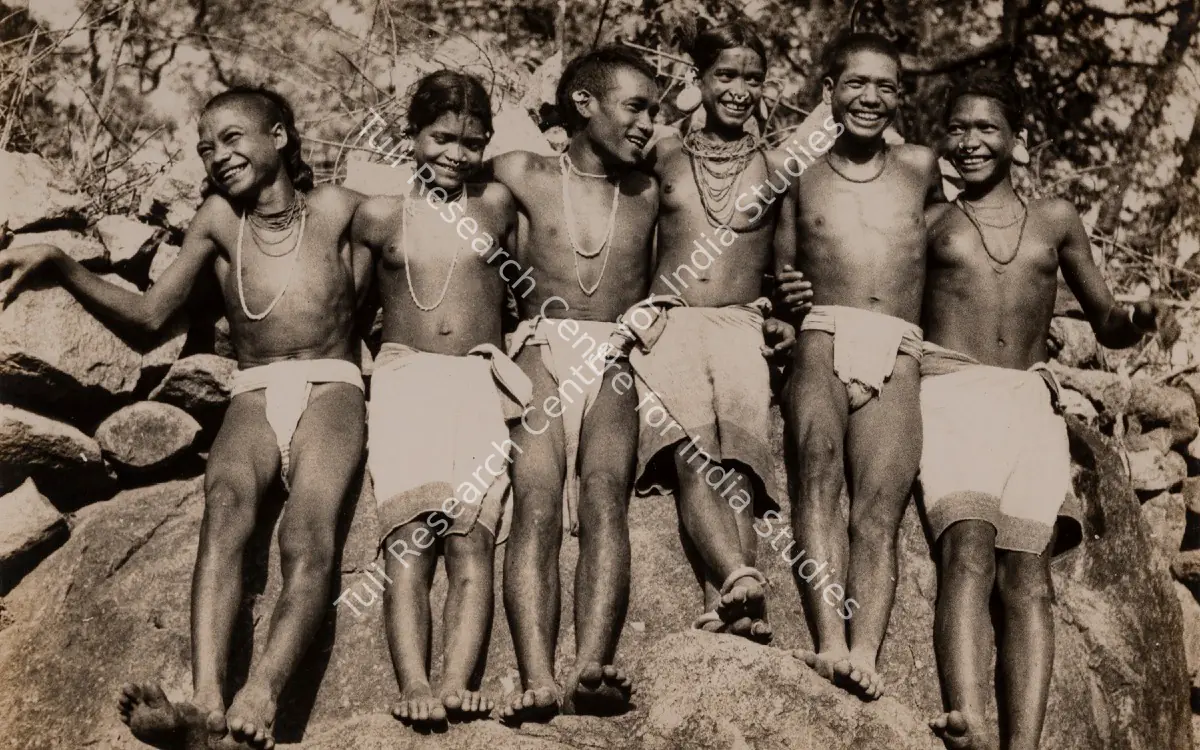
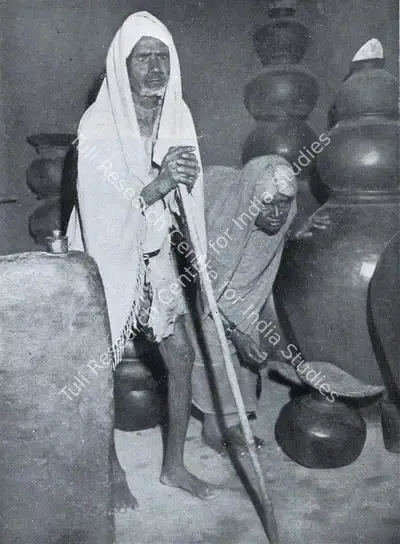
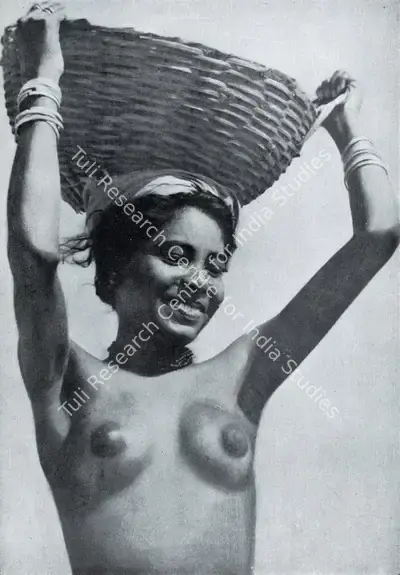
To put it succinctly, Janah moves from the subjectivity of the proletarian struggle, of the hungry and displaced in pre-independence India, to the objective focus on industrialism, only to shift towards the personal space of the studio, and finally inwards-into nature which was seemingly untainted by industry with its accompanying idyllic tribal life.
The journey of the man as the artist is
taken over by the equipment - the camera
and Janah himself is subordinated by
its heavyweight mechanism. Although
accorded with a Padma Shri and Padma
Bhushan, Janah’s life no matter how
elucidated is wrapped in a mystery, in a
struggle between cause and celebrity.
With his Linhof Technika and three additional lenses, Janah began to work for the Government of India, to document and in a way package and sell Nehru’s “new temples”of modern India - the steel industry. Undertaking projects from the Government’s first Five-Year Plan, the public sector venture, Hindustan Steel Works commissioned Janah to photograph the up-and-coming foundries at Durgapur in West Bengal, Rourkela in Orissa, and Bhilai in Central India amongst others. The gaze of his lens was redirected from critiquing the labourers’ plight to advertising marketing brochures for investors to titillate the middle class with the dream of urban development while subordinating the worker and fore fronting the machine. Janah served the propagandist purpose of celebrating the mercantile economy of the Tatas and Birlas. In the words of Margaret Burke White, the quasi-religious fervour of Nehru’s Five Year Plans fused the man and the machine in a romantic utopia. The worker is blurred and dwarfed in the toxic smoke emitted by the enormous smelters.
To put it succinctly, Janah moves from the subjectivity of the proletarian struggle, of the hungry and displaced in pre-independence India, to the objective focus on industrialism, only to shift towards the personal space of the studio, and finally inwards-into nature which was seemingly untainted by industry with its accompanying idyllic tribal life.
The journey of the man as the artist is
taken over by the equipment - the camera
and Janah himself is subordinated by
its heavyweight mechanism. Although
accorded with a Padma Shri and Padma
Bhushan, Janah’s life no matter how
elucidated is wrapped in a mystery, in a
struggle between cause and celebrity.
- Date of Birth
- 17 Apr 1918
- Zodiac sign
- Aries
- Date of Death
- 21 Jun 2012
- Age
- 94
- Nationality
- Indian-American
- Place of Birth
- Assam, India
- Place of Death
- California, USA
- State Country of Birth
- India
- State Country of Death
- USA
Research Centre
Related
1
Themes
1