

Shankar Khan1966
Introduction
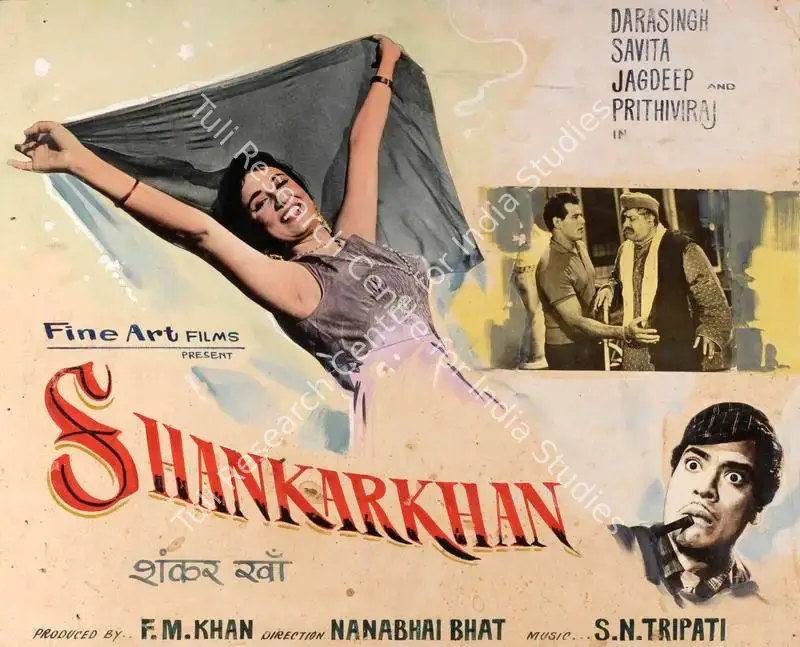
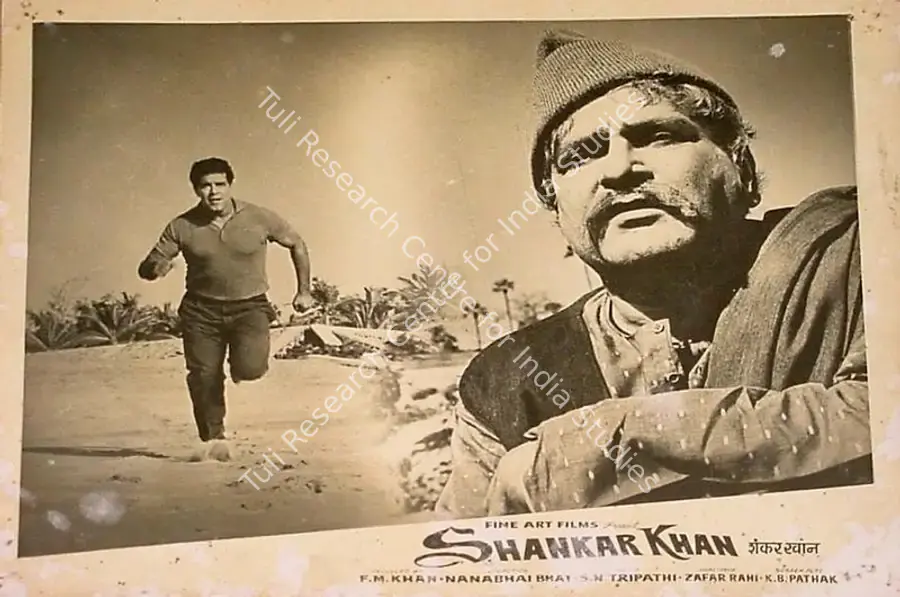
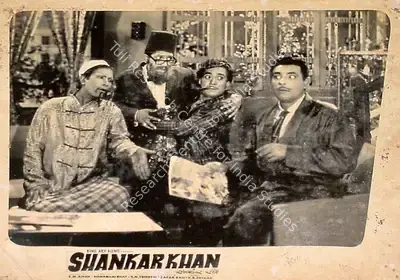
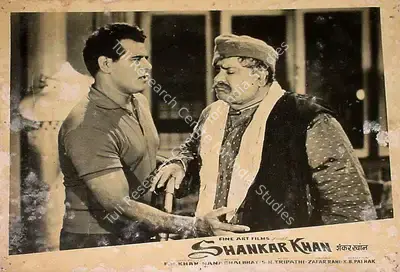
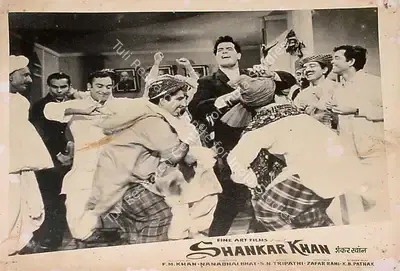
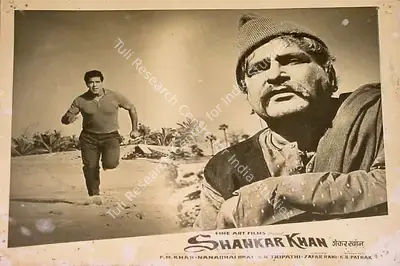
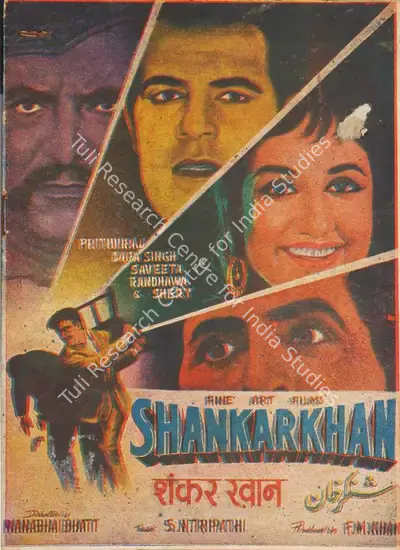
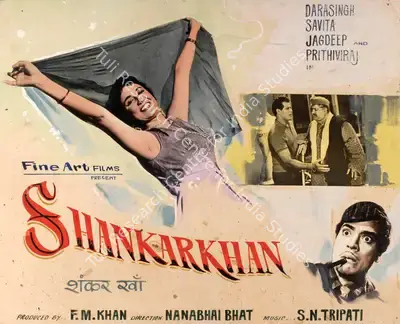
Shankar Khan (1966) is an action-packed film directed by the prolific Nanabhai Bhatt, best known for his contributions to Indian mythological and stunt cinema. Headlined by wrestling icon Dara Singh and legendary actor Prithviraj Kapoor, the film captured the raw energy and spectacle of traditional Indian wrestling—kushti—with numerous thrilling bouts that proved a major draw for audiences, particularly among the working-class sections of society.
The narrative follows Shankar (Dara Singh), a formidable wrestler who rises through the ranks to claim national and international titles, including the prestigious Sher-e-Hind and the London Championship. Parallelly, the story tracks Safdar Khan (Prithviraj Kapoor), a respected wrestling mentor residing in Bombay with his friend Giridharilal (played by Jahagirdar). Safdar awaits the return of his protégé, Birju (Randhawa), from the London Championship. However, upon discovering that Birju threw the match for money, Safdar is devastated.
Instead of returning to the wrestling world in disgrace, Birju descends into a hedonistic lifestyle, indulging in the company of a glamorous society woman, Nita. Disillusioned, Safdar begins the search for a new disciple—and finds hope in Shankar, a powerful and morally upright wrestler. Under Safdar's guidance, Shankar not only defeats Birju to become Sher-e-Hind, but also avenges Indian pride by clinching victory at the London Championship. Along the way, he finds love with Asha (Savita), the daughter of Giridharilal.
The climax turns violent as a resentful Birju, consumed by jealousy and rage, attempts to assassinate Shankar in front of a stadium crowd, leading to a dramatic showdown.
The film's music, composed by S.N. Tripathi with lyrics by B.D. Mishra and Bashar Nawaz, also contributed to its appeal. The soundtrack featured six songs, performed by some of the era's most celebrated playback singers, including Asha Bhosle, Suman Kalyanpur, Mohammed Rafi, Krishna Kalle, and Kumari Shailaja. Notable tracks include: Dil Kho Gaya Mera Jaane Kahan – Asha Bhosle, Dil Ki Baat Zubaan Par Laana Mushkil Hai – Suman Kalyanpur, Jai Jawan Jai Kisan – Mohammed Rafi. These songs enjoyed popularity on the radio and helped solidify the film's cultural footprint.
While Shankar Khan did not rank among the highest-grossing films of 1966, it achieved considerable popularity due to its engaging wrestling sequences and action-driven plot. According to film retrospectives and blogs, it especially resonated with audiences from the lower socio-economic strata, who connected with its themes of honour, redemption, and physical valour.
फ़िल्म की कहानी शंकर (दारा सिंह) के किरदार के साथ आगे बढ़ती है। शंकर एक बलिष्ठ कदकाठी का पहलवान है और कुश्ती के इस उभरते हुए सितारे ने 'शेर-ए-हिंद' और 'लंदन चैंपियनशिप' जैसे राष्ट्रीय और अंतरराष्ट्रीय कुश्ती के ख़िताब जीते हैं। इसके समांतर फ़िल्म में दूसरी कथा सफ़दर ख़ान (पृथ्वीराज कपूर) के किरदार की है जो बम्बई में अपने दोस्त गिरधारीलाल (जागीरदार) के साथ रहने वाले पहलवानी के सम्मानित गुरु हैं। सफ़दर ख़ान अपने शिष्य बिरजू (रंधावा) के 'लंदन चैंपियनशिप' से जीतकर लौटने की आस लगाए उसका इंतज़ार कर रहे हैं। लेकिन जब उन्हें पता चलता है कि उनका शिष्य बिरजू चंद पैसों की खातिर जीती हुई बाज़ी हार गया, तो वे टूट जाते हैं।
अपमानित होकर पहलवानी की दुनिया में लौटने के बजाय बिरजू अय्याशी में डूबे जीवन की ओर बढ़ जाता है और नीता नामक एक धनाड्य महिला के साथ उसका संबंध बनता है। इधर हताशा में डूबे सफ़दर एक नए शिष्य की तलाश शुरू करते हैं। उन्हें शंकर में उम्मीद दिखाई देती है, जो ताक़तवर होने के साथ-साथ अपने नैतिक मूल्यों पर भी मज़बूती से टिका है। सफ़दर की देखरेख में तराशा गया यही शंकर न सिर्फ़ बिरजू को हराकर 'शेर-ए-हिंद' का ख़िताब हासिल करता है बल्कि वह 'लंदन चैंपियनशिप' में जीत दर्ज कर भारतीयों की ओर से पिछली हार का बदला भी ले लेता है। इसी सबके बीच वह गुरु सफ़दर के दोस्त गिरधारीलाल की बेटी आशा (सविता) से प्यार भी कर बैठता है।
फ़िल्म का क्लाइमैक्स एक नाटकीय मोड़ तब लेता है जब ईर्ष्या में डूबा और ग़ुस्से से जलता बिरजू स्टेडियम की भीड़ के सामने ही शंकर की हत्या करने की कोशिश करता है। उनकी भिड़न्त हिंसक रूप ले लेती है।
इस फ़िल्म के संगीत ने भी इसकी लोकप्रियता बढ़ाने में योगदान दिया। इसके लिए संगीत एस.एन. त्रिपाठी ने तैयार किया था और फ़िल्म के गीतकार बी.डी. मिश्रा और बशर नवाज़ थे। फ़िल्म के गानों के लिए उस दौर के प्रसिद्ध पार्श्वगायकों जैसे आशा भोंसले, सुमन कल्याणपुर, मोहम्मद रफ़ी, कृष्णा काले और कुमारी शैलजा जैसे गायकों ने अपनी आवाज़ें दी थीं। फ़िल्म के उल्लेखनीय गीतों में आशा भोंसले का गाया “दिल खो गया मेरा जाने कहाँ”, सुमन कल्याणपुर के स्वर में “दिल की बात ज़ुबान पर लाना मुश्किल है” और मोहम्मद रफ़ी की आवाज़ में “जय जवान जय किसान” जैसे गीत रहे। ये सभी गाने रेडियो पर बहुत लोकप्रिय हुए और इन्होंने फ़िल्म के सांस्कृतिक असर को और मज़बूत किया।
हालाँकि शंकर खान वर्ष 1966 की सबसे ज़्यादा कमाई करने वाली फ़िल्मों में शामिल नहीं थी लेकिन प्रभावित करने वाले कुश्ती के दृश्यों और एक्शन आधारित कथानक के चलते इसने ख़ासी लोकप्रियता हासिल की। कई फ़िल्म समीक्षाओं और ब्लॉग्स के अनुसार यह फ़िल्म विशेष रूप से सामाजिक-आर्थिक रूप से कमज़ोर वर्गों से आनेवाले कामकाजी दर्शकों के बीच ख़ासी लोकप्रिय हुई जिन्होंने इसमें उठाए सम्मान, प्रायश्चित और शारीरिक वीरता जैसे मुद्दों को खूब पसन्द किया।
Body of Work
Research Centre
Related
1
Personalities
1