
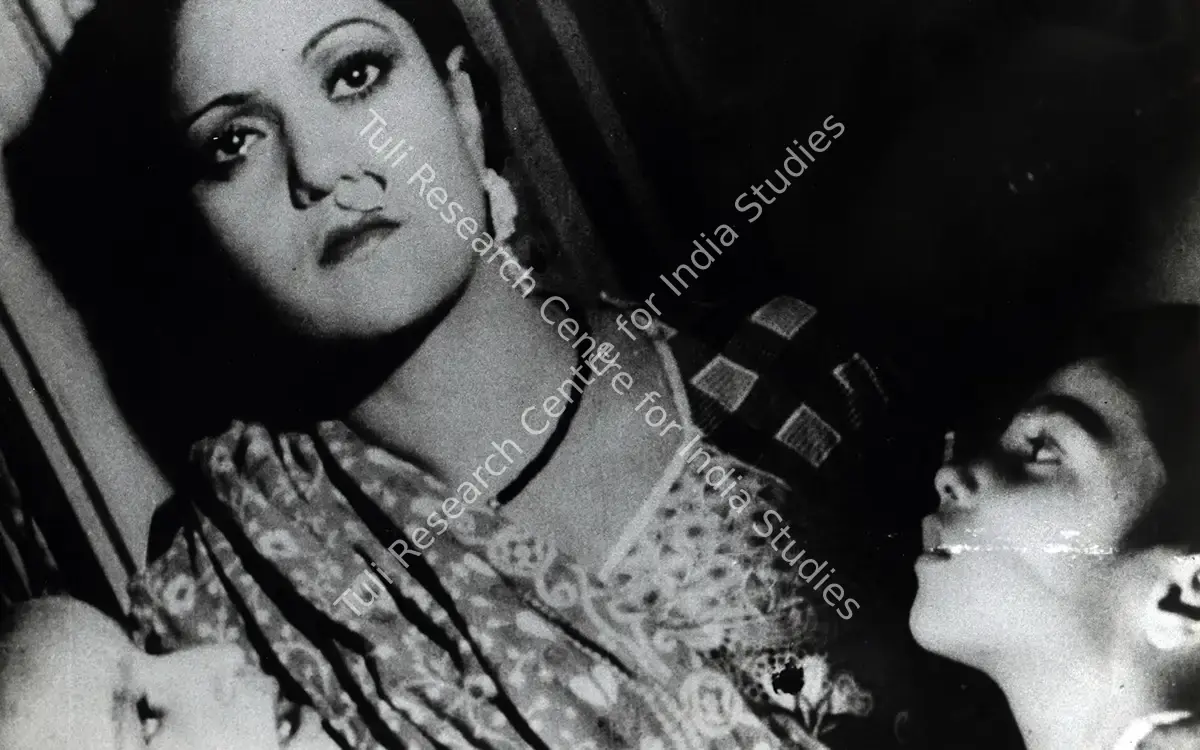
Sardar Akhtar

Sardar Akhtar
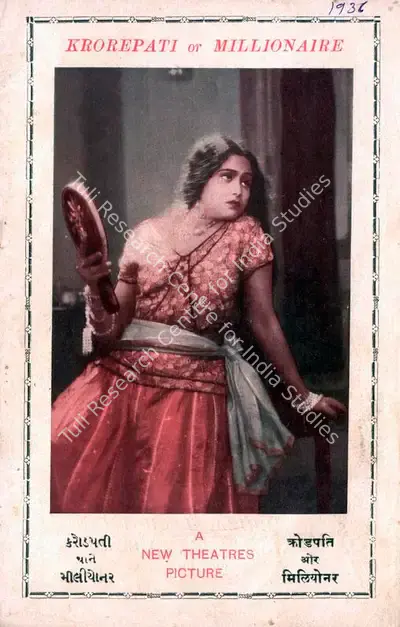
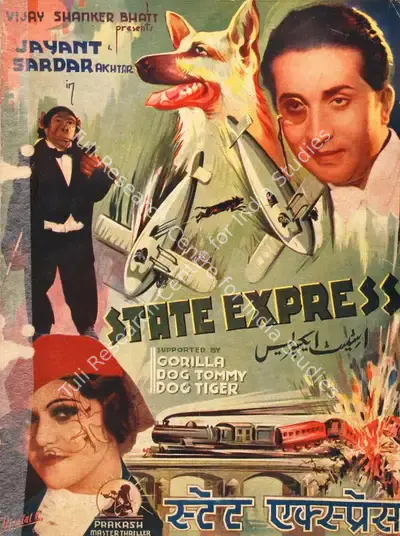
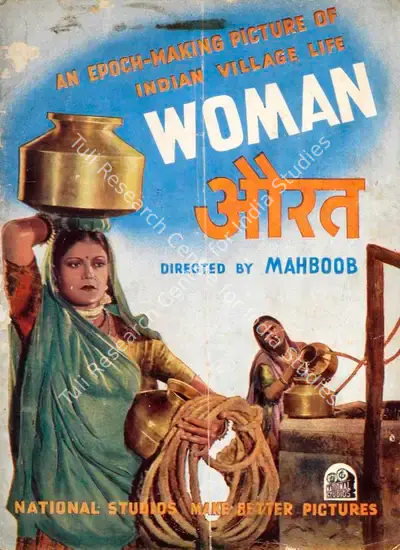
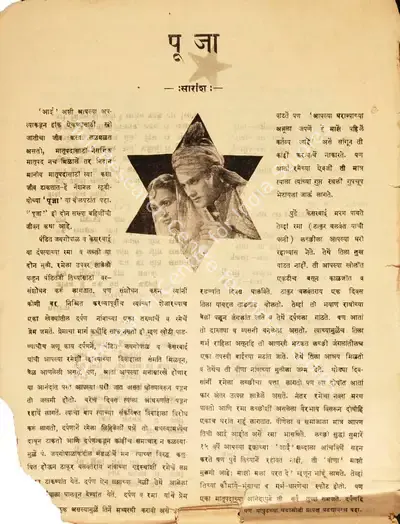
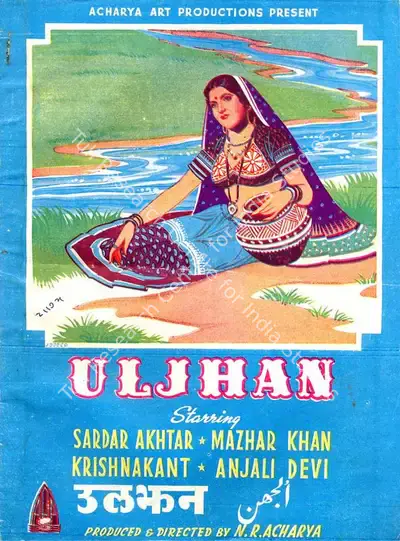
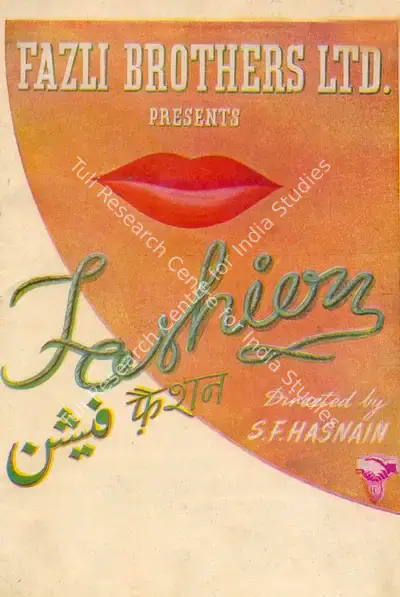
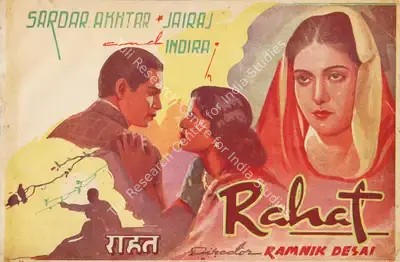
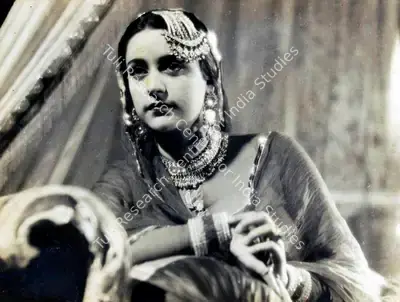
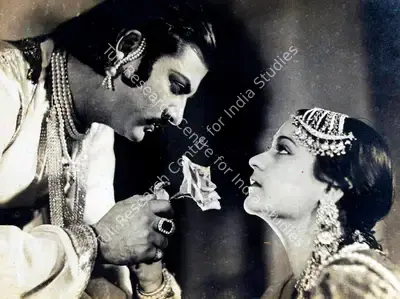
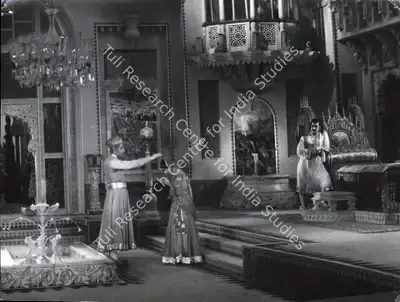
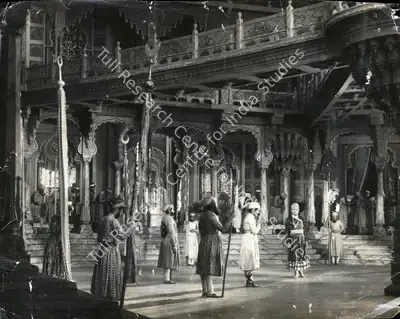
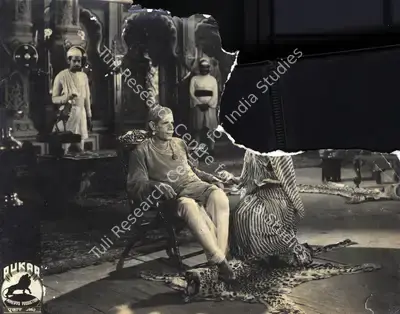
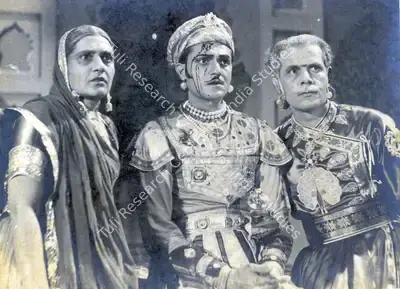
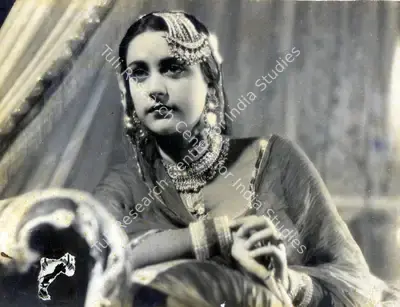
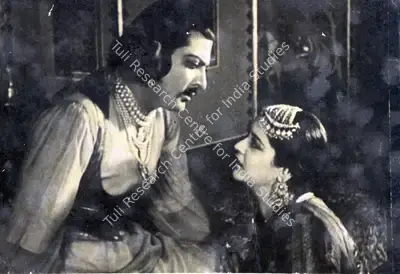
Sardar Akhtar (1915–1986) emerged as one of the striking early voices of Indian cinema, bridging the expressive tradition of the Urdu stage with the burgeoning world of Hindi and Urdu films. Born in Lahore, she began as a supporting dancer-artiste with Madan Theatres Ltd., before venturing into cinema through Saroj Movietone, where she became synonymous with spirited stunt roles. Her first major breakthrough arrived with Sohrab Modi's historic epic Pukar (1939). As Rami Dhoban, the washer-woman demanding justice from Emperor Jehangir after her husband's accidental death at the hands of Empress Nur Jahan, Akhtar delivered a performance of raw moral force. The song Kaheko Mohe Chhede further amplified her presence, marking her shift from action roles into the realm of emotionally resonant drama. In 1940, Akhtar reached her artistic peak in Mehboob Khan's Aurat, considered a “powerful predecessor” to his later classic Mother India (1957). Her portrayal of a deserted peasant woman revealed extraordinary depth and became the defining performance of her career. That same year she appeared in Mehboob Khan's Ali Baba (1940), a commercial success that also marked the beginning of their personal partnership; the two married in 1942. Across the 1930s, Akhtar's versatility flourished: she acted in Roop Basant (1933), Id Ka Chand (1932), Malti Madhav (1933), and Hothal Padmini (1934), later showcasing comedic talent opposite K. L. Saigal in Karodpati (1936). Her masked-avenger turn in Vijay Bhatt's State Express (1938) achieved notable box-office success, remembered for its daring stunts and a now-legendary performing gorilla. Her 1940 release Pooja, directed by A. R. Kardar for National Studios, was hailed by Baburao Patel as a “thundering success,” with Akhtar praised for the sincerity of her performance. Yet by 1945, after films like Fashion (1943) and Rahat (1945), she stepped away from the screen, returning decades later in O. P. Ralhan's Hulchul (1971). Akhtar was the older sister of Bahar Akhtar, whose brief film career ended amid personal scandal. Though childless, Sardar remained central to Mehboob Khan's creative universe; he credited her as the inspiration behind Aan (1952), Andaz (1949), and Mother India (1957). After his death in 1964, she inherited his shares in Mehboob Studios, a legacy later entangled in prolonged litigation. Sardar Akhtar died in New York City on 2 October 1986, leaving behind a luminous, if too often overlooked, cinematic legacy.
Sardar Akhtar
Sardar Akhtar (1915–1986) emerged as one of the striking early voices of Indian cinema, bridging the expressive tradition of the Urdu stage with the burgeoning world of Hindi and Urdu films. Born in Lahore, she began as a supporting dancer-artiste with Madan Theatres Ltd., before venturing into cinema through Saroj Movietone, where she became synonymous with spirited stunt roles. Her first major breakthrough arrived with Sohrab Modi's historic epic Pukar (1939). As Rami Dhoban, the washer-woman demanding justice from Emperor Jehangir after her husband's accidental death at the hands of Empress Nur Jahan, Akhtar delivered a performance of raw moral force. The song Kaheko Mohe Chhede further amplified her presence, marking her shift from action roles into the realm of emotionally resonant drama. In 1940, Akhtar reached her artistic peak in Mehboob Khan's Aurat, considered a “powerful predecessor” to his later classic Mother India (1957). Her portrayal of a deserted peasant woman revealed extraordinary depth and became the defining performance of her career. That same year she appeared in Mehboob Khan's Ali Baba (1940), a commercial success that also marked the beginning of their personal partnership; the two married in 1942. Across the 1930s, Akhtar's versatility flourished: she acted in Roop Basant (1933), Id Ka Chand (1932), Malti Madhav (1933), and Hothal Padmini (1934), later showcasing comedic talent opposite K. L. Saigal in Karodpati (1936). Her masked-avenger turn in Vijay Bhatt's State Express (1938) achieved notable box-office success, remembered for its daring stunts and a now-legendary performing gorilla. Her 1940 release Pooja, directed by A. R. Kardar for National Studios, was hailed by Baburao Patel as a “thundering success,” with Akhtar praised for the sincerity of her performance. Yet by 1945, after films like Fashion (1943) and Rahat (1945), she stepped away from the screen, returning decades later in O. P. Ralhan's Hulchul (1971). Akhtar was the older sister of Bahar Akhtar, whose brief film career ended amid personal scandal. Though childless, Sardar remained central to Mehboob Khan's creative universe; he credited her as the inspiration behind Aan (1952), Andaz (1949), and Mother India (1957). After his death in 1964, she inherited his shares in Mehboob Studios, a legacy later entangled in prolonged litigation. Sardar Akhtar died in New York City on 2 October 1986, leaving behind a luminous, if too often overlooked, cinematic legacy.

Introduction

Filmography

Print
filter
1934

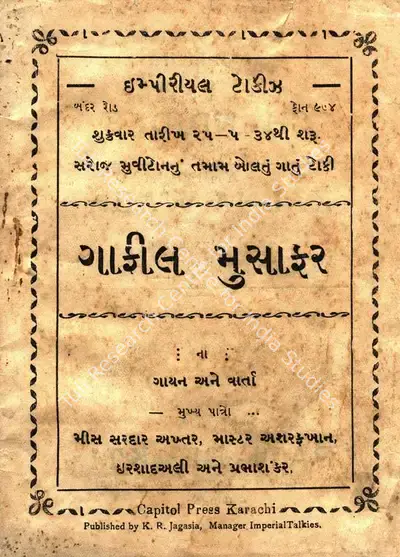
Gaafil Musafir | Hindi | Actor

Booklet
1934

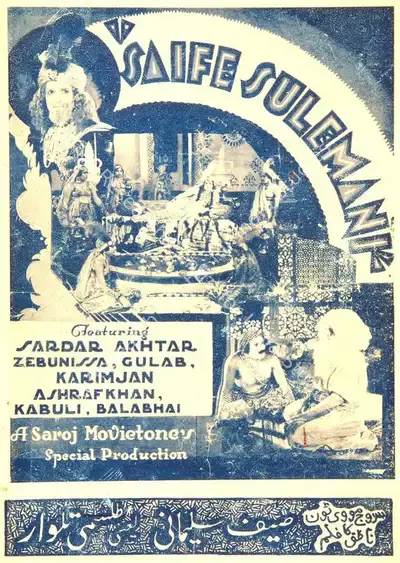
Saife Sulemani | Hindi | Actor

Booklet
1936

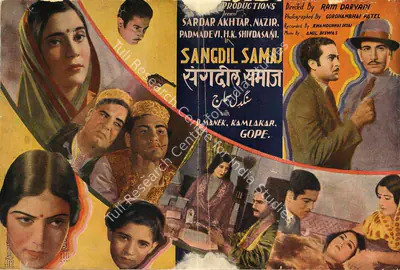
Sangdil Samaj | Hindi | Actor

Booklet
1936

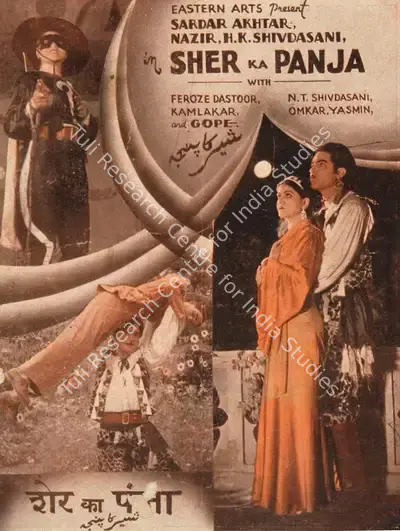
Sher Ka Panja | Hindi | Actor

Booklet
1936

Crorepati | Hindi | Actor

Feature | Fiction | Black and White | Booklet
1937

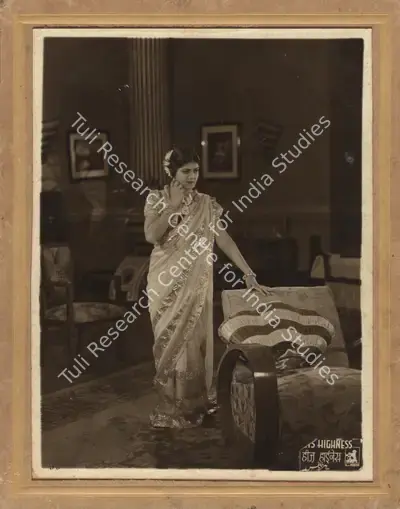
His Highness | Hindi | Actor

Booklet
1938

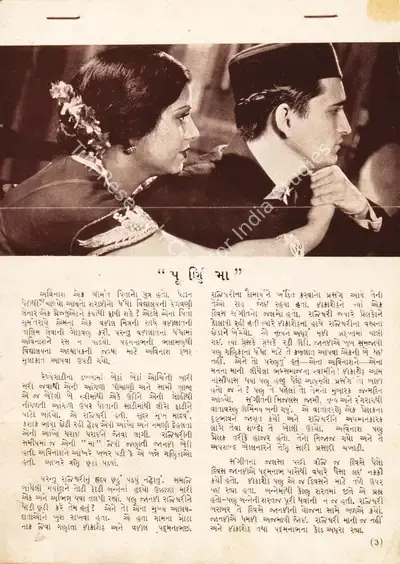
Poornima | Hindi | Actor

Booklet
1938

State Express | Hindi | Actor

Booklet
1939

Pukar | Hindi | Actor, Playback Singer

Feature | Fiction | Black and White | Booklet

Research Centre
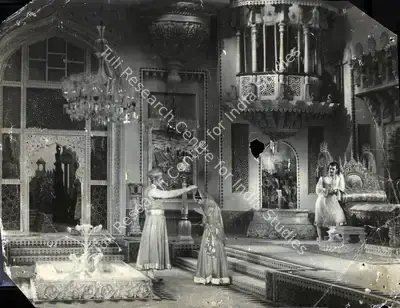
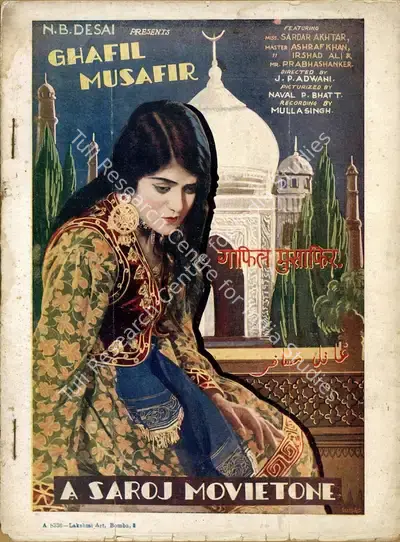
Advani, J.P. (Director), Gafil Musafir, 1934 | Song-Synopsis Booklet

Advani, J.P. (Director), Gafil Musafir, 1934 | Song-Synopsis Booklet

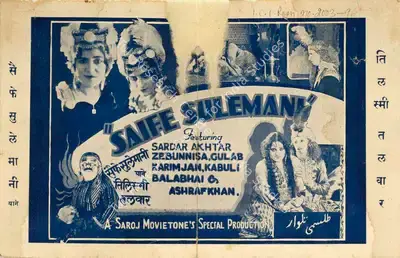
Advani, J.P. (Director), Saife Sulemani, 1934 | Song-Synopsis Booklet

Advani, J.P. (Director), Saife Sulemani, 1934 | Song-Synopsis Booklet

Advani, J.P. (Director), Saife Sulemani, 1934 | Handbill

Advani, J.P. (Director), Saife Sulemani, 1934 | Handbill

Advani, J.P. (Director), Gaafil Musafir, 1934 | Cyclostyled Lyrics Leaflet

Advani, J.P. (Director), Gaafil Musafir, 1934 | Cyclostyled Lyrics Leaflet

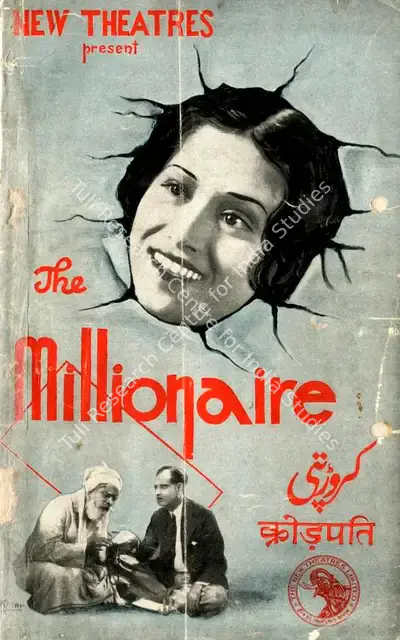
Saroj (Producer), Crorepati, 1936 | Song-Synopsis Booklet

Saroj (Producer), Crorepati, 1936 | Song-Synopsis Booklet

Saroj (Producer), Crorepati, 1936 | Song-Synopsis Booklet

Saroj (Producer), Crorepati, 1936 | Song-Synopsis Booklet

Khosla, Dwarka (Director), Sher Ka Panja, 1936 | Song-Synopsis Booklet

Khosla, Dwarka (Director), Sher Ka Panja, 1936 | Song-Synopsis Booklet

Daryani, Ram (Director), Sangdil Samaj, 1936 | Handbill

Daryani, Ram (Director), Sangdil Samaj, 1936 | Handbill

Bhatt, Balwant (Director), His Highness, 1937 | Photographic Still Mounted on Lobby Card

Bhatt, Balwant (Director), His Highness, 1937 | Photographic Still Mounted on Lobby Card

Bhatt, Vijay (Director), State Express, 1938 | Song-Synopsis Booklet

Bhatt, Vijay (Director), State Express, 1938 | Song-Synopsis Booklet

Bhatt, Balwant (Director), Poornima, 1938 | Song-Synopsis Booklet

Bhatt, Balwant (Director), Poornima, 1938 | Song-Synopsis Booklet

Modi, Sohrab (Producer), Pukar, 1939 | Glass Slide

Modi, Sohrab (Producer), Pukar, 1939 | Glass Slide

Modi, Sohrab (Producer), Pukar, 1939 | Glass Slide

Modi, Sohrab (Producer), Pukar, 1939 | Glass Slide

Modi, Sohrab (Producer), Pukar, 1939 | Song-Synopsis Booklet

Modi, Sohrab (Producer), Pukar, 1939 | Song-Synopsis Booklet

Modi, Sohrab (Producer), Pukar, 1939 | Song-Synopsis Booklet

Modi, Sohrab (Producer), Pukar, 1939 | Song-Synopsis Booklet

Modi, Sohrab (Producer), Pukar, 1939 | Song-Synopsis Booklet

Modi, Sohrab (Producer), Pukar, 1939 | Song-Synopsis Booklet

Modi, Sohrab (Producer), Pukar, 1939 | Full Sheet Poster

Modi, Sohrab (Producer), Pukar, 1939 | Full Sheet Poster

Modi, Sohrab (Producer), Pukar, 1939 | Full Sheet Poster

Modi, Sohrab (Producer), Pukar, 1939 | Full Sheet Poster

Kumar, Uday (Designer), Pukar, 1939 | Half Sheet Poster

Kumar, Uday (Designer), Pukar, 1939 | Half Sheet Poster

Sarpotdar, Y.D. (Cinematographer), Pukar, 1939 | Photographic Still Mounted on Lobby Card

Sarpotdar, Y.D. (Cinematographer), Pukar, 1939 | Photographic Still Mounted on Lobby Card

Loading...
TRIS logo image