Introduction
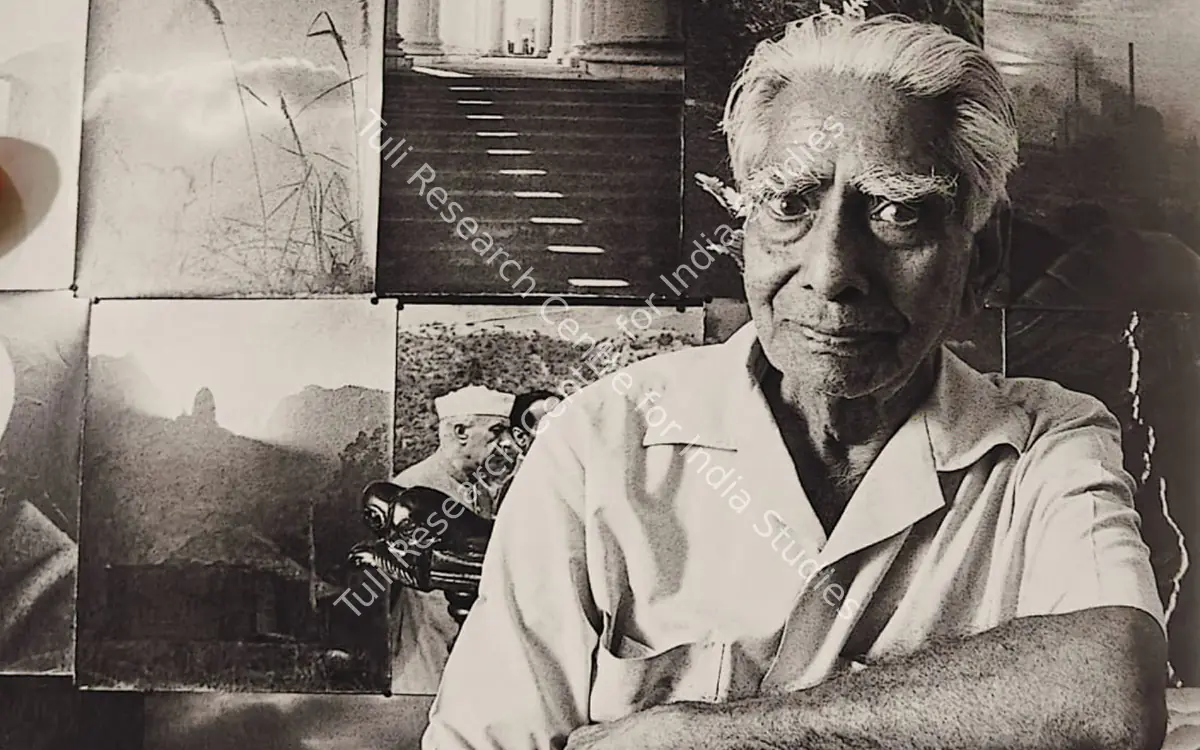
Ruliram Roopchand Bhardwaj, born in a small village in Himachal Pradesh, learnt photography after joining the Mayo School of Art in 1922. Within an year, he was supporting himself by taking photographs at the Lahore Museum. In 1925, he joined the Archaeological Survey of India, spending six years photographing sites across the country, including Harappa, Mohenjo-Daro and Ajanta. His Ajanta photographs were published in a book titled; Ajanta authored by Mulk Raj Anand.
In 1934, he began working with Kodak, travelling extensively across India to showcase and demonstrate their products. In 1937, he achieved a historic milestone as the first Asian to receive Kodak Eastman’s prestigious Gold Medal.
In 1942, he established a photography studio in Mussoorie, photographing portraits of visitors in darkrooms. Following India’s Independence, he relocated to Bombay and, with the support of Lala Kailashpat Singhania, set up a new photography studio. He continued working there until the end of his life.
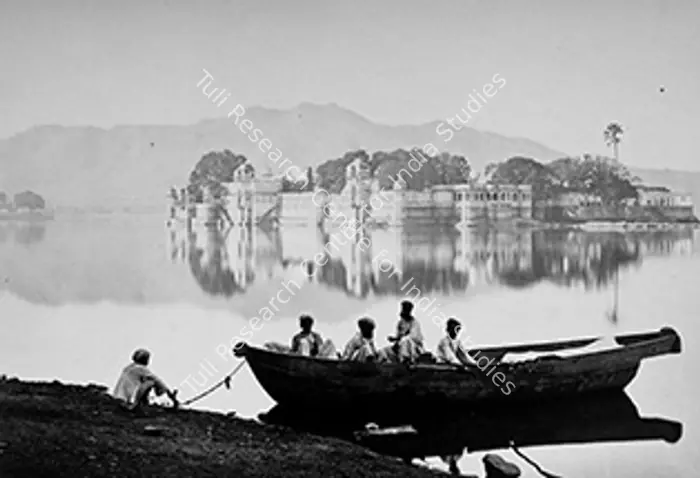
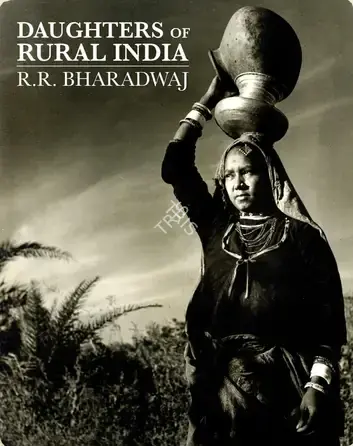
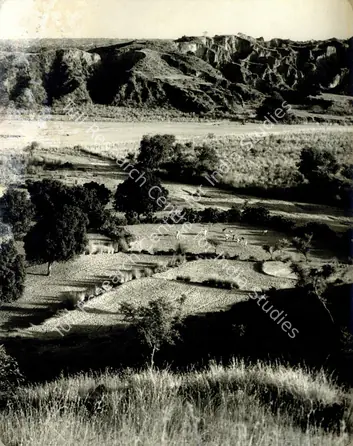
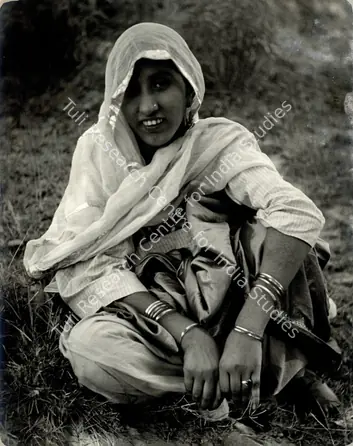
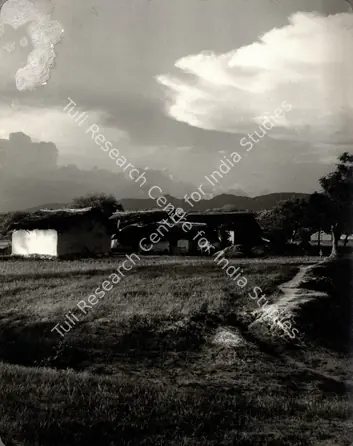
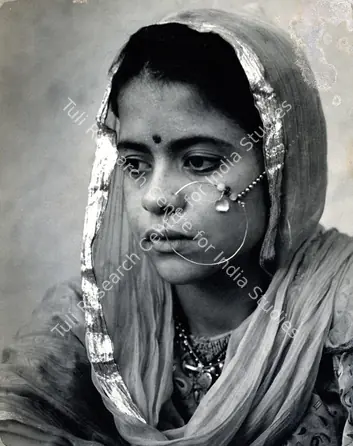
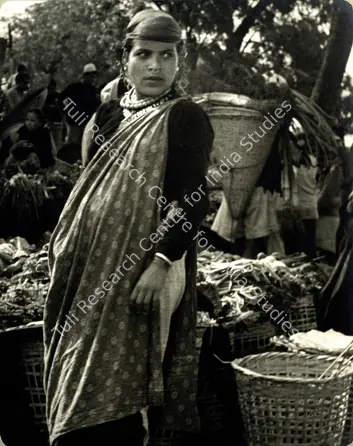
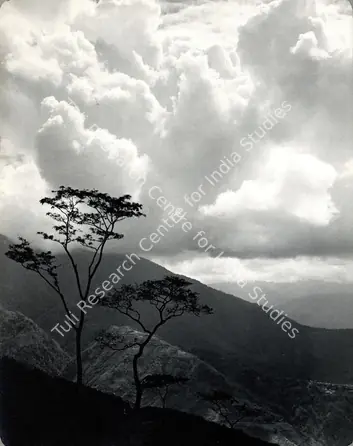
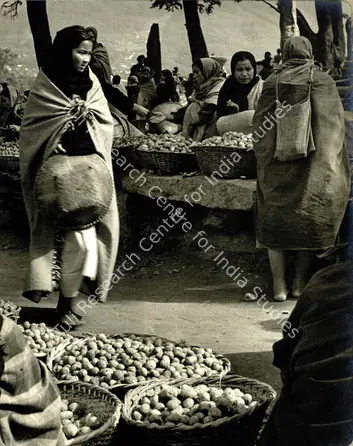
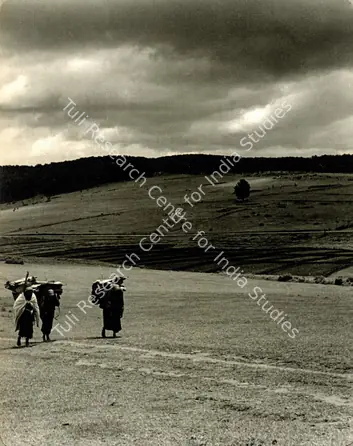
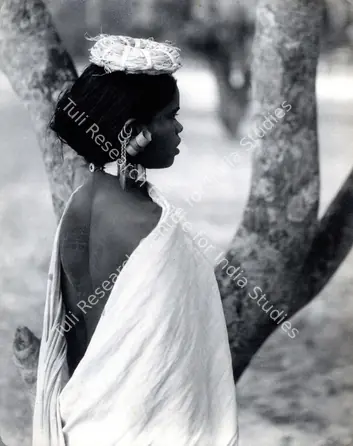
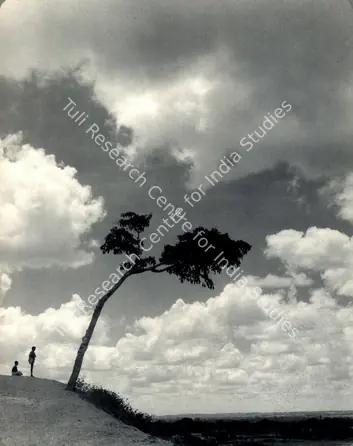
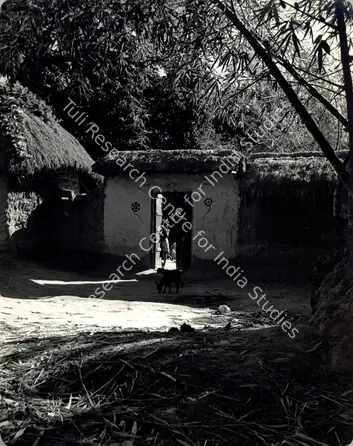
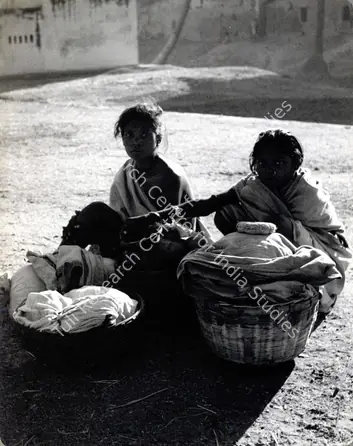
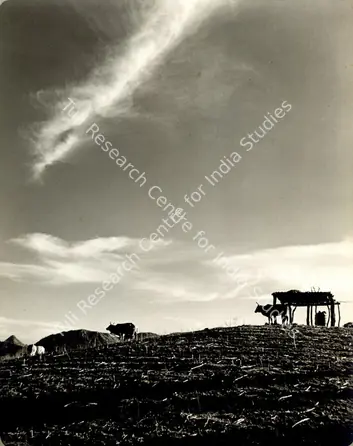
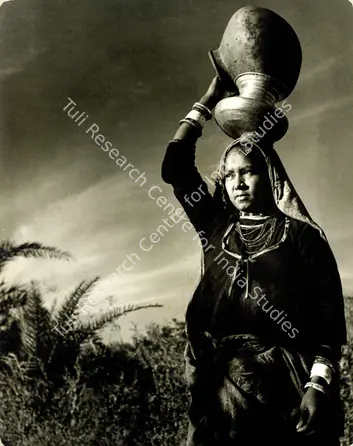
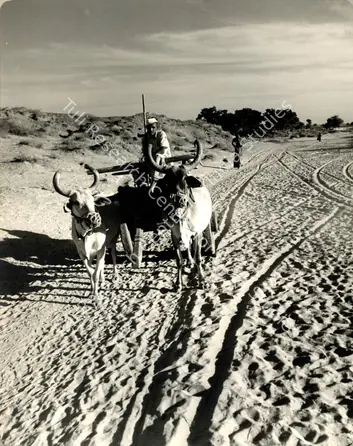
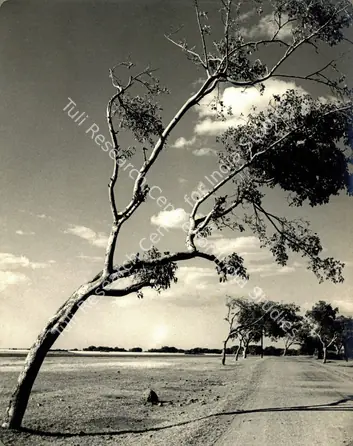
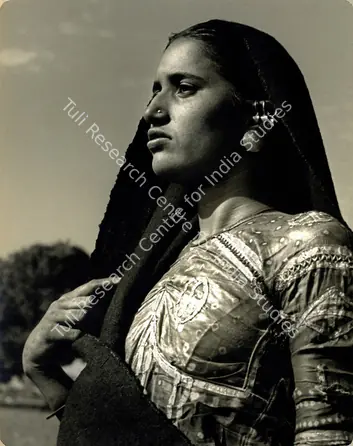
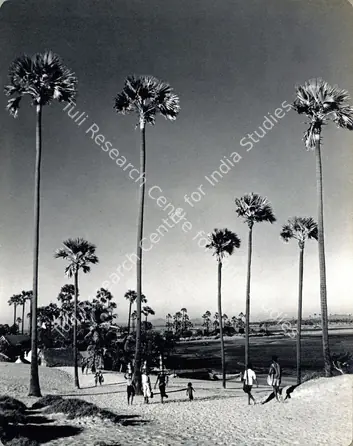
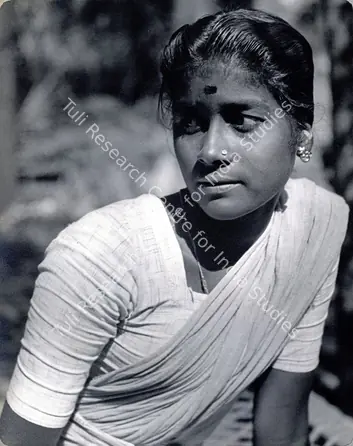
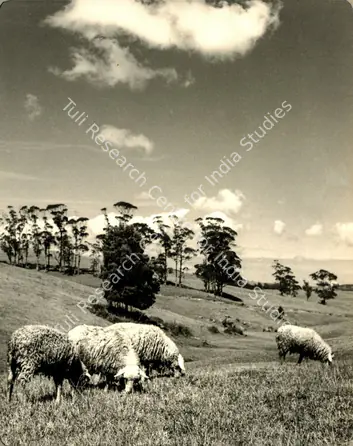
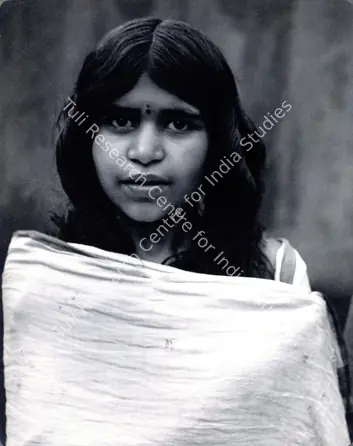
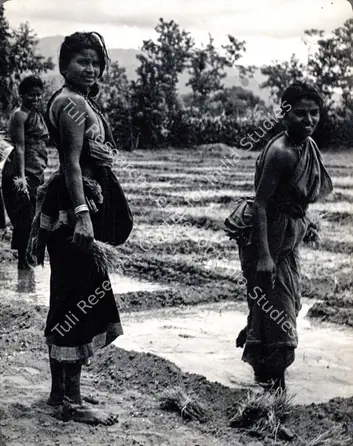
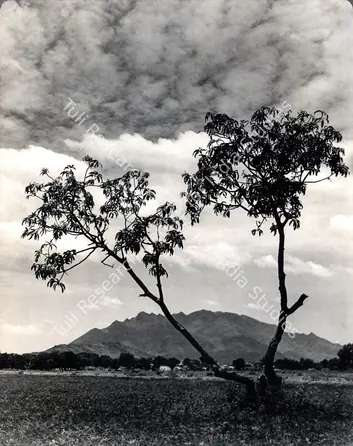
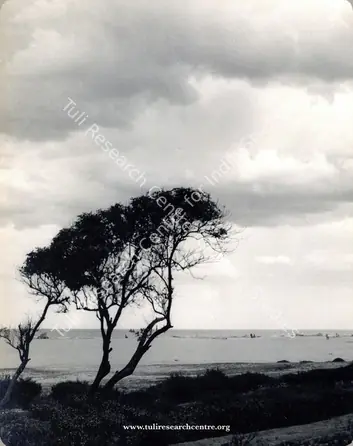
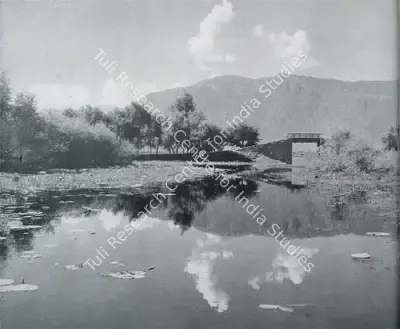
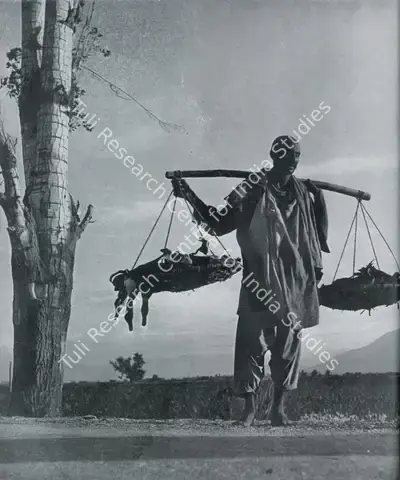
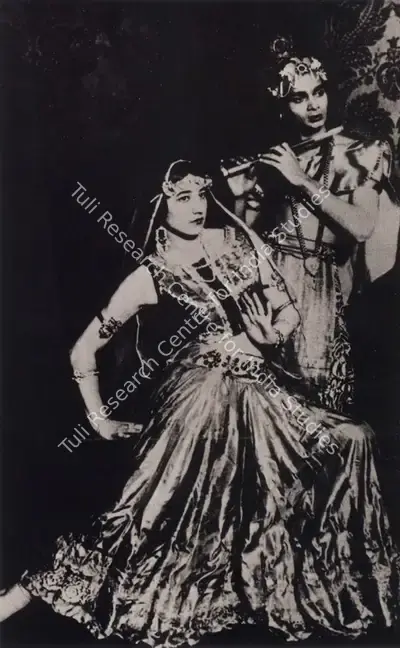
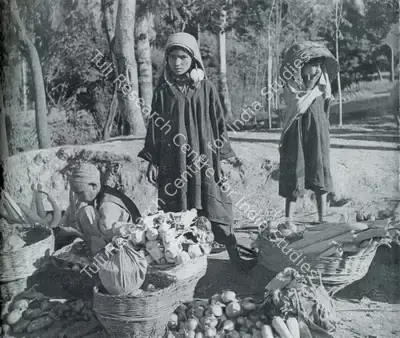
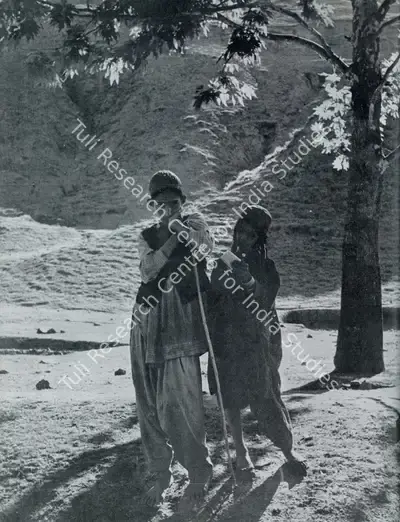
“I believe that an artist only requires the ability to see the beauty and drama of the right combination of light and shade to capture a work of art on film.” Adhering to the pictorial convention of the “picturesque” Bharadwaj produced some stunning photographs of the Indian countryside. His darkroom photographs made use of special toning formulae to emphasize the print’s tonality and painterly aspects. Among his few surviving albums, the one dedicated to the Garhwal Himalayas is particularly remarkable. It features sequence of photographs, blending sweeping landscapes from high altitudes with intricate close-ups of flora and fauna, offering a breathtaking portrayal of the majestic mountains.
- Date of Birth
- 1902
- Date of Death
- 1986
- Age
- 84
Body of Work
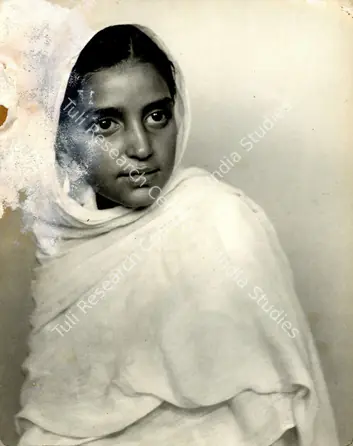
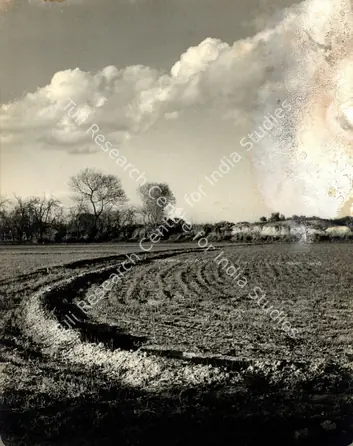
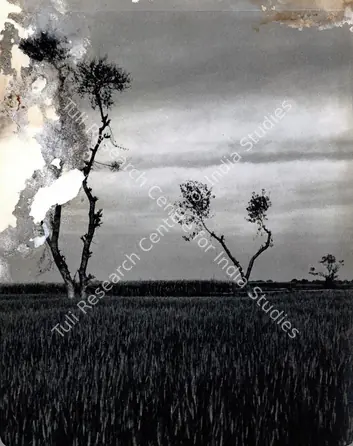
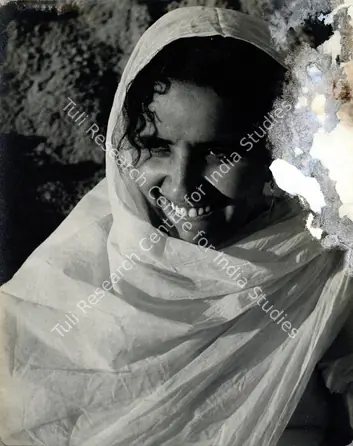
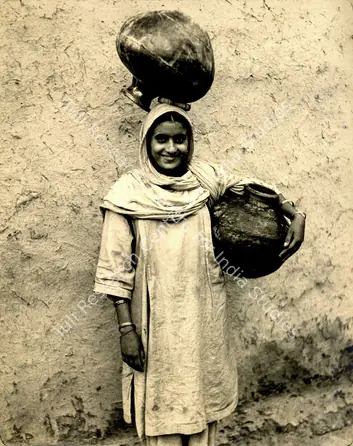
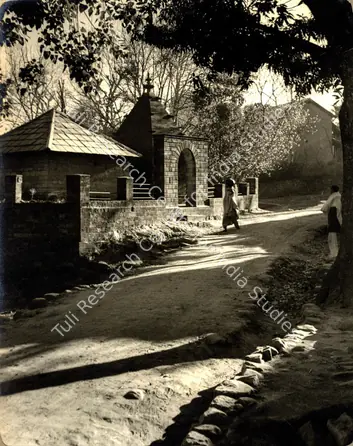
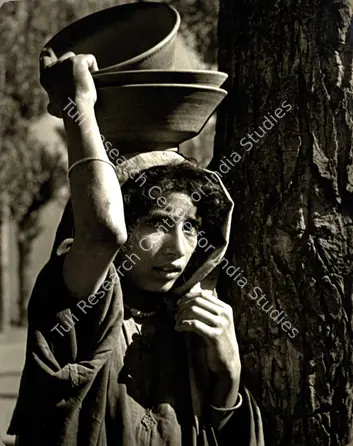
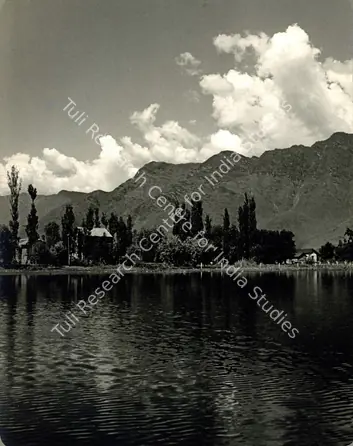
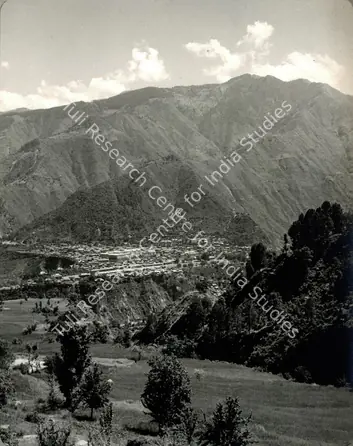
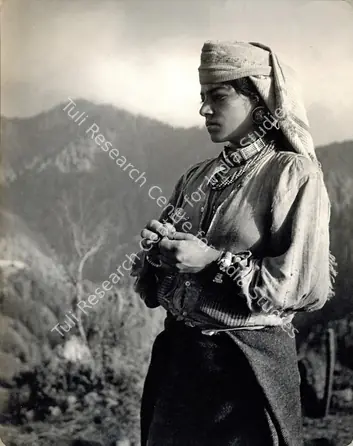
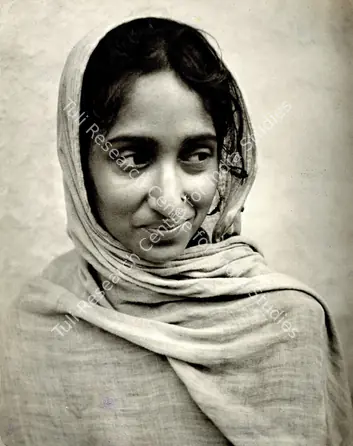
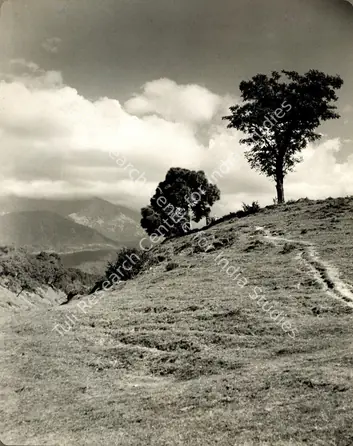
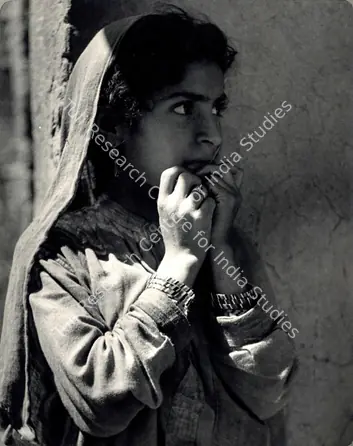
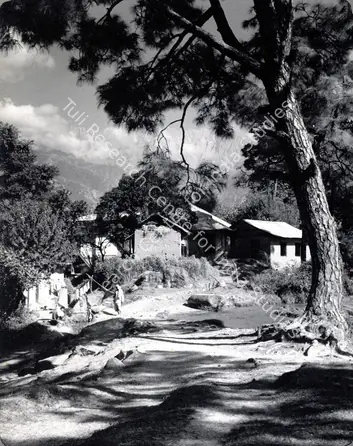
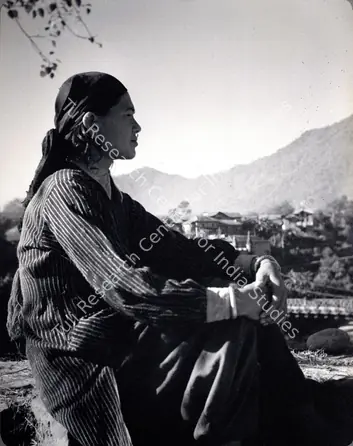
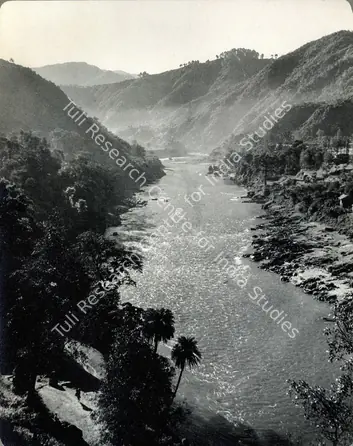
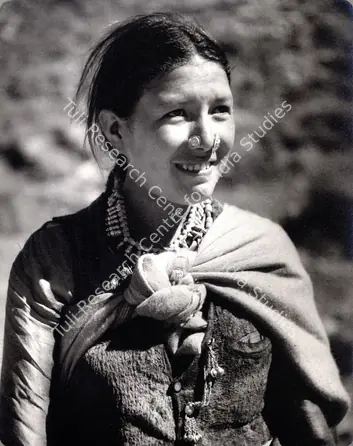
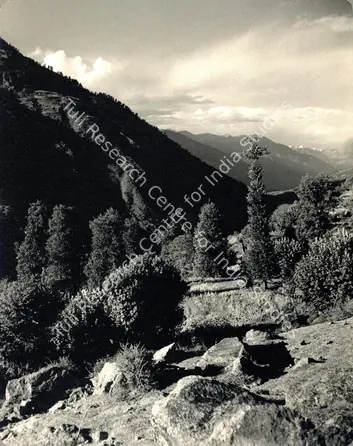
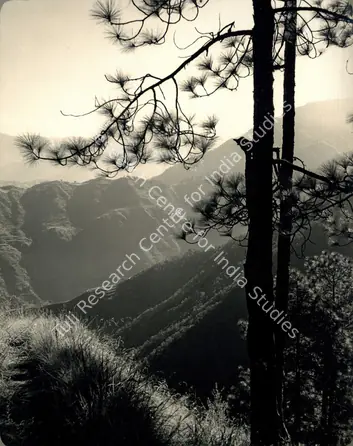
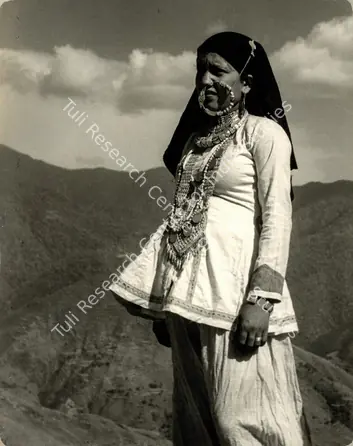
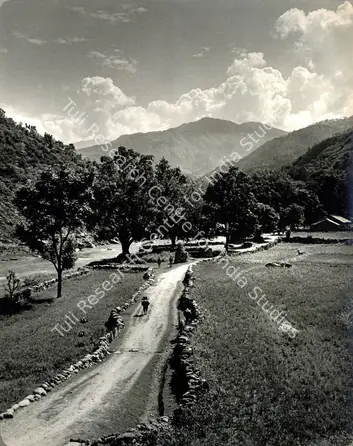
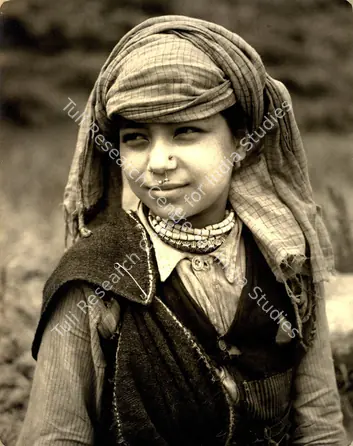
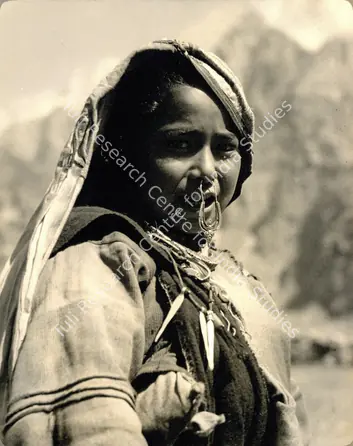
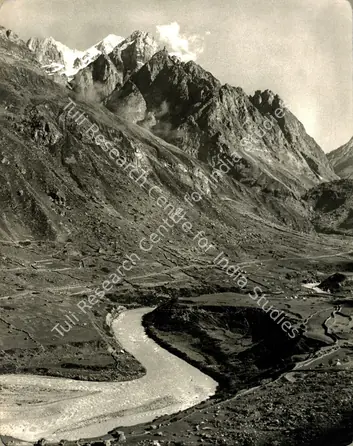
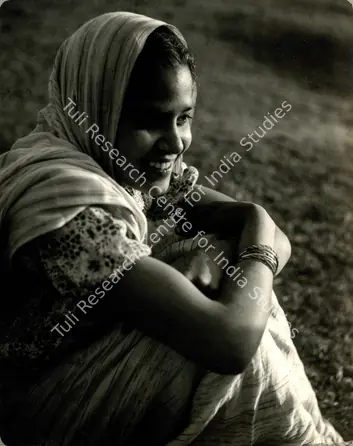
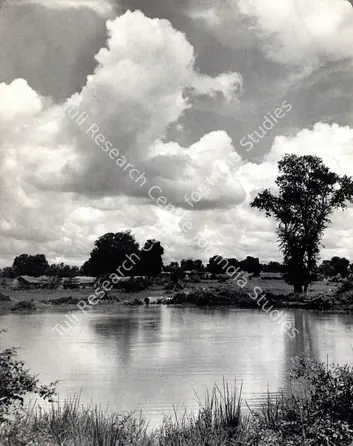
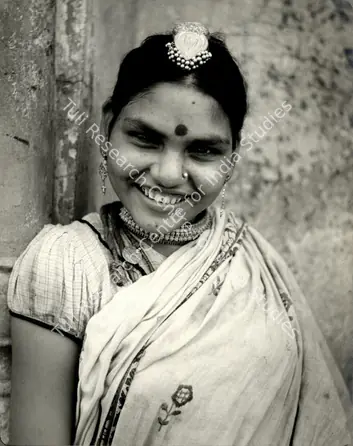
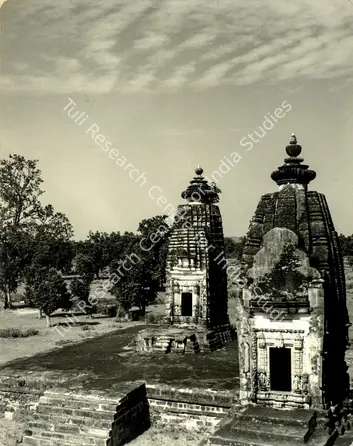
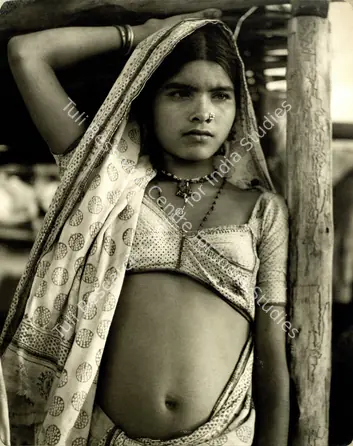
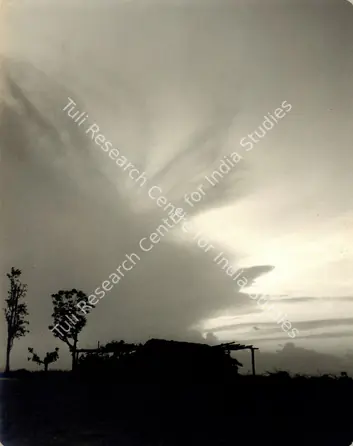
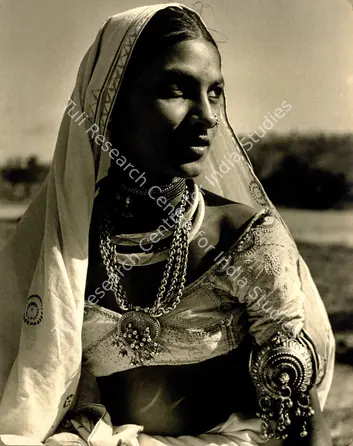
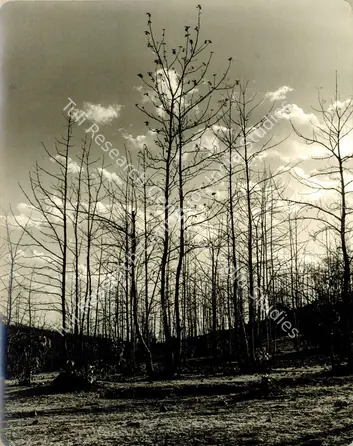
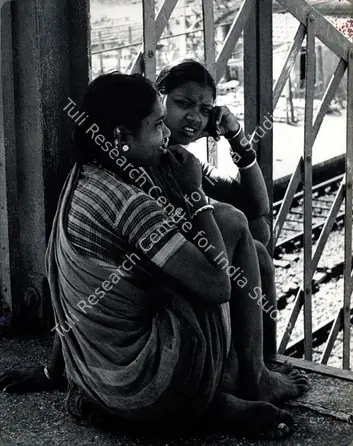
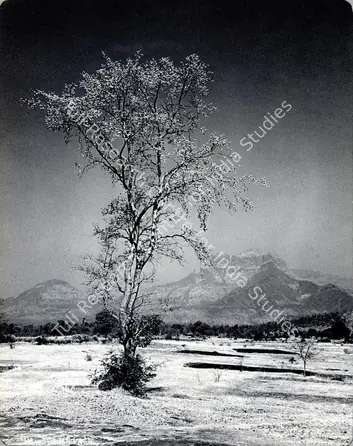
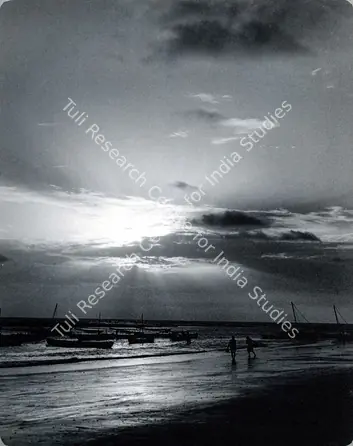
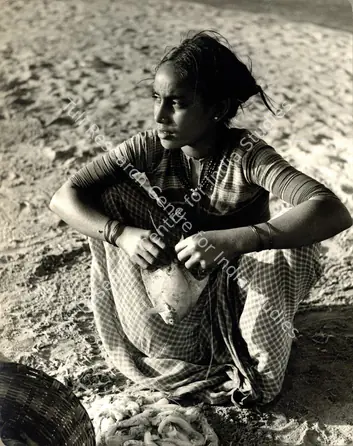
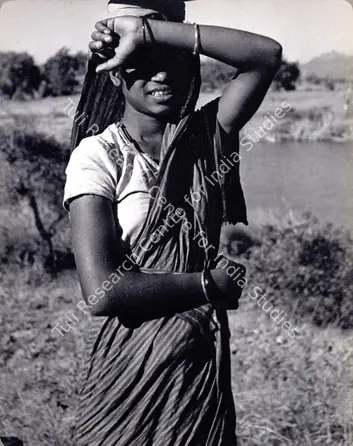
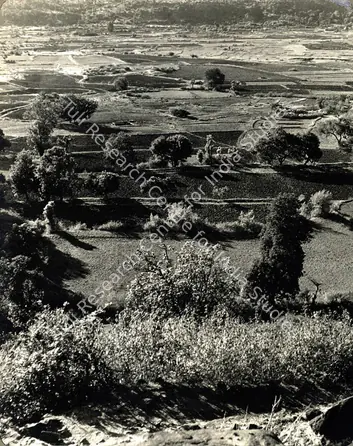
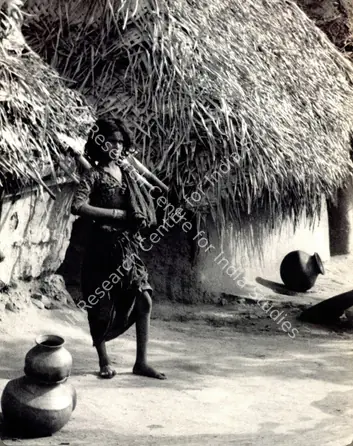
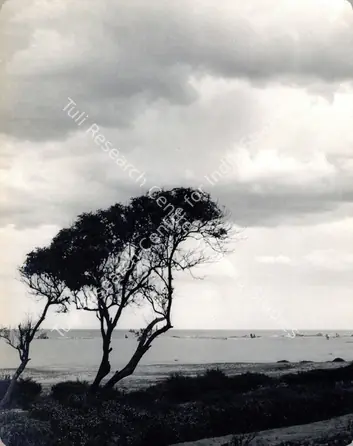
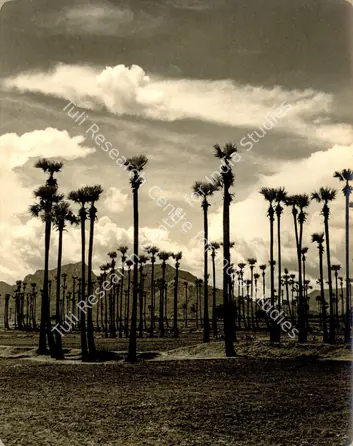
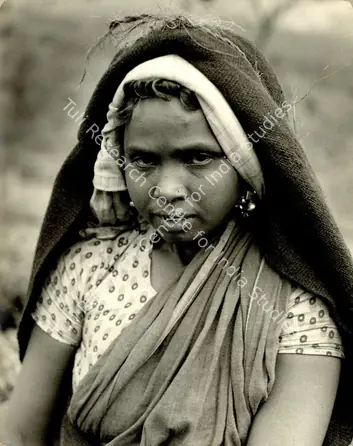
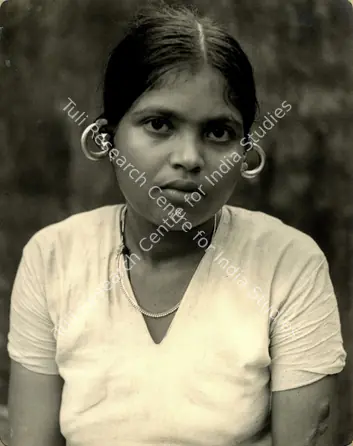
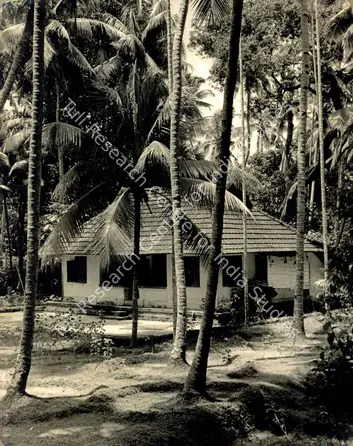
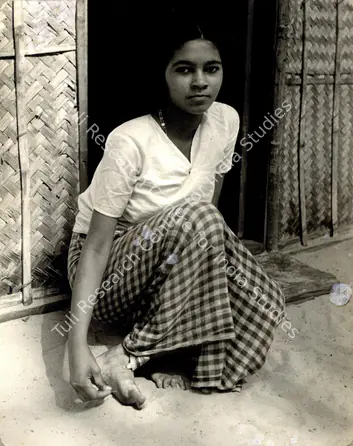
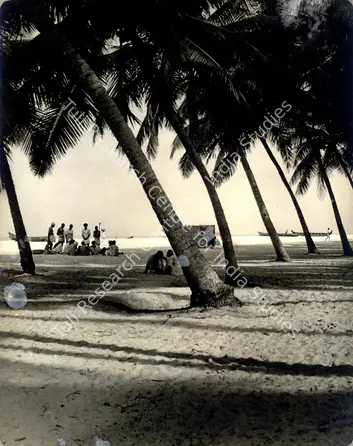
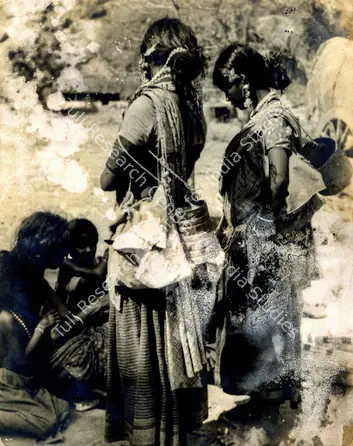
Research Centre
Calendar 3
- ArchivedExhibitionProject 5Self Discovery via Rediscovering India Series Part IV Building www.tuliresearchcentre.org20th - 23rd February 2025Self Discovery via Rediscovering India Series Part IVRead More →
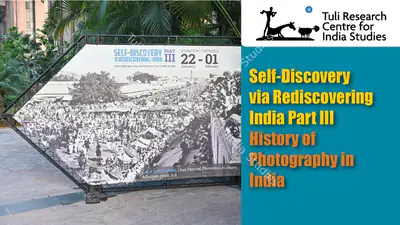
- ArchivedExhibitionProject 3Self Discover via Rediscovering India Series Part III History of Photography in India21st - 31st January 2025Self Discover via Rediscovering India Series Part IIIRead More →
- ArchivedExhibitionProject 1Self-Discovery via Rediscovering India Series Inaugural Exhibition14th - 29th March 2024Inaugural ExhibitionRead More →