

Introduction
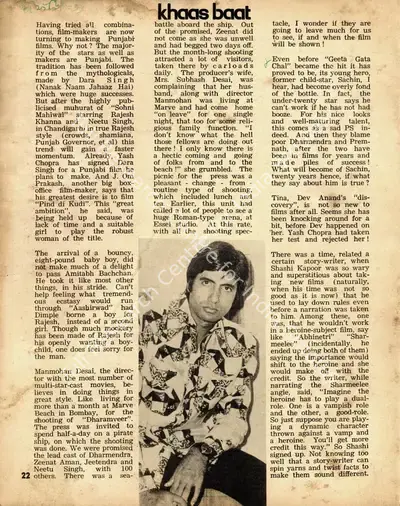
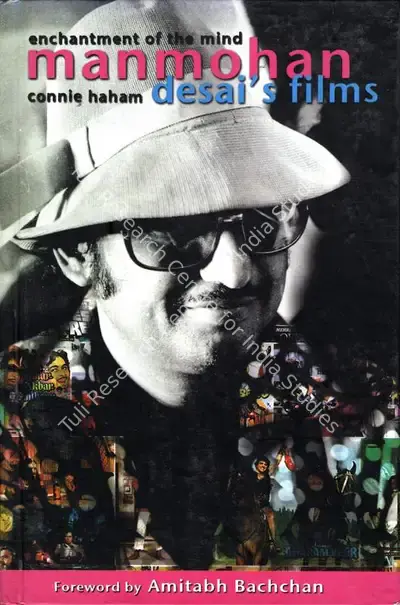
Manmohan Desai (26 February 1937 – 1 March 1994) He is popularly known as one of the most influential figures in post-independence Hindi cinema, a filmmaker whose work reshaped popular narrative conventions and audience expectations during the 1970s and 1980s. As a director and producer, he achieved remarkable commercial success while articulating a distinctive cinematic idiom that came to be known as the “masala” film—a vibrant synthesis of melodrama, action, romance, comedy, and music designed to appeal to a broad, heterogeneous audience.
Desai's cinema was deeply attuned to the sensibilities of the Indian masses. His films were marked by an exuberant disregard for strict realism, instead embracing coincidence, emotional excess, and moral clarity. Central to his narrative architecture was the recurrent motif of separation and reunion, often articulated through “lost and found” plots that foregrounded familial bonds, secular coexistence, and the ultimate triumph of justice. In this regard, he is frequently discussed alongside contemporaries such as Prakash Mehra and Nasir Hussain as a principal architect of masala cinema.
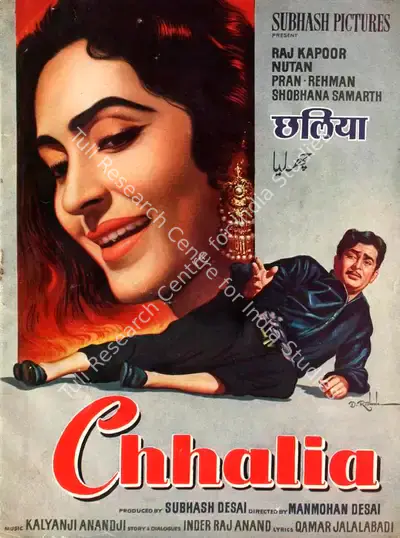
Born into a Gujarati family, Desai inherited a connection to the film industry through his father, Kikubhai Desai, who owned Paramount Studios. His early career was shaped by his brother, Subhash Desai, who produced Desai's directorial debut, Chhalia (1960). Over time, Desai developed a formidable creative partnership with Amitabh Bachchan, a collaboration that not only consolidated Bachchan's superstardom but also defined an era of Hindi popular cinema.
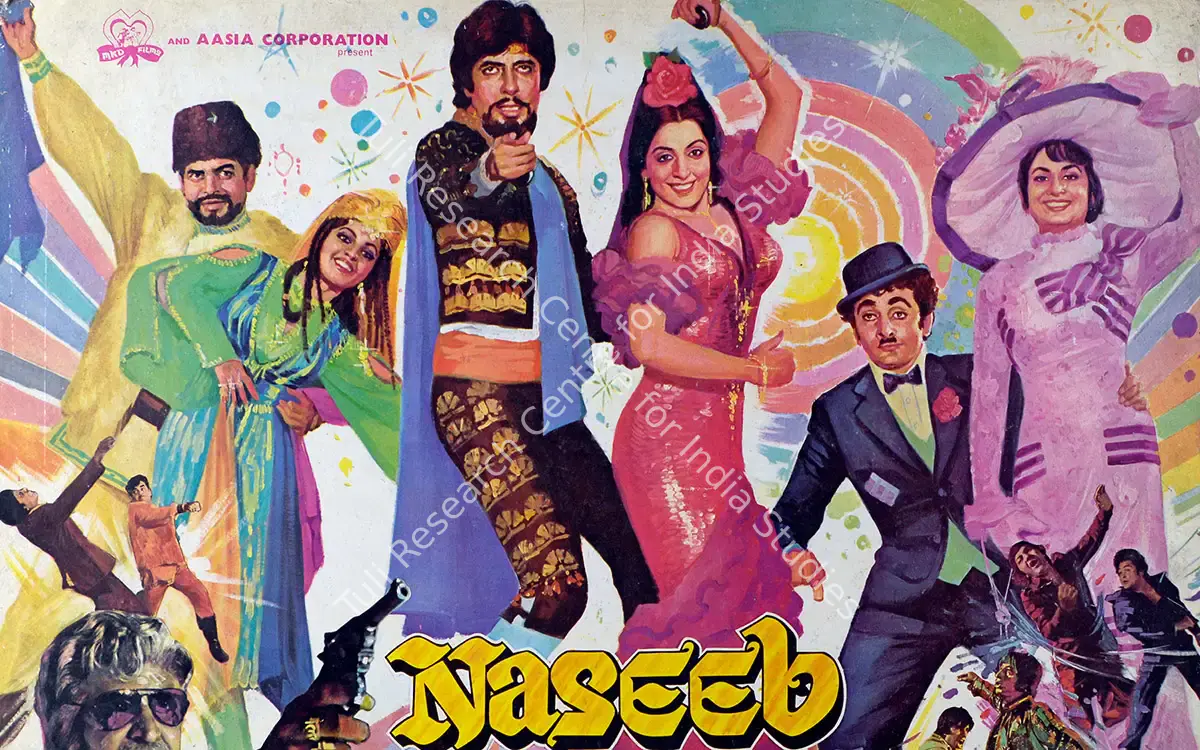
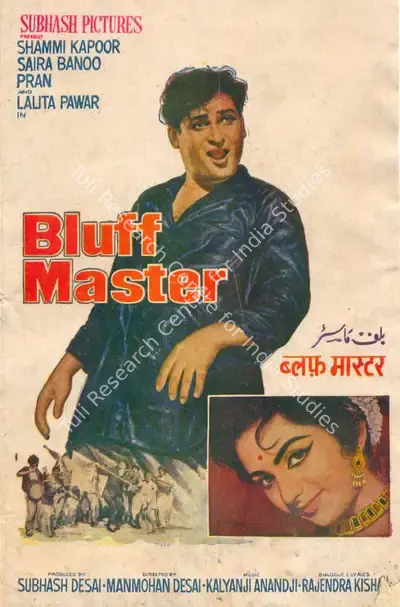
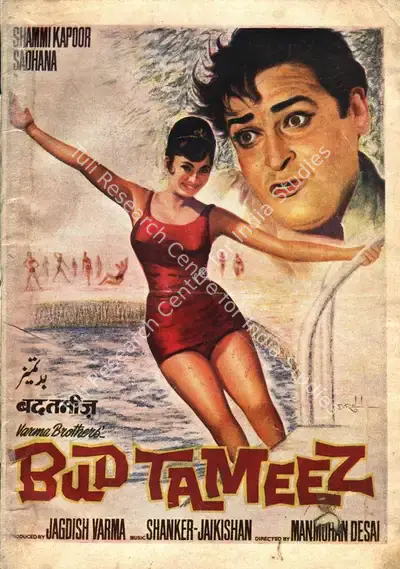
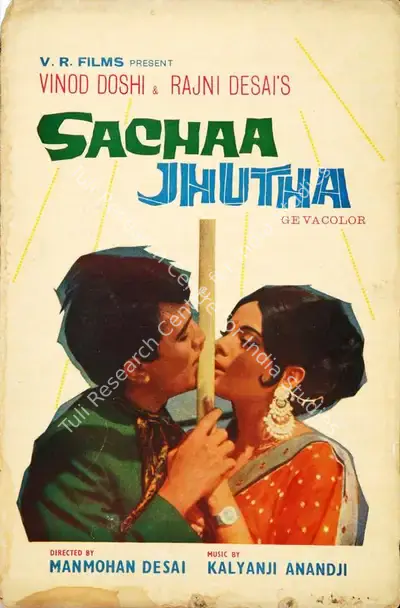
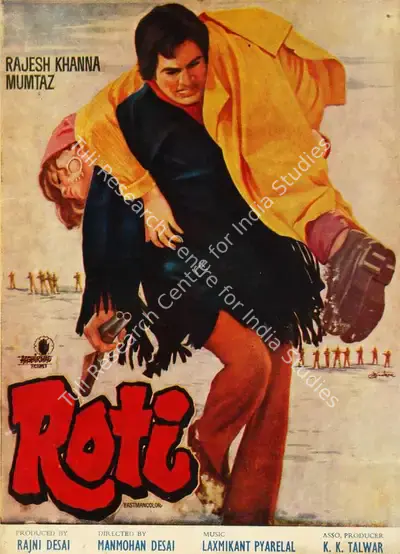
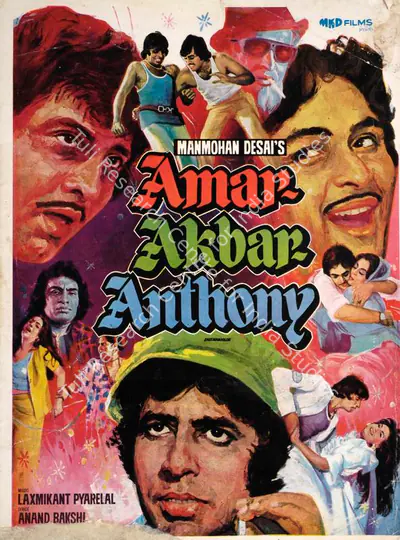
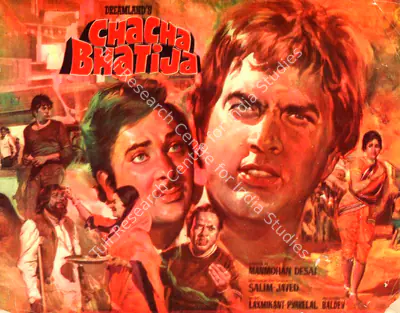
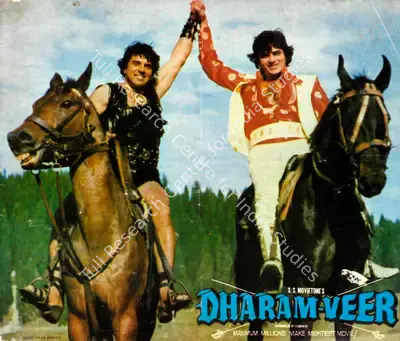
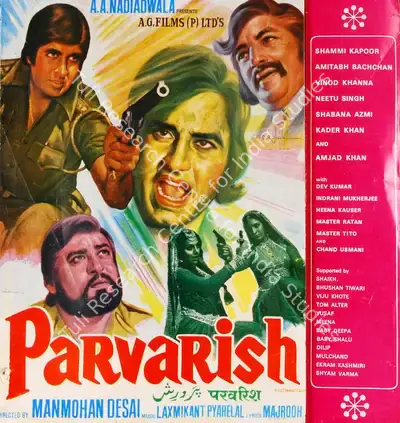
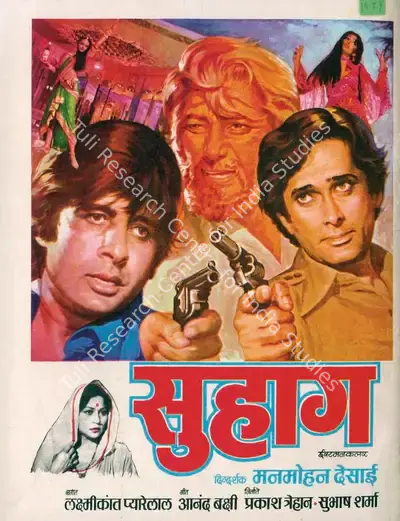
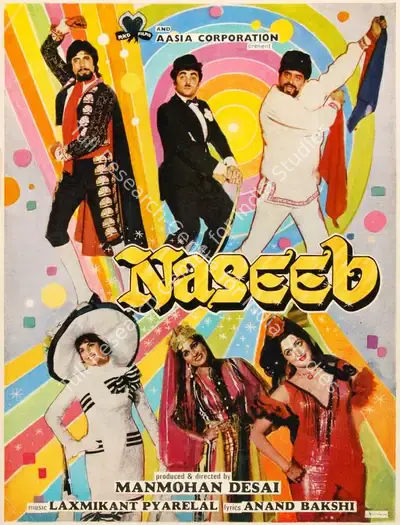
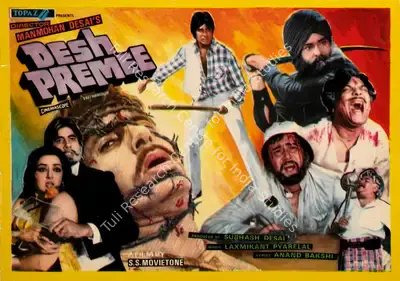
Desai's filmography includes a succession of landmark works that exemplify his narrative and stylistic signatures. Among his most celebrated films are Amar Akbar Anthony (1977), Dharam Veer (1977), Parvarish (1977), and Chacha Bhatija (1977), a cluster of releases that rendered 1977 an annus mirabilis in his career. This period was preceded and followed by other major successes such as Sachaa Jhutha (1970), Roti (1974), Suhaag (1979), and Naseeb (1981), each contributing to his formidable reputation at the box office. Although Desh Premee (1982) underperformed, Desai swiftly recovered with Coolie (1983)—notably associated with a near-fatal on-set accident involving Bachchan—and later with Mard (1985). His subsequent projects, including Gangaa Jamunaa Saraswathi (1988), as well as his work as a producer on films like Toofan (1989) and Anmol (1993), reflect a sustained, if uneven, engagement with the evolving industry.
Across a career spanning nearly three decades, Desai directed twenty films, of which a significant majority achieved commercial success, underscoring his acute understanding of audience preferences. His personal life, marked by his marriage to Jeevanprabha Desai and later engagement to actress Nanda, remained largely private. He died on 1 March 1994 under circumstances that have been the subject of speculation, bringing to a close the life of a filmmaker whose legacy continues to inform the grammar of mainstream Indian cinema.
देसाई का सिनेमा भारतीय जनता की भावनाओं से गहराई से जुड़ा हुआ है। उनकी फ़िल्मों में कठोर यथार्थवाद की कोई परवाह नहीं करके संयोग, भावुक अतिरेक और नैतिक स्पष्टता को प्रमुखता दी गई है। उनकी कथा संरचना का केंद्रबिंदु बिछड़ने और पुनर्मिलन का आवर्ती भाव था, जिसे अक्सर " लॉस्ट एंड फाउंड" कथानकों के माध्यम से व्यक्त किया जाता था, जो पारिवारिक बंधनों, धर्मनिरपेक्ष सह-अस्तित्व और न्याय की अंतिम विजय को प्रमुखता देते थे। इस संदर्भ में उन्हें अक्सर प्रकाश मेहरा और नासिर हुसैन जैसे समकालीन फ़िल्मकारों के साथ मसाला सिनेमा के प्रमुख फ़िल्मकारों में गिना जाता है।
गुजराती परिवार में जन्मे देसाई को फ़िल्म उद्योग से जुड़ाव विरासत में मिला था, उनके पिता किकुभाई देसाई पहले से ही फ़िल्म उद्योग से जुड़े हुए थे और पैरामाउंट स्टूडियो के मालिक थे। उनके प्रारंभिक करियर को उनके भाई सुभाष देसाई ने आकार दिया, जिन्होंने देसाई की पहली निर्देशित फ़िल्म छलिया (1960) का निर्माण किया था। समय के साथ, देसाई ने अमिताभ बच्चन के साथ एक मज़बूत रचनात्मक साझेदारी विकसित की, जिसने न केवल बच्चन के सुपरस्टारडम को मजबूत किया बल्कि हिंदी लोकप्रिय सिनेमा के एक युग को भी परिभाषित किया।
देसाई की फ़िल्मोग्राफ़ी में कई ऐसी ऐतिहासिक फ़िल्में शामिल हैं जो उनकी कथा शैली और शैलीगत विशिष्टताओं का उदाहरण प्रस्तुत करती हैं। उनकी सबसे चर्चित फ़िल्मों में अमर अकबर एंथोनी (1977), धर्म वीर (1977), परवरिश (1977) और चाचा भतीजा (1977) शामिल हैं। इन फ़िल्मों की एक श्रृंखला ने 1977 को उनके करियर का एक शानदार वर्ष बना दिया। इस दौर से पहले और बाद में भी उन्हें कई बड़ी सफलताएँ मिलीं, जैसे सच्चा झूठा (1970), रोटी (1974), सुहाग (1979) और नसीब (1981), जिनमें से प्रत्येक ने बॉक्स ऑफ़िस पर उनकी जबरदस्त प्रतिष्ठा को स्थापित करने में योगदान दिया। हालाँकि देश प्रेमी (1982) बॉक्स ऑफ़िस पर अच्छा प्रदर्शन नहीं कर पाई, लेकिन देसाई ने कुली (1983) से तुरंत वापसी की - जो विशेष रूप से अमिताभ बच्चन से जुड़े एक घातक ऑन-सेट हादसे से संबंधित है। इसके बाद में मर्द (1985) जैसी सफल फ़िल्म भी उन्होंने दिया। उनकी बाद की परियोजनाएं, जिनमें गंगा जमुना सरस्वती (1988) शामिल है, साथ ही तूफ़ान (1989) और अनमोल (1993) जैसी फ़िल्मों में निर्माता के रूप में उनका काम, बदलते हुए उद्योग के साथ एक निरंतर और असमान, जुड़ाव को दर्शाता है।
लगभग तीन दशकों के अपने करियर में, देसाई ने बीस फ़िल्मों का निर्देशन किया, जिनमें से अधिकांश व्यावसायिक रूप से सफल रहीं, जो दर्शकों की पसंद की उनकी गहरी समझ को दर्शाती हैं। उनका निजी जीवन, जिसमें जीवनप्रभा देसाई से विवाह और बाद में अभिनेत्री नंदा से संबंध शामिल थी जो काफी हद तक निजी रहा। 1 मार्च 1994 को उनका निधन ऐसी परिस्थितियों में हुआ, जो लंबे समय तक अटकलों का विषय बनी रहीं। उनके निधन के साथ एक ऐसे फ़िल्मकार के जीवन का अंत हुआ, जिसकी विरासत आज भी भारतीय मुख्यधारा सिनेमा की भाषा और व्याकरण को गहराई से प्रभावित करती है।
Filmography 27
Research Centre



Posts 1
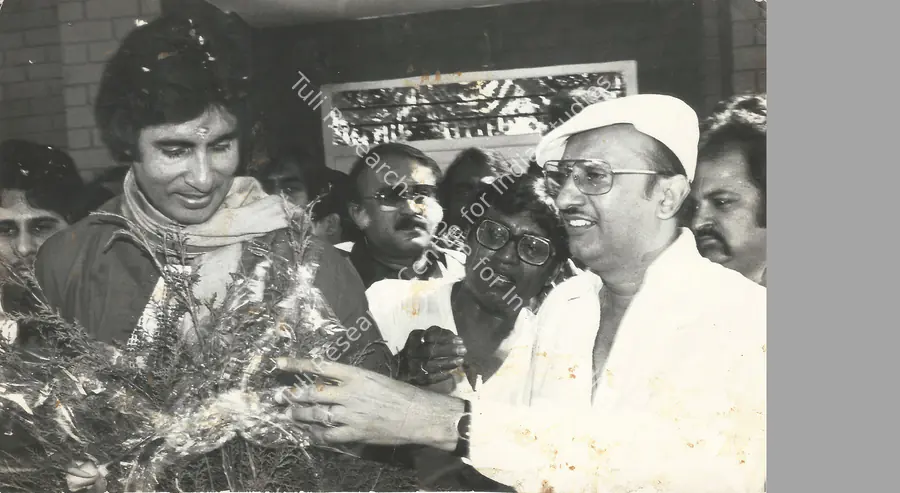
- A working still from Manmohan Desai's 1983 film Coolie, produced under the banner M.K.D. Films Combine and Aasia Films Pvt. Ltd., was captured on Amitabh Bachchan's return to the shooting of the film after his prolonged stay in hospital. Coolie remains an integral part of the illustrious filmography of Amitabh Bachchan and one of the landmark films of the collaboration between Bachchan and Desai. A classic example of the masala films, Coolie was a blockbuster hit. The film bore all the famous tropes of lost and found family members, romance and a trusted animal coming to the aid of the hero. The film was also spotlit for the near fatal accident that occurred on the sets of the film during a fight scene between Bachchan and Puneet Issar, leaving the former hospitalised for two months at Breach Candy Hospital, Bombay, while the entire nation prayed for the superstar's recovery. Kader Khan, who played the role of the main antagonist in the film also served as its writer, incorporating several references to Sufi mysticism in the script. The sacred number 786, served as the badge number of the coolie Iqbal (played by Bachchan), his falcon named Allah Rakha (meaning in God's protection), and a shroud from the Haji Ali Dargah which landed on Iqbal's shoulder during the final scenes of the film, as he took his revenge from Zafar, killing him at the end while nearly surviving multiple injuries himself. The climax of the film was changed and re-shot after Bachchan's return from hospital capitulating to audience sentiment, which had feverishly prayed for their hero's safe recovery. Prayag Raaj, a trusted collaborator of Desai, directed and co-wrote the script of the film along with some songs. Desai's name was later added as the co-director of the film to get better distribution price; he was originally the producer of the film. Coolie went on to become one of the ten highest grossing films of the decade and the biggest hit of 1983, exceeding 75 weeks in several regional centres with people sleeping overnight at theatres to secure a place in next morning's booking queues.
Related
24
Films
17
Personalities
6