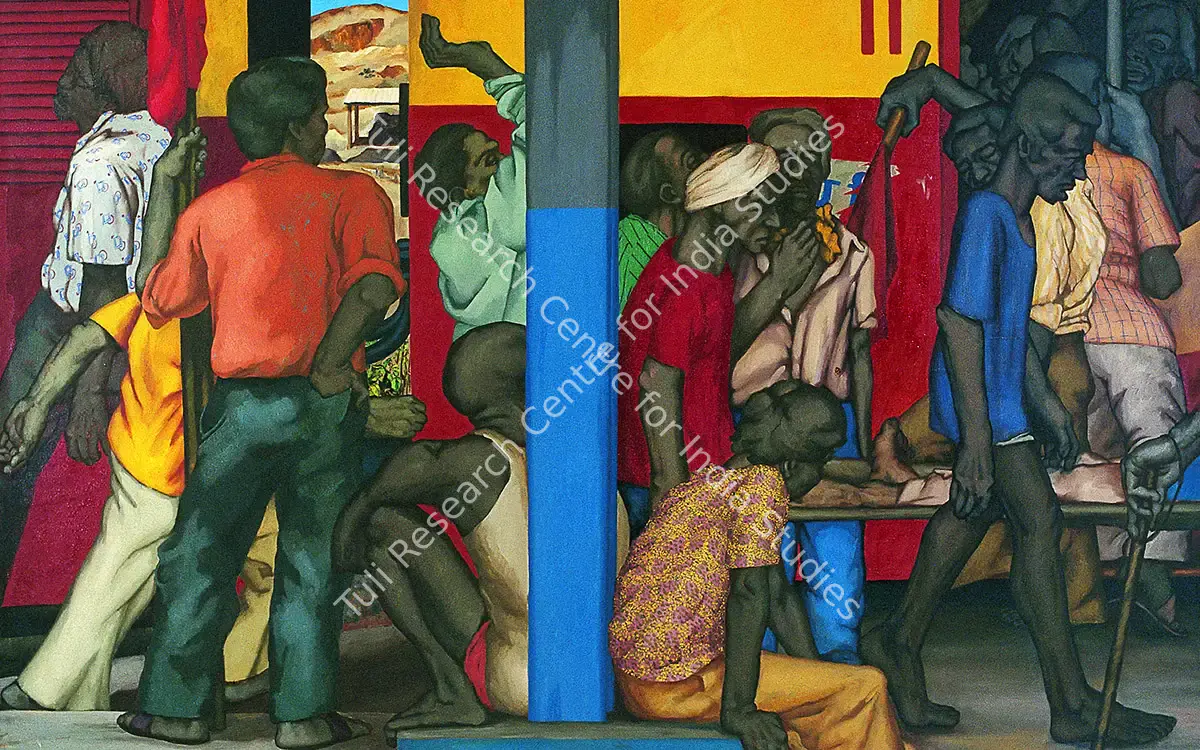
Introduction
- Zodiac sign
- Capricorn
- Place of Birth
- Pune, Maharashtra, India
- Spouse(s)
- Shanta kallianpurkar
- Year Marriage Registered
- 1974
- State Country of Birth
- Maharashtra, India
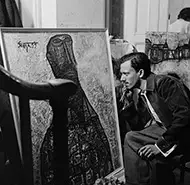
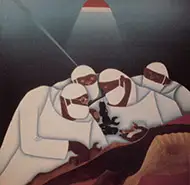
- Self-taught Artist
1972
- Graduated in Medicine from the Armed Forces Medical College, Pune, India
1981
- Participation in Artist Camp, Kasauli, Himachal Pradesh, India
1982
- Participation in Artist Camp, Braunschweig, Germany
1983
- Participation in Artist Camp, Kasauli, Himachal Pradesh, India
1990
- Kerala Lalit Kala Akademi, Ponmudi, Kerala, India
1995
- Art in the Post-Modern Age, Mohile Parikh Centre for the Visual Arts, Mumbai, India
Exhibitions
1974
- Bombay Art Society, Jehangir Art Gallery, Mumbai, India
1975
- Bombay Art Society, Jehangir Art Gallery, Mumbai, India
1976
- Bombay Art Society, Jehangir Art Gallery, Mumbai, India
1979
- Madhya Pradesh Kala Parishad, Bhopal, India
1981
- Place for People, Jehangir Art Gallery, Mumbai, India
- Place for People, Rabindra Bhavan, New Delhi, India
1982
- Aspects of Modern Indian Art, Oxford, London, UK
- Inaugural Exhibition, Roopankar, Bharat Bhavan, Bhopal, India
- Seven Indian Artists, Worpswede, Hanover, Hamburg, Bayreuth, Braunschweig, Germany
- Contemporary Indian Art, Festival of India, London, UK
1984
- Ten Artists, Gallery 7, Mumbai, India
- Jehangir Art Gallery, Mumbai, India
1985
10 Dec 1985
- 2 nd Conference - All India League of Revolutionary Culture, Dhanbad, India
1986
- Exhibition Organised by Altaf Mohammadi, New Habib High School, Mumbai, India
20 of 202
1 / 6
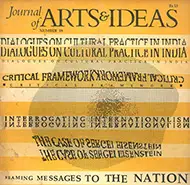
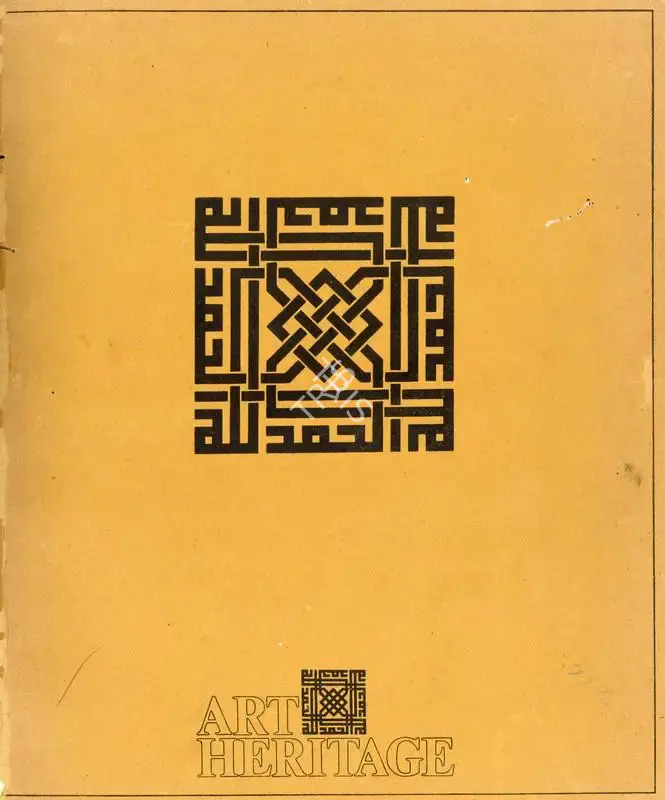
Alkazi, Ebrahim (Editor). Art Heritage, 1978-1979 | Journal
Loading...
Loading...
Chronicled Highlights
Economics of Art
Loading...
Loading...
Loading...
Research Centre
Posts 2
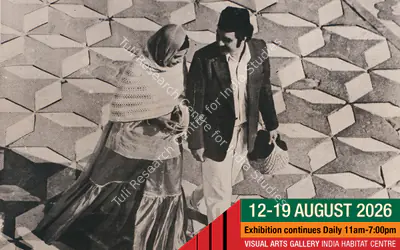
- "What does 𝗦𝘄𝗮𝗿𝗮𝗷 truly mean? Is freedom achieved at a single historic moment or period, or must self-rule be continually imagined, questioned and renewed? India's journey towards Swaraj was shaped not by one voice or one path, but through reform and resistance, revolution and non-violence, political thought, public protest, art, print, photography, cinema and the collective will of its people. The Tuli Research Centre for India Studies (T.R.I.S.) presents 𝗦𝗪𝗔𝗥𝗔𝗝: 𝗥𝗲𝘃𝗶𝘀𝘂𝗮𝗹𝗶𝘀𝗶𝗻𝗴 𝗜𝗻𝗱𝗶𝗮'𝘀 𝗣𝗼𝗹𝗶𝘁𝗶𝗰𝗮𝗹 𝗛𝗶𝘀𝘁𝗼𝗿𝘆, a pioneering exhibition curated by Neville Tuli. Bringing together rare artworks, prints, photographs, books, film publicity art, political propaganda and visual-textual-audio archives, SWARAJ traces India's complex journey towards political self-rule and self-discovery. From early European coastal encounters, the Bengal Renaissance and the First War of Independence in 1857 to the rise of Bharat Mata, the Tiranga, Gandhiji's inspired satyagraha, civil disobedience and mass mobilisation, the exhibition explores how the idea of India was envisioned, contested and transformed. It journeys through revolutionary movements and non-violence, subaltern uprisings, the Partition, the Constitution, the integration of the Princely States, the Emergency, wars, civic dissent and people's protests. It also foregrounds the vital role of artists, photographers, publishers, newspapers, journals, cartoons and cinema in recording and shaping the nation's political consciousness. SWARAJ invites us to encounter history not as something distant or settled, but as a daily living inheritance that continues to influence who we are and how we understand freedom, identity, and ourselves today. Watch the video for a glimpse into this expansive visual journey, and follow the exhibition as it revisualises India's political history through art, image, text and sound.
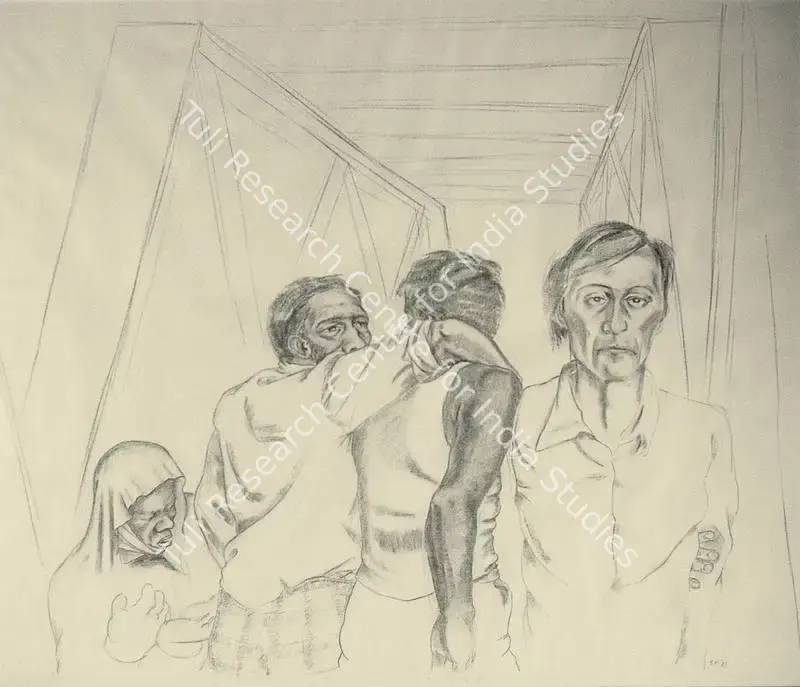
- How did Sudhir Patwardhan bring marginalised lives within the modern city into public view? In “Overbridge” (1981) four people coincide upon a pedestrian bridge. This wonderfully large pencil drawing preceded Patwardhan's oil painting of the same title. Two men walk with their arms across each other's shoulders, suggesting that very Indian form of camaraderie within every city. A solitary man faces us Kafkaesque like, while a veiled woman at the edge appears marked by illness, possibly leprosy, and exclusion. Patwardhan observes them as they truly are, as stoic rather than heroic subjects. Created amid social and economic change, Overbridge reflects urban alienation and marginalisation. Subaltern Studies was also taking shape, bringing lives excluded from dominant histories into focus. Patwardhan similarly gives overlooked urban subjects visibility and dignity. Trained as a doctor, Patwardhan works as a radiologist in Thane alongside his self-taught artistic practice. Encounters with commuters, labourers and patients shape his urban realism, a genuinely empathic expression of our people and their daily grind endured with grace and resilience, but not romanticised. Within SWARAJ: Revisualising India's Political History Exhibition, the drawing asks how freedom is experienced at society's margins, placing dignity, recognition and companionship at the heart of Swaraj. Artwork: Overbridge (1981), Pencil Drawing on paper Artist: Sudhir Patwardhan
Calendar 4
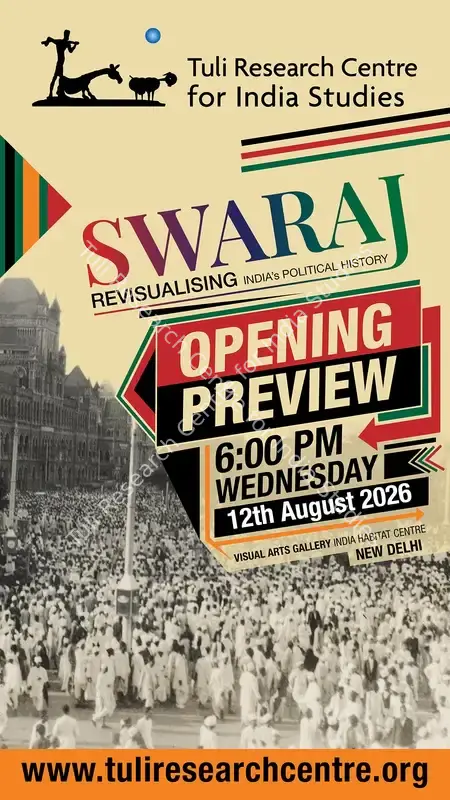
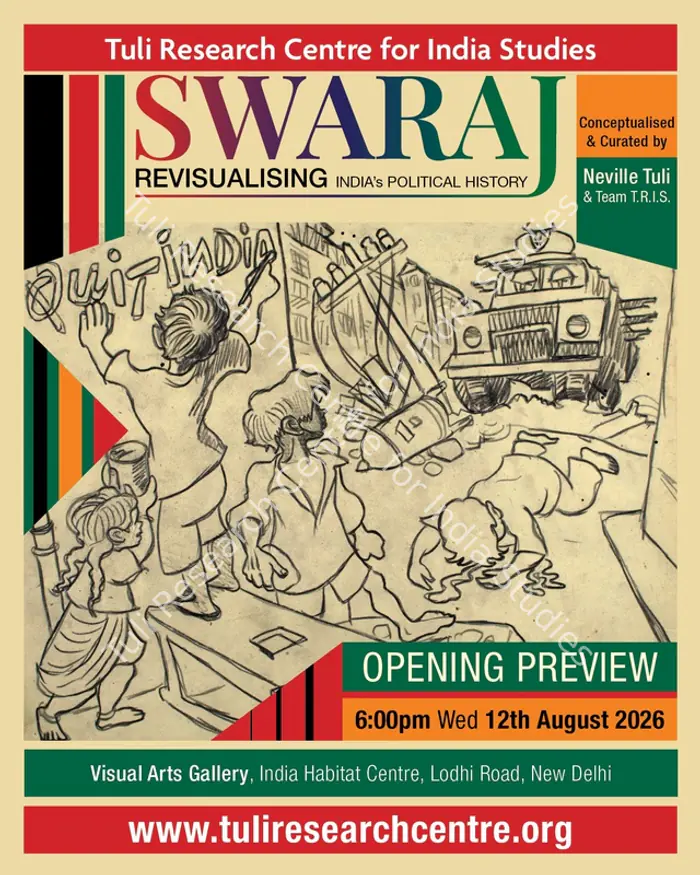
- ArchivedOpening PreviewProject 82SWARAJ - Revisualising India's Political HistoryAn Exhibition of Modern & Contemporary Fine & Popular Arts, Photography, Film Memorabilia and Visual-Textual-Audio Archive12th August 20266:00 PM - 9:00 PMVisual Arts Gallery, India Habitat Centre, Lodhi Road, New Delhi,The Tuli Research Centre for India Studies (T.R.I.S.) announces its seventh exhibition. “Swaraj – Revisualising India's Political History” -- An exhibition of Modern and Contemporary Fine and Popular Arts, Photography, Film Memorabilia and Visual-Textual-Audio Archives. Swaraj will open at 6 p.m. on Wednesday, 12 August 2026 at the Visual Arts Gallery and will remain open till 7 p.m. Sunday, 16 August 2026. Tuli Research Centre for India Studies (T.R.I.S.) presents SWARAJ | Revisualising India's Political History, a pioneering inter-disciplinary offline-online exhibition conceptualised and curated by Neville Tuli with Team T.R.I.S.. SWARAJ explores India's journey towards political self-rule and self-discovery through a remarkable collection of rare modern and contemporary fine and popular arts, albums, photographs, books, prints, propaganda, cartoons, film publicity artworks and other "text-visual-audio" archives contextualised within a clear historical framework, which defines T.R.I.S.' pedagogic approach to learning. The Exhibition will be of particular interest to students and scholars of India & Cultural Studies, and India's political and modern histories as well as those interested in the passage of events and ideas from the mid-1850s leading up to the turn of the 21st century. Unique to the Tuli Research Centre for India Studies is the richness of visual material that not only exhorts a deeper understanding of the art and archival materials on display but also brings alive the multi-layered narratives of the exhibition and naturally India's journey in being ad searching for herself.Read More →
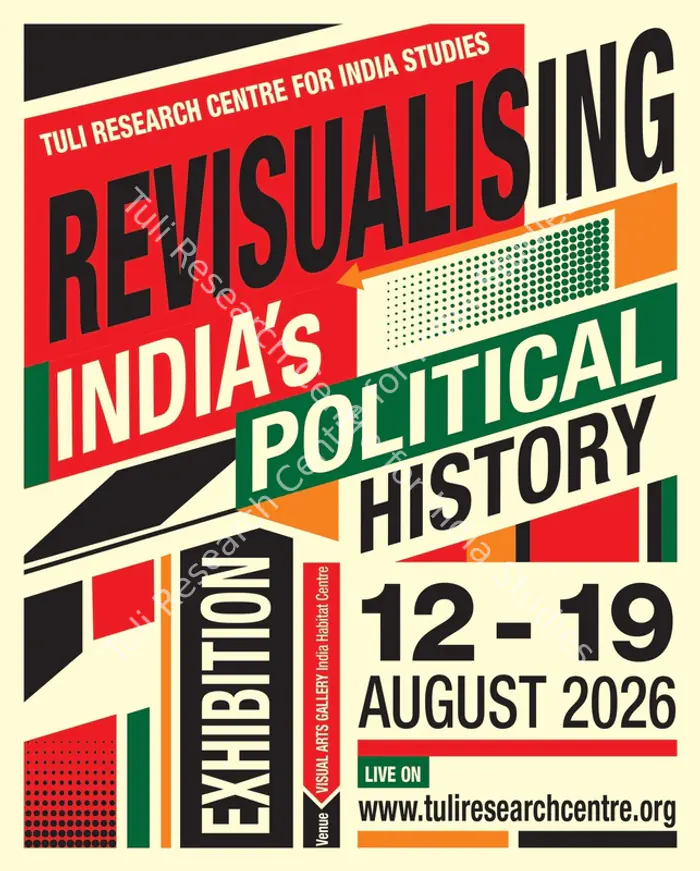
- ArchivedExhibitionProject 81SWARAJ - Revisualising India's Political HistoryAn Exhibition of Modern & Contemporary Fine & Popular Arts, Photography, Film Memorabilia and Visual-Textual-Audio Archive12th - 19th August 202610:00 AM - 7:00 PMVisual Arts Gallery, India Habitat Centre, Lodhi Road, New Delhi,19The Tuli Research Centre for India Studies (T.R.I.S.) announces its seventh exhibition. “Swaraj – Revisualising India's Political History” -- An exhibition of Modern and Contemporary Fine and Popular Arts, Photography, Film Memorabilia and Visual-Textual-Audio Archives. Swaraj will open at 6 p.m. on Wednesday, 12 August 2026 at the Visual Arts Gallery and will remain open till 7 p.m. Sunday, 16 August 2026. Tuli Research Centre for India Studies (T.R.I.S.) presents SWARAJ | Revisualising India's Political History, a pioneering inter-disciplinary offline-online exhibition conceptualised and curated by Neville Tuli with Team T.R.I.S.. SWARAJ explores India's journey towards political self-rule and self-discovery through a remarkable collection of rare modern and contemporary fine and popular arts, albums, photographs, books, prints, propaganda, cartoons, film publicity artworks and other "text-visual-audio" archives contextualised within a clear historical framework, which defines T.R.I.S.' pedagogic approach to learning. The Exhibition will be of particular interest to students and scholars of India & Cultural Studies, and India's political and modern histories as well as those interested in the passage of events and ideas from the mid-1850s leading up to the turn of the 21st century. Unique to the Tuli Research Centre for India Studies is the richness of visual material that not only exhorts a deeper understanding of the art and archival materials on display but also brings alive the multi-layered narratives of the exhibition and naturally India's journey in being ad searching for herself.Read More →
- ArchivedExhibitionProject 5Self Discovery via Rediscovering India Series Part IV Building www.tuliresearchcentre.org20th - 23rd February 2025Self Discovery via Rediscovering India Series Part IVRead More →
- ArchivedExhibitionProject 1Self-Discovery via Rediscovering India Series Inaugural Exhibition14th - 29th March 2024Inaugural ExhibitionRead More →
Related
44
Personalities
32
Institutions
9