
Introduction
- Date of Birth
- 21 Feb 1941
- Zodiac sign
- Pisces
- Place of Birth
- New Delhi, NCT of Delhi, India
- Spouse(s)
- (shobha broota )vasundhara tewari broota
- Year Marriage Registered
- 1995
- Children
- Daughter pooja irrana (fromm married to shobha broota)
- State Country of Birth
- NCT of Delhi, India
1960
- Graduated from the Delhi College of Art, New Delhi, India
1960 – 1964
1965
- Teacher, Delhi College of Art, New Delhi, India
1965 – 1967
- Teacher, Jamia Millia Islamia College, New Delhi, India
1965 – 1967
- Teacher, Sarada Ukil College, New Delhi, India
1965 – 1967
1967
- Head of Art Department, Triveni Kala Sangam, New Delhi, India
1987
- Senior Fellowship, Government of India
1987 – 1988
2000
- Participated in art camp at Kochi conducted by Kerala Tourism, Kochi, India
Exhibitions
1965
- Participated in several group shows at Delhi Silpi Chakra and elsewhere in New Delhi
1971
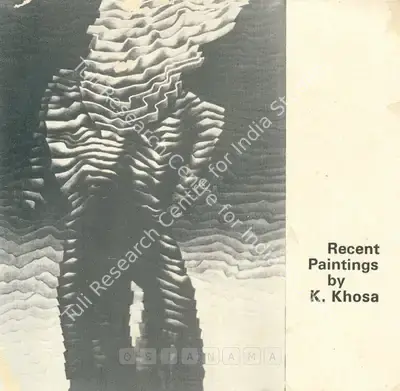
- Words and Lines, New Delhi, India (with K. Khosa)
1972
- Graphics - Group 8, Manchester, UK
1973
- Touring exhibition of Contemporary Indian Art in Poland, Yugoslavia, Sweden, Bulgaria and Belgium
1975
- Third International Triennale, Lalit Kala Akademi, Rabindra Bhavan, New Delhi, India
1976
- International Art Fair Biennale - Cagnes-Sur-Mer, France
1978
- Fourth International Triennale, Lalit Kala Akademi, Rabindra Bhavan, New Delhi, India
1980
- National Exhibition, Lalit Kala Akademi, Rabindra Bhavan, New Delhi, India
- Contemporary Indian Art, Dubai, UAE
1982
- Man Series, Kolkatta, India
- Fifth International Triennale, Lalit Kala Akademi, Rabindra Bhavan, New Delhi, India
- Modern Indian Painting' in Hirshhorn Museum and Sculpture Garden in Washington D.C, USA
- Contemporary Indian Paintings' in Darmstadt and other cities in West Germany
- India : Myth & Reality - Aspects of Modern Indian Art, Museum of Modern Art, Oxford, UK
1984
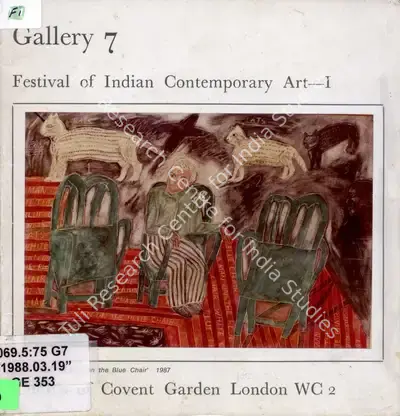
- Gallery 7, Mumbai, India
- National Exhibition, Lalit Kala Akademi, Rabindra Bhavan, New Delhi, India
- Tokyo Biennale, Tokyo, Japan
- Bangladesh Biennale, Bangladesh
1986
- Second Havana Biennale, Havana, Cuba
- 1st Baghdad Biennale - Festival of Art, Baghdad, Iraq
1982
- Man Series, Kolkatta, India
1984
- Gallery 7, Mumbai, India
1990
- Gallery 7, Mumbai, India
1991
1996
1997
- Gallery 7, Mumbai, India
1998
10 Dec 1998 to 21 Dec 1998
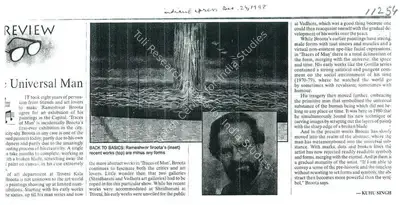
- A Selection of Works from His Foregoing Phases, Vadehra Art Gallery, New Delhi, India
2001
- Recent Paintings, Shridharani Gallery, Triveni Kala Sangam, New Delhi, India
2004
2005
- Archaeology of Experience, Gallerie 88, Kolkata, India (Organised by : Vadehra Art Gallery, New Delhi, India)
2007
08 Dec 2007 to 18 Dec 2007
2008
- Photographs by Rameshwar Broota, Sakshi Gallery, Mumbai, India (Organised by Vadehra Art Gallery, New Delhi, India)
24 Jan 2008 to 30 Jan 2008
2009
- Counterparts, Vadehra Art Gallery, New Delhi, India
14 Feb 2009 to 21 Feb 2009
- Counterparts, Shridharani Gallery, Triveni Kala Sangam, New Delhi, India
2011
- Rameshwar Broota: This End to the Other, Recent Photographs, Vadehra Art Gallery, D 40 Defence Colony, New Delhi, India
06 Mar 2011 to 31 Mar 2011
2012
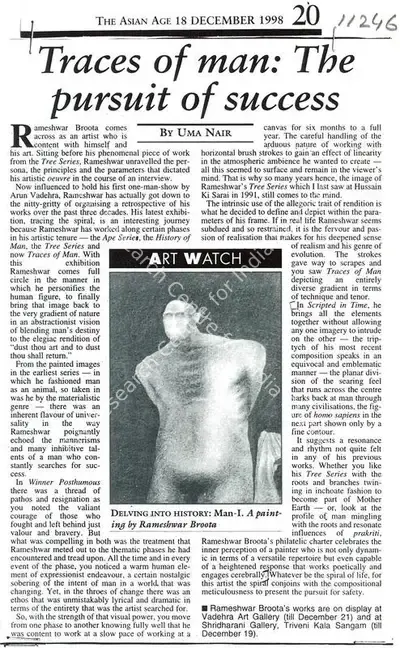
- Rameshwar Broota: 'Traces of Man' A solo show, XVA Gallery, Dubai, United Arab Emirates
05 Dec 2012 to 04 Jan 2013
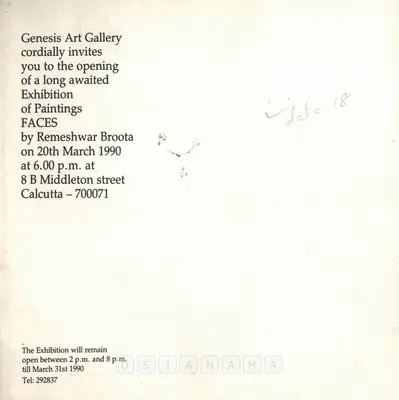
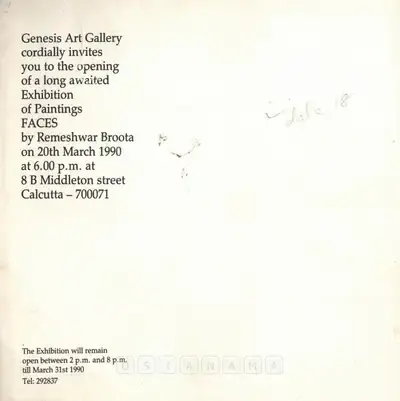
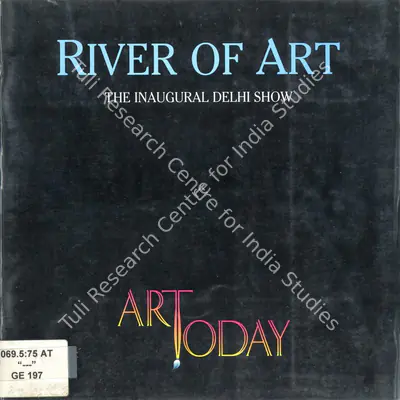
Broota, Rameshwar (Artist). Faces, 1990 | Solo Exhibition Invitation | 00858936
1965
- Participated in several group shows at Delhi Silpi Chakra and elsewhere in New Delhi
1971
- Words and Lines, New Delhi, India (with K. Khosa)
1972
- Graphics - Group 8, Manchester, UK
1973
- Touring exhibition of Contemporary Indian Art in Poland, Yugoslavia, Sweden, Bulgaria and Belgium
1975
- Third International Triennale, Lalit Kala Akademi, Rabindra Bhavan, New Delhi, India
1976
- International Art Fair Biennale - Cagnes-Sur-Mer, France
1978
- Fourth International Triennale, Lalit Kala Akademi, Rabindra Bhavan, New Delhi, India
1980
- National Exhibition, Lalit Kala Akademi, Rabindra Bhavan, New Delhi, India
- Contemporary Indian Art, Dubai, UAE
1982
- Fifth International Triennale, Lalit Kala Akademi, Rabindra Bhavan, New Delhi, India
- Modern Indian Painting' in Hirshhorn Museum and Sculpture Garden in Washington D.C, USA
- Contemporary Indian Paintings' in Darmstadt and other cities in West Germany
- India : Myth & Reality - Aspects of Modern Indian Art, Museum of Modern Art, Oxford, UK
1984
- National Exhibition, Lalit Kala Akademi, Rabindra Bhavan, New Delhi, India
- Tokyo Biennale, Tokyo, Japan
- Bangladesh Biennale, Bangladesh
1986
- Second Havana Biennale, Havana, Cuba
- 1st Baghdad Biennale - Festival of Art, Baghdad, Iraq
1987
- Festival of India, Geneva, Switzerland
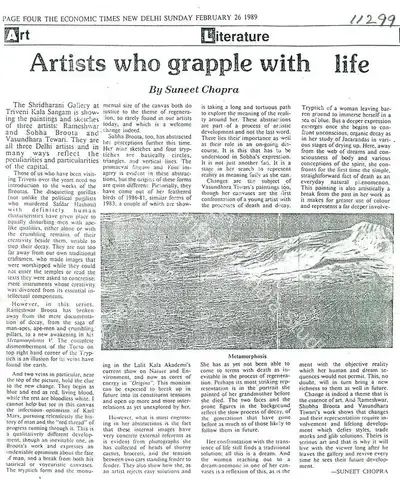
- Six Painters, Shridharani Gallery, Triveni Kala Sangam, New Delhi, India
Chronicled Highlights 22
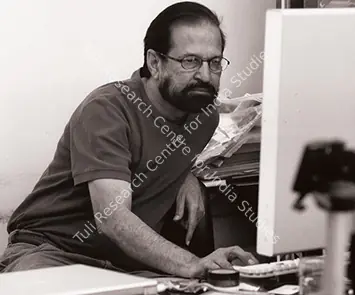
Rameshwar Broota was born in 1941 in New Delhi, NCT of Delhi, India.
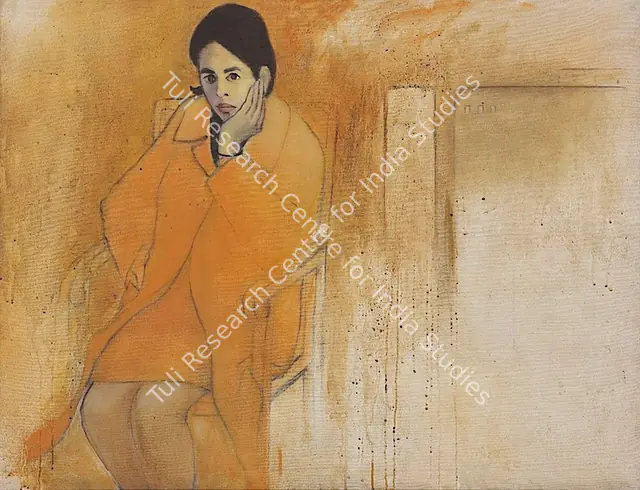
I want to go to spaces that are unseen, unknown, the so-called unconscious. But, the conscious and the unconscious exist side by side for me. When something happens or unfurls on the surface, it may seem accidental, but in reality, it has been cooking just beneath for a long time. As in Nature, nothing is an accident for me.
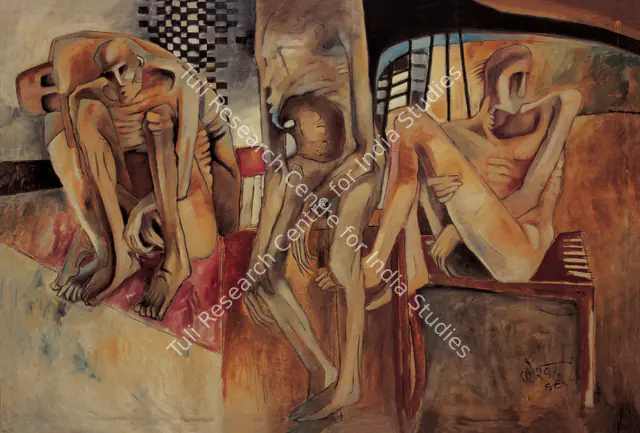
In 2003, the artist achieved a new high in the auction market with the sale of What To Do (1969), offered in the Forty Masterpieces: 20th Century Painting and Drawing from India, Pakistan, Bangladesh & Sri Lanka by Osian's, which concluded on 27 March 2003 at Mumbai, achieving a sale price of ₹24,20,000 ($50,776). This record marked a defining moment in the artist's market history, reflecting both the significance of the artwork and its reception within the broader art world.
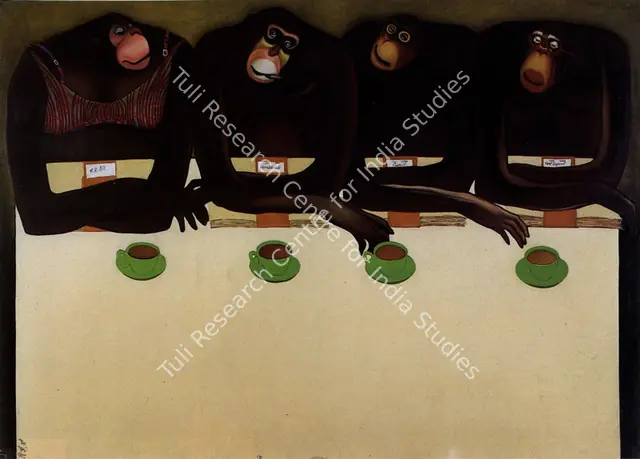
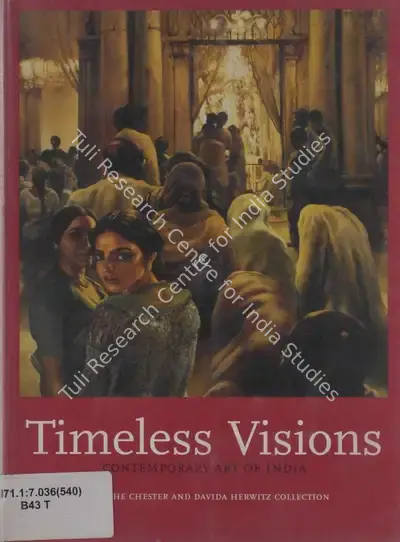
In 1995, the artist achieved a new high in the auction market with the sale of That Unending Story (1971), offered in the Contemporary Indian Paintings: From The Chester and Davida Herwitz Charitable Trust by Sotheby's, which concluded on 12 June 1995 at New York, achieving a sale price of ₹1,98,637 ($6,325). This record marked a defining moment in the artist's market history, reflecting both the significance of the artwork and its reception within the broader art world.
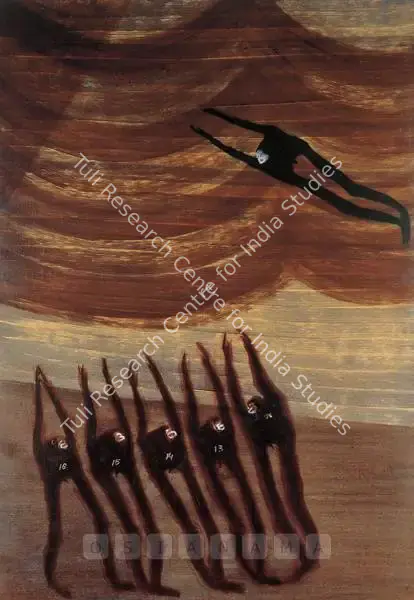
In 2005, the artist achieved a new high in the auction market with the sale of Queue (1971), offered in the Indian Contemporary Art: Paintings, Drawings & Sculpture by Osian's, which concluded on 09 February 2005 at Mumbai, achieving a sale price of ₹27,60,000 ($63,245). This record marked a defining moment in the artist's market history, reflecting both the significance of the artwork and its reception within the broader art world.
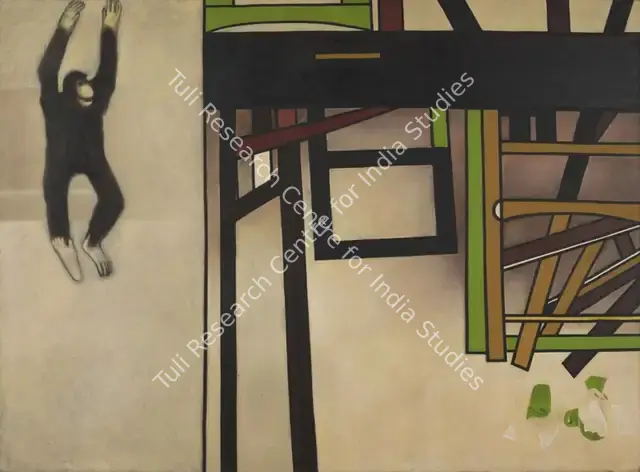
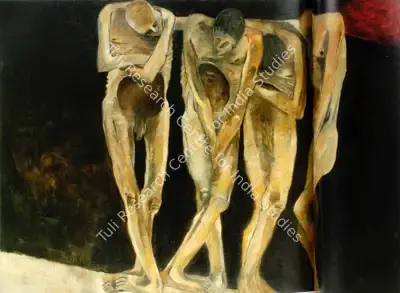
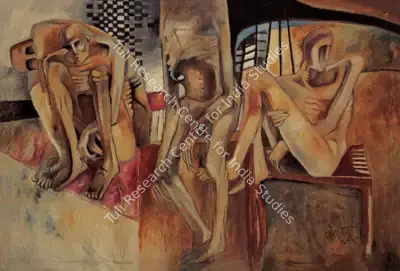
Ambivalence of body and being, spirit and matter, fragility and resilience
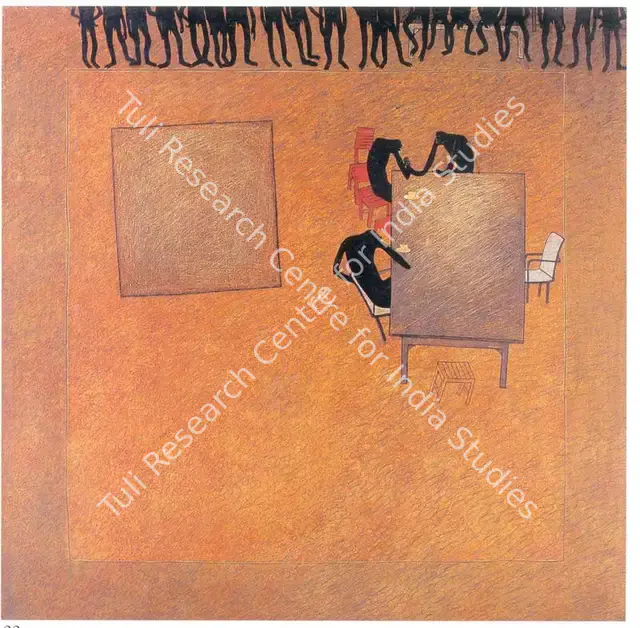
In 2000, the artist achieved a new high in the auction market with the sale of The Spectators (1978), offered in the Contemporary Indian Paintings: From the Chester and Davida Herwitz Collection by Sotheby's, which concluded on 05 December 2000 at New York, achieving a sale price of ₹4,49,280 ($9,600). This record marked a defining moment in the artist's market history, reflecting both the significance of the artwork and its reception within the broader art world.
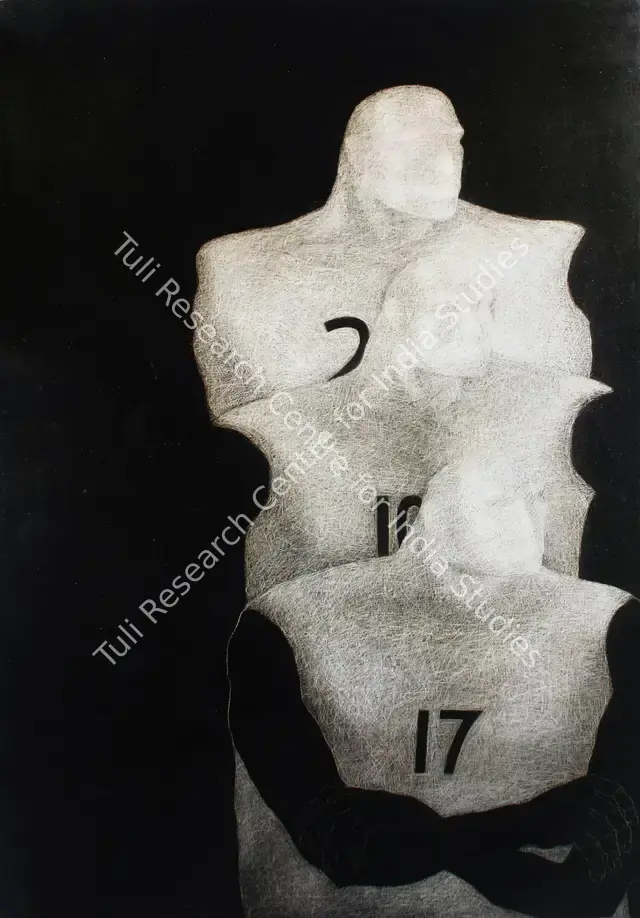
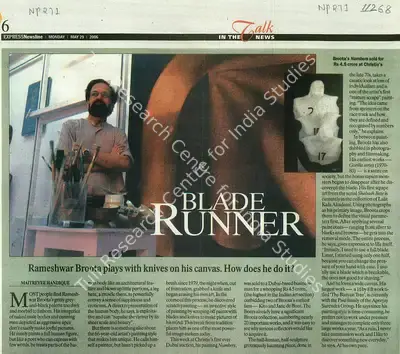
In 2006, the artist achieved a new high in the auction market with the sale of Numbers (1979), offered in the International Modern & Contemporary Art: Including Arab Indian, Iranian and Western Art by Christie's, which concluded on 24 May 2006 at Dubai, achieving a sale price of ₹4,17,05,760 ($912,000). This record marked a defining moment in the artist's market history, reflecting both the significance of the artwork and its reception within the broader art world.
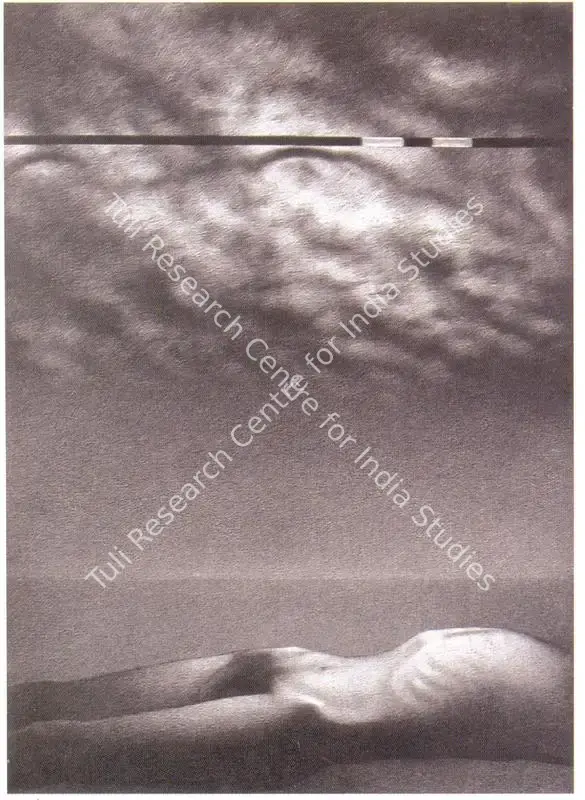
In 2000, the artist achieved a new high in the auction market with the sale of The Last Chapter (1982), offered in the Contemporary Indian Paintings: From the Chester and Davida Herwitz Collection by Sotheby's, which concluded on 05 December 2000 at New York, achieving a sale price of ₹8,42,400 ($18,000). This record marked a defining moment in the artist's market history, reflecting both the significance of the artwork and its reception within the broader art world.
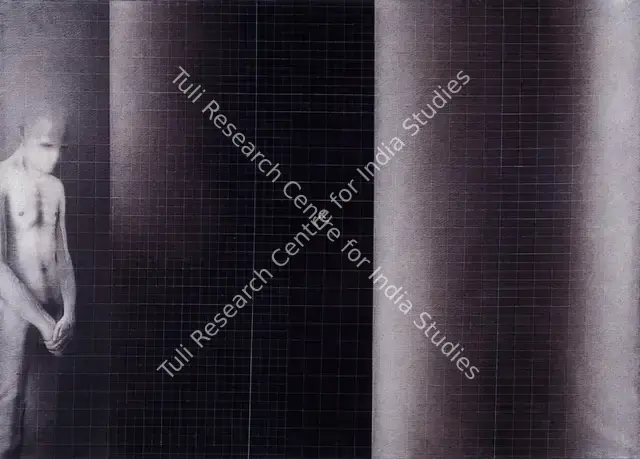
In 1995, the artist achieved a new high in the auction market with the sale of Man [14th] (1983), offered in the Contemporary Indian Paintings: From The Chester and Davida Herwitz Charitable Trust by Sotheby's, which concluded on 12 June 1995 at New York, achieving a sale price of ₹1,53,476 ($4,887). This record marked a defining moment in the artist's market history, reflecting both the significance of the artwork and its reception within the broader art world.
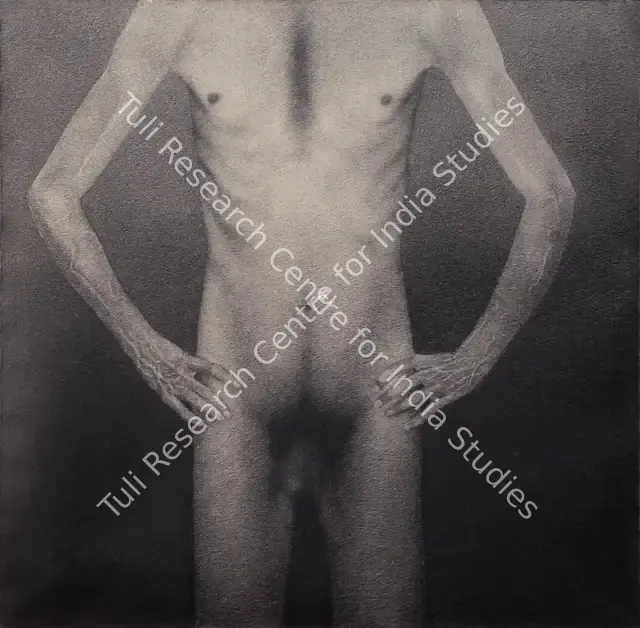
In 1997, the artist achieved a new high in the auction market with the sale of Man Xv (1983), offered in the The Intuitive-Logic II: Modern & Contemporary Indian Paintings, Drawings, Graphics, Sculpture & Tapestry by HEART, which concluded on 15 November 1997 at Mumbai, achieving a sale price of ₹3,40,000 ($9,254). This record marked a defining moment in the artist's market history, reflecting both the significance of the artwork and its reception within the broader art world.
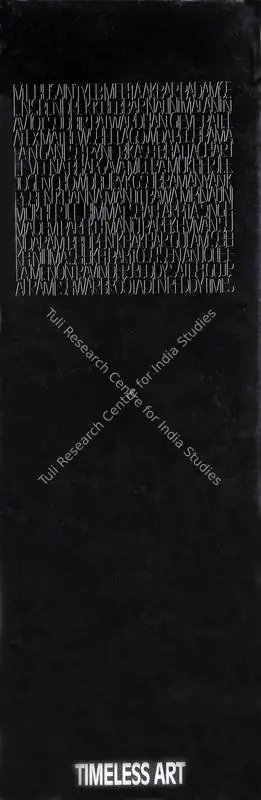
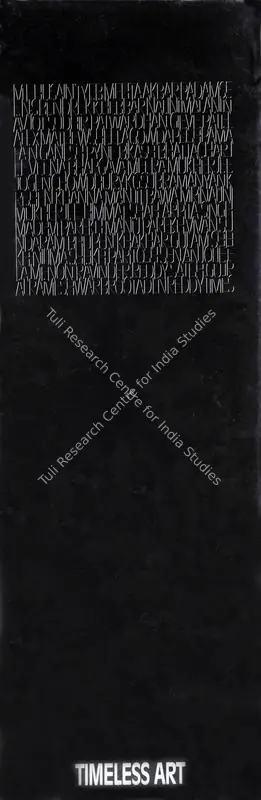
On 26 March 1989, Rameshwar Broota made their debut in the Indian public auction market when Captive was presented as Lot 28 in The Times of India Auction of Timeless Art (Charity Auction) by Sotheby's of London, conducted by Sotheby's in Bombay, India. This auction marked the artist's first recorded appearance in the public auction market, establishing the earliest chapter of their auction history.
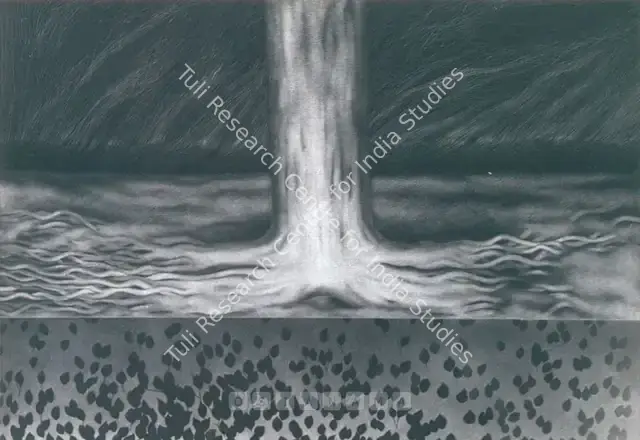
In 2002, the artist achieved a new high in the auction market with the sale of The Other Space (1992), offered in the Indian and Southeast Asian Art: Including 20th Century Indian Paintings by Christie's, which concluded on 19 September 2002 at New York, achieving a sale price of ₹13,88,686 ($28,680). This record marked a defining moment in the artist's market history, reflecting both the significance of the artwork and its reception within the broader art world.
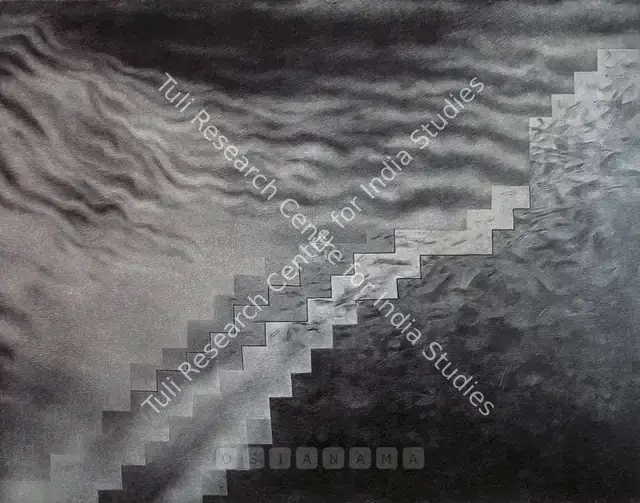
In 1999, the artist achieved a new high in the auction market with the sale of Vanishing Steps (1995), offered in the Intuitive-Logic - The Next Step: Auctions of Indian Art - Classical, Folk, Tribal, Modern & Contemporary Traditions by HEART, which concluded on 28 November 1999 at New Delhi, achieving a sale price of ₹4,41,000 ($10,161). This record marked a defining moment in the artist's market history, reflecting both the significance of the artwork and its reception within the broader art world.
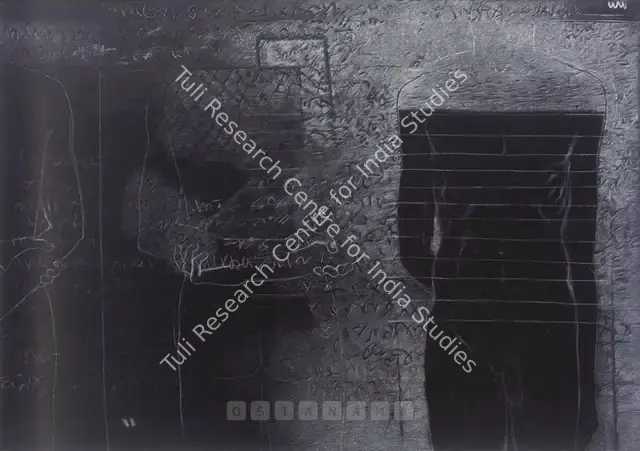
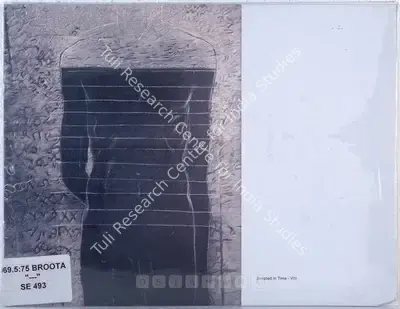
In 2005, the artist achieved a new high in the auction market with the sale of Scripted In Time VIII (1996), offered in the Indian and Southeast Asian Art: Including Modern Indian Paintings from The Wilberding Collection by Sotheby's, which concluded on 20 September 2005 at New York, achieving a sale price of ₹36,88,440 ($84,000). This record marked a defining moment in the artist's market history, reflecting both the significance of the artwork and its reception within the broader art world.
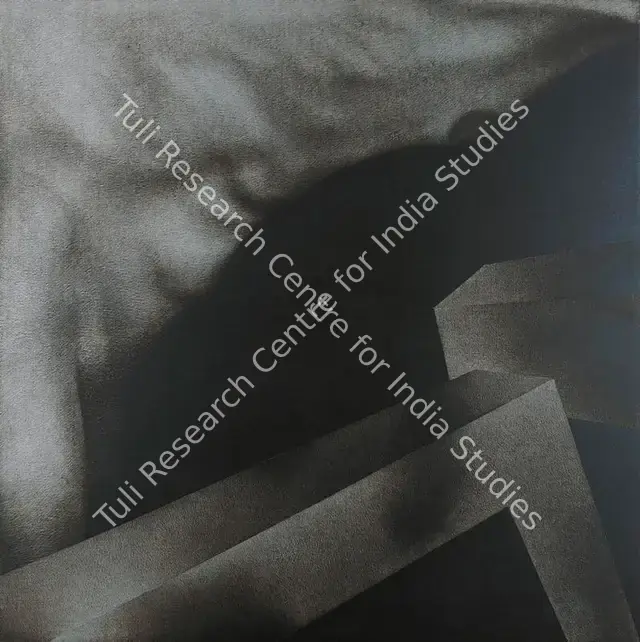
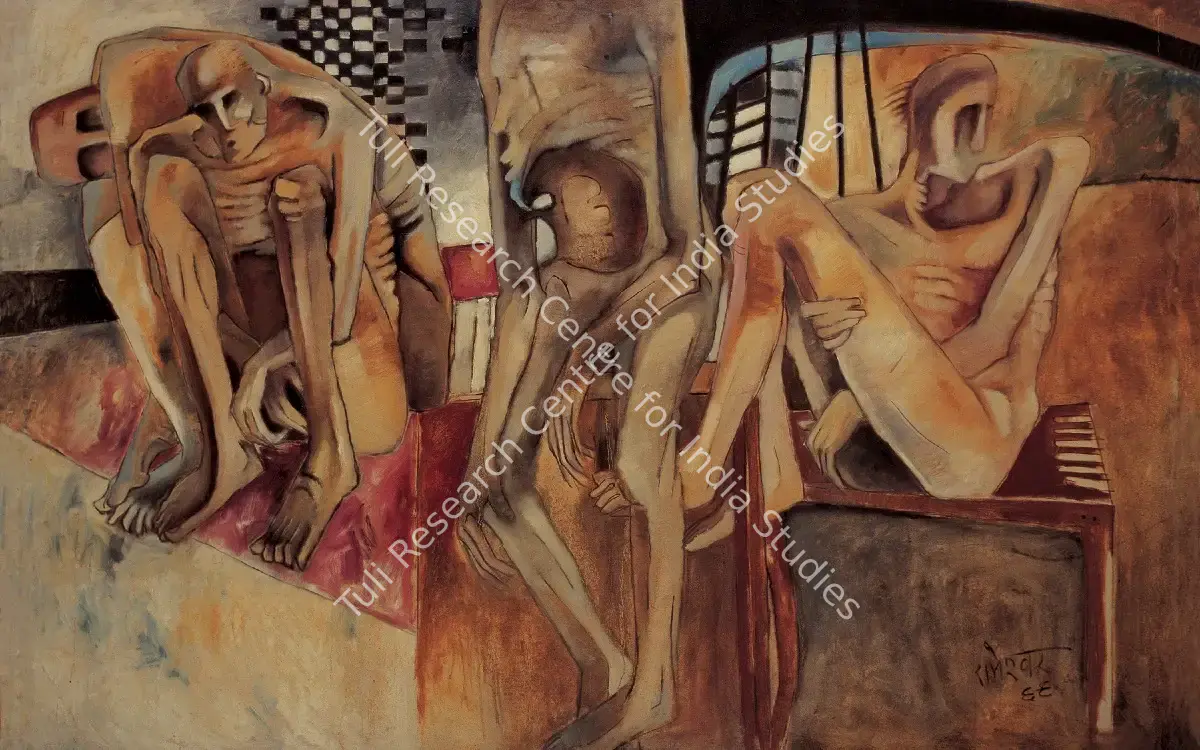
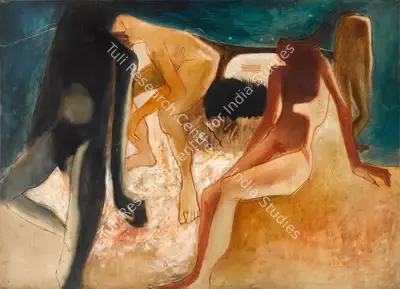
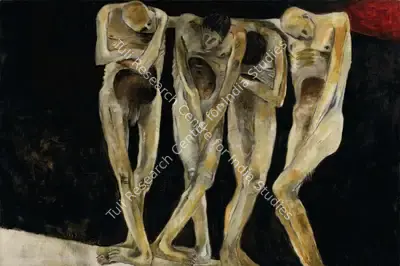
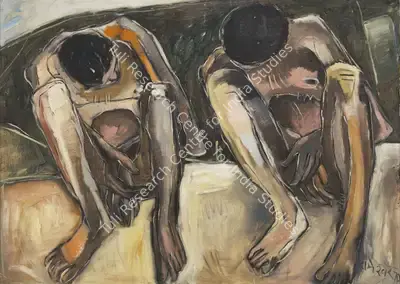
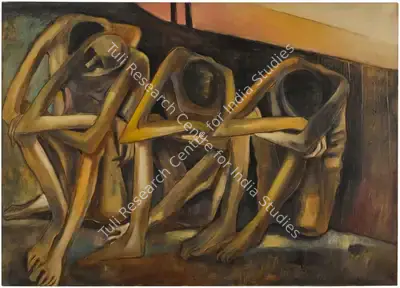
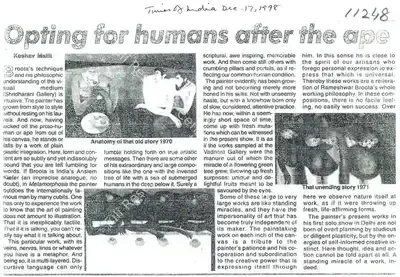
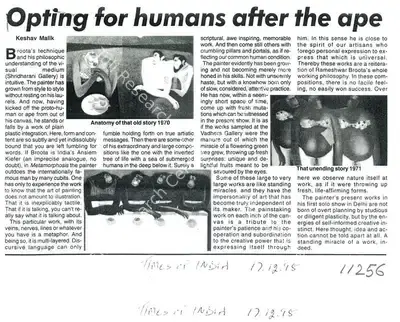
Some of these works, large, to very large, are like standing miracles, and they have the impersonality of art that has become truly independent of their maker but thereby also being a compelling presence. The painstaking working on each inch of the canvas is a tribute to the painter’s patience,… indeed proof of subordination of himself before the creative power that is working through him. In this sense he is close in spirit to our artisans who forego personal expression in favour of expressing that which is universal… but through the energies of a self-informed creative instinct, and wherein thought or idea and action cannot be told apart at all. A standing miracle of a work indeed.
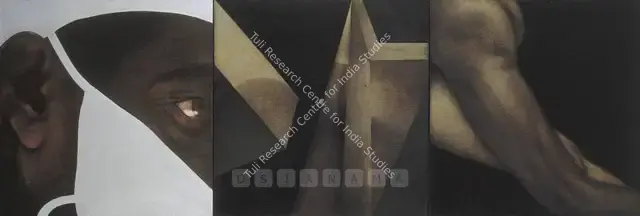
The painter is by now supreme for his brevity, of statement and also able to grasp the smallest detail with a hawk’s eye. But we may well ask, all that painstaking labour in aid of what cause? – those states of inward being writ large as life. Sharp indeed is the edge of his visual designs and quite like those of a honed scimitar. And he dividing and ruling his canvas most like a master strategist, ushers us before what is essential and not a mite more, not a dot in excess in any work. But still the feeling of incompleteness does not arise even from so cut to the bone a reality; rather, one magically seems to stand before a whole. Each of the portions, in his pictorial configurations, would seem to vibrate in unison, and our viewers eye does not even for a moment have to wander over the canvas in search of a work’s ostensible purport. Rather, the eye is spellbound, the impact of what is presented, overcoming us most like a tidal wave. The painter, full of the vital abundance of his inner knowledge of what is what, penetrates into the meaning of those of his subjects that inhabit his imagination.
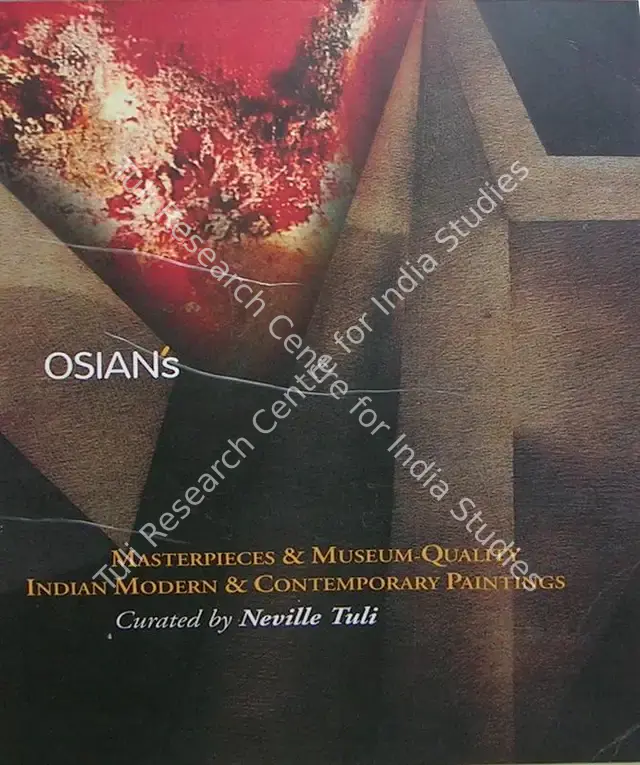
In 2002, an artwork by Rameshwar Broota was featured on the cover of Osians: Masterpieces & Museum Quality Indian Modern & Contemporary Paintings (December 2002, New York), marking a documented highlight in the artist's public and auction market visibility.
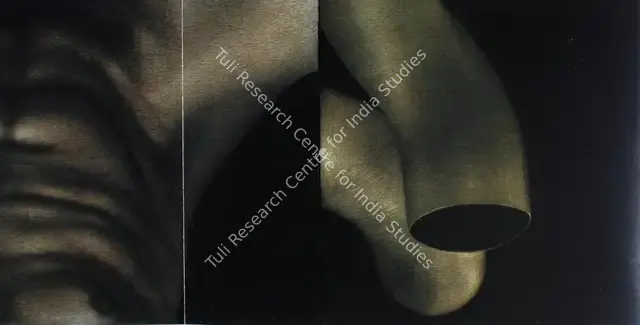
In 2005, the artist achieved a new high in the auction market with the sale of Untitled (2005), offered in the Winter Online Auction: Modern and Contemporary Indian Art by Saffronart, which concluded on 08 December 2005 at Online, achieving a sale price of ₹58,41,000 ($126,074). This record marked a defining moment in the artist's market history, reflecting both the significance of the artwork and its reception within the broader art world.
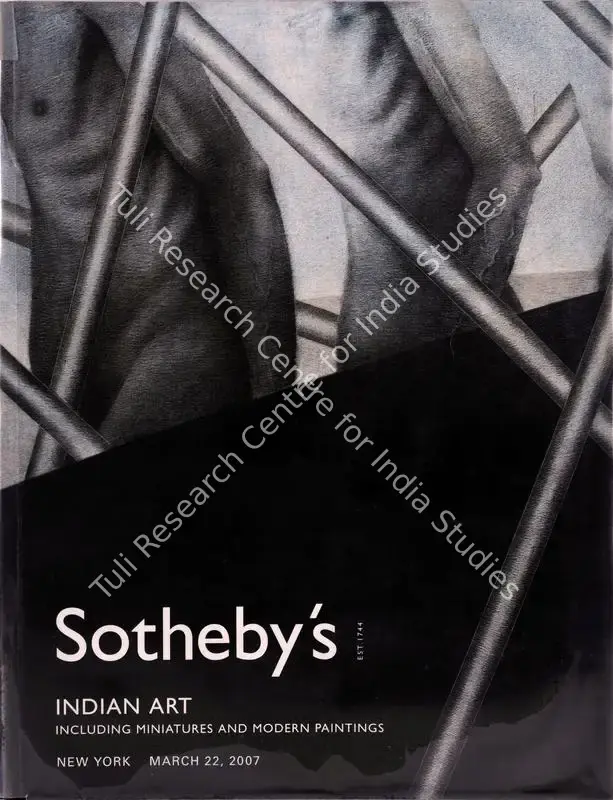
In 2007, an artwork by Rameshwar Broota was featured on the cover of Sotheby's: Indian Art (March 2007, Mumbai), marking a documented highlight in the artist's public and auction market visibility.
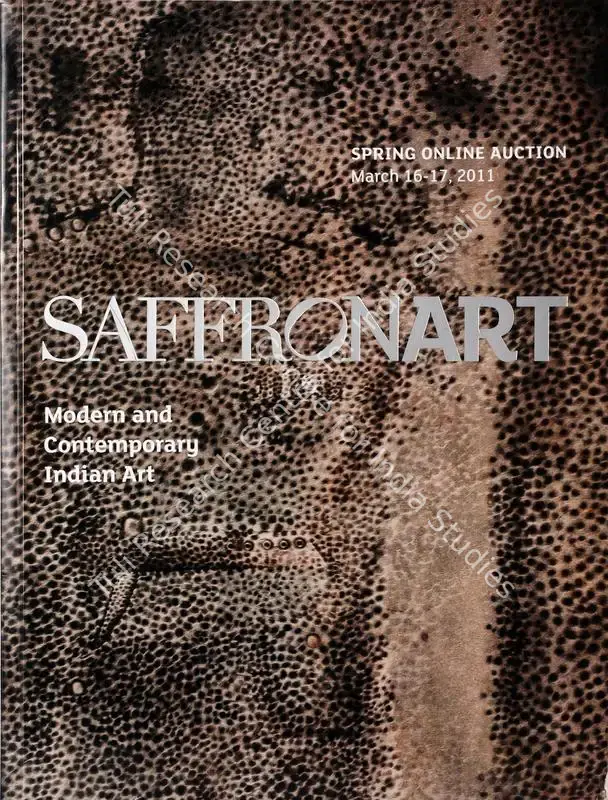
In 2011, an artwork by Rameshwar Broota was featured on the cover of Saffronart: Modern & Contemporary Indian Art (March 2011, London), marking a documented highlight in the artist's public and auction market visibility.
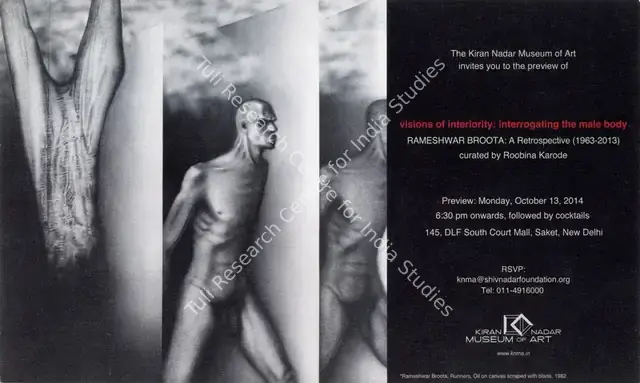
In 2014, Rameshwar Broota A Retrospective (1963 - 2013) marked a major milestone in the exhibition history of Rameshwar Broota, offering a retrospective survey of the artist's artistic production
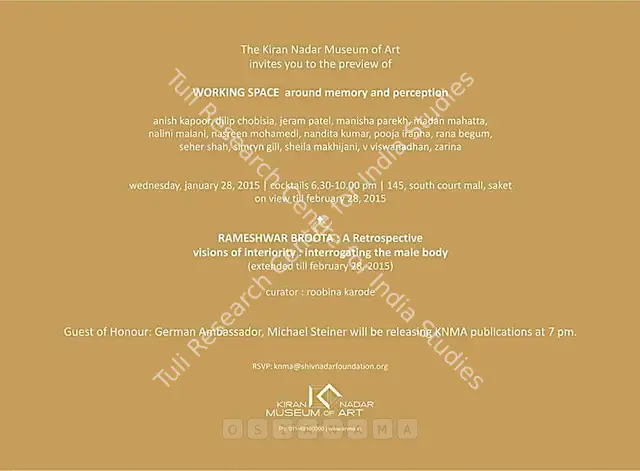
In 2015, Rameshwar Broota A Retrospective marked a major milestone in the exhibition history of Rameshwar Broota, offering a retrospective survey of the artist's artistic production
Economics of Art
Record-high lots14
Public Auction Market (1987–2026) | Select Indicators
Annual Auction Sale Turnover
It aggregates all sales across global auction houses into yearly totals.
Analysis reflected in the chart:
The turnover graph highlights periods of strong growth, moments of market correction, and resilience during downturns. Peaks often align with landmark works coming to public auction, while troughs may indicate reduced supply or weaker demand. Over time, the curve illustrates the overall trajectory of Rameshwar Broota’s public auction market presence.
Average Sale Price Per Lot
It smooths out fluctuations caused by the quantity of works offered and focuses on the Average Sale Price level per artwork.
Analysis reflected in the chart:
Rising average sale prices indicate growing collector confidence and a stronger willingness to pay higher amounts per work. Assuming the mix of mediums remains relatively stable over time, the proportion of works on paper typically priced lower than works on canvas adds important context to understanding these market movements.
Square Inch Rate Trend
This allows fair comparisons between smaller works and larger canvases.
Analysis reflected in the chart:
The Square Inch Rate shown in the graph combines various medium types such as canvas, paper, board, and others. Historically, works on canvas and board have broadly commanded higher prices compared to works on paper.
1973
- All India Fine Arts and Crafts Society Award, New Delhi, India
1975
- All India Fine Arts and Crafts Society Award, New Delhi, India
1976
- Award for Graphics, Hyderabad Art Society, Hyderabad, India
1980
- Man-II, National Award, Lalit Kala Akademi, New Delhi, India
1981
- National Award, National Exhibition, Lalit Kala Akademi, New Delhi, India
1984
- Man-17, National Award, National Exhibition, Lalit Kala Akademi, New Delhi, India
1988
- L.N. Gupta Memorial Award, New Delhi, India
1997
- Kala Vibhushan, All India Fine Arts and Crafts Society, New Delhi, India
Research Centre
Related
48
Personalities
32
Institutions
13