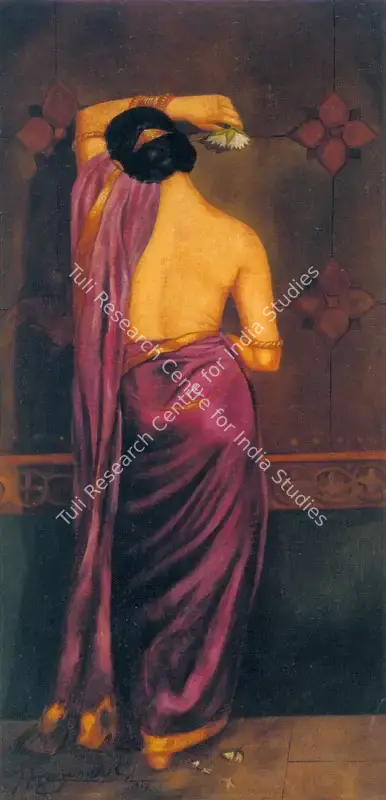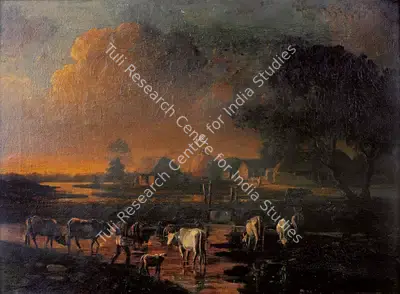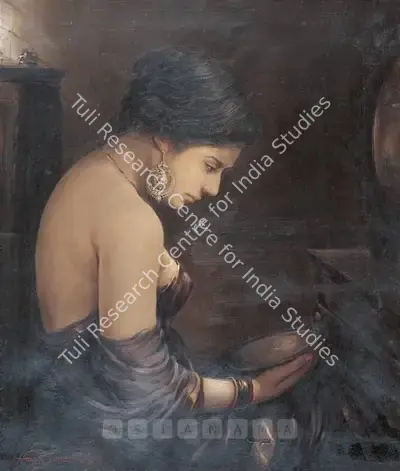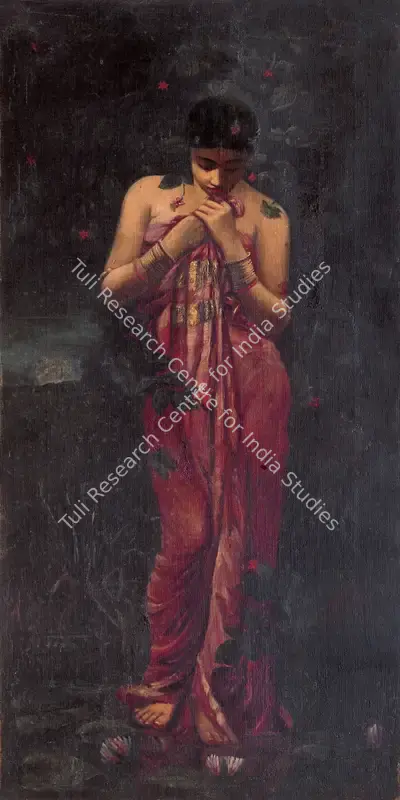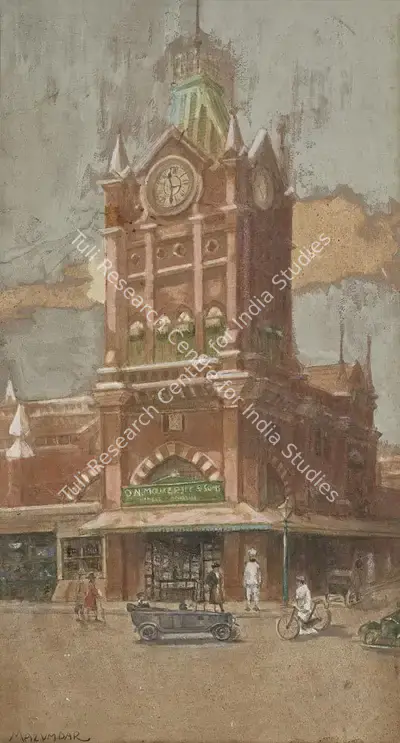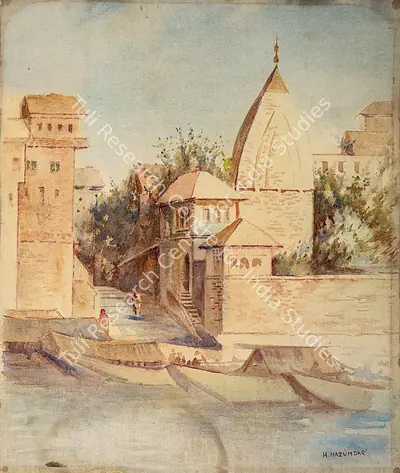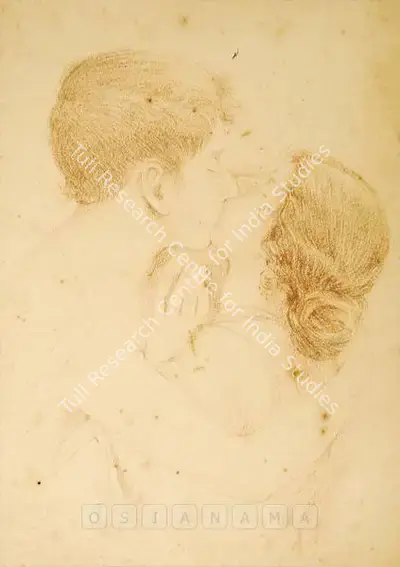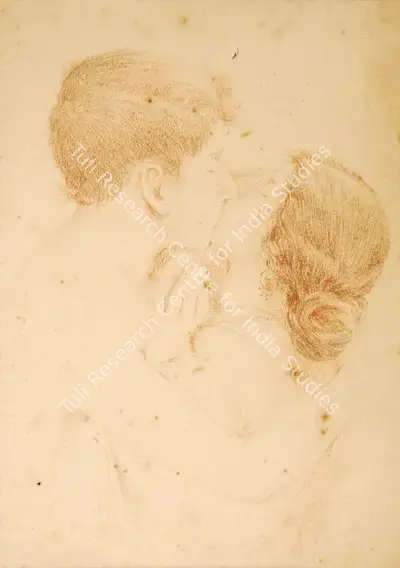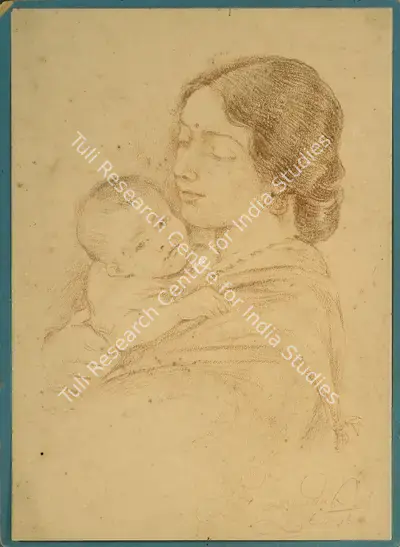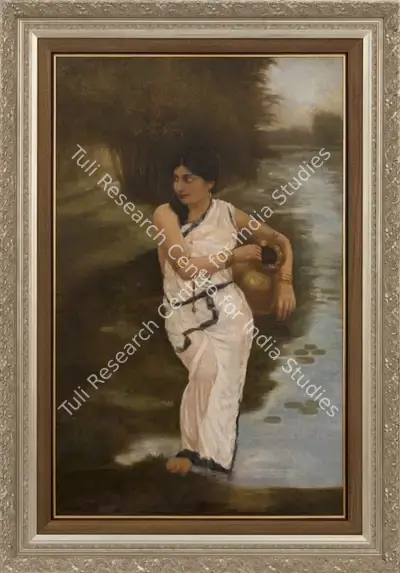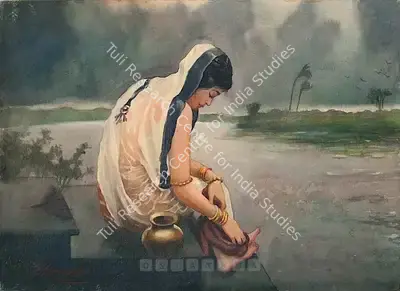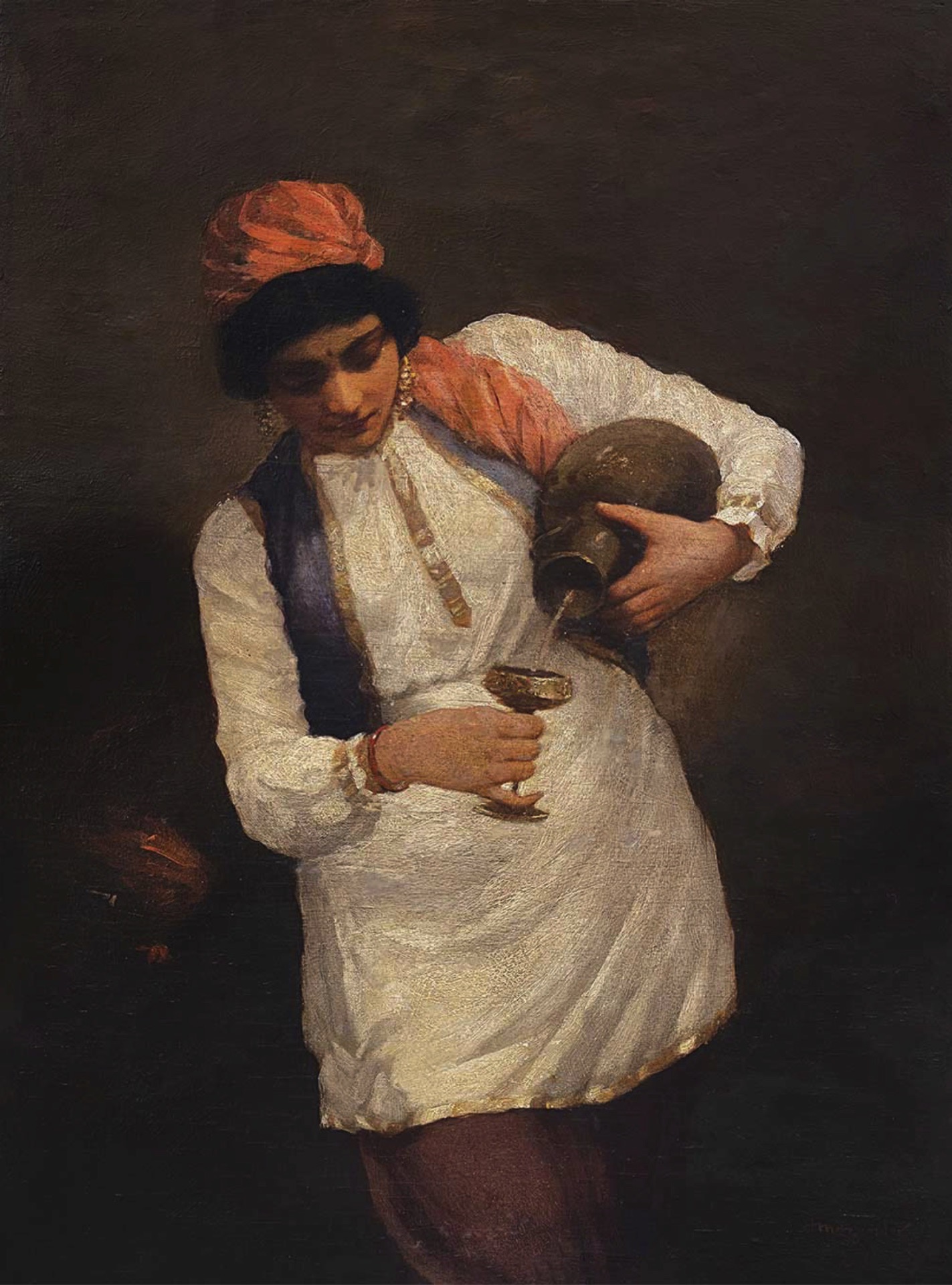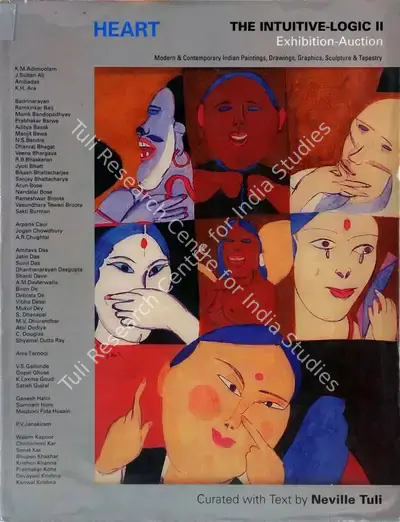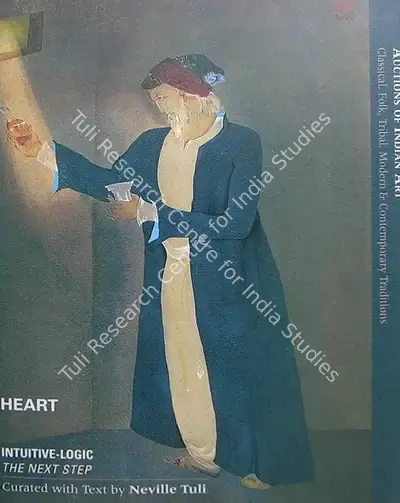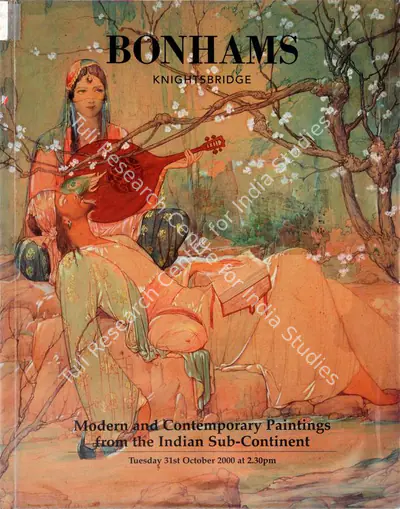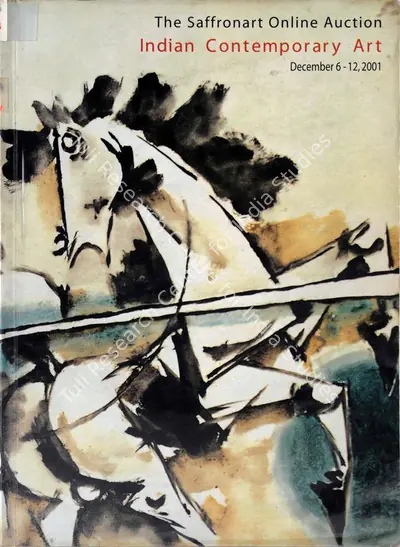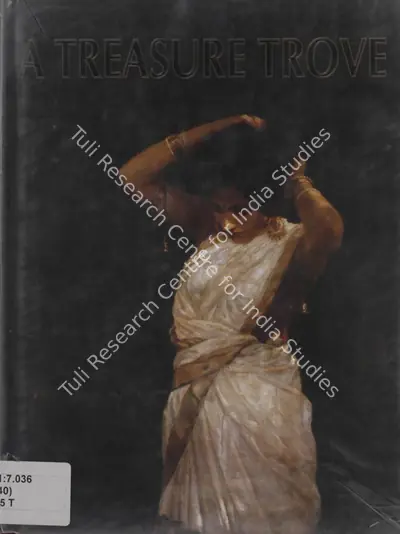
In 1997, the artist achieved a new high in the auction market with the sale of Kamal Manas (1920), offered in the The Intuitive-Logic II: Modern & Contemporary Indian Paintings, Drawings, Graphics, Sculpture & Tapestry by HEART, which concluded on 15 November 1997 at Mumbai, achieving a sale price of โน9,50,000 ($25,857). This record marked a defining moment in the artist's market history, reflecting both the significance of the artwork and its reception within the broader art world.
Introduction
- Date of Birth
- 19 Sep 1894
- Zodiac sign
- Virgo
- Date of Death
- 22 Jul 1948
- Age
- 53
- Place of Birth
- Kishoregunj, Undivided India | Present-day Bangladesh
- Place of Death
- Calcutta
- State Country of Birth
- Undivided India | Present-day Bangladesh
- Joins Government School of Arts, Kolkata, India
1910
- Leaves school as a protest against being asked to decorate welcome gates in honour of King George V, Calcutta, India
1911
- Joins Jubilee Art Academy, an independent institution/ an alternative art school set up by Ranada Prasad Das Gupta at Baithakkhana Road in 1897, Kolkata, India
1911
1929
- Co-founded Indian Academy of Fine Arts along with Bhabani Charan Law, Jogeshchandra Seal, Jamini Roy, and Atul Bose at his residence at 24 Beadon Street, Kolkata, India
1930
- Published the Indian Masters series, which contained reproductions of paintings by the leading artists of the day, including Raja Ravi Varma
1931
- Court Painter, Kingdom of Kashmir, India
1932
- Court Painter, Princely State of Patiala, India
1932 โ 1938
Exhibitions
1920
- Chennai Art Exhibition, Chennai, India
1921
- All India Show, Kolkata, India
- Chennai, India
- Bombay Art Society, Mumbai, India
- Chennai Art Exhibition, Chennai, India
1922
- Barna Jhankar, Chennai, India
- Bombay Art Society, Mumbai, India
1923
- Kardame Kamal, Mumbai, India
- Bombay Art Society, Mumbai, India
1936
- Academy of Fine Arts, Kolkata, India
1939
- New Delhi, India
1940
- Chowringee Terrace, Inaugurated by Queen of Coochbehar, Kolkata, India
1948
- Kolkata, India
1951
- Eden Gardens, Kolkata, India
1952
- Portraits of Great Beauties of the World, Long Beach, California, U.S.A.
1997
2000
- Face Off 1900 - 1980s: An Exhibition of Indian Old Masters and Moderns, Curated by Santo Datta, Delhi Art Gallery, New Delhi, India
15 Apr 2000 to 31 May 2000
2001
07 Aug 2001 to 14 Aug 2001
14 Jul 2001 to 31 Dec 2001
- Art of Bengal: Past & Present 1850 - 2000, NGMA, Mumbai in association with CIMA, Kolkata, at National Gallery of Modern Art (NGMA), Mumbai, India
09 Jan 2001 to 25 Jan 2001
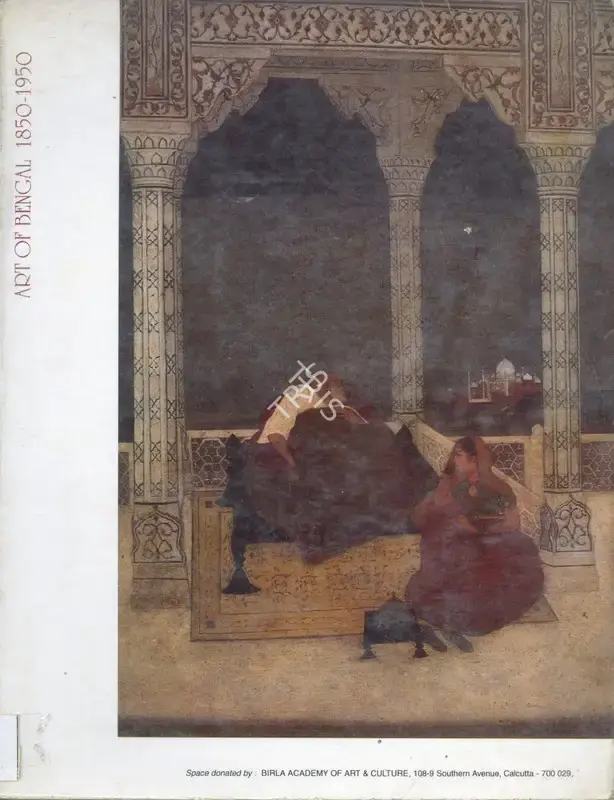
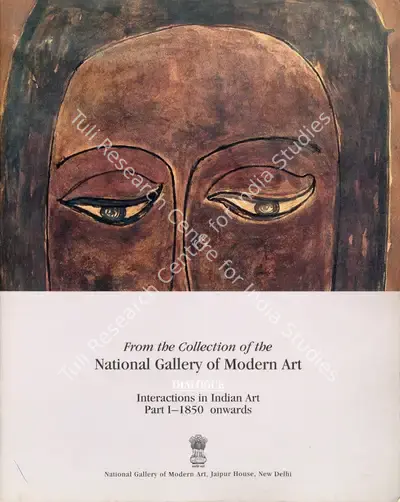
Calcutta Metropolitan Festival of Art (Organiser) and Ganesh Haloi (Curator). Art of Bengal, 1997 | Group Exhibition Catalogue | 00883543
1921
- Chennai, India
1922
- Barna Jhankar, Chennai, India
1923
- Kardame Kamal, Mumbai, India
1939
- New Delhi, India
1940
- Chowringee Terrace, Inaugurated by Queen of Coochbehar, Kolkata, India
1948
- Kolkata, India
1951
- Eden Gardens, Kolkata, India
1920
- Chennai Art Exhibition, Chennai, India
1921
- All India Show, Kolkata, India
- Bombay Art Society, Mumbai, India
- Chennai Art Exhibition, Chennai, India
1922
- Bombay Art Society, Mumbai, India
1923
- Bombay Art Society, Mumbai, India
1936
- Academy of Fine Arts, Kolkata, India
1952
- Portraits of Great Beauties of the World, Long Beach, California, U.S.A.
1997
2000
- Face Off 1900 - 1980s: An Exhibition of Indian Old Masters and Moderns, Curated by Santo Datta, Delhi Art Gallery, New Delhi, India
15 Apr 2000 to 31 May 2000
2001
07 Aug 2001 to 14 Aug 2001
14 Jul 2001 to 31 Dec 2001
- Art of Bengal: Past & Present 1850 - 2000, NGMA, Mumbai in association with CIMA, Kolkata, at National Gallery of Modern Art (NGMA), Mumbai, India
09 Jan 2001 to 25 Jan 2001
2003
19 Apr 2003 to 19 May 2003
2004
- Manifestations II: Indian Art in the 20th Century - 100 artists from the DAG collection, Jehangir Art Gallery, Mumbai, India
25 Jul 2004 to 31 Jul 2004
- Manifestations II: Indian Art in the 20th Century - 100 artists from the DAG collection, Delhi Art Gallery, New Delhi, India
09 Aug 2004 to 21 Aug 2004
2005
- Manifestations III: 100 artists - from the Delhi Art Gallery Collection, at Rabindra Bhavan, Lalit Kala Akademi, New Delhi, India
22 Apr 2005 to 27 Apr 2005
- Manifestations III: 100 artists - from the Delhi Art Gallery Collection, Delhi Art Gallery, New Delhi, India
30 Apr 2004 to 14 May 2005
- Manifestations III: 100 artists - from the Delhi Art Gallery Collection, at Nehru Centre, Worli, Mumbai, India
06 Apr 2005 to 12 Apr 2005
2010
- Art of the Land & Land in Art (Part 1), Galerie 88, Kolkata, India
24 Jul 2010 to 14 Aug 2010
Calcutta Metropolitan Festival of Art (Organiser) and Ganesh Haloi (Curator). Art of Bengal, 1997 | Group Exhibition Catalogue | 00883543
Chronicled Highlights 141920 โ 2005
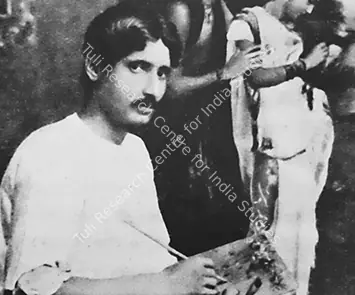
Hemendranath Mazumdar was born in 19 September 1894 in Kishoregunj, Undivided India | Present-day Bangladesh.
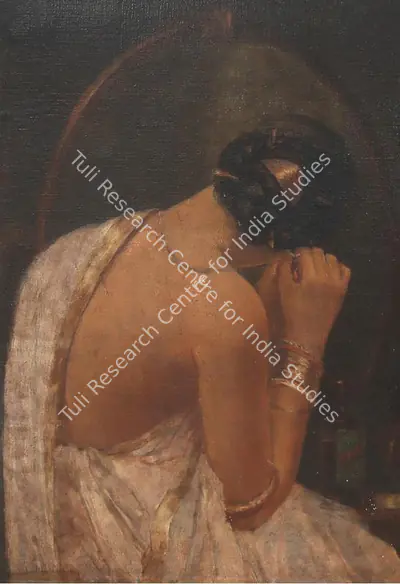
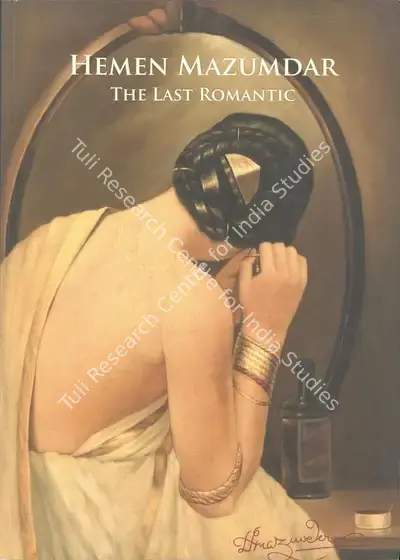
In 2004, the artist achieved a new high in the auction market with the sale of Woman Before Mirror (1920), offered in the The Masterpieces & Museum Quality Series: Indian Contemporary Art โ Books, Paintings & Sculpture by Osian's, which concluded on 15 October 2004 at New Delhi, achieving a sale price of โน25,31,068 ($55,191). This record marked a defining moment in the artist's market history, reflecting both the significance of the artwork and its reception within the broader art world.
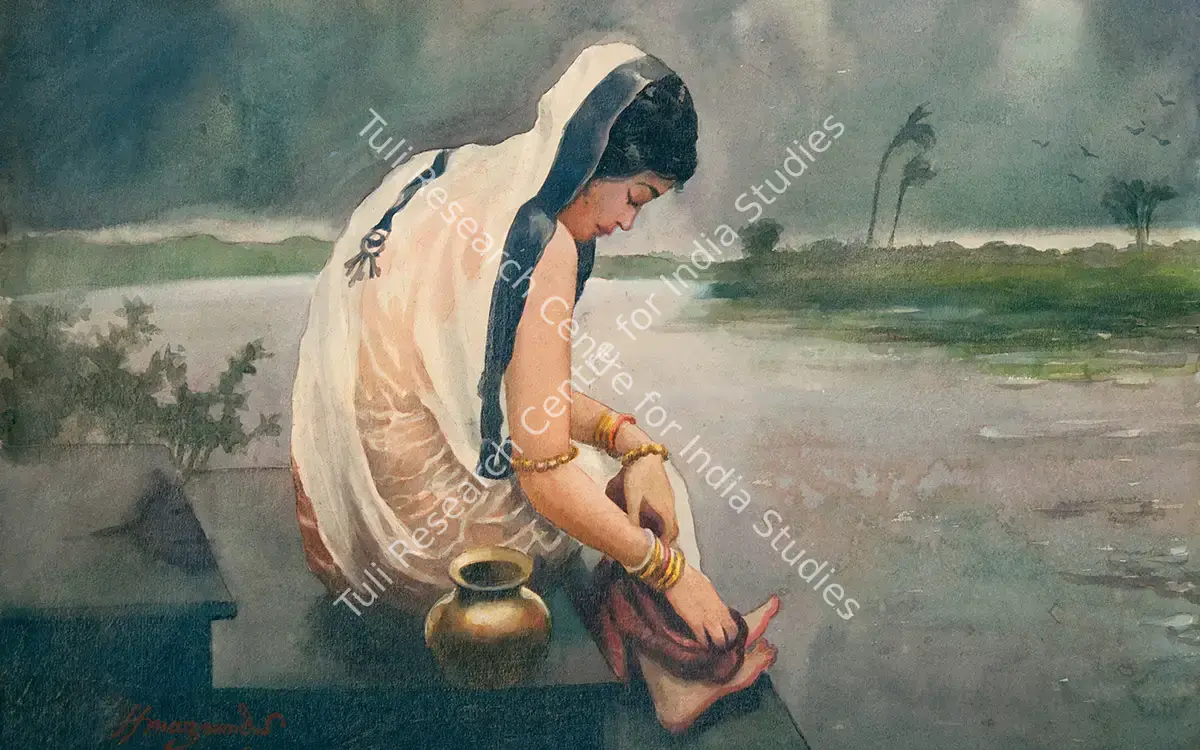
In 2005, the artist achieved a new high in the auction market with the sale of After the Bath (1925), offered in the Masterpieces and Museum Quality Series: Indian Contemporary Art by Osian's, which concluded on 02 December 2005 at Mumbai, achieving a sale price of โน32,20,000 ($69,817.87). This record marked a defining moment in the artist's market history, reflecting both the significance of the artwork and its reception within the broader art world.
In 2025, the artist achieved a new high in the auction market with the sale of Untitled (1928), offered in the 25th Anniversary Sale by Saffronart, which concluded on 02 April 2025 at Mumbai, achieving a sale price of โน5,04,00,000 ($592,941). This record marked a defining moment in the artist's market history, reflecting both the significance of the artwork and its reception within the broader art world.
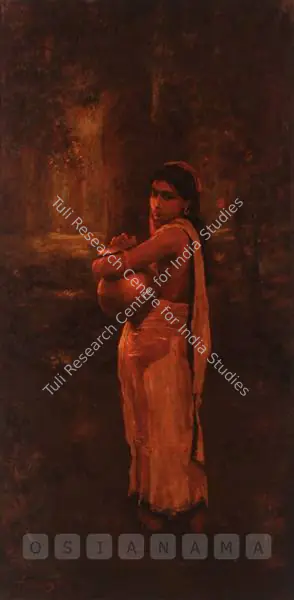
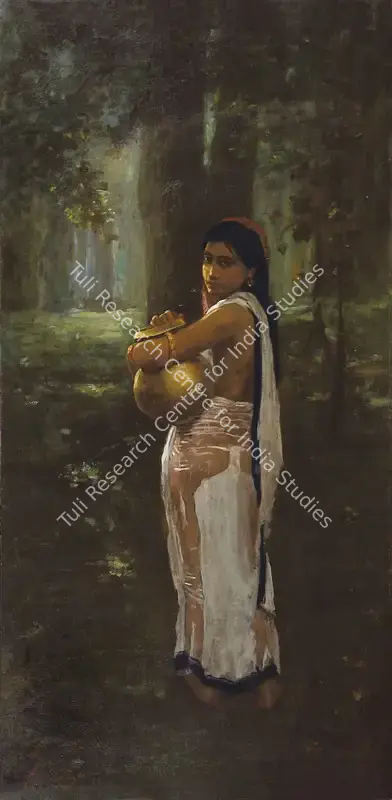
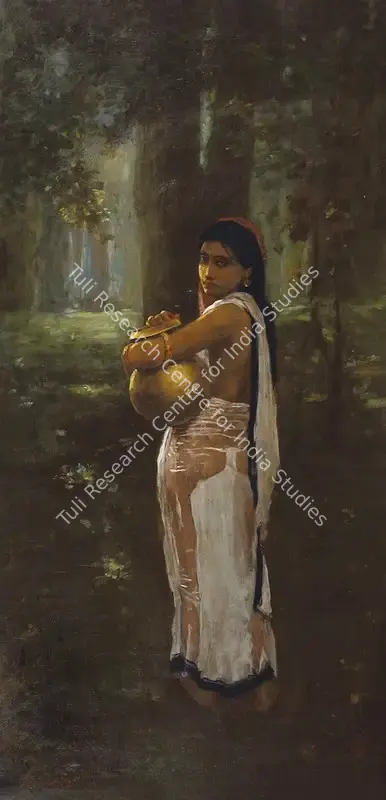
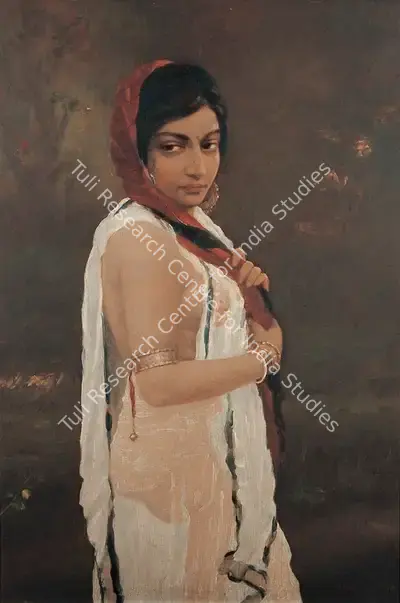
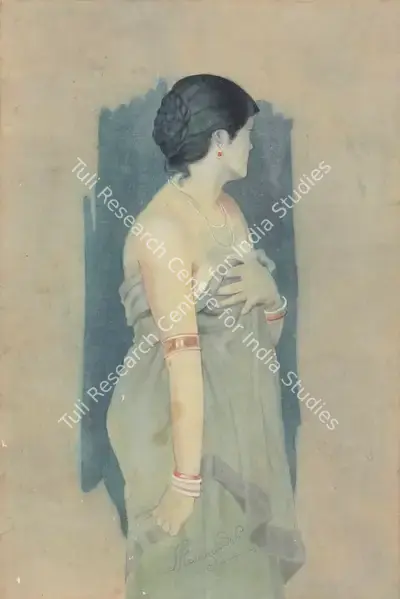
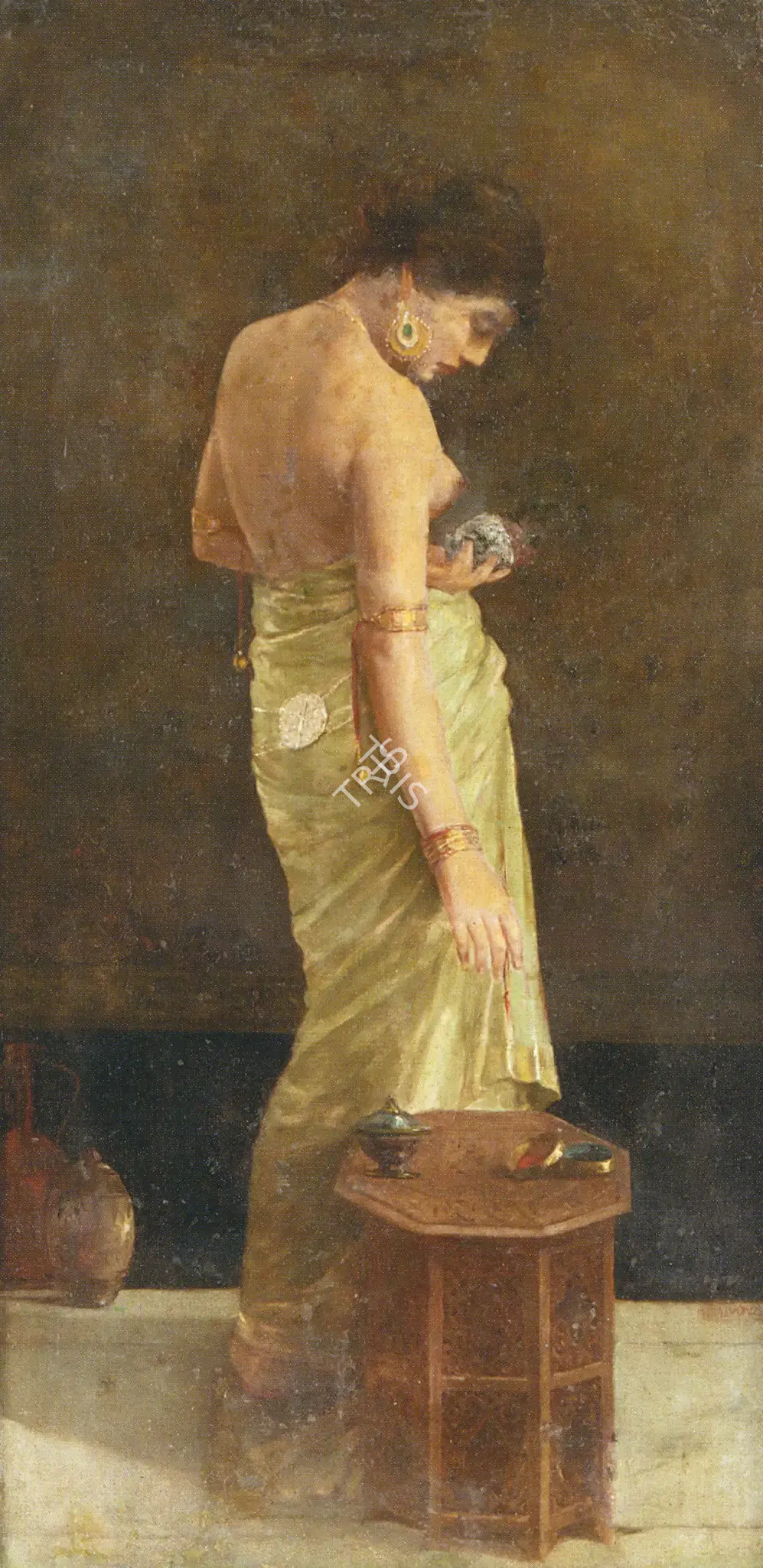
In socially conservative Bengal in the 1920s, it is hard to gauge peopleโs true feelings about Mazumdar. As his images were disused in Bengali journals, his readership could not have taken a guilty pleasure in looking at them. Classical nudes, occurring on the pages of the same journals since the early twentieth century, did not hold the same shocked fascination because of their cultural distance. Then there were the Bengal Schoolโs mannered, voluptuous semi-nudes. The disturbing power of Mazumdarโs women lay in their palpability and immediacy; his subject a young Bengali woman enacting an everyday village scene of returning home after her daily bathโฆ In short, the beholder experienced the frisson of spying on a โrespectableโ housewife, the proverbial girl next door. The artistโs tantalizing silence about the identity of the model heightened the mystery surrounding her.
In 2016, the artist achieved a new high in the auction market with the sale of Untitled (1935), offered in the The India Sale: South Asian Modern and Contemporary Art by Christie's, which concluded on 18 December 2016 at Mumbai, achieving a sale price of โน1,05,25,000 ($155,405.15). This record marked a defining moment in the artist's market history, reflecting both the significance of the artwork and its reception within the broader art world.
In 2019, the artist achieved a new high in the auction market with the sale of Untitled (Woman in Moonlight) (1935), offered in the South Asian Modern + Contemporary Art by Christie's, which concluded on 20 March 2019 at New York, achieving a sale price of โน1,20,50,570 ($175,000). This record marked a defining moment in the artist's market history, reflecting both the significance of the artwork and its reception within the broader art world.
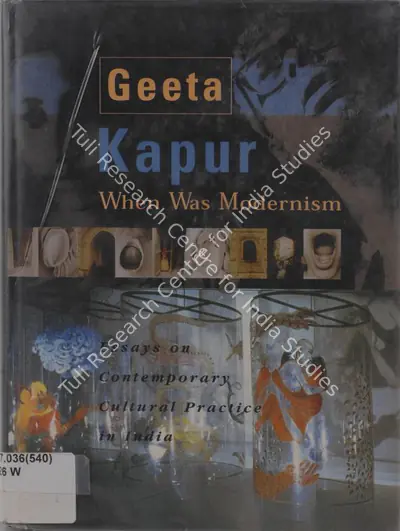
Mazumdarโs educational environment was heavily framed by the curriculum of European art academies or โacademic artโ which were focussed on both a formalised rendering of the human body and an incisive study of socio-cultural realism. Art historian Geeta Kapur records that the emphasis in these curriculum on life-drawing, expressed through sketches and paintings, โformed the academic criteria for and against which subsequent movements in Indian art developedโ. The formalism of academic art has undergone, over the decades, fierce critique from artists, art critics and art historians for espousing a romantic and glossedover myth on everyday life divorced from the true grit of the human condition. However, in the second half of the twentieth century, academic art found a new lease through theoretical reconsideration of everyday life. Art was critically apprised outside of the normative formalist/ modernist paradigm and located within daily ritualised/realist values of perspective. Academic art was reframed as a potential site of production and circulation of meanings. Where art history and criticism was unkind, art theory and cultural studies embraced. This provides the entry point for the contemporary appreciation of Mazumdar who like many artists of his period were not mere passive purveyors but critical respondents to the received formalism.
In socially conservative Bengal in the 1920s, it is hard to gauge peopleโs true feelings about Mazumdar. As his images were disuse in Bengali journals, his readership could not have taken a guilty pleasure in looking at them. Classical nudes, occurring on the pages of the same journals since the early twentieth century, did not hold the same shocked fascination because of their cultural distance. Then there were the Bengal Schoolโs mannered, voluptuous semi nudes. The disturbing power of Mazumdarโs women lay in their palpability and immediacy; his subject a young Bengali woman enacting an everyday village scene of returning home after her daily bathโฆ In short, the beholder experienced the frisson of spying on a โrespectableโ housewife, the proverbial girl next door. The artistโs tantalizing silence about the identity of the model heightened the mystery surrounding her.
In 2021, the artist achieved a new high in the auction market with the sale of Untitled (1940), offered in the Modern Indian Art by Asta Guru, which concluded on 31 March 2021 at Online, achieving a sale price of โน2,40,26,196 ($326,866.12). This record marked a defining moment in the artist's market history, reflecting both the significance of the artwork and its reception within the broader art world.
In 2022, the artist achieved a new high in the auction market with the sale of Untitled (Radha and Krishna) (1940), offered in the Historic Masterpieces by Asta Guru, which concluded on 28 December 2022 at Online, achieving a sale price of โน3,69,76,907 ($445,943.86). This record marked a defining moment in the artist's market history, reflecting both the significance of the artwork and its reception within the broader art world.
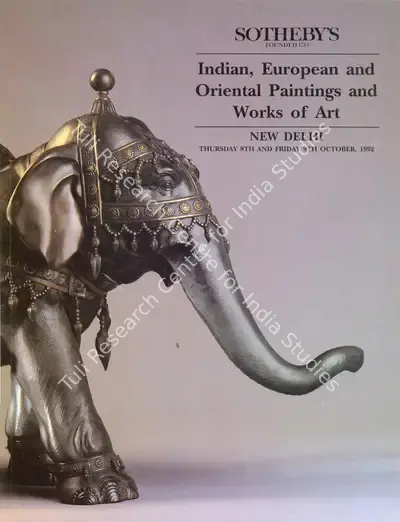
On 09 October 1992, Hemendranath Mazumdar made their debut in the Indian public auction market when Woman in a Sari was presented as Lot 130 in Indian European and Oriental Paintings and Works of Art, conducted by Sotheby's in New Delhi, India. This auction marked the artist's first recorded appearance in the public auction market, establishing the earliest chapter of their auction history.
Economics of Art
Record-high lots16
Public Auction Market (1987โ2026) | Select Indicators
Annual Auction Sale Turnover
It aggregates all sales across global auction houses into yearly totals.
Analysis reflected in the chart:
The turnover graph highlights periods of strong growth, moments of market correction, and resilience during downturns. Peaks often align with landmark works coming to public auction, while troughs may indicate reduced supply or weaker demand. Over time, the curve illustrates the overall trajectory of Hemendranath Mazumdarโs public auction market presence.
Average Sale Price Per Lot
It smooths out fluctuations caused by the quantity of works offered and focuses on the Average Sale Price level per artwork.
Analysis reflected in the chart:
Rising average sale prices indicate growing collector confidence and a stronger willingness to pay higher amounts per work. Assuming the mix of mediums remains relatively stable over time, the proportion of works on paper typically priced lower than works on canvas adds important context to understanding these market movements.
Square Inch Rate Trend
This allows fair comparisons between smaller works and larger canvases.
Analysis reflected in the chart:
The Square Inch Rate shown in the graph combines various medium types such as canvas, paper, board, and others. Historically, works on canvas and board have broadly commanded higher prices compared to works on paper.
1920
- Awarded the Bombay Art Society Gold Medal for 'Smriti' (Reminiscence).
1921
- Award for 'Palli Pran', Calcutta Society of Fine Art
- First Prize, Chennai Art Exhibition
1923
- Gold Medal, Bombay Art Society
1948
- Award, All India Exhibition, Kolkata, India
Research Centre
Posts 1
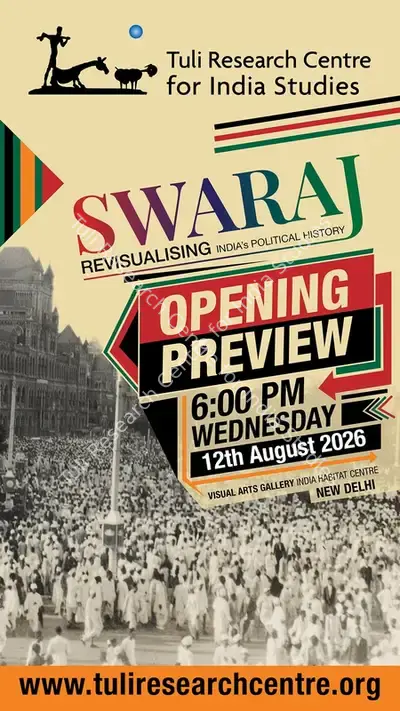
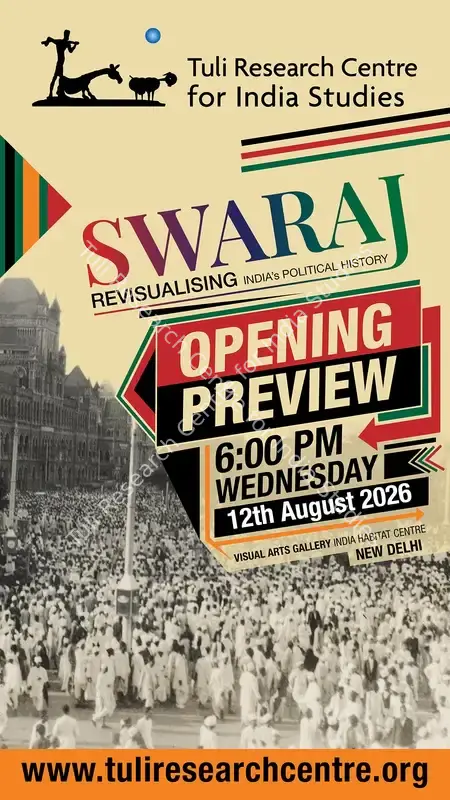
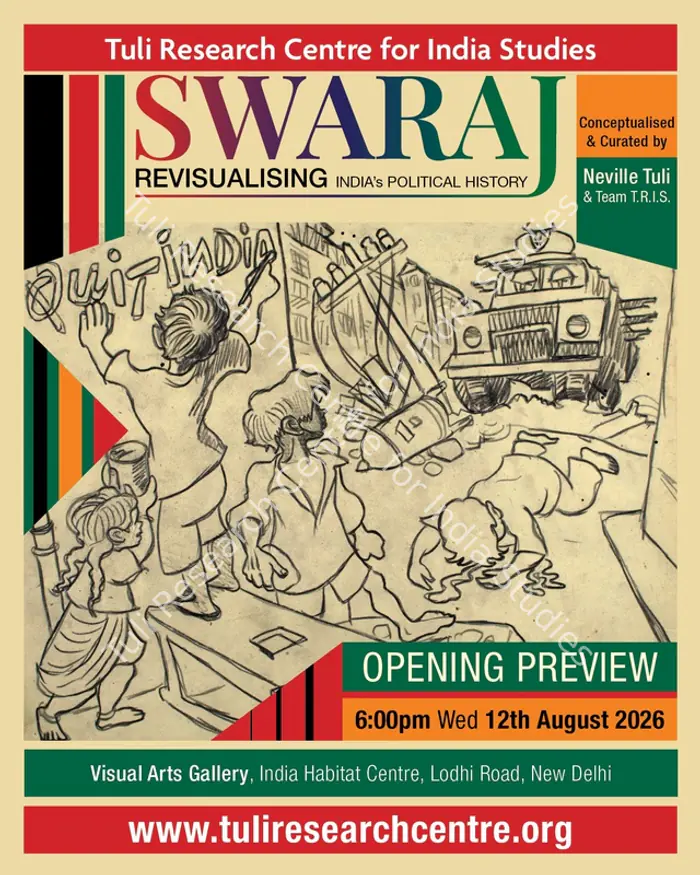
- "What does ๐ฆ๐๐ฎ๐ฟ๐ฎ๐ท truly mean? Is freedom achieved at a single historic moment or period, or must self-rule be continually imagined, questioned and renewed? India's journey towards Swaraj was shaped not by one voice or one path, but through reform and resistance, revolution and non-violence, political thought, public protest, art, print, photography, cinema and the collective will of its people. The Tuli Research Centre for India Studies (T.R.I.S.) presents ๐ฆ๐ช๐๐ฅ๐๐: ๐ฅ๐ฒ๐๐ถ๐๐๐ฎ๐น๐ถ๐๐ถ๐ป๐ด ๐๐ป๐ฑ๐ถ๐ฎ'๐ ๐ฃ๐ผ๐น๐ถ๐๐ถ๐ฐ๐ฎ๐น ๐๐ถ๐๐๐ผ๐ฟ๐, a pioneering exhibition curated by Neville Tuli. Bringing together rare artworks, prints, photographs, books, film publicity art, political propaganda and visual-textual-audio archives, SWARAJ traces India's complex journey towards political self-rule and self-discovery. From early European coastal encounters, the Bengal Renaissance and the First War of Independence in 1857 to the rise of Bharat Mata, the Tiranga, Gandhiji's inspired satyagraha, civil disobedience and mass mobilisation, the exhibition explores how the idea of India was envisioned, contested and transformed. It journeys through revolutionary movements and non-violence, subaltern uprisings, the Partition, the Constitution, the integration of the Princely States, the Emergency, wars, civic dissent and people's protests. It also foregrounds the vital role of artists, photographers, publishers, newspapers, journals, cartoons and cinema in recording and shaping the nation's political consciousness. SWARAJ invites us to encounter history not as something distant or settled, but as a daily living inheritance that continues to influence who we are and how we understand freedom, identity, and ourselves today. Watch the video for a glimpse into this expansive visual journey, and follow the exhibition as it revisualises India's political history through art, image, text and sound.
Calendar 2
- ArchivedOpening PreviewProject 82SWARAJ - Revisualising India's Political HistoryAn Exhibition of Modern & Contemporary Fine & Popular Arts, Photography, Film Memorabilia and Visual-Textual-Audio Archive12th August 20266:00 PM - 9:00 PMVisual Arts Gallery, India Habitat Centre, Lodhi Road, New Delhi,The Tuli Research Centre for India Studies (T.R.I.S.) announces its seventh exhibition. โSwaraj โ Revisualising India's Political Historyโ -- An exhibition of Modern and Contemporary Fine and Popular Arts, Photography, Film Memorabilia and Visual-Textual-Audio Archives. Swaraj will open at 6 p.m. on Wednesday, 12 August 2026 at the Visual Arts Gallery and will remain open till 7 p.m. Sunday, 16 August 2026. Tuli Research Centre for India Studies (T.R.I.S.) presents SWARAJ | Revisualising India's Political History, a pioneering inter-disciplinary offline-online exhibition conceptualised and curated by Neville Tuli with Team T.R.I.S.. SWARAJ explores India's journey towards political self-rule and self-discovery through a remarkable collection of rare modern and contemporary fine and popular arts, albums, photographs, books, prints, propaganda, cartoons, film publicity artworks and other "text-visual-audio" archives contextualised within a clear historical framework, which defines T.R.I.S.' pedagogic approach to learning. The Exhibition will be of particular interest to students and scholars of India & Cultural Studies, and India's political and modern histories as well as those interested in the passage of events and ideas from the mid-1850s leading up to the turn of the 21st century. Unique to the Tuli Research Centre for India Studies is the richness of visual material that not only exhorts a deeper understanding of the art and archival materials on display but also brings alive the multi-layered narratives of the exhibition and naturally India's journey in being ad searching for herself.Read More โ
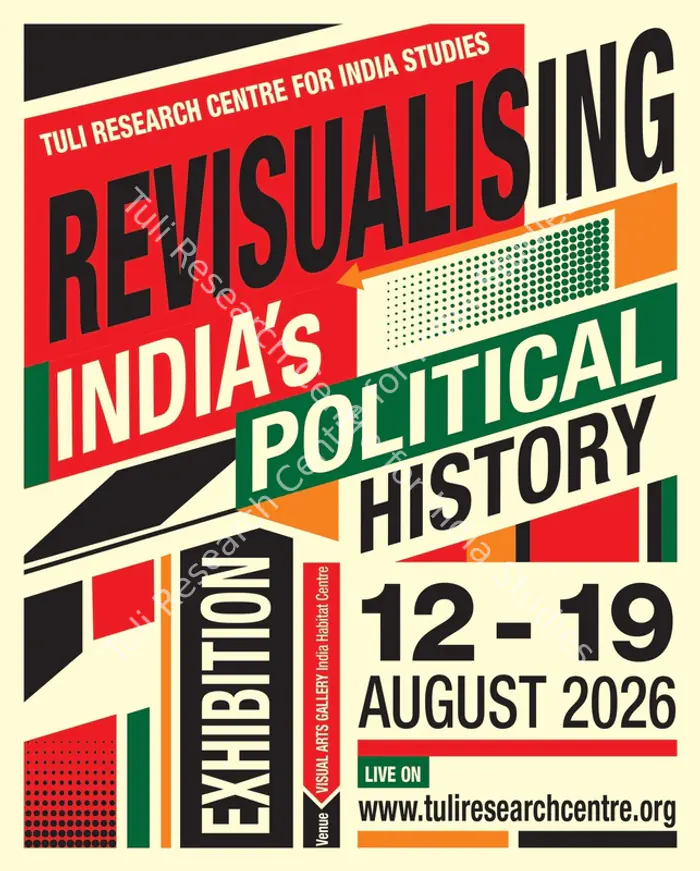
- ArchivedExhibitionProject 81SWARAJ - Revisualising India's Political HistoryAn Exhibition of Modern & Contemporary Fine & Popular Arts, Photography, Film Memorabilia and Visual-Textual-Audio Archive12th - 19th August 202610:00 AM - 7:00 PMVisual Arts Gallery, India Habitat Centre, Lodhi Road, New Delhi,19The Tuli Research Centre for India Studies (T.R.I.S.) announces its seventh exhibition. โSwaraj โ Revisualising India's Political Historyโ -- An exhibition of Modern and Contemporary Fine and Popular Arts, Photography, Film Memorabilia and Visual-Textual-Audio Archives. Swaraj will open at 6 p.m. on Wednesday, 12 August 2026 at the Visual Arts Gallery and will remain open till 7 p.m. Sunday, 16 August 2026. Tuli Research Centre for India Studies (T.R.I.S.) presents SWARAJ | Revisualising India's Political History, a pioneering inter-disciplinary offline-online exhibition conceptualised and curated by Neville Tuli with Team T.R.I.S.. SWARAJ explores India's journey towards political self-rule and self-discovery through a remarkable collection of rare modern and contemporary fine and popular arts, albums, photographs, books, prints, propaganda, cartoons, film publicity artworks and other "text-visual-audio" archives contextualised within a clear historical framework, which defines T.R.I.S.' pedagogic approach to learning. The Exhibition will be of particular interest to students and scholars of India & Cultural Studies, and India's political and modern histories as well as those interested in the passage of events and ideas from the mid-1850s leading up to the turn of the 21st century. Unique to the Tuli Research Centre for India Studies is the richness of visual material that not only exhorts a deeper understanding of the art and archival materials on display but also brings alive the multi-layered narratives of the exhibition and naturally India's journey in being ad searching for herself.Read More โ
Related
42
Personalities
26
Institutions
14
Themes
1