Naxalites, The1979
Introduction
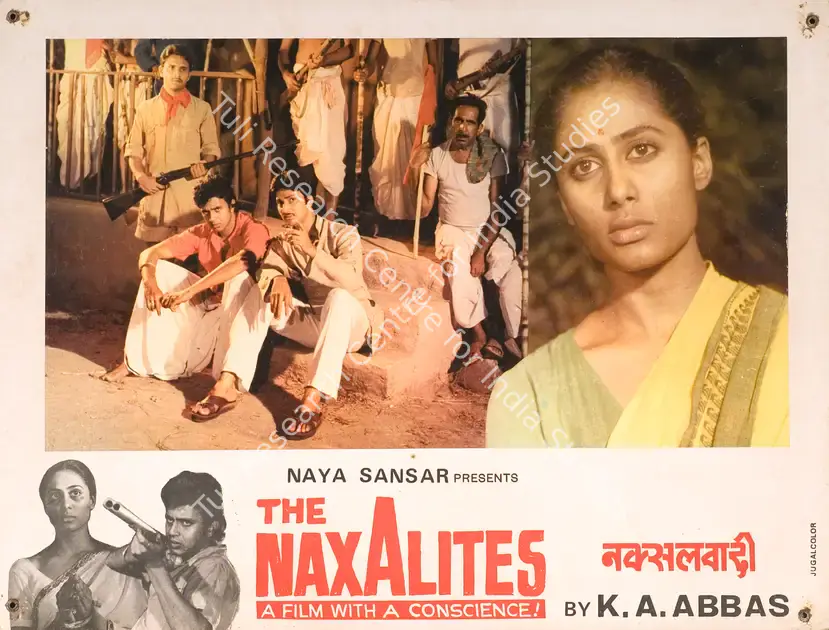
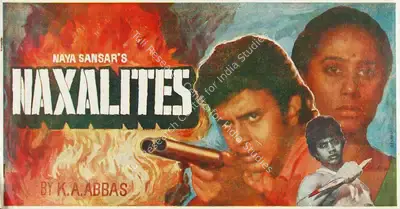
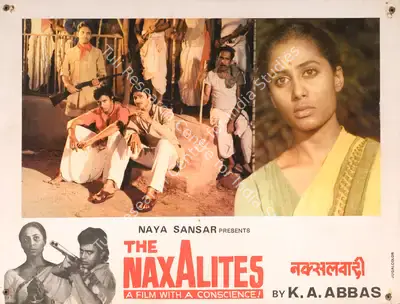
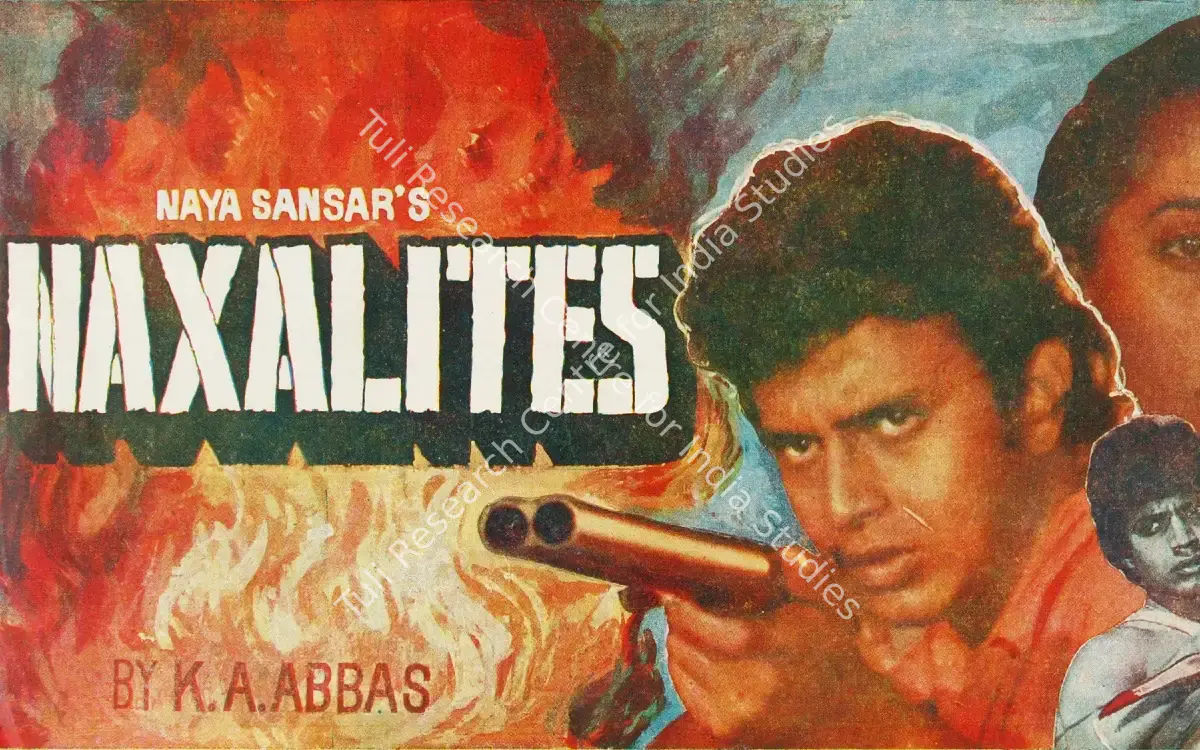
The Naxalites (1979) Written, directed, and produced by the iconic K.A. Abbas, The Naxalites was a 120-minute political drama that starred Mithun Chakraborty, Smita Patil, Nana Palsikar, Imtiaz Khan, Priyadarshini, Jalal Agha, Tinnu Anand, Dilip Rai, Pinchoo Kapoor, Surekha, Deena Pathak, and Rita Sen. The film's visuals were crafted by cinematographer Ramchandra and edited by Mohan Rathod.
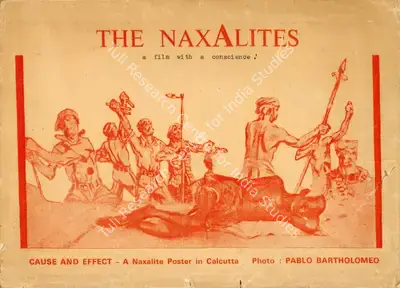
Set against the backdrop of the Naxalbari peasant uprising, the film presents a dramatized portrayal of the Naxalite movement—tracing the lives of everyday individuals who are drawn into the revolutionary cause from across India's diverse regions, religions, and walks of life. Despite its ambitious scope and a cast of powerful performers, the film struggled at the box office.
Abbas's narrative, while rooted in real political events, simplifies the movement's ideological complexities into stark binaries, intensifying sensationalist moments—such as depictions of police brutality rendered in moody silhouette. In classic Abbas fashion, the film veers toward emotional manipulation rather than nuanced political analysis, such as in the climactic scene where Majumdar's (Palsikar) impassioned speech echoes across the countryside as the police close in, or in the haunting finale, where Smita Patil's character walks stoically to her execution, bidding farewell to her fellow inmates.
Inspired by real-life revolutionaries like Ajitha (portrayed by Patil), an activist from Kerala, and Charu Majumdar (Palsikar), the film attempts to fuse historical insight with Abbas's brand of social realism. Yet it often reduces the motivations behind the youth-led movement to graphic portrayals of rape, police torture, and systemic corruption—suggesting that sexual violence against women is the primary catalyst for male rebellion.
The soundtrack, composed by Prem Dhawan with lyrics by Ali Sardar Jafri, adds emotional depth to the narrative. One song in particular—Aaj Apne Lahu Se—sung by Sushama Shreshtha and Antara Chowdhury (daughter of music legend Salil Chowdhury), resonated with audiences and became popular.
Due in part to Abbas's known political affiliations and the CPI's disapproval of the Naxalite movement, the film encountered censorship issues. Abbas would later claim that the film was targeted by unsympathetic political factions, who sought to suppress its message.
नक्सलबाड़ी किसान विद्रोह की पृष्ठभूमि पर बनी यह फ़िल्म नक्सलवादी आंदोलन का नाटकीय चित्रण करती है। इसमें भारत के अलग-अलग इलाकों, धर्मों और जीवन-क्षेत्रों से आए आम लोगों की ज़िंदगी को दिखाया गया है, जो क्रांतिकारी आंदोलन से जुड़ जाते हैं। बड़े पैमाने पर बनी और दमदार कलाकारों से सजी होने के बावजूद, यह फ़िल्म बॉक्स ऑफ़िस पर सफल नहीं हो पाई।
अब्बास की कहानी असल राजनीतिक घटनाओं पर आधारित होने के बावजूद, आंदोलन की वैचारिक पेचीदगियों को बहुत सरल और दो स्पष्ट हिस्सों में बांट देती है। साथ ही यह सनसनीखेज़ पलों को और बढ़ा-चढ़ाकर दिखाती है। जैसे कि पुलिस की बर्बरता को धुंधली छाया आकृतियों (सिल्हूट) के ज़रिए दिखाना। अब्बास की आम शैली की तरह ही, यह फ़िल्म बारीकी से राजनीतिक विश्लेषण करने के बजाय भावनाओं को उकसाने की कोशिश करती है। मिसाल के तौर पर, फ़िल्म के अहम मोड़ वाले सीन में जब पुलिस पास आ रही होती है, तो मजूमदार (पालसिकर) का जोशीला भाषण पूरे इलाक़े में गूंजता है या फ़िर फ़िल्म के दिल को छू लेने वाले आख़िरी सीन में जब स्मिता पाटिल का किरदार अपनी साथी कैदियों को अलविदा कहकर फांसी के तख़्ते की ओर शांत भाव से बढ़ती है।
यह फ़िल्म केरल की एक्टिविस्ट अजिथा (पाटिल ने निभाया है) और चारू मजूमदार (पालसिकर) जैसे असल ज़िंदगी के क्रांतिकारियों से प्रेरित है। इसमें ऐतिहासिक समझ को अब्बास के सामाजिक यथार्थवाद के अंदाज़ के साथ मिलाने की कोशिश की गई है। फ़िर भी यह अक्सर युवाओं के नेतृत्व वाले आंदोलन के पीछे की वजहों को बलात्कार, पुलिस के टॉर्चर और सिस्टम में फैले भ्रष्टाचार के ग्राफ़िक दृश्यों तक ही सीमित कर देती है, जिससे ऐसा लगता है कि पुरुषों के विद्रोह की मुख्य वजह महिलाओं के ख़िलाफ़ यौन हिंसा है।
प्रेम धवन के संगीत और अली सरदार जाफ़री के बोलों वाले साउंडट्रैक ने कहानी में भावनात्मक गहराई जोड़ दी है। ख़ासकरकर एक गाना 'आज अपने लहू से' जिसे सुषमा श्रेष्ठ और अंतरा चौधरी (मशहूर संगीतकार सलिल चौधरी की बेटी) ने गाया था, दर्शकों को बहुत पसंद आया और काफ़ी लोकप्रिय हुआ।
कुछ हद तक अब्बास के जाने-माने राजनीतिक जुड़ाव और CPI द्वारा नक्सली आंदोलन को नापसंद किए जाने के कारण, फ़िल्म को सेंसरशिप की समस्याओं का सामना करना पड़ा। बाद में अब्बास ने दावा किया कि फ़िल्म को ऐसे राजनीतिक गुटों ने निशाना बनाया जो इसके प्रति सहानुभूति नहीं रखते थे और इसके संदेश को दबाना चाहते थे।