Nasbandi1978
Introduction
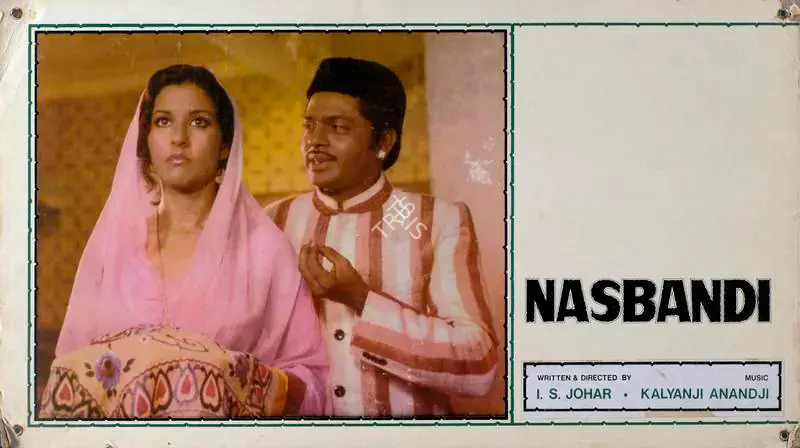
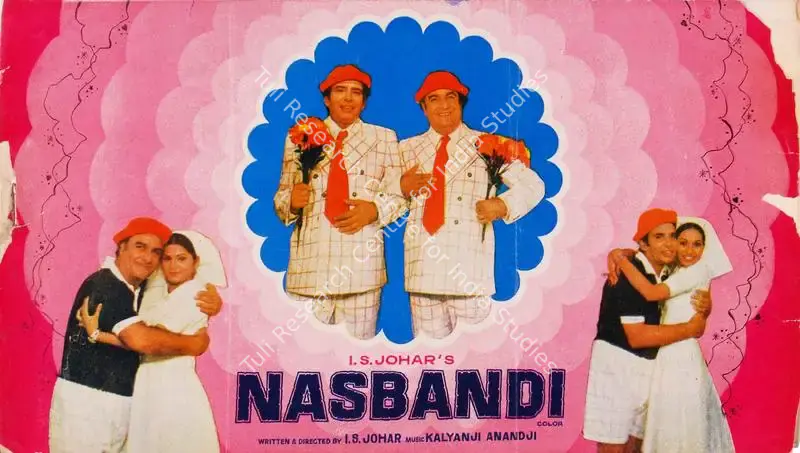
Nasbandi (1978) Directed by actor writer filmmaker I. S. Johar, it is a political satire that critiques the controversial mass sterilisation campaign implemented during the Emergency (1975–1977) under the government of Prime Minister Indira Gandhi, particularly the coercive family planning measures associated with Sanjay Gandhi. Released on 21 January 1978, shortly after the Emergency ended and the Janata Party came to power, the film employed humour, parody, and political satire to expose the excesses of the state's compulsory sterilisation programme.
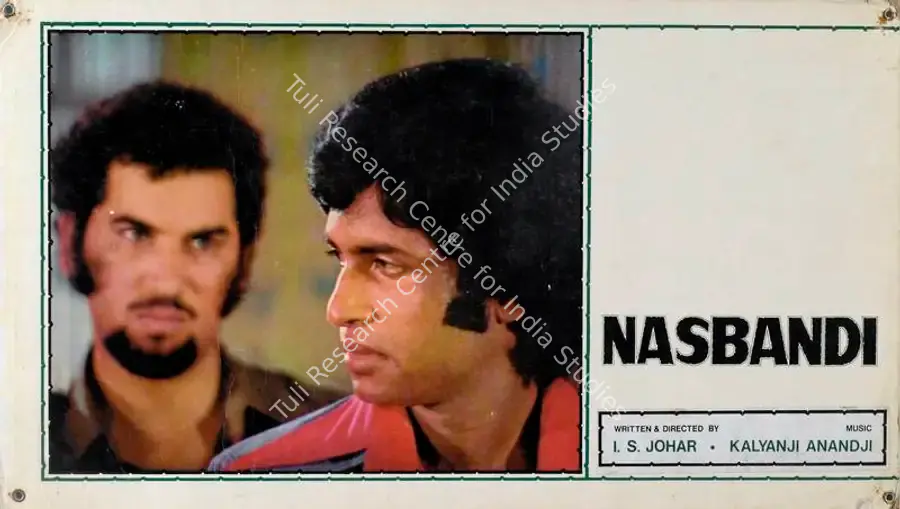
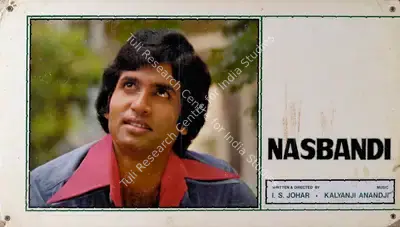
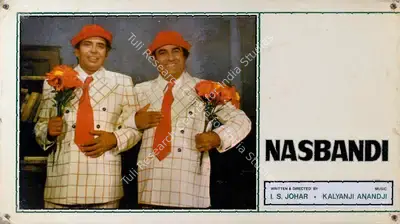
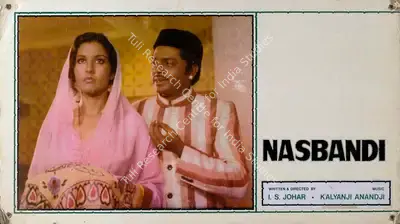
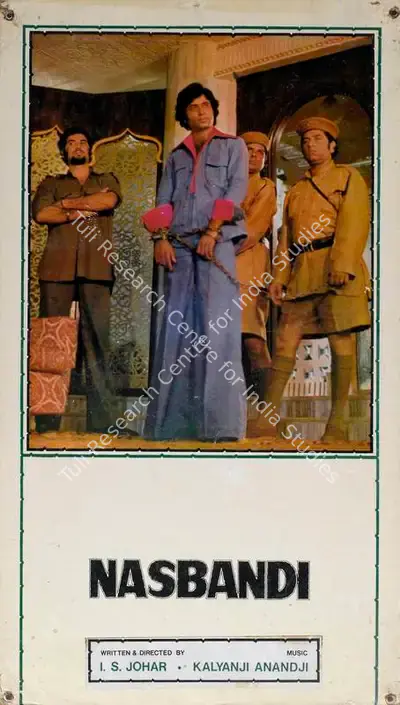
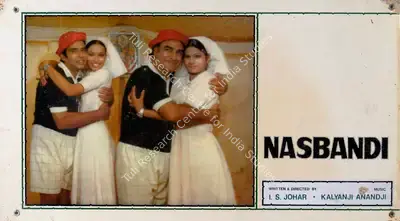
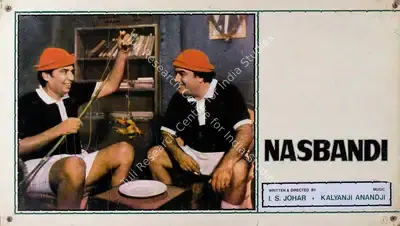
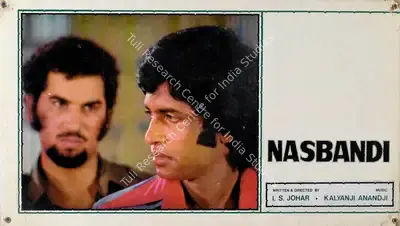
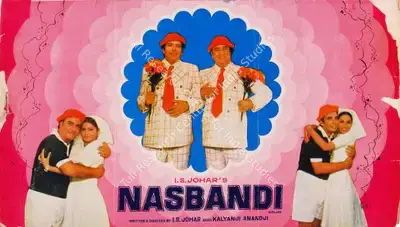
One of the film's most distinctive features is its use of look-alike performers impersonating some of the era's biggest Bollywood stars, including Amitabh Bachchan, Shashi Kapoor, Manoj Kumar, and Rajesh Khanna. Rather than featuring the original actors, Johar cast professional doubles, enabling the film to parody mainstream Hindi cinema while simultaneously commenting on the pervasive reach of state power during the Emergency. The narrative revolves around characters who are obsessively engaged in locating individuals to fulfil sterilisation quotas, thereby satirising the bureaucratic zeal, coercion, and absurdity that characterised the implementation of the family planning campaign.
Although Nasbandi was released in the relatively liberal political atmosphere that followed the lifting of the Emergency, it soon faced official censorship and was banned because of its explicit criticism of the Indira Gandhi government and its depiction of the compulsory sterilisation programme. The ban reflected the continuing political sensitivity surrounding representations of the Emergency and demonstrated the enduring tensions between cinematic expression and state authority in post-Emergency India. As a result, Nasbandi occupies a significant place in the history of Indian political cinema as one of the earliest and most direct satirical responses to the Emergency.
The film's soundtrack further reinforces its satirical intent through songs that employ irony, parody, and dark humour to ridicule the sterilisation campaign and the political climate of the period. Songs such as Kiski Chali Hai Kahe Gaye Baat Ye Pyare Jhulelalan, Jaan Bachao, Khair Manao, Lagega Sab Ka Number, Prabhuji De Do Ik Santaan and Kya Mil Gaya Bhagwan, Emergency Lagake, Nasbandi Karake Hamari Chhutti Karake mock the coercive nature of the government's family planning policies and articulate popular anxieties surrounding state intervention in private life. Through these musical sequences, Johar transformed familiar conventions of Bollywood entertainment into powerful instruments of political critique, using comedy to expose the human consequences of an authoritarian administration.
Today, Nasbandi is regarded as an important example of political satire in Indian cinema. Its combination of parody, popular culture, and pointed political commentary illustrates how the film functioned as a medium of resistance and public memory, documenting the social and political trauma of the Emergency while challenging official narratives through humour and satire.
One of the film's most distinctive features is its use of look-alike performers impersonating some of the era's biggest Bollywood stars, including Amitabh Bachchan, Shashi Kapoor, Manoj Kumar, and Rajesh Khanna. Rather than featuring the original actors, Johar cast professional doubles, enabling the film to parody mainstream Hindi cinema while simultaneously commenting on the pervasive reach of state power during the Emergency. The narrative revolves around characters who are obsessively engaged in locating individuals to fulfil sterilisation quotas, thereby satirising the bureaucratic zeal, coercion, and absurdity that characterised the implementation of the family planning campaign.
Although Nasbandi was released in the relatively liberal political atmosphere that followed the lifting of the Emergency, it soon faced official censorship and was banned because of its explicit criticism of the Indira Gandhi government and its depiction of the compulsory sterilisation programme. The ban reflected the continuing political sensitivity surrounding representations of the Emergency and demonstrated the enduring tensions between cinematic expression and state authority in post-Emergency India. As a result, Nasbandi occupies a significant place in the history of Indian political cinema as one of the earliest and most direct satirical responses to the Emergency.
The film's soundtrack further reinforces its satirical intent through songs that employ irony, parody, and dark humour to ridicule the sterilisation campaign and the political climate of the period. Songs such as Kiski Chali Hai Kahe Gaye Baat Ye Pyare Jhulelalan, Jaan Bachao, Khair Manao, Lagega Sab Ka Number, Prabhuji De Do Ik Santaan and Kya Mil Gaya Bhagwan, Emergency Lagake, Nasbandi Karake Hamari Chhutti Karake mock the coercive nature of the government's family planning policies and articulate popular anxieties surrounding state intervention in private life. Through these musical sequences, Johar transformed familiar conventions of Bollywood entertainment into powerful instruments of political critique, using comedy to expose the human consequences of an authoritarian administration.
Today, Nasbandi is regarded as an important example of political satire in Indian cinema. Its combination of parody, popular culture, and pointed political commentary illustrates how the film functioned as a medium of resistance and public memory, documenting the social and political trauma of the Emergency while challenging official narratives through humour and satire.
नसबंदी' (1978) फ़िल्म को अभिनेता, लेखक और फ़िल्मनिर्माता आई. एस. जौहर ने निर्देशित किया था। यह एक पॉलिटिकल सटायर (राजनीतिक व्यंग्य) है जो प्रधानमंत्री इंदिरा गांधी की सरकार के दौरान इमरजेंसी (1975–1977) में लागू किए गए विवादित बड़े पैमाने पर नसबंदी अभियान की आलोचना करती है, ख़ासकर संजय गांधी से जुड़े ज़बरदस्ती परिवार नियोजन के योजनाओं की। इमरजेंसी ख़त्म होने और जनता पार्टी के सत्ता में आने के कुछ समय बाद, 21 जनवरी 1978 को रिलीज़ हुई इस फ़िल्म में ह्यूमर (हास्य), पैरोडी और पॉलिटिकल सटायर का इस्तेमाल करके सरकार के अनिवार्य नसबंदी प्रोग्राम की ज्यादतियों को उजागर किया गया था।
इस फ़िल्म की एक ख़ास बात यह है कि इसमें उस दौर के बड़े बॉलीवुड स्टार्स जैसे- अमिताभ बच्चन, शशि कपूर, मनोज कुमार और राजेश खन्ना की तरह दिखने वाले कलाकारों का इस्तेमाल किया गया है। असली एक्टर्स के बजाय, जौहर ने प्रोफेशनल 'डबल्स' (हमशक्ल कलाकारों) को कास्ट किया। इससे फ़िल्म मुख्यधारा के हिंदी सिनेमा का मज़ाक भी उड़ाती है और साथ ही इमरजेंसी के दौरान सरकारी ताक़त के बढ़ते असर पर भी टिप्पणी करती है। कहानी ऐसे किरदारों के इर्द-गिर्द घूमती है जो नसबंदी के टारगेट को पूरा करने के लिए लोगों को ढूंढने में पूरी तरह लगे हुए हैं। इस तरह, यह फ़िल्म परिवार नियोजन अभियान को लागू करने में दिखे अफ़सरशाही के जोश, ज़बरदस्ती और बेतुकेपन पर कटाक्ष करती है।
हालांकि 'नसबंदी' फ़िल्म को इमरजेंसी हटने के बाद के अपेक्षाकृत उदार राजनीतिक माहौल में रिलीज़ किया गया था। इसे सरकारी सेंसरशिप का सामना करना पड़ा और इंदिरा गांधी सरकार की तीखी आलोचना और जबरन नसबंदी कार्यक्रम को दिखाने के कारण इस पर प्रतिबंध लगा दिया गया। यह प्रतिबंध इमरजेंसी के चित्रण से जुड़ी लगातार बनी हुई राजनीतिक संवेदनशीलता को दर्शाता है और इमरजेंसी के बाद के भारत में सिनेमाई अभिव्यक्ति और राज्य के अधिकार के बीच जारी तनाव को उजागर करता है। नतीजतन, 'नसबंदी' भारतीय राजनीतिक सिनेमा के इतिहास में इमरजेंसी पर सबसे शुरुआती और सबसे सीधे व्यंग्यात्मक जवाबों में से एक के रूप में महत्वपूर्ण स्थान रखती है।
फ़िल्म का संगीत, व्यंग्य (irony), पैरोडी और डार्क ह्यूमर वाले गानों के ज़रिए इसके व्यंग्यात्मक मक़सद को और मज़बूत करता है। ये गाने उस दौर के नसबंदी अभियान और राजनीतिक माहौल का मज़ाक उड़ाते हैं। 'किसकी चली है', 'कहे गए बात ये प्यारे झूलेलाल', 'जान बचाओ, ख़ैर मनाओ, लगेगा सबका नंबर', 'प्रभुजी दे दो एक संतान' और 'क्या मिल गया भगवान, इमरजेंसी लगाकर, नसबंदी कराकर, हमारी छुट्टी कराकर' जैसे गाने सरकार की ज़बरदस्ती वाली परिवार नियोजन नीतियों का मज़ाक उड़ाते हैं और निजी ज़िंदगी में सरकार के दख़ल को लेकर लोगों की चिंताओं को ज़ाहिर करते हैं। इन म्यूज़िकल सीक्वेंस के ज़रिए, जौहर ने बॉलीवुड एंटरटेनमेंट के जाने-पहचाने तौर-तरीक़ों को राजनीतिक आलोचना के मज़बूत ज़रिया में बदल दिया और कॉमेडी का इस्तेमाल करके तानाशाही प्रशासन के मानवीय नतीजों को उजागर किया।
आज, भारतीय सिनेमा में 'नसबंदी' को राजनीतिक व्यंग्य का एक अहम उदाहरण माना जाता है। पैरोडी, पॉपुलर कल्चर (लोकप्रिय संस्कृति) और तीखी राजनीतिक टिप्पणी का इसका मिला-जुला रूप यह दिखाता है कि कैसे यह फ़िल्म विरोध और जन-स्मृति के एक माध्यम के तौर पर काम आई। इसने हास्य और व्यंग्य के ज़रिए सरकारी नैरेटिव को चुनौती देते हुए इमरजेंसी के सामाजिक और राजनीतिक सदमे को दर्ज़ किया।
इस फ़िल्म की एक ख़ास बात यह है कि इसमें उस दौर के बड़े बॉलीवुड स्टार्स जैसे- अमिताभ बच्चन, शशि कपूर, मनोज कुमार और राजेश खन्ना की तरह दिखने वाले कलाकारों का इस्तेमाल किया गया है। असली एक्टर्स के बजाय, जौहर ने प्रोफेशनल 'डबल्स' (हमशक्ल कलाकारों) को कास्ट किया। इससे फ़िल्म मुख्यधारा के हिंदी सिनेमा का मज़ाक भी उड़ाती है और साथ ही इमरजेंसी के दौरान सरकारी ताक़त के बढ़ते असर पर भी टिप्पणी करती है। कहानी ऐसे किरदारों के इर्द-गिर्द घूमती है जो नसबंदी के टारगेट को पूरा करने के लिए लोगों को ढूंढने में पूरी तरह लगे हुए हैं। इस तरह, यह फ़िल्म परिवार नियोजन अभियान को लागू करने में दिखे अफ़सरशाही के जोश, ज़बरदस्ती और बेतुकेपन पर कटाक्ष करती है।
हालांकि 'नसबंदी' फ़िल्म को इमरजेंसी हटने के बाद के अपेक्षाकृत उदार राजनीतिक माहौल में रिलीज़ किया गया था। इसे सरकारी सेंसरशिप का सामना करना पड़ा और इंदिरा गांधी सरकार की तीखी आलोचना और जबरन नसबंदी कार्यक्रम को दिखाने के कारण इस पर प्रतिबंध लगा दिया गया। यह प्रतिबंध इमरजेंसी के चित्रण से जुड़ी लगातार बनी हुई राजनीतिक संवेदनशीलता को दर्शाता है और इमरजेंसी के बाद के भारत में सिनेमाई अभिव्यक्ति और राज्य के अधिकार के बीच जारी तनाव को उजागर करता है। नतीजतन, 'नसबंदी' भारतीय राजनीतिक सिनेमा के इतिहास में इमरजेंसी पर सबसे शुरुआती और सबसे सीधे व्यंग्यात्मक जवाबों में से एक के रूप में महत्वपूर्ण स्थान रखती है।
फ़िल्म का संगीत, व्यंग्य (irony), पैरोडी और डार्क ह्यूमर वाले गानों के ज़रिए इसके व्यंग्यात्मक मक़सद को और मज़बूत करता है। ये गाने उस दौर के नसबंदी अभियान और राजनीतिक माहौल का मज़ाक उड़ाते हैं। 'किसकी चली है', 'कहे गए बात ये प्यारे झूलेलाल', 'जान बचाओ, ख़ैर मनाओ, लगेगा सबका नंबर', 'प्रभुजी दे दो एक संतान' और 'क्या मिल गया भगवान, इमरजेंसी लगाकर, नसबंदी कराकर, हमारी छुट्टी कराकर' जैसे गाने सरकार की ज़बरदस्ती वाली परिवार नियोजन नीतियों का मज़ाक उड़ाते हैं और निजी ज़िंदगी में सरकार के दख़ल को लेकर लोगों की चिंताओं को ज़ाहिर करते हैं। इन म्यूज़िकल सीक्वेंस के ज़रिए, जौहर ने बॉलीवुड एंटरटेनमेंट के जाने-पहचाने तौर-तरीक़ों को राजनीतिक आलोचना के मज़बूत ज़रिया में बदल दिया और कॉमेडी का इस्तेमाल करके तानाशाही प्रशासन के मानवीय नतीजों को उजागर किया।
आज, भारतीय सिनेमा में 'नसबंदी' को राजनीतिक व्यंग्य का एक अहम उदाहरण माना जाता है। पैरोडी, पॉपुलर कल्चर (लोकप्रिय संस्कृति) और तीखी राजनीतिक टिप्पणी का इसका मिला-जुला रूप यह दिखाता है कि कैसे यह फ़िल्म विरोध और जन-स्मृति के एक माध्यम के तौर पर काम आई। इसने हास्य और व्यंग्य के ज़रिए सरकारी नैरेटिव को चुनौती देते हुए इमरजेंसी के सामाजिक और राजनीतिक सदमे को दर्ज़ किया।
1 / 2
Body of Work
Banner
Director
Lead Cast
Research Centre
Related
1
Personalities
1