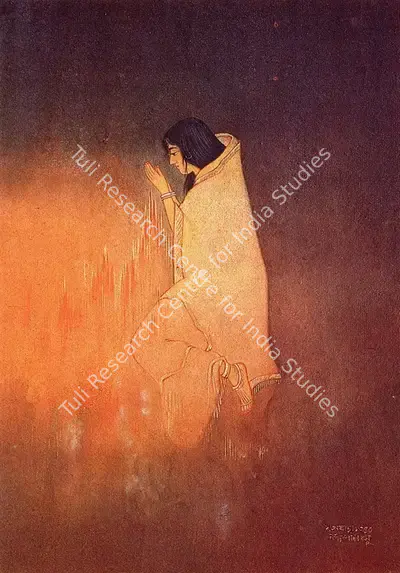
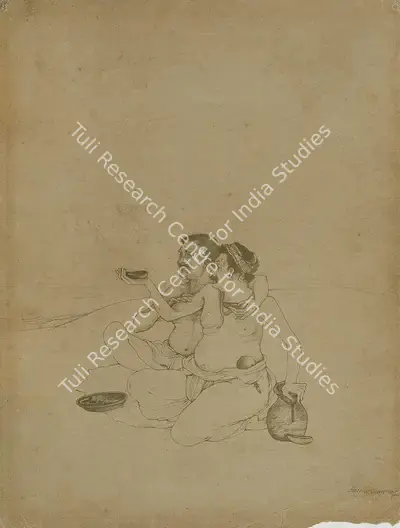
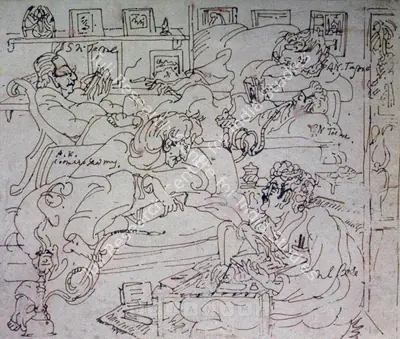
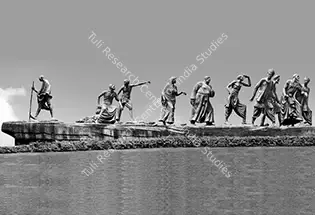
Introduction
- Date of Birth
- 03 Dec 1882
- Zodiac sign
- Sagittarius
- Date of Death
- 16 Apr 1966
- Age
- 83
- Place of Birth
- Kharagpur, West Bengal, India
- Place of Death
- Santiniketan
- State Country of Birth
- West Bengal, India
1893
- Studied at the Middle Vernacular School, Kharagpur, Bihar, India
1893 – 1897
1897
- Studied at the Khudiram Bose Central Collegiate School, Kolkata, India
1897 – 1902
1903
- Studied Commerce, Presidency College, Kolkata, India
1903 – 1905
1905
- Studied under the tutelage of Vice-principal Abanindranath Tagore, Government School of Arts, Kolkata, India
1905 – 1910
1916
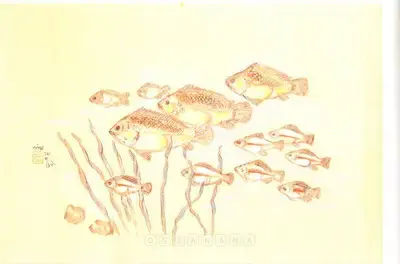
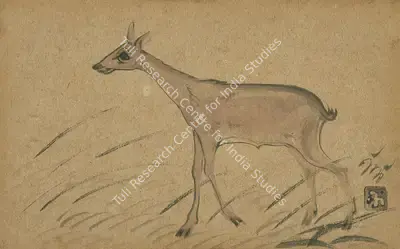
- Learned Japanese Ink Painting techniques from Arai Kempo, a visiting artist at Jorasanko, Kolkata, India
1909
- Illustrated Rabindranath Tagore's book of poems Chayanika
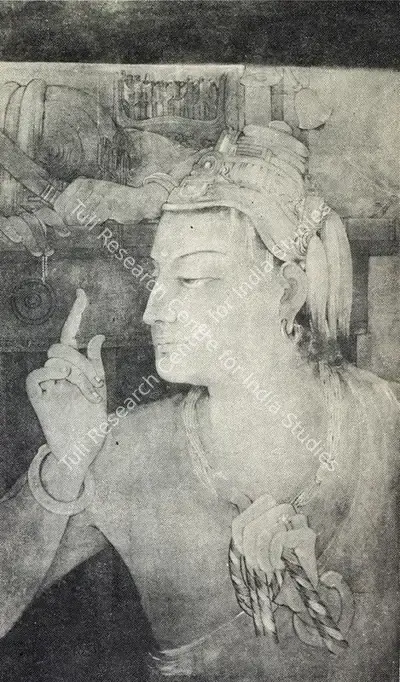
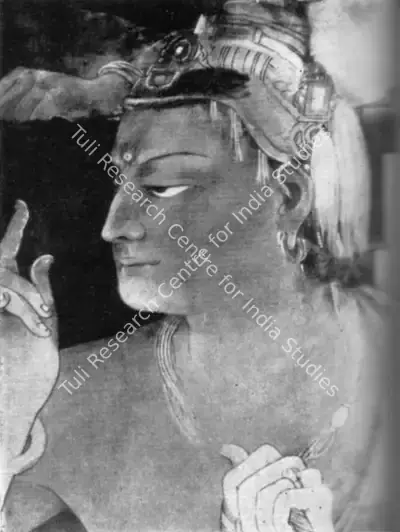
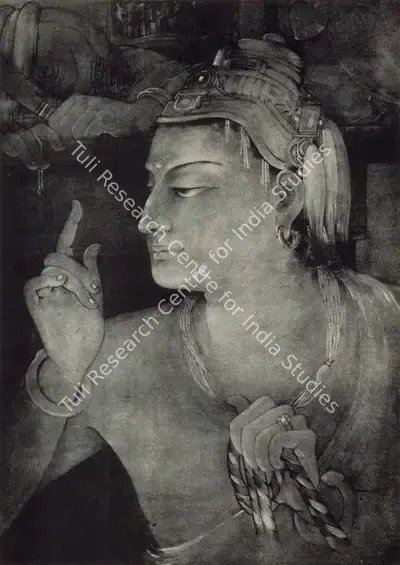
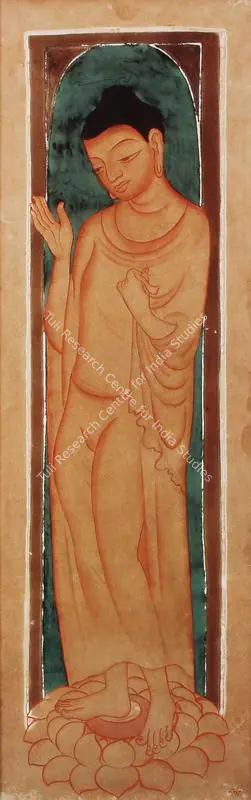
- At the insistance of Abanindranath Tagore and Sister Nivedita, joined Asit Kumar Haldar, Samarendranath Gupta, K. Venkatappa and others to copy the Frescoes of the Ajanta Caves, under the patronage of Lady Herringham
1909 – 1910
1910
- Part-time Art Classes at Vichitra Club. Indian Society of Oriental Art, Kolkata, India
1910 – 1914
- Part-time teacher at Nivedita Girl's School, Jorasanko, Kolkata, India
1916
- Founder-Member with Rabindranath Tagore, Vichitra Sabha, Kolkata, India
- Executed Murals at the residence of Sir Jagdish Chandra Bose and Basu Vigyan Mandir, Kolkata, India
1917
- Illustrated Rabindranath Tagore's Book of Songs and Verse 'Gitabitan' (Garden of Songs)
1918
- Taught intermittently at Indian Society of oriental Art, Kolkata and Viswa Bharati, Santiniketan, India
- Illustrated Rabindranath Tagore's Nobel Prize winning Book of Verse Gitanjali
1920
- Joined Kala Bhavan, Santiniketan with Asit Haldar & others, copied Frescoes at Bagh Caves
1921
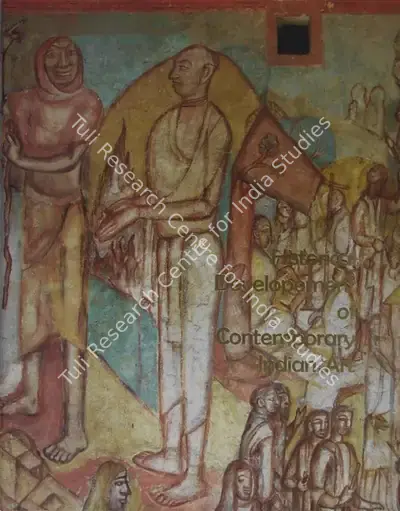
- Decorated the walls of the old library building at Santiniketan, India
1922
- Principal, Kala-Bhavan, Visva Bharati University, Santiniketan, India
1928
- Painted a large mural to commemorate the first Hala Karshna in Italian Fresco technique
1930
- Made efforts to form an Artists' Cooperative
1931
- Illustrated the popular Bengali Textbook Sahaj Path for Children
1933
- Painted the front wall of the ground floor of the old Library Building using Rajasthani Technique at Kala Bhavan, Santiniketan, India
1936
- Delivered a New Education Fellowship Lecture on The Place of Art in Education, organised during the Bengal Education Week in Kolkata, India
1937
- A book containing selected poems by Rabindranath Tagore and Drawings by Nandalal Bose was published
- Contributed to decorate Congress Pandal at Faizpur
1938
- Decorated the stalls of the Indian National Congress at Haripura with a set of attractive posters
1940
- Exhanged views with Mahatama Gandhi on the future of Visva Bharati and Kala Bhavan, Santiniketan, India
- His article 'Ornamental Art' was published in Visva Bharati Quarterly
- Painted a mural, 'Life of Mira Bai' in Kirti Mandir, Vadodara, India
1942
- Painted a mural 'Natir Puja', Cheena Bhavan, Santiniketan, India
1943
- His article `Art as Sashana' based on discussion he had with Pavitrananda Swamiji, Mayawati Advaita Ashram, was published in Prabhuddha Bharat
1944
- Published 'Shilpa Katha' containing his views on art
1946
- Painted a mural Mahabhrata, Kirti Mandir, Vadodara, India
1948
- Delivered a talk on Abanindranath Tagore on his birthday celebration, Santiniketan, India
- Published his article 'Shilpa Guru Abanindranath' in Desh
- Planned the layout and design of the Ramakrishna Temple at Kamarpukur
- Designed emblems for the Government of India's awards, including Bharat Ratna and Padma Shri
1956
- Fellowship, Lalit Kala Akademi, Rabindra Bhavan, New Delhi, India
- Published 'Shilpa Chakra' containing his views on art
Exhibitions
1908
- Inaugural Exibition, Indian Society of Oriental Art (ISOA), Kolkata, India
1909
- Indian Society of Oriental Art (ISOA), Shimla, India
1910
- Indian Society of Oriental Art (ISOA), Kolkata, India
1911
- Indian Society of Oriental Art's United Provinces Exhibition, Allahabad, India
- Festival of Empire, Organised by Indian Society of Oriental Art for George V's Coronation, Crystal Palace, London, UK
1912
- Indian Society of Oriental Art, Kolkata, India
1914
- 22nd Exhibition of Societe des Peintres Orientalistes Francais, Grand Palais, Paris; travelling to Belgium, Holland & Imperial Institute in London, UK
1915
- Young Men's Indian Association, Chennai, India
- Indian Society of Oriental Art (ISOA), Kolkata, India
1922
- 14th Annual Exhibition,The lndian Society of Oriental Art (ISOA), Kolkata, India
1924
- Travelling exhibition to USA, Organised by American Federation of Art and Indian Society of Oriental Art (ISOA), Kolkata, India
1928
- Athenee Gallery, Geneva, Switzerland
1935
- Exhibition by students of Kala Bhavan, Santiniketan at the Lucknow Session of the Indian National Congress, Lucknow, India
1938
- Haripura session of Indian National Congress, Surat, India
1953
- Nandalal Bose, Retrospective Exhibition, Mumbai, India
- 2nd International Contemporary Art Exhibition, All India Fine Arts and Crafts Society (AIFACS), New Delhi, India
1954
- Nandalal Bose, Retrospective Exhibition, Kolkata, India
1975
- A Handbook of Bengal School, National Gallery of Modern Art, New Delhi, India
1983
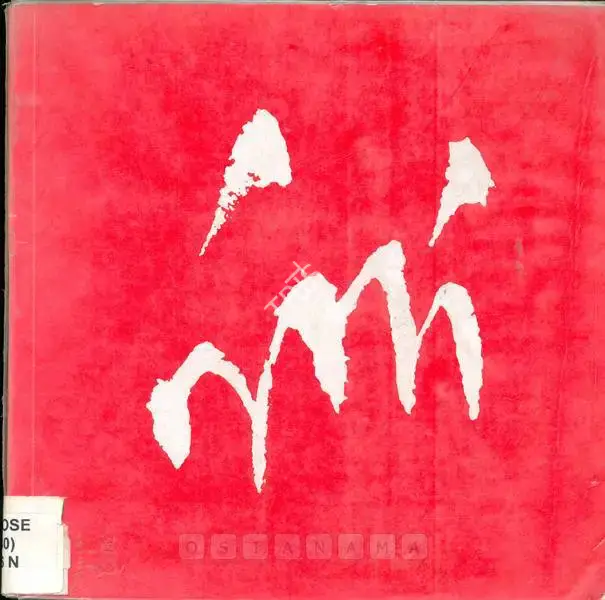
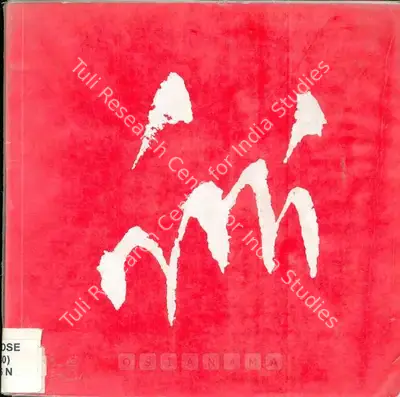
Bose, Nandalal (Artist). Nandalal Bose (1882-1966) Centenary Exhibition, 1983 | Solo Exhibition Catalogue | 00882085
Chronicled Highlights
Economics of Art
Research Centre
Posts 2
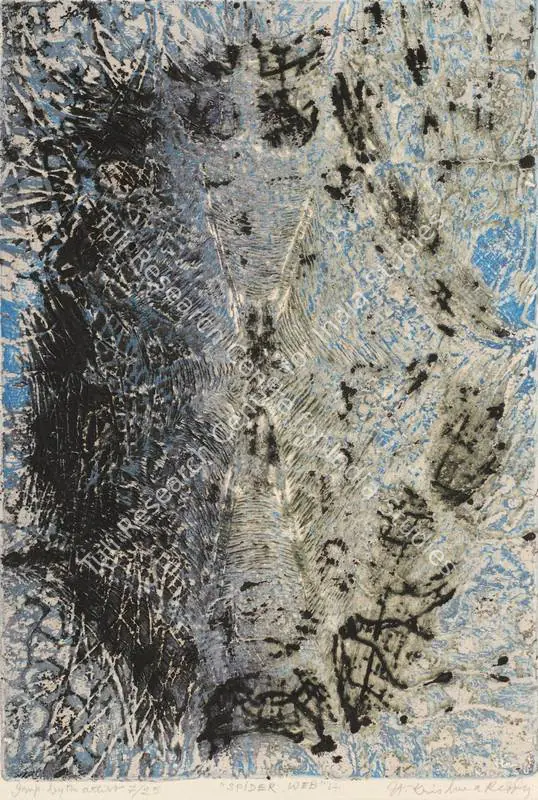
- Krishna Reddy, one of the world's finest printmakers, developed complex viscosity printing techniques to build layered surfaces for his organic artforms, resembling webs or marine organisms which emerge through dense tonal structures. The insect or organism becomes a study of interconnected systems and movement, rooted through a brilliant aesthetic fusing of his individual creative spirit and his unique educational experiences and inspirations at Rabindranath Tagore's Santiniketan with Nandalal Bose, the Slade School of Art with Henry Moore, the Academie Grande Chaumiere with Ossip Zadkine, Atelier 17, Paris with Stanley Hayter and Academia Di Belle Arti Di Brera with Marino Marini during the period 1947-57.
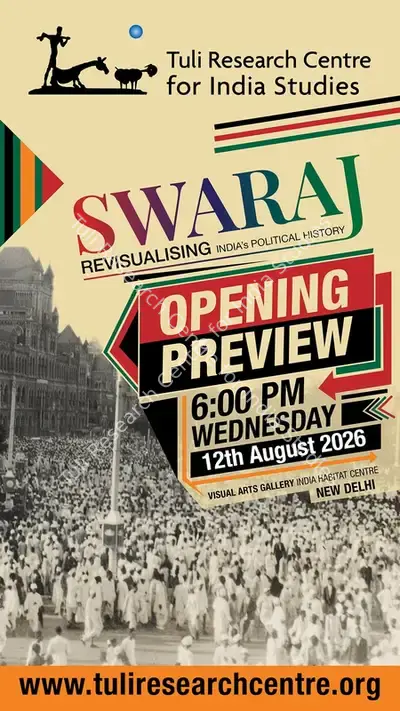
- "What does 𝗦𝘄𝗮𝗿𝗮𝗷 truly mean? Is freedom achieved at a single historic moment or period, or must self-rule be continually imagined, questioned and renewed? India's journey towards Swaraj was shaped not by one voice or one path, but through reform and resistance, revolution and non-violence, political thought, public protest, art, print, photography, cinema and the collective will of its people. The Tuli Research Centre for India Studies (T.R.I.S.) presents 𝗦𝗪𝗔𝗥𝗔𝗝: 𝗥𝗲𝘃𝗶𝘀𝘂𝗮𝗹𝗶𝘀𝗶𝗻𝗴 𝗜𝗻𝗱𝗶𝗮'𝘀 𝗣𝗼𝗹𝗶𝘁𝗶𝗰𝗮𝗹 𝗛𝗶𝘀𝘁𝗼𝗿𝘆, a pioneering exhibition curated by Neville Tuli. Bringing together rare artworks, prints, photographs, books, film publicity art, political propaganda and visual-textual-audio archives, SWARAJ traces India's complex journey towards political self-rule and self-discovery. From early European coastal encounters, the Bengal Renaissance and the First War of Independence in 1857 to the rise of Bharat Mata, the Tiranga, Gandhiji's inspired satyagraha, civil disobedience and mass mobilisation, the exhibition explores how the idea of India was envisioned, contested and transformed. It journeys through revolutionary movements and non-violence, subaltern uprisings, the Partition, the Constitution, the integration of the Princely States, the Emergency, wars, civic dissent and people's protests. It also foregrounds the vital role of artists, photographers, publishers, newspapers, journals, cartoons and cinema in recording and shaping the nation's political consciousness. SWARAJ invites us to encounter history not as something distant or settled, but as a daily living inheritance that continues to influence who we are and how we understand freedom, identity, and ourselves today. Watch the video for a glimpse into this expansive visual journey, and follow the exhibition as it revisualises India's political history through art, image, text and sound.
Calendar 3
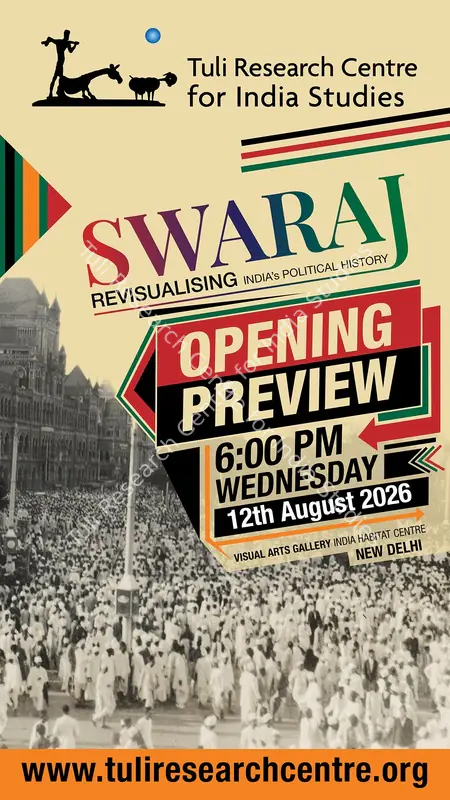
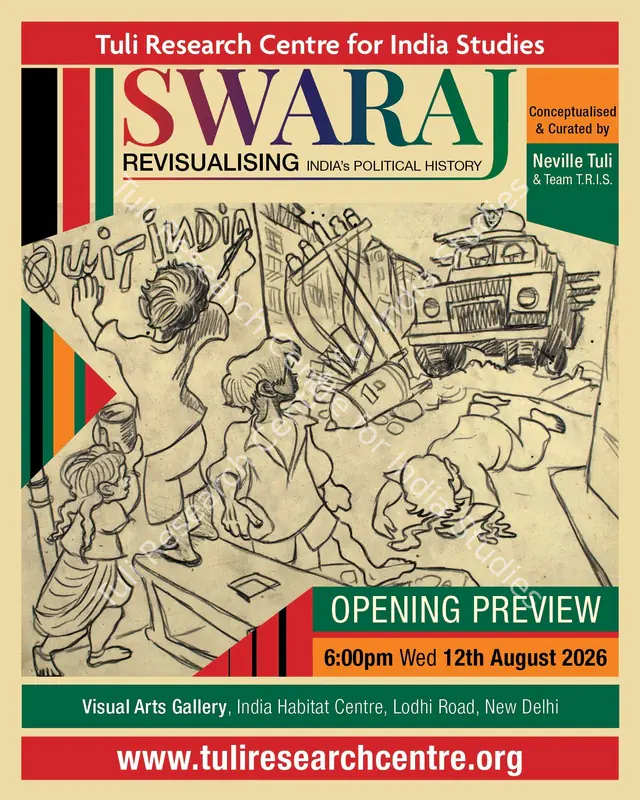
- ArchivedOpening PreviewProject 82SWARAJ - Revisualising India's Political HistoryAn Exhibition of Modern & Contemporary Fine & Popular Arts, Photography, Film Memorabilia and Visual-Textual-Audio Archive12th August 20266:00 PM - 9:00 PMVisual Arts Gallery, India Habitat Centre, Lodhi Road, New Delhi,The Tuli Research Centre for India Studies (T.R.I.S.) announces its seventh exhibition. “Swaraj – Revisualising India's Political History” -- An exhibition of Modern and Contemporary Fine and Popular Arts, Photography, Film Memorabilia and Visual-Textual-Audio Archives. Swaraj will open at 6 p.m. on Wednesday, 12 August 2026 at the Visual Arts Gallery and will remain open till 7 p.m. Sunday, 16 August 2026. Tuli Research Centre for India Studies (T.R.I.S.) presents SWARAJ | Revisualising India's Political History, a pioneering inter-disciplinary offline-online exhibition conceptualised and curated by Neville Tuli with Team T.R.I.S.. SWARAJ explores India's journey towards political self-rule and self-discovery through a remarkable collection of rare modern and contemporary fine and popular arts, albums, photographs, books, prints, propaganda, cartoons, film publicity artworks and other "text-visual-audio" archives contextualised within a clear historical framework, which defines T.R.I.S.' pedagogic approach to learning. The Exhibition will be of particular interest to students and scholars of India & Cultural Studies, and India's political and modern histories as well as those interested in the passage of events and ideas from the mid-1850s leading up to the turn of the 21st century. Unique to the Tuli Research Centre for India Studies is the richness of visual material that not only exhorts a deeper understanding of the art and archival materials on display but also brings alive the multi-layered narratives of the exhibition and naturally India's journey in being ad searching for herself.Read More →
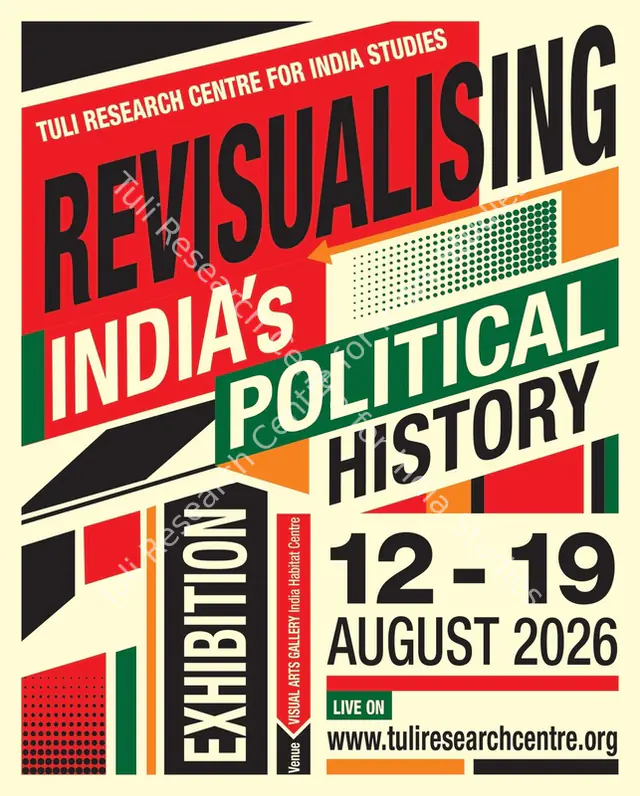
- ArchivedExhibitionProject 81SWARAJ - Revisualising India's Political HistoryAn Exhibition of Modern & Contemporary Fine & Popular Arts, Photography, Film Memorabilia and Visual-Textual-Audio Archive12th - 19th August 202610:00 AM - 7:00 PMVisual Arts Gallery, India Habitat Centre, Lodhi Road, New Delhi,19The Tuli Research Centre for India Studies (T.R.I.S.) announces its seventh exhibition. “Swaraj – Revisualising India's Political History” -- An exhibition of Modern and Contemporary Fine and Popular Arts, Photography, Film Memorabilia and Visual-Textual-Audio Archives. Swaraj will open at 6 p.m. on Wednesday, 12 August 2026 at the Visual Arts Gallery and will remain open till 7 p.m. Sunday, 16 August 2026. Tuli Research Centre for India Studies (T.R.I.S.) presents SWARAJ | Revisualising India's Political History, a pioneering inter-disciplinary offline-online exhibition conceptualised and curated by Neville Tuli with Team T.R.I.S.. SWARAJ explores India's journey towards political self-rule and self-discovery through a remarkable collection of rare modern and contemporary fine and popular arts, albums, photographs, books, prints, propaganda, cartoons, film publicity artworks and other "text-visual-audio" archives contextualised within a clear historical framework, which defines T.R.I.S.' pedagogic approach to learning. The Exhibition will be of particular interest to students and scholars of India & Cultural Studies, and India's political and modern histories as well as those interested in the passage of events and ideas from the mid-1850s leading up to the turn of the 21st century. Unique to the Tuli Research Centre for India Studies is the richness of visual material that not only exhorts a deeper understanding of the art and archival materials on display but also brings alive the multi-layered narratives of the exhibition and naturally India's journey in being ad searching for herself.Read More →
- ArchivedExhibitionProject 8Self Discovery via Rediscovering India Series Part V Mahatma Gandhi25th April 2025as part of the Rediscovering India via Self-Discovery Exhibition Series Part VRead More →
Related
51
Personalities
32
Institutions
13
Themes
4
Locations
1