Namkeen1982
Introduction
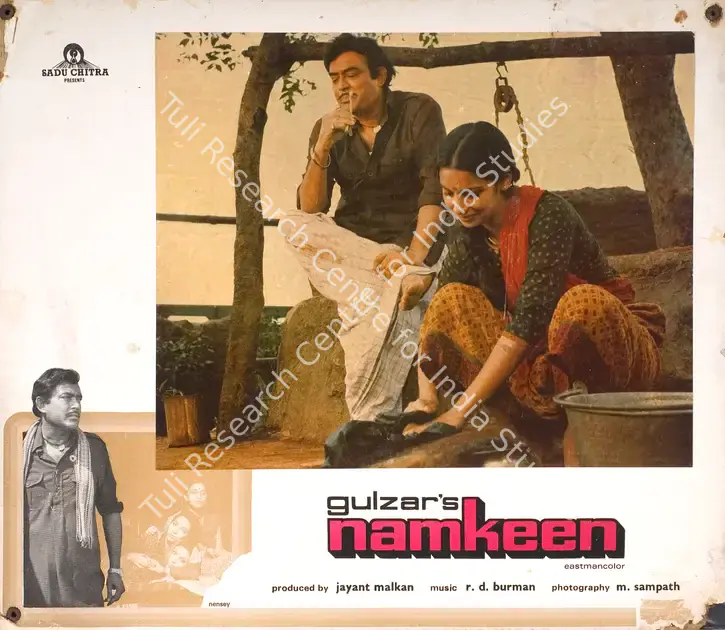
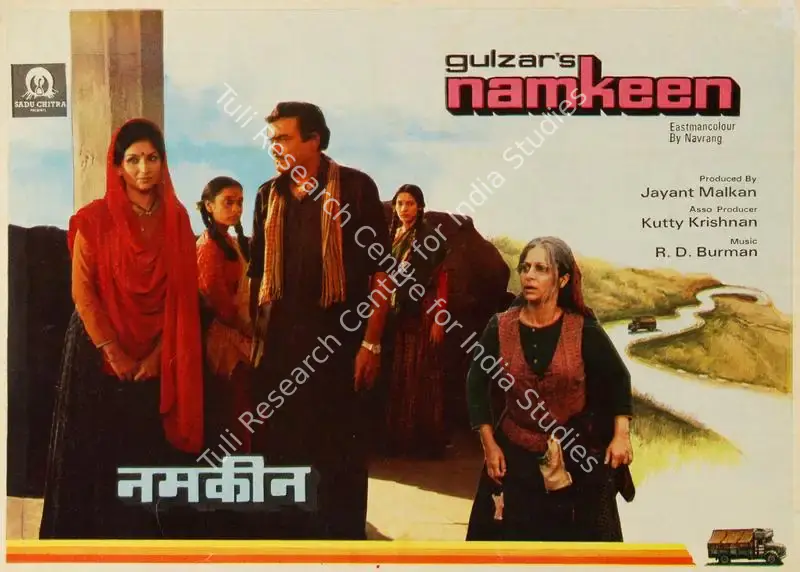
Namkeen (1982) It is one of director Gulzar's most sensitive explorations of marginalized lives in rural India. Featuring an ensemble cast that includes Sharmila Tagore, Sanjeev Kumar, Shabana Azmi, Waheeda Rehman, and Kiran Vairale, the film reflects Gulzar's enduring engagement with social realities that often remain overlooked in mainstream Indian cinema. The screenplay was adapted from Akal Basanta, a story by the noted Bengali writer Samaresh Basu, whose work had earlier inspired Gulzar's acclaimed film Kitaab (1977). Interestingly, the role of Nimki was initially assigned to Rekha; however, following reported differences with the producer, she withdrew from the project after a few days of shooting, and the role was subsequently portrayed by Sharmila Tagore.
Set in a remote village in Himachal Pradesh, the narrative centres on Jugni, a former nautanki (folk theatre) dancer, who lives with her three unmarried daughters—Nimki, Mitthu, and Chinki. Having distanced herself from a difficult past, Jugni sustains the household by selling spices and renting rooms to travellers. The daughters, whose names evoke different flavours, embody distinct temperaments: Nimki, the eldest, is responsible and self-sacrificing; Mitthu, who is mute, is sensitive and deeply romantic; and Chinki, the youngest, is spirited and perceptive. Their fragile stability is periodically disrupted by Jugni's estranged husband Kishanlal, an alcoholic folk musician who repeatedly attempts to reclaim his family.
The arrival of Gerulal, a truck driver who becomes their tenant, introduces an emotional dimension to the narrative. Gradually drawn to the family's resilience and dignity, he develops feelings for Nimki, while Mitthu silently falls in love with him. When Gerulal proposes marriage to Nimki, she declines, placing familial duty above personal happiness. The film's tragic conclusion unfolds three years later: Mitthu dies after an accident, Jugni succumbs to grief, and Chinki joins her father's travelling troupe. Returning to the village, Gerulal finds Nimki isolated and worn down by years of sacrifice, and ultimately takes her away from a life marked by loss and responsibility.
The film's evocative soundtrack, composed by R. D. Burman with lyrics by Gulzar, remains one of its enduring strengths. Songs such as Badi Der Se Megha Barse and Phir Se Aaiyo Badra Bidesi, exquisitely rendered by Asha Bhosle, are celebrated for their melodic sophistication and emotional depth. Although Namkeen received critical acclaim and won the National Film Award for Best Audiography in 1983, along with Filmfare Awards for Best Story and Best Art Direction, it failed to achieve commercial success at the box office.
हिमाचल प्रदेश के एक दूर-दराज़ गाँव में बसी यह कहानी जुगनी के इर्द-गिर्द घूमती है। जुगनी नौटंकी (लोक-नाट्य) की एक पूर्व डांसर है और अपनी तीन अविवाहित बेटियों निमिकी, मिट्ठू और चिंकी के साथ रहती है। अपने मुश्किल अतीत से दूर होकर, जुगनी मसाले बेचकर और यात्रियों को कमरे किराए पर देकर घर चलाती है। उसकी बेटियों के नाम अलग-अलग स्वादों की याद दिलाते हैं और उनके स्वभाव भी बिल्कुल अलग-अलग हैं। सबसे बड़ी बेटी निमिकी ज़िम्मेदार और त्याग करने वाली है, मिट्ठू जो बोल नहीं सकती, संवेदनशील और बहुत रोमांटिक है और सबसे छोटी चिंकी जोशीली और समझदार है। उनकी ज़िंदगी में बनी-बनाई शांति समय-समय पर जुगनी के अलग हो चुके पति किशनलाल की वजह से बिगड़ जाती है। किशनलाल शराब का आदी एक लोक-संगीतकार है जो बार-बार अपने परिवार को वापस पाने की कोशिश करता रहता है।
कहानी में एक नया और भावुक मोड़ तब आता है जब गेरुलाल नाम का एक ट्रक ड्राइवर उनके यहाँ किराएदार बनकर रहने लगता है। परिवार की हिम्मत और गरिमा से प्रभावित होकर, उसे निमकी से प्यार हो जाता है, जबकि मिट्ठू चुपचाप उससे प्यार करने लगती है। जब गेरुलाल निमकी को शादी के लिए प्रपोज़ करता है, तो वह अपनी निजी ख़ुशी से ज़्यादा परिवार के प्रति अपनी ज़िम्मेदारी को चुनते हुए मना कर देती है। फ़िल्म का दुखद अंत तीन साल बाद होता है। एक हादसे में मिट्ठू की मौत हो जाती है, जुगनी ग़म में दम तोड़ देती है और चिंकी अपने पिता की ट्रैवलिंग मंडली में शामिल हो जाती है। गाँव लौटने पर गेरुलाल को निमकी अकेली और सालों के त्याग से थकी-हारी हालत में मिलती है, और आख़िरकार वह उसे नुक़सान और ज़िम्मेदारियों से भरी उस ज़िंदगी से दूर ले जाता है।
आर. डी. बर्मन का संगीत और गुलज़ार के बोल वाली इस फ़िल्म की शानदार धुनें आज भी इसकी बड़ी ख़ूबीयों में से एक हैं। आशा भोंसले की आवाज़ में गाए गए गाने, जैसे 'बड़ी देर से मेघा बरसे' और 'फ़िर से आइयो बदरा बिदेसी', अपनी मधुरता और भावनाओं की गहराई के लिए बहुत पसंद किए जाते हैं। हालाँकि 'नमकीन' को आलोचकों से तारीफ़ मिली और 1983 में इसे बेस्ट ऑडियोग्राफ़ी के लिए नेशनल फ़िल्म अवॉर्ड के साथ-साथ बेस्ट स्टोरी और बेस्ट आर्ट डायरेक्शन के लिए फ़िल्मफ़ेयर अवॉर्ड भी मिले, लेकिन यह बॉक्स ऑफ़िस पर कमर्शियल तौर पर सफल नहीं हो पाई।