

Naam1986
Introduction
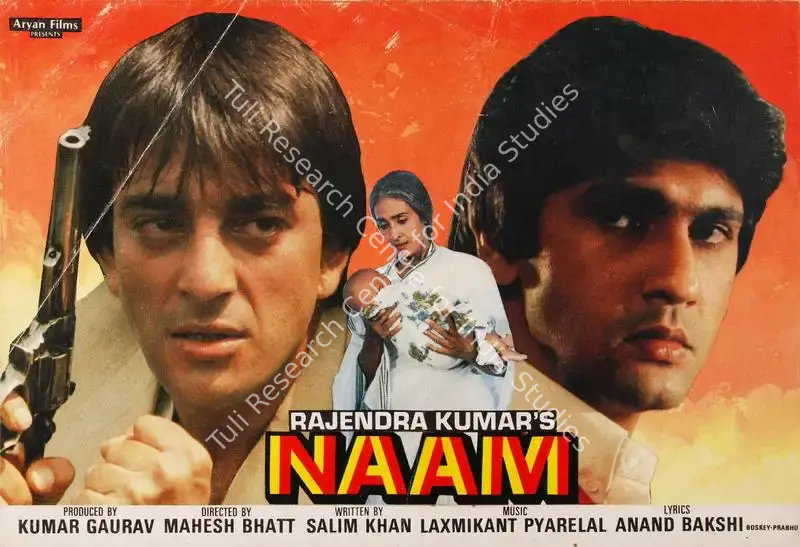
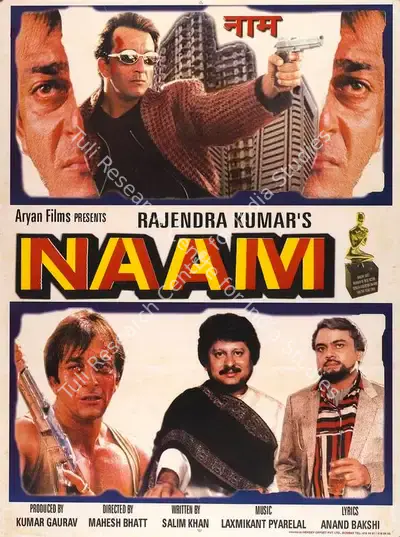
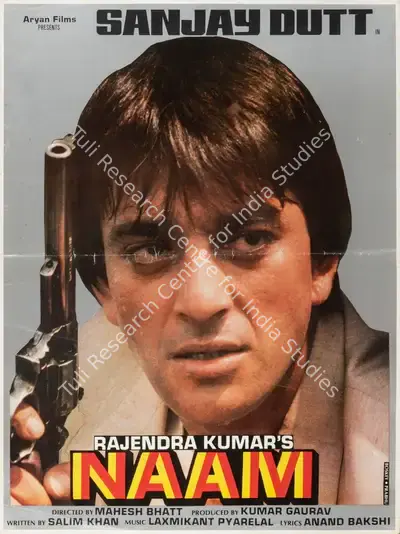
Naam (1986) is a landmark Hindi crime thriller directed by Mahesh Bhatt, featuring an accomplished ensemble cast comprising Nutan, Kumar Gaurav, Sanjay Dutt, Poonam Dhillon, Amrita Singh, and Paresh Rawal. A resounding commercial success, the film is widely regarded as a defining moment in the careers of Bhatt, Dutt, and Rawal. Its iconic song Chithi Aayi Hai achieved enduring global recognition when it was selected by BBC Radio as one of the 100 Songs of the Millennium worldwide.
The film chronicles the poignant journey of Janki Kapoor (Nutan), a long-suffering mother struggling to raise her two sons, Ravi (Kumar Gaurav) and Vicky (Sanjay Dutt), amid grinding poverty. Life is further complicated by Vicky's reckless temperament and frequent brushes with the law, which place an emotional and financial strain on the family. In stark contrast, Ravi emerges as the dutiful elder brother—industrious, self-sacrificing, and steadfastly committed to holding the family together, often at the cost of his own aspirations.
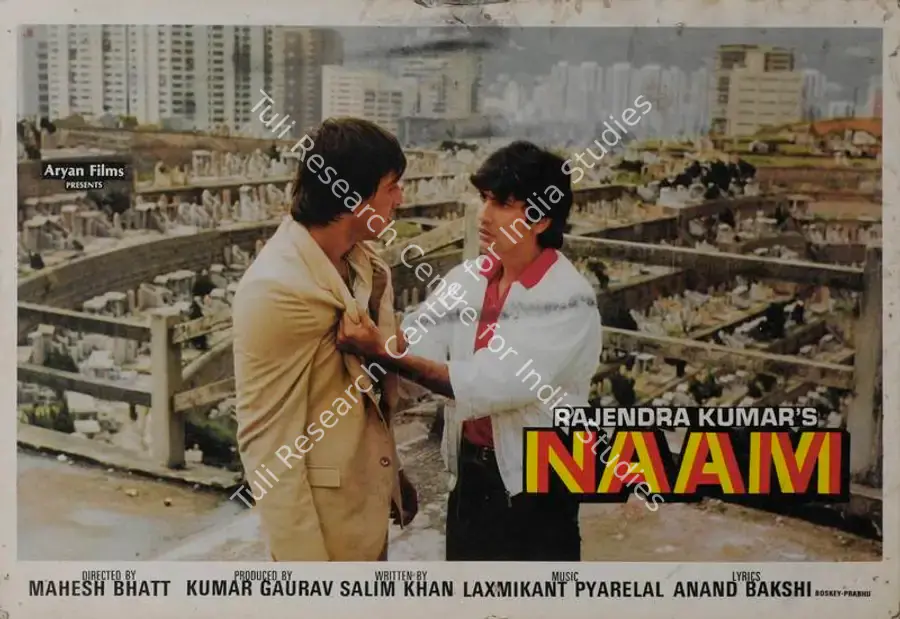
Consumed by dreams of prosperity abroad, Vicky sets his sights on Dubai, inspired by stories of Indian migrants finding fortune overseas. Ravi arranges the necessary finances and visa for his brother's departure, hoping this opportunity will transform Vicky's life. However, once Vicky leaves, the family hears nothing from him. Unbeknownst to them, he has fallen victim to deception: the promised job proves illusory, and his visa is discovered to be fraudulent.
Trapped in a hostile foreign land, Vicky is coerced into working for Rana, a ruthless international smuggler, under the threat of arrest and deportation. His descent into the criminal underworld culminates in tragedy when he is fatally shot by the police, a devastating climax witnessed by Ravi. The film concludes on a deeply emotional note, with the brothers sharing a final moment of reconciliation, underscoring the film's central themes of sacrifice, fate, and the role of familial bonds.
The film's evocative soundtrack, composed by the legendary duo Laxmikant–Pyarelal with lyrics by Anand Bakshi, played a crucial role in its enduring appeal. Chithi Aayi Hai ranked #12 on the Binaca Geetmala Annual List (1986), Ameeron Ki Shaam Gareebon Ke Naam secured the #26 position, and Tu Kal Chala Jayega placed at #35.
Upon its release, Naam was met with widespread critical acclaim for its gripping narrative, Sanjay Dutt's powerful performance, and its soulful music. The film emerged as a superhit and ranked among the highest-grossing Hindi films of 1986. Significantly, it marked Mahesh Bhatt's triumphant return to mainstream commercial cinema after a distinguished phase in art-house filmmaking, notably with Arth (1982) and Saaransh (1984).
यह फ़िल्म जानकी कपूर (नूतन) की मार्मिक कहानी बयां करती है, जो घोर गरीबी के बीच अपने दो बेटों, रवि (कुमार गौरव) और विक्की (संजय दत्त) के पालन-पोषण के लिए संघर्ष कर रही एक माँ है। विक्की का लापरवाह स्वभाव और बार-बार कानूनी झंझटों से जीवन और भी जटिल हो जाता है, जिससे परिवार पर भावनात्मक और आर्थिक बोझ पड़ता है। इसके बिल्कुल विपरीत, रवि एक कर्तव्यनिष्ठ बड़े भाई के रूप में उभरता है—जो मेहनती, आत्म-त्यागी और अपने सपनों की कीमत पर भी परिवार को एकजुट रखने के लिए दृढ़ संकल्पित है।
विदेश में समृद्धि के सपनों में डूबा विक्की, विदेशों में भाग्य आजमाने वाले भारतीय प्रवासियों की कहानियों से प्रेरित होकर दुबई जाने का फैसला करता है। रवि अपने भाई के जाने के लिए आवश्यक धन और वीज़ा का इंतज़ाम करता है, इस उम्मीद में कि यह अवसर विक्की का जीवन बदल देगा। हालांकि, विक्की के जाने के बाद, परिवार को उससे कोई ख़बर नहीं मिलती। उन्हें पता नहीं था कि वह धोखे का शिकार हो गया है, जिस नौकरी का वादा किया गया था, वह झूठी साबित होती है और उसका वीज़ा भी नकली निकलता है।
एक अंजान विदेशी धरती पर फँसे विक्की को गिरिफ़्तारी और निर्वासन का ख़तरे दिखाकर एक निर्दयी अंतरराष्ट्रीय तस्कर राणा के लिए काम करने के लिए मज़बूर किया जाता है। अपराध की दुनिया में उसका पतन एक त्रासदी के रूप में समाप्त होता है जब पुलिस की गोली से उसकी मौत हो जाती है, जिसका भयावह दृश्य रवि के सामने आता है। फ़िल्म का अंत एक बेहद भावुक क्षण के साथ होता है, जिसमें दोनों भाई सुलह का अंतिम क्षण साझा करते हैं, जो बलिदान, भाग्य और पारिवारिक बंधनों की भूमिका जैसे फ़िल्म के केंद्रीय विषयों को रेखांकित करता है।
फ़िल्म का भावपूर्ण संगीत जिसे महान संगीतकार जोड़ी लक्ष्मीकांत–प्यारेलाल ने आनंद बख़्शी के गीतों के साथ तैयार किया था, इसकी स्थायी लोकप्रियता में एक महत्वपूर्ण भूमिका निभाता है। बिनाका गीतमाला वार्षिक सूची (1986) में 'चिट्ठी आई है' को #12वां स्थान मिला, 'अमीरों की शाम गरीबों के नाम' को #26वां स्थान मिला और तू कल चला जाएगा को #35वां स्थान मिला।
रिलीज़ होने के बाद नाम को इसकी दिलचस्प कहानी, संजय दत्त के दमदार अभिनय और भावपूर्ण संगीत के लिए ख़ूब आलोचनात्मक प्रशंसा मिली। फ़िल्म सुपरहिट साबित हुई और 1986 की सबसे अधिक कमाई करने वाली हिंदी फ़िल्मों में शुमार हुई। महत्वपूर्ण बात यह है कि इसने महेश भट्ट की कला-प्रधान फ़िल्म निर्माण के एक शानदार दौर के बाद मुख्यधारा के व्यावसायिक सिनेमा में शानदार वापसी को मार्ग प्रशस्त किया, विशेष रूप से अर्थ (1982) और सारांश (1984) के साथ।
Body of Work
Research Centre
Related
3