

Introduction
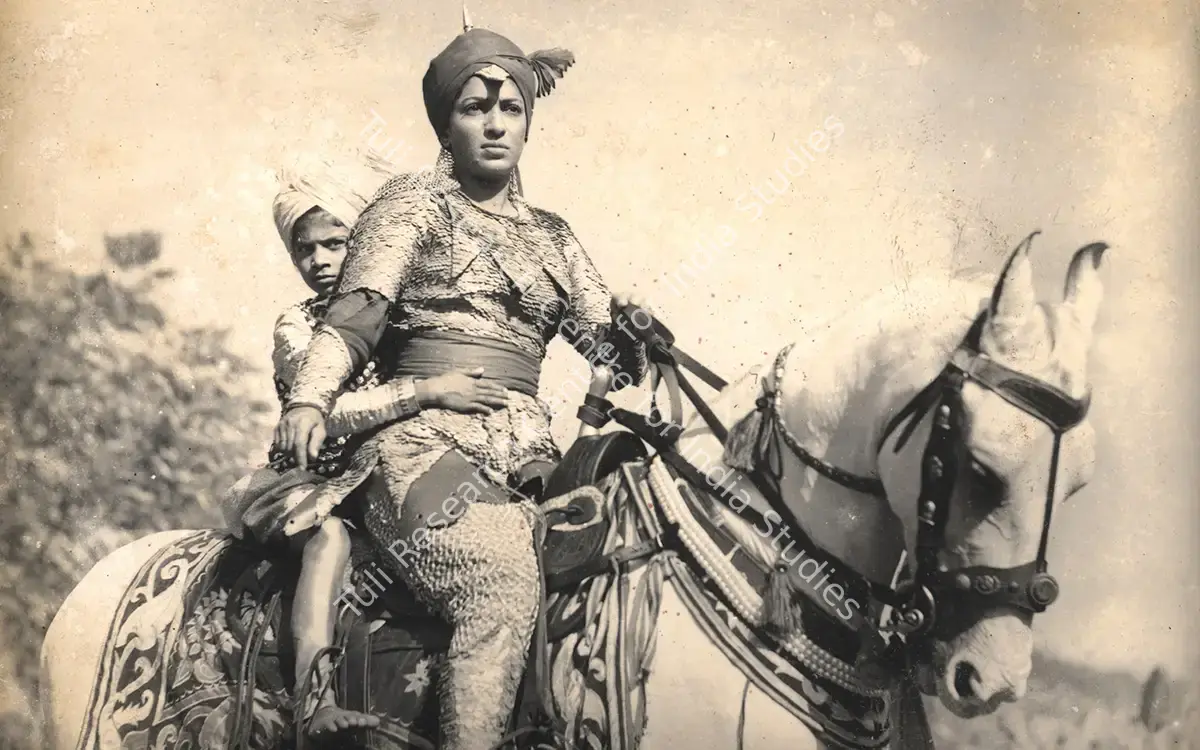
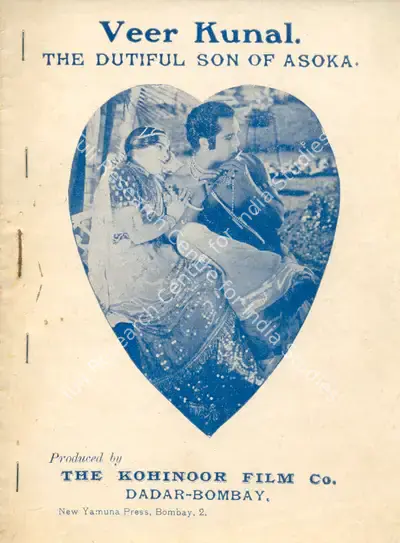
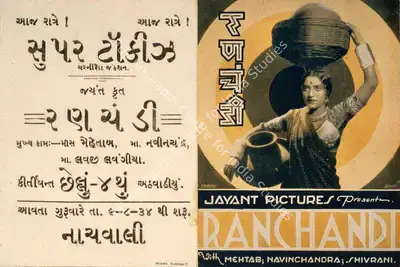
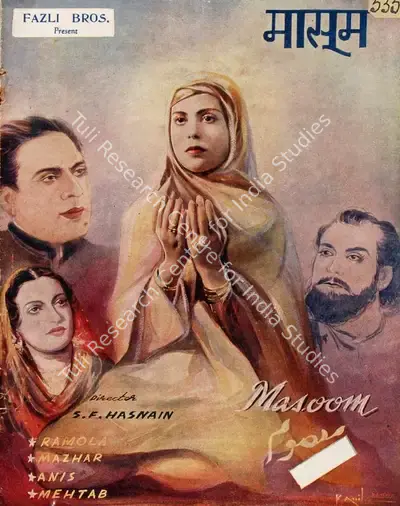
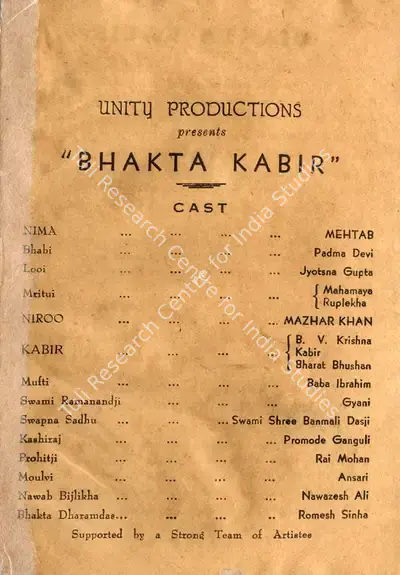
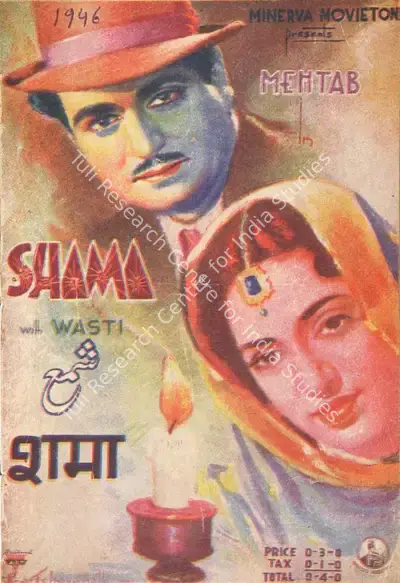
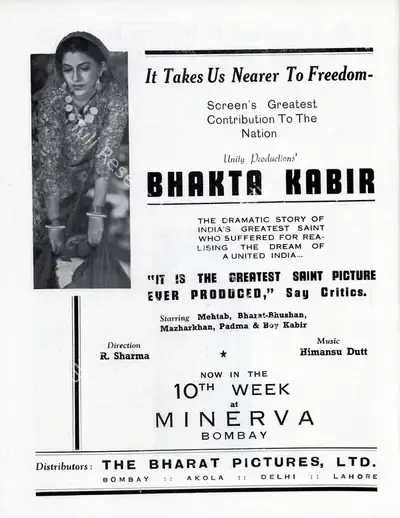
Mehtab (1913–1997) was a distinguished Indian actress whose cinematic journey spanned over four decades, from 1928 to 1969. Born Najma in Sachin, Gujarat, into a noble Muslim family, she was the daughter of Nawab Sidi Ibrahim Mohammad Yakut Khan III, the Nawab of Sachin near Surat. Her introduction to the silver screen began in the late 1920s with modest roles in Second Wife (1928), Indira B.A. (1929), and Jayant (1929). Gradually, she transitioned to more substantial parts, achieving her first major success opposite Ashraf Khan in Veer Kunal (1932).
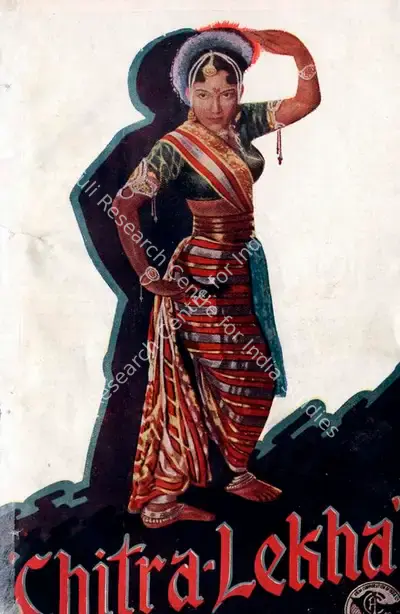
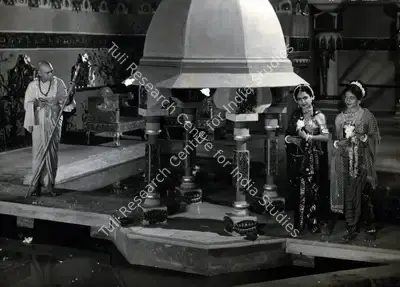
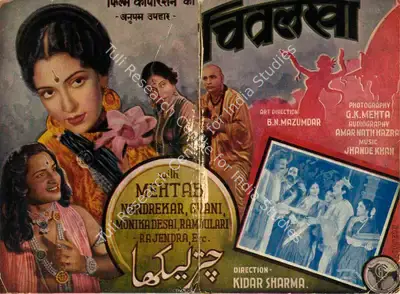
During the early phase of her career, Mehtab was often cast in action-oriented roles, gaining recognition for her strong screen presence. Her breakthrough came with Kidar Sharma's Chitralekha (1941), which cemented her status as one of the prominent actresses of her era.
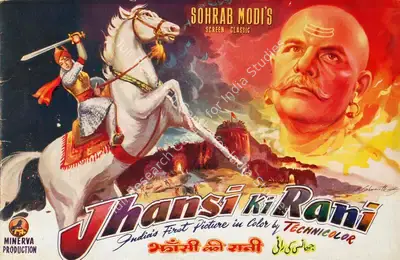
Her personal life intertwined with the film industry. She first married her co-star Ashraf Khan, with whom she had a son, though the union ended in divorce. In 1946, she married the eminent filmmaker Sohrab Modi. Under his direction, she portrayed the titular role in the ambitious historical epic Jhansi Ki Rani (1953). Despite its visual grandeur and elaborate production, the film failed commercially but remains a landmark in Indian cinematic history for its technical innovation.
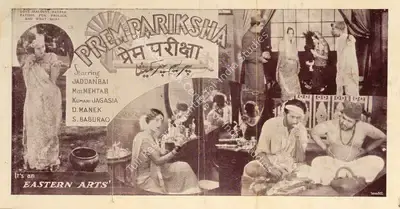
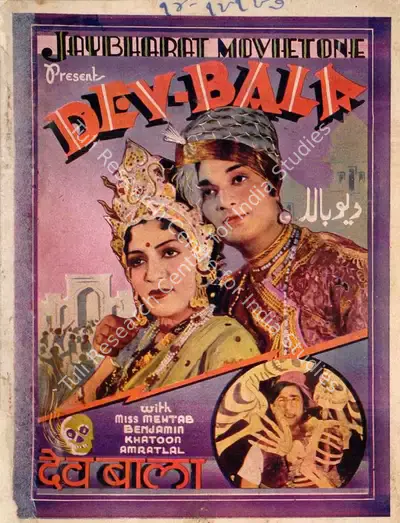
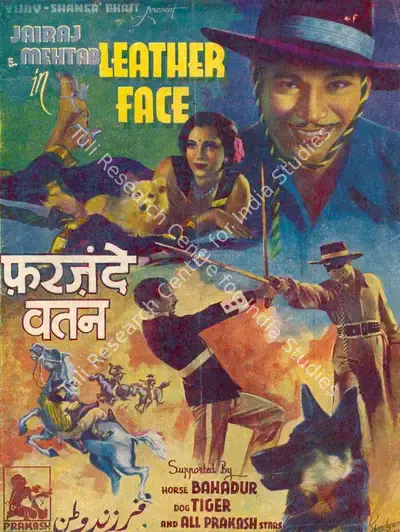
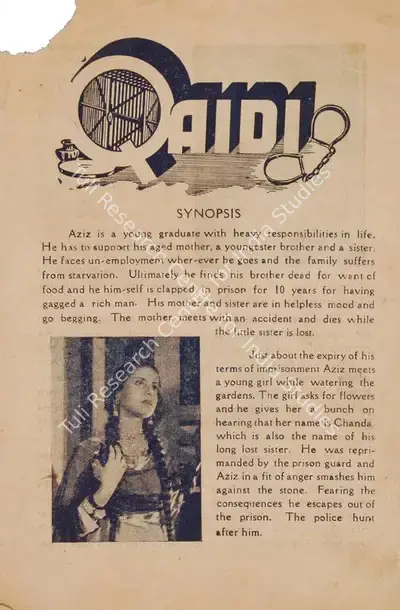
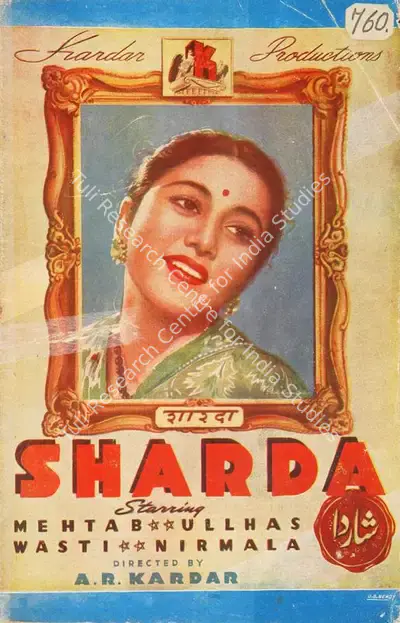
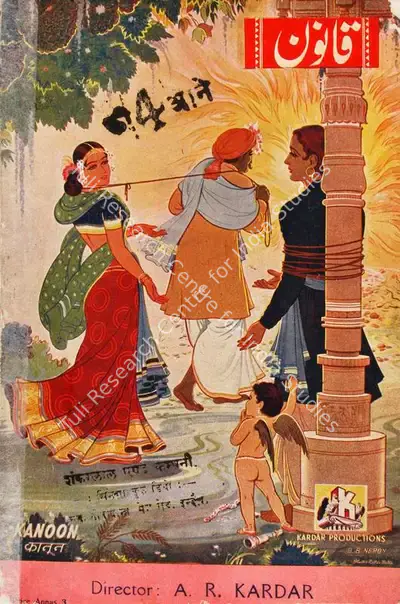
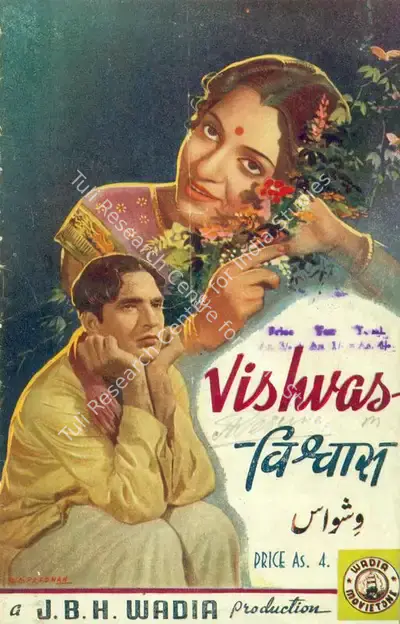
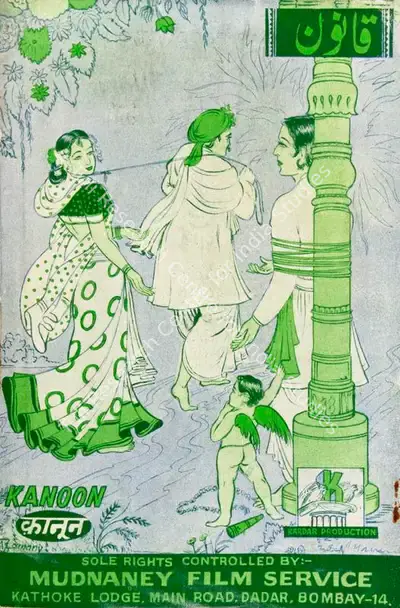
Mehtab's earlier works included Kamaal-e-Shamsheer (1930), produced by her mother under the Excelsior Film Company, and Hamara Hindustan (1930), a silent film featuring Ruby Myers and Mazhar Khan. Throughout the 1930s, she collaborated with studios like Sharda Film Company and Ranjit Movietone, acting under notable directors such as Jayant Desai and Jaddanbai. Her later repertoire featured acclaimed performances in Qaidi (1940), Sharda (1942), Kanoon (1943), and Vishwas (1943).
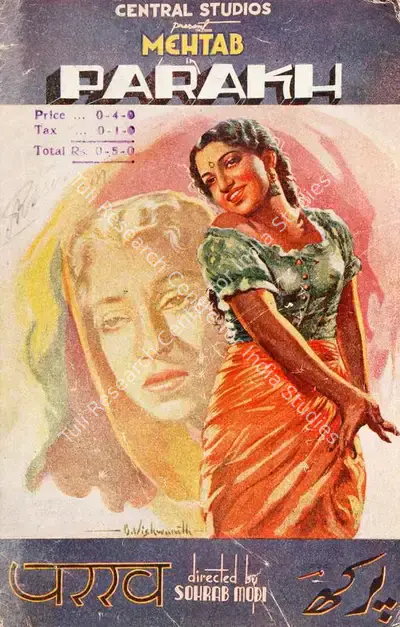
It was during the making of Parakh (1944) that her relationship with Sohrab Modi blossomed, leading to both personal and creative partnership. Her final appearance was in Modi's Samay Bada Balwan (1969), after which she retired from films. Mehtab passed away in Mumbai on 10 April 1997, leaving behind a legacy marked by elegance, resilience, and pioneering artistry in early Indian cinema.
करियर की शुरुआत उन्हें अक्सर एक्शन प्रधान भूमिकाओं में लिया जाता था और स्क्रीन पर अपनी दमदार मौजूदगी के लिए पहचान मिली। उनको असली क़ामयाबी किदार शर्मा की फ़िल्म 'चित्रलेखा' (1941) से मिली, जिसने उन्हें उस दौर की प्रमुख अभिनेत्रियों में से एक के तौर पर स्थापित कर दिया।
उनकी निजी ज़िंदगी फ़िल्म इंडस्ट्री से जुड़ी हुई थी। उन्होंने सबसे पहले अपने को-स्टार अशरफ़ ख़ान से शादी की, जिनसे उन्हें एक बेटा हुआ, लेकिन यह शादी तलाक़ पर खत्म हुई। 1946 में, उन्होंने मशहूर फ़िल्ममेकर सोहराब मोदी से शादी की। उनके निर्देशन में, उन्होंने महत्वाकांक्षी ऐतिहासिक फ़िल्म 'झांसी की रानी' (1953) में मुख्य भूमिका निभाई। शानदार विज़ुअल्स और बड़े पैमाने पर बनी होने के बावजूद, यह फ़िल्म कमर्शियली सफल नहीं रही, लेकिन अपनी तकनीकी इनोवेशन के कारण भारतीय सिनेमा के इतिहास में एक अहम फ़िल्म मानी जाती है।
मेहताब के शुरुआती कामों में 'कमाल-ए-शमशीर' (1930) शामिल थी, जिसे उनकी माँ ने एक्सेलसियर फ़िल्म कंपनी के तहत प्रोड्यूस किया था, और 'हमारा हिंदुस्तान' (1930) भी, जो रूबी मायर्स और मज़हर ख़ान की एक साइलेंट फ़िल्म थी। 1930 के दशक में, उन्होंने शारदा फ़िल्म कंपनी और रंजीत मूवीटोन जैसे स्टूडियो के साथ काम किया और जयंत देसाई और जद्दनबाई जैसे मशहूर डायरेक्टर्स के साथ काम किया। उनके बाद के कामों में 'क़ैदी' (1940), 'शारदा' (1942), 'क़ानून' (1943) और 'विश्वास' (1943) में उनकी बेहतरीन एक्टिंग शामिल है।
'परख' (1944) फ़िल्म के दौरान सोहराब मोदी के साथ उनका रिश्ता परवान चढ़ा, जिससे उनकी पर्सनल और क्रिएटिव पार्टनरशिप बनी। उन्होंने आख़िरी बार मोदी की फ़िल्म 'समय बड़ा बलवान' (1969) में काम किया, जिसके बाद उन्होंने फ़िल्मों से संन्यास ले लिया। 10 अप्रैल 1997 को मुंबई में उनका निधन हो गया। वे अपने पीछे शालीनता, मज़बूती और शुरुआती भारतीय सिनेमा में बेहतरीन कलाकारी की एक विरासत छोड़ गईं।
Filmography 22
Research Centre

Related
23
Films
20