
Mathilukal1989
Introduction
Introduction for Mathilukal (1989) is being prepared.
Body of Work
Mathilukal is a free adaptation of the novelette of the same name, written by the celebrated Malayalam writer, Vaikom Muhammad Basheer
Autobiographical in character, it is set against the background of India's freedom struggle in the '40s when he was serving a term of imprisonment in the Trivandrum Central Jail.
Basheer embodies the spirit of the free mind. His formal education had stopped with the fourth form when, heeding Gandhi's call, he ran away from school to take part in India's freedom struggle. He was beaten up by the police and jailed for defying the Salt Laws. On coming out of jail, he organised a terrorist movement on the Bhagat Singh model – which again set the police on his trail. He left his home in Kerala and wandered around the country for nearly seven years. Worked as deckhand, cook, compositor, tutor, palmist among many other odd jobs – and donned the robes of both sufi and sanyasin. On returning home, he was promptly picked up by the police of the tyrannical Dewan of Travancore.
When the film opens, we see Basheer in a police lock-up, quite at home in the company of a few petty criminals. He has been languishing there for more than a year now without a trial.
The Police Inspector who is notorious for his cruelty, however, develops a liking for Basheer and his writings. It is on his advice that Basheer resorts to a hunger strike, is arrested, and gets finally taken to the court for trial.
The judge finds Basheer guilty on many charges, real as well as fabricated, and sentences him to two and a half years of rigorous imprisonment.
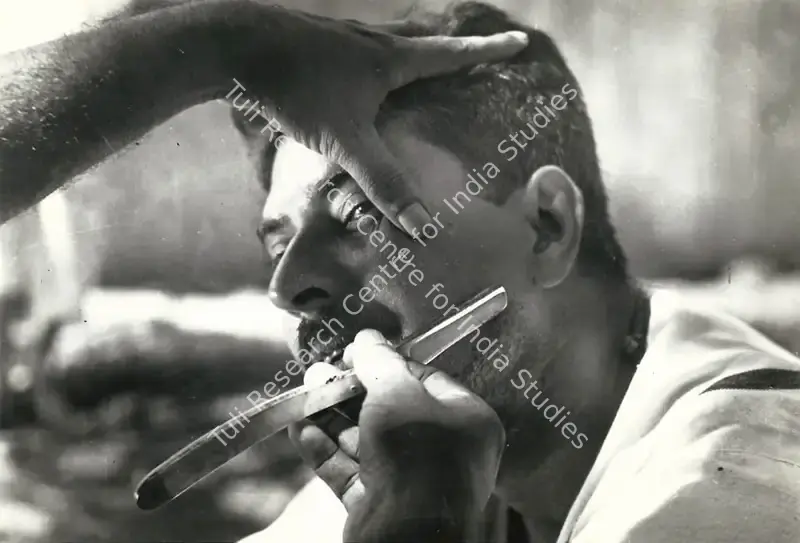
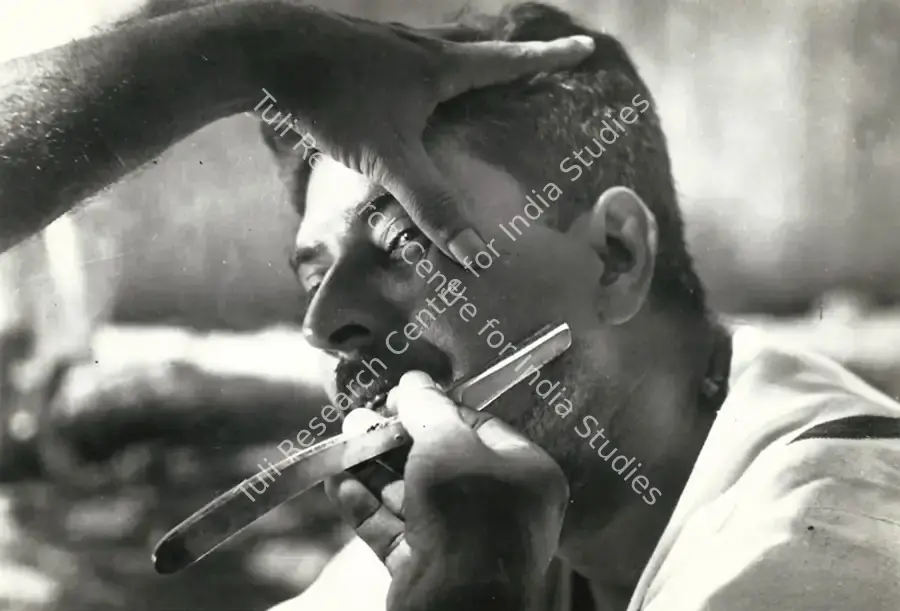
He is taken to the Central Jail by two friendly policemen who present him with two bundles of beedis, a box of matches and a blade – all forbidden in jail.
The head warder first confiscates, then eventually returns these to him, marking the beginning of a long-lasting friendship.
Basheer's simplicity, humour and humanism win him friends all over, no matter whether they are hardened criminals or strict jail officials. His old compositor friend, Ramankutty, is the hospital orderly there, and Abdul Razak, the meal server opens his heart to him like a brother. He also meets his old classmate – now in chains for having assaulted a warder. The Assistant Jailor, one of Basheer's admirers, comes to visit him often for a lively chat, bringing with him writing materials and appreciation for Basheer's writings from beyond prison walls.
And then there is news that all the political prisoners are to be released soon. There is joy and excitement in the air at the prospect of freedom. The order for release comes: but Basheer's name is missing from the list…
Basheer is frustrated, desperate and alone. His friends leave – life becomes eventless. He wanders through the vacant corridors and the garden aimlessly. He talks to the trees and flowers, quarrels with the squirrels. He hatches a plot for breaking out of jail…
And then, suddenly, the emptiness is lanced by the voice of a woman from over the wall – from the women's jail. Life starts afresh for Basheer. A tender relationship develops between the two though they cannot see each other. Then, at last, it seems as if they can meet: they fix the time and place…
On the morning of the day they are to meet, comes the order for Basheer's release. It comes as a shock. For Basheer, the meaning of freedom is not the same as before.
Director's Statement
Vaikom Muhammad Basheer is a favourite writer of mine. He is perhaps the most original author in Malayalam, my mother- tongue. Sometime early '88, I re-read his autobiographical novelette, Mathilukal, after a long time, and found it just as gripping.
The idea of giving shape to a complex character only through the voice, and of developing an intense relationship between two people separated by a wall, was simply fascinating.
Having decided to adapt the story I went about it as if I were making a film based on one of my own original ideas. I took the liberty to introduce my own characters and incidents, cut out some of the author's, and borrowed a few from other of his prison stories. All along, my effort has been to make a film faithful to Basheer and yet one that has a life of its own. In this process, the narrator in the story became Basheer himself and the film evolved as much as a piece about Basheer as one based on his story.
The result, I believe, is an exploration into the creative mind of a writer and a great humanist.
At another level, it is a film about freedom. It asks the fundamental question of what freedom really means.
But the writer – the artist – surrounded by walls, can transcend them with his creativity. He can even create a woman for company and get inextricably involved with his own creation.
The film is also about life and death: the regimentation of life and the liberation of death. About how you reconcile yourself even to an inhospitable habitat like the prison (life) – then are suddenly let out to the freedom (death) of uncertainty. This metaphysical level is perhaps the least apparent.
Source: Adoor Gopalakrishnan's Website
Autobiographical in character, it is set against the background of India's freedom struggle in the '40s when he was serving a term of imprisonment in the Trivandrum Central Jail.
Basheer embodies the spirit of the free mind. His formal education had stopped with the fourth form when, heeding Gandhi's call, he ran away from school to take part in India's freedom struggle. He was beaten up by the police and jailed for defying the Salt Laws. On coming out of jail, he organised a terrorist movement on the Bhagat Singh model – which again set the police on his trail. He left his home in Kerala and wandered around the country for nearly seven years. Worked as deckhand, cook, compositor, tutor, palmist among many other odd jobs – and donned the robes of both sufi and sanyasin. On returning home, he was promptly picked up by the police of the tyrannical Dewan of Travancore.
When the film opens, we see Basheer in a police lock-up, quite at home in the company of a few petty criminals. He has been languishing there for more than a year now without a trial.
The Police Inspector who is notorious for his cruelty, however, develops a liking for Basheer and his writings. It is on his advice that Basheer resorts to a hunger strike, is arrested, and gets finally taken to the court for trial.
The judge finds Basheer guilty on many charges, real as well as fabricated, and sentences him to two and a half years of rigorous imprisonment.
He is taken to the Central Jail by two friendly policemen who present him with two bundles of beedis, a box of matches and a blade – all forbidden in jail.
The head warder first confiscates, then eventually returns these to him, marking the beginning of a long-lasting friendship.
Basheer's simplicity, humour and humanism win him friends all over, no matter whether they are hardened criminals or strict jail officials. His old compositor friend, Ramankutty, is the hospital orderly there, and Abdul Razak, the meal server opens his heart to him like a brother. He also meets his old classmate – now in chains for having assaulted a warder. The Assistant Jailor, one of Basheer's admirers, comes to visit him often for a lively chat, bringing with him writing materials and appreciation for Basheer's writings from beyond prison walls.
And then there is news that all the political prisoners are to be released soon. There is joy and excitement in the air at the prospect of freedom. The order for release comes: but Basheer's name is missing from the list…
Basheer is frustrated, desperate and alone. His friends leave – life becomes eventless. He wanders through the vacant corridors and the garden aimlessly. He talks to the trees and flowers, quarrels with the squirrels. He hatches a plot for breaking out of jail…
And then, suddenly, the emptiness is lanced by the voice of a woman from over the wall – from the women's jail. Life starts afresh for Basheer. A tender relationship develops between the two though they cannot see each other. Then, at last, it seems as if they can meet: they fix the time and place…
On the morning of the day they are to meet, comes the order for Basheer's release. It comes as a shock. For Basheer, the meaning of freedom is not the same as before.
Director's Statement
Vaikom Muhammad Basheer is a favourite writer of mine. He is perhaps the most original author in Malayalam, my mother- tongue. Sometime early '88, I re-read his autobiographical novelette, Mathilukal, after a long time, and found it just as gripping.
The idea of giving shape to a complex character only through the voice, and of developing an intense relationship between two people separated by a wall, was simply fascinating.
Having decided to adapt the story I went about it as if I were making a film based on one of my own original ideas. I took the liberty to introduce my own characters and incidents, cut out some of the author's, and borrowed a few from other of his prison stories. All along, my effort has been to make a film faithful to Basheer and yet one that has a life of its own. In this process, the narrator in the story became Basheer himself and the film evolved as much as a piece about Basheer as one based on his story.
The result, I believe, is an exploration into the creative mind of a writer and a great humanist.
At another level, it is a film about freedom. It asks the fundamental question of what freedom really means.
But the writer – the artist – surrounded by walls, can transcend them with his creativity. He can even create a woman for company and get inextricably involved with his own creation.
The film is also about life and death: the regimentation of life and the liberation of death. About how you reconcile yourself even to an inhospitable habitat like the prison (life) – then are suddenly let out to the freedom (death) of uncertainty. This metaphysical level is perhaps the least apparent.
Source: Adoor Gopalakrishnan's Website
Art Director
Cinematographer
Costume Designer
Director
Lead Cast
Lead Cast Rest
Music Director
Producer
Screenplay Writer
Script Writer
Sound Designer
Story Writer
Research Centre
Related
1
Personalities
1