
Maqbool2003
Introduction
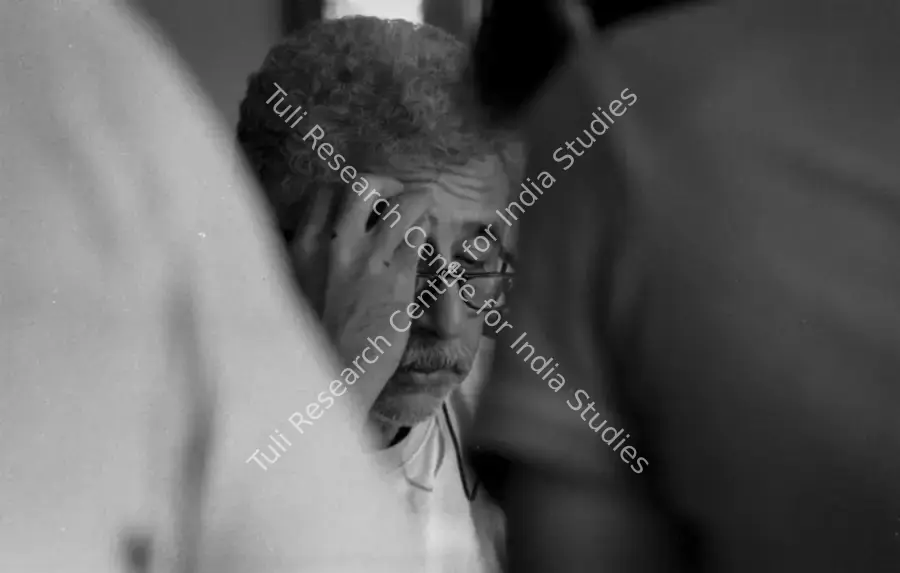
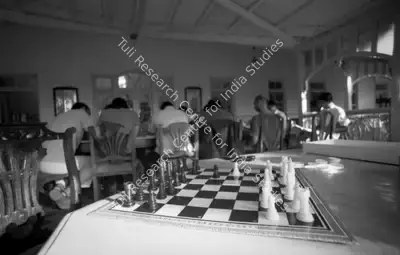
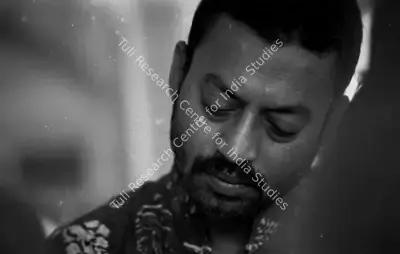
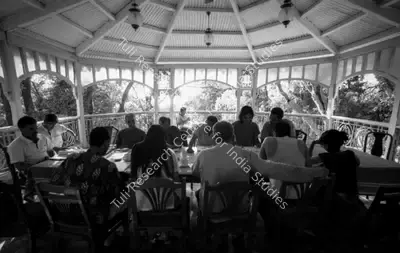
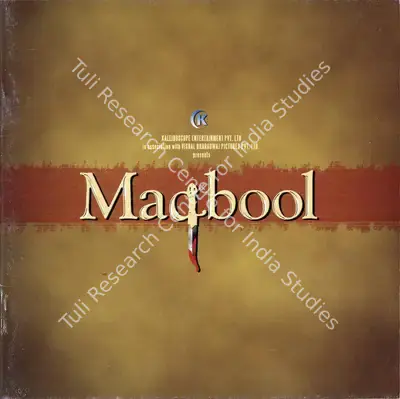
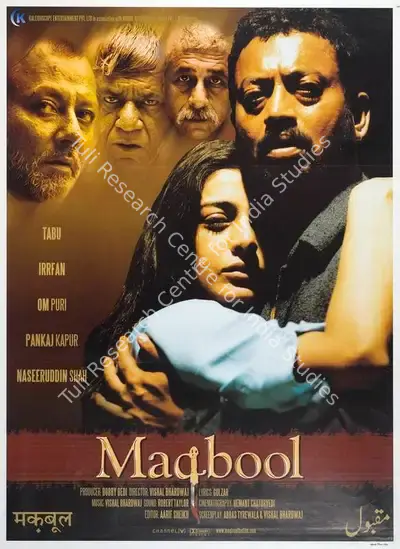
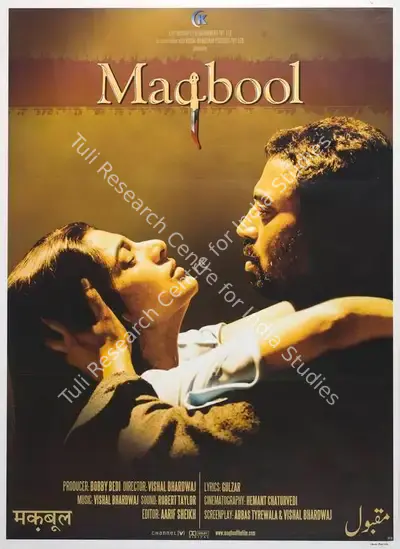
Maqbool (2003) The critically acclaimed Indian crime drama directed by Vishal Bhardwaj, is an adaptation of William Shakespeare's Macbeth, reimagined within the milieu of the Mumbai underworld. Featuring an ensemble cast that includes Irrfan Khan, Tabu, Pankaj Kapur, Naseeruddin Shah, Om Puri, Piyush Mishra, Murali Sharma, and Masumeh Makhija, the film explores the themes of ambition, loyalty, betrayal, guilt, and the corrupting influence of power.
The narrative closely follows the plot structure and character dynamics of Macbeth while relocating the story to the socio-political landscape of organised crime in Mumbai. Although Maqbool did not achieve commercial success upon its theatrical release, it received widespread critical acclaim and established Vishal Bhardwaj as one of India's foremost literary adaptation filmmakers. In addition to directing the film, Bhardwaj composed its background score and soundtrack. He later adapted Shakespeare's Othello in Omkara (2006) and Hamlet in Haider (2014), completing what is widely recognised as his celebrated Shakespeare Trilogy.
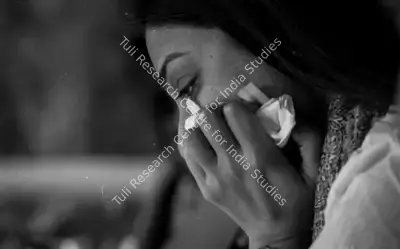
The protagonist, Maqbool (Irrfan Khan), is the most trusted lieutenant of Jahangir Khan, popularly known as Abbaji (Pankaj Kapur), a powerful and respected underworld don. Maqbool is secretly in love with Nimmi (Tabu), Abbaji's mistress, who reciprocates his affection while deeply resenting her subordinate position in Abbaji's life. Two corrupt police officers, Pandit (Om Puri) and Purohit (Naseeruddin Shah), function as symbolic counterparts to Shakespeare's Three Witches by foretelling Maqbool's rise to power. Motivated by her desire to be with Maqbool and attain authority, Nimmi persistently manipulates him into assassinating Abbaji. Despite his initial loyalty and moral hesitation, Maqbool ultimately murders Abbaji in his bed with Nimmi's assistance in concealing the crime. Following the murder, Maqbool assumes leadership of the criminal syndicate. However, the psychological burden of regicide gradually destroys both Maqbool and Nimmi. Nimmi becomes tormented by recurring hallucinations of indelible bloodstains, echoing Lady Macbeth's guilt, and eventually dies after giving birth. Isolated, disillusioned, and pursued by rival gang members as well as Abbaji's loyal followers, Maqbool is ultimately killed, completing his tragic downfall in accordance with the conventions of Shakespearean tragedy.
The film received widespread critical acclaim for its innovative adaptation of Shakespeare's Macbeth, its compelling performances, atmospheric cinematography, and nuanced exploration of moral conflict. Pankaj Kapur's portrayal of Abbaji garnered particular praise, earning him the Filmfare Critics Award for Best Actor and the National Film Award for Best Supporting Actor. Although Maqbool attracted only a limited audience during its initial theatrical release in India, it has since achieved cult classic status and is widely recognised as one of the most accomplished Shakespearean adaptations in Indian cinema. Hemant Chaturvedi's cinematography played a pivotal role in redefining the visual aesthetics of Indian crime cinema. Through his masterful use of light, shadow, and spatial composition, Chaturvedi effectively reimagined Shakespeare's Macbeth within the gritty, claustrophobic milieu of Mumbai's criminal underworld, thereby reinforcing the film's pervasive atmosphere of psychological tension and moral ambiguity.
The musical score and soundtrack, composed by Vishal Bhardwaj, greatly enhance the film's dark and tragic atmosphere by blending folk, classical, and Sufi musical traditions. The soundtrack features several notable compositions, including Ru-Ba-Ru¸ performed by Daler Mehndi, Rakesh Pandit, Sabir Khan, and Dominique; Jhin Min Jhini¸ performed by Sadhana Sargam, Ustad Sultan Khan, Anuradha Sriram, and Rakesh Pandit; Rone Do and Chingari, both performed by Rekha Bhardwaj; Dheemo Re, performed by Ustad Sultan Khan; and Rukhe Naina, performed by Sanjeev Abhyankar. The music reinforces the emotional intensity and psychological complexity of the narrative, complementing the film's exploration of ambition, guilt, and inevitable tragedy.
Maqbool had its North American premiere at the 2003 Toronto International Film Festival and was later screened in the Marché du Film section of the 2004 Cannes Film Festival, further enhancing its international reputation. Over time, the film has become a landmark in Indian cinema and adaptation studies, demonstrating how Shakespeare's Macbeth can be successfully reinterpreted within a distinctly Indian cultural, political, and criminal context while preserving the thematic essence of the original tragedy.
इस फ़िल्म की कहानी 'मैकबेथ' के प्लॉट और किरदारों के आपसी रिश्तों पर आधारित है, लेकिन इसे मुंबई में संगठित अपराध (ऑर्गनाइज़्ड क्राइम) के सामाजिक-राजनीतिक माहौल में दिखाया गया है। हालाँकि 'मक़बूल' को सिनेमाघरों में रिलीज़ होने पर व्यावसायिक सफलता नहीं मिली, लेकिन इसे समीक्षकों से बहुत तारीफ़ मिली और इसने विशाल भारद्वाज को भारत के बेहतरीन साहित्यिक रचनाओं पर फ़िल्में बनाने वाले निर्देशकों में से एक के तौर पर पेश किया। फ़िल्म के निर्देशन के अलावा, भारद्वाज ने इसका बैकग्राउंड स्कोर (पार्श्व गायन) और साउंडट्रैक भी तैयार किया। बाद में उन्होंने शेक्सपियर के 'ओथेलो' पर 'ओमकारा' (2006) और 'हैमलेट' पर 'हैदर' (2014) जैसी फ़िल्में बनाईं, और इस तरह उनकी मशहूर 'शेक्सपियर ट्रिलॉजी' (फ़िल्मी त्रयी) पूरी हुई।
कहानी का मुख्य किरदार मक़बूल (इरफ़ान ख़ान), जहांगीर ख़ान (जिन्हें अब्बा जी के नाम से जाना जाता है और जो एक ताकतवर और सम्मानित अंडरवर्ल्ड डॉन हैं) का सबसे भरोसेमंद साथी है। मक़बूल चुपके से अब्बा जी की प्रेमिका निम्मी (तब्बू) से प्यार करता है। निम्मी भी उससे प्यार करती है, लेकिन अब्बा जी की ज़िंदगी में अपनी कमतर हैसियत से उसे बहुत नफ़रत है। दो भ्रष्ट पुलिस अफ़सर, पंडित (ओम पुरी) और पुरोहित (नसीरुद्दीन शाह), शेक्सपियर के नाटक की 'तीन चुड़ैलों' (Three Witches) की तरह मक़बूल के सत्ता में आने की भविष्यवाणी करते हैं। मक़बूल के साथ रहने और सत्ता पाने की चाहत में, निम्मी लगातार मक़बूल को अब्बा जी की हत्या करने के लिए उकसाती है। शुरू में वफ़ादार रहने और नैतिक हिचकिचाहट के बावजूद, मकबूल आख़िरकार निम्मी की मदद से अब्बा जी की हत्या कर देता है और अपराध को छिपाने में भी वह उसका साथ देती है। हत्या के बाद, मक़बूल उस आपराधिक गिरोह की कमान संभाल लेता है। लेकिन, एक शासक की हत्या का मानसिक बोझ धीरे-धीरे मक़बूल और निम्मी दोनों को बर्बाद कर देता है। निम्मी को बार-बार ख़ून के कभी न मिटने वाले धब्बों का भ्रम सताने लगता है (जो लेडी मैकबेथ के अपराध-बोध की याद दिलाता है) और आख़िरकार बच्चे को जन्म देने के बाद उसकी मौत हो जाती है। अकेला पड़ जाने, मोहभंग होने और विरोधी गिरोह के सदस्यों व अब्बा जी के वफ़ादार लोगों के पीछा करने के कारण, आख़िरकार मक़बूल मारा जाता है। इस तरह शेक्सपियर की त्रासदी (ट्रैजेडी) के नियमों के अनुसार उसका दुखद अंत होता है।
इस फ़िल्म को शेक्सपियर के 'मैकबेथ' के नए और अनोखे रूपांतरण, शानदार अभिनय, माहौल के हिसाब से बेहतरीन सिनेमैटोग्राफ़ी और नैतिक उलझनों की गहरी समझ के लिए बहुत तारीफ़ मिली। पंकज कपूर के 'अब्बाजी' के किरदार को ख़ास तौर पर सराहा गया, जिसके लिए उन्हें 'बेस्ट एक्टर' का फ़िल्मफ़ेयर क्रिटिक्स अवॉर्ड और 'बेस्ट सपोर्टिंग एक्टर' का नेशनल फ़िल्म अवॉर्ड मिला। हालाँकि भारत में शुरुआती रिलीज़ के समय 'मक़बूल' को बहुत कम दर्शक मिले थे, लेकिन बाद में इसे 'कल्ट क्लासिक' का दर्ज़ा मिला और भारतीय सिनेमा में शेक्सपियर के सबसे बेहतरीन रूपांतरणों में से एक माना जाने लगा। भारतीय क्राइम सिनेमा के विज़ुअल स्टाइल को नए सिरे से परिभाषित करने में हेमंत चतुर्वेदी की सिनेमैटोग्राफ़ी ने अहम भूमिका निभाई। रोशनी, परछाई और जगह के बेहतरीन इस्तेमाल से चतुर्वेदी ने मुंबई की अपराध की दुनिया के कठोर और दमघोंटू माहौल में शेक्सपियर के 'मैकबेथ' को नए नज़रिए से पेश किया, जिससे फ़िल्म में मनोवैज्ञानिक तनाव और नैतिक दुविधा का माहौल और भी गहरा हो गया।
विशाल भारद्वाज का संगीत और साउंडट्रैक, लोक, शास्त्रीय और सूफ़ी संगीत परंपराओं को मिलाकर फ़िल्म के गंभीर और दुखद माहौल को और भी गहरा बनाता है। साउंडट्रैक में कई बेहतरीन गाने हैं, जैसे दलेर मेहंदी, राकेश पंडित, साबिर ख़ान और डोमिनिक का गाया 'रू-ब-रू'; साधना सरगम, उस्ताद सुल्तान ख़ान, अनुराधा श्रीराम और राकेश पंडित का 'झिन मिन झिनी'; रेखा भारद्वाज के गाए 'रोने दो' और 'चिंगारी, उस्ताद सुल्तान ख़ान का 'धीमो रे', और संजीव अभ्यंकर का 'रूख़े नैना'। यह संगीत कहानी की भावनाओं की गहराई और मनोवैज्ञानिक जटिलता को और बढ़ाता है, और फ़िल्म में महत्वाकांक्षा, अपराध-बोध और न टलने वाली त्रासदी की पड़ताल में मदद करता है।
'मक़बूल' का नॉर्थ अमेरिकन प्रीमियर 2003 के टोरंटो इंटरनेशनल फ़िल्म फेस्टिवल में हुआ था और बाद में इसे 2004 के कान फ़िल्म फेस्टिवल के 'मार्शे डू फ़िल्म' सेक्शन में दिखाया गया, जिससे इसकी अंतरराष्ट्रीय पहचान और बढ़ी। समय के साथ, यह फ़िल्म भारतीय सिनेमा और अडैप्टेशन स्टडीज़ (रूपांतरण अध्ययन) में एक अहम पड़ाव बन गई है। यह दिखाती है कि कैसे शेक्सपियर के 'मैकबेथ' को मूल त्रासदी (ट्रैजेडी) के मुख्य भाव को बनाए रखते हुए, एक ख़ास भारतीय सांस्कृतिक, राजनीतिक और आपराधिक संदर्भ में सफलतापूर्वक नए नज़रिए से पेश किया जा सकता है।