Man Arising From The Surface1980
Introduction
Body of Work
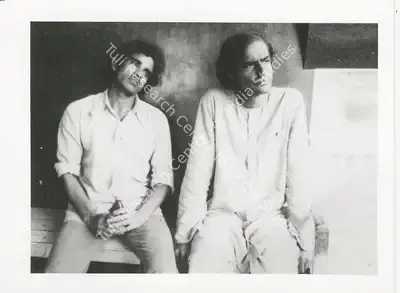
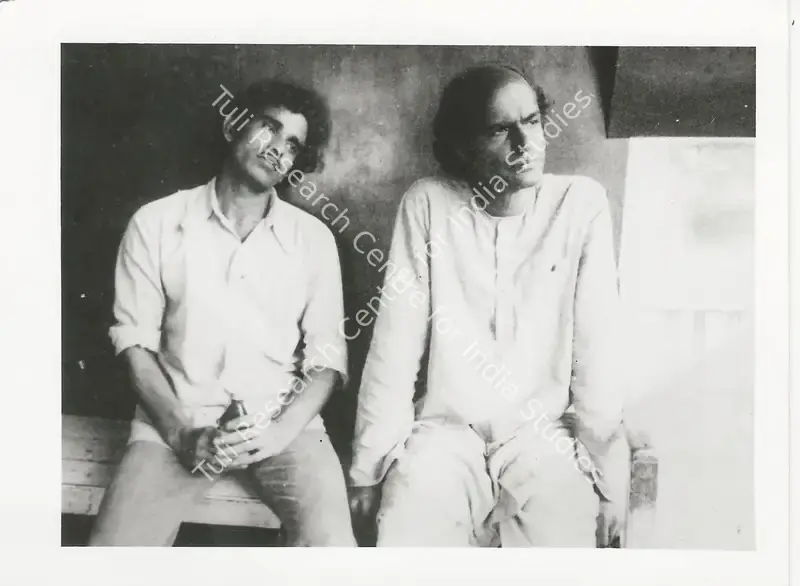
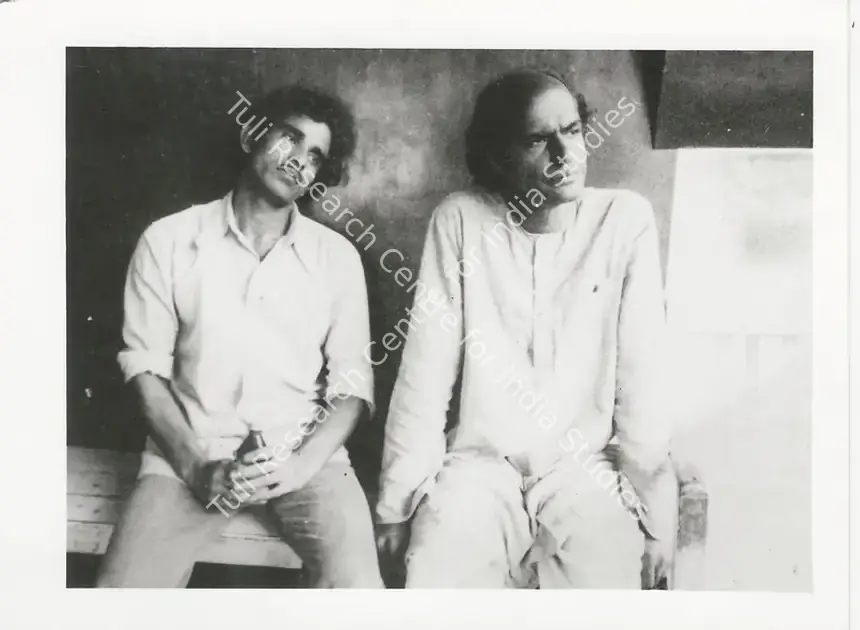
Based on the writings of one of the most prominent Hindi literary figures of the 20th century, Gajanan Madhav Muktibodh, Satah Se Uthata Admi is seen as Mani Kaul's most influential work. The film integrates episodes from Muktibodh's writings with material from other sources, including a reinvented neo-realism derived from Muktibodh's literary settings. The narrative is constructed around three characters: Ramesh (Gopi), who speaks and enacts Muktibodh's writings; his two friends, Madhav (Jha) and Keshav (Raina), who are Ramesh's antagonists and interlocuters especially in the debates about modernity. At the time of making the film, Kaul had begun his studies of Dhrupad music, and derived a number of cinematic styles from this musical idiom which continued to influence his films. The use of the continuously mobile camera, changing light patterns and the importance of improvisation are some such influences. The film was shown at Cannes where it was competing for the Un Certain Regard in 1980.