


Introduction
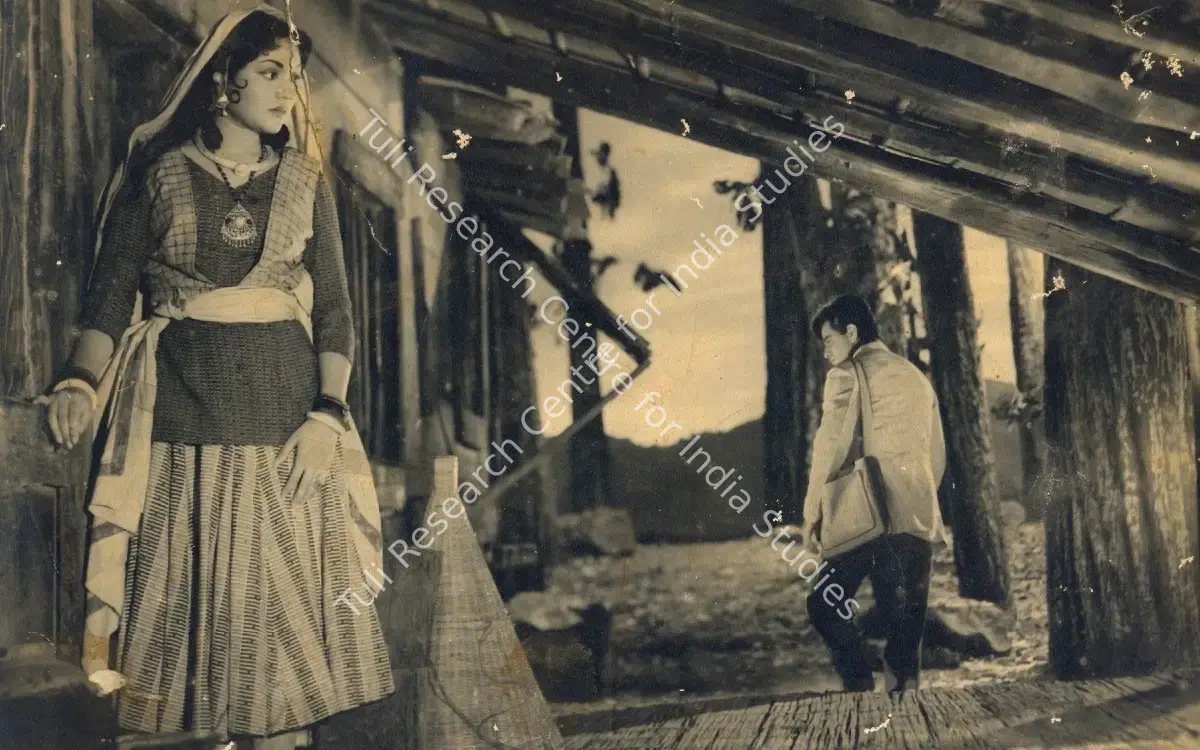
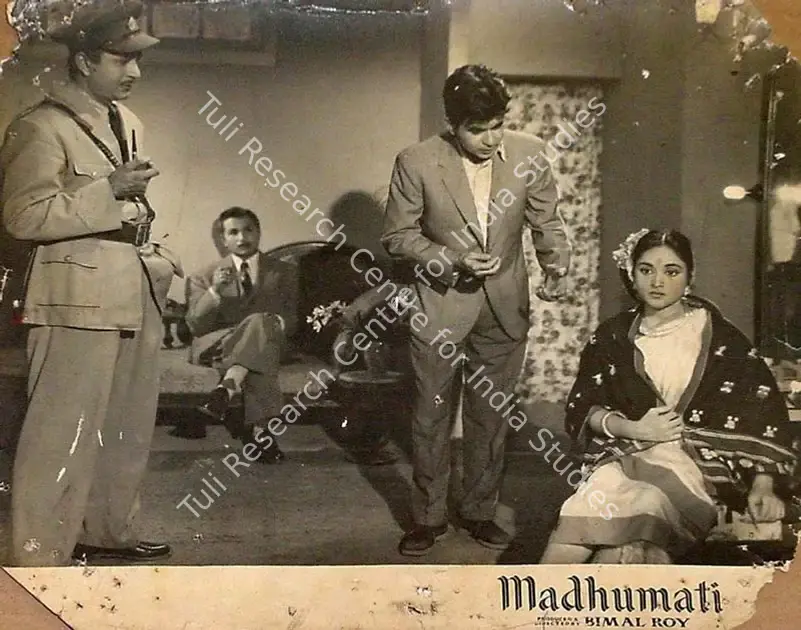
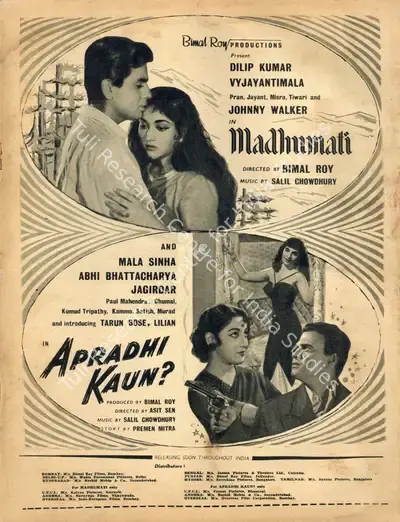
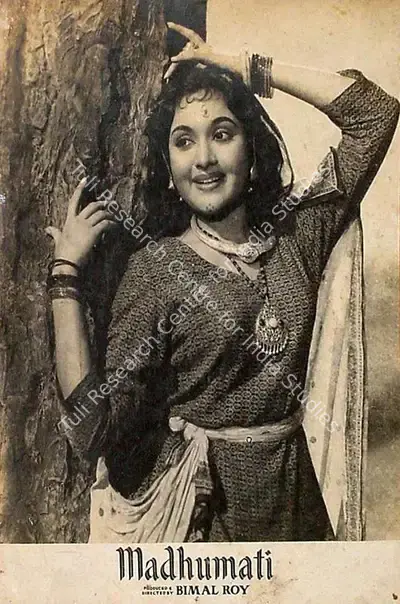
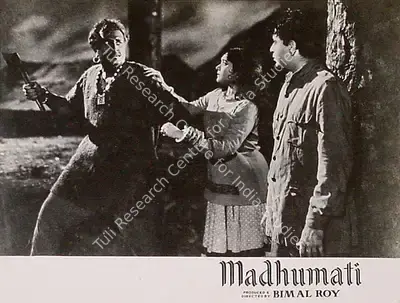
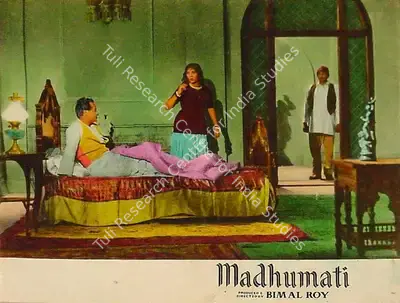
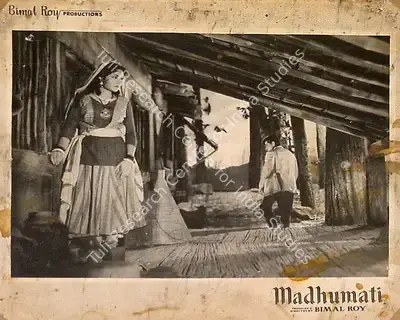
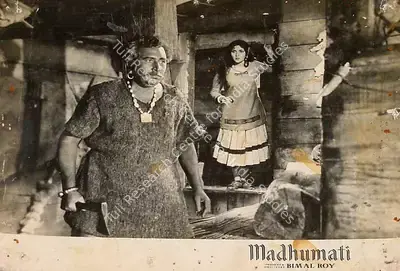
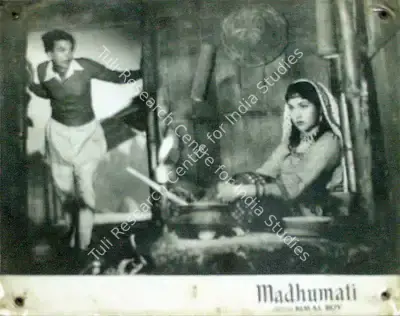
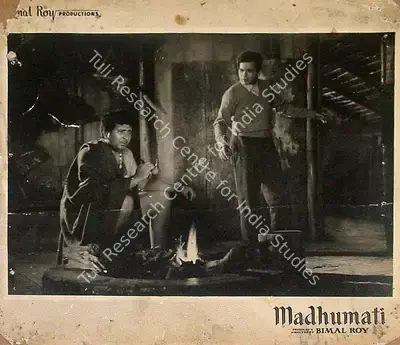
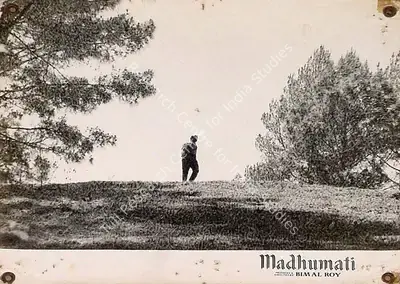
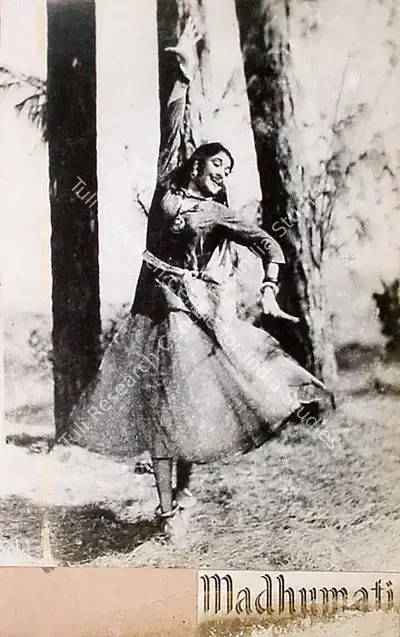
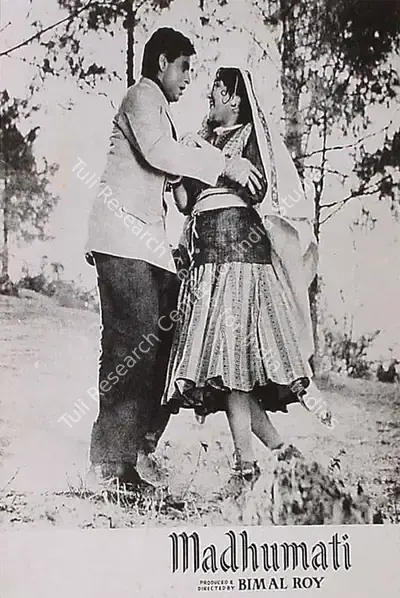
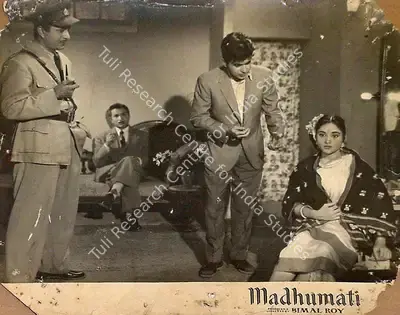
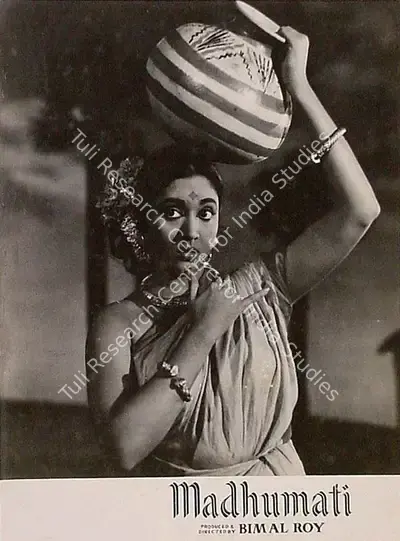
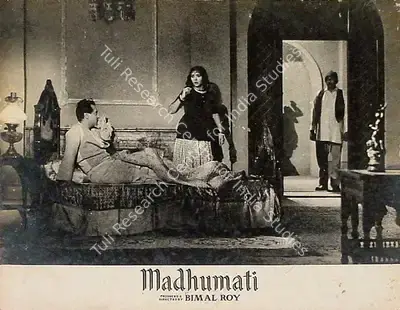
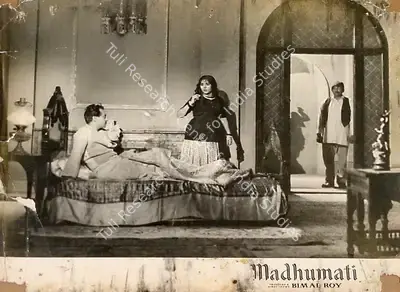
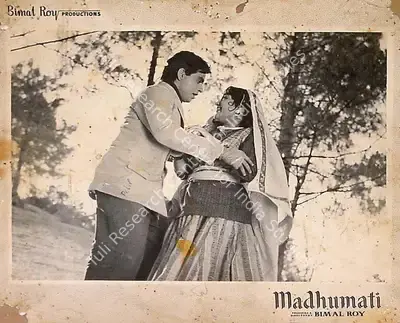
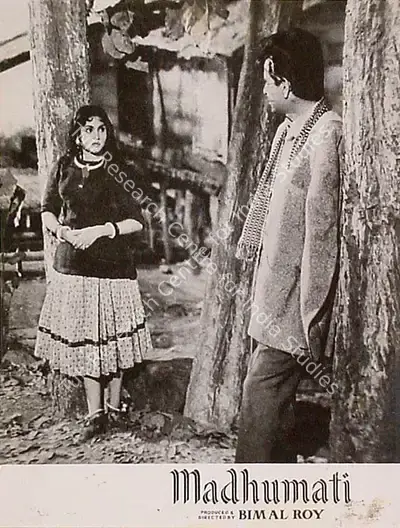
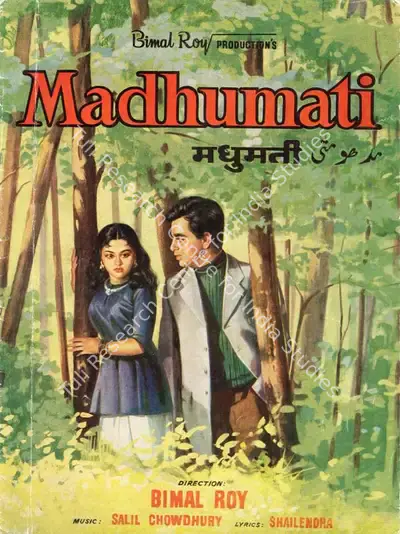
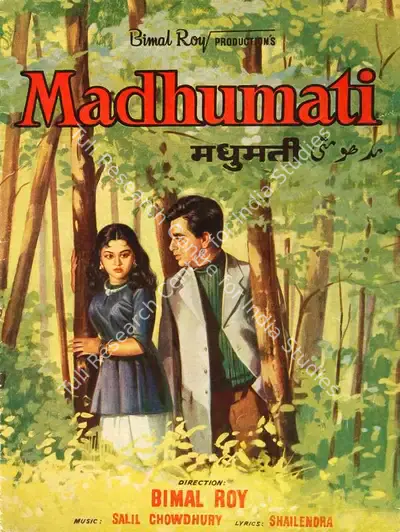
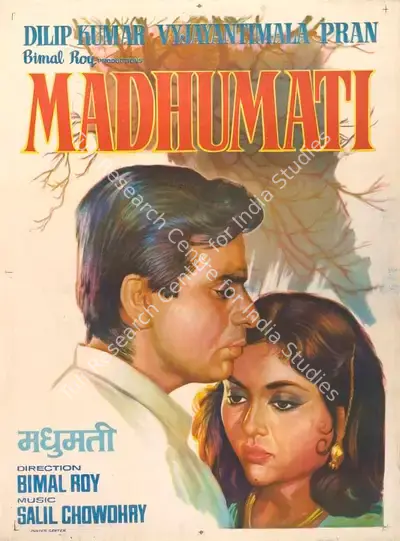
Bimal Roy's Madhumati is a highly celebrated film that blends gothic aesthetics with Indian folk traditions, creating a deeply original narrative rooted in postcolonial sensibilities. Written by renowned Bengali filmmaker Ritwik Ghatak and with a screenplay by Rajinder Singh Bedi, the film tells the story of Devendra (Dilip Kumar), an estate manager who experiences uncanny memories of his past life and his love, Madhumati (Vyjayanthimala), in a mysterious palace. Drawing on the gothic tradition which Indian audiences earlier witnessed in Kamal Amrohi's Mahal (1949), Madhumati indigenises the genre by weaving in Indian elements such as the theme of reincarnation and moving beyond the confines of haunted mansions to the vast open spaces by shooting the film in Ranikhet, Ghorakhal, Aarey Milk Colony, Igatpur forests, etc.
Salil Chowdhury's unforgettable soundtrack which is penned by Shailendra is heavily influenced by Indian folk music and enhances the film's mystical atmosphere and reinforces its cultural roots. At its core, Madhumati is more than a ghost story-it explores the enduring power of love and spirituality through the resilient character of Madhumati, whose spirit continues to influence events even after her death. The film also critiques the negative impact of external intrusion into tribal spaces, embodied by the oppressive Raja Ugra Narain whose greed disrupts the natural harmony of the land.
शैलेन्द्र द्वारा लिखे और सलिल चौधरी के अविस्मरणीय संगीत से सजे इस फ़िल्म के गीतों पर भारतीय लोक संगीत का गहरा प्रभाव साफ़ देखा जा सकता है। यह गीत फ़िल्म को भारत की समृद्ध लोक संस्कृति से जोड़ते हैं और साथ ही उसके रहस्य और कौतुक से भरे माहौल में इज़ाफ़ा भी करते हैं। मधुमती को सिर्फ़ एक भूतहा कहानी मानकर नहीं समझा जा सकता - मरकर भी अपने प्यार को बचाने और न्याय की तलाश में लौटकर आनेवाली मधुमती के दृढ़ चरित्र के माध्यम से यह फ़िल्म प्रेम के भीतर छिपी आध्यात्मिक शक्ति का संधान करती है। साथ ही फ़िल्म प्रकृति और इंसान के आपसी सामंजस्य को अपने स्वार्थ के मारे तबाह करने पर उतारू दमनकारी राजा उग्र नारायण के चरित्र के माध्यम से आदिवासी रिहाइश के इलाकों में बाहरी घुसपैठ के नकारात्मक प्रभावों से भी आगाह करती है।
Body of Work
Research Centre

Related
10
Personalities
10