

Introduction
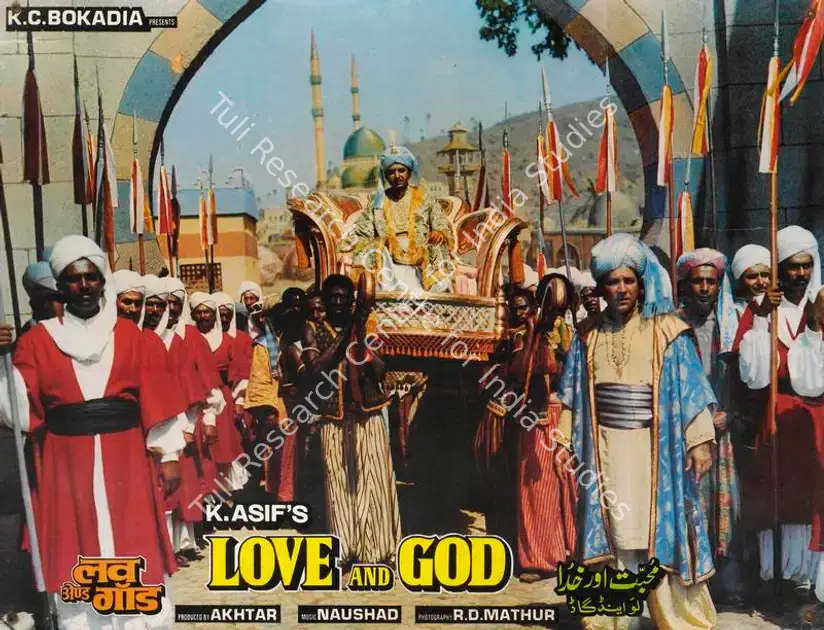
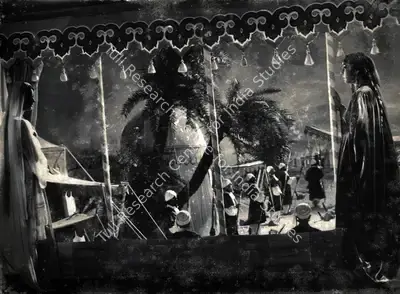
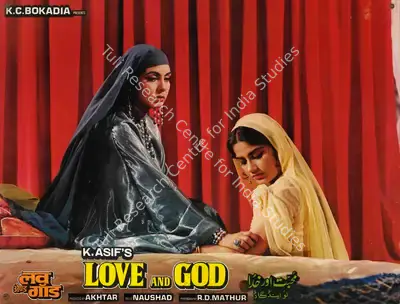
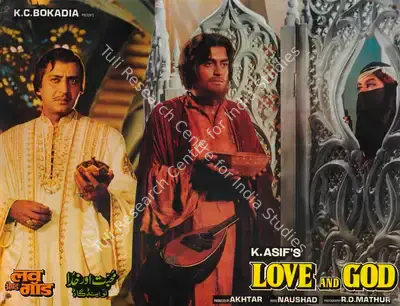
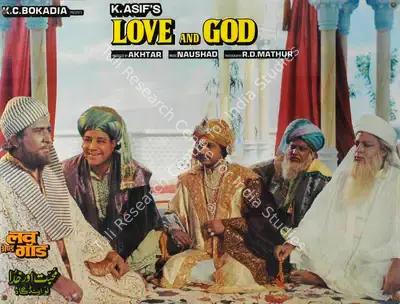
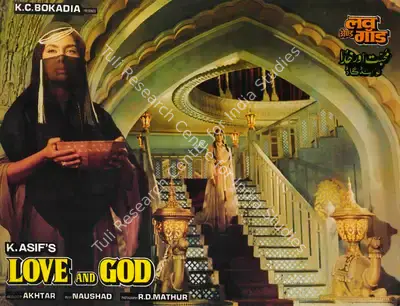
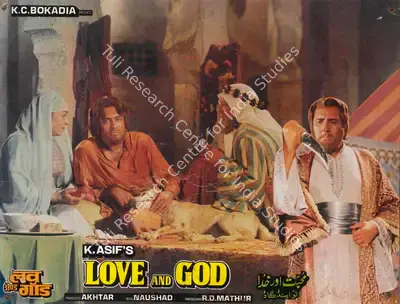
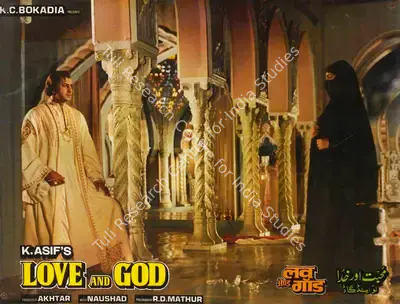
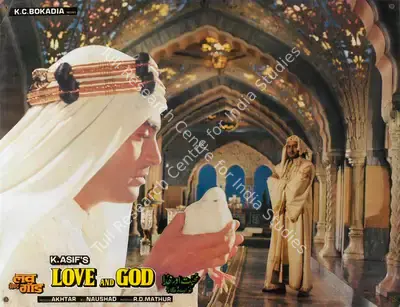
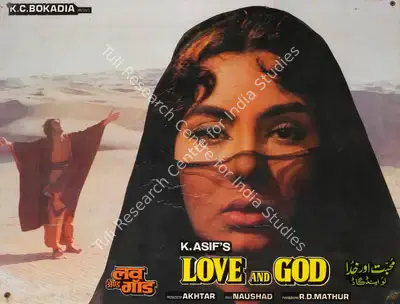
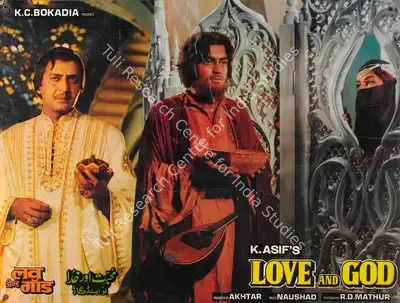
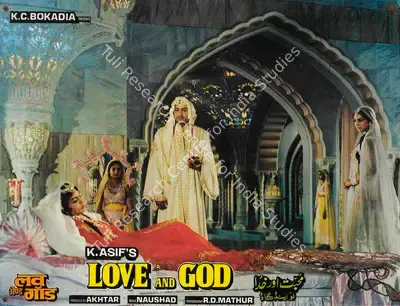
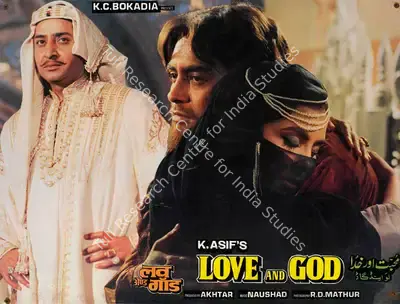
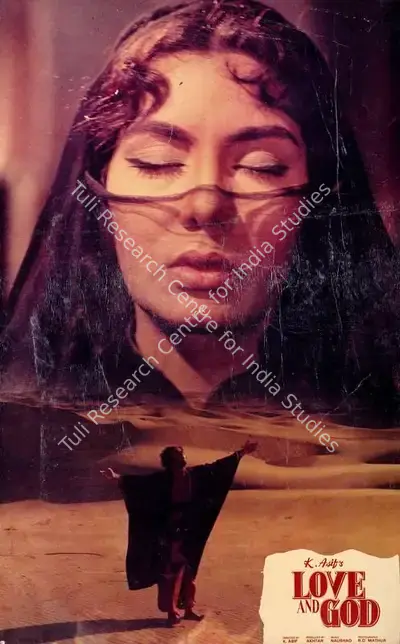
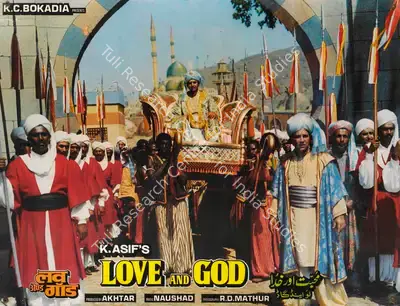
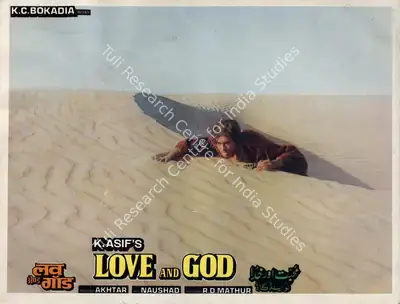
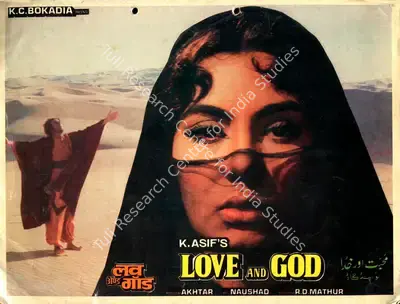
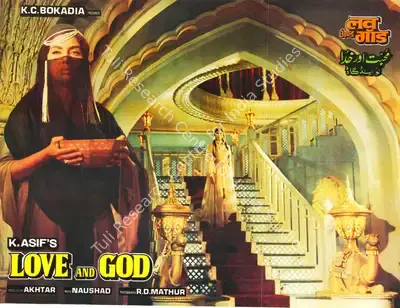
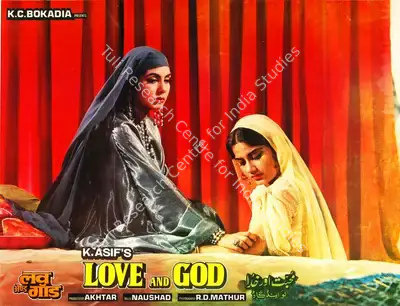
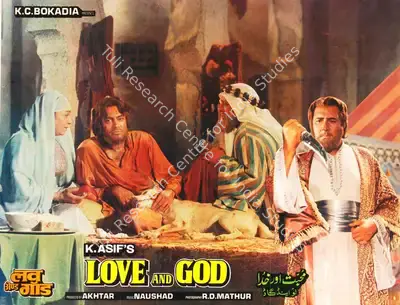
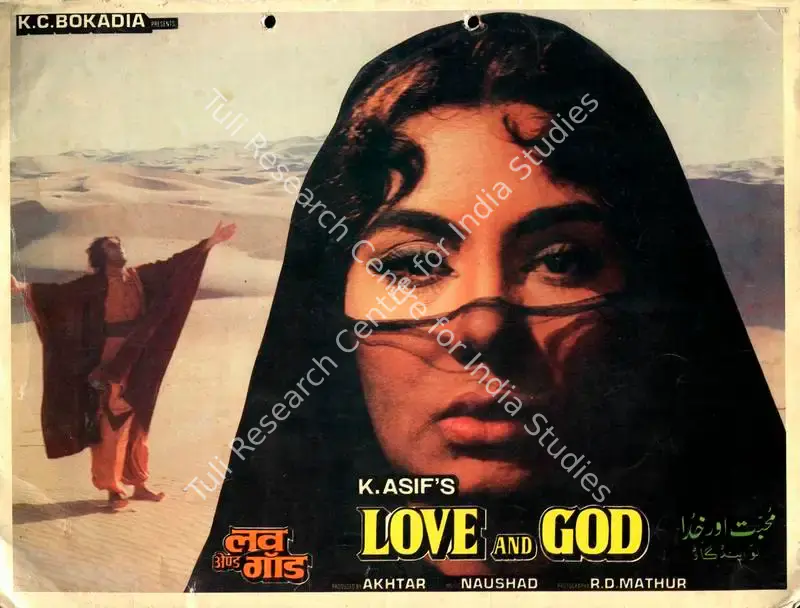
Love and God (1986) It was the final production and directorial venture of legendary filmmaker K. Asif and the only film he conceived entirely in colour. Conceived as a grand retelling of the immortal Arab romance of Laila and Majnun, the film starred Nimmi as Laila and Sanjeev Kumar as Qais, later known as Majnun. The ensemble cast also included Pran, Amjad Khan, Simi Garewal, Agha, Nazima, Jayant, Murad, Lalita Pawar, and Achala Sachdev. Notably, the film holds the distinction of having one of the longest production periods in Indian cinema, taking an extraordinary 23 years to reach the screen.
Production commenced in 1963 but was repeatedly disrupted by tragedy. The death of the original leading man, Guru Dutt, followed by K. Asif's own demise in 1971, left the ambitious project incomplete. More than a decade later, Asif's wife, Akhtar Asif, in collaboration with filmmaker K.C. Bokadia, painstakingly assembled usable footage from multiple studios and completed the film in its unfinished form. Love and God was finally released on 27 May 1986. Ironically, by the time of its release, Sanjeev Kumar had passed away six months earlier, while Nimmi had already retired from cinema more than a decade before. The film featured music by Naushad, lyrics by Khumar Barabankvi, and dialogues by Wajahat Mirza.
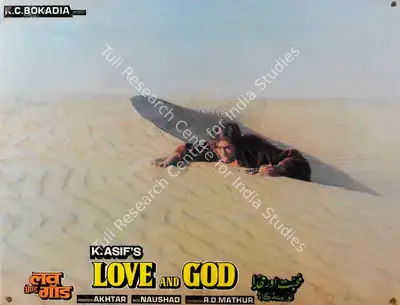
Based on the timeless legend of Laila and Majnun, the narrative follows Kais, the son of the Emir of Yemen, and Laila, the daughter of the Emir of Basra, whose love begins in childhood. Their bond appears divinely ordained, symbolized by a miraculous incident in which Laila's palms bleed when Kais is punished for repeatedly writing her name instead of Allah during a lesson. However, a bitter feud between their families prevents their union. As rumours about their meetings spread, Laila is confined to her home, while Kais is hunted for daring to pursue her. After surviving a near-fatal attack, he wanders the desert in search of his beloved and gradually loses touch with reality, earning the name "Majnun"—the mad lover. Forced into marriage with Ibn-e-Salaam, Laila remains emotionally devoted to Kais. Their tragic journey reaches its poignant conclusion at a dargah, where the star-crossed lovers are finally reunited, only to die in each other's arms.
The soundtrack, composed by Naushad and penned by Khumar Barabankvi, reflected the film's classical sensibilities. Notable songs included the duet and solo versions of Mohabbat Khuda Hai, rendered by Lata Mangeshkar, Manna Dey, and Mohammed Rafi; the ensemble number Rahega Jahan Mein Tera Naam; Rafi's soulful solos Ye Nadanon Ki Duniya Hai and Allah Tere Saath Hai; and the romantic duet Gulshan Gulshan Sehra Sehra.
Despite the immense curiosity surrounding its troubled production history, Love and God failed at the box office. By 1986, Hindi cinema had undergone a significant transformation, with audiences gravitating toward action-oriented entertainers and contemporary romantic dramas. The film's old-fashioned narrative style, theatrical dialogue delivery, and leisurely pacing reflected the cinematic conventions of the 1960s rather than the tastes of the mid-1980s. Furthermore, the necessity of stitching together incomplete footage resulted in uneven editing and a fragmented narrative structure. While the film remains a fascinating historical testament to K. Asif's artistic ambition, it was ultimately unable to overcome the challenges imposed by its extraordinarily prolonged production and changing audience expectations.
इस फ़िल्म का प्रोडक्शन 1963 में शुरू हुआ, लेकिन कई दुखद घटनाओं की वजह से इसमें बार-बार रुकावटें आईं। फ़िल्म के ओरिजिनल लीड एक्टर गुरु दत्त की मौत और फ़िर 1971 में के. आसिफ़ के निधन के कारण यह बड़ा प्रोजेक्ट अधूरा रह गया। एक दशक से भी ज़्यादा समय के बाद, आसिफ़ की पत्नी अख़्तर आसिफ़ ने फ़िल्ममेकर के.सी. बोकाडिया के साथ मिलकर कई स्टूडियो से काम के लायक फ़ुटेज़ इकट्ठा किए और फ़िल्म को उसके अधूरे रूप में ही पूरा किया। 'लव एंड गॉड' आख़िरकार 27 मई 1986 को रिलीज़ हुई। अजीब बात यह है कि जब यह फ़िल्म रिलीज़ हुई, तब तक संजीव कुमार का निधन हुए छह महीने हो चुके थे, जबकि निम्मी एक दशक से भी पहले फ़िल्मों से रिटायर हो चुकी थीं। इस फ़िल्म में नौशाद का संगीत, खुमार बाराबंकवी के गाने और वजाहत मिर्ज़ा के डायलॉग थे।
लैला और मजनूँ की अमर कहानी पर आधारित यह किस्सा यमन के अमीर के बेटे कैस और बसरा के अमीर की बेटी लैला के बारे में है, जिनका प्यार बचपन में ही शुरू हो जाता है। उनका रिश्ता दैवीय लगता है, जिसकी निशानी एक चमत्कारिक घटना है, जब कैस को सबक के दौरान अल्लाह के बजाय बार-बार लैला का नाम लिखने की सज़ा मिलती है, तो लैला की हथेलियों से ख़ून बहने लगता है। हालाँकि, उनके परिवारों के बीच की कड़वी दुश्मनी उनके मिलन में बाधा बनती है। जब उनके मिलने-जुलने की अफ़वाहें फैलती हैं, तो लैला को घर में नज़रबंद कर दिया जाता है, जबकि कैस का पीछा किया जाता है क्योंकि उसने लैला से मिलने की हिम्मत की थी। जानलेवा हमले से बचने के बाद, वह अपनी प्रेमिका की तलाश में रेगिस्तान में भटकता है और धीरे-धीरे हक़ीक़त से दूर हो जाता है, जिससे उसे "मजनूँ" यानी दीवाना प्रेमी का नाम मिलता है। इब्न-ए-सलाम से शादी के लिए मज़बूर होने के बावजूद, लैला भावनात्मक रूप से कैस के प्रति समर्पित रहती है। उनकी दुखद यात्रा एक दरगाह पर मार्मिक अंत तक पहुँचती है, जहाँ ये प्रेमी आख़िरकार फ़िर से मिलते हैं, लेकिन एक-दूसरे की बाहों में ही दम तोड़ देते हैं।
नौशाद द्वारा रचित और खुमार बाराबंकवी द्वारा लिखित साउंडट्रैक, फ़िल्म की शास्त्रीय संवेदनाओं को दर्शाता है। उल्लेखनीय गीतों में लता मंगेशकर, मन्ना डे और मोहम्मद रफ़ी द्वारा प्रस्तुत 'मोहब्बत ख़ुदा है' के युगल और एकल संस्करण शामिल हैं। सामूहिक गीत 'रहेगा जहाँ में तेरा नाम', रफ़ी के भावपूर्ण एकल गीत 'ये नादानों की दुनिया है' और 'अल्लाह तेरे साथ है' और रोमांटिक युगल 'गुलशन गुलशन सेहरा सेहरा'।
इसके मुश्किल प्रोडक्शन इतिहास को लेकर लोगों में बहुत उत्सुकता होने के बावजूद, 'लव एंड गॉड' बॉक्स ऑफ़िस पर फ़्लॉप रही। 1986 तक हिंदी सिनेमा में काफ़ी बदलाव आ चुका था। दर्शक एक्शन वाली मनोरंजक फ़िल्मों और आज के दौर की रोमांटिक ड्रामा फ़िल्मों की ओर आकर्षित हो रहे थे। फ़िल्म की कहानी कहने का पुराना तरीक़ा, नाटकीय अंदाज़ में डायलॉग बोलना और धीमी रफ़्तार 1980 के दशक के मध्य की पसंद के बजाय 1960 के दशक के सिनेमाई तौर-तरीकों को दिखाती थी। इसके अलावा, अधूरे फुटेज़ को एक साथ जोड़ने की ज़रूरत के कारण एडिटिंग में एकरूपता नहीं रही और कहानी का ढांचा भी बिखरा-बिखरा सा लगा। हालांकि यह फ़िल्म के. आसिफ़ की कलात्मक महत्वाकांक्षा का एक दिलचस्प ऐतिहासिक सबूत बनी हुई है, लेकिन आख़िरकार यह फ़िल्म अपने बहुत लंबे समय तक चले प्रोडक्शन और दर्शकों की बदलती उम्मीदों से जुड़ी चुनौतियों को पार नहीं कर पाई।