
Introduction
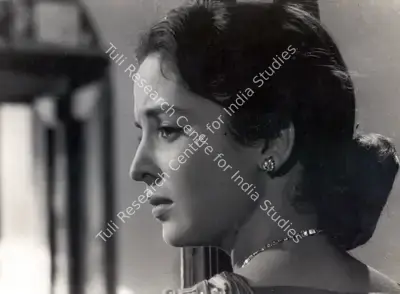
Leela Naidu Born in the shimmering cosmopolis of Bombay in 1940—glided through the twentieth century like a quiet comet, trailing beauty, intellect, and an ineffable mystique, she was crowned Femina Miss India of 1954, and soon found herself anointed by Vogue among the “World's Ten Most Beautiful Women,” sharing that rarefied constellation with Maharani Gayatri Devi. Yet Naidu's radiance was not merely epidermal; it was a birthright woven from extraordinary parentage. Her father, Dr. P. R. Naidu, a nuclear physicist of formidable brilliance, once laboured under the tutelage of Marie Curie, while her mother, the Swiss-French scholar Dr. Marthe Mange, carried the Sorbonne's intellectual torch. Out of eight pregnancies, Leela alone survived—fragile proof of destiny's careful choosing.
Raised in Europe, schooled in Geneva, and refined under the watchful eyes of Jean Renoir, she moved effortlessly among the artistic titans of her era; even Salvador Dalí paused to capture her luminous presence on canvas. At seventeen she was swept into marriage with Tilak Raj Oberoi, heir to a hotel empire; the union yielded twin daughters, dissolved swiftly, and left Naidu at a crossroads. A later marriage to the poet Dom Moraes unfurled across Hong Kong, New York, Delhi, and Mumbai—a wandering duet that endured twenty-five turbulent years.
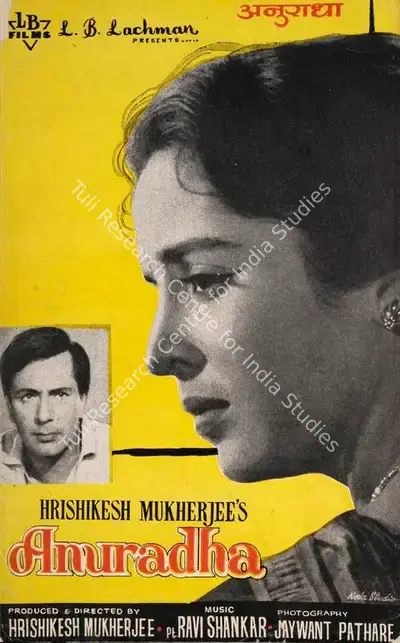
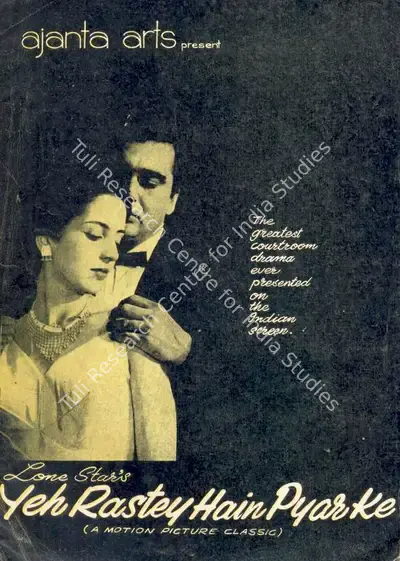
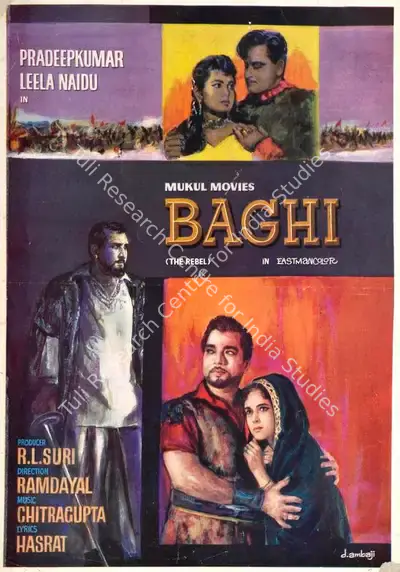
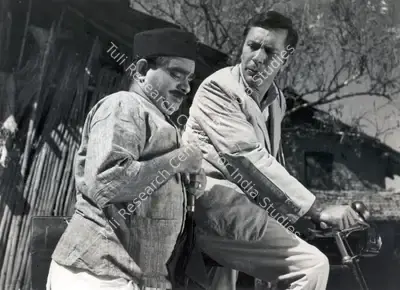
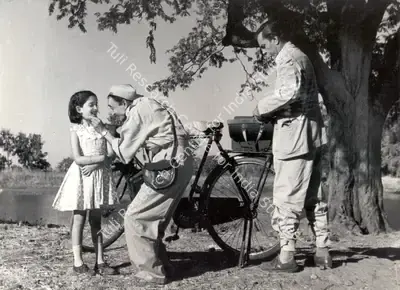
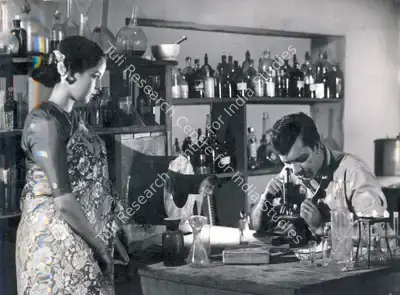
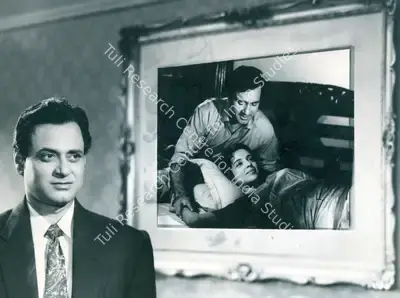
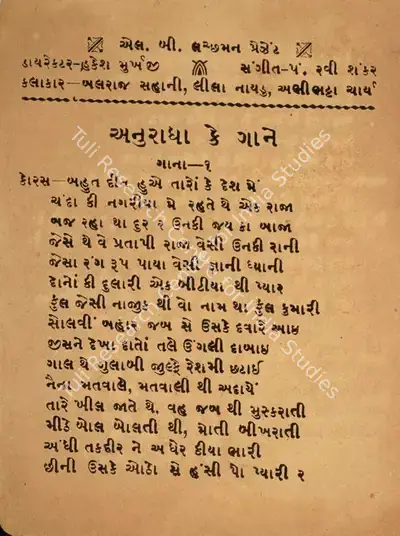
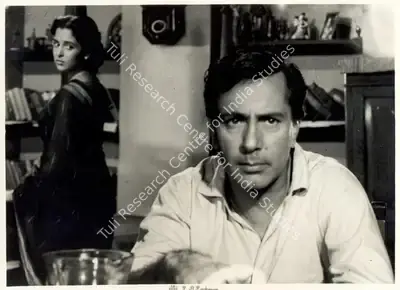
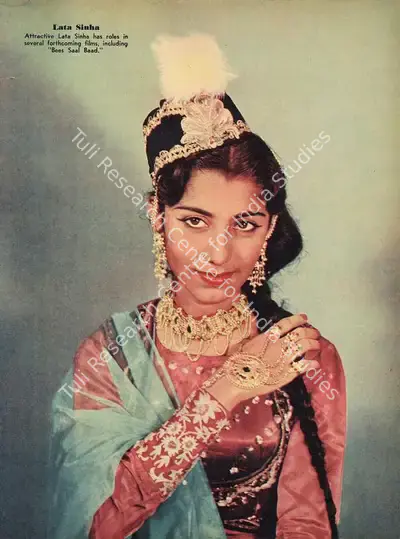
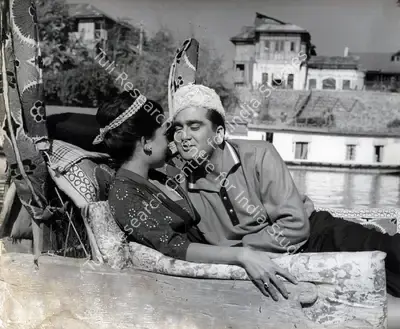
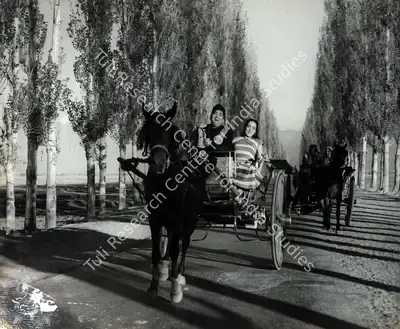
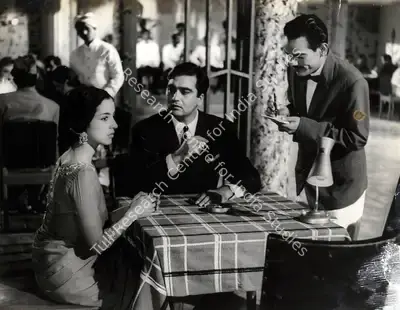
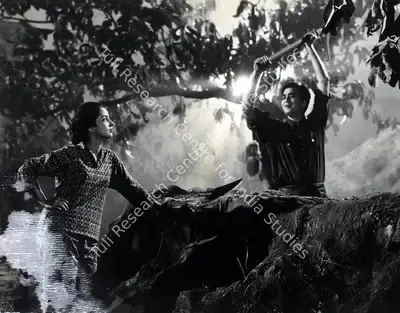
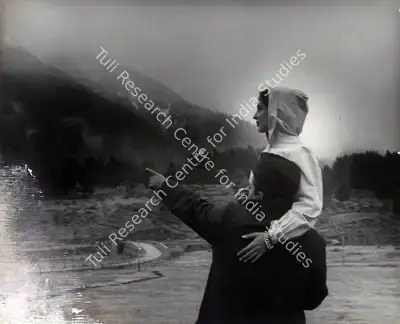
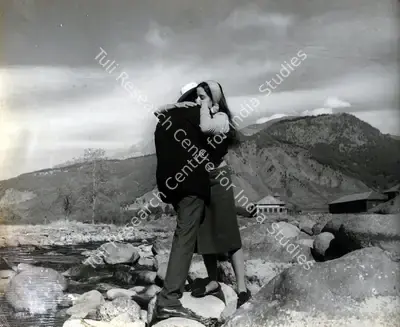
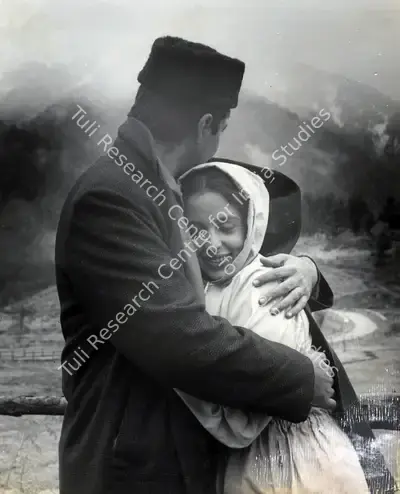
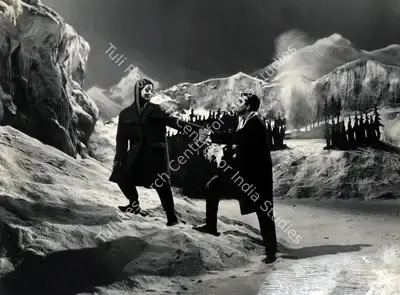
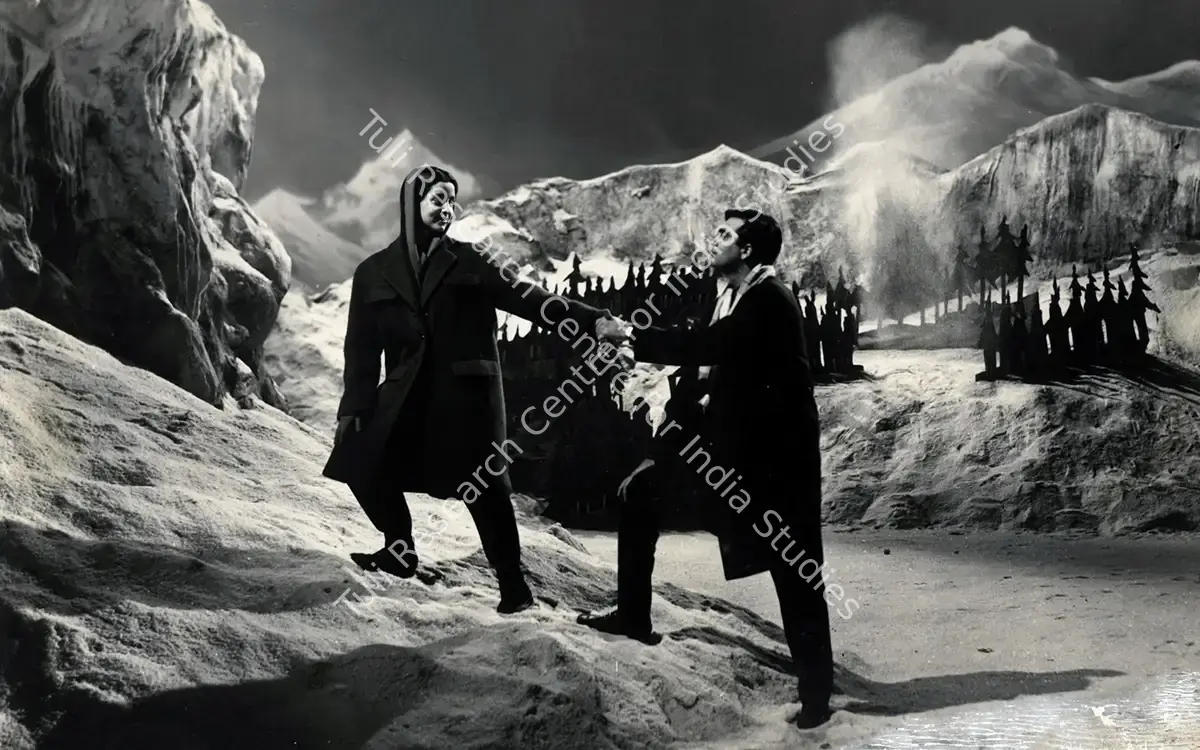
Her cinematic journey began with Anuradha (1962), where Hrishikesh Mukherjee, captivated by a single photograph, entrusted her with a role that led to a National Award for the film and critical applause for her ethereal performance. She ventured into bold terrain with Yeh Rastey Hain Pyar Ke (1963), portraying an adulterous wife with poised vulnerability, and then stepped into immortality with The Householder, the seminal Merchant-Ivory film midwifed by her own insight. Satyajit Ray himself, enchanted by her craft, contemplated a film pairing her with Marlon Brando—an exquisite dream that never materialized. She repeatedly rebuffed Raj Kapoor's fervent entreaties, and though her luminous presence drew the interest of masters like Satyajit Ray and David Lean, the roles they envisioned for her dissolved into the ether for reasons far beyond her own command. Though she turned down Raj Kapoor, she was considered by David Lean for Dr. Zhivago, and drifted in and out of cinema with Trikaal and Electric Moon, Naidu's life remained a tapestry woven as much from absence as from presence. After parting from Moraes, she retreated into a dignified seclusion in Colaba, tending to friendships, conversations, and memory.
She died in Mumbai on 28 July 2009, her quiet exit echoing the subtle majesty with which she had lived. In her wake remains not merely a filmography, but a legend—half-remembered, wholly resplendent, and forever touched by the sublime.
यूरोप में पली-बढ़ीं, जिनेवा में पढ़ाई की और जीन रेनॉयर की देखरेख में फ़िल्मी कला निखारीं। वे अपने दौर के महान कलाकारों के बीच आसानी से घुल-मिल जाती थीं। यहाँ तक कि साल्वाडोर दाली भी उनकी शानदार मौजूदगी को कैनवास पर उतारने के लिए रुक जाते थे। सत्रह साल की उम्र में उनकी शादी होटल साम्राज्य के वारिस तिलक राज ओबेरॉय से हो गई। इस शादी से जुड़वां बेटियाँ हुईं, लेकिन यह रिश्ता जल्द ही टूट गया और नायडू एक ऐसे मोड़ पर आ गईं जहाँ से आगे का रास्ता तय करना था। बाद में कवि डोम मोराएस के साथ उनका विवाह हुआ, जो हांगकांग, न्यूयॉर्क, दिल्ली और मुंबई जैसे महानगरों भटकता हुआ जीवन था। एक ऐसा साथ जो पच्चीस उथल-पुथल भरे वर्षों तक चला।
उनके फ़िल्मी सफ़र की शुरुआत 'अनुराधा' (1962) से हुई, जहाँ ऋषिकेश मुखर्जी उनकी एक तस्वीर देखकर इतने प्रभावित इतना हुए कि उन्होंने उन्हें एक ऐसा रोल दिया जिससे फ़िल्म को नेशनल अवॉर्ड मिला और उनकी शानदार एक्टिंग की तारीफ़ हुई। उन्होंने 'ये रास्ते हैं प्यार के' (1963) के साथ कुछ अलग और बोल्ड करने की कोशिश की, जिसमें उन्होंने एक ऐसी पत्नी का रोल किया जो धोखेबाज़ थी लेकिन उसमें एक तरह की कोमलता और कमज़ोरी भी थी। इसके बाद 'द हाउसहोल्डर' फ़िल्म के साथ उन्होंने अमरता हासिल की यह मर्चेंट-आइवरी की एक अहम फ़िल्म थी जिसे उनकी अपनी समझ-बूझ से बनाया गया था। सत्यजीत रे ख़ुद उनकी कला से इतने प्रभावित थे कि उन्होंने उन्हें मार्लन ब्रैंडो के साथ कास्ट करने के बारे में सोचा था। एक ऐसा शानदार सपना जो कभी सच नहीं हो पाया। उन्होंने राज कपूर की ज़ोरदार गुज़ारिशों को बार-बार ठुकराया, और हालाँकि उनकी शानदार मौजूदगी ने सत्यजीत रे और डेविड लीन जैसे दिग्गजों का ध्यान खींचा, लेकिन उनके लिए सोचे गए रोल ऐसे कारणों से कभी नहीं बन पाए जो उनके बस में नहीं थे। राज कपूर को मना करने के बावजूद, डेविड लीन ने 'डॉ. ज़िवागो' के लिए उन पर विचार किया था। इसके बाद 'त्रिकाल' और 'इलेक्ट्रिक मून' के साथ सिनेमा में उनका आना-जाना लगा रहा। नायडू की ज़िंदगी मौजूदगी और गैर-मौजूदगी, दोनों से मिलकर बनी थी। मोरेस से अलग होने के बाद, वह कोलाबा में एक गरिमापूर्ण एकांत जीवन जीने लगीं, जहाँ उन्होंने दोस्ती, बातचीत और यादों को संजोकर रखा।
28 जुलाई 2009 को मुंबई में उनका निधन हो गया। उनकी शांत विदाई ने उस गरिमापूर्ण जीवन की झलक पेश की जो उन्होंने जिया था। अपने पीछे वे न केवल फ़िल्मों की एक सूची, बल्कि एक ऐसी महान विरासत छोड़ गईं, जो कुछ धुंधली यादों में बसी है, पर पूरी तरह से शानदार और हमेशा एक अलौकिक आभा से ओत-प्रोत है।